Efavirenz/emtricitabine/tenofovir disoproxil fumarate
Ukraine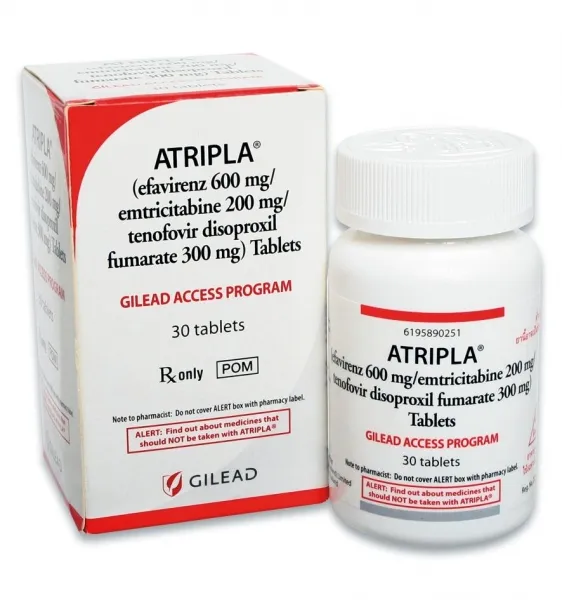
Table of Contents
INSTRUCTIONS FOR MEDICAL USE OF THE MEDICINAL PRODUCT EFAVIRENZ/EMTRICITABINE/TENOFOVIR DISOPROXIL FUMARATE
Composition:
Active substances: efavirenz, emtricitabine, tenofovir disoproxil fumarate;
1 tablet contains 600 mg of efavirenz, 200 mg of emtricitabine, and 300 mg of tenofovir disoproxil fumarate;
Excipients: microcrystalline cellulose; lactose monohydrate; sodium croscarmellose; sodium lauryl sulfate; hydroxypropylcellulose; magnesium stearate; film-coating mixture Opadry II Blue (85F30602) (polyvinyl alcohol, polyethylene glycol, titanium dioxide, talc, FD & C Blue #2 (indigo carmine aluminum lake)).
Pharmaceutical form. Film-coated tablets.
Main physicochemical properties: capsule-shaped, biconvex, film-coated blue tablets, with "TEE" embossed on one side.
Pharmacotherapeutic group.
Antiviral agents for treatment of HIV infection, combinations.
ATC code J05AR06.
Pharmacological properties.
Pharmacodynamics.
Mechanism of action. Efavirenz is a non-nucleoside reverse transcriptase inhibitor (NNRTI) of HIV-1. Efavirenz inhibits HIV-1 reverse transcriptase non-competitively and does not significantly inhibit HIV-2 reverse transcriptase or cellular DNA polymerases—α, β, γ, and δ. Emtricitabine is a nucleoside analogue of cytidine. Tenofovir disoproxil fumarate is converted in vivo to tenofovir, a nucleotide analogue of adenosine monophosphate.
Emtricitabine and tenofovir are phosphorylated by cellular enzymes to form emtricitabine triphosphate and tenofovir diphosphate, respectively. In vitro studies have shown that both emtricitabine and tenofovir can be fully phosphorylated when used in combination within cells. Emtricitabine triphosphate and tenofovir diphosphate competitively inhibit HIV-1 reverse transcriptase, leading to chain termination of viral DNA.
Emtricitabine triphosphate and tenofovir diphosphate are weak inhibitors of mammalian DNA polymerases. Furthermore, there is no evidence of mitochondrial toxicity, either in vitro or in vivo.
In vitro antiviral activity. Efavirenz demonstrated antiviral activity against the most non-phylogenetically diverse isolates of subtype B (subtypes A, AE, AG, C, D, F, G, J, and N), although its antiviral activity is reduced against group O viruses. Emtricitabine exhibits antiviral activity against HIV-1 subtypes A, B, C, D, T, F, and G. Tenofovir exhibits antiviral activity against HIV-1 subtypes A, B, C, D, T, F, G, and O. Emtricitabine and tenofovir have demonstrated specific activity against HIV-2 strains and antiviral activity against hepatitis B virus (HBV).
In combined in vitro studies evaluating antiviral activity of efavirenz with emtricitabine, efavirenz with tenofovir, and emtricitabine with tenofovir, additive and synergistic antiviral effects were observed.
Resistance. Resistance to efavirenz can be selected in vitro and is characterized by single or multiple amino acid substitutions in HIV-1 reverse transcriptase, including L100I, V108I, V179D, and Y181C. K103N is the most common substitution in reverse transcriptase observed in viral isolates from patients experiencing virologic rebound during clinical trials with efavirenz. Substitutions have also been observed at positions 98, 100, 101, 108, 138, 188, 190, or 225 in reverse transcriptase, though less frequently and often only in combination with K103N. In vitro cross-resistance profiles for efavirenz, nevirapine, and delavirdine show that the K103N substitution leads to reduced susceptibility to all three NNRTIs.
Cross-resistance between efavirenz and nucleoside reverse transcriptase inhibitors (NRTIs) is unlikely due to different binding sites on the target enzyme and distinct mechanisms of action. Cross-resistance between efavirenz and protease inhibitors is also unlikely because the target enzymes differ.
Resistance to emtricitabine or tenofovir has been observed in vitro and in some HIV-1-infected patients, associated with M184V or M184I substitutions in reverse transcriptase during emtricitabine use, or K65R substitution in reverse transcriptase during tenofovir use. No other resistance pathways to emtricitabine or tenofovir have been identified. Emtricitabine-resistant viruses with M184V/I mutations exhibit cross-resistance to lamivudine but retain sensitivity to didanosine, stavudine, tenofovir, and zidovudine. The K65R mutation may also be selected by abacavir or didanosine and leads to reduced susceptibility to these agents, as well as to lamivudine, emtricitabine, and tenofovir. Tenofovir disoproxil fumarate should not be administered to patients with HIV-1 harboring the K65R mutation. Both K65R and M184V/I mutations retain full susceptibility to efavirenz.
In patients with HIV-1 harboring three or more thymidine analogue mutations (TAMs), including M41L or L210W amino acid substitutions in reverse transcriptase, reduced susceptibility to tenofovir disoproxil fumarate has been observed.
In vivo resistance (in treatment-naïve patients). Currently, there is limited data on resistance in patients treated with the fixed-dose combination of efavirenz/emtricitabine/tenofovir disoproxil fumarate. However, in a 144-week open-label randomized trial (GS-01-934) involving antiretroviral treatment-naïve patients receiving efavirenz, emtricitabine, and tenofovir disoproxil fumarate as individual formulations (or efavirenz plus the fixed-dose combination of emtricitabine and tenofovir disoproxil fumarate from weeks 96 to 144), genotyping of HIV-1 isolates (from plasma) was performed in all patients with confirmed HIV RNA levels > 400 copies/mL at week 144 or at early discontinuation. At week 144:
- The M184V/I mutation emerged in 2 of 19 (10.5%) analyzed isolates from the efavirenz + emtricitabine + tenofovir disoproxil fumarate group and in 10 of 29 (34.5%) analyzed isolates from the efavirenz + lamivudine/zidovudine group (p-value < 0.05, Fisher's exact test comparing emtricitabine + tenofovir disoproxil fumarate vs. lamivudine/zidovudine groups).
- None of the analyzed viruses had the K65R mutation.
Genotypic resistance to efavirenz, primarily the K103N mutation, developed in 13 of 19 (68%) patients in the efavirenz + emtricitabine + tenofovir disoproxil fumarate group and in 21 of 29 (72%) patients in the efavirenz + lamivudine/zidovudine group.
Refer to individual product labeling for additional information on in vivo resistance.
Patients with HIV/HBV co-infection. Limited clinical experience in patients co-infected with HIV and HBV indicates that treatment with emtricitabine or tenofovir disoproxil fumarate as part of antiretroviral therapy (ART) for HIV control also results in reduced HBV DNA levels (3 log10 reduction or 4–5 log10 reduction, respectively).
Pharmacokinetics.
Pharmacokinetics of efavirenz, emtricitabine, and tenofovir disoproxil fumarate were determined using their individual formulations administered separately to HIV-infected patients. Bioequivalence of one tablet (film-coated) of efavirenz/emtricitabine/tenofovir disoproxil fumarate to one tablet (film-coated; 600 mg) of efavirenz plus one capsule (200 mg) of emtricitabine plus one tablet (film-coated; 245 mg) of tenofovir disoproxil (equivalent to 300 mg tenofovir disoproxil fumarate) was confirmed following single-dose administration under fasting conditions in healthy volunteers in study GS-US-177-010.
Absorption. In HIV-infected patients, peak plasma concentrations of efavirenz are reached within 5 hours, and steady-state concentrations are achieved within 6–7 days. In 35 patients receiving efavirenz 600 mg once daily, the steady-state peak concentration (Cmax) was 12.9 ± 3.7 µmol (29%) [mean ± standard deviation (SD) (% CV)], the steady-state trough concentration (Cmin) was 5.6 ± 3.2 µmol (57%), and AUC was 184 ± 73 µmol•h (40%).
Emtricitabine is rapidly absorbed, reaching peak plasma concentrations within 1–2 hours after dosing. Following multiple oral doses in 20 HIV-infected patients, the steady-state Cmax was 1.8 ± 0.7 µg/mL (mean ± SD) (39% CV), the steady-state Cmin was 0.09 ± 0.07 µg/mL (80% CV), and AUC over the 24-hour dosing interval was 10.0 ± 3.1 µg•h/mL (31%).
After a single 300 mg oral dose of tenofovir disoproxil fumarate administered under fasting conditions to HIV-infected patients, peak concentrations of tenofovir were reached within 1 hour, and Cmax and AUC (mean ± SD) (% CV) were 296 ± 90 ng/mL (30%) and 2,287 ± 685 ng•h/mL (30%), respectively. Oral bioavailability of tenofovir from tenofovir disoproxil fumarate under fasting conditions is approximately 25%.
Effect of food. Efavirenz/emtricitabine/tenofovir disoproxil fumarate is recommended to be taken on an empty stomach, as food can increase exposure to efavirenz, potentially increasing the frequency of adverse reactions. Exposure to tenofovir (AUC) is expected to be approximately 30% lower when efavirenz/emtricitabine/tenofovir disoproxil fumarate is taken on an empty stomach compared to when tenofovir disoproxil fumarate is taken with food.
Distribution. Efavirenz is highly bound (>99%) to plasma proteins, primarily albumin. In vitro, emtricitabine protein binding to plasma proteins is <4% and independent of concentration over the range of 0.02–200 µg/mL. After intravenous administration, the volume of distribution of emtricitabine is 1.4 L/kg. Following oral administration, emtricitabine is widely distributed throughout body tissues. The mean plasma-to-blood concentration ratio is approximately 1.0, and the mean seminal-to-plasma concentration ratio is approximately 4.0.
In vitro, binding of tenofovir to plasma and serum proteins of human blood is <0.7% and 7.2%, respectively, over a concentration range of 0.01–25 µg/mL. After intravenous administration, the volume of distribution of tenofovir is approximately 800 mL/kg. Following oral administration, tenofovir is extensively distributed into all body tissues.
Elimination. Efavirenz has a relatively long elimination half-life—minimum 52 hours after a single dose and 40–55 hours after multiple doses. Approximately 14–34% of a radiolabeled dose of efavirenz is excreted in urine, and less than 1% of the dose is excreted unchanged in urine.
After oral administration, the elimination half-life of emtricitabine is approximately 10 hours. Emtricitabine is primarily eliminated by the kidneys, with nearly complete recovery of the dose in urine (approximately 86%) and feces (approximately 14%). 13% of the emtricitabine dose is excreted in urine as three metabolites. Systemic clearance of emtricitabine is approximately 307 mL/min.
After oral administration, the elimination half-life of tenofovir is approximately 12–18 hours. Tenofovir is primarily eliminated by the kidneys via both glomerular filtration and active tubular secretion, with approximately 70–80% of the dose excreted unchanged in urine after intravenous administration. Apparent clearance of tenofovir is approximately 307 mL/min. Renal clearance is approximately 210 mL/min, exceeding the glomerular filtration rate, indicating the importance of active tubular secretion in tenofovir elimination.
Clinical characteristics.
Indications.
Efavirenz/Emtricitabine/Tenofovir disoproxil fumarate is a fixed-dose combination indicated for the treatment of human immunodeficiency virus-1 (HIV-1) infection in adults and adolescents aged 10 years and older with body weight at least 35 kg.
Official guidelines for HIV treatment should be consulted, such as WHO recommendations: (http://www.who.int/hiv/pub/arv/arv-2016/en/).
Contraindications.
- Hypersensitivity to any active or excipient ingredient of the medicinal product.
- Severe hepatic impairment (Child-Pugh class C).
- Concomitant use with terfenadine, astemizole, cisapride, midazolam, triazolam, pimozide, bepridil, or ergot alkaloids (e.g., ergotamine, dihydroergotamine, ergonovine, and methylergonovine). Competition by efavirenz for cytochrome P450 (CYP) 3A4 may lead to inhibition of metabolism and potentiate the development of serious and/or life-threatening adverse reactions (e.g., cardiac arrhythmias, prolonged sedation, or respiratory depression).
- Concomitant use with voriconazole. Efavirenz significantly decreases plasma concentrations of voriconazole, while voriconazole significantly increases plasma concentrations of efavirenz. Since Efavirenz/Emtricitabine/Tenofovir disoproxil fumarate is a fixed-dose combination product, dose adjustment of efavirenz is not feasible.
- Concomitant use with herbal products containing St. John’s wort (Hypericum perforatum), due to the risk of reduced plasma concentrations and diminished clinical effects of efavirenz.
Interaction with other medicinal products and other forms of interaction.
Interactions related to Efavirenz
Drug interaction studies with the fixed-dose combination Efavirenz/Emtricitabine/Tenofovir disoproxil fumarate and other medicinal products have not been conducted. Since the product contains efavirenz, emtricitabine, and tenofovir disoproxil fumarate, interactions observed during individual administration of these agents may occur. Interaction studies for these components were conducted in adult patients.
Because Efavirenz/Emtricitabine/Tenofovir disoproxil fumarate is a fixed-dose combination product, it should not be co-administered with other medicinal products containing the same active substances—emtricitabine or tenofovir disoproxil fumarate. Efavirenz/Emtricitabine/Tenofovir disoproxil fumarate should not be used concomitantly with products containing efavirenz, except when dose adjustment is required (e.g., when used with rifampicin; see section “Dosage and administration”). Due to structural similarity, Efavirenz/Emtricitabine/Tenofovir disoproxil fumarate should not be used concomitantly with other cytidine analogues such as lamivudine. The product should also not be used concomitantly with adefovir dipivoxil or products containing tenofovir alafenamide.
Efavirenz is metabolized in the liver, primarily by the genetically polymorphic cytochrome (CYP) 450 isoenzyme CYP2B6, and also by CYP3A. Therefore, medicinal products that alter the activity of CYP2B6 or CYP3A may affect efavirenz plasma concentrations.
Efavirenz induces CYP3A4, CYP2B6, and UGT1A1 in vivo. Medicinal products that are substrates of these enzymes may have reduced plasma concentrations when co-administered with efavirenz. Efavirenz may also induce CYP2C19 and CYP2C9; in vitro inhibition has been observed, but the net effect on co-administered substrates of these enzymes is not fully established.
Exposure to efavirenz may be increased when co-administered with agents (e.g., ritonavir) or food (e.g., grapefruit juice) that inhibit CYP3A4 or CYP2B6 activity. Agents that induce these enzymes may lead to reduced efavirenz plasma concentrations. Herbal mixtures or products (e.g., Ginkgo biloba extract or St. John’s wort) that induce these enzymes may reduce efavirenz plasma concentrations when used concomitantly. Concomitant use of St. John’s wort is contraindicated (see section “Contraindications”). Concomitant use of Ginkgo biloba extract is not recommended (see section “Special warnings and precautions for use”).
Efavirenz is contraindicated for concomitant use with terfenadine, astemizole, cisapride, pimozide, bepridil, or ergot alkaloids, as this may alter plasma concentrations of these agents (see section “Contraindications”).
In vitro and clinical pharmacokinetic interaction studies have shown a low potential for CYP-mediated interactions involving emtricitabine and tenofovir disoproxil fumarate with other medicinal products.
Interactions related to Emtricitabine
In vitro, emtricitabine does not inhibit metabolism mediated by any of the following human CYP450 isoenzymes: 1A2, 2A6, 2B6, 2C9, 2C19, 2D6, or 3A4, and does not inhibit enzymatic glucuronidation.
No clinically significant interactions have been observed with concomitant administration of emtricitabine and indinavir, zidovudine, stavudine, or famciclovir. Emtricitabine is primarily eliminated by glomerular filtration and active tubular secretion. Except for famciclovir and tenofovir disoproxil, the effect of co-administering emtricitabine with other medicinal products eliminated by the kidneys or other agents affecting renal function has not been evaluated. Since both emtricitabine and tenofovir are primarily renally excreted, concomitant administration of Efavirenz/Emtricitabine/Tenofovir disoproxil fumarate with medicinal products that impair renal function or compete for active tubular secretion (e.g., cidofovir) may increase serum concentrations of emtricitabine, tenofovir, and/or the co-administered agent. There is no clinical or virological rationale for co-administering emtricitabine with other cytidine analogues. Therefore, Efavirenz/Emtricitabine/Tenofovir disoproxil fumarate should not be used in combination with lamivudine for the treatment of HIV infection (see section “Special warnings and precautions for use”).
Interactions related to Tenofovir
Concomitant use of tenofovir disoproxil and didanosine is not recommended (see section “Special warnings and precautions for use” and Table 1 below).
Medicinal products eliminated by the kidneys. Since emtricitabine and tenofovir are primarily eliminated by the kidneys, concomitant use of Efavirenz/Emtricitabine/Tenofovir disoproxil fumarate with medicinal products that impair renal function or compete for active tubular secretion (e.g., cidofovir) may increase serum concentrations of emtricitabine, tenofovir, and/or the co-administered agent.
The administration of Efavirenz/Emtricitabine/Tenofovir disoproxil fumarate should be avoided during or shortly after administration of nephrotoxic agents. Some examples include (but are not limited to) aminoglycosides, amphotericin B, foscarnet, ganciclovir, pentamidine, vancomycin, cidofovir, or interleukin-2 (see section “Special warnings and precautions for use”).
Given that tacrolimus may affect renal function, careful monitoring is recommended when used concomitantly.
Other interactions.
Drug interactions described are based on studies conducted with efavirenz, emtricitabine, or tenofovir disoproxil as individual agents or potential drug interactions; no drug interaction studies have been conducted using the fixed-dose combination. The following list of interactions should not be considered exhaustive, but rather as an indication of medicinal products requiring caution (increased exposure is denoted as “↑”, decreased exposure as “↓”, and no change as “↔”).
Table 1. Interactions of Efavirenz/Emtricitabine/Tenofovir disoproxil fumarate, film-coated tablets 600 mg/200 mg/300 mg
| Medicinal products |
Interaction |
Recommendations for concomitant use with the drug Efavirenz/Emtricitabine/Tenofovir disoproxil fumarate |
| ANTIMICROBIAL AGENTS |
||
| ANTIRETROVIRAL AGENTS |
||
| Nucleoside analogues |
||
| Zidovudine Stavudine Abacavir |
Interaction not expected |
|
| Abacavir/tenofovir disoproxil |
Abacavir and the drug Efavirenz/Emtricitabine/Tenofovir disoproxil fumarate should not be used concomitantly, as the additive effect of abacavir is expected to be limited or absent. |
|
| Lamivudine/emtricitabine |
Lamivudine and the drug Efavirenz/Emtricitabine/Tenofovir disoproxil fumarate should not be used concomitantly due to the similarity between emtricitabine and lamivudine, as additive effects are not expected (see section "Special precautions"). |
|
| Didanosine (400 mg once daily)/tenofovir disoproxil |
Didanosine AUC ↑ 40-60 % |
Concomitant use increases the risk of adverse effects associated with didanosine and reduces CD4 cell count. Dose reduction of didanosine to 250 mg when used with tenofovir has been associated with reports of high virological failure rates (during testing of several combinations). Concomitant use of the drug Efavirenz/Emtricitabine/Tenofovir disoproxil fumarate and didanosine is not recommended (see section "Special precautions"). |
| Non-nucleoside reverse transcriptase inhibitors |
||
| Nevarapine Etravirine |
Concomitant use is not recommended due to additive toxicity and lack of efficacy. |
|
| Protease inhibitors |
||
| Fosamprenavir/ritonavir (700/100 mg twice daily)/efavirenz |
No clinically significant pharmacokinetic interactions observed |
No dose adjustment required. |
| Saquinavir/ritonavir/ efavirenz |
Interaction not studied. For concomitant use of Efavirenz with low-dose ritonavir in combination with a protease inhibitor, see ritonavir above. |
Insufficient data to provide dosing recommendations for saquinavir with or without ritonavir when used with the drug Efavirenz/Emtricitabine/Tenofovir disoproxil fumarate. Concomitant use of saquinavir with or without ritonavir and the drug Efavirenz/Emtricitabine/Tenofovir disoproxil fumarate is not recommended. |
| Indinavir/efavirenz |
Indinavir AUC ↓ 31 %, Ctrough↓ 40 % |
Insufficient data to provide dosing recommendations for indinavir when used with the drug Efavirenz/Emtricitabine/Tenofovir disoproxil fumarate, as the clinical significance of reduced indinavir concentrations is not established. The magnitude of the observed pharmacokinetic interaction should be considered when selecting a treatment regimen containing Efavirenz/Emtricitabine/Tenofovir disoproxil fumarate and indinavir. |
| Indinavir/ritonavir (800/100 mg twice daily)/efavirenz |
Indinavir AUCss ↓ 25 %, Ctrough ↓ 50 % |
Concomitant use with boosted indinavir is recommended only if plasma indinavir concentrations can be monitored. |
| Ritonavir (500 mg twice daily)/efavirenz |
Interaction studies showed a moderate increase in AUC for both ritonavir and efavirenz. |
Concomitant use with full-dose ritonavir should be avoided due to low tolerability. When using the drug Efavirenz/Emtricitabine/Tenofovir disoproxil fumarate with low-dose ritonavir, increased frequency of efavirenz-associated adverse reactions should be considered (due to possible pharmacodynamic interaction). |
| Lopinavir/ritonavir (soft capsules or oral solution)/efavirenz |
Significant decrease in lopinavir exposure, requiring dose adjustment of lopinavir/ritonavir. When used in combination with efavirenz and two NRTIs, 533/133 mg lopinavir/ritonavir (soft capsules) twice daily results in similar plasma lopinavir concentrations as lopinavir/ritonavir (soft capsules) 400/100 mg twice daily without efavirenz (historical data). Lopinavir Cmin ↓≈ 40 % |
Insufficient data to provide dosing recommendations for lopinavir/ritonavir when used with the drug Efavirenz/Emtricitabine/Tenofovir disoproxil fumarate. Concomitant use of lopinavir/ritonavir with the drug Efavirenz/Emtricitabine/Tenofovir disoproxil fumarate is not recommended. |
| Lopinavir/ritonavir tablets (400/100 mg twice daily)/efavirenz (500/125 mg twice daily)/efavirenz Lopinavir/ritonavir (400/100 mg twice daily)/tenofovir disoproxil |
Lopinavir concentrations: similar to concentrations when lopinavir/ritonavir 400/100 mg twice daily is used without efavirenz. Lopinavir/ritonavir: no significant effect on pharmacokinetic parameters of lopinavir/ritonavir. Tenofovir: AUC: ↑ 32 % Cmax: ↔ Cmin: ↑ 51 % |
|
| Atazanavir 400 mg/ efavirenz Atazanavir (400 mg twice daily)/tenofovir disoproxil |
Atazanavir AUCss ↓ 74 %, Cmin ↓ 93 % Atazanavir: AUC: ↓ 25 % Cmax: ↓ 21 % Cmin: ↓ 40 % Tenofovir: AUC: ↑ 24 % Cmax: ↑ 14 % Cmin: ↑ 22 % |
Concomitant use of the drug Efavirenz/Emtricitabine/Tenofovir disoproxil fumarate and boosted atazanavir is not recommended. |
| Atazanavir/ritonavir/ tenofovir disoproxil (300 mg once daily/ 100 mg once daily/ 245 mg once daily) Atazanavir/ritonavir/ efavirenz (400 mg once daily/ 100 mg once daily/ 600 mg once daily; all drugs administered with food) Atazanavir/ritonavir/ efavirenz (400 mg once daily/200 mg once daily/ 600 mg once daily; all drugs administered with food) |
Atazanavir AUC: ↓ 25 % (range ↓ 42 to ↓ 3) Cmax: ↓ 28 % (range ↓50 to ↑5) Cmin: ↓ 26 % (range ↓46 to ↑10) Concomitant use of atazanavir/ritonavir with tenofovir leads to increased tenofovir exposure. Higher tenofovir concentrations may lead to adverse reactions, including renal dysfunction. Atazanavir: AUC: ↔* (range ↓9 % to ↑10 %) Cmax: ↑ 17 %* (range ↑8 to ↑27) Cmin: ↓ 42 %*(range ↓31 to ↓51) Atazanavir: AUC:↔*/** (range ↓10 % to ↑26 %) Cmax: ↔*/** (range ↓5 % to ↑26 %) Cmin: ↑12 %*/** (range ↓16 to ↑49) (induction of CYP3A4) *compared to 300 mg atazanavir/ 100 mg ritonavir once daily in the evening without efavirenz. Such a decrease in atazanavir Cmin may negatively affect atazanavir efficacy. **based on accumulated data. |
Concomitant use of atazanavir/ritonavir and the drug Efavirenz/Emtricitabine/Tenofovir disoproxil fumarate is not recommended. |
| Tipranavir/ritonavir/ efavirenz |
No relevant data on interaction between approved tipranavir and Efavirenz. |
Concomitant use of the drug Efavirenz/Emtricitabine/Tenofovir disoproxil fumarate with tipranavir/ritonavir should be avoided. |
| Darunavir/ritonavir (300/100 mg twice daily)/efavirenz (600 mg once daily) |
Darunavir AUC ↓13 % , Cmin: ↓ 31 %. Efavirenz: AUC ↑21 %, Cmin ↑17 % |
The drug Efavirenz/Emtricitabine/Tenofovir disoproxil fumarate in combination with darunavir/ritonavir 800/100 mg once daily may lead to suboptimal Cmin levels of darunavir. If the drug Efavirenz/Emtricitabine/Tenofovir disoproxil fumarate is used in combination with darunavir/ritonavir, the darunavir/ritonavir combination should be administered at a dose of 600/100 mg twice daily. Darunavir/ritonavir should be used with caution in combination with the drug Efavirenz/Emtricitabine/Tenofovir disoproxil fumarate. |
| Darunavir/ritonavir (300/100 mg twice daily)/tenofovir disoproxil |
Darunavir: no significant effect on pharmacokinetic parameters of darunavir/ritonavir. Tenofovir: AUC: ↑ 22 % Cmin: ↑ 37 % |
Monitoring of renal function may be required, especially in patients with underlying systemic disease or kidney disease, and in patients taking nephrotoxic drugs. |
| Darunavir/ritonavir/ emtricitabine |
Interaction not studied. Interaction not expected. |
|
| CCR5 antagonists |
||
| Maraviroc (100 mg twice daily)/efavirenz 600 mg once daily |
Maraviroc AUC: ↓ 45 % Cmax: ↓ 51 % Concentrations of efavirenz not measured; no effect expected. |
Refer to the summary of product characteristics for the drug containing maraviroc. |
| Integrase strand transfer inhibitors |
||
| Raltegravir (400 mg single dose)/efavirenz Raltegravir (400 mg twice daily)/tenofovir disoproxil |
Raltegravir AUC ↓ 36 % Raltegravir AUC ↑ 49 % Cmax: ↑ 64 % |
The drug Efavirenz/Emtricitabine/Tenofovir disoproxil fumarate and raltegravir can be used concomitantly without dose adjustment. |
| Drugs against hepatitis B virus |
||
| Adefovir dipivoxil/ tenofovir disoproxil |
AUC: ↔ Cmax: ↔ |
The drug Efavirenz/Emtricitabine/Tenofovir disoproxil fumarate should not be used concomitantly with adefovir dipivoxil, as additive effect is not expected. |
| Entecavir (1 mg once daily) |
AUC: ↔ Cmax: ↔ |
No clinically significant pharmacokinetic interactions when the drug Efavirenz/Emtricitabine/Tenofovir disoproxil fumarate is used with entecavir. |
| Drugs against hepatitis C virus |
||
| Boceprevir/efavirenz (800 mg three times daily/ 600 mg once daily) |
Boceprevir: AUC: ↔ 19 %* Cmax: ↔ 8 % Cmin: ↓ 44 % Efavirenz: AUC: ↔ 20 % Cmax: ↔11 % |
Plasma concentrations of boceprevir decrease when used concomitantly with efavirenz. The clinical response to this specified decrease in boceprevir concentrations has not been directly determined. Concomitant use should be avoided (see section "Special precautions"). |
| Boceprevir/emtricitabine |
Interaction not expected |
|
| Boceprevir (800 mg three times daily)/tenofovir disoproxil |
No interaction observed |
|
| Daclatasvir (60 mg or 120 mg once daily)/ efavirenz |
Daclatasvir AUC*: ↓ 32 % Cmax*: ↓ 17 % Cmin*: ↓ 59 % induction of CYP3A4 by efavirenz *results for 60 mg dose |
Daclatasvir dose should be increased to 90 mg once daily when used concomitantly with the drug Efavirenz/Emtricitabine/Tenofovir disoproxil fumarate. |
| Daclatasvir (60 mg)/ emtricitabine |
Interaction not expected |
|
| Daclatasvir (60 mg)/ tenofovir disoproxil |
No interaction observed |
|
| Dasabuvir |
See below Ombitasvir/Paritaprevir/ritonavir |
Concomitant use with the drug Efavirenz/Emtricitabine/Tenofovir disoproxil fumarate is contraindicated (see section "Contraindications"). |
| Elbasvir/grazoprevir (50 mg/200 mg once daily)/efavirenz |
Elbasvir AUC ↓ 54 % Cmax ↓ 45 % C24 ↓ 59 % Grazoprevir AUC ↓ 83 % Cmax ↓ 87 % C24 ↓ 69 % Efavirenz AUC ↔ Cmax ↔ C24 ↔ |
Concomitant use with the drug Efavirenz/Emtricitabine/Tenofovir disoproxil fumarate is contraindicated (see section "Contraindications"). |
| Elbasvir/grazoprevir (50 mg/200 mg once daily)/emtricitabine |
No interaction observed |
|
| Elbasvir/grazoprevir (50 mg/200 mg once daily)/tenofovir disoproxil |
No interaction observed |
|
| Ledipasvir/Sofosbuvir (90 mg/400 mg once daily) + Efavirenz/emtricitabine/ tenofovir disoproxil (600 mg/200 mg/245 mg once daily) |
Ledipasvir AUC: ↓ 34 % Cmax: ↓ 34 % Cmin: ↓ 34 % Sofosbuvir AUC: ↔ Cmax: ↔ GS-3310071 AUC: ↔ Cmax: ↔ Cmin: ↔ Efavirenz AUC: ↔ Cmax: ↔ Cmin: ↔ Emtricitabine AUC: ↔ Cmax: ↔ Cmin: ↔ Tenofovir AUC: ↑ 98 % Cmax: ↑ 79 % Cmin: ↑ 163 % |
Dose adjustment not recommended. Increased tenofovir exposure leads to tenofovir disoproxil-related adverse reactions, including kidney disorders. Renal function should be closely monitored (see section "Special precautions"). |
| Ombitasvir/Paritaprevir/ ritonavir (with or without dasabuvir)/ Efavirenz/emtricitabine/ tenofovir disoproxil (600 mg/200 mg/245 mg once daily) |
Concomitant use of efavirenz with the paritaprevir/ritonavir + dasabuvir regimen led to increased ALT levels. |
Concomitant use with the drug Efavirenz/Emtricitabine/Tenofovir disoproxil fumarate is contraindicated (see section "Contraindications"). |
| Simeprevir/Efavirenz |
Simeprevir AUC: ↓ 71% Cmax: ↓ 51 % Cmin: ↓ 91 % Efavirenz AUC: ↔ Cmax: ↔ Cmin: ↔ Tenofovir AUC: ↔ Cmax: ↔ Cmin: ↔ Emtricitabine Not studied. No interaction observed. |
Concomitant use with the drug Efavirenz/Emtricitabine/Tenofovir disoproxil fumarate is contraindicated (see section "Contraindications"). |
| Sofosbuvir (400 mg once daily)/Efavirenz/ emtricitabine/tenofovir disoproxil (600 mg/200 mg /245 mg once daily) |
Sofosbuvir AUC: ↔ Cmax: ↓ 19 % GS-3310071 AUC: ↔ Cmax: ↓ 23 % Efavirenz AUC: ↔ Cmax: ↔ Cmin: ↔ Emtricitabine AUC: ↔ Cmax: ↔ Cmin: ↔ Tenofovir AUC: ↔ Cmax: ↑ 25 % Cmin: ↔ |
Efavirenz/Emtricitabine/Tenofovir disoproxil fumarate can be used concomitantly with sofosbuvir without dose adjustment. |
| Sofosbuvir/velpatasvir (400 mg/100 mg)/efavirenz/ emtricitabine/tenofovir disoproxil (600 mg/ 200 mg/245 mg once daily) |
Sofosbuvir AUC: ↔ Cmax: ↑ 20 % Velpatasvir AUC: ↓ 53 % Cmax: ↓ 47 % Cmin: ↓ 57 % Efavirenz AUC: ↔ Cmax: ↔ Cmin: ↔ Emtricitabine AUC: ↔ Cmax: ↔ Cmin: ↔ Tenofovir AUC: ↑ from 40 to 80 % Cmax: ↑ from 40 to 80 % |
Concomitant use of Efavirenz/Emtricitabine/Tenofovir disoproxil fumarate with sofosbuvir/velpatasvir is expected to reduce velpatasvir concentrations. Concomitant use with a regimen containing efavirenz is not recommended (see section "Special precautions"). |
| ANTIFUNGAL AGENTS |
||
| Ketoconazole (400 mg single dose; efavirenz 600 mg at steady state)/ efavirenz |
Ketoconazole AUC ↓ 72 % |
Consider alternative antifungal therapy or therapeutic drug monitoring if possible. |
| Itraconazole (200 mg twice daily)/efavirenz |
Itraconazole AUC at steady state ↓39 % Cmin: ↓ 44 % |
Consider alternative antifungal therapy or therapeutic drug monitoring if possible. |
| Posaconazole (400 mg twice daily/400 mg once daily)/efavirenz |
Posaconazole: AUC ↓ 50 % Cmax: ↓ 45 % |
Concomitant use of posaconazole and efavirenz should be avoided. |
| Fluconazole (200 mg once daily)/efavirenz |
No significant interaction. |
|
| Voriconazole (200 mg twice daily)/efavirenz (600 mg) |
No data available. |
Concomitant use of standard doses of efavirenz and voriconazole is contraindicated. |
| Voriconazole (200 mg twice daily)/efavirenz (400 mg) |
Voriconazole: AUCss: ↓ 77 % Efavirenz: AUCss: ↑ 44 % |
Reducing standard doses of efavirenz and voriconazole leads to significant changes in pharmacokinetics of both drugs and therefore should not be used. |
| Voriconazole (400 mg twice daily)/efavirenz (300 mg once daily) |
Voriconazole AUCss: ↓ 7 % Efavirenz AUCss: ↑ 17 % Compared to standard doses of voriconazole and efavirenz (200 mg twice daily and 600 mg once daily, respectively) |
If concomitant use is considered necessary, voriconazole dose should be 400 mg twice daily and efavirenz dose 300 mg once daily. Since efavirenz dose reduction for use with the drug Efavirenz/Emtricitabine/Tenofovir disoproxil fumarate is not possible, alternative agents to efavirenz, tenofovir disoproxil, and emtricitabine should be used. |
| ANTIMYCOBACTERIAL/ANTITUBERCULOSIS AGENTS |
||
| Clarithromycin (500 mg twice daily)/efavirenz |
Clarithromycin AUC ↓ 39 % Clarithromycin 14-hydroxy metabolite: AUC: ↑ 34 % |
Clinical significance of these changes in plasma clarithromycin levels is unknown. Rash was frequently observed in healthy volunteers during concomitant use. Consider using an alternative to clarithromycin (e.g., azithromycin). |
| Azithromycin (600 mg single dose)/efavirenz (400 mg once daily) |
No clinically significant pharmacokinetic interactions observed |
No dose adjustment required. |
| Rifampicin (600 mg once daily, multiple doses)/efavirenz |
Efavirenz: AUC: ↓ 26 % Cmin: ↓ 32 % |
When using the drug Efavirenz/Emtricitabine/Tenofovir disoproxil fumarate with rifampicin, an additional 200 mg daily dose of efavirenz (total 800 mg) is recommended for patients with body weight ≥50 kg. Dose adjustment should consider individual tolerability and virological response. Rifampicin dose adjustment is not recommended when used with the drug Efavirenz/Emtricitabine/Tenofovir disoproxil fumarate. |
| Rifabutin (300 mg once daily)/efavirenz |
Rifabutin AUCss: ↓ 38 % |
Daily dose of rifabutin should be increased by 50 % when used with Efavirenz/Emtricitabine/Tenofovir disoproxil fumarate. |
| ANTIMALARIALS |
||
| Atovaquone and proguanil hydrochloride/efavirenz (250/100 mg single dose/ 600 mg once daily) Atovaquone and proguanil hydrochloride/emtricitabine |
Atovaquone: AUC: ↓75 % (range ↓62 to ↓84) Cmax: ↓44 % (range ↓20 to ↓61) Proguanil: AUC: ↓43 % (range ↓7 to ↓65) Cmax: ↔ |
Concomitant use of atovaquone/proguanil with the drug Efavirenz/Emtricitabine/Tenofovir disoproxil fumarate should be avoided if possible. |
| Atovaquone and proguanil hydrochloride/tenofovir disoproxil |
Interaction not studied. |
|
| Chloroquine Mefloquine Proguanil Sulfadoxine Pyrimethamine/efavirenz |
No official interaction studies. Interaction with the drug and safety of concomitant use with efavirenz have not been systematically studied; clinically significant interactions with efavirenz are unlikely on theoretical grounds. |
|
| Amodiaquine/Artesunate (600/250 mg once daily)/ efavirenz |
Interaction study was discontinued after the first two subjects developed asymptomatic but significant elevation of liver enzymes after a three-day course of amodiaquine. Amodiaquine AUC ↑ 114 and 302 % respectively. |
Potential for increased hepatotoxicity. Combination should be avoided. |
| Quinine/efavirenz |
No official interaction study. Quinine is extensively metabolized by CYP3A. Concomitant use with efavirenz may reduce quinine effect and antimalarial efficacy. |
If possible, use an alternative to quinine for concomitant use with the drug Efavirenz/Emtricitabine/Tenofovir disoproxil fumarate. |
| Halofantrine/efavirenz |
No official interaction studies. These drugs are metabolized by CYP3A. Therefore, concomitant use with efavirenz may reduce exposure (see below) |
Concomitant use with the drug Efavirenz/Emtricitabine/Tenofovir disoproxil fumarate may reduce antimalarial therapy efficacy. Use with caution is recommended. |
| Artemether/lumefantrine/ efavirenz (20/120 mg tablet, 6 doses of 4 tablets every 3 days/ 600 mg once daily) |
Artemether: AUC: ↓51 %; Cmax: ↓21 % Dihydroartemisinin (active metabolite): AUC: ↓46 %; Cmax: ↓38 % Lumefantrine: AUC: ↓21 %; Cmax: ↔ Efavirenz: AUC: ↓17 %; Cmax: ↔ (induction of CYP3A4) |
Concomitant use with the drug Efavirenz/Emtricitabine/Tenofovir disoproxil fumarate may affect reduced antimalarial effect. Use with caution is recommended. |
| ANTICONVULSANTS |
||
| Carbamazepine (400 mg once daily)/efavirenz |
Carbamazepine AUCss: ↓27 % Cmin: ↓35 % Efavirenz AUCss: ↓36 % Cmin: ↓47 % |
Concomitant use with the drug Efavirenz/Emtricitabine/Tenofovir disoproxil fumarate should be avoided if plasma concentrations of carbamazepine and efavirenz cannot be monitored. |
| Phenytoin / efavirenz |
Interaction not studied. Clearance of phenytoin and efavirenz may increase. |
Concomitant use should be avoided if plasma concentrations of phenytoin and efavirenz cannot be monitored. |
| Valproic acid (250 mg twice daily)/ Efavirenz |
No significant interaction. |
|
| Vigabatrin |
No significant interaction. |
Efavirenz/Emtricitabine/Tenofovir disoproxil fumarate can be used with vigabatrin without dose adjustment. |
| ANTIDEPRESSANTS |
||
| Selective serotonin reuptake inhibitors (SSRIs) |
||
| Escitalopram/efavirenz (50 mg once daily/ 600 mg once daily) |
Escitalopram: AUC: ↓39 % Cmin: ↓46 % Efavirenz: AUC: ↔ Cmin: ↔ (induction of CYP3A4) |
When using Efavirenz/Emtricitabine/Tenofovir disoproxil fumarate concomitantly, escitalopram dose should be increased based on clinical response. |
| CARDIOVASCULAR AGENTS |
||
| Calcium channel blockers |
||
| Diltiazem (240 mg once daily)/efavirenz |
Diltiazem: AUC: ↓69 % Desacetyl diltiazem: AUC: ↓75 % N-mono-desmethyl diltiazem: AUC: ↓37 % |
If necessary, calcium channel blocker dose should be increased and clinical effect monitored. |
| Verapamil, felodipine, nifedipine, nicardipine/ efavirenz |
Interaction not studied. When used concomitantly with efavirenz, decreased plasma concentration of calcium channel blocker is possible. |
If necessary, calcium channel blocker dose should be increased and clinical effect monitored. |
| LIPID-LOWERING AGENTS |
||
| Atorvastatin (10 mg once daily)/efavirenz |
Atorvastatin: AUC: ↓43 % Total active substance: AUC: ↓34 % |
Cholesterol levels should be monitored periodically, and atorvastatin dose increased if efficacy is insufficient. |
| Pravastatin (40 mg once daily)/efavirenz |
Pravastatin: AUC: ↓40 % |
Cholesterol levels should be monitored periodically, and atorvastatin dose increased if efficacy is insufficient. |
| Simvastatin (40 mg once daily)/efavirenz |
Simvastatin: AUC: ↓69 % Total active substance: AUC: ↓60 % |
Cholesterol levels should be monitored periodically, and atorvastatin dose increased if efficacy is insufficient. |
| Rosuvastatin/efavirenz |
Interaction not studied. Rosuvastatin is primarily excreted unchanged in feces, so interaction with efavirenz is not expected. |
|
| HORMONAL CONTRACEPTIVES |
||
| Ethinylestradiol/ norgestrel (0.035 mg + 0.25 mg once daily)/efavirenz |
No changes in ethinylestradiol exposure. Levonorgestrel AUC ↓83 % Norelgestromin AUC↓64 % (active metabolites) |
In addition to hormonal contraceptives, a reliable barrier method of contraception should be used. |
| Intramuscular injection of depot medroxyprogesterone acetate (DMPA) (150 mg single intramuscular dose)/efavirenz |
Pharmacokinetics and efficacy of DMPA were not altered by concomitant use with efavirenz. |
Due to limited data, in addition to hormonal contraceptives, a reliable barrier method of contraception should be used. |
| Etonogestrel (implant)/ efavirenz |
Interaction not studied. Possible decrease in etonogestrel exposure (induction of CYP3A4). In post-marketing experience, there have been isolated cases of contraceptive failure in patients using etonogestrel with efavirenz. |
In addition to hormonal contraceptives, a reliable barrier method of contraception should be used. |
| IMMUNOSUPPRESSANTS |
||
| Tacrolimus Cyclosporine Sirolimus/efavirenz |
Interaction not studied. Possible decrease in immunosuppressant exposure when used concomitantly with efavirenz. |
Dose adjustment of the immunosuppressant may be necessary. Careful monitoring of immunosuppressant concentration is recommended at the beginning and end of treatment with the drug Efavirenz/Emtricitabine/Tenofovir disoproxil fumarate for at least two weeks (until stable concentrations are achieved). |
| OTHERS |
||
| Methadone/efavirenz |
Methadone AUC: ↓ 52 % |
Monitor for withdrawal symptoms and increase methadone dose as needed. |
| Buprenorphine/efavirenz |
Buprenorphine AUC ↓ 50 %; Norbuprenorphine AUC ↓71 % (active metabolite) Despite these decreases in exposure, no patient in the study showed withdrawal symptoms. |
Monitor for withdrawal symptoms and increase buprenorphine dose as needed. |
| Bupropion (150 mg single dose – slow release)/efavirenz |
Bupropion: AUC: ↓ 55 % Cmax: ↓ 34 % Hydroxybupropion: AUC: ↔ Cmax: ↑ 50 % |
Bupropion dose increase should be guided by clinical response, but the maximum recommended bupropion dose should not be exceeded. No efavirenz dose adjustment is needed. |
| Bupropion/emtricitabine |
Interaction not studied. |
|
| Bupropion/tenofovir disoproxil |
Interaction not studied. |
|
| Warfarin/efavirenz Acenocoumarol/efavirenz |
Interaction not studied. Plasma concentrations and effects of warfarin or acenocoumarol may be potentially increased or decreased by efavirenz. |
Monitor INR. Dose adjustment of warfarin or acenocoumarol may be required. |
| Lorazepam (2 mg single dose)/efavirenz |
Lorazepam: AUC: ↑ 7 % |
No dose adjustment needed. |
| Midazolam Triazolam/efavirenz |
Interaction not studied. |
These benzodiazepines are metabolized by CYP3A. Although efavirenz is an inducer of CYP3A in vivo, it acts as an inhibitor in vitro. The effect of concomitant use on pharmacokinetics of midazolam and triazolam is unknown. Use with caution. |
| St. John's wort (Hypericum perforatum)/efavirenz |
Interaction not studied. |
Concomitant use is contraindicated, as it will reduce efavirenz levels and lead to virological failure. |
Interaction with cannabinoid testing
Efavirenz does not bind to cannabinoid receptors. In HIV-negative volunteers receiving efavirenz, pseudo-positive results in urinary cannabinoid screening tests have been observed. In such cases, confirmatory testing using a more specific method, such as gas chromatography/mass spectrometry, is recommended.
Special precautions for use.
Concomitant use with other medicinal products.
Since the medicinal product Efavirenz/Emtricitabine/Tenofovir disoproxil fumarate is a combination product, it should not be used concomitantly with other medicinal products containing the same active substances — emtricitabine or tenofovir disoproxil fumarate. Efavirenz/Emtricitabine/Tenofovir disoproxil fumarate should not be used with products containing efavirenz, except when dose adjustment is required (e.g., when used with rifampicin). Due to the similarity of emtricitabine, Efavirenz/Emtricitabine/Tenofovir disoproxil fumarate should not be used concomitantly with other cytidine analogues (e.g., lamivudine). The product should also not be used concomitantly with adefovir dipivoxil.
Concomitant use of Efavirenz/Emtricitabine/Tenofovir disoproxil fumarate and didanosine is not recommended, as exposure to didanosine is significantly increased when administered with tenofovir disoproxil fumarate, which may increase the risk of adverse reactions associated with didanosine. Rare cases of pancreatitis and lactic acidosis, sometimes fatal, have been reported.
There are no data on the safety and efficacy of Efavirenz/Emtricitabine/Tenofovir disoproxil fumarate when used in combination with other antiviral agents.
Concomitant use with Ginkgo biloba extract is not recommended (see section "Interaction with other medicinal products and other forms of interaction").
Concomitant use with amodiaquine (an antimalarial agent) is not recommended (see section "Interaction with other medicinal products and other forms of interaction"), as exposure to amodiaquine is significantly increased when administered concomitantly with efavirenz. Hepatotoxicity has been observed.
Antiviral agents for hepatitis C virus (HCV)
Concomitant use with boceprevir is not recommended, as plasma concentrations of simeprevir are significantly reduced due to CYP3A induction by efavirenz, which may lead to loss of simeprevir's therapeutic effect (see section "Interaction with other medicinal products and other forms of interaction").
Concomitant use with sofosbuvir/velpatasvir is not recommended, as plasma concentrations of velpatasvir are significantly reduced due to CYP3A induction by efavirenz, which may lead to loss of velpatasvir's therapeutic effect (see section "Interaction with other medicinal products and other forms of interaction").
Concomitant use of ledipasvir/sofosbuvir and efavirenz/emtricitabine/tenofovir disoproxil has led to increased tenofovir exposure and moderate reduction in ledipasvir exposure. Adverse reactions associated with tenofovir should be monitored in patients receiving ledipasvir/sofosbuvir and Efavirenz/Emtricitabine/Tenofovir disoproxil fumarate (see section "Interaction with other medicinal products and other forms of interaction").
Concomitant use with bedaquiline is not recommended, as plasma concentrations of bedaquiline are reduced due to CYP3A induction by efavirenz, which may lead to loss of bedaquiline's therapeutic effect (see section "Interaction with other medicinal products and other forms of interaction").
Switching from an antiretroviral regimen containing a protease inhibitor.
Available data indicate that switching from an antiretroviral regimen containing a protease inhibitor to Efavirenz/Emtricitabine/Tenofovir disoproxil fumarate may reduce response to therapy. These patients should be closely monitored for increases in viral load and (since the safety profiles of efavirenz and protease inhibitors differ) for adverse reactions.
Opportunistic infections.
Opportunistic infections or other complications of HIV infection may occur in patients receiving Efavirenz/Emtricitabine/Tenofovir disoproxil fumarate or any other antiretroviral therapy. Therefore, the physician should conduct careful clinical monitoring of patients with HIV-associated diseases.
Transmission of HIV.
Patients should be advised that antiretroviral agents, including Efavirenz/Emtricitabine/Tenofovir disoproxil fumarate, do not protect against the risk of HIV transmission to others through sexual contact or blood. Appropriate preventive measures should continue to be followed.
Effect of food intake.
Administration of Efavirenz/Emtricitabine/Tenofovir disoproxil fumarate with food may increase exposure to efavirenz and lead to an increased frequency of adverse reactions. The product is recommended to be taken on an empty stomach, preferably at bedtime.
Liver disease.
The pharmacokinetics, safety, and efficacy of Efavirenz/Emtricitabine/Tenofovir disoproxil fumarate in patients with severe liver disease have not been established. Efavirenz/Emtricitabine/Tenofovir disoproxil fumarate is contraindicated in patients with severe hepatic impairment and not recommended in patients with moderate hepatic impairment. Since efavirenz is primarily metabolized by the cytochrome P450 (CYP450) system, caution should be exercised when administering Efavirenz/Emtricitabine/Tenofovir disoproxil fumarate to patients with mild hepatic impairment. These patients should be closely monitored for adverse effects of efavirenz, particularly neurological symptoms. Periodic laboratory tests should be performed to assess liver disease progression.
In patients with pre-existing hepatic dysfunction, including chronic active hepatitis, abnormalities in liver function tests occur more frequently during combination antiretroviral therapy; these patients should be monitored according to standard practice. In case of signs of worsening liver disease or persistent elevation of serum transaminases (>5 times the upper limit of normal), the benefits of continuing treatment with Efavirenz/Emtricitabine/Tenofovir disoproxil fumarate should be weighed against the potential risks of severe hepatotoxicity. Consideration should be given to temporary interruption or discontinuation of therapy in such patients.
In patients receiving other medicinal products associated with hepatotoxicity, monitoring of liver enzyme levels is recommended.
Hepatic reactions.
In the post-marketing period, cases of liver failure have been reported in patients without prior history of liver disease or known risk factors. All patients (regardless of hepatic function or risk factors) should be considered for monitoring of liver enzyme levels.
Patients with HIV and co-infection with hepatitis B virus (HBV) or hepatitis C virus (HCV).
Patients with chronic hepatitis B or C receiving combination antiretroviral therapy have an increased risk of severe and potentially fatal hepatic adverse reactions.
The physician should follow current guidelines for HIV treatment when managing HIV-infected patients with HBV co-infection.
When antiviral therapy for hepatitis B or C is administered concomitantly, the respective product information for these agents should be consulted.
The safety and efficacy of Efavirenz/Emtricitabine/Tenofovir disoproxil fumarate for the treatment of chronic HBV infection have not been studied. Pharmacodynamic studies have shown that emtricitabine and tenofovir, alone and in combination, demonstrate activity against HBV.
Limited clinical experience suggests anti-HBV activity of emtricitabine and tenofovir disoproxil fumarate when used in combination antiretroviral therapy for HIV control. Discontinuation of Efavirenz/Emtricitabine/Tenofovir disoproxil fumarate in patients with HIV and HBV may lead to severe acute exacerbation of hepatitis. Patients with HIV and HBV who discontinue treatment with Efavirenz/Emtricitabine/Tenofovir disoproxil fumarate should be closely monitored clinically and by laboratory tests for at least 4 months after therapy cessation. Hepatitis B treatment may need to be resumed. Discontinuation of therapy is not recommended in patients with progressive liver disease or cirrhosis, as post-treatment hepatitis flare may lead to hepatic decompensation.
Psychiatric symptoms.
Adverse psychiatric reactions have been reported in patients receiving efavirenz. Patients with a history of psychiatric disorders have a higher risk of developing serious psychiatric adverse reactions. In particular, severe depression occurred more frequently in patients with a history of depression. In the post-marketing period, cases of severe depression, fatal outcome due to suicide, delirium, and psychosis-like behavior have been reported. Patients should be informed that if symptoms of severe depression, psychosis, or suicidal thoughts occur, they should seek immediate medical attention to determine whether these symptoms are related to efavirenz use, and if so, whether the benefits of continuing treatment outweigh the risks.
Neurological symptoms.
Symptoms including (but not limited to) dizziness, insomnia, somnolence, difficulty concentrating, and abnormal dreams have been frequently reported in patients receiving efavirenz 600 mg in clinical trials. Dizziness was frequently reported in clinical trials of emtricitabine and tenofovir disoproxil fumarate. Headache was reported in emtricitabine trials. Neurological symptoms associated with efavirenz use typically occur within the first 1–2 days and usually resolve after the first 2–4 weeks of treatment. Patients should be informed that these common symptoms are likely to resolve with continued treatment and do not predict the less frequent occurrence of psychiatric symptoms.
Seizures.
Convulsions have been observed with efavirenz in patients with a history of seizures. Patients receiving concomitant anticonvulsants metabolized primarily by the liver (e.g., phenytoin, carbamazepine, and phenobarbital) may require periodic monitoring of plasma levels. In a drug interaction study, plasma concentrations of carbamazepine were reduced when administered concomitantly with efavirenz. Precautions should be taken for all patients with a history of seizures.
Renal function impairment.
Efavirenz/Emtricitabine/Tenofovir disoproxil fumarate is not recommended for patients with moderate to severe renal impairment (creatinine clearance < 50 ml/min). In patients with such conditions, the dose of emtricitabine and tenofovir disoproxil fumarate cannot be adjusted when using the fixed-dose combination tablet.
Renal impairment, renal failure, elevated creatinine, hypophosphatemia, and proximal renal tubulopathy (including Fanconi syndrome) have been reported with tenofovir disoproxil use (see section "Adverse reactions").
Avoid administering Efavirenz/Emtricitabine/Tenofovir disoproxil fumarate during or shortly before or after nephrotoxic agents (e.g., aminoglycosides, amphotericin B, foscarnet, ganciclovir, pentamidine, vancomycin, cidofovir, or interleukin-2). If used concomitantly, weekly monitoring of renal function is recommended.
Cases of acute renal failure have been reported in patients with risk factors for renal impairment receiving tenofovir disoproxil after using high doses of structurally complex nonsteroidal anti-inflammatory drugs (NSAIDs). Renal function should be monitored when used concomitantly.
Before initiating therapy with a tenofovir disoproxil-containing product, creatinine clearance should be determined using calculated glomerular filtration rate.
Careful consideration of benefits and risks is required before initiating Efavirenz/Emtricitabine/Tenofovir disoproxil fumarate therapy in patients at increased risk of renal impairment (age ≥50 years, body weight < 50 kg, diabetes, uncontrolled hypertension, renal impairment, concomitant use with boosted protease inhibitors or nephrotoxic agents) (see section "Contraindications").
During therapy, especially in high-risk patients, creatinine clearance should be monitored to detect and limit further progression of renal impairment. Serum phosphate levels should also be recommended for these patients.
If serum phosphate levels are <1.5 mg/dL (0.48 mmol/L) or creatinine clearance decreases to <50 ml/min in patients taking emtricitabine and tenofovir disoproxil, renal function should be monitored weekly, including blood glucose, serum potassium, and urine glucose measurements (see section "Adverse reactions", proximal tubulopathy).
Tenofovir disoproxil should be discontinued in patients with creatinine clearance reduced to <50 ml/min or serum phosphate levels reduced to <1.0 mg/dL (0.32 mmol/L). When interrupting treatment with Efavirenz/Emtricitabine/Tenofovir disoproxil fumarate, progressive decline in renal function should also be considered if no other causes are identified. If discontinuation or dose modification of one component of Efavirenz/Emtricitabine/Tenofovir disoproxil fumarate is indicated, transition to individual formulations of efavirenz, emtricitabine, and tenofovir disoproxil should be considered.
Effect on bones.
Bone abnormalities (rarely leading to fractures) may be associated with proximal renal tubulopathy. Appropriate consultations should be sought if bone abnormalities are suspected.
Skin reactions.
Mild to moderate skin rash has been reported with individual components of Efavirenz/Emtricitabine/Tenofovir disoproxil fumarate. Rash associated with efavirenz usually resolves with continued treatment. Appropriate antihistamines and/or corticosteroids may improve tolerability and hasten resolution of rash. Severe rash, associated with blistering, moist desquamation, or ulceration, was observed in over 1% of patients treated with efavirenz. Stevens-Johnson syndrome or erythema multiforme occurred at a frequency of 0.1%. Efavirenz/Emtricitabine/Tenofovir disoproxil fumarate should be discontinued in patients with severe rash characterized by blistering, desquamation, mucosal involvement, or fever. Experience with efavirenz in patients previously discontinued from another NNRTI is limited. Efavirenz/Emtricitabine/Tenofovir disoproxil fumarate is not recommended in patients with life-threatening skin reactions (e.g., Stevens-Johnson syndrome) that occurred during NNRTI therapy.
Body weight and metabolic parameters.
Weight gain, increased blood lipid, and glucose levels may occur during antiretroviral therapy. These changes may be partially related to disease control and lifestyle. For lipids, there is evidence of a treatment effect in some cases, whereas for weight gain, there is no substantial evidence linking it to any specific treatment. Established HIV treatment guidelines recommend monitoring of blood lipids and glucose. Lipid disorders should be managed as clinically appropriate.
Mitochondrial dysfunction.
Nucleoside and nucleotide analogues have caused various mitochondrial damage in vitro and in vivo. Mitochondrial dysfunction has been reported in HIV-negative children exposed in utero and/or postnatally to nucleoside analogues. The main adverse reactions observed include hematological disorders (anemia, neutropenia) and metabolic disturbances (hyperlactatemia, hyperlipasemia). These events are often transient. Some late-onset neurological disorders (hypertension, convulsions, behavioral abnormalities) have been reported. It is not yet definitively known whether neurological disorders are transient or permanent. Each child (even HIV-negative) exposed in utero to nucleoside or nucleotide analogues should undergo continued clinical and laboratory monitoring, and a full evaluation for possible mitochondrial dysfunction should be performed if relevant signs or symptoms appear. These data do not affect current national recommendations for use of antiretroviral agents in pregnant women to prevent vertical transmission of HIV.
Immune reconstitution syndrome.
In HIV-infected patients with advanced immunodeficiency at the start of combination antiretroviral therapy (cART), inflammatory reactions to asymptomatic or residual opportunistic pathogens may occur more frequently and may lead to serious clinical conditions or symptom exacerbation. These reactions are mainly observed during the first weeks or months of cART. Important examples include cytomegalovirus retinitis, generalized and/or localized mycobacterial infections, and Pneumocystis carinii pneumonia. Any inflammatory symptoms should be evaluated as needed and appropriate treatment initiated.
Autoimmune disorders (e.g., Graves' disease) have also been reported during immune reconstitution; however, the time to onset of the disorder varied, and such reactions may occur several months after starting treatment.
Osteonecrosis.
Although the etiology is considered multifactorial (including corticosteroid use, alcohol abuse, severe immunosuppression, high body mass index), cases of osteonecrosis have been observed predominantly in patients with advanced HIV disease and/or long-term cART. Patients should be advised to seek medical attention if they experience joint pain, stiffness, or difficulty moving joints.
Elderly.
Use of Efavirenz/Emtricitabine/Tenofovir disoproxil fumarate has not been studied in patients aged 65 years or older. Since hepatic or renal function is more likely to be impaired in elderly individuals, caution should be exercised when treating such patients with Efavirenz/Emtricitabine/Tenofovir disoproxil fumarate.
Excipients.
This medicinal product contains 1 mmol (23.6 mg) of sodium per dose, which should be considered in patients on a sodium-controlled diet.
The product contains lactose. Patients with rare hereditary problems of galactose intolerance, Lapp lactase deficiency, or glucose-galactose malabsorption may have symptoms of intolerance when using this product.
Use during pregnancy or breastfeeding.
Women of reproductive potential. Women receiving Efavirenz/Emtricitabine/Tenofovir disoproxil fumarate should not plan pregnancy. A pregnancy test should be performed in women of reproductive potential before initiating treatment.
Contraception in men and women. Barrier methods should always be used in combination with other contraceptive methods (e.g., oral or other hormonal contraceptives) during treatment with Efavirenz/Emtricitabine/Tenofovir disoproxil fumarate. Since efavirenz has a long half-life, appropriate contraceptive methods are recommended for 12 weeks after discontinuation of the product.
Pregnancy.
Efavirenz. Neural tube defects occur during the first 4 weeks of fetal development (before neural tube closure); the potential risk concerns women who use efavirenz during the first trimester of pregnancy.
Emtricitabine and tenofovir disoproxil fumarate. Available data from pregnant women (300–1000 pregnancy outcomes) indicate no malformations or fetal/neonatal toxicity associated with emtricitabine and tenofovir disoproxil fumarate. Animal studies with these agents did not reveal reproductive toxicity.
Efavirenz/Emtricitabine/Tenofovir disoproxil fumarate may be used during pregnancy if the benefit is considered to outweigh the risk.
Breastfeeding. Efavirenz, emtricitabine, and tenofovir pass into human breast milk. There is insufficient information on the effects of efavirenz, emtricitabine, and tenofovir in neonates/children. Risk to the infant cannot be excluded.
According to general accepted guidelines on HIV and pregnancy (e.g., from WHO), consultation should be sought before advising patients on this matter. Preferred options may vary depending on local circumstances.
Fertility. There are no data on the effect of Efavirenz/Emtricitabine/Tenofovir disoproxil fumarate in humans. Animal studies did not show harmful effects of efavirenz, emtricitabine, or tenofovir disoproxil fumarate on fertility.
Ability to drive and use machines.
Studies on the effect of the medicinal product on the ability to drive vehicles or operate machinery have not been conducted. However, cases of dizziness have been reported during treatment with efavirenz, emtricitabine, and tenofovir disoproxil fumarate. Efavirenz may also cause impaired concentration and/or somnolence. Patients should be aware that if these symptoms occur, they should avoid potentially hazardous activities such as driving or operating machinery.
Administration and Dosage
Treatment should be initiated by a physician experienced in managing HIV infection.
Administration
Efavirenz/Emtricitabine/Tenofovir Disoproxil Fumarate should be taken once daily.
Tablets should be swallowed whole with water.
Dosage
The recommended dose of Efavirenz/Emtricitabine/Tenofovir Disoproxil Fumarate is 1 tablet (orally) once daily. If a patient misses a dose of Efavirenz/Emtricitabine/Tenofovir Disoproxil Fumarate and less than 12 hours have passed since the scheduled dosing time, the patient should take the missed dose as soon as possible and then continue with the regular dosing schedule. If more than 12 hours have passed since the scheduled dosing time, the patient should not take the missed dose but should resume the regular dosing schedule with the next scheduled dose.
If vomiting occurs within 1 hour after taking Efavirenz/Emtricitabine/Tenofovir Disoproxil Fumarate, the patient should take another tablet. If vomiting occurs more than 1 hour after administration, there is no need to take an additional tablet.
Efavirenz/Emtricitabine/Tenofovir Disoproxil Fumarate is recommended to be taken on an empty stomach, as food may increase exposure to efavirenz, potentially leading to a higher incidence of adverse reactions. To improve efavirenz tolerability (particularly regarding nervous system-related adverse reactions), the medication is recommended to be taken at bedtime.
If discontinuation of any component of Efavirenz/Emtricitabine/Tenofovir Disoproxil Fumarate is indicated or dose adjustment is required, patients should switch to individual formulations of efavirenz, emtricitabine, and tenofovir disoproxil fumarate. The prescribing information for these individual agents should be consulted.
When discontinuing Efavirenz/Emtricitabine/Tenofovir Disoproxil Fumarate, it is important to consider the long elimination half-life of efavirenz and the prolonged intracellular half-life of emtricitabine and tenofovir. Due to individual variability in these parameters and the risk of resistance development, guidance from HIV treatment recommendations should be followed, taking into account the reasons for discontinuation.
Dose Adjustment
If Efavirenz/Emtricitabine/Tenofovir Disoproxil Fumarate is co-administered with rifampicin to patients weighing ≥50 kg, consideration should be given to adding an additional 200 mg/day of efavirenz (total 800 mg/day).
Special Patient Populations
Elderly Patients
Efavirenz/Emtricitabine/Tenofovir Disoproxil Fumarate should be used with caution in elderly patients.
Renal Impairment
Efavirenz/Emtricitabine/Tenofovir Disoproxil Fumarate is not recommended for patients with moderate to severe renal impairment (creatinine clearance < 50 mL/min). Dose adjustments for emtricitabine and tenofovir disoproxil fumarate are required in such patients, which cannot be achieved with fixed-dose combination tablets.
Hepatic Impairment
Patients with mild hepatic impairment (Child-Pugh Class A) may receive Efavirenz/Emtricitabine/Tenofovir Disoproxil Fumarate at the standard recommended dose. These patients should be closely monitored for adverse reactions, particularly nervous system symptoms associated with efavirenz.
After discontinuation of Efavirenz/Emtricitabine/Tenofovir Disoproxil Fumarate in patients co-infected with HIV and HBV, careful monitoring for signs and symptoms of hepatitis flare is required.
Pediatric Patients
The safety and efficacy of Efavirenz/Emtricitabine/Tenofovir Disoproxil Fumarate in children under 10 years of age have not been established; therefore, its use is not recommended in this patient group.
Overdose
In patients who inadvertently took efavirenz at a dose of 600 mg twice daily, neurological symptoms were intensified. One patient experienced involuntary muscle contractions.
In case of overdose, patients should be monitored for signs of toxicity, and standard supportive treatment should be administered as needed.
Administration of activated charcoal may be beneficial to reduce absorption of unabsorbed efavirenz. There is no specific antidote for efavirenz. Because efavirenz is highly protein-bound, dialysis is unlikely to significantly remove the drug from the bloodstream.
Hemodialysis may remove up to 30% of emtricitabine and approximately 10% of tenofovir from the body. It is unknown whether emtricitabine or tenofovir can be removed by peritoneal dialysis.
Adverse Reactions
Short description of the safety profile
The combination of efavirenz, emtricitabine, and tenofovir disoproxil has been studied in patients receiving either fixed-dose combination tablets or the individual components of the medicinal product. Adverse reactions were generally similar to those observed in previous studies with the individual components. The most commonly reported adverse reactions considered possibly or probably related to the use of efavirenz, emtricitabine, and tenofovir disoproxil in patients included psychiatric disorders, nervous system disorders, and gastrointestinal disorders.
Serious skin reactions such as Stevens-Johnson syndrome and erythema multiforme have been reported; neuropsychiatric adverse reactions (including severe depression, fatal outcome due to suicide, psychosis-like behavior, seizures); serious hepatic reactions; pancreatitis; and lactic acidosis (sometimes fatal).
Rarely, renal function disorders, renal failure, and proximal renal tubulopathy (including Fanconi syndrome) have also been reported, sometimes accompanied by bone abnormalities (including infrequent fractures). Monitoring of renal function is recommended in patients receiving treatment with Efavirenz/Emtricitabine/Tenofovir Disoproxil Fumarate (see section "Special Warnings and Precautions for Use").
Discontinuation of treatment with Efavirenz/Emtricitabine/Tenofovir Disoproxil Fumarate in patients co-infected with HIV and HBV may lead to severe acute exacerbation of hepatitis (see section "Special Warnings and Precautions for Use").
Administration of Efavirenz/Emtricitabine/Tenofovir Disoproxil Fumarate with food may increase efavirenz exposure and the frequency of adverse reactions (see sections "Special Warnings and Precautions for Use" and "Pharmacokinetics").
The following adverse reactions were observed during clinical trials of treatment for HIV-1 infection using efavirenz, emtricitabine, and tenofovir disoproxil.
Adverse reactions observed during clinical studies and the post-marketing period are listed below (by system organ class and absolute frequency).
Frequency is defined as: very common (≥1/10), common (≥1/100 to <1/10), uncommon (≥1/1000 to <1/100), or rare (≥1/10,000 to <1/1000). Additionally, adverse reactions identified during and after use (frequency: "not known") are listed. Since these are reported voluntarily from a population of uncertain size, frequency cannot be estimated reliably.
Blood and lymphatic system disorders:
Common: neutropenia.
Uncommon: anemia.
Immune system disorders:
Common: allergic reaction.
Uncommon: hypersensitivity.
Metabolism and nutrition disorders:
Very common: hypophosphatemia.
Common: hypertriglyceridemia, hyperglycemia.
Uncommon: hypercholesterolemia, hypokalemia.
Rare: lactic acidosis.
Psychiatric disorders:
Common: abnormal dreams, anxiety, depression (severe in 1.6% of cases), insomnia.
Uncommon: affect lability, aggression, confusion, euphoric mood, hallucinations, mania, paranoia, suicide attempt, suicidal ideation.
Rare: neurosis*, delirium*, completed suicide*.
Nervous system disorders:
Very common: headache, dizziness.
Common: cerebellar coordination and balance disorders, attention disturbance, somnolence.
Uncommon: agitation, amnesia, ataxia, pathological coordination, seizures, incoherent speech, tremor.
Eye disorders:
Uncommon: blurred vision.
Ear and labyrinth disorders:
Uncommon: tinnitus, vertigo.
Vascular disorders:
Uncommon: flushing.
Gastrointestinal disorders:
Very common: diarrhea, nausea, vomiting.
Common: abdominal pain, abdominal distension, flatulence, dyspepsia, increased amylase levels (including pancreatic amylase), increased serum lipase levels.
Uncommon: pancreatitis.
Hepatobiliary disorders:
Common: increased ALT, AST, GGT levels; hyperbilirubinemia.
Uncommon: acute hepatitis.
Rare: hepatic failure*, hepatic steatosis.
Skin and subcutaneous tissue disorders:
Very common: rash (severe grade <1%).
Common: pruritus, urticaria, skin pigmentation changes.
Uncommon: angioedema, erythema multiforme, Stevens-Johnson syndrome.
Rare: photoallergic dermatitis.
Musculoskeletal and connective tissue disorders:
Very common: increased creatine kinase levels.
Uncommon: rhabdomyolysis, muscle weakness, myalgia.
Rare: osteomalacia (manifested as bone pain and infrequently leading to fractures) (see section "Special Warnings and Precautions for Use"), myopathy.
Renal and urinary disorders:
Uncommon: increased creatinine levels, proteinuria, proximal renal tubulopathy (including Fanconi syndrome).
Rare: renal failure (acute and chronic), acute tubular necrosis, nephritis (including acute interstitial nephritis)*, nephrogenic diabetes insipidus.
Reproductive system and breast disorders:
Uncommon: gynecomastia, decreased libido.
General disorders and administration site conditions:
Very common: asthenia.
Common: pain, fatigue.
* This adverse reaction was identified during post-marketing surveillance of efavirenz, emtricitabine, or tenofovir disoproxil fumarate. Frequency was estimated based on statistical calculation from the total number of patients who received any component of the fixed-dose combination.
Description of selected adverse reactions
Rash
In clinical trials of efavirenz, rash was typically maculopapular, mild to moderate in severity, and occurred within the first two weeks after initiating efavirenz therapy. In most patients, the rash resolved within one month while continuing efavirenz treatment. Treatment with Efavirenz/Emtricitabine/Tenofovir Disoproxil Fumarate may be resumed in patients who discontinued therapy due to rash. Upon resumption of treatment, appropriate antihistamines and/or corticosteroids are recommended.
Neurological symptoms
Neurological symptoms are commonly observed with efavirenz, a component of the medicinal product. In controlled clinical trials of efavirenz, neurological symptoms (moderate to severe) occurred in 19% of patients (severe in 2%), and 2% of patients discontinued treatment due to these symptoms. Symptoms typically occurred within the first 1–2 days of efavirenz therapy and resolved after the first 2–4 weeks of treatment. Administration on an empty stomach and before bedtime improves tolerability of these symptoms (see section "Pharmacokinetics").
Renal function disorders
Since Efavirenz/Emtricitabine/Tenofovir Disoproxil Fumarate may cause renal impairment, monitoring of renal function is recommended. Proximal renal tubulopathy generally resolved or improved after discontinuation of tenofovir disoproxil fumarate. Patients at risk of renal dysfunction (e.g., those with pre-existing risk factors for renal impairment, patients with advanced HIV disease, or those receiving concomitant nephrotoxic medications) have an increased risk of incomplete recovery of renal function despite discontinuation of tenofovir disoproxil fumarate (see section "Special Warnings and Precautions for Use").
Renal tubulopathy
The following adverse reactions listed under organ system classes may occur as a result of tenofovir disoproxil-induced proximal renal tubulopathy: rhabdomyolysis, osteomalacia (manifested as bone pain and infrequently leading to fractures), hypokalemia, muscle weakness, myopathy, and hypophosphatemia. These are not considered to be related to Efavirenz/Emtricitabine/Tenofovir Disoproxil Fumarate in the absence of proximal renal tubulopathy.
Hepatic failure with efavirenz
Based on post-marketing experience, hepatic failure, including cases in patients without prior liver disease or other risk factors, has sometimes been fulminant, progressing in some cases to the need for liver transplantation or resulting in death.
Interaction with didanosine
Concomitant use of Efavirenz/Emtricitabine/Tenofovir Disoproxil Fumarate and didanosine is not recommended, as it increases systemic exposure to didanosine by 40–60%, thereby increasing the risk of didanosine-related adverse effects. Pancreatitis and lactic acidosis, sometimes fatal, have been rarely reported.
Metabolic parameters
Increases in body weight, blood lipid levels, and glucose levels may occur during antiretroviral therapy (see section "Special Warnings and Precautions for Use").
Bone effects of tenofovir disoproxil in adolescents
The effect of tenofovir disoproxil on bone mass in adolescents is a specific theoretical safety concern. Assessment of adverse reactions is based on one randomized trial in 87 HIV-1 infected adolescent patients (12–18 years), who received treatment with tenofovir disoproxil (N=45) or placebo (N=42) in combination with other antiretroviral agents for 48 weeks. Bone findings observed in children aged 12 years and older, such as increased bone turnover, were consistent with those observed in adult clinical trials (see section "Special Warnings and Precautions for Use").
Immune reconstitution syndrome
In HIV-infected patients with severe immune deficiency at the start of combination antiretroviral therapy (CART), inflammatory reactions to asymptomatic or residual opportunistic infections may occur. Autoimmune disorders (e.g., Graves' disease) have also been reported; however, the time to onset has been variable, and such reactions may occur many months after initiation of treatment (see section "Special Warnings and Precautions for Use").
Osteonecrosis
Cases of osteonecrosis have been reported, particularly in patients with recognized risk factors, advanced HIV disease, or long-term CART use. The frequency of this disorder is unknown (see section "Special Warnings and Precautions for Use").
Specific patient populations
Children
Safety data from studies in patients under 10 years of age receiving the fixed-dose combination tablet are lacking. In emtricitabine studies, in addition to adverse reactions observed in adults, the following adverse reactions occurred more frequently in children: common – anemia (9.5%), very common – skin pigmentation changes (31.8%). Adverse reactions observed in children receiving tenofovir disoproxil were consistent with those observed in adult clinical trials of tenofovir disoproxil.
Elderly patients
The use of the combination of efavirenz, emtricitabine, and tenofovir disoproxil has not been studied in patients aged 65 years and older. Impaired liver or kidney function is more likely in elderly individuals; therefore, caution should be exercised when administering Efavirenz/Emtricitabine/Tenofovir Disoproxil Fumarate to such patients.
Patients with renal impairment
Since tenofovir disoproxil may cause renal toxicity, close monitoring of renal function is recommended in any patient with mild renal impairment receiving Efavirenz/Emtricitabine/Tenofovir Disoproxil Fumarate.
Patients with HIV/HBV or HIV/HCV co-infection
Limited clinical experience is available in patients with HBV or HCV co-infection. Adverse reactions to efavirenz, emtricitabine, and tenofovir disoproxil in patients co-infected with HIV/HBV or HIV/HCV were similar to those in HIV-infected patients without co-infection. However, as expected in these patients, elevations in AST and ALT occurred more frequently than in the general HIV-infected population.
Exacerbation of hepatitis after discontinuation of treatment
Patients with HIV and HBV who discontinue treatment should be closely monitored clinically and through laboratory testing (see section "Special Warnings and Precautions for Use").
It is important to report suspected adverse reactions during post-marketing surveillance. This allows continued monitoring of the benefit-risk balance of the medicinal product. Healthcare professionals are encouraged to report any adverse reactions to the marketing authorization holder or, where possible, through the national reporting system.
Shelf life.
2 years.
Storage conditions.
Store in tightly closed container at a temperature not exceeding 25 °C.
Keep out of the reach of children.
Packaging.
30 tablets in an HDPE container. 1 container in a cardboard box.
Prescription status.
Prescription only.
Manufacturer.
STRIDES PHARMA SCIENCE LIMITED
Strides Pharma Science Limited
Manufacturer's address and place of business.
No. 36/7, Suragajakkanahalli, Indlavadi Cross, Anekal Taluk, Bengaluru, Karnataka 562106, India
Marketing Authorization Holder.
STRIDES PHARMA SCIENCE LIMITED
Strides Pharma Science Limited
Address of the Marketing Authorization Holder.
Opp IIM, Strides House, Bilekahalli, Bannerghatta Road, Bangalore – 560 076, India