Jazz plus
Ukraine
Table of Contents
INSTRUCTIONS FOR MEDICAL USE OF THE MEDICINAL PRODUCT JAZ PLUS (YAZ® PLUS)
Composition:
Active substances: ethinylestradiol, drospirenone, levomefolate calcium;
1 pack contains 28 tablets (24 pink tablets and 4 light-orange tablets);
1 pink tablet contains ethinylestradiol 0.02 mg (in the form of a betadex clathrate) and drospirenone 3 mg, levomefolate calcium 0.451 mg;
Excipients: lactose monohydrate, microcrystalline cellulose, sodium carboxymethylcellulose, hydroxypropylcellulose, magnesium stearate, hypromellose, polyethylene glycol 6000, talc, titanium dioxide (E 171), iron oxide red (E 172);
1 light-orange tablet contains levomefolate calcium 0.451 mg;
Excipients: lactose monohydrate, microcrystalline cellulose, sodium carboxymethylcellulose, hydroxypropylcellulose, magnesium stearate, hypromellose, polyethylene glycol 6000, talc, titanium dioxide (E 171), iron oxide yellow (E 172), iron oxide red (E 172).
Pharmaceutical form. Film-coated tablets.
Main physicochemical properties:
- Hormone-containing film-coated tablets are round, biconvex, pink in color, with "Z+" embossed on one side within a regular hexagon;
- Film-coated tablets containing only levomefolate are round, biconvex, light-orange in color, with "M+" embossed on one side within a regular hexagon.
Pharmacotherapeutic group. Systemic hormonal contraceptives.
ATC code G03A A12.
Pharmacological properties.
Pharmacodynamics.
Mechanism of action
Combined oral contraceptives (COCs) reduce the risk of pregnancy primarily by suppressing ovulation. Other possible mechanisms include changes in the cervical mucus that make sperm penetration more difficult, and alterations in the endometrium that reduce the likelihood of implantation.
Pharmacodynamic properties
Drospirenone is a spironolactone analogue with antimineralocorticoid and antiandrogenic properties. The estrogenic component of the drug Jazz Plus is ethinylestradiol.
Contraceptive effect
No specific studies on the pharmacodynamic properties of Jazz Plus have been conducted.
Two studies evaluated the effect of the combination of 3 mg drospirenone/0.02 mg ethinylestradiol on suppression of ovarian activity, as determined by follicular size via transvaginal ultrasound and serum hormone analysis (progesterone and estradiol) during two treatment cycles (21-day period of active tablet intake plus a 7-day tablet-free interval). Ovulation suppression was observed in over 90% of study participants. In one study, suppression of ovarian activity was compared between two different regimens of 3 mg drospirenone/0.02 mg ethinylestradiol (24-day active tablet intake plus 4-day tablet-free interval versus 21-day active tablet intake plus 7-day tablet-free interval) over two treatment cycles. During the first treatment cycle, ovulation was not observed in any woman (0/49, 0%) receiving the 24-day regimen, while ovulation occurred in one woman (1/50, 2%) in the 21-day regimen group. After intentional non-compliance (three missed active tablets during the first three days of the cycle) in the second treatment cycle, ovulation occurred in one patient (1/49, 2%) in the 24-day regimen group and in four patients (4/50, 8%) in the 21-day regimen group.
Acne
Acne is a skin condition arising from multiple factors, including androgen-stimulated sebum production. Although the combination of drospirenone and ethinylestradiol increases levels of sex hormone-binding globulin (SHBG) and decreases free testosterone levels, a correlation between these changes and reduced severity of facial acne has not been established in otherwise healthy women with this skin condition. The impact of drospirenone’s antiandrogenic activity on acne is unknown.
Folates. The effect of Jazz Plus on plasma and erythrocyte folate levels was investigated in two studies. In a randomized, double-blind, active-controlled, parallel-group study, plasma and erythrocyte folate levels were compared in women (patients) in the USA during 24 weeks of treatment with Jazz Plus containing 0.451 mg calcium levomefolate versus treatment with Jazz alone. The pharmacodynamic effect on plasma and erythrocyte folate levels and on circulating folate metabolite profiles was evaluated over 24 weeks of treatment with either 0.451 mg calcium levomefolate or 0.4 mg folic acid (equimolar dose to 0.451 mg calcium levomefolate) in combination with 3 mg drospirenone/0.03 mg ethinylestradiol (Yasmin®) followed by an open-label phase of 20 weeks with Yasmin® alone (elimination phase).
Preclinical safety data
In a 24-month carcinogenicity study in animals, oral administration of drospirenone at 10 mg/kg/day or drospirenone and ethinylestradiol at 1+0.01, 3+0.03, and 10+0.1 mg/kg/day, corresponding to 0.1–2 times the exposure (AUC of drospirenone) in women receiving contraceptives, resulted in an increased incidence of adenocarcinoma of the glandular epithelium in the group receiving high-dose drospirenone monotherapy. In a similar study in another animal species, oral administration of drospirenone at 10 mg/kg/day or drospirenone and ethinylestradiol at 0.3+0.003, 3+0.03, and 10+0.1 mg/kg/day, corresponding to 0.8–10 times the exposure in women receiving contraceptives, led to an increased incidence of benign and total (benign and malignant) pheochromocytomas of the adrenal gland in the group receiving high-dose drospirenone monotherapy. Mutagenicity studies of drospirenone conducted in vivo and in vitro showed no evidence of mutagenic activity.
Long-term animal studies to assess the carcinogenic potential of levomefolate have not been conducted. Mutagenicity studies of levomefolate conducted in vivo and in vitro showed no evidence of mutagenic activity.
Pharmacokinetics.
Absorption
Jazz Plus and Jazz are bioequivalent with respect to drospirenone and ethinylestradiol.
The absolute bioavailability of drospirenone after single tablet administration is approximately 76%. The absolute bioavailability of ethinylestradiol is about 40%, due to presystemic conjugation and first-pass effect. The absolute bioavailability of Jazz Plus, which contains a combination of drospirenone and ethinylestradiol stabilized as a betadex clathrate (molecular complex), has not been studied. Ethinylestradiol has the same bioavailability when administered as a betadex clathrate or as a free steroid. Peak serum concentrations of drospirenone and ethinylestradiol are reached within 1–2 hours after administration of Jazz Plus.
The pharmacokinetics of drospirenone after single doses ranging from 1 to 10 mg are dose-dependent. With daily administration of Jazz, steady-state concentrations of drospirenone are achieved by day 8. Approximately 2–3-fold increases in Cmax and AUC (0–24 hours) of drospirenone in serum were observed after multiple dosing of Jazz (see Table 1).
Steady-state conditions for ethinylestradiol are observed during the second half of the treatment cycle. With daily administration of Jazz, serum Cmax and AUC (0–24 hours) values for ethinylestradiol increase approximately 1.5–2 fold (see Table 1).
Calcium levomefolate is structurally identical to L-5-methyltetrahydrofolate (L-5-methyl-THF), a metabolite of vitamin B9. The average baseline concentration in individuals not consuming folic acid-fortified foods but maintaining a normal diet is 15 nmol/L. After oral administration, calcium levomefolate is absorbed and accumulates in the body. Peak plasma concentration reaches approximately 50 nmol/L and is achieved within 0.5–1.5 hours after a single 0.451 mg dose of calcium levomefolate.
Steady-state levels of total plasma folate after administration of 0.451 mg calcium levomefolate are reached approximately within 8–16 weeks, depending on baseline levels. Steady-state concentrations of calcium levomefolate in erythrocytes are achieved somewhat later, due to the longer lifespan of erythrocytes—approximately 120 days.
Table 1. Pharmacokinetic parameters of Jazz (3 mg drospirenone and 0.02 mg ethinylestradiol)
| Drospirenone |
|||||
| Cycle/Day |
Number of Patients |
Cmaxa (ng/mL) |
Tmaxb (h) |
AUC(0-24h)a |
T1/2a (h) |
| 1/1 |
23 |
37.4 (25) |
1.5 (1–2) |
268 (19) |
Not applicable |
| 1/21 |
23 |
70.3 (15) |
1.5 (1–2) |
763 (17) |
30.8 (22) |
| Ethinylestradiol |
|||||
| Cycle/Day |
Number of Patients |
Cmaxa (ng/mL) |
Tmaxb (h) |
AUC(0-24h)a |
T1/2a (h) |
| 1/1 |
23 |
32.8 (45) |
1.5 (1–2) |
108 (52) |
Not applicable |
| 1/21 |
23 |
45.1 (35) |
1.5 (1–2) |
220 (57) |
Not applicable |
a) geometric mean (geometric coefficient of variation)
b) median (range).
Effect of food
The rate of absorption of drospirenone and ethinylestradiol after single administration of drugs similar to Jazz Plus was lower when taken after a meal (high in fat content), with mean serum concentration (Cmax) reduced by almost 40% for both active substances. However, the extent of drospirenone absorption remained unchanged. In contrast, the extent of ethinylestradiol absorption decreased by nearly 20% when administered after food.
The effect of food on the absorption of calcium levomefolate when taking Jazz Plus has not been studied.
Distribution
Serum concentrations of drospirenone and ethinylestradiol decline in a biphasic manner. The apparent volume of distribution of drospirenone is approximately 4 L/kg, and that of ethinylestradiol is about 4–5 L/kg.
Drospirenone does not bind to sex hormone-binding globulin (SHBG) or corticosteroid-binding globulin (CBG), but binding to other serum proteins is about 97%. After repeated administration over more than 3 cycles, no changes in the free fraction (based on minimum concentration values) were observed.
Ethinylestradiol binds strongly but non-specifically to serum albumins (approximately 98.5%) and induces an increase in serum concentrations of SHBG and CBG. This effect on SHBG and CBG is due to ethinylestradiol and does not change with variations in drospirenone dose within the range of 2–3 mg.
Folate kinetics are biphasic, with a rapid and a slow phase. The rapid phase likely corresponds to folate recently absorbed after a single oral dose of 0.451 mg calcium levomefolate and is characterized by a terminal elimination half-life of approximately 4–5 hours. In the slow phase, reflecting metabolism of polyglutamated folate forms, the mean residence time is 100 days or more.
Metabolism
Two major metabolites of drospirenone identified in human plasma are the acid form of drospirenone, formed by opening of the lactone ring, and 4,5-dihydro-drospirenone-3-sulfate, resulting from reduction followed by sulfation. These metabolites have been shown to be pharmacologically inactive. Drospirenone is also subject to oxidative metabolism by CYP3A4.
Ethinylestradiol undergoes significant presystemic metabolism in the gut and liver. Metabolism of ethinylestradiol and its oxidative metabolites occurs primarily via conjugation with glucuronide or sulfate. Hepatic CYP3A4 is responsible for 2-hydroxylation, the main oxidative reaction. The 2-hydroxy metabolite undergoes further transformation via methylation and glucuronidation before being excreted in urine and feces.
L-5-methyltetrahydrofolate (L-5-methyl-THF) is the predominant circulating form of folic acid under physiological conditions and during folic acid and calcium levomefolate intake.
Elimination
Serum concentrations of drospirenone exhibit a terminal elimination half-life in the distribution phase of about 30 hours, both after single and multiple doses. Elimination of drospirenone was nearly complete within ten days, with slightly higher amounts excreted in feces than in urine. Drospirenone undergoes extensive metabolism, and only negligible amounts of unchanged drospirenone are excreted in urine and feces. At least 20 different metabolites have been identified in urine and feces. Approximately 38–47% of metabolites in urine were glucuronide and sulfate conjugates. Nearly 17–20% of metabolites found in feces were excreted as glucuronides and sulfates.
The terminal elimination half-life in the distribution phase of ethinylestradiol is approximately 24 hours. Ethinylestradiol is not excreted unchanged. It is eliminated in urine and feces as glucuronide and sulfate conjugates and undergoes enterohepatic recirculation.
L-5-methyl-THF is eliminated biphasically via urinary excretion of folates in unchanged form and as catabolic products, as well as in feces.
Special patient groups
Use in children. The safety and efficacy of Jazz Plus have been established in women of reproductive age. The drug is expected to have similar efficacy in post-pubertal adolescents up to 18 years of age and in adult women. This medicinal product is not intended for use before the onset of menstruation.
Use in elderly. The use of Jazz Plus in postmenopausal women has not been studied; the drug is not indicated for this age group.
Racial differences. No clinically significant differences in pharmacokinetic properties of drospirenone or ethinylestradiol have been identified between Japanese women and Caucasian women (aged 25–35 years) receiving a daily dose of 3 mg drospirenone/0.02 mg ethinylestradiol for 21 days. Specific studies in other ethnic groups have not been conducted.
Renal impairment. Jazz Plus is contraindicated in patients with renal impairment.
The effect of renal impairment on the pharmacokinetic properties of drospirenone (3 mg daily for 14 days) and the effect of drospirenone on serum potassium concentration were studied in three separate groups of women (n = 28, aged 30–65). All subjects were on a low-potassium diet. Seven individuals continued taking potassium-sparing agents for their underlying condition during the study. On day 14 of drospirenone treatment (steady state), serum concentrations of drospirenone in the group with creatinine clearance of 50–79 mL/min were similar to those in the group with creatinine clearance ≥ 80 mL/min. In individuals with creatinine clearance of 30–49 mL/min, serum drospirenone concentrations were on average 37% higher than in the control group. Drospirenone treatment did not result in any clinically significant effect on serum potassium levels. Despite no observed hyperkalemia during the study, mean serum potassium concentration increased by 0.33 mEq/L in 5 out of 7 women who continued potassium-sparing agents during the study (see sections "Contraindications" and "Special precautions for use").
Hepatic impairment. Jazz Plus is contraindicated in patients with liver disease. Mean exposure to drospirenone in women with moderate hepatic impairment is almost three times higher than in women with normal liver function. Jazz Plus has not been studied in women with severe hepatic impairment (see sections "Contraindications" and "Special precautions for use").
Drug interactions
For more detailed information on interactions with oral contraceptives or possible enzymatic changes, refer to the medical instructions for all medicinal products prescribed concomitantly with this drug.
Effect of other medicinal products on COCs
Substances that reduce COC efficacy. Medicinal products or herbal preparations that induce certain enzymes, including CYP3A4, may reduce the efficacy of COCs or increase breakthrough bleeding.
Substances that increase COC plasma concentrations. Concomitant use of atorvastatin and certain COCs containing ethinylestradiol has been associated with an increase in ethinylestradiol AUC by almost 20%. Ascorbic acid and acetaminophen may increase ethinylestradiol plasma concentrations, likely due to inhibition of conjugation. In a clinical drug interaction study involving 20 premenopausal women, administration of 3 mg drospirenone/0.02 mg ethinylestradiol once daily together with the potent CYP3A4 inhibitor ketoconazole 200 mg twice daily for 10 days resulted in a 2.68-fold increase (90% CI: 2.44; 2.95) in AUC (0–24) of drospirenone and a 1.4-fold increase (90% CI: 1.31; 1.49) in AUC of ethinylestradiol. Cmax of drospirenone and ethinylestradiol increased by 1.97-fold (90% CI: 1.79; 2.17) and 1.39-fold (90% CI: 1.28; 1.52), respectively. Although no clinically significant effects on safety or laboratory parameters, including serum potassium levels, were observed, it should be noted that women were observed for only 10 days in this study. The clinical consequences of using drospirenone-containing COCs concomitantly with continuous use of CYP3A4/5 inhibitors are unknown (see section "Special precautions for use").
HIV/HCV protease inhibitors and non-nucleoside reverse transcriptase inhibitors. In some cases, significant changes (increases or decreases) in plasma concentrations of estrogen and progestin have been observed when COCs are used concomitantly with HIV/HCV protease inhibitors or non-nucleoside reverse transcriptase inhibitors.
Antibiotics. There are reports of pregnancy occurring during concomitant use of hormonal contraceptives and antibiotics; however, clinical pharmacokinetic studies have not demonstrated a consistent effect of antibiotics on plasma concentrations of synthetic steroids.
Effect of COCs on other medicinal products
COCs containing ethinylestradiol may inhibit the metabolism of other drugs. COCs have been shown to significantly reduce plasma concentrations of lamotrigine, likely due to induction of lamotrigine glucuronidation. This may lead to reduced seizure control, and dose adjustment of lamotrigine may be required. For more detailed information on interactions with COCs or possible enzymatic changes, refer to the medical instructions for all medicinal products prescribed concomitantly with this drug.
In vitro, ethinylestradiol is a reversible inhibitor of CYP2C19, CYP1A1, and CYP1A2 isoenzymes and a non-reversible inhibitor of CYP3A4/5, CYP2C8, and CYP2J2 isoenzymes. The metabolism of drospirenone and its potential effect on hepatic CYP enzymes were studied in vitro and in vivo. In vitro, drospirenone did not affect the metabolism of model substrates of CYP1A2 and CYP2D6 but inhibited the metabolism of model substrates of CYP1A1, CYP2C9, CYP2C19, and CYP3A4, with CYP2C19 being the most sensitive enzyme. The potential effect of drospirenone on CYP2C19 activity was studied in a clinical pharmacokinetic study using omeprazole as a marker substrate. In a study involving 24 postmenopausal women (including 12 with homozygous (wild-type) CYP2C19 genotype and 12 with heterozygous CYP2C19 genotype), daily oral administration of 3 mg drospirenone for 14 days did not affect the clearance of omeprazole (40 mg, single oral dose) or 5-hydroxyomeprazole formed by CYP2C19. Additionally, no significant effect of drospirenone on systemic clearance of omeprazole sulfone, a metabolite formed by CYP3A4, was observed. These results indicate that drospirenone does not inhibit CYP2C19 or CYP3A4 in vivo.
Two additional clinical drug interaction studies were conducted using simvastatin and midazolam as marker substrates for CYP3A4, each involving 24 healthy postmenopausal women. Results from these studies showed that drospirenone at steady-state concentrations achieved after 3 mg/day dosing does not affect the pharmacokinetics of CYP3A4 substrates.
Women receiving thyroid hormone replacement therapy may require higher doses of thyroid hormone, as serum concentration of thyroid hormone-binding globulin increases during COC use.
Interaction with drugs that may increase serum potassium levels. Women taking Jazz Plus concomitantly with other drugs that may increase serum potassium levels may be at increased risk of elevated serum potassium (see section "Special precautions for use").
A drug interaction study compared drospirenone 3 mg/estradiol 1 mg versus placebo in 24 postmenopausal women with moderate arterial hypertension who received enalapril maleate 10 mg twice daily. Serum potassium was monitored in all study subjects every other day for 2 weeks. Mean serum potassium concentration in the drospirenone/estradiol group was 0.22 mEq/L higher from baseline compared to the placebo group. Additionally, serum potassium levels were measured at various time points over 24 hours at baseline and on day 14 of the study. On day 14, the ratio of Cmax and AUC of serum potassium between the drospirenone/estradiol group and the placebo group was 0.955 (90% CI: 0.914; 0.999) and 1.010 (90% CI: 0.944; 1.08), respectively. No patient in either group developed hyperkalemia (serum potassium > 5.5 mEq/L).
Effect of folates on other medicinal products.
Folates such as folic acid and calcium levomefolate may affect the pharmacokinetics or pharmacodynamics of certain antifolates (e.g., antiepileptic drugs, methotrexate).
Effect of other medicinal products on folates.
Several medicinal products (e.g., methotrexate, sulfasalazine, cholestyramine, antiepileptic drugs) reduce folate concentrations.
Clinical characteristics.
Indications.
Oral contraception
Jazz Plus is indicated for use in women to prevent pregnancy.
Premenstrual dysphoric disorder (PMDD)
Jazz Plus is indicated for the treatment of premenstrual dysphoric disorder symptoms in women who have chosen oral contraception as a method of contraception. The efficacy of Jazz Plus for PMDD has not been studied beyond three menstrual cycles.
Acne
Jazz Plus is indicated for the treatment of moderate acne in women aged 14 years and older (provided regular menstruation has been established) who have no contraindications to oral contraceptive therapy. Jazz Plus should be used for the treatment of acne only if the patient desires to use oral contraception as a contraceptive method.
Folate status maintenance
Jazz Plus is indicated for women who have chosen oral contraception as a method of contraception to increase folate levels with the aim of reducing the risk of neural tube defects.
Contraindications.
-
Jazz Plus is contraindicated in women with the presence or development of any of the conditions or diseases listed below.
-
Renal function disorders.
-
Adrenal cortex insufficiency.
-
High risk of arterial or venous thrombosis. This category includes, in particular, women who:
-
smoke and are over 35 years of age (see section "Special precautions");
-
have deep vein thrombosis or pulmonary embolism (PE), including in medical history (see section "Special precautions");
-
have cerebrovascular disease (see section "Special precautions");
-
have ischemic heart disease (see section "Special precautions");
-
have thrombogenic heart valve defects or thrombogenic cardiac rhythm disorders (e.g., subacute bacterial endocarditis with valve involvement or atrial fibrillation) (see section "Special precautions");
-
have hereditary or acquired hypercoagulopathy (see section "Special precautions");
-
have uncontrolled hypertension (see section "Special precautions");
-
have diabetes mellitus with vascular complications (see section "Special precautions");
-
suffer from headaches with focal neurological symptoms or migraines with or without aura and are over 35 years of age (see section "Special precautions").
-
Abnormal uterine bleeding of unknown etiology (see section "Special precautions").
-
Current or past history of breast cancer that may be hormone-sensitive (see section "Special precautions").
-
Liver tumors, benign or malignant, or liver disease (see section "Special precautions", "Method of administration and dosage").
-
Use of combination drugs for the treatment of hepatitis C containing ombitasvir/paritaprevir/ritonavir with or without dasabuvir due to the potential increase in ALT levels; use with drugs containing glecaprevir/pibrentasvir and sofosbuvir/velpatasvir/voxilaprevir (see section "Interaction with other medicinal products and other forms of interaction").
Interaction with other medicinal products and other forms of interaction.
For more detailed information on interactions with hormonal contraceptives or possible enzymatic changes, refer to the instructions for medical use of all drugs prescribed concurrently with this medicinal product.
Effect of other drugs on COCs
Substances that reduce the efficacy of COCs
Medicinal products and herbal preparations that induce certain enzymes, including cytochrome P450 3A4 (CYP3A4), may reduce the effectiveness of COCs or increase breakthrough bleeding. Drugs that may reduce the efficacy of hormonal contraceptives include: phenytoin, barbiturates, carbamazepine, bosentan, felbamate, griseofulvin, oxcarbazepine, rifampicin, topiramate, and products containing St. John's wort. Interaction between oral contraceptives and other medicinal products may lead to breakthrough bleeding and/or loss of contraceptive efficacy. When using enzyme-inducing drugs concurrently with COCs, an alternative or additional contraceptive method should be used throughout the treatment period and for an additional 28 days after discontinuation of the enzyme-inducing drug to ensure adequate contraception.
Substances that increase COC plasma concentration
Concomitant use of atorvastatin and certain COCs containing ethinylestradiol has been associated with an approximately 20% increase in ethinylestradiol AUC. Ascorbic acid and acetaminophen may increase ethinylestradiol plasma concentration, likely due to inhibition of conjugation.
Concomitant use of moderate or strong CYP3A4 inhibitors, including azole antifungals (ketoconazole, itraconazole, voriconazole, fluconazole), verapamil, macrolides (e.g., clarithromycin, erythromycin), diltiazem, and grapefruit juice, may increase plasma concentrations of estrogen, progestin, or both. In a clinical drug interaction study conducted in perimenopausal women, administration once daily of a drug containing 3 mg drospirenone/0.02 mg ethinylestradiol, together with the potent CYP3A4 inhibitor ketoconazole 200 mg twice daily for 10 days, resulted in a moderate increase in systemic exposure to drospirenone. Exposure to ethinylestradiol increased slightly (see section "Special precautions" and "Pharmacological properties").
HIV/HCV protease inhibitors and non-nucleoside reverse transcriptase inhibitors
In some cases, significant changes (increases or decreases) in plasma concentrations of estrogen and progestin have been observed when COCs are used concomitantly with HIV/HCV protease inhibitors or non-nucleoside reverse transcriptase inhibitors.
Antibacterial agents
There have been reports of pregnancy occurring during concomitant use of hormonal contraceptives and antibiotics; however, clinical pharmacokinetic studies have not demonstrated a consistent effect of antibiotics on plasma concentrations of synthetic steroids.
Effect of COCs on other drugs
COCs containing ethinylestradiol may inhibit the metabolism of other drugs. It has been established that COCs significantly reduce lamotrigine plasma concentrations, likely due to induction of lamotrigine glucuronidation. As a result, seizure control may be reduced, and dose adjustment of lamotrigine may be required. For more detailed information on interactions with COCs or possible enzymatic changes, refer to the instructions for medical use of all drugs prescribed concurrently with this medicinal product.
COCs that increase plasma concentrations of CYP450 enzymes
Clinical studies have shown that with the use of hormonal contraceptives containing ethinylestradiol, increases in plasma concentrations of CYP3A4 substrates (e.g., midazolam) were absent or minimal, whereas plasma concentrations of CYP2C19 substrates (e.g., omeprazole and voriconazole) and CYP1A2 substrates (e.g., theophylline and tizanidine) may increase from slight to moderate levels.
Clinical studies do not indicate an inhibitory potential of drospirenone on human CYP enzymes at clinically relevant concentrations (see section "Pharmacological properties").
Women receiving thyroid hormone replacement therapy may require higher doses of thyroid hormone, as serum concentration of thyroid hormone-binding globulin increases during COC use.
Interaction with drugs that may increase serum potassium levels
In women taking Jazz Plus concurrently with other drugs that may increase serum potassium levels, there is a potential for increased serum potassium concentration (see sections "Special precautions", "Pharmacological properties").
Effect of folates on other medicinal products
Folates may alter the pharmacokinetic or pharmacodynamic properties of certain antifolate drugs, including antiepileptic agents (e.g., phenytoin), methotrexate, or pyrimethamine, potentially leading to reduced pharmacological effect of antifolate drugs.
Effect of other medicinal products on folates
It has been reported that certain drugs may reduce folate levels by inhibiting the enzyme dihydrofolate reductase (e.g., methotrexate and sulfasalazine), by decreasing folate absorption (e.g., cholestyramine), or by unknown mechanisms (e.g., antiepileptic drugs such as carbamazepine, phenytoin, phenobarbital, primidone, and valproic acid).
Effect on laboratory test results
The use of contraceptive steroids may affect the results of certain laboratory tests, particularly coagulation factors, lipid levels, glucose tolerance, and binding proteins. Drospirenone increases plasma renin and aldosterone activity, induced by its moderate anti-mineralocorticoid activity. Folate may mask vitamin B12 deficiency (see section "Special precautions" and subsection "Effect of COCs on other drugs" in section "Interaction with other medicinal products and other forms of interaction").
During clinical trials involving patients receiving drugs for the treatment of hepatitis C virus (HCV) infection containing ombitasvir/paritaprevir/ritonavir and dasabuvir with or without ribavirin, ALT elevations greater than five times the upper limit of normal (ULN) were observed. This occurred with significantly higher frequency in women using drugs containing ethinylestradiol, including combined hormonal contraceptives (CHCs). Additionally, during treatment with glecaprevir/pibrentasvir or sofosbuvir/velpatasvir/voxilaprevir, ALT elevations were also observed in women taking ethinylestradiol-containing drugs, such as CHCs (see section "Contraindications").
Special precautions.
According to the fourth edition of the Diagnostic and Statistical Manual of Mental Disorders (DSM-IV), key features of Premenstrual Dysphoric Disorder (PMDD) include markedly depressed mood, anxiety or tension, affective lability, and persistent anger or irritability. Other symptoms include decreased interest in usual activities, difficulty concentrating, lack of energy, changes in appetite or sleep, and a sense of being out of control. Physical symptoms associated with PMDD include breast tenderness, headache, joint and muscle pain, bloating, and weight gain. When this disorder is present, these symptoms occur regularly during the luteal phase and resolve within a few days after the onset of menstruation. The condition significantly interferes with work, school, usual social activities, or relationships with others. Diagnosis is made by a physician according to DSM-IV criteria based on prospective daily ratings of symptoms recorded over at least two menstrual cycles. Other cyclical mood disorders must be excluded when making the diagnosis.
The efficacy of Yaz Plus for the treatment of premenstrual syndrome (PMS) has not been evaluated.
Smoking and serious cardiovascular adverse events
Smoking increases the risk of serious cardiovascular adverse events associated with the use of combined oral contraceptives (COCs). This risk increases with age, particularly in women over 35 years of age, and with the number of cigarettes smoked. For this reason, COCs should not be used by women aged 35 years and older who smoke (see section "Contraindications").
Thromboembolic disorders and other vascular diseases
The use of Yaz Plus should be discontinued if arterial or venous thromboembolic complications (VTE) occur.
Based on available data regarding COCs containing drospirenone and 0.03 mg ethinylestradiol (product "Yasmin®"), COCs containing drospirenone are associated with a higher risk of VTE compared to COCs containing levonorgestrel or other progestins. Epidemiological studies comparing VTE risks have indicated a possible range from no increased risk at all to a threefold increase in risk. Before initiating Yaz Plus in women who have not previously used COCs, or in women switching from another contraceptive not containing drospirenone, the risks and benefits of using a drospirenone-containing COC should be carefully evaluated with regard to the potential risk of VTE. In addition to other factors that contraindicate COC use, known risk factors for VTE include smoking, obesity, and a family history of VTE (see section "Contraindications").
Several studies have compared the risk of VTE in women taking Yasmin® (containing 0.03 mg ethinylestradiol and 3 mg drospirenone) with women using other COCs, including those containing levonorgestrel. Results from studies conducted at the request of or with support from regulatory agencies are summarized in Table 2.
Table 2. Estimated data (relative risk) of venous thromboembolism in women taking Yasmin® compared to women taking oral contraceptives containing other progestins
| Epidemiological study (authors, year of publication) Study population |
Comparator drug (all drugs are low-dose combined oral contraceptives; ethinylestradiol content ≤ 0.04 mg) |
Relative risk (RR) (95% CI) |
| i3 Ingenix (Seeger 2007) Women initiating usea |
All COCs available in the US during the study periodb |
RR: 0.9 (0.5–1.6) |
| EURAS (Dinger 2007) Women initiating usea |
All COCs available in Europe during the study periodc Levonorgestrel/EE |
RR: 0.9 (0.6–1.4) RR: 1.0 (0.6–1.8) |
| FDA-funded study (2011) Women who had not used combined hormonal contraceptives for at least the previous 6 monthsa All women using combined hormonal contraceptives (including those initiating and continuing use of the combined hormonal contraceptive under study) |
Other COCs available during the study periodd Levonorgestrel/0.03 mg EE Other COCs available during the study periodd Levonorgestrel/0.03 mg EE |
RR: 1.8 (1.3–2.4) RR: 1.6 (1.1–2.2) RR: 1.7 (1.4–2.1) RR: 1.5 (1.2–1.8) |
a) Including women who have not used combined hormonal contraceptives for at least the preceding 6 months.
b) Including low-dose COCs containing the following progestins: norgestimate, norethindrone, levonorgestrel, desogestrel, norgestrel, medroxyprogesterone, or ethynodiol diacetate.
c) Including low-dose COCs containing the following progestins: levonorgestrel, desogestrel, dienogest, chloromadinone acetate, gestodene, cyproterone acetate, norgestimate, or norethindrone.
d) Including low-dose COCs containing the following progestins: norgestimate, norethindrone, or levonorgestrel.
In addition to the above-mentioned "regulatory studies," other studies with different objectives were also conducted. Overall, two prospective cohort studies were performed (see Table 2): the post-marketing safety study (USA) Ingenix (Seeger 2007) and the European post-marketing safety study EURAS (European Active Surveillance Study) (Dinger 2007). The Long-term Active Surveillance Study (LASS), a continuation of the EURAS study, did not enroll additional subjects but continued to assess the risk of venous thromboembolism (VTE). Additionally, three retrospective cohort studies were conducted: one in the USA funded by the FDA (see Table 2), and two in Denmark (Lidegaard 2009, Lidegaard 2011). Furthermore, two case-control studies were performed: one in Denmark—the MEGA analytical study (van Hylckama Vlieg 2009)—and one in Germany (Dinger 2010). In addition, two case-control type cohort studies were conducted to evaluate the risk of non-fatal idiopathic VTE: the PharMetrics study (Jick 2011) and the GPRD study (Parkin 2011). The results of all these studies are presented in Figure 1.
Figure 1. Risk of VTE with use of "Yarina®" and with use of COCs containing levonorgestrel (adjusted risk#)
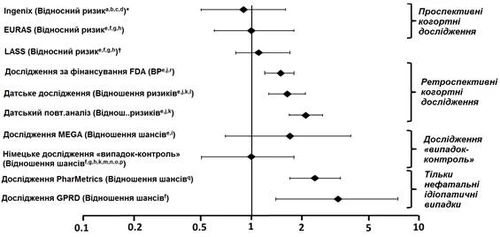
Risk ratios are presented on a logarithmic scale; risk ratios <1 indicate a lower risk of VTE with drospirenone use, whereas ratios >1 indicate a higher risk of VTE with drospirenone use.
*Reference comparator "other COCs," including those containing levonorgestrel
†LASS – continuation of the EURAS study.
#Additional parameters indicated by superscript letters: a) heavy smoking; b) arterial hypertension; c) obesity; d) family history; e) age; f) BMI; g) duration of use; h) history of VTE; i) inclusion period; j) calendar year; k) education; l) duration of use; m) fertility; n) chronic disease; o) concomitant medications; p) smoking; q) exposure duration; r) location.
(References: Ingenix (Seeger 2007), EURAS (European Active Surveillance Study) (Dinger 2007), LASS (Long-term Active Surveillance Study) (Dinger, unpublished document), FDA-funded study (Sidney 2011), Danish study (Lidegaard 2009), Danish re-analysis (Lidegaard 2011), MEGA study (van Hylckama Vlieg 2009), German case-control study (Dinger 2010), PharMetrics (Jick 2011), GPRD study (Parkin 2011)).
Despite an increase in the absolute risk of VTE in women taking hormonal contraceptives compared to non-users, the incidence of VTE during pregnancy is even higher, particularly in the postpartum period (see Figure 2). It is estimated that the risk of VTE in women using COCs ranges from 3 to 9 cases per 10,000 woman-years. The highest risk of VTE occurs during the first year of COC use. Data from a large prospective cohort study evaluating the safety of various COCs suggest that this increased risk, compared to non-users, is highest during the first 6 months of COC use. The results of this study indicate that the greatest risk of VTE occurs at the beginning of COC use or after resuming use (following a break of 4 weeks or longer) of the same or a different COC.
After discontinuation of COCs, the risk of thromboembolic complications associated with oral contraceptive use gradually disappears.
Figure 2 shows the risk of VTE in non-pregnant women not using oral contraceptives, in women using oral contraceptives, in pregnant women, and in the postpartum period. The prospective risk of VTE can be illustrated as follows: if the health of 10,000 non-pregnant women not using oral contraceptives is monitored for 1 year, VTE will occur in 1–5 of these women.
Figure 2. Likelihood of VTE development
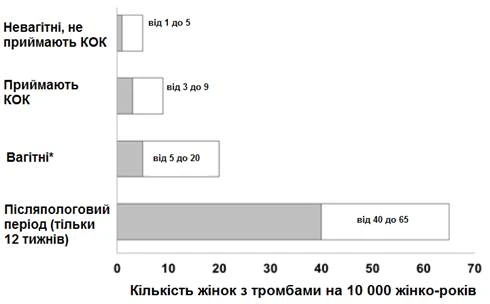
*Data for pregnant women are calculated based on the actual duration of pregnancy according to control study results. Given that pregnancy lasts nine calendar months, the frequency is 7–27 cases per 10,000 woman-years.
Whenever possible, use of the drug Jazz Plus should be discontinued at least 4 weeks before major surgery or other surgical procedures associated with an increased risk of thromboembolism, and should not be resumed for 2 weeks after such procedures.
Women who are not breastfeeding may start taking Jazz Plus no earlier than 4 weeks after childbirth. The risk of postpartum thromboembolism decreases 3 weeks after delivery, while the risk of ovulation increases at this time.
The use of COCs also increases the risk of arterial thrombosis, including stroke and myocardial infarction, particularly in women with other risk factors for these conditions.
COCS have been shown to increase both relative and population risk of cerebrovascular events (ischemic and hemorrhagic stroke), although overall risk is higher in older women (>35 years), those with arterial hypertension, and smokers. The use of COCs also increases the risk of stroke in women with other major risk factors.
The use of oral contraceptives in women with risk factors for cerebrovascular disease requires caution.
The use of Jazz Plus should be discontinued in cases of unexplained vision loss, proptosis, diplopia, optic disc edema, or retinal vascular lesions. An immediate examination to rule out possible retinal vein thrombosis should be performed (see section "Adverse Reactions").
Hyperkalemia
Jazz Plus contains 3 mg of the progestin drospirenone, which has antimineralocorticoid properties and may cause hyperkalemia in patients at increased risk. This property of drospirenone is similar to that of spironolactone at a dose of 25 mg. Jazz Plus is contraindicated in patients with conditions predisposing to hyperkalemia (e.g., impaired kidney function, impaired liver function, or adrenal insufficiency). In women receiving daily long-term therapy for chronic conditions or diseases with drugs capable of increasing serum potassium levels, serum potassium concentration should be monitored throughout treatment. Medicinal products that may increase serum potassium levels include ACE inhibitors, angiotensin II receptor antagonists, potassium-sparing diuretics, potassium supplements, heparin, aldosterone antagonists, and NSAIDs. Serum potassium monitoring should be considered in patients at increased risk who are receiving concomitant long-term therapy with a potent cytochrome CYP3A4 inhibitor. Potent CYP3A4 inhibitors include azole antifungals (e.g., ketoconazole, itraconazole, voriconazole), HIV/HCV protease inhibitors (e.g., indinavir, boceprevir), and clarithromycin (see section "Pharmacological Properties").
Breast cancer
The medicinal product Jazz Plus is contraindicated in women with current or past history of breast cancer, as breast cancer may be hormone-sensitive.
Epidemiological studies have not demonstrated a consistent association between the use of combined oral contraceptives (COCs) and the risk of developing breast cancer. Studies do not show a link between current or past use of COCs and the risk of breast cancer. However, some studies suggest a slight increase in the risk of breast cancer in women currently using or who have recently used COCs (<6 months since last use), as well as in women who have used COCs for a prolonged period (see section "Adverse Reactions").
Cervical cancer
Results of some studies suggest that COC use is associated with an increased risk of cervical cancer or intraepithelial neoplasia. However, there is no consensus on how much these results may be influenced by differences in sexual behavior and other factors.
The most important risk factor for cervical cancer is human papillomavirus infection.
Liver disease
Jazz Plus should be discontinued if jaundice occurs. In patients with impaired liver function, metabolism of steroid hormones may be disturbed. In cases of acute or chronic liver dysfunction, COC use may need to be discontinued until liver function tests return to normal and a causal relationship with COC use is ruled out.
Hepatic adenoma has been associated with COC use. It is estimated that this risk is 3.3 cases per 100,000 women using COCs. Rupture of hepatic adenoma may be fatal due to intra-abdominal hemorrhage.
Studies have shown an increased risk of hepatocellular carcinoma in individuals using COCs for a prolonged period (>8 years). However, the risk of liver cancer in women using COCs is less than 1 case per million users.
In isolated cases, benign and, more rarely, malignant liver tumors have been observed in women using COCs, which in some cases led to life-threatening intra-abdominal hemorrhage. In cases of complaints of severe epigastric pain, hepatomegaly, or signs of intra-abdominal hemorrhage, the possibility of a liver tumor should be considered in the differential diagnosis when using COCs.
Women with a history of cholestasis associated with pregnancy may develop cholestasis related to oral contraceptive use. Women with a history of cholestasis induced by COCs may experience recurrences upon re-exposure to COCs.
Increased risk of elevated liver enzymes with concomitant use of drugs for treatment of hepatitis C
Jazz Plus should be discontinued before starting treatment with the combination of ombitasvir/paritaprevir/ritonavir with or without dasabuvir. Use of Jazz Plus may be resumed approximately 2 weeks after completion of hepatitis C treatment.
Increased blood pressure
Blood pressure should be monitored in women with well-controlled arterial hypertension, and use of Jazz Plus should be discontinued if significant increases occur. Women with uncontrolled arterial hypertension or hypertension with concomitant vascular diseases should not take COCs.
Elevated blood pressure has been observed in women using COCs, occurring more frequently in older women and with prolonged use of the drug. The incidence of arterial hypertension increases with higher progestin concentration.
Gallbladder disease
Study results indicate a slight increase in the relative risk of gallbladder disease in women using COCs.
Effects on carbohydrate and lipid metabolism
Women with a predisposition to diabetes and diabetic patients should be closely monitored during use of Jazz Plus. COCs may cause a dose-dependent decrease in glucose tolerance.
Alternative contraceptive methods should be considered for women with uncontrolled dyslipidemia. A small proportion of women may experience unfavorable changes in lipid metabolism during COC use.
In women with hypertriglyceridemia or a family history of this disorder, COC use increases the risk of pancreatitis.
Headache
If a woman taking Jazz Plus develops recurrent, persistent, or severe headache, the case should be carefully evaluated and, if necessary, use of Jazz Plus should be discontinued.
An increase in frequency or severity of migraines during COC use (which may be a precursor of cerebrovascular disorders) may be a reason for immediate discontinuation of COCs.
Irregular bleeding
During COC use, patients may occasionally experience irregular (breakthrough or intermenstrual) bleeding and spotting, especially during the first three months of use. In cases of persistent bleeding or bleeding after a previous regular cycle, the patient should be examined for pregnancy and malignant neoplasms. If pathology and pregnancy are ruled out, irregular bleeding may resolve over time or after switching to another COC.
According to studies on Jazz Plus, the average number of bleeding episodes during the study period (90 days) was 3.2 cases over 4–6 cycles. The average number of days with bleeding and/or spotting during use of Jazz Plus was 15.1 days. The intensity of bleeding during use of Jazz Plus, based on the ratio of spotting-only days to the total number of bleeding and/or spotting days, was 5.2/15.1 days.
An analysis of patient diaries from two clinical studies on "Jazz" showed that irregular bleeding during a 28-day cycle occurred in 8–25% of women. Overall, 12 out of 1056 subjects (1.1%) discontinued use of "Jazz" due to menstrual disorders, including intermenstrual bleeding, menorrhagia, and metrorrhagia.
Women taking Jazz Plus may experience absence of withdrawal bleeding, even if they are not pregnant. According to patient diary records analyzed in "Jazz" studies involving up to 13 cycles, 6–10% had cycles without withdrawal bleeding. Amenorrhea or oligomenorrhea may occur in some women due to contraceptive pill use, especially if such disorders were previously observed.
In the absence of withdrawal bleeding, pregnancy should be considered. If the patient did not follow the prescribed regimen (missed one or more hormone-containing tablets or started taking them one day later than scheduled), the first absence of withdrawal bleeding requires consideration of possible pregnancy and appropriate diagnostic measures. If the patient followed the prescribed regimen and misses two consecutive withdrawal bleedings, pregnancy must be ruled out.
Depression
Women with a history of depression should be closely monitored; in cases of severe depression relapse, Jazz Plus should be discontinued.
Effect on laboratory test results
The use of contraceptive steroids may affect the results of certain laboratory tests, particularly coagulation factors, lipid levels, glucose tolerance, and binding proteins. Women receiving thyroid hormone replacement therapy may require higher doses of thyroid hormone, as serum concentration of thyroid hormone-binding globulin increases during COC use. Drospirenone increases plasma renin and aldosterone activity due to its moderate antimineralocorticoid activity. Folic acid may mask vitamin B12 deficiency.
Monitoring
Women using COCs should visit their physician annually for blood pressure monitoring and other necessary examinations.
Other conditions
Exogenous estrogens may induce or exacerbate symptoms of hereditary or acquired angioedema.
Chloasma may develop in isolated cases, particularly in women who previously had chloasma of pregnancy. Women predisposed to chloasma should avoid exposure to sunlight or ultraviolet radiation during COC use.
Cases of Crohn's disease and ulcerative colitis have also been observed during COC use.
Each pink tablet contains 45 mg of lactose, each light-orange tablet contains 48 mg of lactose. In rare hereditary conditions of galactose intolerance, Lapp lactase deficiency, or glucose-galactose malabsorption, the amount of lactose should be considered if the patient is on a lactose-free diet.
Use during pregnancy or breastfeeding
Pregnancy. Not indicated for contraception during pregnancy; therefore, use of Jazz Plus should be discontinued if pregnancy occurs. Epidemiological studies and meta-analysis results have not shown an increased risk of congenital malformations of genital and other organs (including cardiac defects and limb reduction defects) after use of CHCs before conception or in early pregnancy. In the general US population, the estimated background risk of major congenital malformations and spontaneous abortions in clinically confirmed pregnancies is 2–4% and 15–20%, respectively.
Data
Human studies data. A retrospective study of a Norwegian database of women including 44,734 pregnancies, of which 368 were in women who inadvertently used drospirenone/ethinylestradiol during the first trimester of pregnancy, found no negative effects such as preterm delivery, small size for gestational age, or low birth weight (z-score).
Post-marketing data on adverse events with use of Jazz Plus in pregnant women indicate that the frequency of spontaneous abortions and congenital anomalies was not higher than the estimated background risk in the general population.
Breastfeeding
Drospirenone passes into breast milk. After a single oral dose of 3 mg drospirenone / 0.03 mg ethinylestradiol tablets, drospirenone concentration in breast milk over 24 hours ranged from 1.4 to 7.0 ng/mL, with a mean value ± standard deviation of 3.7 ± 1.9 ng/mL. The calculated mean infant dose was 0.003 mg/day, corresponding to approximately 0.1% of the maternal dose (see below "Data"). Information on the effect of Jazz Plus on infants who are breastfed is limited. CHCs may reduce milk production in breastfeeding women. This reduction may occur at any time but is less likely after breastfeeding has been well established. Whenever possible, breastfeeding women should be advised to use alternative contraceptive methods until completion of the breastfeeding period (see also section "Dosage and Administration"). Increased folate concentration in milk is not expected (see below "Data").
The benefits of breastfeeding for the child's development and health should be weighed against the mother's clinical need for Jazz Plus and any potential adverse effects on the breastfed child from use of Jazz Plus or from the mother's underlying condition.
Data
Human studies data. An open-label study evaluated the extent of drospirenone transfer into breast milk over 72 hours after a single oral dose of 3 mg drospirenone / 0.03 mg ethinylestradiol tablets in 6 healthy breastfeeding women who were 1 week to 3 months postpartum. Drospirenone was detected in breast milk, with a mean Cmax of 13.5 ng/mL, while the mean Cmax in serum of breastfeeding women was 30.8 ng/mL. Drospirenone concentration in breast milk over a 24-hour period after administration of 3 mg drospirenone / 0.03 mg ethinylestradiol ranged from 1.4 to 7.0 ng/mL, with a mean value ± standard deviation of 3.7 ± 1.9 ng/mL. Based on data from single-dose administration of 3 mg drospirenone / 0.03 mg ethinylestradiol, the maximum daily dose of drospirenone in infants was calculated to be 0.003 mg/day, on average corresponding to 0.1% of the maternal dose.
A study involving approximately 60 breastfeeding women showed no significant differences in folate concentrations in milk between women receiving 416 mcg/day [6S]-5-methyltetrahydrofolate or 400 mcg/day folic acid and those receiving placebo over a 16-week period. Available study results indicate no adverse effect of folate on breastfed infants.
Ability to affect reaction speed when driving or operating machinery.
No effect of the drug on the ability to drive a vehicle or operate machinery has been observed.
Method of Administration and Dosage
How to take Jazz Plus
Take 1 tablet orally at the same time each day. If doses are missed or the drug is used incorrectly, effectiveness may decrease.
To achieve maximum contraceptive effect and benefit for PMDD, Jazz Plus should be taken as directed and in accordance with instructions provided on the blister pack. If a tablet is missed, it should be taken as soon as possible.
How to start taking Jazz Plus
Jazz Plus should be started either on the first day of the menstrual cycle (Day 1 start) or on the first Sunday after the onset of menstruation (Sunday start).
- Day 1 start
During the first cycle of using Jazz Plus, a woman should take 1 pink tablet daily, beginning on Day 1 of the menstrual cycle (the first day of menstruation is Day 1). The patient should take 1 pink tablet of Jazz Plus daily for 24 consecutive days, followed by 1 light-orange tablet daily for days 25–28 of the cycle. Jazz Plus should be taken according to the instructions on the packaging, at the same time each day, preferably after the evening meal or at bedtime, with a small amount of liquid if needed. Administration of Jazz Plus is not affected by food intake. If the first tablet of Jazz Plus is taken later than Day 1 of the menstrual cycle, contraceptive efficacy will only be achieved after 7 consecutive days of use. In such cases, additional use of non-hormonal contraceptive methods is required during the first 7 days of taking Jazz Plus. The possibility of ovulation and conception prior to starting the medication should be considered.
- Sunday start
During the first cycle of using Jazz Plus, a woman should take 1 pink tablet daily for 24 consecutive days, followed by 1 light-orange tablet daily for days 25–28 of the cycle. Jazz Plus should be taken according to the instructions on the packaging, at the same time each day, preferably after the evening meal or at bedtime, with a small amount of liquid if needed. Administration of Jazz Plus is not affected by food intake. Contraceptive efficacy of Jazz Plus is not achieved earlier than after 7 consecutive days of continuous use. Additional use of non-hormonal contraceptive methods is required during the first 7 days of taking Jazz Plus. The possibility of ovulation and conception prior to starting the medication should be considered.
The patient should begin the second and all subsequent 28-day treatment cycles of Jazz Plus on the same day of the week as the first cycle, following the same schedule. The next pack of pink tablets should be started the day after the last light-orange tablet containing folic acid is taken, regardless of whether menstruation has started or is still pending. Whenever the next pack of Jazz Plus is started later than the day immediately following the last light-orange tablet, the patient should use an alternative contraceptive method until she has taken pink tablets of Jazz Plus consecutively for 7 days.
Switching from other oral contraceptives
When switching from other oral contraceptives, the use of Jazz Plus should begin on the day the next pack of the previous oral contraceptive would have been started.
Switching from other contraceptive methods (except oral contraceptives)
When switching from a transdermal patch or vaginal ring, Jazz Plus should be started on the day the next application or insertion would have occurred. When switching from injectable contraceptives, Jazz Plus should be started on the day the next injection would have been due. When switching from an intrauterine device or implant, Jazz Plus should be started on the day of its removal.
Withdrawal bleeding usually occurs within 3 days after taking the last pink tablet. If spotting or breakthrough bleeding occurs during treatment with Jazz Plus, the patient should continue taking the medication as directed above. Such bleeding is usually temporary and not clinically significant; however, if bleeding is persistent or prolonged, the patient should be examined by a physician.
Although the rate of pregnancy while using Jazz Plus as directed is low, the possibility of pregnancy should be considered if withdrawal bleeding does not occur. If the patient has not followed the prescribed regimen (e.g., missed one or more active tablets or started taking them later than required), the possibility of pregnancy should be considered at the first missed withdrawal bleed, and appropriate diagnostic measures should be taken. If the patient has followed the prescribed regimen and misses two withdrawal bleeds consecutively, pregnancy should be ruled out. If pregnancy is confirmed, use of Jazz Plus must be discontinued.
The risk of pregnancy increases with each missed active pink tablet.
If breakthrough bleeding occurs after missed tablets, this is usually a temporary phenomenon and has no consequences. If the patient misses one or more light-orange tablets, contraceptive protection is maintained provided she starts the next pack of pink tablets on time.
Due to the increased risk of thromboembolism, women in the postpartum period who are not breastfeeding, and women after second-trimester abortion, should not start taking Jazz Plus earlier than 4 weeks after delivery. If a woman starts using Jazz Plus after delivery and has not yet had a menstrual period, she should be tested for pregnancy and advised to use an additional contraceptive method until she has taken Jazz Plus tablets continuously for 7 days.
What to do if a tablet is missed
Table 3. Guidelines for use in case of missed Jazz Plus tablet intake
| One pink tablet in the pack has been missed. |
Take the missed tablet as soon as the woman remembers. Take the next tablet at the usual time. This means that two tablets may be taken on the same day. No additional contraceptive measures are required if sexual intercourse occurs. |
| Two consecutive pink tablets have been missed during "Week 1" or "Week 2" of the blister pack. |
Take 2 tablets on the day the omission is noticed and 2 tablets the following day. Then continue taking 1 tablet daily until the pack is finished. If sexual intercourse occurs during the next 7 days after resuming tablet intake, the possibility of pregnancy should be considered; an additional non-hormonal contraceptive method (such as condoms and spermicides) should be used during these 7 days. |
| Two consecutive pink tablets have been missed during "Week 3" or "Week 4" of the blister pack. |
If use of the drug Jazz Plus was started on Day 1 of the cycle, stop taking tablets from the current pack and start a new pack on the same day. If use of the drug Jazz Plus was started on a Sunday, continue taking 1 tablet daily until Sunday. On Sunday, stop taking tablets from the current pack and start a new pack on the same day. If sexual intercourse occurs during the next 7 days after resuming tablet intake, the possibility of pregnancy should be considered; an additional non-hormonal contraceptive method (such as condoms and spermicides) should be used during these 7 days. Withdrawal bleeding is expected to be absent in this cycle. However, if two consecutive withdrawal bleedings are missed in two consecutive cycles, pregnancy must be ruled out. |
| Three or more consecutive pink tablets have been missed at any time during the cycle |
If use of the drug Jazz Plus was started on Day 1 of the cycle, stop taking tablets from the current pack and start a new pack on the same day. If use of the drug Jazz Plus was started on a Sunday, continue taking 1 tablet daily until Sunday. On Sunday, stop taking tablets from the current pack and start a new pack on the same day. If sexual intercourse occurs during the next 7 days after resuming tablet intake, the possibility of pregnancy should be considered; an additional non-hormonal contraceptive method (such as condoms and spermicides) should be used during these 7 days. Withdrawal bleeding is expected to be absent in this cycle. However, if two consecutive withdrawal bleedings are missed in two consecutive cycles, pregnancy must be ruled out. |
| Any of the 4 light-orange tablets in "Week 4" has been missed |
Remove the missed tablet from the blister pack. Continue taking 1 tablet daily until all tablets in the blister pack are used. No additional contraceptive methods are required. |
| If, despite the above recommendations, the woman is unsure how to proceed after missing tablets |
Use an additional non-hormonal contraceptive method (such as condoms and spermicides) during sexual intercourse. Consult a physician and continue taking 1 active pink tablet once daily unless otherwise advised. |
Gastrointestinal Disorders
In the case of severe vomiting or diarrhea, incomplete absorption of the drug may occur. In such cases, additional contraceptive measures should be used.
If vomiting occurs within 3–4 hours after taking a tablet of Jazz Plus, this situation is similar to a missed dose; therefore, recommendations for missed doses should be followed.
Folates
The U.S. Preventive Services Task Force recommends that women of reproductive age supplement their daily diet with at least 0.4 mg (400 mcg) of folic acid. Before prescribing Jazz Plus, it is necessary to determine whether the woman is taking folates and to take this into account. If use of Jazz Plus is discontinued due to pregnancy, continued intake of folates by the woman should be ensured.
Use in Elderly Patients
Jazz Plus has not been studied in postmenopausal women; the drug is not intended for use in this age group.
Patients with Renal Impairment
Jazz Plus is contraindicated in patients with impaired renal function (see sections "Contraindications" and "Special Precautions").
In individuals with a creatinine clearance of 50–79 mL/min, serum levels of drospirenone were similar to those observed in the control group with a creatinine clearance of ≥ 80 mL/min. In women with a creatinine clearance of 30–49 mL/min, serum concentrations of drospirenone were on average 37% higher than in the control group. Additionally, in patients with impaired renal function whose serum potassium levels are at the upper limit of normal and who are concurrently taking potassium-sparing agents, there is a risk of developing hyperkalemia (see section "Pharmacological Properties").
Patients with Hepatic Impairment
Jazz Plus is contraindicated in patients with liver disease (see sections "Contraindications" and "Special Precautions"). Mean exposure to drospirenone in women with moderate hepatic impairment is nearly three times higher than in women with normal liver function. The use of Jazz Plus in women with severe hepatic impairment has not been studied.
Racial Differences
No clinically significant differences in the pharmacokinetic properties of drospirenone or ethinylestradiol have been observed between Japanese women and Caucasian women (see section "Pharmacological Properties").
Children
The drug is indicated for use only after the establishment of regular menstruation.
The safety and efficacy of Jazz Plus have been established for women of reproductive age. The drug is expected to have similar efficacy in postpubertal adolescents up to 18 years of age and in adult women.
Overdose
There have been no reports of serious adverse outcomes from overdose, including cases involving children. Overdose may result in withdrawal bleeding and nausea in women.
Drospirenone is a structural analogue of spironolactone and has antimineralocorticoid properties. In cases of overdose, serum potassium and sodium concentrations should be monitored, and signs of metabolic acidosis should be watched for.
Levomefolate calcium at a dose of 17 mg per day (37 times higher than the levomefolate calcium dose in Jazz Plus) was well tolerated during prolonged treatment of up to 12 weeks.
Adverse reactions.
Serious adverse reactions associated with the use of COCs are described in other sections of this medicinal product information:
- serious cardiovascular disorders and stroke (see section "Special warnings and precautions for use");
- vascular events (see section "Special warnings and precautions for use");
- liver disease (see section "Special warnings and precautions for use").
Adverse reactions commonly observed in women using COCs:
- irregular uterine bleeding;
- nausea;
- breast tenderness;
- headache.
Data from clinical trials
Because clinical trial conditions vary widely, the frequency of adverse reactions observed in one trial cannot be directly compared to frequencies reported in other clinical trials and may not reflect the frequency observed in clinical practice.
Clinical trials evaluating contraceptive efficacy, acne treatment, and folate status maintenance
The data presented reflect results from high-quality controlled clinical trials evaluating the use of "Jazz" (3 mg drospirenone/0.02 mg ethinylestradiol) for contraception (N = 1,056), treatment of moderate acne (N = 536), and folate status maintenance (N = 379).
Contraceptive efficacy was evaluated in a multicenter, international, open-label Phase III safety and efficacy study in 1,027 women aged 17–36 years who received at least one dose of "Jazz" and were followed for up to one year. A second Phase III study was a single-center, open-label clinical trial with active control, evaluating the effects of "Jazz" over seven 28-day cycles on carbohydrate, lipid, and hemostasis metabolism in 29 women aged 18–35 years. Efficacy in acne treatment was evaluated in two multicenter, double-blind, randomized, placebo-controlled trials involving 536 women aged 14–45 years with moderate acne who received at least one dose of "Jazz." Safety and efficacy were assessed over up to six treatment cycles. Regarding folate status maintenance, the primary efficacy study for "Jazz Plus" was a multicenter, double-blind, randomized, active-controlled trial conducted in the United States involving 379 healthy women aged 18–40 years who received either "Jazz Plus" or "Jazz" for up to 24 weeks.
Adverse reactions observed across all three indications were similar and are reported based on combined data sets. The most common adverse reactions (≥ 2% of users) were: headache/migraine (5.9%), menstrual disorders (including vaginal bleeding [mostly spotting], metrorrhagia, and menorrhagia) (4.1%), nausea/vomiting (3.5%), and breast pain/tenderness (3.2%).
Clinical trials evaluating use in PMDD
Safety data collected from trials investigating the use of the drug for the treatment of PMDD are reported separately due to differences in study design and conditions compared to trials evaluating contraceptive efficacy, acne treatment, and folate status maintenance.
Two multicenter, double-blind, randomized, placebo-controlled trials (one parallel-group and one crossover) were conducted to evaluate the use of the drug for the second indication—treatment of PMDD symptoms. These trials assessed the safety and efficacy of "Jazz" over up to three cycles in 285 women aged 18–42 years with diagnosed PMDD who received at least one dose of "Jazz."
Common adverse reactions (≥ 2% of users) included: menstrual disorders (including vaginal bleeding [mostly spotting] and metrorrhagia) (24.9%), nausea (15.8%), headache (13.0%), breast pain (10.5%), increased fatigue (4.2%), irritability (2.8%), decreased libido (2.8%), weight gain (2.5%), and affective lability (2.1%).
Adverse reactions (≥ 1%) leading to study discontinuation
Clinical trials evaluating contraceptive efficacy
Of 1,056 women, 6.6% discontinued the studies due to adverse reactions, the most common being headache/migraine (1.6%) and nausea/vomiting (1.0%).
Clinical trials evaluating acne treatment
Of 536 women, 5.4% discontinued the studies due to adverse reactions, the most common being menstrual disorders (including menometrorrhagia, menorrhagia, and vaginal bleeding) (2.2%).
Clinical trial evaluating folate status maintenance
Of 285 women receiving "Jazz Plus" or "Jazz," 4.6% discontinued participation in the clinical trials due to adverse reactions. No reactions requiring discontinuation occurred in ≥ 1% of women.
Clinical trials evaluating use in PMDD
Of 285 women, 11.6% discontinued the studies due to adverse reactions, the most common being nausea/vomiting (4.6%), menstrual disorders (including vaginal bleeding, menorrhagia, menstrual irregularities, irregular menstruation, and metrorrhagia) (4.2%), increased fatigue (1.8%), breast pain (1.4%), depression (1.4%), headache (1.1%), and irritability (1.1%).
Serious adverse reactions
Clinical trials evaluating contraceptive efficacy: migraine and cervical dysplasia.
Clinical trials evaluating acne treatment: no serious adverse reactions reported.
Clinical trial evaluating folate status maintenance: stage 0 cervical carcinoma.
Clinical trials evaluating use in PMDD: cervical dysplasia.
Post-marketing data
In five studies comparing the risk of breast cancer in women who had ever used COCs (current or past users) with those who had never used COCs, no association was found between any COC use and the risk of breast cancer, with effect estimates ranging from 0.9 to 1.12 (Figure 3).
In three studies comparing the risk of breast cancer in women who were current or recent users of COCs (< 6 months since last use) with those who had never used COCs (Figure 3), one study showed no association between COC use and breast cancer risk. Two other studies reported an increased relative risk of 1.19–1.33 with current or recent use. Both of these studies found an increased risk of breast cancer with current long-term COC use, with relative risks ranging from 1.03 for less than one year of use to approximately 1.4 for more than 8–10 years of use.
Figure 3. Studies of breast cancer risk associated with combined oral contraceptive use
Women who have ever used COCs compared to women who have never used COCs NICHD CARE Women's Study, Marchbanks PA. 2002 French E3N cohort study, Dumeaux V. 2005 Shanghai Women's Health Study, Dorjgochoo T. 2009 Nurses' Health Study II, Hunter DJ. 2010 Oxford Family Planning Study, Vessey M. 2013 Current users of COCs compared to women who have never used COCs NICHD CARE Women's Study, Marchbanks PA. 2002 Nurses' Health Study II, Hunter DJ. 2010 Danish Register-based Hormonal Study, Morch LS. 2017 |
|
OR: 0.90 (0.80; 1.00) RR: 0.91 (0.81; 1.03) RR': 1.05 (0.84; 1.31) RR: 1.12 (0.95; 1.33) RR: 1.00 (0.90; 1.10) OR: 1.00 (0.80; 1.30) RR: 1.33 (1.03; 1.73) RR: 1.19 (1.13; 1.26) |
| -1.50 -1.00 -0.50 0.00 1.00 1.50 2.00 Effect estimate |
||
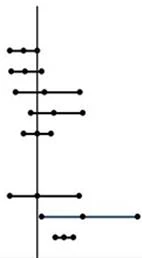
RR – relative risk; OR – odds ratio; RR' – risk ratio; "ever used" – women who currently use or have previously used COCs.
The adverse reactions listed below were identified during post-marketing use of the medicinal product "Diane". Since these reactions have been reported voluntarily from a population of uncertain size, it is not always possible to reliably estimate their frequency or establish a causal relationship to the use of the medicinal product.
Vascular disorders: venous and arterial thromboembolic events (including PE, deep vein thrombosis, cerebral venous thrombosis, retinal vein thrombosis, myocardial infarction, and stroke), arterial hypertension (including hypertensive crisis).
Hepatobiliary system disorders: gallbladder disease, liver function disorders, liver tumors.
Immune system disorders: hypersensitivity (including anaphylactic reaction).
Metabolism and nutrition disorders: hyperkalemia, hypertriglyceridemia, changes in glucose tolerance or effects on peripheral insulin resistance (including diabetes mellitus).
Skin and subcutaneous tissue disorders: chloasma, angioedema, erythema nodosum, polymorphic erythema.
Gastrointestinal disorders: inflammatory bowel disease.
Musculoskeletal and connective tissue disorders: systemic lupus erythematosus.
Exogenous estrogens may induce or exacerbate symptoms of hereditary and acquired angioedema.
Shelf life.
36 months.
Do not use after the expiry date stated on the packaging.
Storage conditions.
Keep out of the reach of children and store at a temperature not exceeding 25 °C.
Packaging.
Blister pack containing 28 film-coated tablets and an adhesive strip with days of the week, in a cardboard box. 1 or 3 cardboard boxes in a polyethylene package.
Prescription category.
Prescription only.
Manufacturer.
Bayer AG.
Bayer WAIМAR GmbH & Co. KG.
Manufacturer's location and address of place of business.
Müllerstraße 178, 13353 Berlin, Germany.
Dobernerstraße 20, 99427 Weimar, Germany.