Diphereline
Ukraine
Table of Contents
INSTRUCTIONS FOR MEDICAL USE OF THE MEDICINAL PRODUCT DIPHERELINE® (DIPHERELINE®)
Composition:
Active substance: triptorelin;
1 vial contains triptorelin pamoate equivalent to triptorelin 11.25 mg*;
Excipients: D, L-lactide glycolide copolymer, mannitol (E 421), sodium carmellose, polysorbate 80;
*taking into account the characteristics of the dosage form, each vial contains triptorelin pamoate in an amount equivalent to 15 mg of triptorelin.
Solvent composition:
1 ampoule contains mannitol (E 421), water for injections.
Dosage form.
Powder and solvent for prolonged-release injectable suspension (for intramuscular or subcutaneous administration).
Main physicochemical properties:
Powder: a brittle, slightly yellowish mass.
General characteristics of the reconstituted suspension: homogeneous suspension.
Solvent: colorless, clear solution.
Pharmacotherapeutic group.
Gonadotropin-releasing hormone analogs.
ATC code L02A E04.
Pharmacological Properties.
Pharmacodynamics.
Mechanism of action
Triptorelin is a synthetic decapeptide, structurally analogous to the natural GnRH (gonadotropin-releasing hormone).
Results from preclinical and clinical studies have shown that following initial stimulation, prolonged administration of triptorelin suppresses gonadotropin secretion, leading to subsequent suppression of testicular and ovarian function.
At the beginning of treatment with Diphereline® (11.25 mg), serum levels of luteinizing hormone (LH) and follicle-stimulating hormone (FSH) may increase, resulting in a corresponding rise (flare) in testosterone levels in men and estradiol levels in women. With continued treatment, levels of LH and FSH decrease, leading to a reduction in testosterone and estradiol levels to post-castration levels. These levels are typically achieved approximately 20 days after injection and are maintained as long as the active substance is being released.
Clinical efficacy and safety
Prostate cancer
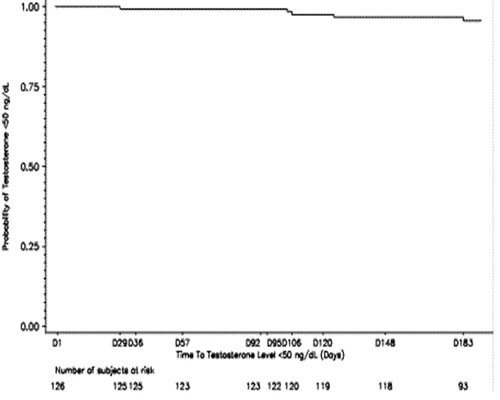
An open-label, uncontrolled, multicenter phase III clinical study of 6 months' duration was conducted in 126 patients to evaluate the efficacy of subcutaneous administration of Diphereline® (11.25 mg) (one injection every 3 months). Within 4 weeks, a castration level of testosterone (<50 ng/dL) was achieved in 97.6% of participants (95% confidence interval [CI] 93.2–99.5), which was maintained throughout the 6-month period in 96.6% of participants (95% CI 91.6–99.1) (co-primary endpoints). The probability of achieving castration level within the first month of treatment and maintaining this level at each assessment time point over 6 months was 96% (95% CI 0.92–0.99) (see Figure 1).
Figure 1. Kaplan–Meier plot of the probability of achieving testosterone level < 50 ng/dL from day 29 to day 183 after subcutaneous administration of the medicinal product
During treatment with triptorelin, mean levels of prostate-specific antigen (PSA) decreased by 64.2% in month 1 and by 96% in month 6 (secondary endpoint). Mean PSA values remained within the normal range (0–4 ng/mL) from month 2 until the end of the study. Several randomized clinical trials in patients with locally advanced prostate cancer support the use of androgen deprivation therapy (ADT) in combination with radiotherapy (RT) compared to RT alone as monotherapy (RTOG 85-31, RTOG 86-10, EORTC 22863, D’Amico study, and others; Journal of the American Medical Association [JAMA], 2008).
In a randomized phase III trial (EORTC 22961) involving 970 patients with locally advanced prostate cancer (predominantly stage T2c–T4, and in some patients from T1c to T2b with pathologically confirmed regional nodal involvement), the efficacy of radiotherapy combined with short-term androgen deprivation therapy (6 months, n = 483) was compared to radiotherapy combined with long-term androgen deprivation therapy (3 years, n = 487). GnRH agonists used were triptorelin (62.2%) or other GnRH agonists (37.8%). The study did not stratify by type of agonist.
Overall mortality at 5 years was 19.0% in the short-term hormonal therapy group and 15.2% in the long-term hormonal therapy group, with a relative risk of 1.42 (two-sided confidence interval [CI] 95.71% = 1.79; 95.71% CI = 1.09–1.85, p = 0.65 for non-inferiority assessment and p = 0.0082 for retrospective evaluation of the difference between groups in study outcomes).
Prostate cancer-related mortality over 5 years was 4.78% and 3.2%, respectively, in the short-term and long-term hormonal therapy groups, with a relative risk of 1.71 (95% CI 1.14 to 2.57, p = 0.002). Overall quality of life, assessed using the QLQ-C30 questionnaire, did not differ significantly between the two groups (p = 0.37).
A retrospective analysis in the subgroup receiving triptorelin also showed an advantage of long-term treatment over short-term treatment in terms of overall mortality (relative risk 1.28; 95.71% CI = 0.89–1.84, p = 0.38 and p = 0.08, respectively, for retrospective non-inferiority assessment and for the difference between therapeutic groups).
The evidence base for using this medicinal product in the treatment of high-risk localized prostate cancer is based on published studies of radiotherapy combined with GnRH analogs. Clinical data from five published studies (EORTC 22863, RTOG 85-31, RTOG 92-02, RTOG 86-10, and D’Amico et al., JAMA, 2008) were analyzed. All data demonstrated the benefit of combining GnRH analog therapy with radiotherapy. Published studies do not allow clear differentiation of the respective study populations according to indications—locally advanced prostate cancer versus high-risk localized prostate cancer.
In patients with metastatic castration-resistant prostate cancer, clinical trials have demonstrated the benefit of adding abiraterone acetate (an inhibitor of androgen biosynthesis) or enzalutamide (an androgen receptor function inhibitor) to GnRH analogs, such as triptorelin.
Endometriosis
Long-term treatment with Diphereline® (11.25 mg) suppresses estradiol secretion and thereby induces a state of "quiescence" in ectopic endometrial tissue in women.
Central precocious puberty
Suppression of pituitary gonadotropin hyperfunction in children of both sexes is manifested by reduced secretion of estradiol and testosterone, decreased peak LH levels, and improvement in "height-age" and bone age parameters.
Initial gonadal stimulation may cause slight bleeding, for which treatment with medroxyprogesterone or cyproterone acetate may be required.
Pharmacokinetics.
Following intramuscular administration of Diphereline® (11.25 mg) in patients (men and women), peak plasma concentrations of triptorelin are observed approximately 3 hours after injection. After an initial decline phase lasting throughout the first month, circulating triptorelin levels remain stable until the end of the third month post-injection.
In a study evaluating subcutaneous administration of this medicinal product in men, peak plasma concentrations of triptorelin were rapidly achieved after injection (median Tmax = 4.5 hours), with sustained release of triptorelin over 91 days. Three months after subcutaneous administration, residual triptorelin concentrations (Cmin) were 0.063 ng/mL.
Clinical characteristics.
Indications.
Prostate cancer
Treatment of locally advanced or metastatic prostate cancer.
Treatment of high-risk localized or locally advanced prostate cancer, in combination with radiotherapy (see section "Pharmacodynamics").
A more favorable treatment outcome is observed more frequently when the patient has not previously received any other hormonal therapy.
Genital and extragenital endometriosis (stages I–IV).
Therapy should not be continued for longer than 6 months. Repeating a course of triptorelin or another gonadotropin-releasing hormone (GnRH) analogue is not recommended.
Central precocious puberty of central origin in children (in girls under 8 years of age and in boys under 10 years of age).
Contraindications.
Hypersensitivity to gonadotropin-releasing hormone (GnRH) or to any of the excipients. Pregnancy or breastfeeding.
Interaction with other medicinal products and other forms of interaction.
Caution is required when triptorelin is used concomitantly with medicinal products that modify the secretion of pituitary gonadotropic hormones, and careful monitoring of hormonal levels is recommended.
Since androgen deprivation therapy may prolong the QT interval, careful assessment of the appropriateness of concomitant use of triptorelin with medicinal products that can prolong the QT interval and with medicinal products that may induce torsades de pointes-type ventricular tachycardia is necessary. Such products include class IA (quinidine, disopyramide) and class III (amiodarone, sotalol, dofetilide, ibutilide) antiarrhythmics, methadone, moxifloxacin, antipsychotics, etc. (see section "Special precautions").
Special precautions for use.
In adult patients, the use of GnRH analogs may lead to a decrease in bone mineral density, increasing the risk of developing osteoporosis. Preliminary data suggest that in men, the use of bisphosphonates together with a GnRH agonist may reduce the loss of bone mineral density. Particular attention should be paid to patients with additional risk factors for osteoporosis (such as alcohol abuse, smoking, long-term treatment with drugs that cause decreased bone mineral density, e.g., anticonvulsants or corticosteroids, hereditary predisposition to osteoporosis, nutritional deficiency).
In rare cases, therapy with GnRH agonists may reveal a previously undiagnosed gonadotropic adenoma of the pituitary gland. In such patients, pituitary apoplexy may develop, characterized by sudden headache, vomiting, visual disturbances, and ophthalmoplegia.
There is an increased risk of depression (which may be severe) in patients undergoing treatment with GnRH agonists, particularly triptorelin. Therefore, patients should be informed and provided with appropriate treatment if symptoms occur. Patients with existing depression require careful monitoring during therapy.
This medicinal product contains less than 1 mmol (23 mg) of sodium per dose, i.e., the product is essentially sodium-free.
This medicinal product should be administered with caution to patients receiving anticoagulant therapy due to the risk of hematoma at the injection site.
In men
At the beginning of treatment with triptorelin, similar to other GnRH agonists, a temporary increase in serum testosterone levels occurs. As a result, during the first weeks of treatment, isolated cases of temporary worsening of symptoms of prostate cancer may develop. During the initial phase of treatment, consideration should be given to additional administration of an appropriate antiandrogen to neutralize the initial increase in serum testosterone levels and prevent exacerbation of clinical symptoms.
A small number of patients may experience a temporary worsening of symptoms of prostate cancer and temporary increase in cancer-related pain (pain due to metastatic involvement), which should be treated symptomatically.
As with other GnRH agonists, isolated cases of spinal cord compression or ureteral obstruction have been observed. In the event of spinal cord compression or renal dysfunction, standard treatment methods for these complications should be applied, and in exceptional cases, immediate orchiectomy (surgical castration) should be considered. Close monitoring is required during the first weeks of treatment, especially in patients with vertebral metastases at risk of spinal cord compression and/or patients with urinary tract obstruction. For the same reason, particular caution should be exercised when prescribing treatment to patients with prodromal signs of spinal cord compression.
After surgical castration, triptorelin does not further reduce serum testosterone levels.
Prolonged androgen deficiency due to bilateral orchiectomy or administration of GnRH analogs increases the risk of bone mass loss and may lead to osteoporosis, as well as an increased risk of bone fractures.
Androgen deprivation therapy may cause QT interval prolongation. In patients with a history of QT prolongation or relevant risk factors, and in patients concurrently receiving medicinal products that may prolong the QT interval (see section "Interaction with other medicinal products and other forms of interaction"), physicians should assess the benefit-risk ratio, including the potential risk of torsades de pointes ventricular tachycardia, before initiating treatment with Diphereline® 11.25 mg.
Furthermore, epidemiological data have shown that during antiandrogen therapy, metabolic changes (e.g., impaired glucose tolerance, hepatic steatosis) or increased risk of cardiovascular diseases may occur in patients. Although prospective data have not confirmed an association between therapy with GnRH analogs and increased cardiovascular mortality, patients at high risk of metabolic disturbances and cardiovascular diseases should be carefully evaluated before starting treatment and require appropriate monitoring during antiandrogen therapy.
Due to prolonged androgen deficiency, treatment with GnRH analogs may increase the risk of anemia. This risk should be assessed in patients undergoing treatment and appropriate monitoring should be implemented.
Therapeutic doses of triptorelin suppress the function of the hypothalamic-pituitary-gonadal system. Normally, its function recovers after discontinuation of therapy. Therefore, diagnostic test results for hypothalamic-pituitary-gonadal function performed during and after therapy with GnRH analogs may be misleading.
An increase in acid phosphatase activity may be observed during the initial period of therapy.
Therapeutic efficacy should be regularly monitored by measuring serum testosterone and prostate-specific antigen (PSA) levels.
In women
It is necessary to ensure that the patient is not pregnant before prescribing Diphereline® (11.25 mg). When using GnRH agonists, there is a significant risk of decreased bone mineral density, averaging 1% per month during a six-month course of therapy. A 10% decrease in bone mineral density increases the risk of bone fractures by 2–3 times.
Currently, there is no specific information regarding patients with diagnosed osteoporosis or risk factors for osteoporosis (e.g., alcohol abuse, smoking, long-term treatment with drugs causing decreased bone mineral density, such as anticonvulsants or corticosteroids, hereditary predisposition to osteoporosis, nutritional deficiency, e.g., anorexia nervosa). Since decreased bone mineral density may be detrimental to such patients, the decision to use triptorelin should be made individually, and therapy should only be initiated if the positive effect outweighs the risk according to a thorough assessment. Additional measures to counteract decreased bone mineral density should be considered.
Endometriosis
The use of a GnRH agonist is not recommended in patients under 18 years of age. Particular attention should be paid to adolescents and young women (especially under 16 years of age) who may not have reached peak bone density.
It has been demonstrated that in patients receiving GnRH analogs for endometriosis, add-back hormone therapy (daily administration of estrogen and progestogen) reduces bone mineral density loss and the severity of vasomotor symptoms (see section "Adverse reactions").
The use of Diphereline® (11.25 mg) causes persistent hypogonadotropic amenorrhea.
If genital bleeding occurs after the first month, plasma estradiol levels should be analyzed, and if levels are below 50 pg/mL, investigation for possible organic pathology should be performed.
Since menstruation should cease during triptorelin treatment, patients should be informed of the need to notify their physician if the normal menstrual cycle continues.
After discontinuation of therapy, ovarian function recovers, and ovulation occurs approximately 5 months after the last injection.
During the course of therapy and for 3 months after the last injection, non-hormonal contraceptive methods should be used.
Pediatric population
Central precocious puberty
Before prescribing triptorelin to girls, it is necessary to ensure that the patient is not pregnant.
Treatment of children with progressive brain tumors should be initiated only after careful assessment of the risk-benefit ratio.
Gonadal tumors, adrenal tumors, adrenal hyperplasia, and gonadotropin-independent precocious puberty (testotoxicosis, inherited Leydig cell hyperplasia) should be excluded.
In girls, initial gonadal stimulation may cause vaginal bleeding of mild to moderate intensity during the first month.
After completion of therapy, characteristics of sexual maturation develop.
Information on future fertility is still limited. In most girls, regular menstrual cycles are established on average one year after discontinuation of therapy.
During treatment of central precocious puberty with GnRH agonists, bone mineral density may decrease. However, after discontinuation of treatment, further bone mass accumulation occurs, and peak bone mass in late puberty is not affected.
After discontinuation of treatment with GnRH agonists, slipped capital femoral epiphysis may develop. There is a theory that low estrogen concentration during treatment with GnRH agonists weakens the epiphyseal plate. Accelerated growth after completion of treatment leads to reduced shear strength required for epiphyseal displacement.
Idiopathic intracranial hypertension (pseudotumor cerebri) has been reported in pediatric patients receiving triptorelin. Patients should be warned about signs and symptoms of idiopathic intracranial hypertension, including severe or recurrent headache, visual disturbances, and tinnitus. If idiopathic intracranial hypertension occurs, discontinuation of triptorelin should be considered.
Use during pregnancy or breastfeeding.
Pregnancy
Pregnancy must be excluded before prescribing Diphereline® 11.25 mg.
Triptorelin must not be used during pregnancy, as concomitant use of GnRH agonists is associated with a theoretical risk of abortion or fetal developmental abnormalities. Before initiating treatment, women of childbearing potential should undergo thorough examination to exclude the possibility of pregnancy. During treatment and until menstruation resumes, non-hormonal contraceptive methods should be used.
Breastfeeding
Triptorelin is contraindicated during breastfeeding.
Fertility
There are no clinical data demonstrating a causal relationship between the use of triptorelin and any subsequent oocyte abnormalities, pregnancy course, or outcomes.
Ability to affect reaction speed when driving vehicles or operating machinery.
Studies on the effect on reaction speed when driving vehicles or operating machinery have not been conducted.
However, the ability to drive vehicles and operate machinery may be impaired due to the occurrence of dizziness, somnolence, and visual disturbances, which are possible adverse effects of treatment or consequences of the underlying disease.
Method of Administration and Dosage
Dosage
- Prostate Cancer
One intramuscular or subcutaneous injection of Diferelin® (11.25 mg) every 3 months.
Duration of treatment
In the treatment of high-risk localized or locally advanced hormone-dependent prostate cancer, when the drug is used as adjuvant therapy and following radiotherapy, clinical data have demonstrated that radiotherapy followed by long-term antiandrogen therapy is more beneficial than radiotherapy followed by short-term antiandrogen therapy (see section "Pharmacodynamics").
The duration of antiandrogen therapy recommended by treatment guidelines for patients with high-risk localized or locally advanced prostate cancer undergoing radiotherapy is 2–3 years.
For patients with metastatic castration-resistant prostate cancer who have not undergone surgical castration and are receiving a GnRH agonist (e.g., triptorelin), and for whom treatment with abiraterone acetate (an androgen biosynthesis inhibitor) or enzalutamide (an androgen receptor function inhibitor) is appropriate, therapy with the GnRH agonist should be continued.
- Endometriosis
One intramuscular injection of Diferelin® (11.25 mg) every 3 months.
Subcutaneous administration of the drug in women has not been studied.
Treatment should be initiated within the first five days of the menstrual cycle.
The duration of treatment depends on the initial severity of endometriosis and the reduction of clinical manifestations (functional and anatomical) during therapy. The treatment course should not exceed 6 months (see section "Adverse Reactions"). A second course of treatment with triptorelin or another GnRH analogue is not recommended. It has been demonstrated that in patients receiving GnRH analogues for endometriosis, additional hormone replacement therapy (HRT), i.e., daily administration of estrogen and progestogen preparations, reduced bone mineral density loss and the severity of vasomotor symptoms. Therefore, the use of additional HRT concomitantly with a GnRH analogue should be considered on an individual basis and initiated only if the potential benefits outweigh the risks, based on a carefully performed assessment.
- Central Precocious Puberty:
Treatment of children with triptorelin should be conducted under close supervision by a pediatric endocrinologist, pediatrician, or endocrinologist experienced in managing central precocious puberty.
Children with body weight over 20 kg: one intramuscular injection of Diferelin® (11.25 mg) every 3 months.
Treatment should be discontinued upon achievement of physiological sexual maturity in both boys and girls and is not recommended to be prolonged in girls over 12–13 years of age with advanced bone maturation. Data in boys are limited. Regarding the optimal time to discontinue treatment based on bone age, it has been reported that treatment should be stopped in boys when bone maturation corresponds to an age of 13–14 years.
Diferelin® (11.25 mg) must not be administered intravascularly. Subcutaneous administration of the drug in children has not been studied.
Method of Administration
See above in the section "Dosage".
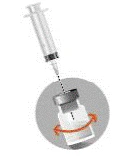
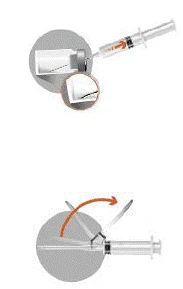
The powder must be suspended in the solvent provided, immediately before injection, by gently shaking the vial from side to side until a homogeneous milky-colored suspension is obtained. For single use only.
Instructions for reconstituting Diferelin® (11.25 mg) prior to administration are provided in the section "Instructions for Use".
WARNING! It is essential that the injection of the prolonged-release formulation be performed in strict accordance with all recommendations provided in the instructions for medical use. Any failed injection, after which more drug remains in the syringe than specified in the instructions, must be recorded.
The information below is intended for healthcare professionals only
INSTRUCTIONS FOR USE
Read the instructions carefully before using the medicinal product.
|
||
| Since the medicinal product must be administered immediately after reconstitution, it is necessary to disinfect the patient's skin at the injection site first. Injection site:
|
||
|
||
| The package contains three needles; ONLY TWO of them are used: Needle 1: a long needle (38 mm in length), not equipped with a safety system, is used in all cases for reconstituting the medicinal product. Needle 2: long needle (38 mm in length), equipped with a safety system, used for intramuscular injection (FOR MEN, WOMEN, CHILDREN). Needle 3: short needle (25 mm in length), equipped with a safety system, used for subcutaneous injection (MEN ONLY). |
||
| Needle 1 – 38 mm, 20G |
Needle 2 – 38 mm, 20G |
Needle 3 – 25 mm, 20G |
|
|
|
|
| The presence of bubbles on the surface of the lyophilisate is normal |
||
| 2a
|
|
|
| 2b
|
|
|
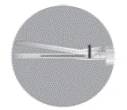
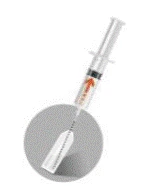
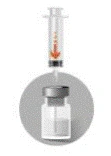
| 2b Remove needle 1 so that it is positioned above the surface of the liquid, and gently shake the vial horizontally until a suspension is obtained.
|
|
| 2d
|
|
|
|
|
For men, women, and children (intramuscular)
|
|
|
Note: The finger must remain behind the shield at all times
or
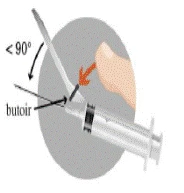
In both cases, press firmly and quickly until you hear a distinct click indicating the needle has been fully covered by the shield. Visually confirm that the needle is completely covered.
|
|
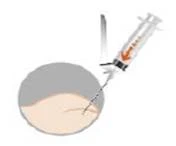
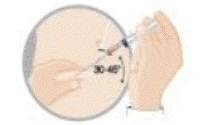 For men only (subcutaneous)
 Method A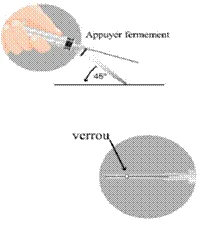
Children.
The medicinal product is used for the treatment of central precocious puberty in children (in girls under 8 years of age and in boys under 10 years of age).
Overdose.
In case of overdose, symptomatic treatment is administered.
Adverse reactions.
General tolerability in men (see section "Special instructions")
Since patients with locally advanced or metastatic hormone-dependent prostate cancer are typically elderly and often have comorbidities commonly seen in this age group, adverse events were observed in more than 90% of patients participating in clinical trials, and it was frequently difficult to assess a causal relationship. Based on data from treatment with other GnRH agonists or following surgical castration, the most commonly observed adverse reactions associated with triptorelin therapy are due to the expected pharmacological effect. These effects included hot flushes and decreased libido. Except for immunologic and allergic reactions (rare) and injection site reactions (< 5%), all adverse events are known to be related to changes in testosterone levels.
The adverse reactions listed below have been reported and were considered at least possibly related to triptorelin therapy. The occurrence of most of these events is associated with biochemical or surgical castration.
The frequency of adverse reactions is classified as follows: very common (≥1/10); common (≥1/100, <1/10); uncommon (≥1/1000, <1/100); rare (≥1/10,000, <1/1000). The frequency of adverse reactions identified during the post-marketing period cannot be determined; therefore, they are listed as "frequency unknown".
| System Organ Class |
Very common |
Common |
Uncommon |
Rare |
Frequency not known |
| Infections and infestations |
Nasopharyngitis |
||||
| Blood and lymphatic system disorders |
Anaemia |
Thrombocytosis |
|||
| Immune system disorders |
Hypersensitivity |
Anaphylactic reaction |
Anaphylactic shock |
||
| Metabolism and nutrition disorders |
Anorexia, diabetes mellitus, gout, hyperlipidaemia, increased appetite |
||||
| Psychiatric disorders |
Decreased libido |
Depression*, loss of libido, mood changes* |
Insomnia, irritability |
Confusion, decreased activity, state of euphoria |
Anxiety |
| Nervous system disorders |
Paraesthesia of lower limbs |
Dizziness, headache |
Paraesthesia |
Memory impairment |
|
| Eye disorders |
Visual disturbance |
Eye sensitivity disturbance, vision disorder |
|||
| Endocrine system disorders system |
Pituitary apoplexy** |
||||
| Ear and labyrinth disorders |
Tinnitus, vertigo |
||||
| Cardiac disorders |
Palpitations |
QT interval prolongation (see sections "Special warnings and precautions for use" and "Interaction with other medicinal products and other forms of interaction") |
|||
| Vascular disorders |
Hot flushes |
Arterial hypertension |
Arterial hypotension |
||
| Respiratory, thoracic and mediastinal disorders |
Dyspnoea, epistaxis |
Orthopnoea |
|||
| Gastrointestinal disorders |
Dry mouth, nausea |
Abdominal pain, constipation, diarrhoea, vomiting |
Abdominal distension, dysgeusia, flatulence |
||
| Skin and subcutaneous tissue disorders |
Hyperhidrosis |
Acne, alopecia, erythema, pruritus, rash, urticaria |
Bullae, purpura |
Angioneurotic oedema |
|
| Musculoskeletal and connective tissue disorders |
Back pain |
Musculoskeletal pain, limb pain |
Arthralgia, bone pain, muscle spasms, muscle weakness, myalgia |
Joint stiffness, joint swelling, musculoskeletal stiffness, osteoarthritis |
|
| Renal and urinary disorders |
Nocturia, urinary retention |
Urinary incontinence |
|||
| Reproductive system and breast disorders |
Erectile dysfunction (including ejaculation disorder, impaired ejaculation) |
Pelvic pain |
Gynaecomastia, breast pain, testicular atrophy, testicular pain |
||
| General disorders and administration site conditions |
Asthenia |
Injection site reactions (including erythema, inflammation and pain), oedema |
Lethargy, peripheral oedema, pain, chills, somnolence |
Chest pain, malaise, influenza-like illness, pyrexia |
Feeling unwell |
| Investigations |
Weight increased |
Increased alanine aminotransferase, increased aspartate aminotransferase, increased blood creatinine, increased blood pressure, increased blood urea, increased gamma-glutamyltransferase, weight decreased |
Increased alkaline phosphatase in blood |
* This frequency is based on the class effect frequency common to all GnRH agonists.
** Pituitary apoplexy has been reported after initial administration of the medicinal product in patients with pituitary adenoma.
Triptorelin causes a temporary increase in circulating testosterone levels during the first week after administration of the first dose of the sustained-release formulation. During this initial rise in circulating testosterone levels, some patients (≤ 5%) may experience a transient worsening of symptoms of existing prostate cancer ("flare"), typically manifested by urinary tract symptoms (< 2%) and pain due to metastatic disease (5%), which are managed symptomatically. These symptoms are transient and usually resolve within 1–2 weeks.
Exacerbation of disease symptoms, urethral obstruction, or spinal cord compression due to metastases have been reported. Therefore, patients with spinal metastases and/or obstruction of upper or lower urinary tracts should be closely monitored during the first few weeks of therapy (see section "Special warnings and precautions for use").
The use of GnRH agonists in the treatment of prostate cancer increases the risk of bone mineral loss and may lead to osteoporosis, as well as an increased risk of bone fractures.
An increase in lymphocyte count has been observed in patients treated with GnRH analogues. This secondary lymphocytosis appears to be related to the castration induced by GnRH and suggests the involvement of gonadal hormones in thymic involution.
Patients receiving long-term GnRH analogue therapy in combination with radiotherapy may experience a higher incidence of adverse effects, particularly gastrointestinal effects associated with radiotherapy.
General tolerability in women (see section "Special warnings and precautions for use")
As a consequence of reduced estrogen levels, the most common adverse effects (expected in more than 10% of women) were headache, decreased libido, sleep disturbances, mood changes, dyspareunia, dysmenorrhea, genital bleeding, ovarian hyperstimulation syndrome, ovarian hypertrophy, pelvic pain, abdominal pain, vulvovaginal dryness, hyperhidrosis, hot flushes, and asthenia.
The adverse reactions listed below have been observed and are considered at least possibly related to triptorelin therapy. Most of them are known to be associated with biochemical or surgical castration. The frequency of adverse reactions is classified as follows: very common (≥1/10); common (≥1/100, <1/10). The frequency of adverse reactions identified during the post-marketing period cannot be determined and therefore are listed as "frequency unknown".
| System organ class |
Very common |
Common |
Uncommon |
Frequency unknown |
| Immune system disorders |
Hypersensitivity |
Anaphylactic shock |
||
| Metabolism and nutrition disorders |
Decreased appetite, fluid retention |
|||
| Psychiatric disorders |
Sleep disorders (including insomnia), mood changes, decreased libido |
Depression*, nervousness |
Affective lability, anxiety, depression**, confusion |
Confusional state |
| Nervous system disorders |
Headache |
Dizziness |
Dysgeusia, hypoesthesia, syncope, memory impairment, attention disturbance, paresthesia, tremor |
|
| Eye disorders |
Dry eyes, blurred vision |
Visual disturbance |
||
| Endocrine disorders |
Pituitary apoplexy*** |
|||
| Ear and labyrinth disorders |
Vertigo |
|||
| Cardiac disorders |
Palpitations |
|||
| Vascular disorders |
Hot flushes |
Arterial hypertension |
||
| Respiratory, thoracic and mediastinal disorders |
Dyspnea, epistaxis |
|||
| Gastrointestinal disorders |
Nausea, abdominal pain, abdominal discomfort |
Abdominal distension, dry mouth, flatulence, ulcerative stomatitis, vomiting |
Diarrhea |
|
| Skin and subcutaneous tissue disorders |
Acne, hyperhidrosis, seborrhea |
Alopecia, dry skin, hirsutism, onycholysis, pruritus, rash |
Angioneurotic edema, urticaria |
|
| Musculoskeletal and connective tissue disorders |
Arthralgia, muscle spasms, limb pain |
Back pain, myalgia |
Muscle weakness |
|
| Reproductive system and breast disorders |
Breast disorders, dyspareunia, genital bleeding (including vaginal bleeding, withdrawal bleeding), ovarian hyperstimulation syndrome, ovarian hypertrophy, pelvic pain, vulvovaginal dryness |
Breast pain |
Bleeding during sexual intercourse, cystocele, menstrual irregularities (including dysmenorrhea, metrorrhagia and menorrhagia), ovarian cyst, vaginal discharge |
Amenorrhea |
| General disorders and administration site conditions |
Asthenia |
Injection site reactions (including pain, swelling, erythema and inflammation), peripheral edema |
Fever, malaise |
|
| Investigations |
Increased body weight |
Decreased body weight |
Increased blood alkaline phosphatase, increased blood pressure |
* Long-term use: This frequency is based on the class effect frequency common to all GnRH agonists.
** Short-term use: This frequency is based on the class effect frequency common to all GnRH agonists.
*** Pituitary apoplexy has been reported after initial administration of the medicinal product in patients with pituitary adenoma.
At the beginning of treatment, during the temporary increase in blood estradiol levels, symptoms characteristic of endometriosis, such as pelvic pain and dysmenorrhea, may very commonly (≥ 10%) worsen. These symptoms are transient and usually resolve within 1–2 weeks.
Genital bleeding, including metrorrhagia and menorrhagia, may occur within one month after the first injection.
Prolonged use of GnRH analogues may lead to loss of bone mass and is a risk factor for potential development of osteoporosis.
General tolerability in children (see section "Special instructions")
The frequency of adverse reactions is classified as follows: very common (≥1/10); common (≥1/100, <1/10); uncommon (≥1/1,000, <1/100). The frequency of adverse reactions observed during the post-marketing period cannot be determined and therefore they are listed as "frequency unknown".
Vaginal bleeding may occur within one month after the first injection.
| System organ class |
Very common |
Common |
Uncommon |
Frequency unknown |
| Immune system disorders |
Hypersensitivity |
Anaphylactic shock |
||
| Metabolism and nutrition disorders |
Obesity |
|||
| Psychiatric disorders |
Mood lability |
Affective lability, depression, nervousness |
||
| Nervous system disorders |
Headache |
Idiopathic intracranial hypertension (pseudotumor cerebri) (see section "Special precautions") |
||
| Eye disorders |
Blurred vision |
Visual disturbances |
||
| Vascular disorders |
Hot flushes |
Arterial hypertension |
||
| Respiratory, thoracic and mediastinal disorders |
Nasal haemorrhage |
|||
| Gastrointestinal disorders |
Abdominal pain |
Vomiting, constipation, nausea |
||
| Skin and subcutaneous tissue disorders |
Acne |
Pruritus, rash, urticaria |
Angioneurotic oedema |
|
| Musculoskeletal and connective tissue disorders |
Neck pain |
Myalgia |
||
| Reproductive system and breast disorders |
Vaginal bleeding (including vaginal haemorrhage), withdrawal bleeding, uterine haemorrhage, vaginal discharge, vaginal bleeding, particularly as spotting |
Breast pain |
||
| General disorders and administration site conditions |
Injection site reactions (including injection site pain, irritation at injection site and injection site inflammation) |
Malaise |
||
| Investigations |
Increased body weight |
Elevated blood prolactin levels, increased blood pressure |
Reporting of suspected adverse reactions
Reporting of suspected adverse reactions after authorization of the medicinal product is very important. It allows continuous monitoring of the benefit-risk balance of the medicinal product. Healthcare professionals are requested to report any suspected adverse reactions through the national pharmacovigilance system.
Shelf life.
3 years.
Storage conditions.
Store in the original packaging at a temperature not exceeding 25 °C. Keep out of the reach of children.
The medicinal product should be administered immediately after reconstitution.
Packaging.
1 vial of powder in a set with a solvent (2 mL) (mannitol (E 421), water for injections) in an ampoule, 1 single-use syringe and three needles (in a blister pack) in a carton.
Prescription category.
Prescription only.
Manufacturer.
IPSEN PHARMA BIOTECH / IPSEN PHARMA BIOTECH.
Manufacturer's address and location of operations.
Parc d’activités du Plateau de Signes, chemin départemental № 402, 83870 SIGNES, France /
Parc d’activites du Plateau de Signes, chemin departemental № 402, 83870 SIGNES, France.
Marketing Authorization Holder.
IPSEN PHARMA / IPSEN PHARMA.
Address of the Marketing Authorization Holder.
65, quai Georges Gorse - 92100 Boulogne Billancourt, France /
65, quai Georges Gorse - 92100 Boulogne Billancourt, France.