Doxorubicin "ebewe"
Ukraine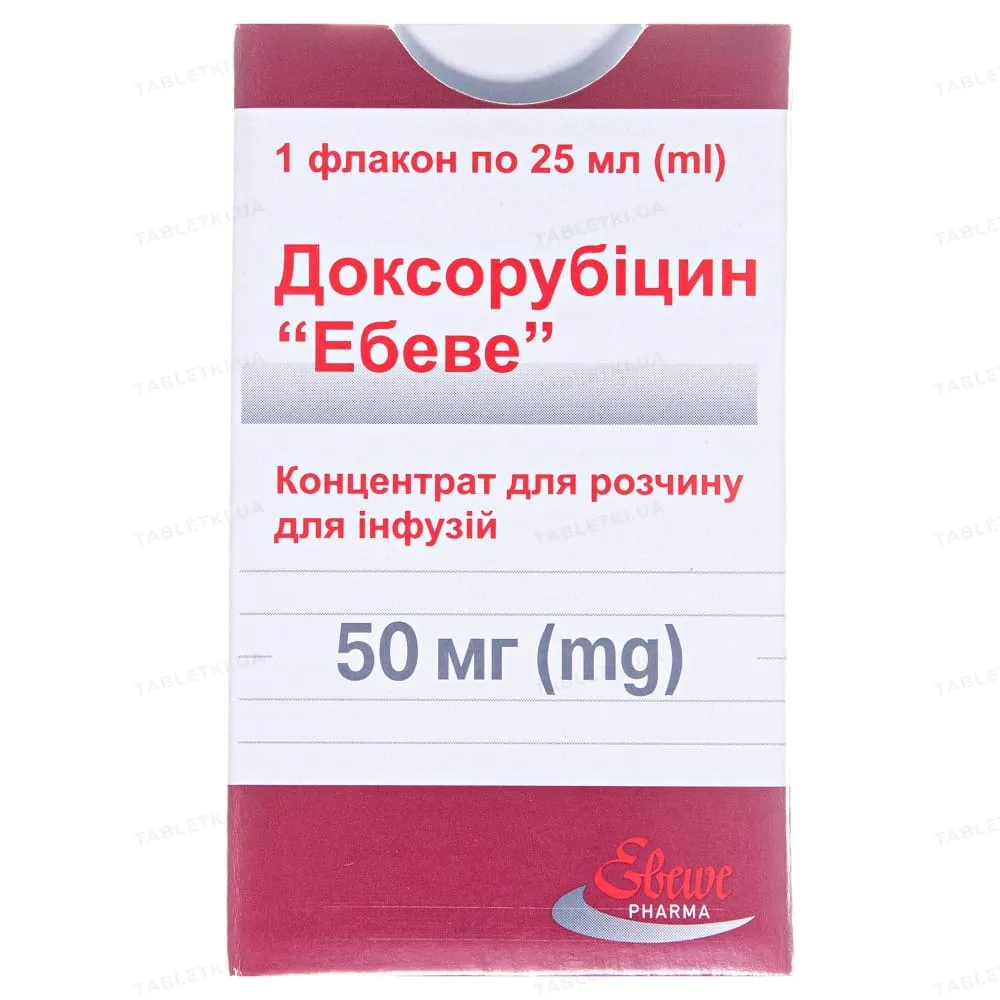
Table of Contents
INSTRUCTIONS FOR MEDICAL USE OF THE MEDICINAL PRODUCT DOXORUBICIN "EBEWE" (DOXORUBICIN "EBEWE")
Composition:
Active substance: doxorubicin;
1 ml of concentrate contains 2 mg of doxorubicin hydrochloride;
Excipients: sodium chloride, diluted hydrochloric acid, water for injections.
Pharmaceutical form. Concentrate for solution for infusion.
Main physicochemical properties: clear red-colored solution.
Pharmacotherapeutic group.
Antineoplastic agents. Anthracyclines and related compounds.
ATC code: L01D B01.
Pharmacological properties.
Pharmacodynamics.
Doxorubicin is a cytotoxic anthracycline antibiotic isolated from the culture of Streptomyces peucetius var. caesius. It is a semisynthetic derivative of daunorubicin. Doxorubicin is highly irritating to tissues.
The biological activity of doxorubicin is based on its ability to bind to DNA, thereby inhibiting enzymatic systems essential for DNA replication and transcription.
Cell cycle arrest is most pronounced during the S-phase and mitosis; however, inhibition has also been observed in other phases of the cell cycle.
Pharmacokinetics.
After intravenous administration, the plasma elimination curve of doxorubicin is triphasic, with half-lives of approximately 30 hours. The volume of distribution is about 25 L/kg. Plasma protein binding is approximately 70%. The highest drug concentrations are found in the lungs, liver, spleen, kidneys, heart, intestines, and bone marrow. Doxorubicin does not cross the blood-brain barrier.
Doxorubicin is rapidly metabolized, and the primary metabolite is the less active 13-dihydro derivative, doxorubicinol. Approximately 5% of the dose is excreted in urine within 5 days, whereas 40–50% of the administered dose is excreted in bile within 7 days. In the presence of impaired liver function, clearance of doxorubicin and its metabolites may be reduced.
Clinical characteristics.
Indications.
For the treatment of a wide spectrum of neoplastic diseases, including acute leukemia, lymphoma, malignant tumors in children, and solid tumors in adults, particularly breast and lung carcinomas.
Contraindications.
Hypersensitivity to doxorubicin or any other components of the medicinal product, other anthracyclines or anthracenediones. Pregnancy and breastfeeding.
For intravenous administration:
- Persistent myelosuppression and/or severe stomatitis caused by prior cytotoxic therapy and/or radiation (including patients at high risk of bleeding);
- Presence of cardiac pathology (unstable angina, progressive heart failure, severe arrhythmia, myocardial infarction; acute inflammatory heart diseases, recent myocardial infarction (within the last 6 months)); cardiomyopathy;
- Severe impairment of liver function;
- Prior treatment with maximum cumulative doses of anthracyclines (such as epirubicin, idarubicin, or daunorubicin);
- Acute systemic infections;
- Increased predisposition to bleeding;
- Presence of oral ulcers.
For intravesical administration:
- Invasive tumors invading the bladder (≥ T1);
- Urinary tract infections;
- Cystitis;
- Difficulties with catheterization;
- Hematuria.
Special safety precautions.
Only a single withdrawal of the drug from the vial is permitted.
When handling the drug, standard procedures for working with cytotoxic substances must be followed.
Due to the drug's toxicity, the following precautionary measures are recommended:
- Personnel must be trained in proper handling procedures.
Pregnant healthcare workers must not handle the drug.
- Protective clothing (disposable gloves, masks, goggles, gowns, caps) must be worn when handling the drug.
- Unused remnants of the medicinal product and all instruments, materials used in preparing infusion solutions and administering the drug, including gloves, must be disposed of according to approved procedures for cytotoxic waste disposal (all equipment used for drug administration or cleanup, including gloves, should be placed into high-risk waste bags and destroyed by incineration at high temperature (700 °C)).
- In case of contact of doxorubicin with mucous membranes or skin, the affected area should be thoroughly washed with soap and water. If the substance enters the eyes, they should be rinsed with water or sterile physiological saline solution, and an ophthalmologist should be consulted.
In case of spillage or splashing of doxorubicin solution, the contaminated area should be treated (flooded) with diluted sodium hypochlorite solution (with 1% active chlorine concentration), preferably for a prolonged period (overnight), then rinsed with water. All materials used during cleanup must be disposed of as described above. Recommended solutions for preparing infusion solutions are 0.9% (mass/volume) sodium chloride solution for intravenous infusions and 5% (mass/volume) glucose solution for intravenous infusions (see section "Special instructions").
Given the various recommended dosing regimens, administration of the drug should be performed exclusively under the supervision of a specialist experienced in cytotoxic therapy.
The solution should be withdrawn from the vial immediately before use.
From a microbiological standpoint, the drug should be administered immediately after withdrawal from the vial, and the infusion solution should be used immediately after preparation. If the drug or infusion solution is not used immediately, storage duration and conditions must be monitored by healthcare personnel. Generally, storage should not exceed 24 hours at 2–8 °C, unless all manipulations were performed under controlled and certified aseptic conditions. Studies have shown no significant physical or chemical changes in the drug after first opening of the container, or in infusion solutions stored for 24 hours at 2–8 °C, whether protected from or exposed to light. During refrigerated storage, the drug may become gel-like. Normal consistency is restored within 2–4 hours at room temperature (15–25 °C) with gentle shaking of the vial.
Interaction with other medicinal products and other types of interactions.
Concomitant use of other antineoplastic agents, such as anthracyclines (daunorubicin, epirubicin, idarubicin), cisplatin, cyclophosphamide, cyclosporine, cytarabine, dacarbazine, dactinomycin, 5-fluorouracil, mitomycin C, and taxanes, increases the risk of doxorubicin-induced congestive heart failure.
If paclitaxel is administered prior to doxorubicin, it may lead to increased concentrations of doxorubicin and/or its metabolites. Concurrent administration of paclitaxel reduces doxorubicin clearance and increases the incidence of neutropenia and stomatitis. Some data suggest lower concentration increases if doxorubicin is administered before paclitaxel.
When doxorubicin is used in combination chemotherapy with other potentially cardiotoxic compounds or in combination with other drugs affecting the heart (e.g., calcium channel blockers and verapamil), cardiac function must be monitored. Maximum plasma concentration, terminal half-life, and volume of distribution of doxorubicin may increase with concomitant use of verapamil.
The use of trastuzumab in combination with anthracyclines (such as doxorubicin) is associated with a high risk of cardiotoxicity. Cardiotoxic drugs (e.g., trastuzumab) and anthracyclines should not be used concurrently, except in well-controlled clinical trials with cardiac monitoring.
The risk of cardiotoxicity increases when anthracyclines are administered after completion of treatment with cardiotoxic drugs (especially those with a long half-life, such as trastuzumab). The elimination half-life of trastuzumab is approximately 28–38 days, and the drug may continue to circulate in the blood for up to 27 weeks after treatment discontinuation. Anthracycline therapy should be avoided, if possible, for 27 weeks after stopping trastuzumab. Close monitoring of cardiac function is mandatory.
Doxorubicin undergoes metabolism via the cytochrome P450 (CYP450) system and is a substrate for the P-glycoprotein (Pgp) transporter. Concomitant use of CYP450 and/or Pgp inhibitors may increase doxorubicin plasma concentrations and thus enhance its toxicity. Conversely, concomitant use of CYP450 inducers such as rifampicin and barbiturates may reduce doxorubicin plasma concentrations and decrease its efficacy.
Combination therapy with cyclosporine may require dose adjustment of doxorubicin. Doxorubicin clearance is reduced by nearly 50%. AUC of doxorubicin and doxorubicinol increases by 55% and 350%, respectively. A 40% dose reduction is recommended for this combination. Studies indicate that combining cyclosporine with doxorubicin results in more persistent and prolonged hematological toxicity compared to doxorubicin monotherapy. Cases of coma and seizures have also been reported with concurrent administration of cyclosporine and doxorubicin. Like verapamil, cyclosporine is a CYP3A4 and Pgp inhibitor, explaining its interaction with doxorubicin and leading to an increased risk of adverse reactions.
Enzyme inhibitors of the cytochrome P450 system (e.g., cimetidine), similar to cyclosporine, also reduce plasma clearance and increase the AUC of doxorubicin.
Doxorubicin may exacerbate hemorrhagic cystitis caused by prior therapy with cyclophosphamide and may also increase cardiotoxic effects.
Absorption of antiepileptic agents (e.g., carbamazepine, phenytoin, valproate) is reduced following concomitant administration of doxorubicin.
Since doxorubicin is rapidly metabolized and primarily excreted via bile, its toxicity may potentially increase when used concomitantly with hepatotoxic chemotherapeutic agents (e.g., 6-mercaptopurine, methotrexate, streptozocin) due to reduced hepatic clearance of the drug. Doxorubicin dosing should be adjusted if concomitant therapy with hepatotoxic drugs is necessary. Hematopoietic disturbances have been observed after combined use of drugs affecting myeloid function (e.g., amidopyrine derivatives, antiretroviral agents, chloramphenicol, phenytoin, sulfonamides). If necessary, doxorubicin dosing may be adjusted.
Increased neutropenia and thrombocytopenia have been reported after concomitant use of progesterone. Combination of doxorubicin with amphotericin B should be avoided due to the risk of severe nephrotoxicity.
Increased serum concentrations of doxorubicin have been observed after concomitant use with ritonavir.
Combined therapy with doxorubicin and cytostatic agents (including cytarabine, cisplatin, cyclophosphamide) enhances toxic effects on the patient.
Cases of colonic necrosis with massive hemorrhage and severe infections have been reported following combination therapy with cytarabine. Clozapine increases the risk and severity of hematotoxic effects of doxorubicin.
Doxorubicin is a potent radiosensitizing agent (radiosensitizer), and the anamnestic radiation phenomenon it induces may be life-threatening. Any procedures related to radiotherapy, whether concurrent or sequential, may increase the cardiotoxic or hepatotoxic effects of doxorubicin.
Doxorubicin may exacerbate hemorrhagic cystitis caused by prior use of cyclophosphamide.
Doxorubicin may reduce the oral bioavailability of digoxin.
Treatment with doxorubicin may lead to increased serum uric acid levels; therefore, dose adjustments of uric acid-lowering agents may be necessary.
Concomitant use of drugs that delay uric acid excretion (e.g., sulfonamides and certain diuretics) may lead to hyperuricemia.
Live vaccines should not be used during doxorubicin treatment due to the risk of generalized disease, which may be fatal. The risk is increased in patients with immunosuppression due to the underlying disease. Patients undergoing doxorubicin treatment should avoid contact with individuals recently vaccinated against poliomyelitis.
Concomitant use of heparin and doxorubicin may increase doxorubicin clearance. Doxorubicin binds to heparin and 5-fluorouracil, resulting in precipitation and loss of efficacy of both drugs.
Special precautions for use.
Doxorubicin therapy must be administered under the supervision of an experienced oncologist with expertise in the use of cytostatic agents. Proper management of the disease and its complications is possible only in appropriate medical and diagnostic facilities.
Before initiating doxorubicin therapy, patients should be treated for acute toxic effects of prior cytostatic therapy (e.g., stomatitis, neutropenia, thrombocytopenia, and generalized infections).
Patients should be under close monitoring and undergo regular laboratory monitoring, particularly elderly patients, patients with cardiac disease or bone marrow suppression, and patients previously treated with anthracyclines or mediastinal irradiation.
The following investigations should be performed before or during doxorubicin therapy (frequency depends on the patient's general condition, dose administered, and concomitant therapy):
- Chest X-ray and fluoroscopy, electrocardiography (ECG);
- Regular cardiac monitoring (assessment of left ventricular ejection fraction (LVEF), e.g., by echocardiography or radionuclide angiography);
- Daily examination of the oral cavity and pharynx to detect mucosal ulcers;
- Blood tests: hematocrit, platelet count, differential leukocyte count, and determination of alanine aminotransferase (ALT), aspartate aminotransferase (AST), lactate dehydrogenase (LDH), bilirubin, and uric acid levels.
If there is a history of hepatitis B or hepatitis C (antibody testing should be performed if necessary), liver function tests should be conducted during and after treatment, as reactivation of the disease is possible.
Severe infections must be treated promptly and effectively. Existing infections should be treated before initiating therapy.
Doxorubicin should be administered only by safe intravenous injection, as extravasation leads to local necrosis and thrombophlebitis. Doxorubicin must not be administered intramuscularly, subcutaneously, orally, or intrathecally.
In obese patients (i.e., >130% of ideal body weight), systemic clearance of doxorubicin is reduced.
Patients should be informed that doxorubicin may turn urine red.
Nausea, vomiting, and mucositis are often severe and require appropriate management.
Cardiotoxicity.
The risk of cardiotoxic effects is higher in patients who have received radiotherapy to the mediastinum or pericardium, previously received potentially cardiotoxic drugs, elderly patients (aged 70 years and older), children (under 15 years), and patients with anemia, leukemic pericarditis, and/or myocarditis.
To minimize the risk of cardiotoxicity, careful monitoring of cardiac function is required before and during treatment with doxorubicin and other anthracyclines.
Pre-existing cardiac disease, prior treatment with anthracyclines at high cumulative doses, and concomitant use of other potentially cardiotoxic drugs are cofactors increasing the risk of doxorubicin cardiotoxicity.
A maximum cumulative dose has been established (550 mg/m² body surface area for adults; 400 mg/m² body surface area if prior chest irradiation or concomitant therapy is present). The probability of anthracycline-induced cardiomyopathy increases rapidly even in the absence of risk factors. However, isolated cases of cardiotoxicity have been reported at significantly lower total doses. After receiving the maximum cumulative dose of 550 mg/m² body surface area, patients have approximately a 5% risk of developing severe heart failure.
The cumulative dose must be considered when treating children who receive only low doses to maintain life expectancy and who additionally undergo radiotherapy. Early initiation of therapy and aggressive concomitant therapies increase the risk of life-threatening cardiotoxicity, including ventricular dysfunction, heart failure, and/or delayed arrhythmias. Girls are more susceptible than boys to delayed cardiotoxicity after doxorubicin therapy.
Particular caution is required when treating children under 2 years of age and patients with pre-existing cardiac conditions (coronary heart disease, heart failure) or those who have received hyperthermic agents.
The likelihood of cardiotoxicity is higher in women than in men. Further cardiological evaluations are recommended to monitor this effect. In such cases, the potential risks and benefits of continuing doxorubicin therapy must be carefully evaluated.
Symptoms of cardiac disease may also manifest during pregnancy in women previously treated with doxorubicin (within the last 20 years), even if no prior cardiac side effects were observed. Cases of congestive heart failure and pulmonary edema have been reported. Women previously treated with doxorubicin who become pregnant should be monitored for cardiac side effects (see section "Adverse reactions").
Cardiotoxic effects due to doxorubicin administration may present in two forms:
Manifestations of early (acute) cardiotoxicity: non-specific ECG changes (ST segment depression, sinus tachycardia, supraventricular and ventricular extrasystoles). Tachyarrhythmias, including premature ventricular contractions and ventricular tachycardia, bradycardia, atrioventricular block, and bundle branch block, have also been reported. These manifestations generally do not lead to delayed cardiotoxicity and usually do not require discontinuation of doxorubicin therapy.
However, life-threatening arrhythmias may occur during or within several hours after doxorubicin administration. Isolated cases of acute heart failure, pericarditis, or fatal pericarditis-myocarditis syndrome have been reported.
Late (delayed) manifestations of cardiotoxicity. Delayed adverse effects represent cumulative dose-limiting organ toxicity. Delayed cardiotoxicity usually occurs late during treatment or 2–3 months after completion of therapy. However, later manifestations have been reported months or years after treatment completion.
Delayed cardiomyopathy manifests as decreased LVEF and/or symptoms of congestive heart failure, such as dyspnea, pulmonary edema, peripheral edema, cardiomegaly, and hepatomegaly, oliguria, ascites, pleural effusion, and tachycardia. Subacute manifestations such as pericarditis/myocarditis have also been observed. The most severe and life-threatening form of anthracycline-induced cardiomyopathy is congestive heart failure, which is a cumulative dose-limiting toxic effect of the drug.
Due to the lack of reliable methods for predicting heart failure, anthracycline-induced cardiomyopathy, persistent reduction in QRS amplitude, prolonged systolic time interval (PEP/LVEF), decreased LVEF below baseline values, and other parameters are compared with baseline values obtained before treatment initiation.
Before starting doxorubicin therapy and during treatment (each time cumulative dose increases by 100 mg/m² body surface area and upon appearance of any clinical signs of heart failure), the following investigations should be performed: ECG, echocardiography, multigated radionuclide angiography, and assessment of LVEF reduction.
Generally, an absolute decrease in LVEF of ≥10% or below 50% in patients with normal baseline LVEF values indicates worsening cardiac function. The need for continuing doxorubicin therapy in such cases should be carefully considered.
Early clinical diagnosis of anthracycline-induced myocardial damage is important for pharmacological management. Treatment with digitalis preparations, diuretics, salt restriction, and bed rest is indicated.
The probability of developing congestive heart failure is approximately 1–2% at a cumulative dose of 300 mg/m² and slowly increases with increasing total cumulative dose up to 450–550 mg/m². With further dose escalation, the risk of congestive heart failure increases sharply; therefore, exceeding the maximum cumulative dose of 550 mg/m² is not recommended.
Risk factors for cardiotoxicity include active or latent cardiovascular diseases, prior or concurrent mediastinal or pericardial radiotherapy, previous therapy with other anthracyclines or anthracenediones, concomitant use of drugs capable of suppressing myocardial contractility, and age >70 years. In such cases, the maximum cumulative dose should not exceed 400 mg/m² body surface area. Cardiac function should be monitored particularly carefully in patients receiving high cumulative doses and those with risk factors. However, doxorubicin may cause cardiotoxic effects even at low cumulative doses, with or without the aforementioned risk factors.
There is a possibility that the toxic effects of doxorubicin and other anthracyclines or anthracenediones may be additive.
Severe arrhythmias have been reported during or within several hours after doxorubicin administration.
Myelosuppression.
Myelosuppression may occur during doxorubicin therapy, as with all cytostatic agents. Hematological parameters, including leukocyte formula, must be monitored before each cycle and during treatment. Dose-dependent, reversible leukopenia and/or granulocytopenia (neutropenia) are the main manifestations of hematological toxicity of doxorubicin and the most common acute dose-limiting toxicity. Myelosuppression caused by doxorubicin hydrochloride primarily affects leukocyte counts. Leukocyte levels require careful monitoring, as severe bone marrow suppression may lead to superinfections and hemorrhage.
Leukopenia and neutropenia typically reach their nadir on days 10–14 after drug administration; leukocyte/neutrophil counts return to normal by day 21 in most cases. Doxorubicin therapy should not be initiated or continued if the polymorphonuclear granulocyte count is below 2000/mm³. In acute leukemia treatment, this threshold may be lower depending on circumstances.
Thrombocytopenia and anemia may also occur. Clinical manifestations of severe myelosuppression include fever, infections, sepsis/septicemia, septic shock, hemorrhage, tissue hypoxia, or death. Doxorubicin must not be administered in the presence of severe myelosuppression; the dose should be reduced or administration discontinued.
Care must be provided to allow prompt and effective treatment of serious infections and/or bleeding episodes. Existing infections should be treated before starting doxorubicin therapy.
Secondary leukemia, with or without a preleukemic phase, has been observed in patients treated with anthracyclines (including doxorubicin). Secondary leukemia occurs more frequently when drugs are used in combination with DNA-damaging antineoplastic agents (e.g., alkylating agents, platinum derivatives) or radiotherapy, complications from prior cytotoxic therapy, or increased anthracycline doses. The latent period for such leukemias may last from 1 to 3 years. Regular monitoring of hematological parameters is required.
Gastrointestinal disorders.
Doxorubicin has emetogenic properties. Mucosal inflammation or stomatitis usually occurs shortly after starting treatment and may progress to mucosal ulceration within several days in severe cases. Most patients recover from these side effects by the third week of therapy.
Note. Doxorubicin should not be used in cases of inflammation, ulceration, or diarrhea.
Secondary oral malignancies.
Very rare cases of oral cancer have been reported in patients undergoing prolonged (more than 1 year) doxorubicin therapy or receiving a cumulative dose exceeding 720 mg/m². Cases of secondary oral cancer were diagnosed both during doxorubicin therapy and up to 6 years after the last dose. Patients should be regularly examined for oral ulcers or any discomfort suggesting secondary oral cancer.
Skin reactions at the injection site (extravasation).
Phlebosclerosis may occur when administering into small veins or with repeated injections into the same vein. Strict adherence to the recommended administration method reduces the risk of phlebitis/thrombophlebitis at the injection site.
Extravasation of doxorubicin during intravenous injection may cause local pain, severe tissue damage (blistering, severe cellulitis), necrosis, lymphangitis, and thrombophlebitis.
Burning sensation around the needle insertion site indicates hematoma. If extravasation occurs, injection or infusion should be immediately stopped. The cannula should be left in place for a short time and removed after brief aspiration. Re-administration should begin in another vessel.
In case of extravasation, intravenous infusion of dexrazoxane is recommended no later than 6 hours after extravasation. Dosage recommendations and other information on dexrazoxane use are provided in the instructions for medical use of the drug containing this active substance. In case of contraindications to dexrazoxane use, topical application of 99% dimethyl sulfoxide (DMSO) on an area twice the size of the affected area (4 drops per 10 cm² of skin) is recommended; the procedure should be performed three times daily for at least 14 days. Wound debridement should be performed if necessary. Due to the antagonistic mechanism, the area should be cooled after DMSO application (vasoconstriction compared to vasodilation) to reduce pain. The usefulness of other measures is not established.
Hepatic function impairment.
Since doxorubicin is primarily excreted via bile, hepatic impairment or liver failure may slow doxorubicin elimination and enhance its toxic effects. Therefore, liver function tests (ALT, AST, alkaline phosphatase, and bilirubin levels) are recommended before and during therapy. Doxorubicin should not be administered to patients with severe hepatic dysfunction. Severe hepatotoxicity, sometimes fatal, has been reported in patients previously treated with radiotherapy in the mediastinal region.
Serum uric acid level monitoring.
As with other antineoplastic agents, rapid tumor lysis during doxorubicin therapy may cause hyperuricemia, leading to acute gout or urate nephropathy. Antihyperuricemic therapy should be initiated if hyperuricemia occurs.
Serum uric acid levels should be monitored regularly. Patients should consume adequate fluids (minimum 3 L/m² body surface area per day). Xanthine oxidase inhibitors (allopurinol) may be used if necessary.
Patients with renal impairment may require dose reduction.
Change in urine color.
Patients should be warned that doxorubicin may turn urine red, especially shortly after administration. This should not cause concern.
Radiotherapy.
Particular caution is required for patients who have previously undergone, are currently undergoing concurrently with doxorubicin, or are planned to undergo radiotherapy. These patients have an increased risk of local reactions in irradiated areas (recall radiation phenomenon). Severe, sometimes fatal, cases of hepatotoxicity (liver damage) have been reported. In patients previously treated with mediastinal radiotherapy, doxorubicin cardiotoxicity is enhanced. In such cases, the maximum cumulative dose of doxorubicin should not exceed 400 mg/m² body surface area.
Combinations with other antineoplastic agents.
Doxorubicin may potentiate the toxicity of other antineoplastic drugs. Cases of exacerbation of hemorrhagic cystitis caused by cyclophosphamides and enhanced hepatotoxicity of 6-mercaptopurine have been reported. Toxic effects of radiotherapy (on myocardium, mucous membranes, skin, and liver) have also been observed.
As with other cytotoxic agents, thrombophlebitis and thromboembolic events, including pulmonary artery embolism (sometimes fatal), have occasionally been observed during doxorubicin therapy.
Carcinogenesis, mutagenesis, fertility impairment. Doxorubicin has shown genotoxic and mutagenic properties in in vitro and in vivo tests.
In women, doxorubicin may cause infertility during treatment. Doxorubicin may cause amenorrhea. Ovulation and menstrual cycle return to normal after therapy completion, although premature menopause is possible.
Doxorubicin has mutagenic properties and may cause chromosomal damage in human spermatozoa. Oligospermia or azoospermia may be permanent; however, sperm count has been reported to return to normal in some cases, possibly several years after therapy completion. Men undergoing doxorubicin therapy should use effective contraception. Men treated with doxorubicin should avoid attempting conception during and for 6 months after therapy. Patients should be counseled about the possibility of sperm cryopreservation before starting therapy due to the risk of irreversible infertility. Women should avoid pregnancy during and for 6 months after therapy.
Other. Thrombophlebitis and thromboembolic events, including pulmonary artery embolism (sometimes fatal), may occasionally occur. Doxorubicin may cause hyperuricemia as a result of extensive purine catabolism accompanying rapid lysis of neoplastic cells (tumor lysis syndrome) induced by the drug. Therefore, serum levels of uric acid, potassium, phosphate, calcium, and creatinine should be determined after starting therapy. Hydration, urine alkalinization, and allopurinol prophylaxis against hyperuricemia may minimize the risk of tumor lysis syndrome complications.
Vaccination. Administration of live or live attenuated vaccines in immunocompromised patients due to chemotherapy, including doxorubicin, may lead to serious or fatal infections. Live vaccines should be avoided in patients receiving doxorubicin. Inactivated or killed vaccines may be administered, but the immune response may be weak.
Additional warnings regarding other administration routes.
Intravesical administration of doxorubicin may cause symptoms of chemical cystitis (e.g., dysuria, polyuria, nocturia, difficulty urinating, hematuria, bladder discomfort, bladder wall necrosis) and bladder spasm. Special attention should be paid to catheterization issues (e.g., urethral obstruction due to bulky intravesical tumors).
Intravesical administration is contraindicated in tumors that have invaded the bladder wall (except T1).
Administration into the bladder is not indicated in patients with invasive tumors invading the bladder wall, urinary tract infections, or inflammatory bladder diseases.
This medicinal product contains approximately 133.8 mg of sodium per 1 m² body surface area. Caution is advised when administering to patients on a sodium-controlled diet.
Use during pregnancy or breastfeeding.
Contraindicated. There is evidence that doxorubicin may cause serious fetal malformations and therefore must not be used during pregnancy. Reproductive toxicity studies in animals have shown that doxorubicin is teratogenic, fetotoxic, and embryotoxic.
Women of childbearing potential / contraception in men and women. Due to the genotoxic potential of doxorubicin, women of childbearing potential should avoid pregnancy by using effective contraceptive methods during therapy and for 7 months after completion of therapy. Men treated with doxorubicin and their female partners of childbearing potential should be informed about the necessity of using effective contraceptive methods during therapy and for at least 4 months after the last dose.
Doxorubicin passes into breast milk; therefore, its use during breastfeeding is contraindicated.
Doxorubicin may cause amenorrhea and infertility. Ovulation and menstrual cycle return to normal after therapy completion, although premature menopause is possible.
Animal studies have shown toxic effects of doxorubicin on male reproductive organs (testicular atrophy, diffuse degeneration of seminiferous tubules, and hypospermia).
Doxorubicin has mutagenic properties and may cause chromosomal damage in human spermatozoa. Oligospermia or azoospermia may be irreversible; however, sperm count has been reported to return to normal in some cases, possibly several years after therapy completion. Men undergoing doxorubicin therapy should use effective contraception.
Ability to affect reaction speed when driving or operating machinery.
The effect of doxorubicin on the ability to drive or operate machinery has not been established. If patients experience side effects such as dizziness, nausea, or vomiting, they should not drive or operate machinery.
Method of Administration and Dosage.
For intravenous and intravesical use only.
Before inserting the needle, allow the vial to warm to room temperature.
Treatment with doxorubicin must be carried out under the supervision of a qualified physician experienced in cytotoxic therapy within healthcare facilities. Additionally, it is recommended that patients be closely monitored during treatment.
Due to the risk of potentially life-threatening cardiomyopathy, the risk and benefit should be carefully evaluated for each individual patient prior to each administration of the drug.
Prior to initiating doxorubicin therapy, liver function should be assessed by measuring AST, ALT, alkaline phosphatase, and bilirubin levels. Renal function should also be monitored.
Assessment of LVEF by echocardiography or radionuclide angiocardiography (MUGA) is recommended to evaluate cardiac function. These assessments should be performed before starting treatment and during treatment (each time cumulative dose increases by approximately 100 mg/m² body surface area) (see section "Special precautions").
Intravenous administration of doxorubicin must be performed with special caution.
Doxorubicin is administered as an intravenous infusion over 3–5 minutes using free-flowing fluid, diluted with either 0.9% sodium chloride injection or 5% dextrose solution.
This method of administration minimizes the risk of thrombophlebitis or perivenous hemorrhage, which may lead to serious local reactions such as subcutaneous inflammation, blistering, and tissue necrosis.
Doxorubicin may also be administered intravenously as a bolus injection over several minutes, as short-term infusions lasting up to 1 hour, or as continuous infusion for up to 24 hours. Rapid bolus injection is not recommended due to the risk of extravasation, which may occur even when adequate blood return is observed upon needle aspiration.
Doxorubicin must not be administered intramuscularly, subcutaneously, orally, or intrathecally.
Intravenous administration.
Doxorubicin dosage is typically calculated based on body surface area (mg/m²). The dosing regimen may vary depending on the specific treatment protocol (e.g., monotherapy, combination with other cytotoxic agents, comprehensive treatment involving chemotherapy, surgery, radiotherapy, and hormonal therapy), as well as the indication (solid tumor or acute leukemia).
Monotherapy
The recommended standard dose of doxorubicin is 60–75 mg/m² body surface area as a single intravenous dose every 3 weeks, or as divided intravenous doses administered over 2–3 consecutive days, repeated every 21 days.
Dosing regimens should be adapted according to applicable protocols. For more detailed information, please refer to national guidelines.
Combination therapy
When used in combination with other antineoplastic agents, dose reduction may be necessary, typically to 30–60 mg/m² every 3–4 weeks.
Maximum cumulative dose:
The maximum cumulative dose of doxorubicin must not exceed 450–550 mg/m² body surface area, taking into account prior or concomitant use of related drugs such as daunorubicin.
For patients who have previously received mediastinal or cardiac irradiation and/or prior treatment with alkylating agents, and for other high-risk patients (e.g., history of arterial hypertension for more than 5 years, ischemic heart disease, pre-existing cardiac disease, history of myocardial infarction, age over 70 years), the maximum cumulative dose should not exceed 400 mg/m² body surface area. In such patients, cardiac function should be monitored regularly.
Dose adjustments for special patient populations
Patients with impaired immunity
In patients with compromised immune status, the dose should be reduced. An alternative dose is 15–20 mg/m² body surface area per week.
Patients with hepatic impairment
In patients with impaired liver function, the dose of doxorubicin should be reduced as shown in the table:
| Serum bilirubin levels |
Recommended dose |
| 20–50 µmol/L |
½ of the usual dose |
| > 50–85 µmol/L |
¼ of the usual dose |
Doxorubicin is contraindicated in patients with severe hepatic impairment (see section "Contraindications").
Patients with renal impairment
In patients with renal insufficiency (glomerular filtration rate (GFR) < 10 mL/min), only 75% of the recommended dose should be administered.
Patients at risk of heart failure
For patients at increased risk of cardiotoxicity, therapy as a single 24-hour continuous infusion should be considered instead of bolus injection. This may reduce cardiotoxicity without compromising therapeutic efficacy. In such patients, ejection fraction should be measured before each treatment cycle.
Patients with reduced myeloid reserve
Doses may be reduced in patients who have received prior myelosuppressive therapy due to insufficient myeloid reserve.
Patients with excessive body weight
In patients with excessive body weight, it is recommended to reduce the initial dose or prolong the interval between dose administrations.
Elderly patients (≥ 65 years)
The dose may be reduced in elderly patients.
Intravesical administration.
Doxorubicin is indicated for intravesical administration for the treatment of superficial bladder cancer and for prevention of recurrence after transurethral resection. The recommended dose of the drug for intravesical treatment of superficial bladder cancer is 30–50 mg in 25–50 mL of physiological saline solution per instillation. The optimal concentration is approximately 1 mg/mL. The solution should remain in the bladder for 1–2 hours. During this time, the patient should change body position by 90 degrees every 15 minutes. To avoid unwanted dilution of doxorubicin by urine, the patient should abstain from fluid intake for 12 hours before instillation (this should reduce urine output to approximately 50 mL/hour). Instillations may be repeated at intervals ranging from 1 week to 1 month, depending on whether the treatment is therapeutic or prophylactic.
Children.
The drug can be used from birth.
Due to the significant risk of cardiotoxicity of doxorubicin in children, maximum cumulative doses are established according to patient age. For children (< 12 years), the maximum cumulative dose is usually 300 mg/m², whereas for adolescents (> 12 years), the maximum cumulative dose is 450 mg/m². For infants, the maximum cumulative dose remains undefined, as a significantly lower tolerance threshold is expected.
Doses for children should be reduced because children have an increased risk of cardiotoxicity, particularly delayed cardiotoxicity.
Myelotoxicity should be anticipated, with its peak occurring 10–14 days after initiation of treatment. Additional information can be found in current treatment protocols and scientific literature.
Overdose.
Very high single doses of doxorubicin may cause heart failure, including angina and myocardial infarction within 24 hours, as well as severe myelosuppression (predominantly leukopenia and thrombocytopenia), which typically develops 10–14 days after administration.
Acute overdose of doxorubicin also leads to gastrointestinal toxicity (predominantly mucositis).
Patients should be closely monitored, and if symptoms of heart failure occur, doxorubicin administration should be immediately discontinued.
Treatment of myelosuppression should be performed only in a hospital setting. Management in such cases may require blood transfusions and antibiotic therapy. The patient should be transferred to a sterile room.
Hemodialysis is ineffective in case of overdose. There is no known specific antidote for doxorubicin.
Chronic intoxication at cumulative doses exceeding 550 mg/m² increases the risk of cardiomyopathy development and may lead to heart failure, which should be managed according to standard guidelines. Delayed heart failure may manifest up to 6 months after overdose.
Adverse Reactions
Treatment with doxorubicin frequently causes adverse reactions, some of which can be severe; therefore, careful monitoring of the patient is required. The frequency and type of adverse reactions depend on the rate of administration and the dose of the drug.
The dose-limiting toxic effect is suppression of bone marrow function, although in most cases this is transient.
Clinical manifestations of severe toxic effects of doxorubicin on bone marrow function and the hematological system may include fever, infections, sepsis/septicemia, septic shock, hemorrhage, tissue hypoxia, or death.
Nausea, vomiting, and alopecia are observed in almost all patients.
Extravasation of doxorubicin may cause local pain, severe tissue damage (formation of bullous eruptions, severe cellulitis), necrosis, and thrombophlebitis (see section "Special Warnings and Precautions for Use").
Adverse reactions observed during treatment with doxorubicin are classified by organ systems and frequency of occurrence.
Frequency of adverse reactions is defined as follows:
very common (≥ 1/10);
common (≥ 1/100 to < 1/10);
uncommon (≥ 1/1,000 to < 1/100);
rare (≥ 1/10,000 to < 1/1,000);
very rare (< 1/10,000);
not known (cannot be estimated from available data).
Infections and infestations
Very common: infections;
Common: sepsis, septicemia;
Uncommon: septic shock.
Benign and malignant neoplasms (including cysts and polyps)
Uncommon: acute lymphoblastic leukemia, acute myeloid leukemia.
Blood and lymphatic system disorders
Very common: myelosuppression*, including leukopenia, neutropenia, febrile neutropenia, thrombocytopenia, anemia, tissue hypoxia, or fatal outcome⃰;
Uncommon: secondary myeloid leukemia.
Immune system disorders
Rare: angioneurotic edema of eyelids and tongue with respiratory distress;
Very rare: anaphylaxis.
Metabolism and nutrition disorders
Very common: anorexia;
Common: dehydration;
Rare: hyperuricemia, hyperkalemia, hypocalcemia, hypokalemia, hypomagnesemia, hyponatremia;
Not known: tumor lysis syndrome.
Eye disorders
Common: conjunctivitis;
Not known: increased lacrimation, blurred vision, keratitis.
Cardiac disorders
Very common: cardiotoxicity**;
Common: life-threatening congestive (dilated) cardiomyopathy (after cumulative dose of 550 mg/m²), sinus tachycardia, ventricular tachycardia, tachyarrhythmia, supraventricular and ventricular extrasystoles, bradycardia, arrhythmia, asymptomatic decrease in left ventricular ejection fraction;
Rare: non-specific ECG changes (ST changes, low voltage, QT interval prolongation), isolated life-threatening arrhythmias, acute left ventricular failure, pericarditis, pericarditis/myocarditis syndrome with fatal outcome, atrioventricular block, bundle branch block.
Cases of cardiomyopathy have been reported.
Vascular disorders
Very common: thrombophlebitis;
Common: hemorrhage, phlebitis;
Uncommon: thromboembolism;
Rare: shock;
Not known: flushing.
Respiratory, thoracic and mediastinal disorders
Rare: dyspnea, mucosal edema of the nose, tachypnea, shortness of breath, radiation pneumonitis****;
Not known: bronchospasm.
Gastrointestinal disorders
Very common: gastrointestinal disorders***, including nausea and vomiting, diarrhea, mucositis, stomatitis, esophagitis;
Common: abdominal pain or burning sensation;
Uncommon: gastrointestinal hemorrhage, colitis, erosive gastritis, necrosis of the large intestine with massive hemorrhage and severe infections when doxorubicin is administered concomitantly with cytarabine;
Rare: mucosal ulceration (oral cavity, pharynx, esophagus, gastrointestinal tract); hyperpigmentation of oral mucosa.
Hepatobiliary disorders
Not known: hepatotoxicity (sometimes progressing to cirrhosis), transient elevation of liver enzymes, transaminases, and total bilirubin levels.
Skin and subcutaneous tissue disorders
Very common: alopecia (in most cases dose-dependent and reversible), onycholysis, erythema, photosensitization, exanthema, local toxicity;
Common: localized hypersensitivity reactions in irradiated areas (radiation recall phenomenon), pruritus, hyperpigmentation of skin and nails, urticaria;
Rare: extravasation (may lead to severe cellulitis, blister formation, thrombophlebitis, lymphangitis, and local tissue necrosis);
Uncommon: acral erythema, hand-foot syndrome (palmar-plantar erythrodysesthesia);
Not known: senile keratosis.
Musculoskeletal and connective tissue disorders
Rare: generalized myasthenia;
Not known: arthralgia.
Renal and urinary disorders
Very common: red discoloration of urine within 1–2 days after administration;
Common: after intravesical administration: cystitis with symptoms of dysuria, bladder irritation, urethral irritation, polyuria, nocturia, stranguria, pollakiuria, hematuria, bladder spasms, necrosis, hemorrhagic cystitis;
Rare: acute renal failure (isolated cases), hyperuricemia and subsequent uric acid nephropathy due to massive tumor lysis.
Reproductive system and breast disorders
Not known: amenorrhea, oligospermia or azoospermia.
General disorders and administration site conditions
Very common: fever, asthenia, chills;
Common: local reactions at injection site (erythematous reactions along the vein, pain, phlebitis, phlebosclerosis);
Rare: dizziness;
Uncommon: malaise.
Investigations
Very common: asymptomatic decrease in left ventricular ejection fraction, ECG abnormalities, changes in transaminase levels, weight gain¹.
Surgical and medical procedures
Not known: radiation-induced damage (skin, lungs, esophagus, gastric mucosa, heart) that had previously healed may reappear after doxorubicin administration.
Nervous system disorders
Paresthesia, somnolence, peripheral neuropathy, headache, dizziness, insomnia, anxiety, depression, neuralgia, lethargy, peripheral sensory neuropathy, taste disturbances.
¹In women with early-stage breast cancer receiving adjuvant doxorubicin therapy (NSABP B-15 trial).
Adverse effects observed during doxorubicin therapy are generally reversible.
*One of the dose-limiting effects is suppression of bone marrow function, which can be severe. This is manifested primarily as a decrease in leukocyte count. Leukopenia was observed in nearly 75% of patients with adequate bone marrow reserve receiving treatment at a dose of 60 mg/m² body surface area every 21 days. Thrombocytopenia, neutropenia, and anemia have also been reported, but less frequently. Superinfections (very common) and hemorrhages associated with bone marrow suppression have also occurred. The nadir of bone marrow suppression typically occurs on days 10–14 after doxorubicin administration, with recovery usually observed between days 21 and 28. Thrombocytopenia or anemia, if they occur, are observed during the same period but are generally less severe.
**Doxorubicin is cardiotoxic. The risk of cardiotoxic adverse effects is increased during and after therapy involving mediastinal irradiation, following prior treatment with potentially cardiotoxic agents (e.g., anthracyclines, cyclophosphamides), and in patients over 70 years of age or under 15 years of age, as well as in patients with specific disease-related clinical conditions.
***Doxorubicin has a strong emetogenic effect; moderate to severe nausea and vomiting occur in approximately 80% of patients on the first day of treatment and later.
****Fatal radiation pneumonitis has been observed during studies of systemic combination chemotherapy with doxorubicin, methotrexate, and cyclophosphamide. In case of dyspnea, it should initially be considered as a sign of anthracycline-induced cardiomyopathy.
Additionally, isolated cases of myasthenia have been reported.
Shelf life.
2 years.
Storage conditions.
Store in original packaging at 2–8 °C.
Keep out of reach of children.
Incompatibilities.
Contact of the drug with alkaline solutions must be avoided, as this causes hydrolysis of doxorubicin.
Without compatibility studies, Doxorubicin "Ebewe" should not be mixed with other medicinal products. In particular, it should not be mixed with heparin and 5-fluorouracil, as this may result in precipitate formation.
Packaging.
5 ml (10 mg), 25 ml (50 mg), 50 ml (100 mg), or 100 ml (200 mg) in amber glass vial with rubber stopper and aluminum crimp cap; 1 vial in cardboard box.
Prescription status.
Prescription only.
Manufacturer.
Fareva Unterach GmbH
or
Ebewe Pharma Ges.m.b.H. Nfg. KG
Manufacturer's address and place of business.
Mondseestrasse 11, 4866 Unterach am Attersee, Austria
Mondseestrasse 11, 4866 Unterach am Attersee, Austria