Diane-35
Ukraine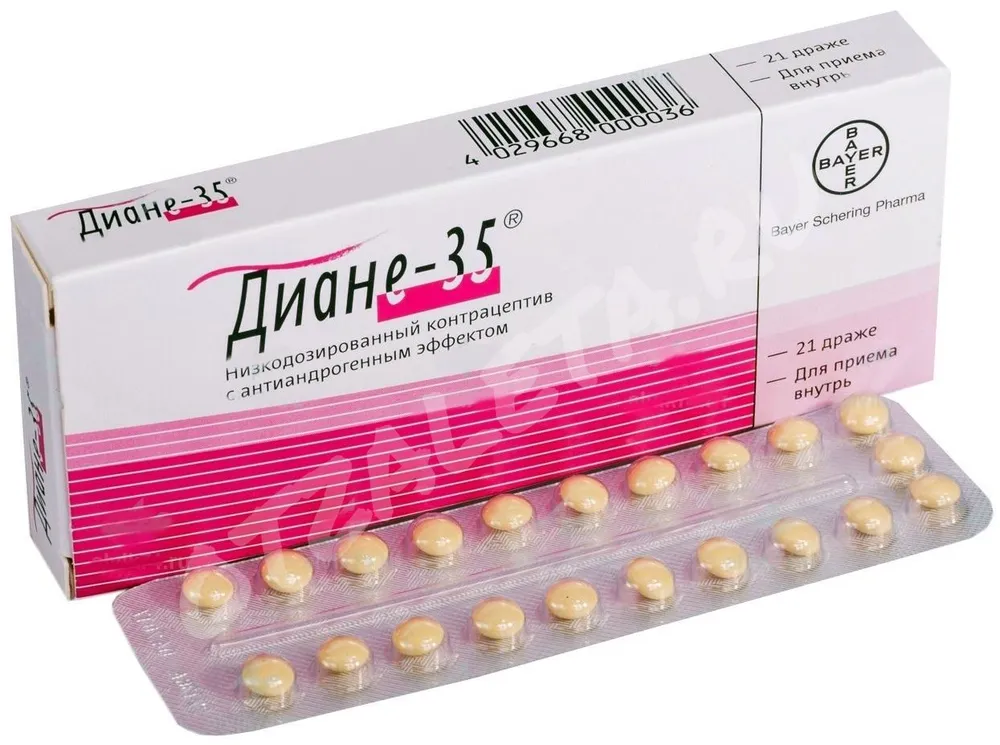
Table of Contents
INSTRUCTIONS FOR MEDICAL USE OF THE MEDICINAL PRODUCT DİANE-35 (DIANE-35)
Composition:
Active substances: ethinylestradiol, cyproterone acetate;
One coated tablet contains ethinylestradiol 0.035 mg, cyproterone acetate 2 mg;
Excipients: lactose monohydrate, corn starch, povidone 25000, magnesium stearate, sucrose, povidone 700000, macrogol 6000, calcium carbonate, talc, glycerol 85%, titanium dioxide (E 171), iron oxide yellow pigment (E 172), montan glycol wax.
Pharmaceutical form. Coated tablets.
Main physicochemical properties: beige coated tablets, round, biconvex.
Pharmacotherapeutic group. Sex gland hormones and drugs used in pathologies of the reproductive system. Antiandrogens and estrogens. Cyproterone and ethinylestradiol.
ATC code G03HB01.
Pharmacological properties.
Pharmacodynamics.
Hair follicles and sebaceous glands are sensitive to the effects of androgens. The development of acne and seborrhea is caused, in particular, by impaired function of sebaceous glands, which develops as a result of increased peripheral sensitivity to androgens or elevated androgen levels in blood plasma. Both active ingredients contained in Diane-35 exert a positive therapeutic effect. Cyproterone acetate competitively displaces androgens in the target organ, thereby counteracting androgenic effects. The concentration of androgens in blood plasma subsequently decreases due to the antigonadotropic effect. This antigonadotropic effect is enhanced by ethinylestradiol, which also stimulates the synthesis of sex hormone-binding globulin (SHBG) in blood plasma. As a result, the level of unbound, biologically active androgen in blood plasma decreases. With the use of Diane-35 (typically after 3–4 months of therapy), acne lesions disappear. Excessive oiliness of hair and skin usually resolves even earlier. Androgen-dependent hair loss also diminishes.
When Diane-35 is used in women for the treatment of hirsutism, the therapeutic effect develops gradually. Clinically significant results can be expected several months after the initiation of treatment.
Cyproterone acetate is also a potent progestogen, providing contraceptive action when used in combination with ethinylestradiol. This effect results from a combination of central and peripheral mechanisms, among which ovulation inhibition and changes in cervical secretion are considered the most important. Additionally, morphological and enzymatic changes in the endometrium create highly unfavorable conditions for implantation.
When the drug is used according to the instructions, contraceptive protection is effective from the first day of use.
Meningioma
According to results from a French epidemiological cohort study, a cumulative, dose-dependent association was observed between the use of cyproterone acetate and the development of meningiomas. This study was based on data from the French National Health Insurance Fund (CNAM) and included a population of 253,777 women who received 50–100 mg of cyproterone acetate. The incidence of meningiomas requiring surgical intervention or radiation therapy was compared between women who received high doses of cyproterone acetate (cumulative dose ≥ 3 g) and those who received low doses (cumulative dose < 3 g). A correlation between cumulative dose and the development of meningioma was identified.
| Cumulative dose of cyproterone acetate |
Incidence rate (per patient-year) |
Adjusted risk ratio (95% CI)a |
| Low doses (< 3 g) |
4.5/100,000 |
Reference values |
| Doses ≥ 3 g |
23.8/100,000 |
6.6 [4.0–11.1] |
| 12–36 g |
26/100,000 |
6.4 [3.6–11.5] |
| 36–60 g |
54.4/100,000 |
11.3 [5.8–22.2] |
| More than 60 g |
129.1/100,000 |
21.7 [10.8–43.5] |
and Adjusted for age as a time-dependent variable and baseline estrogen level at the start of treatment.
A cumulative dose, for example, of 12 g may correspond to one year of treatment with a dose of 50 mg/day for 20 days per month.
Pharmacokinetics.
Cyproterone acetate
Absorption. After oral administration, cyproterone acetate is completely absorbed over a wide dose range. Its maximum serum concentration is 15 ng/mL and is reached approximately 1.6 hours after administration. The absolute bioavailability of cyproterone acetate is about 88%. The relative bioavailability of cyproterone acetate when administered as Diane-35 was 109% compared to an aqueous microcrystalline suspension.
Distribution. Cyproterone acetate in serum is almost entirely protein-bound. Only 3.5–4% of the total steroid concentration remains unbound, while the rest is bound to albumin. Since the binding of cyproterone acetate to SHBG is nonspecific, changes in SHBG levels induced by ethinylestradiol do not affect the pharmacokinetics of cyproterone acetate.
Metabolism. Cyproterone acetate is metabolized via various pathways, including hydroxylation and conjugation. The main metabolite in human plasma is the 15β-hydroxy derivative.
Elimination. The serum concentration of cyproterone acetate decreases in a biphasic manner, with elimination half-lives of 0.8 hours and 2.3 days. The serum clearance rate is approximately 3.6 mL/min⁻¹/kg⁻¹. A fraction of the steroid is excreted unchanged in bile. Most of the dose is excreted as metabolites in urine and bile in a ratio of 3:7, with a half-life of 1.9 days. Metabolite elimination from plasma occurs at a similar rate (elimination half-life of 1.7 days).
Steady state. Accumulation of cyproterone acetate in the body during a treatment cycle is fully expected, given its long terminal half-life in serum and daily dosing. Mean maximum serum levels of cyproterone acetate increase from 15 ng/mL (day 1) to 21 ng/mL and 24 ng/mL at the end of the first and third treatment cycles, respectively. Steady-state concentration is reached after approximately 10 days. Due to the long elimination half-life of cyproterone acetate from serum, its accumulation in serum may be observed throughout one treatment cycle, with an accumulation factor of 2–2.5.
Smoking does not affect the pharmacokinetics of cyproterone acetate.
Ethinylestradiol
Adsorption. After oral administration, ethinylestradiol is rapidly and completely absorbed. Following a single dose, maximum serum concentration is approximately 80 pg/mL and is reached within 1.7 hours.
When Diane-35 is administered, the relative bioavailability of ethinylestradiol compared to an aqueous microcrystalline suspension was nearly complete.
Distribution. The apparent volume of distribution for ethinylestradiol has been determined to be approximately 5 L/kg. Ethinylestradiol binds strongly but nonspecifically to serum albumin. 2% of the total level is present in unbound form.
The bioavailability of ethinylestradiol may be altered in either direction by other active substances. However, no interaction with high doses of vitamin C has been observed. Ethinylestradiol, when continuously administered, induces hepatic synthesis of SHBG and corticosteroid-binding globulin (CBG). However, the extent of SHBG induction depends on the chemical structure and dose of the accompanying progestogen. During treatment with Diane-35, an increase in serum SHBG levels from approximately 100 nmol/L to 300 nmol/L and in serum CBG levels from nearly 50 pg/mL to 95 pg/mL has been observed.
Metabolism. Ethinylestradiol metabolism occurs during absorption and first-pass hepatic passage, leading to reduced absolute and variable bioavailability after oral administration. The metabolic clearance rate of ethinylestradiol from plasma has been determined to be approximately 5 mL/min/kg.
In vitro, ethinylestradiol is a reversible inhibitor of CYP2C19, CYP1A1, and CYP1A2, and, based on its mechanism of action, an inhibitor of CYP3A4/5, CYP2C8, and CYP2J2.
Elimination. Serum levels of ethinylestradiol decline in two phases, with half-lives of 1–2 hours and approximately 20 hours, respectively. Due to analytical limitations, these parameters can only be calculated for high doses. The substance is not excreted unchanged; ethinylestradiol metabolites are excreted in urine and bile in a 4:6 ratio. The elimination half-life of metabolites is approximately 1 day.
Steady state. Given the terminal half-life of ethinylestradiol in serum and daily dosing, steady-state concentrations are reached within 3–4 days and are 30–40% higher than after single-dose administration.
Preclinical safety data
Ethinylestradiol
The toxicity profile of ethinylestradiol is well established. Preclinical safety studies have not revealed any additional risks relevant to humans beyond the information already provided in other sections of the medical instruction leaflet.
Cyproterone acetate
According to preclinical studies, repeated-dose toxicity studies did not reveal any specific risks for humans with the use of Diane-35.
Administration of cyproterone acetate during the hormone-sensitive phase of genital organ differentiation causes signs of feminization in male embryos at high doses. However, observations of male newborns exposed in utero to cyproterone acetate have not revealed any signs of feminization. Nevertheless, pregnancy is a contraindication for the use of Diane-35.
When treatment was administered during the period of organogenesis (treatment was completed before full differentiation of external genital organs), no potential teratogenic effects exceeding the known impact on genital differentiation in male fetuses were observed using the combination of both active ingredients.
In first-line genotoxicity tests, no mutagenic effects of cyproterone acetate were detected. However, in subsequent studies, cyproterone acetate demonstrated the ability to form DNA adducts (and enhanced DNA repair activity) in liver cells of both animals and humans.
This DNA adduct formation was observed at systemic exposures expected under recommended dosing regimens of cyproterone acetate. In vivo, after cyproterone acetate therapy, an increased frequency of focal, possibly preneoplastic liver lesions has been recorded, accompanied by altered activity of cellular enzymes in female animals. The clinical relevance of these findings remains undetermined. Available clinical data do not indicate an increased incidence of liver tumors in humans.
Carcinogenicity studies of cyproterone acetate in animals did not reveal any fundamentally different results compared to other steroid hormones. However, it should be noted that sex hormones may promote the growth of certain hormone-dependent tissues and tumors.
Overall, existing data do not provide grounds for contraindications regarding the use of Diane-35 in humans according to the instructions, within the indicated therapeutic indications and at recommended doses.
Clinical characteristics.
Indications.
Treatment of moderate to severe androgen-dependent acne (with or without seborrhea) and/or hirsutism in women of reproductive age.
Diane-35 should be used only if topical treatments or systemic antibiotic therapy for acne have been ineffective.
Since Diane-35 is also a hormonal contraceptive, this medication must not be used in combination with other hormonal contraceptives (see section "Contraindications").
Contraindications.
Medicinal products containing combinations of estrogens/progestogens must not be used in the presence of any of the following conditions. If any of these conditions occurs for the first time during treatment with such products, their use must be discontinued immediately.
- Concomitant use of another hormonal contraceptive (see section "Indications").
- Current or past venous thrombotic/thromboembolic events (e.g., deep vein thrombosis, pulmonary embolism).
- Personal or family history of idiopathic venous thromboembolism (VTE) (where family history is based on VTE in parents, siblings at a relatively young age).
- Current or past arterial thrombotic/thromboembolic events (e.g., myocardial infarction) or disorders such as angina pectoris and transient ischemic attack.
- Current or past history of stroke.
- Presence of severe or multiple risk factors for venous or arterial thrombosis (see section "Special precautions"), namely:
- diabetes mellitus with vascular complications;
- severe arterial hypertension;
- severe dyslipoproteinemia.
- Inherited or acquired predisposition to venous or arterial thrombosis, including activated protein C resistance (APC), deficiency of antithrombin III, deficiency of protein C, deficiency of protein S, hyperhomocysteinemia, presence of antiphospholipid antibodies (anticardiolipin antibodies, lupus anticoagulant).
- Sickle cell anemia.
- Severe liver disease (including biliary disorders such as Dubin–Johnson syndrome and Rotor syndrome), until liver function tests return to normal.
- Current or past history of liver tumors (benign or malignant).
- Vaginal bleeding of unknown etiology.
- History of migraine with focal neurological symptoms.
- Smoking (see section "Special precautions").
- Known or suspected malignant neoplasms (e.g., genital organs or breast) dependent on steroid sex hormones.
- Meningioma currently or in history.
- Cholestatic jaundice of pregnancy, severe pruritus of pregnancy, herpes gestationis in history, otosclerosis with worsening during previous pregnancies.
- Planned, known, or suspected pregnancy.
- Breastfeeding period.
- Hypersensitivity to the active substances or to any of the excipients of the product.
Diane-35 is not indicated for use in men.
Diane-35 is contraindicated during concomitant use with medicinal products containing ombitasvir/paritaprevir/ritonavir and dasabuvir, or with medicinal products containing glecaprevir/pibrentasvir or sofosbuvir/velpatasvir/voxilaprevir (see section "Interaction with other medicinal products and other forms of interaction").
Interaction with other medicinal products and other forms of interaction.
Information regarding any concomitantly administered medicinal product should be reviewed for potential interactions.
Effect of other medicinal products on Diane-35
Interactions may occur with substances that induce microsomal enzyme activity, resulting in increased clearance of sex hormones and breakthrough bleeding and/or contraceptive failure.
Enzyme induction may be observed within a few days of treatment. Maximum enzyme induction generally occurs after several weeks. After discontinuation of treatment, enzyme induction may persist for approximately 4 weeks.
Women receiving treatment with any such medicinal products should use an additional barrier method of contraception during this period alongside taking Diane-35. The barrier method should be used throughout the period of concomitant medicinal product use and for 28 days thereafter. If the period of additional barrier method use is still ongoing when the tablets in the Diane-35 pack are finished, treatment should continue with tablets from the next pack of Diane-35 without the usual 7-day break.
Substances that increase the clearance of Diane-35 (reduced efficacy of Diane-35 due to enzyme induction)
These include, in particular, barbiturates, rifampicin, antiepileptic drugs (such as barbexaclone, carbamazepine, phenytoin, primidone) and possibly oxcarbazepine, topiramate, felbamate, griseofulvin, and medicinal products containing St. John’s wort (Hypericum).
Substances with variable effects on the clearance of Diane-35
Concomitant use of Diane-35 with many HIV/HCV protease inhibitors and non-nucleoside reverse transcriptase inhibitors may lead to increased or decreased plasma concentrations of estrogen or progestogen. In some cases, such changes may be clinically significant.
Active substances that reduce the clearance of estrogen-progestogen combinations (enzyme inhibitors)
The clinical significance of potential interactions with enzyme inhibitors remains unclear.
Concomitant use of strong CYP3A4 inhibitors may increase plasma concentrations of estrogens, progestins, or both components.
Etoricoxib at doses of 60 to 120 mg/day has been shown to increase plasma concentrations of ethinylestradiol by 1.4–1.6 times, respectively, when co-administered with a combined hormonal contraceptive containing 0.035 mg ethinylestradiol.
Effect of estrogen/progestogen combinations on other medicinal products
Estrogen/progestogen combinations, such as Diane-35, may affect the metabolism of other medicinal products. Consequently, plasma levels and tissue concentrations of these drugs may either increase (e.g., cyclosporine) or decrease (e.g., lamotrigine).
The requirement for antidiabetic medicinal products may change due to effects on glucose tolerance.
Clinical data suggest that ethinylestradiol inhibits the clearance of CYP1A2 substrates, thereby causing mild (e.g., theophylline) or moderate (e.g., tizanidine) increases in their plasma concentrations.
Pharmacodynamic interactions
During clinical trials involving patients receiving medicinal products for the treatment of hepatitis C virus (HCV) infection containing ombitasvir/paritaprevir/ritonavir and dasabuvir, with or without ribavirin, elevated transaminases (ALT) more than 5 times the upper limit of normal (ULN) were observed. This occurred with significantly higher frequency in women using medicinal products containing ethinylestradiol, including combined hormonal contraceptives (CHCs). Additionally, ALT elevations were also observed in women taking ethinylestradiol-containing medicinal products, such as CHCs, during therapy with glecaprevir/pibrentasvir or sofosbuvir/velpatasvir/voxilaprevir (see section "Contraindications").
Therefore, women using Diane-35 must temporarily switch to an alternative method of contraception (e.g., progestogen-only contraceptives or non-hormonal methods) prior to starting therapy with the mentioned drug combination. Use of Diane-35 may be resumed 2 weeks after completion of therapy with the specified combination.
Other types of interactions
Laboratory tests
Use of medicinal products such as Diane-35 may affect the results of certain laboratory tests. These include, in particular, biochemical markers of liver, thyroid, adrenal, and kidney function; plasma levels of binding proteins (e.g., corticosteroid-binding globulin); lipid/lipoprotein fractions; and parameters of carbohydrate metabolism, coagulation, and fibrinolysis. However, such changes are usually within normal reference ranges.
Diane-35 must not be used together with an additional hormonal contraceptive; such medicinal products must be discontinued before starting treatment with Diane-35 (see section "Dosage and administration").
Special precautions for use.
The active substances contained in the medicinal product Diane-35 are the progestogen cyproterone acetate and the estrogen ethinylestradiol, administered for 21 consecutive days each month. The composition of the medicinal product is similar to that of combined oral contraceptives (COCs).
Duration of use
Improvement in condition occurs at least after 3 months of treatment. The physician should regularly assess the need for continuing treatment (see section "Dosage and administration").
If any of the conditions or risk factors listed below are present, the benefits of using Diane-35 must be weighed against the possible risks, taking into account individual patient characteristics, and discussed with the woman before initiating treatment. Women should be advised to consult a physician if any of the following conditions or risk factors worsen, recur, or appear for the first time. The physician should decide whether to discontinue Diane-35.
Circulatory disorders
Women taking Diane-35 have an increased risk of venous thromboembolism (VTE) compared to non-users. The highest risk of VTE occurs during the first year of taking Diane-35 or when restarting treatment after a break of at least one month. VTE may be fatal in 1–2% of cases.
Epidemiological studies have shown that the incidence of VTE in women taking Diane-35 is 1.5 to 2 times higher than in women using COCs containing levonorgestrel and may be similar to that observed with COCs containing desogestrel/gestodene/drospirenone.
Among patients receiving treatment with Diane-35, there may be women with an inherited predisposition to cardiovascular disorders, such as those with polycystic ovary syndrome.
Epidemiological studies have demonstrated an association between the use of COCs and an increased risk of arterial thrombotic and thromboembolic events (myocardial infarction, transient ischemic attack).
Rare cases of thrombosis in other blood vessels (e.g., hepatic, renal, mesenteric, cerebral, or retinal vessels) have been reported in women using hormonal contraceptives.
Symptoms of venous or arterial thrombotic events or stroke may include: unusual unilateral pain and/or swelling of the lower limbs; sudden severe chest pain radiating to the left arm; sudden shortness of breath; sudden cough; unusual, severe, persistent headache; sudden partial or complete vision loss; diplopia; speech disturbances or aphasia; vertigo; loss of consciousness with or without partial epileptic seizure; sudden weakness or marked numbness affecting half or part of the body; motor disturbances; "acute" abdomen.
Factors increasing the risk of venous thromboembolic events:
- Age (risk increases with age);
- Smoking (intense smoking increases risk with age, especially in women aged ≥35 years. Women aged ≥35 years are advised not to smoke if they wish to use Diane-35);
- Family history of thrombosis (e.g., VTE in siblings or parents at a relatively young age). If hereditary predisposition is suspected or present, medical consultation is recommended before starting any hormonal contraceptive);
- Prolonged immobilization, major surgery, lower limb surgery, or significant trauma. In such cases, Diane-35 should be discontinued (at least 4 weeks before elective surgery) and not restarted until at least 2 weeks after full mobility is restored. If Diane-35 was not discontinued in advance, antithrombotic therapy should be considered;
- Obesity (body mass index >30 kg/m²).
Factors increasing the risk of arterial thromboembolic events or cerebrovascular disorders:
- Age (risk increases with age);
- Smoking (intense smoking increases risk with age, especially in women aged ≥35 years. Women aged ≥35 years are advised not to smoke if they wish to use Diane-35);
- Dyslipoproteinemia;
- Obesity (body mass index >30 kg/m²);
- Arterial hypertension;
- Migraine;
- Heart valve disorders;
- Atrial fibrillation;
- Family history of arterial thromboembolism (e.g., in siblings or parents at a relatively young age). If hereditary predisposition is suspected, medical consultation is recommended before starting any hormonal contraceptive.
Other conditions potentially associated with circulatory disorders include: diabetes mellitus, systemic lupus erythematosus, hemolytic-uremic syndrome, chronic inflammatory bowel diseases (Crohn’s disease or ulcerative colitis), and sickle cell anemia.
An increased risk of thromboembolism should be considered during the postpartum period (see section "Use during pregnancy or breastfeeding").
An increase in the frequency or worsening of migraine during treatment with Diane-35 (which may be a prodromal symptom of cerebrovascular disorder) is one of the reasons for possible immediate discontinuation of Diane-35.
Women taking Diane-35 should be informed about the need to consult a physician if symptoms suggestive of thrombosis occur. If thrombosis is suspected or confirmed, Diane-35 must be discontinued. Due to the teratogenic effects of anticoagulants (coumarins), appropriate contraceptive methods should be used.
Arterial thromboembolic complications may be life-threatening or fatal.
It should be noted that the risk of thrombosis may increase due to synergistic effects when multiple risk factors are present or when any single major risk factor is present.
Diane-35 should not be prescribed if the benefit-risk assessment is unfavorable (see section "Contraindications").
Tumors
The most important risk factor for cervical cancer is persistent human papillomavirus (HPV) infection. Some epidemiological studies suggest that long-term use of estrogen-progestogen combinations may increase this risk, although this remains controversial due to uncertainty about whether confounding factors (e.g., frequency of cervical screening, sexual behavior, including use of barrier contraception) were adequately accounted for in the studies.
A meta-analysis based on 54 epidemiological studies indicates a slight increase in relative risk (RR = 1.24) of breast cancer among women using estrogen-progestogen combinations. This increased risk gradually disappears within 10 years after discontinuation of estrogen-progestogen use. Since breast cancer is rare in women under 40 years of age, the absolute increase in diagnosed cases among current or recent users of estrogen-progestogen combinations is small relative to the overall risk. These studies do not provide evidence of a causal relationship. The increased risk may be due to earlier diagnosis, biological effects of estrogen-progestogen combinations, or a combination of both. There is a trend for breast cancers diagnosed in users of estrogen-progestogen combinations to be less clinically advanced than in non-users.
Rarely, benign and even more rarely malignant liver tumors have been observed in women using hormonal substances such as those contained in Diane-35, with some cases leading to life-threatening intra-abdominal hemorrhage. In cases of severe epigastric pain, hepatomegaly, or signs of intra-abdominal bleeding, a liver tumor should be considered in the differential diagnosis.
Malignant tumors may be life-threatening or fatal.
Meningioma
Cases of meningioma (single or multiple) have been reported in association with the use of cyproterone acetate, particularly at high doses (≥25 mg daily) and with long-term use (see section "Pharmacological properties"). If a patient is diagnosed with meningioma, therapy with medicinal products containing cyproterone acetate, including Diane-35, should be discontinued as a precautionary measure.
Other conditions
Women with hypertriglyceridemia or a family history of this condition may have an increased risk of pancreatitis when using estrogen-progestogen combinations.
Although a slight increase in blood pressure has been reported in many women using estrogen-progestogen combinations (such as COCs or Diane-35), clinically significant increases are rare. If persistent, clinically significant hypertension develops during treatment with Diane-35, the drug should be discontinued and appropriate antihypertensive therapy initiated. If normal blood pressure is restored with antihypertensive treatment, Diane-35 may be resumed if considered appropriate.
The following conditions have been reported during pregnancy or with use of estrogen-progestogen combinations, although a causal relationship has not been established: cholestatic jaundice and/or pruritus, gallstone formation, porphyria, systemic lupus erythematosus, hemolytic-uremic syndrome, Sydenham's chorea, herpes gestationis, hearing loss associated with otosclerosis, and epilepsy.
Exogenous estrogens may induce or exacerbate symptoms of hereditary or acquired angioedema.
Acute or chronic liver function disorders may require temporary discontinuation of Diane-35 until liver function tests normalize. Recurrence of cholestatic jaundice and/or pruritus previously experienced during pregnancy or prior use of sex steroids also necessitates discontinuation of Diane-35.
Although estrogen-progestogen combinations may affect insulin resistance and glucose tolerance, there are currently no data indicating the need to modify therapy in diabetic patients using low-dose estrogen-progestogen combinations (containing <0.05 mg ethinylestradiol). However, diabetic patients should be closely monitored during treatment with Diane-35.
Crohn’s disease and ulcerative colitis have been associated with the use of estrogen-progestogen combinations.
Depressed mood and depression are well-known adverse reactions that may occur during use of hormonal contraceptives (see section "Adverse reactions"). Depression can be severe and is a well-known risk factor for suicidal behavior and suicide. Women should be advised to consult a physician if mood changes or symptoms of depression occur, including shortly after starting treatment.
Chloasma may occasionally occur, particularly in women with a history of chloasma gravidarum. Women prone to chloasma should avoid sun exposure or ultraviolet radiation during treatment with Diane-35.
Reduced efficacy
The contraceptive efficacy of Diane-35 may be reduced in case of missed tablets (see section "Dos游戏副本
Method of Administration and Dosage
Diane-35 suppresses ovulation and thereby exerts a contraceptive effect. Therefore, patients receiving treatment with Diane-35 should not use additional hormonal contraceptives, as this may lead to hormone overdose and is unnecessary for effective contraceptive protection. For the same reason, women who wish to become pregnant should not take Diane-35. To achieve the desired therapeutic and contraceptive effect, Diane-35 must be taken regularly.
Method of Administration
For oral use.
Dosage
Tablets should be taken daily according to the order indicated on the blister pack, approximately at the same time each day, with a small amount of liquid. The drug is taken at a dose of 1 tablet per day for 21 consecutive days. Treatment with the next pack should begin after a 7-day break from taking the drug, during which a menstruation-like bleeding usually occurs. This bleeding typically starts on the 2nd–3rd day after taking the last tablet and may continue until the start of tablets from the new pack.
Contraceptive protection begins from the first day of tablet intake and is maintained, including during the 7-day break from taking the drug. Therefore, concomitant use of hormonal contraceptives should be discontinued.
Medical Examination
Before starting treatment, a thorough general medical examination is recommended (including body weight assessment, blood pressure measurement, cardiovascular system evaluation, lower limb and skin examination, urine analysis for glucose and acetone, and hepatobiliary system evaluation if necessary), gynecological examination (including breast examination and cervical cytology—samples should be collected from the vaginal portion of the cervix and cervical canal walls), and a detailed family history should be obtained to identify diseases requiring treatment and to assess existing risks. Pregnancy should be excluded. During treatment, examinations are recommended every 6 months.
If thromboembolic events (e.g., deep vein thrombosis, stroke, myocardial infarction) occurred at a young age in close relatives, the possibility of coagulation system disorders should be ruled out.
Women should also be informed that oral contraceptives do not protect against HIV infection (AIDS) and other sexually transmitted diseases.
Initiating Treatment with Diane-35
- If hormonal contraceptives were not used previously (in the past month).
Tablet intake should begin on the first day of the natural cycle, 1 tablet per day (i.e., the first day of menstrual bleeding). If intake starts on days 2–5, an additional contraceptive method (e.g., barrier method) should be used for the first 7 days of treatment.
Only women with amenorrhea may start taking the drug immediately as prescribed by a physician. In such cases, the first day of tablet intake is considered the first day of the menstrual cycle, and the count continues according to the recommendations below.
- When switching from another COC, vaginal ring, or transdermal patch.
It is recommended to start taking Diane-35 tablets the day after taking the last hormone-containing tablet of the previous COC (or after removing the ring or patch), but no later than the day after the tablet-free interval or placebo tablet period of the previous COC. When using a contraceptive vaginal ring or transdermal patch, treatment with Diane-35 should begin on the day of device removal, but no later than the day when the next application of these products would be due.
- When switching from a method based solely on progestin-only (e.g., "mini-pill," injections, implants) or an intrauterine system containing progestin.
Diane-35 may be started at any time after discontinuation of the "mini-pill" (in the case of an implant or intrauterine system—on the day of removal; in the case of injections—instead of the next scheduled injection). However, in all cases, it is recommended to additionally use a barrier method of contraception for the first 7 days of treatment.
- After first-trimester abortion.
Diane-35 may be started immediately. In this case, additional contraceptive methods are not required.
- After childbirth or second-trimester abortion.
It is recommended to start taking Diane-35 from day 21–28 after childbirth or second-trimester abortion. If treatment is started later, a barrier method of contraception should be additionally used for the first 7 days of tablet intake. However, if sexual intercourse has already occurred, possible pregnancy should be excluded before starting treatment or wait for the onset of the first menstruation.
Duration of Treatment
Improvement occurs at least after 3 months. The physician should regularly assess the need for continued treatment.
The duration of treatment depends on the severity of androgenization symptoms and response to therapy. Acne and seborrhea typically resolve earlier than hirsutism symptoms. It is recommended to continue taking Diane-35 for at least 3–4 cycles after symptom resolution.
If there is no response or insufficient response to treatment for severe acne or seborrhea within at least 6 months, or for hirsutism within at least 12 months, combination therapy with Diane-35 and Androcur® 50 mg tablets should be considered, or the treatment approach should be fully reevaluated.
If androgenization symptoms resolve and contraception is still needed, switching to a low-dose oral contraceptive should be considered. If androgenic symptoms recur, treatment with Diane-35 may be resumed. When reinitiating Diane-35 therapy (after at least a 4-week interval from tablet intake), the increased risk of VTE should be considered (see section "Special Warnings and Precautions for Use").
Missed Dose Instructions
If a woman taking Diane-35 forgets to take a tablet at the usual time, she should take it within 12 hours. All subsequent tablets from the pack should be taken at the usual time. In this case, the contraceptive effect of the drug is not reduced.
If the delay in taking the missed tablet exceeds 12 hours, contraceptive protection is reduced. In such cases, the two main rules below should be followed:
- The tablet-free interval must never exceed 7 days.
- Adequate contraceptive protection, i.e., sufficient suppression of the hypothalamus-pituitary-ovary system, is achieved by continuous tablet intake for 7 days.
Accordingly, the following recommendations should be followed in daily practice.
- Week 1
Take the last missed tablet as soon as possible, even if this means taking two tablets at the same time. Continue taking tablets at the usual time. Additionally, use a barrier method of contraception (e.g., condom) for the next 7 days. If sexual intercourse occurred in the previous 7 days, consider the possibility of pregnancy. The more tablets missed and the closer the missed dose is to the tablet-free interval, the higher the risk of pregnancy.
- Week 2
Take the last missed tablet as soon as possible, even if two tablets must be taken at the same time. Continue taking tablets at the usual time. If tablets were taken correctly for the 7 days before the missed dose, no additional contraceptive methods are needed. Otherwise, or if more than one tablet is missed, use a barrier method of contraception for 7 days.
- Week 3
The risk of reduced effectiveness increases as the tablet-free interval approaches. However, if the dosing schedule is followed, a reduction in contraceptive protection can be avoided. If one of the options below is followed, additional contraceptive methods are not required, provided tablets were taken correctly for 7 days before the missed dose. If not, follow the first option below and use additional contraceptive precautions for the next 7 days.
- Take the last missed tablet as soon as possible, even if two tablets must be taken at the same time. Continue taking tablets at the usual time. Start the next pack immediately after finishing the current pack—there should be no break between packs. Menstruation-like bleeding is unlikely to occur before finishing the second pack, although spotting or breakthrough bleeding may occur during tablet intake.
- Alternatively, stop taking tablets from the current pack. In this case, the tablet-free interval should not exceed 7 days, including the days of missed tablets; tablet intake should resume with the next pack.
If menstruation does not occur during the first tablet-free interval after a missed dose, pregnancy is possible.
Absence of Menstruation-Like Bleeding
If menstruation-like bleeding does not occur after a missed dose, treatment should be discontinued until pregnancy is reliably excluded.
Recommendations for Intermenstrual Bleeding
In case of intermenstrual bleeding, Diane-35 must be continued. Spotting usually resolves spontaneously or may stop within 4–5 days, similar to breakthrough bleeding (intermenstrual bleeding with menstrual-like intensity) when 25–50 mcg of ethinylestradiol is used as an adjunct (but not in addition to the last tablet in the Diane-35 pack).
If breakthrough bleeding does not stop or recurs, a thorough examination (including curettage) should be performed to rule out organic causes of bleeding.
This also applies to irregular spotting occurring over several consecutive cycles or appearing for the first time after prolonged use of Diane-35. In such cases, bleeding is usually due to organic causes rather than drug effects.
Recommendations for Vomiting or Severe Diarrhea
Vomiting or severe diarrhea may lead to incomplete absorption of the drug's active ingredients. In such cases, additional non-hormonal contraceptive methods should be used (except calendar or temperature methods). If vomiting or severe diarrhea occurs within 3–4 hours after taking a tablet, follow the procedure described above for missed tablets. If a woman does not wish to deviate from her usual tablet-taking schedule, she should take a replacement tablet(s) from another blister pack.
Liver Disease
After recovery from viral hepatitis (once liver function tests have normalized), treatment with drugs such as Diane-35 may be initiated no earlier than 6 months later.
Elderly Patients
Diane-35 is not indicated after menopause.
Patients with Hepatic Impairment
Diane-35 is contraindicated in women with severe liver disease until liver function tests return to normal (see section "Contraindications").
Patients with Renal Impairment
Diane-35 has not been specifically studied in patients with impaired renal function. Available data do not indicate the need to modify the administration regimen in this patient group.
Children
The drug is indicated for use only after regular menstruation has been established, and only as prescribed by a physician.
Overdose.
There are no data on human overdose. Based on general data collected during COC use, symptoms of overdose may include nausea, vomiting, and vaginal bleeding. Vaginal bleeding may occur in girls even before menarche in case of accidental or unintentional drug intake. There is no antidote; treatment is symptomatic.
Side effects
The most commonly observed side effects associated with the use of the medicinal product Diane-35 are nausea, abdominal pain, weight gain, headache, depression, depressed mood, mood changes, breast tenderness, and breast tension. These occur in ≥ 1% to < 10% of all users.
All women taking Diane-35 have an increased risk of developing thromboembolism (see section "Special precautions").
The table below lists side effects that occurred during the use of Diane-35; however, a causal relationship with the use of the drug has neither been established nor ruled out.
System/Organ/Class (MedDRA) |
Common (≥ 1/100 to < 1/10) |
Uncommon (≥ 1/1000 to < 1/100) |
Rare (≥ 1/10,000 to < 1/1000) |
Not known (frequency cannot be estimated from available data) |
| Eye disorders |
Contact lens intolerance |
|||
| Vascular disorders |
Thromboembolism |
Increased blood pressure |
||
| Gastrointestinal disorders |
Nausea, abdominal pain |
Vomiting, diarrhoea |
||
| Immune system disorders |
Hypersensitivity |
Exacerbation of symptoms of hereditary and acquired angioedema |
||
| Investigations |
Weight increased |
Weight decreased |
||
| Metabolism and nutrition disorders |
Fluid retention |
|||
| Nervous system disorders |
Headache |
Migraine |
||
| Psychiatric disorders |
Depressed mood, mood alteration |
Effect on libido |
||
| Reproductive system and breast disorders |
Breast tenderness, breast pain, intermenstrual bleeding |
Breast enlargement |
Nipple discharge, vaginal discharge |
|
| Skin and subcutaneous tissue disorders |
Rash, urticaria, chloasma |
Nodular erythema, multiforme erythema |
Description of selected adverse reactions
An increased risk of venous or arterial thrombotic and thromboembolic events, including myocardial infarction, stroke, transient ischaemic attacks, venous thrombosis, and pulmonary embolism, has been observed in women taking estrogen-progestogen combinations, as further detailed in the section "Special precautions".
The following serious adverse reactions have been observed in women using estrogen-progestogen combinations and are also described in the section "Special precautions":
- venous thromboembolism;
- arterial thromboembolism;
- arterial hypertension;
- liver tumours (benign or malignant);
- development or exacerbation of diseases for which a definite causal relationship with the use of estrogen-progestogen combinations has not been established: Crohn's disease, ulcerative colitis, epilepsy, uterine fibroids, porphyria, systemic lupus erythematosus, herpes gestationis, Sydenham's chorea, hemolytic-uremic syndrome, cholestatic jaundice;
- chloasma;
- acute or chronic disorders of liver function, which may require discontinuation of estrogen-progestogen combinations until liver function parameters return to normal.
The incidence of breast cancer is slightly increased in individuals using estrogen-progestogen combinations. Since breast cancer is rare in women under the age of 40, the additional risk of developing breast cancer is considered negligible relative to the overall risk. A causal relationship with the use of estrogen-progestogen combinations has not been established. For further information, see sections "Contraindications" and "Special precautions".
If symptoms of hirsutism have recently worsened significantly in women suffering from this condition, the underlying causes (e.g., androgen-producing tumour, adrenal enzyme disorders) should be investigated through differential diagnosis.
Interactions
Breakthrough bleeding and/or reduced contraceptive efficacy may occur due to interactions between other medicinal products (enzyme inducers) and estrogen-progestogen combinations (see section "Interaction with other medicinal products and other forms of interaction").
Effect on laboratory parameters
Erythrocyte sedimentation rate may increase in the absence of disease. Cases of increased serum levels of copper and iron, as well as leukocyte alkaline phosphatase, have been reported.
Other effects
Occasionally, disturbances in folate and tryptophan metabolism may occur.
Regular intake of Diane-35 provides contraceptive action due to its active ingredients. Irregular intake of Diane-35 may lead to an irregular menstrual cycle. Regular intake of Diane-35 is very important, as it prevents irregular cycles and also prevents pregnancy (due to the potential effect of cyproterone acetate on the foetus).
Reporting of suspected adverse reactions
Reporting suspected adverse reactions during post-marketing surveillance is very important. It allows continued monitoring of the benefit-risk balance of the medicinal product. Healthcare professionals are required to report any suspected adverse reactions.
Shelf life.
5 years.
Do not use the medicinal product after the expiry date stated on the packaging.
Storage conditions.
Store in a place inaccessible to children, at a temperature not exceeding 30 °C.
Packaging.
Blister calendar pack containing 21 film-coated tablets in a cardboard box.
Prescription status.
Prescription only.
Manufacturer.
Bayer AG.
Bayer Weimar GmbH & Co. KG.
Manufacturer's address and place of business.
Müllerstraße 178, 13353 Berlin, Germany.
Dobelainerstraße 20, 99427 Weimar, Germany.