Depo-medrol
Ukraine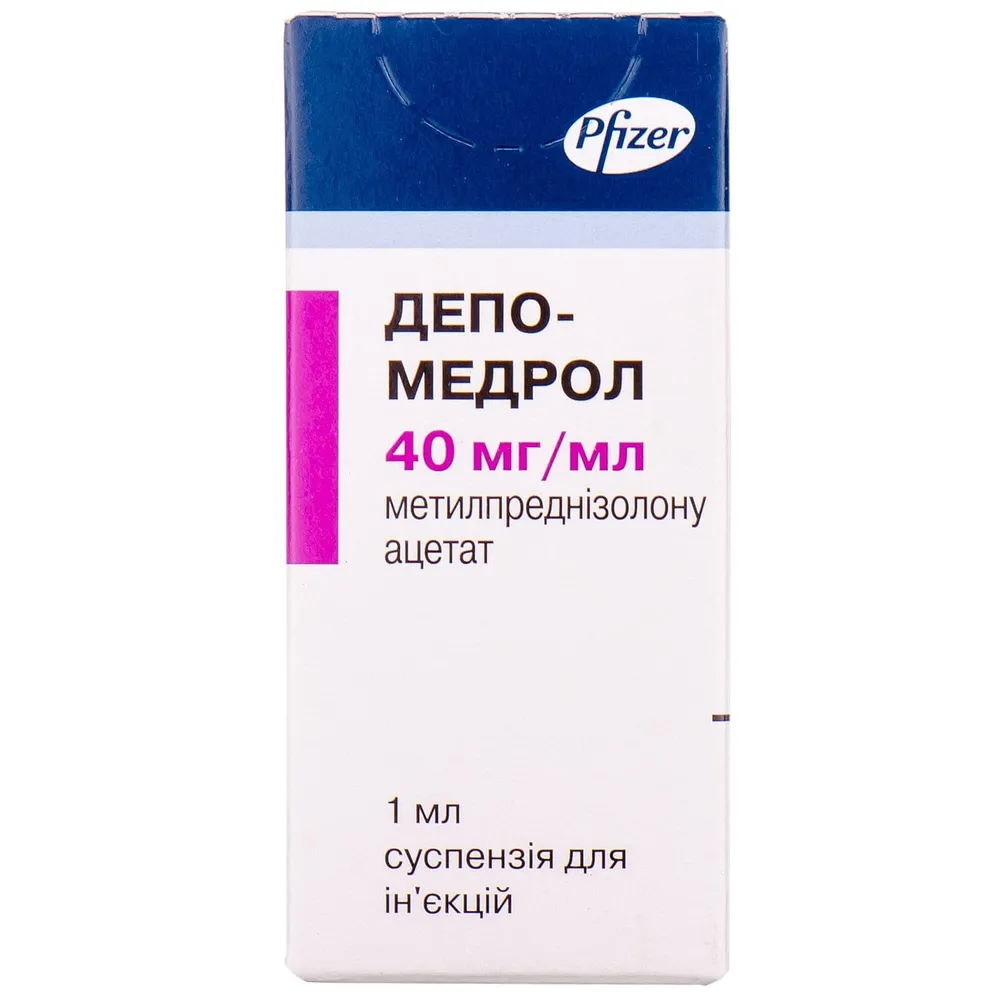
Table of Contents
INSTRUCTIONS FOR MEDICAL USE OF THE MEDICINAL PRODUCT DEPO-MEDROL (DEPO-MEDROL)
Composition:
Active substance: methylprednisolone;
1 ml of suspension contains 40 mg of methylprednisolone acetate;
Excipients: polyethylene glycol 3350, sodium chloride, myristyl-gamma-picolinium chloride, water for injections.
Pharmaceutical form. Injection suspension.
Main physicochemical properties: white-colored suspension.
Pharmacotherapeutic group. Hormonal preparations for systemic use. Systemic corticosteroids. Glucocorticoids. ATC code H02AB04.
Pharmacological Properties.
Pharmacodynamics. Depo-Medrol is a sterile injectable suspension containing the synthetic glucocorticoid methylprednisolone acetate. It exerts a potent and prolonged anti-inflammatory, immunosuppressive, and antiallergic effect, demonstrating a stronger anti-inflammatory action than prednisolone. In addition, Depo-Medrol causes less fluid and sodium retention compared to prednisolone. Depo-Medrol can be administered intramuscularly to achieve prolonged action, as well as in situ (into the affected area) for local treatment. The prolonged activity of Depo-Medrol is attributed to the slow release of the active substance.
The general properties of methylprednisolone acetate are consistent with those of the glucocorticoid methylprednisolone; however, it is less soluble and metabolized more slowly, which explains its prolonged duration of action.
Glucocorticoids pass through cell membranes by diffusion and form complexes with specific cytoplasmic receptors. These complexes then enter the cell nucleus, bind to DNA (chromatin), and stimulate mRNA transcription and subsequent synthesis of various enzyme proteins, which are believed to ultimately account for the numerous effects observed after systemic administration of glucocorticoids. Glucocorticoids not only significantly affect inflammatory and immune processes but also influence carbohydrate, protein, and fat metabolism. They also affect the cardiovascular system, skeletal muscles, and the central nervous system.
Effects on inflammation and immune processes.
Due to their anti-inflammatory, immunosuppressive, and antiallergic properties, glucocorticoids are widely used in therapeutic practice. The main manifestations of these properties include:
- reduction in the number of active immunocompetent cells at the site of inflammation;
- reduction in vasodilation;
- stabilization of lysosomal membranes;
- inhibition of phagocytosis;
- reduction in prostaglandin and related substances production.
Methylprednisolone acetate at a dose of 4.4 mg (4 mg methylprednisolone) produces the same glucocorticoid (anti-inflammatory) effect as 20 mg of hydrocortisone. Methylprednisolone exhibits only minimal mineralocorticoid activity (200 mg methylprednisolone is equivalent to 1 mg desoxycorticosterone).
Effects on carbohydrate and protein metabolism.
Glucocorticoids exert a catabolic effect on protein metabolism. The released amino acids are converted into glucose and glycogen in the liver via gluconeogenesis. Glucose uptake in peripheral tissues is reduced, leading to hyperglycemia and glucosuria, particularly in patients predisposed to diabetes mellitus.
Effects on fat metabolism.
Glucocorticoids exert a lipolytic effect, which is especially pronounced in the extremities. They also exert a lipogenic effect, most evident in the chest, neck, and head areas. These effects lead to redistribution of fat deposits.
The maximum pharmacological activity of glucocorticoids occurs later than peak plasma concentrations, indicating that the most significant effects of these agents are likely due to changes in enzyme activity rather than direct action.
Pharmacokinetics.
Methylprednisolone acetate is hydrolyzed to its active form by serum cholinesterases. In humans, methylprednisolone binds weakly to albumin and globulin, with approximately 40–90% of the drug bound. The intracellular activity of glucocorticoids is evidenced by the apparent discrepancy between the plasma half-life and the pharmacological half-life. Pharmacological activity persists even after plasma concentrations have declined below detectable levels.
The duration of the anti-inflammatory effect of glucocorticoids is approximately equal to the duration of suppression of the hypothalamic-pituitary-adrenal (HPA) axis.
After intramuscular injection of the drug at a dose of 40 mg/mL, peak serum methylprednisolone concentration (Cmax) of 1.48 ± 0.86 mcg/100 mL is reached at approximately 7.3 ± 1 hour (Tmax). In this case, the elimination half-life is 69.3 hours. After a single intramuscular injection of methylprednisolone acetate at a dose of 40–80 mg, suppression of the HPA axis lasts between 4 and 8 days.
Following intra-articular injection of 40 mg into each knee joint (total dose 80 mg), peak serum methylprednisolone concentration is achieved within 4–8 hours and reaches approximately 21.5 mcg/100 mL. After intra-articular administration, methylprednisolone acetate enters the systemic circulation by diffusion from the joint over approximately 7 days, as confirmed by the duration of HPA axis suppression and serum methylprednisolone levels.
Methylprednisolone is metabolized in the liver to the same extent as cortisol. The main metabolites are 20-beta-hydroxymethylprednisolone and 20-beta-hydroxy-6-alpha-methylprednisone. Metabolites are primarily excreted in urine as glucuronides, sulfates, and unconjugated compounds. These conjugation reactions occur mainly in the liver and to some extent in the kidneys.
Clinical characteristics.
Indications.
Glucocorticoid use should be considered only as symptomatic treatment, except in the presence of certain endocrine disorders, when glucocorticoids are used as replacement therapy.
For intramuscular administration
Depo-Medrol is not indicated for the treatment of acute, life-threatening conditions. When a rapid, high-intensity hormonal effect is required, intravenous administration of a highly soluble glucocorticoid, such as methylprednisolone sodium succinate (Solu-Medrol), is indicated. If oral therapy is not feasible and this agent is indicated for the treatment of a disease, Depo-Medrol may be administered intramuscularly as specified below.
Anti-inflammatory treatment
Rheumatic diseases.
As an adjunct to supportive therapy (analgesics, kinesiotherapy, physiotherapy, etc.) and for short-term use (to manage acute episodes or exacerbations) in psoriatic arthritis, ankylosing spondylitis.
For the following conditions, in situ administration (if possible) is preferred: post-traumatic osteoarthritis, synovitis in osteoarthritis, rheumatoid arthritis, including juvenile rheumatoid arthritis (in some cases, maintenance therapy with low doses may be required), acute and subacute bursitis, epicondylitis, acute nonspecific tenosynovitis, acute gouty arthritis.
Collagenoses.
During exacerbations or as supportive therapy in selected cases of systemic lupus erythematosus, systemic dermatomyositis (polymyositis), acute rheumatic carditis.
- Dermatological diseases.*
Pemphigus, severe erythema multiforme (Stevens-Johnson syndrome), exfoliative dermatitis, mycosis fungoides, bullous pemphigoid (sulfones are first-line agents, and systemic glucocorticoids are used as adjunctive therapy).
Allergic conditions.
For control of severe or disabling allergic conditions unresponsive to standard therapy: chronic asthmatic respiratory disease, contact dermatitis, atopic dermatitis, serum sickness, drug allergy, transfusion reactions presenting as urticaria, acute noninfectious laryngeal edema (epinephrine is the first-line agent).
Ophthalmological diseases.
Severe acute and chronic allergic and inflammatory disorders affecting the eye and adjacent structures, such as ocular involvement due to Herpes zoster, iritis, iridocyclitis, chorioretinitis, diffuse posterior uveitis, optic neuritis.
Gastrointestinal diseases.
For management of critical conditions in ulcerative colitis, Crohn’s disease (systemic therapy).
Edematous conditions.
To stimulate diuresis or induce remission in proteinuria associated with nephrotic syndrome without uremia—either idiopathic or secondary to systemic lupus erythematos游戏副本
Special precautions for use.
Intra-articular administration. When intra-articular administration or other local use is performed, sterile technique must be followed to prevent iatrogenic infections. After therapy involving intra-articular corticosteroid injection, caution should be exercised to avoid overuse of the treated joint, especially if symptomatic improvement has occurred. In such cases, carelessness may lead to joint dysfunction, potentially negating the beneficial effect of the steroid. Injections should not be administered into unstable joints. Repeated intra-articular injections may, in some cases, lead to joint instability. In individual cases, further monitoring using radiography is recommended to detect any deterioration in condition. If a local anesthetic is used prior to administration of Depo-Medrol, the anesthetic’s instructions for medical use should be carefully read and all warnings observed.
Additional precautions for parenteral administration of glucocorticoids. Intra-synovial injection of corticosteroids may lead to systemic and local effects.
Appropriate examination of existing synovial fluid may be necessary to exclude any possible infections.
Marked increase in pain accompanied by local swelling, restricted joint mobility, fever, and malaise are potential symptoms of septic acute arthritis. If this complication occurs and sepsis is confirmed, local glucocorticoid injections should be discontinued and appropriate antimicrobial therapy initiated.
Local steroid injections should be avoided in joints previously affected by infectious processes.
Glucocorticoid injections should not be administered into unstable joints. Sterile technique is essential to prevent infections and contamination.
Immunosuppressive effects / Increased susceptibility to infections.
Glucocorticoids may mask some symptoms of infection, and new infections may occur during their use. During glucocorticoid therapy, resistance to infection and the body’s ability to localize infection may be reduced.
The use of corticosteroids as monotherapy or in combination with other immunosuppressive agents affecting cellular, humoral immunity, or neutrophil function may be associated with infections caused by any pathogen, including viruses, bacteria, fungi, protozoa, and helminths, in any part of the body. These infections may be moderate, severe, or occasionally fatal. The frequency of infectious complications increases with higher corticosteroid doses. The drug should not be administered intra-articularly, intrabursally, or into tendons in the presence of acute infection; intramuscular administration may be considered only after appropriate antimicrobial therapy has been initiated.
Patients receiving immunosuppressive drugs are more susceptible to infections than healthy individuals. For example, varicella and measles may have more serious or even fatal outcomes in non-immunized children or adults receiving corticosteroids.
Administration of live vaccines or vaccines based on live attenuated viruses to patients receiving immunosuppressive doses of corticosteroids is not recommended. Inactivated or biogenetically produced vaccines may be administered to these patients, but the immune response may be reduced or even absent. Immunization procedures may be performed in patients receiving non-immunosuppressive doses of corticosteroids.
The use of Depo-Medrol in active tuberculosis should be limited to cases of fulminant or disseminated tuberculosis, in which corticosteroids are used as part of treatment in combination with appropriate antituberculosis therapy. If glucocorticoids are indicated in patients with latent tuberculosis or tuberculin reactivity, careful monitoring is required, as reactivation of the disease may occur. Patients undergoing prolonged corticosteroid therapy should receive chemoprophylaxis.
Kaposi's sarcoma has been observed in patients receiving corticosteroid therapy. Discontinuation of corticosteroid treatment may lead to clinical remission.
The role of corticosteroids in septic shock remains controversial, as early studies have demonstrated both beneficial and harmful effects. Recently, corticosteroids have been proposed as adjunctive therapy with beneficial effects in patients with established septic shock and confirmed adrenal insufficiency. However, their routine use in septic shock is not recommended. Systematic review of short-term, high-dose corticosteroid use has not confirmed their efficacy. However, meta-analysis and review suggest that prolonged courses (5–11 days) of low-dose corticosteroids may reduce mortality, particularly in patients with vasopressor-dependent septic shock.
Effect on the immune system.
Allergic reactions may occur. Since anaphylactic reactions have been rarely reported in patients receiving parenteral corticosteroid therapy, appropriate precautions should be taken before administration, especially in patients with a history of allergy to such drugs.
Effect on the endocrine system.
Patients receiving corticosteroid therapy who experience unusual stress should be treated with increased doses of corticosteroids or fast-acting corticosteroids before, during, and after the stressful event.
Prolonged use of pharmacological doses of corticosteroids may lead to suppression of the hypothalamic-pituitary-adrenal (HPA) axis (secondary adrenal insufficiency). The severity and duration of induced adrenal insufficiency vary among patients and depend on the dose, frequency, timing, and duration of corticosteroid therapy. This effect can be minimized by administering the drug on alternate days.
Additionally, abrupt discontinuation of glucocorticoids may cause acute adrenal insufficiency with potentially fatal consequences.
Symptoms of secondary drug-induced adrenal insufficiency can be minimized by gradual dose reduction. This type of relative insufficiency may persist for months after therapy ends. If any stressful event occurs during this period, hormonal therapy should be reinstated.
After abrupt withdrawal of glucocorticoids, a steroid withdrawal syndrome may develop, which is likely unrelated to adrenal insufficiency. Symptoms include anorexia, nausea, vomiting, lethargy, headache, fever, joint pain, skin desquamation, myalgia, weight loss, and/or arterial hypotension. These effects are believed to result from a sudden change in glucocorticoid concentration and are not related to low corticosteroid levels.
Glucocorticoids should not be used in patients with Cushing's disease, as these drugs can induce or exacerbate Cushing's syndrome.
In patients with hypothyroidism, the effect of corticosteroids is enhanced.
Effect on metabolism and nutrition.
Corticosteroids, including methylprednisolone, may increase blood glucose levels, promote the development of diabetes mellitus, or worsen pre-existing diabetes in patients receiving long-term corticosteroid therapy.
Effect on the psyche.
Psychiatric disorders may occur during corticosteroid use, ranging from euphoria, insomnia, mood swings, personality changes, and severe depression to overt psychosis. Existing emotional instability or predisposition to psychosis may be exacerbated during corticosteroid therapy.
Potentially severe psychiatric adverse reactions may occur with systemic steroid use. Symptoms typically appear within days or weeks of starting treatment. Most reactions resolve after dose reduction or discontinuation, although specific therapy may be required. Psychiatric disorders of unknown frequency have been reported after discontinuation of corticosteroids. Patients and caregivers should be advised to seek medical help if they observe the development of concerning psychiatric symptoms, particularly mood depression and suicidal thoughts. Patients and caregivers should be warned about psychiatric disturbances that may occur during or immediately after gradual dose reduction or discontinuation of systemic steroids.
Effect on the nervous system.
Corticosteroids should be used with caution in patients with epilepsy.
Corticosteroids should be used with caution in patients with myasthenia gravis (see information on myopathy in the section "Effect on the musculoskeletal system").
Epidural lipomatosis has been reported in patients receiving corticosteroids, usually after prolonged high-dose therapy.
Effect on the organs of vision.
Prolonged use of corticosteroids may cause posterior subcapsular cataracts and nuclear cataracts (particularly in children), exophthalmos, or increased intraocular pressure, which may lead to glaucoma with possible optic nerve damage. In patients receiving glucocorticoids, secondary fungal and viral eye infections may also develop more rapidly.
Due to the risk of corneal perforation, corticosteroids should be used cautiously in patients with ocular forms of herpes simplex or herpes zoster with ocular symptoms.
Visual disturbances may occur with systemic and local corticosteroid use. If symptoms such as blurred vision or other visual disturbances occur, patients should be referred to an ophthalmologist to evaluate possible causes, which may include cataract, glaucoma, or rare conditions such as central serous chorioretinopathy, which has been reported after systemic and local corticosteroid use.
Corticosteroid use has been associated with central serous chorioretinopathy, which may lead to retinal detachment.
Effect on the heart.
Undesirable effects of glucocorticoids on the cardiovascular system, such as dyslipidemia and arterial hypertension, may increase the risk of additional cardiovascular effects in patients with pre-existing cardiovascular risk factors when glucocorticoids are used at high doses and for prolonged periods. Therefore, corticosteroids should be used judiciously in such patients, with attention to risk modification and, if necessary, additional cardiac monitoring.
Systemic corticosteroids should be used cautiously in congestive heart failure and only if urgently needed.
Effect on blood vessels.
Thrombosis, including venous thromboembolism, has been reported during corticosteroid therapy. Corticosteroids should be used cautiously in patients with thromboembolic complications or a predisposition to them.
Effect on the gastrointestinal tract.
High doses of corticosteroids may cause acute pancreatitis.
There is no evidence of a direct link between corticosteroid use and peptic ulcers during treatment. However, glucocorticoid therapy may mask symptoms of peptic ulcers, so perforation or hemorrhage may occur without significant pain. Glucocorticoid treatment may mask peritonitis or other signs or symptoms associated with gastrointestinal disorders such as perforation, obstruction, or pancreatitis. The risk of gastrointestinal ulcers increases when used concomitantly with NSAIDs.
Corticosteroids should be used cautiously in patients with ulcerative colitis if there is a risk of perforation, abscess, or other pyogenic infection. Caution is required when using steroids as primary or adjunctive therapy in diverticulitis, recent intestinal anastomoses, or active or latent peptic ulcers.
Effect on the hepatobiliary system.
Drug-induced liver injury, including acute hepatitis or elevated liver enzymes, may occur with intermittent intravenous administration of methylprednisolone (typically at initial doses ≥1 g/day). Isolated cases of hepatotoxicity have been reported. The onset may take several weeks or longer. In most cases, these adverse events resolved after discontinuation of the drug. Therefore, appropriate monitoring is necessary.
Effect on the musculoskeletal system.
Acute myopathy has been observed during high-dose corticosteroid therapy, most commonly in patients with neuromuscular transmission disorders (e.g., myasthenia gravis) or those receiving concomitant therapy with anticholinergic agents such as neuromuscular blockers (e.g., pancuronium). This acute myopathy is generalized, may affect ocular and respiratory muscles, and may lead to quadriparesis. Elevated creatine kinase levels may occur. After discontinuation of corticosteroid therapy, clinical improvement or complete recovery may take from several weeks to several years.
Osteoporosis is a common but rarely diagnosed adverse effect, typically occurring during prolonged use of high-dose glucocorticoids.
Disorders of the kidneys and urinary tract.
Corticosteroids should be used cautiously in patients with systemic sclerosis, as the frequency of scleroderma renal crisis has been observed during corticosteroid therapy, including with methylprednisolone.
Corticosteroids should be used cautiously in patients with renal insufficiency.
Test results.
Hydrocortisone or cortisone at moderate to high doses may cause elevated blood pressure, salt and water retention, and increased potassium excretion. The likelihood of these effects is lower with synthetic derivatives, except when used at high doses. Dietary salt restriction and potassium supplementation may be necessary. All corticosteroids increase calcium excretion.
Injuries, poisoning, and procedure-related complications.
Systemic corticosteroids are not indicated and therefore should not be used for the treatment of traumatic brain injury. In a multicenter study, increased mortality at 2 weeks and 6 months after injury was observed in patients receiving sodium methylprednisolone succinate compared to those receiving placebo. A causal relationship with sodium methylprednisolone succinate treatment has not been established.
Other.
Caution should be exercised during prolonged corticosteroid therapy in elderly patients due to increased risk of osteoporosis and fluid retention, which may lead to arterial hypertension.
Since complications of glucocorticoid therapy depend on dose and duration of treatment, the benefit-risk ratio should be evaluated in each individual case, determining the drug dose, treatment duration, and regimen (daily or intermittent).
Concomitant use of cytochrome CYP3A inhibitors, including drugs containing cobicistat, is expected to increase the risk of systemic adverse effects. Such combinations should be avoided except when the benefit of treatment outweighs the increased risk of systemic adverse effects from corticosteroid use. In such cases, patients should be monitored for systemic adverse effects (see section "Interaction with other medicinal products and other forms of interaction").
Acetylsalicylic acid and nonsteroidal anti-inflammatory drugs should be used cautiously in patients receiving corticosteroids.
Consideration should be given to corticosteroid use when interpreting results of various biological tests and parameters (including skin tests and thyroid hormone concentration tests).
Tumor lysis syndrome (TLS) has been reported during post-marketing surveillance in patients with malignant neoplasms, including hematological malignancies and solid tumors, after administration of systemic corticosteroids alone or in combination with other chemotherapeutic agents. Patients at high risk of TLS, such as those with tumors of high proliferative rate, high tumor burden, and high sensitivity to cytotoxic agents, should be closely monitored and appropriate preventive measures taken.
The medicinal product contains sodium chloride 8.7 mg/mL (equivalent to 0.149 mmol sodium per vial).
This medicinal product contains less than 1 mmol (23 mg) of sodium per dose (40 mg/mL), i.e., it is practically sodium-free.
Use during pregnancy or breastfeeding.
Pregnancy.
Data on the use of methylprednisolone acetate in pregnant women are lacking or limited.
Corticosteroids do not cause congenital malformations when used in pregnant women. Due to the lack of adequate studies on the effects of methylprednisolone on human reproductive function, this medicinal product should be used during pregnancy only after careful evaluation of the benefit-risk ratio for the woman and fetus.
Corticosteroids readily cross the placenta. A retrospective study found an increased incidence of low birth weight in newborns whose mothers received corticosteroids. In humans, the risk of low birth weight is dose-dependent and can be minimized by using the lowest effective dose.
Although adrenal insufficiency rarely occurs in newborns exposed to corticosteroids in utero, newborns whose mothers received high-dose corticosteroids during pregnancy should be carefully monitored for signs of adrenal insufficiency.
Cataracts have been observed in infants whose mothers received prolonged corticosteroid therapy during pregnancy.
Reproductive toxicity has been demonstrated in animal studies.
If prolonged corticosteroid therapy must be discontinued during pregnancy (as with other long-term treatments), it should be done gradually (see also "Method of administration and dosage"). In some cases (e.g., replacement therapy for adrenal insufficiency), continuation or even dose increase may be necessary.
Breastfeeding.
Corticosteroids pass into breast milk.
Corticosteroids excreted in breast milk may suppress growth or disrupt endogenous glucocorticoid production in breastfed infants. This medicinal product should be used during breastfeeding only after careful evaluation of the benefit-risk ratio for mother and child.
Fertility.
Corticosteroid use has been shown to reduce fertility in rats.
Ability to affect reaction speed when driving vehicles or operating machinery.
The effect of corticosteroids on the ability to drive vehicles or operate machinery has not been systematically studied. Undesirable effects such as dizziness, vertigo, visual disturbances, and fatigue may occur after corticosteroid therapy. If these effects occur, patients should not drive vehicles or operate machinery.
Although visual disturbances are rare adverse reactions, patients who drive and/or operate automated systems should be informed about these potential adverse reactions.
Method of Administration and Dosage.
- The drug is administered: intramuscularly, intra-articularly, periarticularly, intrabursally, by injection into soft tissues, into the pathological focus, rectally, or intrasinovially.
Depo-Medrol should not be administered by any routes other than those specified in the section "Indications" (see also the section "Adverse reactions reported with contraindicated routes of administration" in "Adverse Reactions").
Administration to achieve systemic effect.
The intramuscular dose depends on the severity of the disease. If a prolonged effect is required, the weekly dose is calculated by multiplying the daily oral dose by 7 and administered as a single intramuscular injection.
The dose must be individualized and based on the severity of the disease and the patient's response to treatment. In general, the duration of treatment should be as short as possible. Medical supervision of the patient is necessary.
In children (including infants), the recommended dose should be reduced; however, dosage adjustments should be made primarily according to the severity of the disease, rather than strictly adhering to age- or body weight-based ratios.
Hormone therapy is an adjunctive treatment method and should not replace standard therapy. The dose should be tapered or the drug withdrawn gradually if it has been administered for more than several days. When discontinuing long-term treatment, careful medical monitoring is recommended. The severity and expected duration of the disease, as well as the patient's response to the drug, are the main factors determining dosage. If a spontaneous remission occurs during a chronic disease, treatment should be discontinued. During prolonged therapy, routine laboratory tests should be performed periodically, including urinalysis, blood glucose testing two hours after meals, blood pressure and body weight measurements, and chest X-rays. In patients with a history of peptic ulcer or marked dyspepsia, upper gastrointestinal tract X-ray examination is advisable.
Patients with congenital adrenal hyperplasia may require only a single intramuscular injection of 40 mg every two weeks. For maintenance therapy in patients with rheumatoid arthritis, the weekly intramuscular dose ranges from 40 to 120 mg. The usual dose for skin disorders responsive to systemic corticosteroid therapy is 40–120 mg of methylprednisolone acetate administered intramuscularly once every 4 weeks. In acute severe poison ivy dermatitis, relief may be achieved within 8–12 hours after a single intramuscular dose of 80–120 mg. In chronic contact dermatitis, repeated injections at intervals of 5–10 days may be required. In seborrheic dermatitis, adequate disease control may be achieved with weekly administration of 80 mg. After intramuscular administration of 80–120 mg to patients with bronchial asthma, symptom relief may occur within 6–48 hours and may last from several days up to two weeks.
If the condition being treated is associated with stress, the suspension dose should be increased. If a rapid and maximum-intensity hormonal effect is required, intravenous administration of soluble methylprednisolone sodium succinate is indicated.
In situ administration (into the affected area) for local effect
Treatment with Depo-Medrol does not eliminate the need for standard therapeutic measures. Although this treatment may relieve symptoms, it does not cure the underlying condition, and the hormone itself does not affect the cause of inflammation.
Procedure
Rheumatoid arthritis and osteoarthritis
The dose for intra-articular injection depends on the size of the joint and the severity of the disease in the individual patient. In chronic conditions, injections may be repeated at intervals of 1 to 5 (or more) weeks, depending on the degree of relief provided by the first injection. The table below provides general recommended doses.
| Joint size |
Joint name |
Dose range |
| Large |
Knee, ankle, shoulder |
20−80 mg |
| Medium |
Elbow, radiocarpal |
10−40 mg |
| Small |
Metacarpophalangeal, interphalangeal, |
4−10 mg |
It is recommended to thoroughly familiarize oneself with the anatomy of the affected joint before performing an intra-articular injection. To achieve optimal anti-inflammatory effect, it is important that the injection be administered into the synovial space. Using the same sterile technique as for lumbar puncture, a sterile 20–24 gauge needle (on a dry syringe) is rapidly inserted into the synovial cavity. Infiltration with procaine is not mandatory. Aspiration of only a few drops of synovial fluid confirms that the needle has reached the joint space. The injection site for each joint is determined by the location where the synovial cavity is closest to the surface and where major blood vessels and nerves are not in proximity. Once the needle is properly positioned, the syringe used for aspiration is removed and replaced with another syringe containing the required amount of Depo-Medrol. Aspiration of a small amount of synovial fluid is performed again to ensure that the needle remains within the synovial space. After injection, the joint should be gently moved several times to promote mixing of the synovial fluid and the suspension. The injection site is then covered with a small sterile dressing.
Intra-articular injections are suitable for knee, ankle, wrist, elbow, shoulder, interphalangeal, and hip joints. The hip joint is often difficult to access, so precautions must be taken to avoid injury to major blood vessels in this area. Injections should not be performed into joints that are anatomically inaccessible (such as intervertebral joints) or those lacking a synovial cavity, for example, sacroiliac joints. Treatment failure is most commonly due to injection outside the synovial space. When injection occurs into surrounding tissues, the effect is minimal or absent. If inefficacy occurs despite confirmed needle placement in the synovial space (verified by fluid aspiration), repeated injections are usually also ineffective. Local therapy does not influence the course of the underlying disease and, whenever possible, should be supplemented with physical therapy and orthopedic correction.
Bursitis
The area around the injection site should be thoroughly cleaned, and infiltration performed with 1% procaine hydrochloride solution. A 20–24 gauge needle attached to a dry syringe is inserted into the bursa and fluid aspiration is performed. The needle remains in place while the aspiration syringe is replaced with one containing the required dose. After injection, the needle is removed and a small dressing is applied.
Other conditions: ganglion, tendinitis, epicondylitis
When treating conditions such as tendinitis or tenosynovitis, care must be taken to inject the suspension into the tendon sheath rather than into the tendon tissue itself. Tendons can be easily palpated when tensed. In treating epicondylitis, the most painful area should be precisely identified and infiltrated with the suspension. In the case of a ganglion cyst, the suspension should be injected directly into the cyst. In many cases, a single injection leads to a noticeable reduction in cyst size and may even cause its complete disappearance. Appropriate precautions should always be taken to maintain sterility during each injection (including proper skin antisepsis).
Depending on the severity of the condition, the dose may range from 4–30 mg. In recurrent or chronic conditions, repeated injections may be necessary.
Local injections for skin disorders
After thorough cleansing with an appropriate antiseptic (e.g., 70% alcohol), the drug is injected into the lesion at a dose of 20–60 mg. For large surface areas, the dose of 20–40 mg should be divided into several portions and injected into different areas of the affected surface. Care should be taken to avoid injecting such a quantity that may lead to depigmentation, as this could cause minor necrosis. Usually, one to four injections are administered. The intervals between injections depend on the type of lesion and the duration of improvement following the first injection.
Rectal administration
Administration of Depo-Medrol at doses of 40–120 mg as micro-enemas, retained or administered via continuous infusion 3–7 times per week for two or more weeks, has proven to be an effective adjunctive treatment in some patients with ulcerative colitis. The condition of many patients can be controlled by administering Depo-Medrol at a dose of 40 mg in 30–300 mL of water. Other appropriate therapeutic measures should also be used concurrently.
Children
Infants and children receiving long-term corticosteroid therapy should be carefully monitored for growth and developmental patterns. Children receiving glucocorticoids multiple times daily over prolonged periods may exhibit growth retardation. Therefore, such dosing regimens should be used only for the most serious indications.
Newborns and children receiving long-term corticosteroid therapy are at particularly high risk of developing increased intracranial pressure. High-dose corticosteroid therapy may lead to pancreatitis in children.
Overdose
There have been no reported cases of acute overdose with methylprednisolone acetate.
Severe intoxication and/or fatal outcomes due to corticosteroid overdose are rare. There is no specific antidote for corticosteroid overdose. In such cases, treatment should be supportive and symptomatic.
Methylprednisolone is removed by dialysis.
Side effects.
The side effects listed below are typical for all systemic corticosteroids. Hypersensitivity reactions to any components of the drug may occur at the beginning of therapy. Serious infections, including opportunistic infections, may develop during corticosteroid therapy. Other adverse drug reactions include: seizures, pathological and compression vertebral fractures, peptic ulcers with perforation or hemorrhage, tendon rupture, psychiatric or psychotic disorders, Cushingoid disorders, impaired glucose tolerance, steroid withdrawal syndrome, arterial hypertension, myopathy, glaucoma, cataract, rash, fluid retention, abdominal pain, nausea, headache, and dizziness.
Systemic adverse reactions are possible. Although they are rare during very short-term therapy, they should always be carefully monitored. This is part of the observation required during any corticosteroid therapy and applies not only to the specific drug.
Below are possible adverse reactions associated with glucocorticoids, particularly methylprednisolone. The frequency of their occurrence is unknown (cannot be estimated based on available data).
Infections and infestations: opportunistic infections, infections, injection site infections, peritonitis*.
Blood and lymphatic system disorders: leukocytosis.
Immune system disorders: hypersensitivity reactions to the drug, anaphylactic reaction, anaphylactoid reaction.
Endocrine system disorders: Cushingoid syndrome, hypothalamic-pituitary-adrenal (HPA) axis suppression, steroid withdrawal syndrome.
Metabolism and nutrition disorders: metabolic acidosis, epidural lipomatosis, sodium retention, fluid retention, hypokalemic alkalosis, dyslipidemia, impaired glucose tolerance, increased insulin requirement (or increased need for oral hypoglycemic agents in diabetes mellitus), lipomatosis, increased appetite (which may lead to weight gain).
Psychiatric disorders: affective disorders (including depressed mood, euphoric mood, affective lability, psychological dependence, suicidal ideation), psychotic disorders (including mania, delusions, hallucinations, and schizophrenia), mental disorders, personality changes, confusion, anxiety, mood swings, behavioral disorders, insomnia, irritability.
Nervous system disorders: increased intracranial pressure (with optic disc edema [benign intracranial hypertension]), seizures, amnesia, cognitive disorders, dizziness, headache.
Eye disorders: choriorretinopathy, rare cases of blindness associated with drug administration into inflammatory foci on the face and other areas of the head, cataract, glaucoma, exophthalmos, blurred vision (see also "Special precautions").
Ear and labyrinth disorders: dizziness.
Cardiac disorders: congestive heart failure (in patients predisposed to this condition).
Vascular disorders: thrombotic events, arterial hypertension and hypotension.
Respiratory, thoracic and mediastinal disorders: pulmonary embolism, persistent hiccups.
Gastrointestinal disorders: peptic ulcer (with possible perforation and hemorrhage), intestinal perforation, gastric hemorrhage, pancreatitis, ulcerative esophagitis, esophagitis, abdominal pain, bloating, diarrhea, dyspepsia, nausea, vomiting.
Hepatobiliary disorders: hepatitis, elevated liver enzymes (such as AST, ALT).
Skin and subcutaneous tissue disorders: angioneurotic edema, hirsutism, petechiae, ecchymosis, skin atrophy, erythema, hyperhidrosis, striae, rash, pruritus, urticaria, acne, hyperpigmentation and hypopigmentation of the skin.
Musculoskeletal and connective tissue disorders: muscle weakness, myalgia, myopathy, muscle atrophy, osteoporosis, osteonecrosis, pathological fractures, neuropathic arthropathy, arthralgia, growth retardation.
Reproductive system and breast disorders: irregular menstrual cycle.
General disorders and administration site conditions: aseptic abscess, impaired healing, peripheral edema, fatigue, weakness, injection site reactions.
Investigations: increased intraocular pressure, reduced carbohydrate tolerance, decreased serum potassium levels, increased urinary calcium excretion, elevated alkaline phosphatase levels, increased blood urea nitrogen, suppressed skin test reactions.
Injury, poisoning and procedural complications: tendon rupture (predominantly Achilles tendon), spinal compression fracture.
* Peritonitis may be the primary sign or symptom of gastrointestinal disorders such as perforation, obstruction, or pancreatitis (see "Special precautions" section).
In situ administration
Since absorption from the injection site into the systemic circulation occurs, the above-mentioned systemic adverse reactions should be considered.
In addition, in situ administration (into the affected area) may lead to atrophy of the skin and subcutaneous tissue. Since corticosteroid crystals suppress inflammatory reactions in the skin, their presence may lead to cellular element breakdown and physicochemical changes in the ground substance of connective tissue. As a result of changes in the skin and/or subcutaneous tissue, depressions at the injection site may form. The severity of this reaction depends on the amount of corticosteroid administered (see "Special precautions" section). Regeneration usually completes after several months or after complete absorption of all corticosteroid crystals.
Adverse reactions reported with contraindicated administration routes.
Intrathecal/epidural: arachnoiditis, gastrointestinal/bladder dysfunction, headache, meningitis, paraparesis/paraplegia, seizures, sensory disturbances. The frequency of these adverse reactions is unknown.
Intranasal: temporary or permanent visual disturbances with possible onset of blindness, allergic reactions, rhinitis.
Ocular administration: temporary or permanent visual disturbances with possible onset of blindness; increased intraocular pressure, ocular inflammation and allergic reactions of the eye and surrounding tissues, infections, residual effects or scab at the injection site.
Other injection sites (scalp skin, oropharynx, sphenopalatine ganglion): blindness.
Children. The frequency, type, and severity of most adverse reactions in children are expected to be similar to those in adult patients, except for mood changes, pathological behavioral disorders, and insomnia, which occur more frequently in children.
Reporting suspected adverse reactions.
Reporting of adverse reactions after drug registration is of great importance. It allows continuous monitoring of the benefit-risk balance of the drug. Healthcare professionals, pharmacists, patients, and their legal representatives should report all cases of suspected adverse reactions and lack of efficacy through the Automated Pharmacovigilance Information System at the following link: https://aisf.dec.gov.ua.
Shelf life. 5 years.
Storage conditions. Store at a temperature not exceeding 25 °C, in a place inaccessible to children. Do not freeze.
Incompatibilities. Due to possible physical incompatibility, Depo-Medrol should not be diluted or mixed with other solutions.
Packaging. 1 ml of injectable suspension in a vial. 1 vial per cardboard box.
Prescription category. Prescription only.
Manufacturer.
Pfizer Manufacturing Belgium NV / Pfizer Manufacturing Belgium NV.
Manufacturer's address and location of operations.
Rijksweg 12, Puurs-Sint-Amands, 2870, Belgium / Rijksweg 12, Puurs-Sint-Amands, 2870, Belgium.