Dexmedetomidine calcex
UkraineTable of Contents
INSTRUCTIONS FOR MEDICAL USE OF THE MEDICINAL PRODUCT DEXMEDETOMIDINE KALCEKS (DEXMEDETOMIDINE KALCEKS)
Composition:
Active substance: dexmedetomidine;
1 ml of solution contains dexmedetomidine 100 mcg (as dexmedetomidine hydrochloride 118 mcg);
Excipients: sodium chloride, water for injections.
Pharmaceutical form. Concentrate for solution for infusion.
Main physicochemical properties: clear colorless or slightly yellow solution.
Pharmacotherapeutic group. Psycholeptics. Other hypnotics and sedatives. Dexmedetomidine. ATC code N05CM18.
Pharmacological Properties
Pharmacodynamics
Dexmedetomidine is a selective alpha2-adrenoceptor agonist with a broad spectrum of pharmacological properties. It exerts sympatholytic effects by reducing the release of norepinephrine from sympathetic nerve endings. The sedative effect is mediated by decreased neuronal activity in the locus coeruleus of the brainstem (a nucleus predominantly composed of noradrenergic neurons).
Dexmedetomidine possesses analgesic and anesthetic-analgesic-sparing effects. Cardiovascular effects are dose-dependent. At low infusion rates, central effects predominate, leading to reductions in heart rate and arterial blood pressure. At higher doses, peripheral vasoconstriction predominates, resulting in increased systemic vascular resistance and arterial blood pressure, along with further intensification of bradycardia. Dexmedetomidine has minimal respiratory depressant effects when administered as monotherapy in healthy volunteers.
Indication 1. Sedation of adult patients in the intensive care unit (ICU).
In placebo-controlled studies involving postoperative ICU patients previously intubated and sedated with midazolam or propofol, dexmedetomidine significantly reduced the need for additional sedation (midazolam or propofol) and opioids over 24 hours. Most patients receiving dexmedetomidine did not require additional sedation. Patients could be successfully extubated without discontinuing the dexmedetomidine infusion. Studies conducted outside the ICU have confirmed that dexmedetomidine can be safely administered to non-intubated patients when adequate monitoring conditions are available.
Dexmedetomidine was comparable to midazolam (risk ratio 1.07; 95% confidence interval (CI) 0.971; 1.176) and propofol (risk ratio 1.00; 95% CI 0.922; 1.075) in terms of time spent within the target sedation range, primarily in therapeutic ICU patients requiring prolonged sedation of mild to moderate depth (from 0 to -3 on the Richmond Agitation-Sedation Scale (RASS)) for up to 14 days; it reduced the duration of mechanical ventilation compared to midazolam and shortened time to tracheal extubation compared to both midazolam and propofol. Patients receiving dexmedetomidine awakened more easily, cooperated better with staff, and reported pain intensity more accurately compared to those receiving midazolam or propofol.
In patients receiving dexmedetomidine, arterial hypotension and bradycardia (less frequently tachycardia) occurred more frequently compared to those receiving midazolam, while tachycardia occurred more frequently but the incidence of arterial hypotension was similar compared to those receiving propofol.
Compared to the propofol group, the incidence of tachycardia was higher in patients receiving dexmedetomidine, while the incidence of arterial hypotension was approximately similar. CAM-ICU scale assessments showed a lower incidence of delirium in patients receiving dexmedetomidine compared to midazolam, and adverse events associated with delirium occurred less frequently in the dexmedetomidine group compared to propofol. Patients who discontinued dexmedetomidine therapy due to inadequate depth of sedation were switched to propofol or midazolam. The risk of insufficient sedation level was higher in patients who were difficult to sedate with standard agents immediately prior to switching to an alternative sedative method.
Evidence of efficacy in the pediatric population was obtained from a dose-controlled study in the ICU involving a large postoperative population aged from 1 month to 17 years. Approximately 50% of patients receiving dexmedetomidine did not require additional sedation with midazolam during the treatment period, which averaged 20.3 hours but did not exceed 24 hours. Data on treatment with the drug in children for more than 24 hours are lacking. Information on use in neonates (after 28–44 weeks of gestation) is very limited and applies only to low doses (≤ 0.2 mcg/kg/hour). Neonates may be particularly sensitive to the bradycardic effect of dexmedetomidine in the presence of hypothermia and in conditions where cardiac output depends on heart rate.
In double-blind controlled studies in the ICU, the incidence of cortisol suppression in patients receiving dexmedetomidine (n=778) was 0.5% compared to 0% in patients receiving either midazolam (n=338) or propofol (n=275). This effect was reported as mild in one case and moderate in three cases.
Indication 2. Procedural sedation with preserved consciousness
The safety and efficacy of dexmedetomidine for sedation of non-intubated patients before and/or during surgical and diagnostic procedures were evaluated in two randomized, double-blind, placebo-controlled, multicenter studies.
Study 1. In Study 1, patients undergoing certain procedures under monitored anesthesia care and local/regional anesthesia were randomized to receive a loading dose of dexmedetomidine 1 mcg/kg (n=129) or 0.5 mcg/kg (n=134), or placebo (normal saline) (n=63) over more than 10 minutes, followed by a maintenance infusion at 0.6 mcg/kg/hour. The maintenance infusion rate of the investigational drug was titrated from 0.2 to 1 mcg/kg/hour. The proportion of patients achieving the target sedation level (Observer’s Assessment of Alertness/Sedation Scale – OAA/S ≤ 4) without requiring rescue sedative midazolam was 54% in the group receiving 1 mcg/kg dexmedetomidine and 40% in the group receiving 0.5 mcg/kg dexmedetomidine, compared to 3% in the placebo group.
The risk difference in the proportion of patients randomized to the 1 mcg/kg dexmedetomidine group and the 0.5 mcg/kg dexmedetomidine group who did not require rescue midazolam was 48% (95% CI: 37–57%) and 40% (95% CI: 28–48%), respectively, compared to placebo. The mean dose of rescue midazolam was 1.5 (0.5–7.0) mg in the 1.0 mcg/kg dexmedetomidine group, 2 (0.5–8.0) mg in the 0.5 mcg/kg dexmedetomidine group, and 4.0 (0.5–14.0) mg in the placebo group. The difference in mean rescue midazolam dose between the 1 mcg/kg and 0.5 mcg/kg dexmedetomidine groups compared to placebo was 3.1 mg (95% CI: 2.5–3.8) and 2.7 mg (95% CI: 2.1–3.3), respectively, in favor of dexmedetomidine. The median time to first rescue midazolam dose was 114 minutes in the 1.0 mcg/kg dexmedetomidine group, 40 minutes in the 0.5 mcg/kg dexmedetomidine group, and 20 minutes in the placebo group.
Study 2. In Study 2, patients undergoing fiberoptic intubation under local anesthesia with preserved consciousness were randomized to receive a loading infusion of dexmedetomidine 1 mcg/kg (n=55) or placebo (normal saline) (n=50) over more than 10 minutes, followed by a continuous maintenance infusion at 0.7 mcg/kg/hour. Patients were allowed to receive rescue midazolam as needed to achieve and/or maintain a sedation level ≥ 2 on the Ramsay Sedation Scale (RSS).
Efficacy results showed that dexmedetomidine was more effective than placebo in sedating non-intubated patients. The proportion of patients receiving dexmedetomidine who did not require rescue midazolam therapy was 53% compared to 14% in the placebo group.
Pharmacokinetics
The pharmacokinetics of dexmedetomidine have been studied in healthy volunteers after short-term intravenous administration and in ICU patients during prolonged infusion.
Distribution. The pharmacokinetics of dexmedetomidine are described by a two-compartment model. In healthy volunteers, a rapid distribution phase is observed with a mean distribution half-life (t1/2α) of approximately 6 minutes. The mean terminal elimination half-life (t1/2) is approximately 1.9–2.5 hours (minimum 1.35 hours, maximum 3.68 hours), and the mean steady-state volume of distribution (Vss) is approximately 1.16–2.16 L/kg (90–151 liters). The mean plasma clearance (Cl) is 0.46–0.73 L/h/kg (35.7–51.1 L/h). The mean body weight of patients used to calculate Vss and Cl parameters was 69 kg.
Plasma pharmacokinetics of dexmedetomidine in ICU patients receiving infusions lasting more than 24 hours were similar. Calculated pharmacokinetic parameters were: t1/2 ≈ 1.5 hours, Vss ≈ 93 L, and Cl ≈ 43 L/h. Over the dose range of 0.2 to 1.4 mcg/kg/hour, the pharmacokinetics of dexmedetomidine are linear, and it does not accumulate during treatment up to 14 days. 94% of dexmedetomidine is protein-bound in plasma. The extent of plasma protein binding is constant over a concentration range of 0.85 to 85 ng/mL. Dexmedetomidine binds to both human serum albumin and alpha1-acid glycoprotein, predominantly to serum albumin.
Biological transformation and elimination. Dexmedetomidine is completely metabolized in the liver. Initial metabolism proceeds via three pathways: direct N-glucuronidation, direct N-methylation, and cytochrome P450-mediated oxidation. The predominant circulating metabolites of dexmedetomidine are two isomeric N-glucuronides. Metabolite H-l (N-methyl-3-hydroxymethyldexmedetomidine O-glucuronide) is also a major circulating biotransformation product of dexmedetomidine. Cytochrome P450 catalyzes the formation of two minor circulating metabolites: 3-hydroxymethyldexmedetomidine formed by hydroxylation of the 3-methyl group of dexmedetomidine, and H-3 formed by oxidation of the imidazole ring. According to available data, formation of oxidized metabolites involves several cytochrome P450 isoenzymes (CYP2A6, CYP1A2, CYP2E1, CYP2D6, and CYP2C19). These metabolites lack significant pharmacological activity.
After intravenous administration of radiolabeled dexmedetomidine, approximately 95% of radioactivity was recovered in urine and 4% in feces over 9 days. The main urinary metabolites are two isomeric N-glucuronides, accounting for 34% of the administered dose, and N-methyl-3-hydroxymethyldexmedetomidine O-glucuronide, accounting for 14.51% of the dose. Minor metabolites—dexmedetomidine carboxylic acid, 3-hydroxymethyldexmedetomidine, and its O-glucuronide—account for 1.11–7.66% of the dose. Less than 1% of unchanged dexmedetomidine was found in urine. Approximately 28% of urinary metabolites are unidentified minor metabolites.
Special patient populations
Significant differences in pharmacokinetics related to age and sex were not observed.
Compared to healthy volunteers, patients with hepatic impairment show reduced plasma protein binding of dexmedetomidine. The mean unbound fraction of dexmedetomidine ranged from 8.5% in healthy volunteers to 17.9% in patients with severe hepatic impairment. In patients with varying degrees of hepatic insufficiency (Child-Pugh classes A, B, and C), hepatic clearance of dexmedetomidine was reduced and plasma elimination half-life (t1/2) prolonged. Mean unbound plasma clearance values in patients with mild, moderate, and severe hepatic impairment were 59%, 51%, and 32%, respectively, of those observed in healthy volunteers. Mean t1/2 was prolonged to 3.9, 5.4, and 7.4 hours, respectively, in patients with mild, moderate, and severe hepatic impairment. Although dose titration of dexmedetomidine is based on the degree of sedative effect, in patients with hepatic impairment, consideration should be given to reducing the initial or maintenance dose depending on the degree of impairment or clinical response.
Compared to healthy volunteers, the pharmacokinetics of dexmedetomidine are not altered in patients with severe renal impairment (creatinine clearance <30 mL/min).
Children. Data on use of the drug in children, from neonates (28–44 weeks gestation) to children up to 17 years of age, are limited. The t1/2 of dexmedetomidine in children (1 month to 17 years) is similar to that observed in adults, but in neonates (under 1 month of age), a longer t1/2 is observed. In age groups from 1 month to 6 years, a longer plasma clearance adjusted for body weight was observed, whereas in older children, this period was shorter. In neonates (under 1 month of age), plasma clearance adjusted for body weight was lower (0.9 L/h/kg) than in older pediatric groups due to immaturity. Available data are presented in Table 1.
Table 1
| Mean value (95% CI) |
|||
| Age |
N |
Cl (l/h/kg) |
T1/2 (hours) |
| up to 1 month |
28 |
0.93 (0.76; 1.14) |
4.47 (3.81; 5.25) |
| 1 to <6 months |
14 |
1.21 (0.99; 1.48) |
2.05 (1.59; 2.65) |
| 6 to <12 months |
15 |
1.11 (0.94; 1.31) |
2.01 (1.81; 2.22) |
| 12 to <24 months |
13 |
1.06 (0.87; 1.29) |
1.97 (1.62; 2.39) |
| 2 to <6 years |
26 |
1.11 (1.00; 1.23) |
1.75 (1.57; 1.96) |
| 6 to <17 years |
28 |
0.80 (0.69; 0.92) |
2.03 (1.78; 2.31) |
Clinical characteristics.
Indications.
Sedation in adult patients in the intensive care unit (ICU) who require a level of sedation not exceeding arousal in response to verbal stimulation (corresponds to a range from 0 to -3 on the Richmond Agitation-Sedation Scale (RASS)).
Sedation in non-intubated adult patients before and/or during diagnostic or surgical procedures, i.e., sedation during anesthesia care/sedation while conscious.
Contraindications.
Hypersensitivity to dexmedetomidine or to any of the excipients of the medicinal product.
Second- or third-degree atrioventricular block (in the absence of an artificial pacemaker).
Uncontrolled arterial hypotension.
Acute cerebrovascular pathology.
Interaction with other medicinal products and other forms of interaction.
Studies on drug interactions have been conducted only in adults.
Concomitant administration of dexmedetomidine with anesthetics, sedatives, hypnotics, and opioids leads to potentiation of their effects, such as sedation, anesthesia, and cardiopulmonary effects. This assumption has been confirmed by studies with isoflurane, propofol, alfentanil, and midazolam.
No pharmacokinetic interactions between dexmedetomidine and isoflurane, propofol, alfentanil, and midazolam have been identified. However, due to possible pharmacodynamic interactions when these agents are used concomitantly with dexmedetomidine, dosage reduction of dexmedetomidine or of the concomitantly administered anesthetics, sedatives, hypnotics, or opioids may be required.
The ability of dexmedetomidine to inhibit cytochrome P450, including the CYP2B6 isoenzyme, was studied in human liver microsomes. According to in vitro studies, there is a potential for interaction between dexmedetomidine and substrates (primarily of the CYP2B6 isoenzyme) in vivo.
Induction of the isoenzymes CYP1A2, CYP2B6, CYP2C8, CYP2C9, and CYP3A4 by dexmedetomidine was observed in vitro, thus such an interaction in vivo cannot be excluded. Clinical significance is unknown.
In patients receiving medicinal products that cause a reduction in blood pressure and bradycardia, such as beta-blockers, the possibility of potentiation of these effects should be considered (although additional effects observed in an interaction study using esmolol were moderate).
Special precautions for use.
Monitoring
Dexmedetomidine Calceks is intended for use in intensive care units, operating rooms, and during diagnostic procedures; its use in other settings is not recommended. Continuous cardiac monitoring must be performed during infusion of the drug. In non-intubated patients, respiratory monitoring is required due to the risk of respiratory depression and, in some cases, apnea (see section "Adverse reactions").
Recovery time following dexmedetomidine administration is approximately one hour. When used in outpatient settings, careful monitoring should continue for at least one hour (or longer, depending on the patient's condition), and medical supervision should be maintained for an additional hour to ensure patient safety.
General warnings
Dexmedetomidine should not be administered as a bolus injection, and loading doses are not recommended in intensive care settings. Users should be prepared to use an alternative sedative agent to manage acute agitation, particularly during the first hours of treatment or during medical procedures. During sedation performed as part of anesthesia, small bolus doses of another sedative may be used to rapidly achieve the desired level of sedation.
In some patients receiving dexmedetomidine, mild arousal has been observed, with rapid return to consciousness upon stimulation. In the absence of other clinical symptoms, this sign alone should not be interpreted as treatment inefficacy.
Dexmedetomidine typically does not induce deep sedation, allowing patients to be easily awakened. Therefore, dexmedetomidine is not indicated for patients requiring deep sedation.
Dexmedetomidine should not be used as a general anesthetic for intubation or to provide sedation when neuromuscular blockers are administered.
Dexmedetomidine does not suppress seizure activity and therefore should not be used as monotherapy in status epilepticus.
Caution should be exercised when dexmedetomidine is used concomitantly with medicinal products that have sedative effects or affect the cardiovascular system, due to the potential for additive effects.
Controlled patient-administered sedation with dexmedetomidine is not recommended. Appropriate data are lacking.
When dexmedetomidine is used in outpatient settings, patients may be discharged under the supervision of a third party. Patients should be advised to refrain from driving or engaging in other potentially hazardous activities and, if possible, to avoid using other agents with sedative effects (e.g., benzodiazepines, opioids, alcohol) for a sufficient period based on the observed effects of dexmedetomidine, depending on the procedure, concomitant medications, and patient age and condition.
Caution is required when administering dexmedetomidine to elderly patients. Patients aged 65 years and older may be more susceptible to arterial hypotension, particularly when a loading dose is administered during procedures involving dexmedetomidine. Dose reduction should be considered (see section "Dosage and administration").
Mortality in ICU patients aged ≤65 years
In the pragmatic randomized controlled trial SPICE III involving 3904 critically ill adult patients in intensive care units, dexmedetomidine was used as the primary sedative and compared with usual care. There were no overall differences in 90-day mortality between the dexmedetomidine group and the usual care group (mortality was 29.1% in both groups), but heterogeneity in the effect of age on mortality was observed. Dexmedetomidine was associated with increased mortality in patients aged ≤65 years (risk ratio 1.26; 95% confidence interval 1.02 to 1.56) compared with alternative sedatives. Although the mechanism is unclear, this age-related heterogeneity in mortality was most pronounced in patients hospitalized for reasons unrelated to postoperative care and increased with higher APACHE II scores and decreasing age. These results should be considered in light of the expected clinical benefit of dexmedetomidine compared with alternative sedatives when used in younger patients.
Cardiovascular effects; warnings
Dexmedetomidine reduces heart rate and arterial blood pressure (central sympatholytic effect), but at higher concentrations causes peripheral vasoconstriction, leading to increased blood pressure (see section "Pharmacodynamics"). Therefore, Dexmedetomidine Calceks should not be administered to patients with severe hemodynamic instability.
Caution is advised when administering dexmedetomidine to patients with concomitant bradycardia. Data on the effects of the drug in patients with heart rates <60 bpm are limited; such patients require close monitoring and observation. Bradycardia usually does not require treatment and, if necessary, is effectively managed with anticholinergic agents or dose reduction. Athletes with low resting heart rates may be particularly sensitive to the negative chronotropic effects of alpha-2 adrenergic agonists; cases of sinus arrest have been reported. Cases of cardiac arrest preceded by bradycardia or atrioventricular block have also been reported (see section "Adverse reactions").
In patients with concomitant arterial hypotension (especially vasopressor-resistant), including chronic hypotension, hypovolemia, or reduced functional reserve—such as those with severe ventricular dysfunction or elderly patients—the hypotensive effect of dexmedetomidine may be more pronounced, requiring special attention (see section "Contraindications"). Reduction in blood pressure usually does not require specific intervention, but readiness to reduce the dose, administer volume expanders, and/or vasopressors should be ensured if needed.
Hemodynamic effects following dexmedetomidine administration may be more pronounced in patients with autonomic nervous system dysfunction (e.g., due to spinal cord injury), requiring close monitoring.
Transient arterial hypertension has been observed primarily during loading dose administration due to the peripheral vasoconstrictive effect of dexmedetomidine; therefore, loading doses are not recommended during ICU sedation. Treatment of elevated blood pressure is usually not required, but consideration should be given to reducing the infusion rate.
Local vasoconstriction at high concentrations may be of greater concern in patients with ischemic heart disease or severe cerebrovascular disorders; such patients require close monitoring. If signs of myocardial or cerebral ischemia occur, the dose should be reduced or infusion discontinued.
Dexmedetomidine should be used cautiously in combination with spinal or epidural anesthesia due to the potential increased risk of arterial hypotension and bradycardia.
Patients with hepatic impairment
Caution is required in patients with severe hepatic insufficiency, as reduced clearance of dexmedetomidine may lead to an increased risk of adverse reactions, excessive sedation, and prolonged effects in cases of drug overdose.
Patients with neurological disorders
Experience with dexmedetomidine in severe neurological conditions such as traumatic brain injury and the postoperative period following neurosurgical procedures is limited; therefore, the drug should be used with caution in such conditions, especially when deep sedation is required. When selecting therapy, it should be considered that dexmedetomidine may reduce cerebral blood flow and intracranial pressure.
Other warnings
After abrupt discontinuation of alpha-2 adrenergic agonists following prolonged use, withdrawal syndrome has occurred in individual cases. Agitation and elevated blood pressure immediately after discontinuation of dexmedetomidine should raise suspicion of withdrawal syndrome.
Dexmedetomidine may cause hyperthermia unresponsive to conventional cooling methods. In cases of persistent unexplained fever, dexmedetomidine administration should be discontinued. Its use is not recommended in individuals predisposed to malignant hyperthermia.
Cases of non-diabetic diabetes insipidus have been reported in association with dexmedetomidine treatment. In the event of polyuria, dexmedetomidine should be discontinued, and serum sodium levels and urine osmolality should be evaluated.
Dexmedetomidine Calceks contains less than 1 mmol of sodium (23 mg) per milliliter, i.e., it is essentially "sodium-free."
Use during pregnancy or breastfeeding.
Pregnancy.
Data on the use of dexmedetomidine in pregnant women are absent or limited. Reproductive toxicity has been observed in animal studies. Dexmedetomidine should not be used during pregnancy unless the woman's clinical condition necessitates treatment with dexmedetomidine.
Breastfeeding.
Dexmedetomidine is excreted in human breast milk, but levels fall below the limit of detection within 24 hours after discontinuation of infusion. Risk to the infant cannot be excluded. The decision to discontinue breastfeeding or to discontinue dexmedetomidine therapy should be based on the benefits of breastfeeding to the infant and the benefits of dexmedetomidine therapy to the mother.
Fertility.
In a fertility study in rats, dexmedetomidine did not affect male or female reproductive function. There are no data on effects on human fertility.
Ability to influence reaction speed when driving or operating machinery.
Patients are advised to refrain from driving or operating machinery or performing other potentially hazardous tasks for an appropriate period after receiving dexmedetomidine for sedation during anesthesia.
Method of Administration and Dosage.
Sedation in adult ICU patients requiring sedation to a level not exceeding awakening in response to verbal stimulation (corresponds to a score from 0 to -3 on the Richmond Agitation-Sedation Scale (RASS))
For hospital use only. This medicinal product must be administered by healthcare professionals experienced in managing patients in intensive care settings.
Adult Dosage
Patients who have already been intubated and are under sedation may be transitioned to dexmedetomidine with an initial infusion rate of 0.7 mcg/kg/hour, which may be gradually adjusted within the dosage range of 0.2 to 1.4 mcg/kg/hour to achieve the desired level of sedation, depending on patient response. For frail patients, a lower initial infusion rate should be considered. Dexmedetomidine is a potent agent, and its infusion rate is expressed per hour. After dose adjustment, it may take up to one hour to achieve the target depth of sedation.
Maximum Dose
The maximum dose of 1.4 mcg/kg/hour should not be exceeded. Patients who do not achieve adequate sedation at the maximum dose of dexmedetomidine should be switched to an alternative sedative agent.
Loading dose administration of dexmedetomidine in the ICU is not recommended, as it increases the frequency of adverse drug reactions. If necessary, propofol or midazolam may be used until the clinical effect of dexmedetomidine is achieved.
Duration
Experience with dexmedetomidine use for longer than 14 days is limited. When using the drug for more than 14 days, regular patient assessment is required.
Sedation in non-intubated adult patients before and/or during diagnostic or surgical procedures, i.e., sedation during anesthesia care/sedation while awake.
Dexmedetomidine must be administered only by healthcare professionals experienced in anesthesia care, either in the operating room or during therapeutic or diagnostic procedures. When dexmedetomidine is used for conscious sedation, patients must be continuously monitored by personnel involved in the diagnostic or surgical procedure. Continuous monitoring is essential to detect early signs of arterial hypotension, arterial hypertension, bradycardia, respiratory depression, airway obstruction, apnea, dyspnea, and/or decreased oxygen saturation.
Oxygen therapy must be readily available and promptly administered when indicated. Oxygen saturation should be monitored continuously using pulse oximetry.
Dexmedetomidine administration begins with a loading dose followed by maintenance infusion. Depending on the type of procedure, appropriate local/regional anesthesia or analgesia may be required to achieve the desired clinical effect. Additional analgesics or sedatives (e.g., opioids, midazolam, propofol) are recommended for painful procedures or when a deeper level of sedation is needed. The distribution half-life of dexmedetomidine is approximately 6 minutes. This should be considered, along with the effects of other concomitant medications, when estimating the time required for titration to achieve the desired clinical effect of dexmedetomidine.
Initiation of Sedation for Procedural Sedation:
- Loading dose as an infusion of 1 mcg/kg over 10 minutes. For less invasive procedures, such as ophthalmologic surgery, a loading dose of 0.5 mcg/kg over 10 minutes may be used.
Maintenance of Sedation for Procedural Sedation:
- Maintenance infusion is typically initiated at a rate of 0.6–0.7 mcg/kg/hour and titrated to achieve the desired clinical effect within a dosage range of 0.2 to 1 mcg/kg/hour. The maintenance infusion rate should be adjusted until the target sedation level is achieved.
Special Patient Populations
Elderly Patients. Dose adjustment is generally not required. Elderly patients may have an increased risk of arterial hypotension; however, limited data on procedural sedation do not clearly indicate a dose-dependent risk.
Renal Impairment. Dose adjustment is generally not required in patients with renal impairment.
Hepatic Impairment. Dexmedetomidine is metabolized in the liver; therefore, it should be used with caution in patients with hepatic impairment. Consideration should be given to using a reduced maintenance dose (see sections “Pharmacokinetics” and “Special Warnings and Precautions for Use”).
Method of Administration
The product must be administered only after dilution as an intravenous infusion using a controlled infusion device.
One vial is intended for use in a single patient only.
Preparation of the Solution
Prior to administration, Dexmedetomidine Kaltsex may be diluted in 5% dextrose solution, Ringer’s solution, lactated Ringer’s solution, mannitol, or 0.9% sodium chloride solution to achieve a final concentration of either 4 mcg/mL or 8 mcg/mL. The volumes required for preparing the infusion are provided in the tables below.
Table 2
To achieve a concentration of 4 mcg/mL:
| Volume of the medicinal product Dexmedetomidine Kalceks, concentrate for infusion solution, 100 mcg/ml |
Volume of diluent, ml |
Total volume of infusion, ml |
| 2 ml |
48 |
50 |
| 4 ml |
96 |
100 |
| 10 ml |
240 |
250 |
| 20 ml |
480 |
500 |
Table 3
To achieve a concentration of 8 mcg/mL:
| Volume of the medicinal product Dexmedetomidine Kalceks, concentrate for infusion solution, 100 mcg/ml |
Volume of diluent, ml |
Total infusion volume, ml |
| 4 ml |
46 |
50 |
| 8 ml |
92 |
100 |
| 20 ml |
230 |
250 |
| 40 ml |
460 |
500 |
Shake carefully to mix the solution well.
Before administration, the solution should be visually inspected for the presence of foreign particles or discoloration.
Dexmedetomidine Kalceks is pharmaceutically compatible with the following intravenous fluids and medicinal products: lactated Ringer's solution, 5 % glucose solution, 0.9 % sodium chloride solution, 20 % mannitol, sodium thiopental, etomidate, vecuronium bromide, pancuronium bromide, succinylcholine, atracurium besilate, mivacurium chloride, rocuronium bromide, glycopyrrolate, phenylephrine hydrochloride, atropine sulfate, dopamine, norepinephrine, dobutamine, midazolam, morphine sulfate, fentanyl citrate, and plasma substitutes.
How to open the ampoule:
- Turn the ampoule with the coloured dot facing you. Gently tap the top of the ampoule with your finger to allow the solution to flow down to the lower part of the ampoule.
- Use both hands to open the ampoule: hold the lower part of the ampoule in one hand and press the top part away from the coloured dot with the other hand (see figure below).
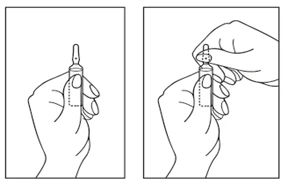
Any unused medicinal product should be disposed of in accordance with local requirements.
Children.
The safety and efficacy of dexmedetomidine in children aged 0 to 18 years have not been established. Data on the use of the drug in this patient population are provided in the sections "Side Effects", "Pharmacological Properties", but dosing recommendations cannot be given.
Overdose.
Symptoms.
Several cases of dexmedetomidine overdose have been reported in clinical studies and post-marketing use. According to available data, the infusion rate in these cases reached 60 mcg/kg/hour for 36 minutes and 30 mcg/kg/hour for 15 minutes in a 20-month-old child and an adult, respectively. The most common adverse drug reactions due to overdose include bradycardia, arterial hypotension, arterial hypertension, excessive sedation, respiratory depression, and cardiac arrest.
Treatment.
In case of overdose with clinical symptoms, administration of dexmedetomidine should be reduced or discontinued. The expected effects are primarily cardiovascular and should be managed according to clinical indications (see section "Special Instructions"). At high concentrations, an increase in blood pressure may predominate over its reduction. In clinical studies, sinus node arrest resolved spontaneously or in response to administration of atropine or glycopyrrolate. In individual cases of severe overdose accompanied by cardiac arrest, resuscitation measures were required.
Adverse Reactions.
Summary of safety profile
Sedation in adult ICU patients
The most frequently reported adverse reactions during administration of dexmedetomidine in ICU settings are arterial hypotension, arterial hypertension, and bradycardia, occurring in approximately 25%, 15%, and 13% of patients, respectively. Arterial hypotension and bradycardia were also the most common serious adverse reactions attributed to dexmedetomidine, occurring in 1.7% and 0.9% of randomized ICU patients, respectively.
Sedation during anesthesia care/procedural sedation in conscious patients
The most commonly reported adverse reactions during administration of dexmedetomidine for procedural sedation are listed below:
- arterial hypotension (55% in the dexmedetomidine group compared to 30% in the placebo group);
- respiratory depression (38% in the dexmedetomidine group compared to 35% in the placebo group);
- bradycardia (14% in the dexmedetomidine group compared to 4% in the placebo group).
The adverse reactions listed below are based on pooled data from clinical trials in ICU patients.
The frequency of adverse reactions is classified as follows: very common (≥ 1/10), common (≥ 1/100, < 1/10), uncommon (≥ 1/1000, < 1/100), rare (≥ 1/10000, < 1/1000), very rare (< 1/10000), frequency not known (cannot be estimated from the available data).
Endocrine system disorders: frequency not known – non-diabetic diabetes.
Metabolism and nutrition disorders: common – hyperglycaemia, hypoglycaemia; uncommon – metabolic acidosis, hypoalbuminaemia.
Psychiatric disorders: common – agitation; uncommon – hallucinations.
Cardiac disorders: very common – bradycardia1,2; common – myocardial ischaemia or infarction, tachycardia; uncommon – atrioventricular block1, decreased cardiac output, cardiac arrest1.
Vascular disorders: very common – arterial hypotension1,2, arterial hypertension1,2.
Respiratory, thoracic and mediastinal disorders: very common – respiratory depression2,3; uncommon – dyspnoea, apnoea.
Gastrointestinal disorders: common – nausea2, vomiting, dry mouth2; uncommon – abdominal distension.
General disorders and administration site conditions: common – withdrawal syndrome, hyperthermia; uncommon – drug inefficacy, thirst.
1See description of individual adverse reactions below.
2This adverse reaction was also observed in procedural sedation studies.
3Frequency "common" in the ICU sedation study.
Description of individual adverse reactions.
Clinically significant decreases in blood pressure and bradycardia should be managed as described in the section "Special precautions".
In relatively healthy volunteers not in ICU settings, administration of dexmedetomidine has occasionally led to sinus node arrest or sinus pause. Symptoms were reversed by leg elevation and administration of anticholinergic agents such as atropine or glycopyrrolate. In some patients with pre-existing bradycardia, progression to asystole has been observed. Cases of cardiac arrest preceded by bradycardia or atrioventricular block have also been reported.
Arterial hypertension has been associated with loading dose administration. This reaction can be minimized by avoiding a loading dose or by reducing the infusion rate or loading dose.
Paediatric population.
The safety profile of dexmedetomidine has been evaluated in children aged 1 month and older, primarily postoperative patients in ICU settings, for durations up to 24 hours, and was found to be comparable to that in adults. Data in neonates (28–44 weeks gestational age) are very limited, with doses restricted to maintenance infusions ≤ 0.2 mcg/kg/hour. A single case of hypothermic bradycardia in a neonate has been reported in the literature.
Shelf life. 5 years.
Do not use after the expiry date stated on the packaging.
Storage conditions.
No special storage conditions required.
Keep out of the reach of children.
After dilution.
Chemical and physical in-use stability has been demonstrated for 36 hours at 25 °C.
From a microbiological standpoint, the solution should be used immediately. If not used immediately, the user is responsible for in-use storage conditions and duration, which should not exceed 24 hours at 2–8 °C, unless dilution has been performed under well-controlled and validated aseptic conditions.
Incompatibilities.
This medicinal product must not be mixed with other medicinal products except as specified in the section "Dosage and administration".
There is a potential for adsorption of dexmedetomidine to certain types of natural rubber. Although dexmedetomidine is administered until clinical effect is achieved, it is recommended to use materials with synthetic or coated natural rubber.
Packaging.
2 mL in a vial made of colourless glass of hydrolytic class I, with scoring rings and a break ring.
5 vials in a blister pack made of polyvinyl chloride film.
1 or 5 blister packs in a cardboard carton.
Prescription status.
Prescription only.
Manufacturer.
Manufacturer responsible for batch release:
JSC "Kalceks".
Manufacturer's address and site of operations.
71E Krustpils Street, Riga, LV-1057, Latvia.
Marketing Authorization Holder.
JSC "Kalceks".
Address of the Marketing Authorization Holder and/or its representative.
71E Krustpils Street, Riga, LV-1057, Latvia.