Bronchoril
Ukraine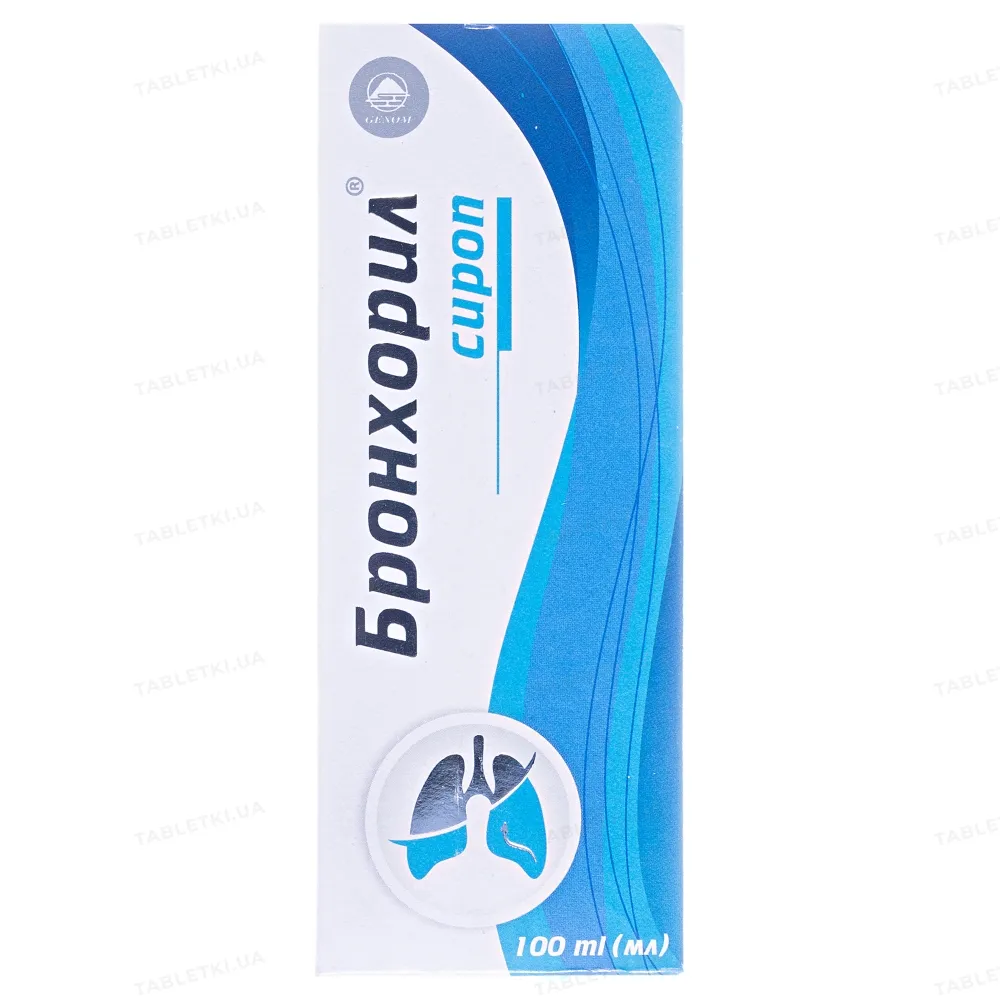
Table of Contents
INSTRUCTIONS FOR MEDICAL USE OF THE MEDICINAL PRODUCT BROMHORYL® (BRONCHORYL®)
Composition:
Active substances: 5 ml of syrup contains salbutamol sulfate equivalent to salbutamol 2 mg, bromhexine hydrochloride 4 mg, phenylephrine hydrochloride 2.5 mg;
Excipients: sucrose; sodium methylparaben (E 219); sodium propylparaben (E 217); glucose solution; non-crystallizing sorbitol solution (E 420); propylene glycol; citric acid monohydrate; disodium edetate; raspberry essence; mixed fruit flavor; Ponceau 4R colorant (E 124); purified water.
Pharmaceutical form. Syrup.
Main physicochemical properties: clear, syrup-like, pink-colored liquid with a pleasant aroma, sweet to the taste.
Pharmacotherapeutic group. Medicinal products for the treatment of obstructive respiratory diseases. Adrenergic agents for systemic use. Selective beta-2-adrenergic agonists. ATC code R03C C.
Pharmacological properties.
Pharmacodynamics.
Bronhoril® is a combination drug containing a bronchodilator component (salbutamol), an expectorant (bromhexine hydrochloride), and a component with vasoconstrictive and anti-edematous effects on the nasal mucosa (phenylephrine hydrochloride).
Salbutamol is a β-adrenomimetic agent with predominant activity on β2-adrenergic receptors (located, in particular, in bronchi, uterus, and blood vessels). It prevents and relieves bronchospasm, reduces airway resistance, and increases lung vital capacity. It prevents the release of inflammatory mediators (e.g., histamine). It improves mucociliary clearance. It has minimal effect on cardiac β1-adrenergic receptors. It causes dilation of coronary arteries. It hardly reduces arterial blood pressure. The effect of salbutamol develops rapidly and lasts for 3–4 hours.
Bromhexine exerts mucolytic (secretolytic), expectorant, and mild antitussive effects. The mucolytic action is associated with decreased viscosity of bronchial secretions due to depolymerization and liquefaction of mucoprotein and mucopolysaccharide fibers in the sputum. Bromhexine stimulates secretory cells of the bronchial mucosa that produce secretions containing neutral polysaccharides. It also stimulates surfactant production—a surface-active lipoprotein-mucopolysaccharide substance synthesized in alveolar cells. Biosynthesis of surfactant is impaired in various bronchopulmonary diseases, leading to alveolar cell instability and reduced resistance to adverse factors. The therapeutic effect of bromhexine becomes apparent within 24–48 hours after initiation of treatment.
Phenylephrine hydrochloride is a stimulator of vascular α-adrenergic receptors, with minimal effect on cardiac β-adrenergic receptors. It causes arterial vasoconstriction. Due to its vasoconstrictive action and direct stimulation of α-adrenergic receptors in nasal mucosal blood vessels, it reduces nasal hyperemia and edema and improves airway patency. It diminishes inflammatory symptoms in vasomotor and allergic rhinitis. Thanks to the rational combination of salbutamol, bromhexine, and phenylephrine, the drug effectively and rapidly reduces the severity of functional respiratory disorders.
Pharmacokinetics.
The pharmacokinetics of Bronhoril® are determined by the pharmacokinetics of its individual components.
Salbutamol, included in the formulation, is well absorbed from the gastrointestinal tract (approximately 85%). Plasma protein binding is 10%. Maximum plasma concentration is reached within 2–3 hours. The volume of distribution is 3.4 ± 0.6 L/kg body weight. It is metabolized in the liver. The main metabolite is the inactive sulfate conjugate. Salbutamol from Bronhoril® crosses the placental barrier and enters breast milk. Adrenomimetic effects may occur in the fetus. The elimination half-life from plasma is 2–7 hours. It is excreted mainly in urine, primarily in unchanged form and as inactive metabolites. A small amount is excreted in feces. Most of the dose is eliminated within 72 hours.
Bromhexine is rapidly absorbed from the gastrointestinal tract and metabolized in the liver. Its bioavailability is 20%. Maximum plasma concentration is reached within 1 hour. It is widely distributed in body tissues and crosses the blood-brain barrier. It passes in small amounts through the placental barrier and into breast milk. Approximately 85–90% is excreted in urine, mainly as metabolites. Ambroxol is a metabolite of bromhexine. The elimination half-life of a small amount of ambroxol is 6.5 hours. The clearance of bromhexine and its metabolites may be reduced in patients with severe hepatic or renal impairment. Phenylephrine is poorly absorbed from the gastrointestinal tract after oral administration. It undergoes metabolism involving monoamine oxidase in the intestinal wall and during first-pass metabolism in the liver. Phenylephrine bioavailability is low (40%) due to variable absorption. It is excreted predominantly in urine.
Clinical characteristics.
Indications.
Symptomatic treatment of congestion in the respiratory tract in bronchial asthma, chronic obstructive bronchitis, emphysema, cough, and respiratory viral infections.
Contraindications.
Hypersensitivity to any component of the drug; hyperthyroidism; hypokalemia; peptic ulcer of the stomach and duodenum; acute pancreatitis; severe hepatic impairment; severe forms of diabetes mellitus; coronary insufficiency, arrhythmia, other severe cardiovascular diseases, severe conduction disorders, decompensated heart failure; arterial hypertension, marked atherosclerosis, severe coronary artery disease; epilepsy, pheochromocytoma; closed-angle glaucoma; benign prostatic hyperplasia, urethral and prostatic diseases with difficulty in urination, bladder neck obstruction; pyloroduodenal obstruction, renal failure.
Pregnancy or breastfeeding, pediatric age under 4 years.
Concomitant use with MAO inhibitors, tricyclic antidepressants, β-blockers, or other antihypertensive drugs that suppress or enhance appetite, and amphetamine-like psychostimulants.
Interaction with other medicinal products and other forms of interaction.
Beta-adrenergic blockers. Salbutamol should not be used concomitantly with non-selective beta-adrenergic blockers such as propranolol. β-Blockers can not only block the bronchodilating effect of β-agonists but also provoke bronchospasm in patients with bronchial asthma. Therefore, β-blockers are contraindicated in patients with asthma. However, under certain circumstances, for example, post-myocardial infarction prophylaxis, the use of β-blockers in asthmatic patients may be considered. In such cases, they should be used with caution.
Tricyclic antidepressants. Tricyclic antidepressants (e.g., clomipramine, imipramine, amitriptyline) may alter the effects of salbutamol.
Concomitant use of phenylephrine and tricyclic antidepressants increases the risk of arrhythmias.
MAO inhibitors. MAO inhibitors (e.g., rasagiline, selegiline, isocarboxazid, phenelzine, tranylcypromine) may alter the effects of salbutamol.
MAO inhibitors and reversible MAO inhibitors may potentiate the effects of phenylephrine.
Concomitant use with MAO inhibitors is contraindicated.
Medicinal products that reduce blood potassium levels. Since beta-agonists, including salbutamol, have a hypokalemic effect, concomitant administration of medicinal products that reduce blood potassium levels and thereby increase the risk of hypokalemia—such as diuretics (e.g., bendroflumethiazide, indapamide, bumetanide, furosemide), digoxin, methylxanthines (e.g., aminophylline), and corticosteroids (e.g., betamethasone, prednisolone, triamcinolone)—should be prescribed with caution after careful assessment of benefit versus risk, particularly due to the increased risk of cardiac arrhythmias resulting from hypokalemia.
Theophylline. A high risk of hypokalemia arises when high doses of theophylline are administered concomitantly with high doses of salbutamol. Salbutamol, contained in Bronhoril® syrup, potentiates the toxic effects of ephedrine and theophylline and reduces the antianginal effect of nitrates. Arterial hypertension may occur when used concomitantly with ganglionic blockers, adrenergic blockers, Rauwolfia alkaloids, and methyldopa.
Antibacterial agents. When the drug is used concomitantly with antibiotics (amoxicillin, cefuroxime, erythromycin, doxycycline), or in combination with sulfonamide medicinal products, concentrations of antibiotics and sulfonamides in bronchopulmonary secretions and sputum are increased.
Anti-inflammatory agents. Concomitant use of bromhexine and certain anti-inflammatory drugs (e.g., salicylates, prednisolone) may enhance the irritant effect on the gastric mucosa.
Antitussive agents. Combined use of bromhexine and antitussive agents may cause dangerous mucus retention due to suppression of the cough reflex; therefore, such a combination should be used with particular caution.
Antihypertensive agents. The hypertensive effect of phenylephrine may reduce or neutralize the effects of many antihypertensive drugs.
Antimuscarinic agents. Severe hypertension may develop after concomitant use of phenylephrine and atropine or other antimuscarinic agents.
Antiarrhythmic agents. Concomitant use of phenylephrine with cardiac glycosides or quinidine increases the risk of arrhythmias.
The drug should not be prescribed concomitantly with non-selective β-adrenergic blockers such as propranolol (a reduction in the therapeutic effect of insulin and oral hypoglycemic agents has been observed with concomitant use).
Bromhexine is incompatible with alkaline environments. Concomitant use of phenylephrine with ergot alkaloids (ergotamine and methysergide) may increase the risk of ergotism.
Concomitant use of the drug with sympathomimetics is not recommended, as it leads to enhanced sympathomimetic effects and increases the risk of cardiovascular adverse effects. Levodopa increases the likelihood of arrhythmias.
Salbutamol should not be used concomitantly with inhalational anesthetics, epinephrine, tricyclic antidepressants, or corticosteroids.
Bromhexine should not be prescribed concomitantly with medicinal products containing codeine.
Since the medicinal product contains phenylephrine hydrochloride, it should not be used concomitantly with other antihypertensive agents, phenothiazine derivatives (e.g., promethazine), bronchodilator sympathomimetics, guanethidine, digitalis preparations, Rauwolfia alkaloids, indomethacin, methyldopa, glucocorticoids, appetite-affecting agents, amphetamine-like psychostimulants, anesthetics, ergot alkaloids, other central nervous system stimulants, or theophylline.
The vasoconstrictive effect of the drug may be increased when used concomitantly with labor stimulants, and arrhythmias may occur when used with anesthetics. A significant increase in arterial pressure may occur with concomitant intravenous administration of ergot alkaloids.
Concomitant use of phenylephrine with β-blockers may lead to arterial hypertension and excessive bradycardia with possible heart block. Caution should be exercised when using with thyroid hormones and drugs affecting cardiac conduction (cardiac glycosides, antiarrhythmic agents).
Concomitant use of phenylephrine and other sympathomimetics may lead to additional stimulation of the central nervous system, manifesting as nervousness, irritability, and insomnia. Seizure attacks are also possible. Furthermore, concomitant use of other sympathomimetics with phenylephrine may enhance vasoconstrictive or cardiovascular effects.
Special precautions for use.
Bromhexine.
Bromhexine should be used with caution in debilitated patients and in patients with asthma.
In disorders of bronchial motility associated with the production of large amounts of bronchial secretions (immotile cilia syndrome), bromhexine should be administered with particular caution due to the possible accumulation of secretions.
Since bromhexine disrupts the gastrointestinal mucosal barrier, the drug should be used with caution in patients with a history of peptic ulcer disease.
In patients with impaired renal function, the potential for accumulation of bromhexine metabolites in the liver should be considered. During prolonged treatment, periodic monitoring of liver function is recommended.
Rare cases of severe skin reactions (e.g., Stevens–Johnson syndrome, Lyell’s syndrome) have been reported with the use of mucolytic agents such as bromhexine. Most of these cases may be related to the severity of the underlying disease or concomitant use of other medicinal products. If any symptoms or signs of skin or mucous membrane involvement occur, the drug should be discontinued immediately and medical advice should be sought.
Salbutamol.
Cardiovascular adverse effects may occur during treatment with sympathomimetics, including salbutamol. Isolated post-marketing reports and published data indicate rare cases of myocardial ischemia associated with salbutamol. If chest pain or other symptoms of worsening cardiac disease occur in patients with cardiovascular disorders (e.g., ischemic heart disease, arrhythmias, or severe heart failure) during treatment, the drug should be discontinued and medical advice should be sought. Symptoms such as dyspnea and chest pain should be carefully evaluated, as they may indicate either respiratory or cardiac disorders.
In some patients, as with other β-adrenergic agonists, clinically significant changes in systolic and diastolic blood pressure may occur. β-adrenergic stimulants are known to cause ECG changes such as flattening of the T wave, QT interval prolongation, and ST segment depression. Therefore, salbutamol should be used with caution in patients with cardiovascular disorders, particularly arterial hypertension.
An increasing need for higher doses of salbutamol indicates worsening asthma control and requires reassessment of therapy, possibly including the addition of corticosteroids.
The drug is contraindicated in patients with hypertrophic cardiomyopathy.
Treatment with beta-2 agonists may result in severe hypokalemia. This is mainly observed with parenteral or inhaled formulations. Particular attention should be paid to patients with acute severe asthma, as hypokalemia may be potentiated by concomitant use of xanthine derivatives, corticosteroids, diuretics, and hypoxia. In such cases, serum potassium levels should be monitored.
Like other beta-adrenergic agonists, salbutamol may cause reversible metabolic changes, such as increased blood glucose levels. Cases of ketoacidosis have been reported in diabetic patients who were unable to compensate for elevated blood glucose levels. The concomitant use of corticosteroids may enhance this effect.
Phenylephrine.
Particular caution is required when administering the drug to patients with a history of cardiovascular disorders such as ischemic heart disease, arrhythmias, occlusive vascular diseases (including arteriosclerosis), hypertension, or vascular aneurysms. Anginal pain may be intensified in patients with angina pectoris.
Phenylephrine may cause urinary retention, especially in patients with impaired prostate function.
The drug should be used with caution in patients with diabetes mellitus.
Concomitant use with monoamine oxidase inhibitors (MAOIs) is contraindicated. High doses of the drug may reduce psychomotor reaction speed. This effect is enhanced by concomitant alcohol consumption and use of tranquilizers (e.g., chlordiazepoxide, diazepam). The drug should be used with caution in patients receiving high doses of other sympathomimetics.
Aminophyllines may cause central nervous system disturbances and, as a consequence, may provoke seizures. Phenylephrine, a component of the drug, may exert vasoconstrictive effects and may cause cardiovascular insufficiency with manifestations of arterial hypotension. Therefore, the drug should be used with caution in patients aged 70 years and older and in patients with cardiovascular disorders.
During treatment with this drug, sedative/hypnotic agents (particularly barbiturates) should not be used, as they may enhance the sedative effect of antihistamines (e.g., chlorpheniramine maleate). The drug should be used with caution in patients with hepatic or renal impairment.
Alcohol consumption is prohibited during treatment with this drug!
Excipients
The medicinal product contains sucrose, glucose solution, sorbitol solution (E 420). If you have been diagnosed with intolerance to certain sugars, consult your doctor before taking this medicinal product.
The colorant Ponceau 4R (E 124), sodium methylparaben (E 219), and sodium propylparaben (E 217) contained in the medicinal product may cause allergic reactions (possibly delayed).
Use during pregnancy or breastfeeding.
The drug is contraindicated during pregnancy and breastfeeding.
Ability to affect reaction speed when driving or operating machinery.
When taking this drug, patients should avoid driving and any other activities requiring coordination, rapid reaction, and concentration of attention.
Dosage and Administration
Administer orally. Dosage should be measured using the dosing cap provided. For adults and children aged 14 years and older: 10 ml three times daily.
For children aged 4–6 years: 2.5 ml three times daily; for children aged 6–8 years: 5 ml three times daily; for children aged 8–14 years: 7.5 ml three times daily.
Duration of treatment is determined individually by a physician according to indications and patient condition. Maximum duration of use without medical consultation is 5 days; further use should be under physician’s recommendation.
Children
The drug is contraindicated in children under 4 years of age.
Overdose
Exacerbation of adverse reactions is possible.
Bromhexine overdose
Symptoms: dizziness, nausea, vomiting, tachycardia, arrhythmia, decreased arterial pressure, hypokalemia, excitation, psychotic reactions, dyspeptic disorders, diarrhea, headache, ataxia, diplopia, metabolic acidosis, rapid breathing.
Treatment: induce vomiting, perform gastric lavage (within the first 1–2 hours after ingestion). In cases of significant overdose, cardiovascular monitoring is recommended and symptomatic therapy should be administered as needed. Due to the high degree of plasma protein binding, large volume of distribution, and slow redistribution of bromhexine from tissues into blood, enhanced elimination via hemodialysis or forced diuresis is not expected to be effective.
Salbutamol overdose
Symptoms: the most common signs and symptoms of salbutamol overdose are transient, pharmacologically induced effects caused by β2-agonists, such as tachycardia, tremor, hyperactivity, and metabolic disturbances including hypokalemia (see sections "Special precautions" and "Adverse reactions"). Hypokalemia may occur following salbutamol overdose; therefore, serum potassium levels should be monitored. Cases of lactic acidosis have been reported with high therapeutic doses or overdose of short-acting β2-agonists; thus, serum lactate levels should be checked. Metabolic acidosis should therefore be monitored, especially in cases of persistent or accelerated breathing that worsens despite improvement in bronchospasm symptoms. Other symptoms may include excitation, confusion, respiratory depression, rapid breathing, altered consciousness, ataxia, diplopia, mild metabolic acidosis, arrhythmias, chest pain, hypotension up to shock, palpitations, tachycardia, and severe tremor, particularly in the hands. Gastrointestinal symptoms such as nausea and vomiting may occur. Seizures, extrasystoles, drowsiness, headache, hyperglycemia, abdominal pain, and exacerbation of peptic ulcer disease are also possible.
Treatment: symptomatic therapy. Electrocardiographic monitoring is recommended to assess cardiac function.
Phenylephrine overdose
Symptoms: psychomotor agitation or central nervous system depression, headache, skin pallor, dizziness, insomnia, cardiac rhythm disturbances, tachycardia, reflex bradycardia, extrasystoles, tremor, hyperreflexia, nausea, vomiting, irritability, restlessness, elevated arterial blood pressure. Also possible: arterial hypotension, chest pain and discomfort, palpitations, dyspnea, non-cardiogenic pulmonary edema, sleep disturbances, anxiety, nervousness, inappropriate behavior, psychosis with hallucinations, weakness, anorexia, oliguria, urinary retention, painful or difficult urination, facial flushing, cold sensation in extremities, paresthesia, skin pallor, piloerection, increased sweating, hyperglycemia, hypokalemia, peripheral vasoconstriction, reduced blood flow to vital organs, potentially worsening renal perfusion, metabolic acidosis, and increased cardiac workload due to elevated systemic vascular resistance. Severe vasoconstrictive effects are more likely in patients with hypovolemia and severe bradycardia. In severe cases, impaired consciousness, hallucinations, seizures, and arrhythmias may occur.
Treatment: gastric lavage, activated charcoal administration, symptomatic therapy, and use of α-blockers such as phentolamine (in cases of severe hypertension).
Adverse reactions.
Immune system disorders: hypersensitivity reactions, including angioneurotic edema, anaphylactic shock, fever, chills.
Metabolism and nutritional disorders: lactic acidosis, hypokalemia.
Gastrointestinal disorders: nausea, abdominal pain, vomiting, diarrhea, anorexia, dry mouth, dyspepsia, exacerbation of peptic ulcer of the stomach and duodenum, transient increase in serum transaminase activity.
Respiratory system disorders: breathing disorders, increased cough, bronchospasm, dyspnea, non-productive cough, enhanced cough reflex, respiratory distress.
Skin and subcutaneous tissue disorders: skin rashes, hyperemia, pruritus, urticaria, Stevens-Johnson syndrome, Lyell's syndrome, increased sweating.
Cardiovascular system disorders: palpitations, chest pain, pain in the chest, tachycardia, increased blood pressure, arterial hypotension, collapse, bradycardia, cardiac arrhythmias, including ventricular fibrillation, supraventricular tachycardia, and extrasystoles; myocardial ischemia (see section "Special precautions").
Vascular disorders: peripheral vasodilation.
Nervous system and psychiatric disorders: nervous excitement, fear sensation, anxiety, restlessness, headache, dizziness, depression, faintness, tremor, general weakness, mydriasis, hyperactivity, muscle spasms.
Urinary system disorders: urinary retention, difficulty in urination.
Regarding bromhexine: fever, chills, transient increase in serum AST levels. In some patients, bromhexine may cause transient elevation of aminotransferase levels in the blood.
Regarding salbutamol: oropharyngeal edema; rarely, with oral administration of salbutamol in children, multiforme erythema and facial swelling may occur.
Gastrointestinal disorders: abdominal pain, exacerbation of gastric/ intestinal ulcers, gastralgia, unpleasant taste in the mouth.
Nervous system disorders: tremor, myalgia, dysgeusia, insomnia, oropharyngeal paresthesia.
Respiratory system disorders: salbutamol may provoke paradoxical bronchospasm, which is a life-threatening condition. If this occurs, the drug must be discontinued immediately and alternative treatment initiated.
Other: myospasm, sensation of muscle pressure, urinary bladder atony, hyperglycemia, thrombocytopenia, metabolic changes such as hypokalemia.
Regarding phenylephrine:
Cardiovascular system disorders: increased blood pressure (especially in patients with arterial hypertension), sensation of flushing.
Nervous system and psychiatric disorders: sleep disturbances, insomnia, drowsiness, anxiety, excitement, hallucinations, convulsions, epileptic seizures, dyskinesia, coma, behavioral changes.
Hepatic and biliary system disorders: biliary tract dyskinesia, hepatitis, jaundice.
Skin and subcutaneous tissue disorders: pallor of the skin, exfoliative dermatitis.
Eye disorders: dryness of the ocular mucosa, decreased visual acuity, mydriasis, increased intraocular pressure.
Blood and lymphatic system disorders: hemolytic anemia, fluctuations in blood glucose levels.
Other: nasal dryness, weakness.
Shelf life. 3 years.
Storage conditions.
Store in the original packaging at a temperature not exceeding 25 °C. Keep out of the reach of children.
Packaging.
100 ml in a bottle, 1 bottle with a measuring cap in a cardboard box.
Prescription status.
Prescription only.
Manufacturer.
Genome Biotech Pvt. Ltd.
Manufacturer's address and location of business operations.
Plot No. D-121, 122, 123, MIDC Malegaon, Tal. Sinnar, Nashik 422103, Maharashtra State, India.