Bikulid
Ukraine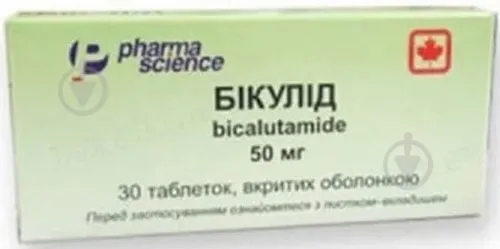
Table of Contents
INSTRUCTIONS FOR MEDICAL USE OF THE MEDICINAL PRODUCT BICULID (BICULID)
Composition:
Active substance: bicalutamide;
1 tablet contains bicalutamide 50 mg;
Excipients: povidone, sodium lauryl sulfate, lactose monohydrate, sodium starch glycolate (type A), colloidal anhydrous silicon dioxide, magnesium stearate;
Tablet coating: hypromellose, titanium dioxide (E 171), polydextrose, triethyl citrate, polyethylene glycol.
Pharmaceutical form. Film-coated tablets.
Main physicochemical properties: white, film-coated, round tablets with an imprint "BIC" above "50" on one side and either an imprint of the logo "R" or smooth on the other side.
Pharmacotherapeutic group. Antiandrogens. ATC code L02B B03.
Pharmacological Properties
Pharmacodynamics
Bicalutamide is a non-steroidal antiandrogen with no other effects on the endocrine system. The drug binds to androgen receptors without activating gene expression, thereby inhibiting androgenic stimulation. As a result of this inhibition, regression of prostate tumor is observed. Upon discontinuation of Bicalutamide, a withdrawal syndrome may occur in some patients.
Bicalutamide is a racemic mixture with antiandrogenic activity, present almost exclusively as the (R)-enantiomer.
Pharmacokinetics
Absorption and Distribution
Bicalutamide is well absorbed after oral administration. There is no evidence of a clinically significant effect of food intake on the bioavailability of the drug.
The (S)-enantiomer is eliminated very rapidly compared to the (R)-enantiomer; the elimination half-life of the latter in plasma is approximately 1 week.
With daily administration of Bicalutamide, the (R)-enantiomer accumulates in plasma due to its long half-life, reaching concentrations 10 times higher than baseline.
A steady-state concentration plateau of the (R)-enantiomer at approximately 9 μg/mL is achieved with a daily dose of 50 mg of Bicalutamide. At steady state, the predominantly active (R)-enantiomer accounts for 99% of the total circulating enantiomers.
The pharmacokinetics of the (R)-enantiomer are independent of age, renal impairment, or mild to moderate hepatic impairment. However, evidence suggests that in patients with severe hepatic impairment, the (R)-enantiomer is eliminated more slowly from plasma.
Bicalutamide is highly protein-bound (racemate – 96%; (R)-enantiomer – >99%) and undergoes extensive metabolism (via oxidation and glucuronidation). Its metabolites are excreted equally in urine and bile.
In a clinical study, the mean concentration of (R)-bicalutamide in semen of men receiving Bicalutamide at a dose of 150 mg was 4.9 μg/mL. The amount of bicalutamide potentially transferred to a female partner during sexual intercourse is low, estimated at approximately 0.3 μg/mL. This level is lower than that which causes offspring effects in laboratory animals.
Clinical characteristics.
Indications.
Prostate cancer (advanced stages) in combination with therapy using luteinizing hormone releasing hormone analogues or surgical castration.
Contraindications.
Bicalutide is contraindicated for use in women and children.
Bicalutide must not be prescribed to patients who have experienced hypersensitivity reactions to the active substance or to any of the excipients contained in the medicinal product.
Concomitant use of Bicalutide with terfenadine, astemizole, or cisapride is contraindicated.
Interaction with other medicinal products and other forms of interaction.
There is no evidence of pharmacodynamic or pharmacokinetic interaction between Bicalutide and luteinizing hormone releasing hormone analogues.
In vitro studies have shown that R-bicalutamide is an inhibitor of CYP 3A4 and has a lesser inhibitory effect on the activity of CYP 2C9, 2C19, and 2D6.
Although clinical studies using antipyrine as a marker of cytochrome P450 (CYP) activity do not indicate a potential interaction with Bicalutide, the mean concentration of midazolam (area under the pharmacokinetic curve) increased by up to 80% following concomitant administration for 28 days with Bicalutide. For drugs with a narrow therapeutic range, such an increase may be clinically significant. Therefore, concomitant use with terfenadine, astemizole, and cisapride is contraindicated. Bicalutide should also be used with caution when co-administered with agents such as cyclosporines and calcium channel blockers. Dose reduction of these agents may be necessary, particularly if signs of enhanced drug effect or adverse effects occur. When cyclosporine is used, careful monitoring of its plasma concentration and the patient's clinical condition is recommended upon initiation or discontinuation of Bicalutide therapy.
Bicalutide should be prescribed with caution when used concomitantly with drugs that may inhibit its oxidation (such as cimetidine, ketoconazole). Theoretically, this may lead to increased plasma concentrations of Bicalutide, potentially enhancing its adverse effects.
In vitro studies have shown that Bicalutide may displace the coumarin anticoagulant warfarin from its protein-binding sites. Therefore, when prescribing Bicalutide to patients already receiving coumarin anticoagulants, careful monitoring of prothrombin time is recommended. The anticoagulant dose should be adjusted as necessary.
Combining androgen blockade with an antiandrogen and a luteinizing hormone releasing hormone analogue with medicinal products that also prolong the QTc interval may lead to torsades de pointes. The possibility of this arrhythmia should be considered when prescribing bicalutamide in combination with several drugs potentially capable of prolonging the QTc interval. The following list, which is not exhaustive, includes such agents: class IA antiarrhythmics such as quinidine, disopyramide; class III antiarrhythmics such as amiodarone, sotalol, dofetilide, ibutilide, dronedarone; class IC antiarrhythmics such as flecainide, propafenone; neuroleptics such as chlorpromazine; antidepressants such as amitriptyline, nortriptyline; opioids such as methadone; macrolide antibiotics and their analogues (erythromycin, clarithromycin, azithromycin); quinolone antibiotics (moxifloxacin); antimalarial agents such as quinine; azole antifungals; 5-hydroxytryptamine receptor antagonists such as ondansetron; beta-2 adrenergic receptor agonists such as salbutamol.
Special precautions for use.
Treatment with Biculid should be initiated under direct medical supervision.
Regular assessment of serum prostate-specific antigen (PSA) levels helps evaluate the patient's response to therapy.
Biculid has been shown to inhibit cytochrome P450 (CYP3A4) activity; therefore, caution should be exercised when co-administering Biculid with drugs that are primarily metabolized by CYP3A4.
Patients with rare hereditary conditions of galactose intolerance, congenital lactase deficiency, or glucose-galactose malabsorption should not take this medication.
Hepatic impairment
Biculid is extensively metabolized in the liver. Some data suggest that elimination of the drug may be slowed in patients with severe hepatic impairment, potentially leading to accumulation of Biculid. Therefore, Biculid should be used with caution in patients with moderate or severe liver impairment.
In isolated cases, signs of hepatotoxicity have been observed during bicalutamide administration, including cases of liver failure resulting in fatal outcomes. Therefore, if signs of severe hepatotoxicity occur, bicalutamide therapy should be discontinued.
Monitoring and laboratory tests: Since changes in transaminase levels associated with jaundice may occur during bicalutamide treatment, periodic monitoring of liver function is recommended throughout therapy. Most such changes occur within the first 6 months of Biculid treatment. If significant abnormalities are detected, discontinuation of therapy should be considered. Upon cessation of bicalutamide, transaminase levels typically return to normal.
Effects on the endocrine system and metabolism
In men receiving luteinizing hormone-releasing hormone (LHRH) agonists, decreased glucose tolerance and/or increased levels of glycated hemoglobin (HbA1c) have been observed. This may manifest as new-onset diabetes mellitus or loss of glycemic control in patients with pre-existing diabetes. Therefore, careful monitoring of blood glucose levels is advised in patients receiving Biculid in combination with LHRH agonists, particularly in diabetic patients.
Effects on the skin
Rare cases of photosensitivity reactions have been reported during bicalutamide treatment. Therefore, patients undergoing treatment with bicalutamide should avoid excessive direct exposure to sunlight or ultraviolet radiation. Sunscreen protective measures should be used whenever possible. In cases of severe or prolonged photosensitivity reactions, appropriate symptomatic treatment should be administered.
Respiratory system
There have been rare reports of interstitial lung disease associated with bicalutamide use (some cases resulted in death). These cases occurred more frequently when bicalutamide was administered at doses exceeding 50 mg. Bicalutamide should not be used at a dose of 150 mg.
If respiratory symptoms worsen—such as dyspnea, cough, or fever—bicalutamide should be discontinued immediately. Appropriate diagnostic evaluation should be performed. If interstitial lung disease is confirmed, bicalutamide therapy must not be resumed, and appropriate treatment for the identified complication should be initiated.
Cardiovascular system
Bicalutamide is indicated for use either in combination with a luteinizing hormone-releasing hormone (LHRH) agonist or following surgical castration. Combined blockade with an antiandrogen and an LHRH agonist or surgical castration may potentially increase the risk of cardiovascular morbidity (myocardial infarction, heart failure, sudden cardiac death) and adversely affect independent cardiovascular risk factors (serum lipoprotein levels, insulin sensitivity, obesity). When prescribing bicalutamide, the physician must weigh the benefits of therapy against the potential risk of cardiovascular complications. Cardiovascular risk factors should be assessed, and patients should be monitored during treatment for symptoms suggestive of cardiovascular disease.
Monitoring and laboratory tests: Since bicalutamide may increase plasma levels of testosterone and estradiol and potentially cause fluid retention, it should be prescribed with caution in patients with heart disease.
Effect on QTc interval duration
Bicalutamide is indicated for use either in combination with an LHRH agonist or following surgical castration. Combined blockade with an antiandrogen and an LHRH agonist or surgical castration may potentially lead to QT/QTc interval prolongation on ECG. In patients with a history of QT prolongation or risk factors for QT prolongation—including congenital long QT syndrome, electrolyte imbalances, congestive heart failure, or concomitant use of medications known to prolong the QT interval (Class IA agents such as quinidine, procainamide; Class III agents such as amiodarone, sotalol, dofetilide, ibutilide; or Class IC agents such as flecainide, propafenone)—the benefit-risk ratio should be carefully evaluated, considering the potential risk of torsades de pointes.
Monitoring and laboratory tests: It is recommended to perform an ECG and measure serum potassium, calcium, and magnesium levels before initiating bicalutamide therapy. In patients at risk of electrolyte imbalance or QTc prolongation, periodic ECG monitoring and electrolyte assessments are advised.
Musculoskeletal system
Reduced bone mineral density during long-term combined antiandrogen and LHRH agonist therapy or surgical castration may increase the risk of osteoporosis and skeletal fractures. The risk of skeletal fracture increases with the duration of combined androgen blockade. Assessment of osteoporosis risk and appropriate management should be considered in accordance with clinical practice guidelines.
In patients with significant risk factors (chronic alcoholism and/or tobacco use), decreased bone mineral content and/or bone mass may occur, particularly in the context of family history of osteoporosis or chronic use of medications that may reduce bone mass (e.g., anticonvulsants or corticosteroids). Combined with androgen blockade, this may represent an additional risk. The benefit-risk ratio should be carefully evaluated before initiating androgen blockade in such patients.
Hematology
Anemia is a known physiological consequence of altered testosterone levels. The risk of anemia should be considered in accordance with local clinical practice and guidelines. Hemoglobin levels should be monitored regularly.
Reproductive system
Bicalutamide may affect spermatogenesis (sperm count and motility), based on animal studies. Long-term effects of bicalutamide on male fertility have not been studied. Although the effect of bicalutamide on spermatogenesis has not been evaluated in humans, patients and their partners should use effective contraception during treatment and for at least 130 days after the end of bicalutamide therapy.
Use during pregnancy or breastfeeding
Biculid is contraindicated in women and should not be administered during pregnancy or breastfeeding. Bicalutamide may harm fetal development.
In reproductive toxicology studies in male offspring of rats (but not rabbits) whose mothers received the drug during pregnancy at daily doses of 10 mg/kg, reduced anogenital distance and hypospadias were observed. Similar pharmacological effects have been reported with other antiandrogens. No other teratogenic effects were observed in rabbits (daily doses up to 200 mg/kg) or in rats (daily doses up to 250 mg/kg).
Ability to affect reaction speed when driving or operating machinery.
Biculid has no known effect on the ability to drive a vehicle or operate complex machinery. However, somnolence may rarely occur. Patients taking this medication should exercise caution.
Method of Administration and Dosage
Adult male patients, including elderly patients: orally, 1 tablet of 50 mg once daily. Treatment with Biculide should be initiated at least 3 days before starting therapy with luteinizing hormone-releasing factor analogs or simultaneously with surgical castration.
Renal impairment: dose adjustment is not required in patients with renal impairment.
Hepatic impairment: dose adjustment is not required in patients with mild hepatic impairment. Increased drug accumulation may occur in patients with moderate or severe hepatic impairment.
Children
The safety and efficacy of bicalutamide (a non-steroidal antiandrogen) in pediatric patients have not been established. Biculide is contraindicated for use in children.
Overdose
There is no data on overdose in humans. There is no specific antidote; treatment is symptomatic. Dialysis may be ineffective since Biculide is highly protein-bound and does not appear unchanged in urine. In case of overdose, general supportive therapy is indicated, including monitoring of vital signs.
Adverse Reactions
Bicalutamide is generally well tolerated, and adverse effects have rarely required discontinuation of treatment.
The following adverse reactions have been observed:
Blood and lymphatic system disorders: Anaemia (including hypochromic and iron-deficiency anaemia).
Immune system disorders: Hypersensitivity, angioneurotic oedema, urticaria.
Metabolism and nutrition disorders: Decreased appetite.
Psychiatric disorders: Decreased libido, depression, anxiety.
Nervous system disorders: Dizziness, somnolence, headache, paraesthesia, insomnia.
Cardiovascular system disorders: Myocardial infarction (fatal case reported)4, heart failure4, QT interval prolongation (see sections "Special precautions" and "Interaction with other medicinal products and other forms of interaction"), hypertension, hot flushes.
Mediastinal, chest and respiratory disorders: Interstitial lung disease (fatal outcomes reported), dyspnoea, increased cough, pharyngitis, influenza-like syndrome, bronchitis, pneumonia, rhinitis.
Gastrointestinal disorders: Abdominal pain, constipation, nausea, vomiting, diarrhoea, dyspepsia, flatulence.
Hepatobiliary disorders: Hepatotoxicity, jaundice, increased transaminase activity1, increased alkaline phosphatase levels, hepatic failure2 (fatal outcomes reported).
Skin and subcutaneous tissue disorders: Alopecia, hirsutism/regrowth of hair, dry skin, pruritus, rash, photosensitization.
Renal and urinary system disorders: Haematuria, nocturia, urinary tract infection, increased urinary frequency, urinary retention, urinary incontinence, urinary disorder.
Reproductive system and breast disorders: Gynaecomastia and breast tenderness3, erectile dysfunction.
General disorders and administration site conditions: Asthenia, peripheral oedema, chest pain, pain (general), infection.
Investigations: Increased body weight, weight loss.
Endocrine disorders: Diabetes mellitus, hyperglycaemia.
Musculoskeletal and connective tissue disorders: Back and pelvic pain, bone pain, myasthenia, arthritis, pathological fracture.
1 Hepatic changes are rarely severe and often resolve or diminish with continued treatment or after discontinuation.
2 Hepatic failure has been rarely reported in patients receiving Bicalutamide, but a definitive causal relationship with the drug has not been established. Periodic monitoring of liver function should be considered.
3 May decrease with concomitant castration.
4 Observed during a pharmacoepidemiological study of luteinizing hormone-releasing hormone (LHRH) agonists and antiandrogens used in the treatment of prostate cancer. Risk increased when bicalutamide was used in combination with LHRH agonists, but no increased risk was observed when Bicalutamide 150 mg was used as monotherapy for the treatment of prostate cancer.
Additionally, the following adverse reactions were reported during clinical trials with a frequency of less than 5% during treatment with bicalutamide in combination with a luteinizing hormone-releasing hormone (LHRH) agonist, although a definitive causal relationship with the drug has not been established:
Cardiovascular system disorders: Angina pectoris, coronary circulation disorder, syncope, atrial fibrillation, cerebrovascular disorder, deep thrombophlebitis, arrhythmia, bradycardia, cerebral ischaemia, haemorrhage.
Central nervous system disorders: Confusion, neuropathy.
Gastrointestinal disorders: Melena, rectal haemorrhage, dry mouth, dysphagia, gastrointestinal disorder, periodontal abscess, gastrointestinal carcinoma, rectal pathology, intestinal obstruction, gastritis.
Blood and lymphatic system disorders: Ecchymoses, thrombocytopenia.
Metabolism disorders: Increased blood urea levels, increased creatinine, dehydration, gout, hypercholesterolaemia, hypoglycaemia, hypercalcaemia.
Musculoskeletal system disorders: Leg cramps, bone pathology, myalgia.
Respiratory system disorders: Lung disorder, asthma, sinusitis, pleural effusion, voice changes.
Skin disorders: Herpes zoster, skin carcinoma, skin hypertrophy, skin ulcers.
Eye disorders: Cataract, visual disturbance, conjunctivitis.
Renal and urinary system disorders: Dysuria, hydronephrosis, bladder neck obstruction, nephrolithiasis, prostate disorder, balanitis.
General reactions: Neoplasms, neck pain, fever, chills, sepsis, hernia, cysts, neck rigidity, facial swelling.
Shelf life. 5 years in the bottle, 3 years in blister pack.
Storage conditions.
Store at temperatures not exceeding 30 °C in a place inaccessible to children.
Packaging. 50 tablets in bottles; 15 tablets in blister packs, 2 blisters per cardboard box.
Prescription status. Prescription only.
Manufacturer. Pharmascience Inc.
Manufacturer's address and place of business.
6111 Royalmount Avenue, Suite 100, Montreal, Quebec H4P 2T4, Canada.