Betaloс
Ukraine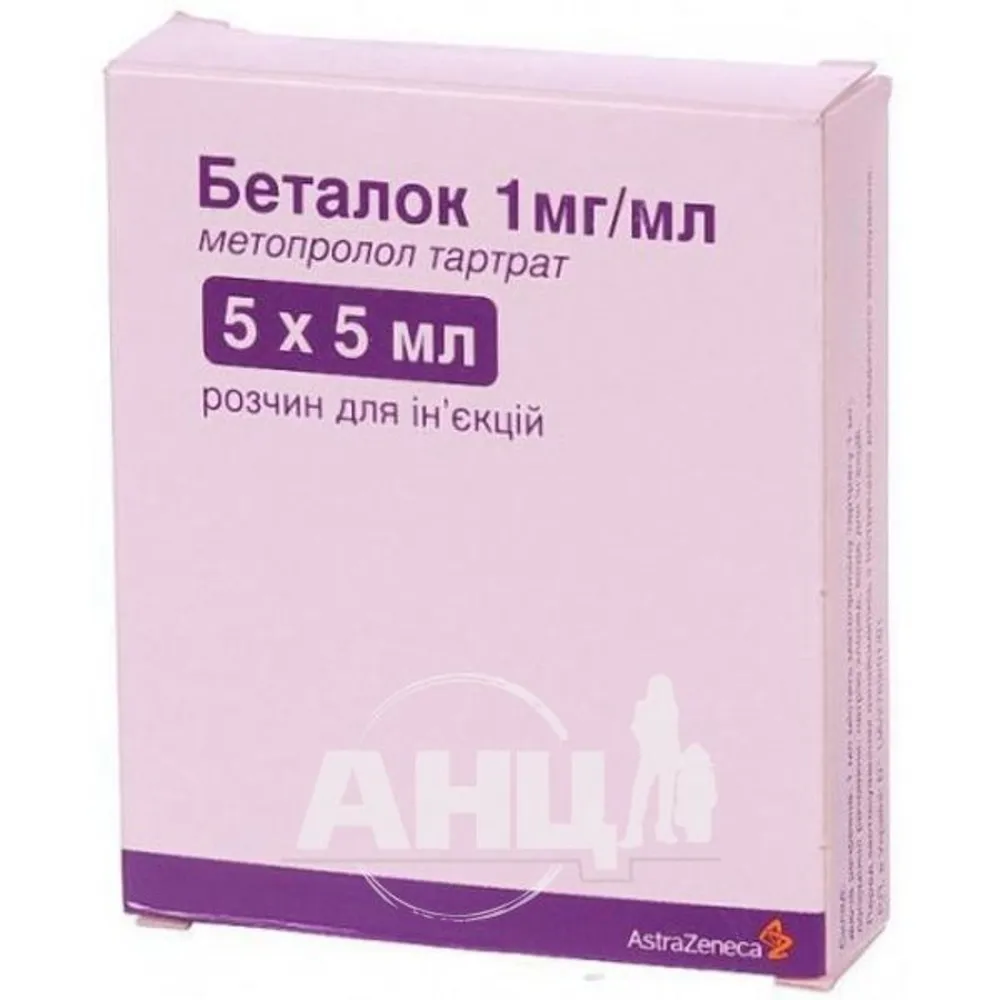
Table of Contents
INSTRUCTIONS FOR MEDICAL USE OF THE MEDICINAL PRODUCT BETALOC (BETALOC®)
Composition:
Active substance: metoprolol tartrate;
1 ml of injection solution contains 1 mg of metoprolol tartrate;
Excipients: sodium chloride, water for injections.
Pharmaceutical form. Injection solution.
Main physicochemical properties: clear, colorless solution.
Pharmacotherapeutic group. Selective beta-adrenoreceptor blockers.
ATC code C07AB02.
Pharmacological properties.
Pharmacodynamics.
Intravenous metoprolol therapy in myocardial infarction reduces the intensity of chest pain and decreases the incidence of atrial fibrillation and flutter. Early administration (within 24 hours of the onset of first symptoms) helps limit the development and spread of myocardial infarction. Early initiation of therapy enhances the benefits of treatment.
In paroxysmal supraventricular tachycardia and atrial fibrillation/flutter, a reduction in ventricular heart rate is observed.
Metoprolol is a selective beta1-receptor blocker, meaning that at lower doses it affects cardiac beta1-receptors more than beta2-receptors of peripheral blood vessels and bronchi. With increasing doses, beta1-selectivity may decrease.
Metoprolol has no beta-stimulating effect and exhibits minimal membrane-stabilizing activity. Beta-receptor blockers exert negative inotropic and chronotropic effects.
Metoprolol reduces the effects of catecholamines during physical and psychoemotional stress, decreases heart rate, cardiac output, and arterial pressure. In stressful situations associated with increased adrenaline release from adrenal glands, metoprolol does not interfere with normal physiological vasodilation. At therapeutic doses, metoprolol causes less bronchial smooth muscle contraction than non-selective beta-blockers. This property allows metoprolol to be used in combination with beta2-receptor agonists in patients with bronchial asthma or other significant obstructive lung diseases. Metoprolol affects insulin release and carbohydrate metabolism to a lesser extent than non-selective beta-blockers, and therefore it can also be used in patients with diabetes mellitus. Cardiovascular responses to hypoglycemia, particularly tachycardia, are less pronounced with metoprolol, and blood glucose recovery occurs more rapidly compared to non-selective beta-receptor blockers.
Pharmacokinetics.
Metoprolol is metabolized in the liver primarily via CYP2D6. Three major metabolites have been identified, none of which exerts any clinically significant beta-blocking effect. The elimination half-life from plasma is 3–5 hours. Approximately 5% of metoprolol is excreted unchanged by the kidneys, and the remainder is excreted as metabolites.
Clinical characteristics.
Indications.
- Supraventricular tachyarrhythmia.
- Prevention and treatment of myocardial ischemia, tachyarrhythmia, and pain when myocardial infarction is suspected or diagnosed.
Contraindications.
- Cardiogenic shock.
- Sick sinus syndrome (in the absence of a permanent pacemaker).
- Second- and third-degree atrioventricular block.
- Unstable, uncompensated heart failure (pulmonary edema, hypoperfusion, or arterial hypotension); ongoing or intermittent inotropic therapy with beta-adrenergic agonists.
- Symptomatic bradycardia or arterial hypotension. Metoprolol should not be administered to patients with suspected acute myocardial infarction until heart rate is ≥ 45 beats per minute, the P-Q interval is ≤ 0.24 seconds, and systolic blood pressure is ≥ 100 mm Hg.
- Systolic blood pressure below 110 mm Hg in patients with supraventricular tachyarrhythmia.
- Severe peripheral vascular disease with risk of gangrene.
- Known hypersensitivity to metoprolol tartrate, other beta-blockers, or any of the excipients.
Interaction with other medicinal products and other forms of interaction.
Metoprolol is a substrate of the CYP2D6 enzyme. Drugs that inhibit CYP2D6 activity, such as quinidine, terbinafine, paroxetine, fluoxetine, sertraline, celecoxib, propafenone, and diphenhydramine, may affect plasma concentrations of metoprolol. When initiating treatment with these drugs, a dose reduction of the medicinal product Betaloc may be necessary in patients receiving this agent.
Combinations with Betaloc that should be avoided
Barbiturates: barbiturates (studied with pentobarbital) stimulate the metabolism of metoprolol via enzyme induction.
Propafenone: in 4 patients receiving metoprolol, administration of propafenone increased plasma concentrations of metoprolol by 2–5 times, and 2 patients developed adverse effects typical of metoprolol. This interaction has been confirmed in 8 healthy volunteers. The interaction may be explained by the fact that propafenone, like quinidine, inhibits the metabolism of metoprolol via the cytochrome P450 2D6 system. The consequences of this combination are likely difficult to manage, as propafenone also has beta-blocking properties.
Verapamil: in combination with beta-blockers (reported for atenolol, propranolol, and pindolol), verapamil may cause bradycardia and a drop in blood pressure. Verapamil and beta-blockers have additive inhibitory effects on atrioventricular conduction and sinus node function.
Combinations with Betaloc that may require dose adjustment
Amiodarone: one case has demonstrated that pronounced sinus bradycardia may develop in patients receiving amiodarone when co-administered with metoprolol. Amiodarone has an extremely long elimination half-life (approximately 50 days), meaning that the interaction may persist for a prolonged period after discontinuation of the drug.
Class I antiarrhythmic agents: class I antiarrhythmics and beta-blockers have additive negative inotropic effects, which may lead to serious hemodynamic adverse effects in patients with impaired left ventricular function. This combination should also be avoided in sick sinus syndrome and atrioventricular conduction disturbances. This interaction is best documented for disopyramide.
Non-steroidal anti-inflammatory and antirheumatic drugs (NSAIDs): NSAIDs have been shown to antagonize the antihypertensive effect of beta-blockers. Indomethacin is the most studied. This interaction is unlikely with sulindac. Negative interaction studies have been conducted with diclofenac.
Diphenhydramine: diphenhydramine reduces (by 2.5 times) the clearance of metoprolol to alpha-hydroxymetoprolol via the CYP2D6 system in individuals who are rapid hydroxylators. The effects of metoprolol are enhanced.
Digitalis glycosides: concomitant use of digitalis glycosides and beta-receptor blockers may prolong atrioventricular conduction time and may also lead to the development of bradycardia.
Diltiazem: diltiazem and beta-receptor blockers have additive inhibitory effects on AV conduction and sinus node function. Marked bradycardia has been observed (case reports) during combined therapy with diltiazem.
Epinephrine: after epinephrine (adrenaline) administration in patients taking non-selective beta-receptor blockers (including pindolol and propranolol), marked arterial hypertension and bradycardia have occurred (approximately 10 reports). These clinical observations have been confirmed in studies involving healthy volunteers. It has also been suggested that epinephrine used in local anesthesia may provoke such reactions if inadvertently administered intravascularly. This risk is likely lower with cardioselective beta-blockers.
Phenylpropanolamine: phenylpropanolamine (norephedrine), at a single dose of 50 mg, may cause pathological increases in diastolic blood pressure in healthy volunteers. Propranolol generally counteracts the blood pressure increase caused by phenylpropanolamine. However, beta-receptor blockers may provoke paradoxical hypertensive reactions in patients taking high doses of phenylpropanolamine. Hypertensive crisis has been described in several cases during treatment with phenylpropanolamine alone.
Quinidine: quinidine inhibits the metabolism of metoprolol in individuals who are rapid hydroxylators (more than 90% of the Swedish population), leading to significantly increased plasma levels and enhanced beta-receptor blockade. A similar interaction may occur with other beta-blockers metabolized by the same enzyme (cytochrome P450 2D6).
Clonidine: beta-blockers may potentiate the hypertensive response upon abrupt withdrawal of clonidine. If concomitant clonidine therapy needs to be discontinued, the beta-blocker should be withdrawn several days before stopping clonidine.
Rifampicin: rifampicin may stimulate the metabolism of metoprolol, leading to reduced plasma levels.
Patients receiving concomitant treatment with other beta-blockers (e.g., as eye drops) or monoamine oxidase inhibitors (MAO inhibitors) should be closely monitored. The administration of inhaled anesthetics to patients receiving beta-receptor blockers enhances the cardiodepressive effect. Patients receiving beta-adrenergic receptor blockers may require adjustment of the dose of oral antidiabetic agents. Plasma concentrations of metoprolol may increase when cimetidine or hydralazine are co-administered.
Special precautions for use.
Verapamil should not be administered intravenously to patients receiving beta-blocker therapy.
When treating patients with suspected or confirmed heart failure, the patient's hemodynamic status should be carefully monitored after each dose. Treatment must be discontinued if any increase in dyspnea or cold sweating occurs.
Metoprolol may exacerbate symptoms of peripheral arterial circulation disorders, such as intermittent claudication. Severe renal impairment.
Severe acute conditions associated with metabolic acidosis. Combined therapy with cardiac glycosides. Betaloc should not be prescribed to patients with latent or manifest heart failure without concomitant treatment.
In patients with Prinzmetal's angina, the frequency and severity of angina attacks may increase due to alpha-receptor-mediated coronary vasoconstriction. For this reason, non-selective beta-blockers should not be prescribed to such patients. Selective beta1-receptor blockers should be used with caution.
When treating patients with bronchial asthma or other chronic obstructive pulmonary diseases, adequate bronchodilator therapy should be administered concomitantly. An increased dose of beta2-receptor agonists may be required.
Metoprolol therapy may affect carbohydrate metabolism or mask the symptoms of hypoglycemia, although this risk is lower than with non-selective beta-blockers.
Very rarely, the condition of patients with pre-existing moderate AV conduction disturbances may worsen (potentially leading to the development of AV block).
Beta-blocker therapy may reduce the effectiveness of treatment for anaphylactic reactions. If Betaloc is prescribed to patients with pheochromocytoma, concomitant alpha-blocker therapy should be considered.
If discontinuation of Betaloc therapy becomes necessary, it should be done gradually over a period of 2 weeks, as abrupt withdrawal may worsen angina symptoms and increase the risk of myocardial infarction.
In case of surgical intervention, the anesthesiologist must be informed that the patient is receiving Betaloc. Patients undergoing surgery should not discontinue beta-blocker therapy. Emergency initiation of high-dose metoprolol in patients scheduled for non-cardiac surgery should be avoided, as this may lead to bradycardia, arterial hypotension, and stroke, including fatal outcomes in patients with existing cardiovascular risk factors.
The second or third dose of the drug should not be administered if the heart rate is < 40 beats/minute, systolic blood pressure is < 90 mm Hg, or the P-Q interval is > 0.26 seconds.
The medicinal product Betaloc, injection solution, contains less than 1 mmol (23 mg)/dose of sodium, i.e., it is practically sodium-free.
Use during pregnancy or breastfeeding.
Pregnancy.
Betaloc should not be used during pregnancy or breastfeeding unless absolutely necessary. In general, beta-blockers reduce placental blood flow, which may result in intrauterine growth retardation, intrauterine fetal death, miscarriage, and preterm labor. Therefore, appropriate monitoring of the pregnant woman and fetus is recommended when metoprolol is administered during pregnancy. Beta-blockers may cause bradycardia in the fetus and newborn. This should be taken into account when prescribing these drugs during the third trimester of pregnancy and around the time of delivery.
Betaloc should be gradually discontinued 48–72 hours before the planned delivery. If this is not possible, the newborn should be monitored for 48–72 hours after delivery to detect symptoms of beta-adrenergic receptor blockade (e.g., cardiac and pulmonary complications).
Breastfeeding.
The concentration of metoprolol in breast milk is approximately three times higher than the plasma concentration in the mother. The risk of adverse reactions in breastfed infants is low when the mother is receiving therapeutic doses of the drug. However, monitoring of the breastfed infant is recommended, with attention to signs of beta-adrenergic receptor blockade.
Ability to affect reaction speed when driving or operating machinery.
Dizziness and fatigue may occur during treatment with Betaloc. Patients whose activities require high concentration, such as driving a vehicle or operating machinery, should be warned about the possible occurrence of these effects.
Method of Administration and Dosage
Parenteral administration of Betaloc should be performed under the supervision of specially trained personnel in facilities where arterial pressure can be measured, ECG can be performed, and resuscitation measures can be carried out.
Supraventricular tachyarrhythmia
Initially, the drug should be administered intravenously at a dose of 5 mg (= 5 mL) at a rate of 1–2 mg/min. This dose may be repeated every 5 minutes until the desired effect is achieved. Usually, a total dose of 10–15 mg (= 10–15 mL) is sufficient. The recommended maximum dose for intravenous administration is 20 mg (= 20 mL).
Prevention and treatment of myocardial ischemia, tachyarrhythmia, and pain in suspected or diagnosed myocardial infarction
Acute condition: the drug should be administered intravenously at a dose of 5 mg (= 5 mL). This dose may be repeated every 2 minutes; the maximum dose is 15 mg (= 15 mL). 15 minutes after the last injection, 50 mg of metoprolol tartrate should be administered orally every 6 hours for 48 hours. For long-term (oral) therapy, Betaloc ZOK sustained-release tablets should be prescribed.
For information on when this treatment should not be prescribed, see sections "Contraindications" and "Special precautions".
The diluted injection solution should be used within 12 hours.
Renal impairment
Renal function has only a minor effect on the elimination rate of the drug; therefore, dose adjustment is not necessary in patients with impaired renal function.
Hepatic impairment
Generally, patients with liver cirrhosis may receive the same dose of metoprolol as patients with normal liver function. However, in cases of severe hepatic impairment (e.g., patients who have undergone shunt surgery), dose reduction should be considered.
Elderly patients
Dose adjustment is not required.
Children
Experience with Betaloc treatment in children is limited.
Overdose
Toxicity
Administration of the drug at a dose of 7.5 g in adults has led to intoxication with fatal outcomes. Administration of the drug at a dose of 100 mg in a 5-year-old child did not cause any symptoms after gastric lavage. Administration of the drug at doses of 450 mg in a 12-year-old child and 1.4 g in an adult caused moderate intoxication; administration at a dose of 2.5 g in an adult led to severe intoxication, and administration at a dose of 7.5 g in an adult resulted in very severe intoxication.
Symptoms
The most important symptoms are cardiovascular; however, in some cases, particularly in children and young individuals, central nervous system (CNS) symptoms and respiratory depression may predominate. Bradycardia, I–III degree AV block, QT interval prolongation (rare cases), asystole, arterial hypotension, inadequate peripheral perfusion, heart failure, cardiogenic shock. Respiratory depression, apnea. Other symptoms: fatigue, confusion, loss of consciousness, fine tremor, seizures, sweating, paresthesia, bronchospasm, nausea, vomiting, possible esophageal spasm, hypoglycemia (especially in children) or hyperglycemia, hyperkalemia. Renal effects. Transient myasthenic syndrome. Concurrent intake of alcohol, antihypertensive drugs, quinidine, or barbiturates may worsen the patient's condition. Initial signs of overdose may appear 20 minutes to 2 hours after oral administration.
Treatment
Treatment should be conducted in a unit capable of providing appropriate therapeutic interventions, monitoring, and observation.
Atropine, adrenergic stimulants, or pacemaker for correction of bradycardia and conduction disturbances.
Therapeutic measures for arterial hypotension, acute myocardial infarction, and shock should include adequate increase in circulating blood volume, administration of glucagon (with subsequent intravenous glucagon infusion if necessary), intravenous administration of an adrenergic stimulant such as dobutamine, adding α1-receptor agonists if vasodilation occurs. Intravenous Ca2+ may also be administered.
Intubation and artificial ventilation of the lungs should be performed with very broad indications. A cardiac pacemaker may be used. In case of circulatory arrest due to overdose, prolonged resuscitation measures may be required.
Bronchospasm can usually be relieved by bronchodilators.
Adverse reactions.
Adverse reactions occur in approximately 10% of patients and are generally dose-dependent.
The adverse reactions associated with the use of metoprolol are listed below, grouped by system organ class and frequency.
The following frequency definitions are used: very common (≥ 1/10), common (≥ 1/100 to < 1/10), uncommon (≥ 1/1000 to < 1/100), rare (≥ 1/10000 to < 1/1000), very rare (< 1/10000), frequency not known (cannot be estimated based on available data).
| Cardiac disorders. |
|
| Common: |
bradycardia, palpitations. |
| Uncommon: |
chest pain, transient worsening of heart failure, cardiogenic shock in patients with acute myocardial infarction. |
| Rare: |
prolongation of AV conduction time, cardiac arrhythmias. |
| Blood and lymphatic system disorders. |
|
| Rare: |
thrombocytopenia. |
| Nervous system disorders. |
|
| Common: |
headache, dizziness. |
| Uncommon: |
paraesthesia. |
| Eye disorders. |
|
| Rare: |
visual disturbances, dryness and/or eye irritation. |
| Frequency unknown: |
conjunctivitis. |
| Ear and labyrinth disorders. |
|
| Rare: |
tinnitus. |
| Respiratory, thoracic and mediastinal disorders. |
|
| Common: |
dyspnea on exertion. |
| Uncommon: |
bronchospasm in patients with bronchial asthma or asthmatic conditions. |
| Frequency unknown: |
rhinitis. |
| Gastrointestinal disorders. |
|
| Common: |
abdominal pain, nausea, vomiting, diarrhea, constipation. |
| Rare: |
taste disturbances. |
| Frequency unknown: |
dry mouth. |
| Skin and subcutaneous tissue disorders. |
|
| Uncommon: |
skin hypersensitivity reactions. |
| Rare: |
psoriasis exacerbation, photosensitization reactions, sweating, alopecia. |
| Musculoskeletal and connective tissue disorders. |
|
| Frequency unknown: |
muscle cramps, joint pain. |
| Vascular disorders. |
|
| Common: |
peripheral coldness in extremities. |
| Rare: |
fainting. |
| Frequency unknown: |
gangrene in patients with severe peripheral vascular disorders. |
| General disorders and administration site conditions. |
|
| Very common: |
increased fatigue. |
| Uncommon: |
edema, weight gain. |
| Hepatobiliary disorders. |
|
| Rare: |
elevated transaminase levels. |
| Frequency unknown: |
hepatitis. |
| Reproductive system and breast disorders. |
|
| Rare: |
reversible libido dysfunction. |
| Psychiatric disorders. |
|
| Uncommon: |
depression, nightmares, sleep disturbances. |
| Rare: |
memory impairment, confusion, nervousness, anxiety, hallucinations. |
| Frequency unknown: |
attention concentration disturbances. |
When administered intravenously, Betaloc may rarely cause clinically significant reduction in arterial pressure.
Reporting of suspected adverse reactions
Reporting suspected adverse reactions after medicine authorization is important. It allows continued monitoring of the benefit/risk balance of the medicine. Healthcare professionals are requested to report any suspected adverse reactions.
Shelf life. 5 years.
Storage conditions. Store at temperatures not exceeding 25 °C. Keep out of reach and sight of children.
Incompatibilities (if applicable).
40 ml (8 ampoules) of Betaloc injection solution, corresponding to 40 mg of metoprolol tartrate, may be added to 1000 ml of one of the following infusion solutions: sodium chloride 9 mg/ml, mannitol 150 mg/ml, glucose 100 mg/ml, glucose 50 mg/ml, fructose 200 mg/ml, invertose 100 mg/ml, Ringer's solution, Ringer's solution with glucose, Ringer's solution with acetate.
It is not permissible to add Betaloc 1 mg/ml injection solution to Macrodex.
Packaging. 5 ml of solution in an ampoule. 5 ampoules per cardboard box.
Prescription status. Prescription only.
Manufacturer. Sanofi, France.
Address of the manufacturer and its place of business. 52 Rue Marcel et Jacques Guerit 94120 Fontenay-sous-Bois, France.