Bactek-mv130
Ukraine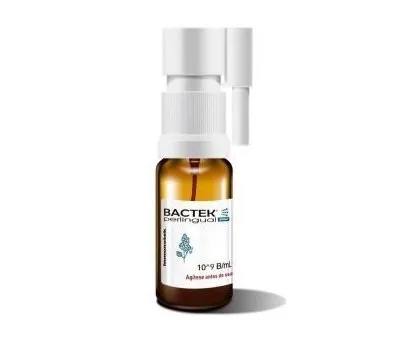
Table of Contents
INSTRUCTION for medical use of the medicinal product BACTEK-MV130
Composition:
Active substances: 1 ml of suspension contains 300 FTU (approximately 10^9 bacteria/ml): inactivated bacterial strains V101 S. epidermidis 15 %, V102 S. aureus 15 %, V104 S. pneumoniae 60 %, V103 H. influenzae 3 %, V105 M. catarrhalis 3 %, V113 K. pneumoniae 4 %;
Excipients: glycerol (E 422), sodium chloride, artificial pineapple flavor, propylene glycol, water for injections.
Concentration is defined as FTU/ml (formazin turbidity units/ml).
Pharmaceutical form. Sublingual spray, suspension.
Pharmacotherapeutic group.
Antibacterial agents for systemic use. Bacterial vaccines. Other bacterial vaccines. ATC code J07AX.
Immunological and biological properties.
Mechanism of action
BACTEK-MV130 acts by stimulating the immune system, thereby increasing resistance to recurrent infections.
The medicinal product BACTEK-MV130 is intended for the prevention of various recurrent respiratory infections caused by bacteria included in its composition as active substances, as well as unrelated pathogens such as viruses. The aim is to induce both specific and non-specific responses of the innate and adaptive immune systems.
Pharmacodynamics.
The pharmacodynamic effect is directed at the immune system. The medicinal product BACTEK-MV130 immunomodulates the function of human dendritic cells, inducing the production of cytokines, particularly IL-12, TNF-α, and IL-10. In addition, BACTEK-MV130 stimulates Th1, Th17, and IL-10 responses via human T-cells. In animal models, sublingual immunization with this bacterial preparation demonstrates systemic Th1, Th17, and IL-10 responses in the spleen to both related and unrelated stimuli. BACTEK-MV130 induces so-called trained immunity (memory of the innate immune system) in experimental models, resulting in protection against viral infection, as well as in human monocytes in vitro.
Furthermore, BACTEK-MV130 promotes the induction of serum antibodies (immunoglobulin (Ig) A) against the bacteria contained in the preparation, and enhances the induction of IgA antibodies in the mucosa of the respiratory tract.
Clinical efficacy and safety
The efficacy and safety of BACTEK-MV130 in recurrent wheezing, a condition primarily caused by viral infections, were evaluated in a randomized, double-blind, placebo-controlled, multicenter phase III clinical trial involving 120 children aged 5–36 months. Children who had experienced at least three episodes of wheezing (W) during the previous 12 months received BACTEK-MV130 administered sublingually (2 sprays daily) for 6 months. The follow-up observation period lasted 12 months from the start of treatment.
Regarding efficacy, the number of W episodes was 176 in the active treatment group and 299 in the placebo group. The median number of W episodes per child over 12 months of the clinical trial (primary outcome) was 3.0 [IOR, 2.0–4.0] in the BACTEK-MV130 group compared to 5.0 [IQR, 3.0–7.0] in the placebo group (p < 0.001). Thus, treatment with BACTEK-MV130 resulted in a 40% improvement compared to placebo. The total mean number of days with W and the mean duration of W episodes, both secondary efficacy endpoints, were also significantly lower in the BACTEK-MV130 group (p < 0.001 and p < 0.005, respectively). The number of patients without new W episodes was 6 in the active treatment group and 0 in the placebo group (p = 0.029); the number of children who continued to experience recurrent wheezing (≥ three W episodes/year) was 36 (58%) in the active treatment group and 45 (80%) in the placebo group (p = 0.009).
Significant differences were observed in the number of days to the first W episode after treatment initiation in the active treatment group compared to placebo (p < 0.001). Similarly, differences were observed during the post-treatment observation period in the same study (p < 0.001), indicating that protection lasts for at least 6 months after discontinuation of BACTEK-MV130 treatment.
Regarding safety, no adverse reactions were reported.
Efficacy and safety in non-interventional studies
A prospective, open-label pilot study was conducted to evaluate the clinical outcomes and immunomodulatory properties of bacterial immunotherapy with BACTEK-MV130 administered sublingually daily for 6 months in patients with recurrent respiratory tract infections (RRTIs). Seventeen patients (5 males and 12 females), with a mean age of 46.6 years (range 21–77), were included in the study. All patients had experienced recurrent upper and lower respiratory tract infections during the 12 months prior to enrollment. The study included 6 months of daily treatment and 6 months of follow-up observation.
At each visit during the study (Day 0, Month 3, Month 6, and then every three months for one year), all patients were closely monitored for safety and clinical assessment. The number of infectious respiratory episodes before and after BACTEK-MV130 treatment was considered the primary variable for clinical outcome. Patients received antibiotics only as deemed necessary by their physician for managing RRTIs.
Clinical evaluation throughout the study showed a significant reduction in the total number of upper and lower respiratory tract infection episodes after BACTEK-MV130 treatment compared to the number of RRTIs recorded during the 12 months prior to treatment initiation (p = 0.0001). In addition to reduced frequency of RRTIs, clinical improvement was also observed in terms of severity and duration of infectious respiratory events.
A retrospective study involving 88 adult patients with recurrent tonsillitis was conducted to assess whether mucosal bacterial prophylaxis with BACTEK-MV130 in combination with antibacterial agents could provide clinical improvement and avoid tonsillectomy. In the group receiving only antibacterial agents (n = 66), 53% of patients avoided tonsillectomy, compared to the group receiving BACTEK-MV130 in addition to antibiotics (n = 18), where 82% of patients experienced clinical improvement and avoided tonsillectomy (p = 0.023). An additional aspect of this study was the reduction in healthcare resource utilization after BACTEK-MV130 treatment. Regarding safety, no patient reported any local or systemic adverse effects related to BACTEK-MV130 therapy. All patients completed the treatment.
In a retrospective, non-experimental study, 10 patients with common variable immunodeficiency who had RRTIs received BACTEK-MV130 treatment for 3 months and were followed for 12 months from the start of treatment. During the 12 months after treatment initiation, these patients showed a significant reduction in infection rate (p = 0.006). A reduction in antibiotic use and the number of unplanned outpatient visits was also observed (p = 0.005 and p = 0.002, respectively). Similar results were reported in a recently published retrospective pilot study, where a cohort of 15 patients diagnosed with hematological malignancies and RRTIs received BACTEK-MV130. None of the patients reported any adverse reactions related to treatment. All patients showed a reduced infection rate. A reduction in antibiotic use, visits to the general practitioner, and hospitalization rates was also demonstrated. In a real-life pilot study involving patients with autoimmune diseases receiving immunosuppressive therapy, 14 patients with RRTIs received BACTEK-MV130 for 3 months, with clinical assessment conducted over 12 months of follow-up after the first dose. A significant reduction in the frequency of RRTIs was observed at 12 months compared to the previous year (p = 0.002). Antibiotic prescriptions, unplanned physician visits, and hospitalization rates in these patients significantly decreased. During one year of follow-up from the start of BACTEK-MV130 therapy, no adverse reactions or relapses of systemic autoimmune diseases were observed.
In several studies using BACTEK-MV130 for the prevention of RRTI recurrences, good tolerability and absence of adverse reactions were reported during and for 3–6 months after daily administration of BACTEK-MV130. In post-marketing studies involving thousands of BACTEK-MV130 treatments, only 5 spontaneous cases of adverse reactions have been reported worldwide over the past 9 years of product use.
Pharmacokinetics.
Due to the route of administration, the active substances (inactivated bacterial strains) are not absorbed into the vascular system. Therefore, pharmacokinetic studies in animals or clinical studies on the pharmacokinetic profile and metabolism of BACTEK-MV130 have not been conducted.
Preclinical safety data
Preclinical data reveal no special hazard to humans based on standard repeated-dose toxicity studies, local tolerance, and safety assessments performed during pharmacodynamic/mechanism of action studies.
Clinical characteristics.
Indications.
Immunotherapeutic medicinal product is indicated for adults and children (children and infants from 6 months of age) for the prevention of recurrent bacterial respiratory tract infections.
Contraindications.
Hypersensitivity to the components of the drug (see section "Composition").
Interaction with other medicinal products and other forms of interaction.
Interaction with other medicinal products has not been studied.
Special precautions for use
The medicinal product should be administered exclusively by a physician.
Any unused medicinal product or waste material must be disposed of in accordance with local requirements.
The medicinal product contains fully inactivated microorganisms and therefore has no infective capacity.
This medicinal product contains less than 1 mmol of sodium (23 mg) per 1 ml, i.e. it is practically sodium-free.
Children
No special precautionary measures are required for use in children.
Use during pregnancy or breastfeeding
Pregnancy
Data on the use of the medicinal product BAKTEK-MV130 in pregnant women are lacking or limited; therefore, this medicinal product is not recommended during pregnancy.
Breastfeeding
There is insufficient information on the effect of the medicinal product BAKTEK-MV130 on newborns/infants; therefore, administration of this medicinal product is not recommended during breastfeeding.
Fertility
No data available.
Ability to influence reaction speed when driving or operating machinery
Allergen preparations do not affect the ability to drive or operate machinery.
Method of Administration and Dosage
The recommended dose is 2 sprays per day in a single administration (one dose – 2 sprays), with a total daily dose of 0.2 mL.
Method of Administration
BACTEK-MV130 is administered sublingually:
- Remove the plastic cap from one vial.
- Gently shake the vial.
- Turn the nozzle aside. Press 3 or 4 times to prime the pump mechanism (only required when first activating the vial).
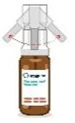
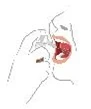
- Lift the tongue, direct the nozzle under the tongue, and spray twice to administer the appropriate dose.
**
**
- Hold the medication under the tongue for approximately 1–2 minutes before swallowing.
- Turn the nozzle back to its original upright position, thereby locking the spray mechanism.
- Return the vial back into the box and store as indicated in the section "Storage Conditions".
The treatment course lasts approximately 45 or 90 days (3 months).
Children
Based on previous clinical experience, the recommended dose for children and infants is the same as that for adults.
Overdose
There have been no reported cases of overdose with BACTEK-MV130 to date. Due to the nature of the product, overdose is unlikely.
In the event of accidental overdose or incorrect use, some adverse reactions may occur in patients (see section "Adverse Reactions").
Adverse reactions.
In rare cases, discomfort in the oropharynx may occur. The presence of gastrointestinal disorders does not mean that treatment should be interrupted or postponed, but monitoring of drug administration may be required, since the tablet should be held under the tongue for 1–2 minutes before swallowing.
Information on adverse reactions listed below was obtained from clinical trials, spontaneous reports, and medical literature.
Adverse reactions are classified by frequency: very common (≥ 1/10); common (≥ 1/100 to < 1/10); uncommon (≥ 1/1000 to < 1/100); rare (≥ 1/10000 to < 1/1000); very rare (< 1/10000), frequency not known (cannot be estimated from the available data).
All adverse effects should be reported to a physician.
| Classes and organ systems |
Very common |
Common |
Uncommon |
Rare |
Very rare |
| Infections and infestations |
Rhinitis |
||||
| Nervous system disorders |
Tremor |
||||
| Respiratory system disorders |
Cough Bronchospasm Asthmatic attack Oropharyngeal edema |
||||
| Gastrointestinal disorders |
Oral cavity erythema Rash in the oral cavity Palatal edema Dysphagia |
||||
| Skin and subcutaneous tissue disorders |
Pruritus |
Rash Erythema |
|||
| General disorders and administration site reactions |
Asthenia Mucosal inflammation |
Most adverse reactions are very rare. They may be local (at the site of administration) or systemic.
Local reactions (oropharyngeal), although infrequent, are the most commonly reported events. Their presence does not necessarily require discontinuation or postponement of treatment, but monitoring of administration may be needed.
Systemic adverse reactions such as malaise, rash, and generalized pruritus may occur rarely. In addition, a very small number of cases of asthma or asthma exacerbation have been reported, and in the event of the latter, treatment should be discontinued and immediate medical advice must be sought.
Reporting of suspected adverse reactions
Reporting suspected adverse reactions after authorization of the medicinal product is of great importance. It allows ongoing monitoring of the benefit-risk balance of the medicinal product. Healthcare professionals and pharmacists, as well as patients or their legal representatives, should report all suspected adverse reactions and lack of efficacy via the Automated Information System for Pharmacovigilance at the following link: https://aisf.dec.gov.ua/.
Shelf life.
3 years.
Storage period after first opening of the vial: 45 days.
Storage conditions.
Store in the original packaging in a dark place.
Store in a refrigerator (2–8 °C). Keep out of reach of children.
Packaging.
2 vials of 9 ml each, closed with a plastic applicator with built-in spray pump, in a plastic box.
Prescription status.
Prescription only.
Manufacturer.
INMUNOTECH, S.L.
Manufacturer's address and location of its business operations.
Calle Punto Móvil, 5, Alcalá de Henares, 28805 Madrid, Spain