Acecor cardio
Ukraine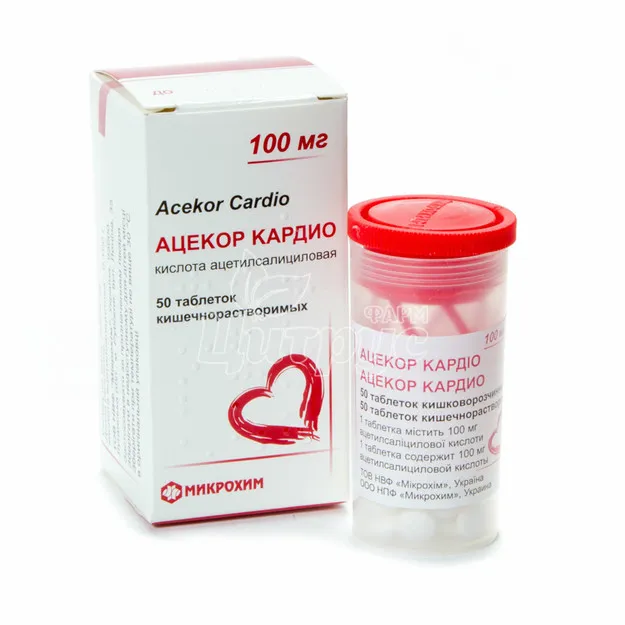
Table of Contents
- INSTRUCTIONS FOR MEDICAL USE OF THE MEDICINAL PRODUCT AÇEKOR CARDIO
- Composition:
- Pharmacological Properties.
- Clinical characteristics.
- Special precautions for use.
- Method of Administration and Dosage
- Adverse Reactions.
- Composition:
- Pharmacological Properties.
- Clinical characteristics.
- Special precautions for use.
- Method of Administration and Dosage
- Side effects.
INSTRUCTIONS FOR MEDICAL USE OF THE MEDICINAL PRODUCT AÇEKOR CARDIO
Composition:
Active substance: acetylsalicylic acid;
1 tablet contains 100 mg of acetylsalicylic acid;
Excipients: potato starch; talc; microcrystalline cellulose; citric acid monohydrate; triethyl citrate; methacrylic acid copolymer (type A).
Pharmaceutical form. Enteric-coated tablets.
Main physicochemical properties: white tablets with a biconvex smooth surface, film-coated.
Pharmacotherapeutic group.
Antithrombotic agents. Antiplatelet agents, excluding heparin. Acetylsalicylic acid. ATC code B01AC06.
Pharmacological Properties.
Pharmacodynamics.
Acetylsalicylic acid inhibits platelet aggregation by blocking the synthesis of thromboxane A2. Its mechanism of action involves irreversible inactivation of the enzyme cyclooxygenase (COX-1). This inhibitory effect is particularly pronounced in platelets, as they are unable to resynthesize the enzyme. It is also recognized that acetylsalicylic acid exerts other inhibitory effects on platelets, which allow its use in various vascular diseases.
Acetylsalicylic acid belongs to the group of nonsteroidal anti-inflammatory drugs (NSAIDs) with analgesic, antipyretic, and anti-inflammatory properties. When administered orally in higher doses, acetylsalicylic acid can be used to relieve pain and mild febrile conditions such as colds and flu, to reduce fever and alleviate joint and muscle pain, as well as in acute and chronic inflammatory conditions such as rheumatoid arthritis, osteoarthritis, and ankylosing spondylitis.
Pharmacokinetics.
After oral administration, acetylsalicylic acid is rapidly and completely absorbed from the gastrointestinal tract. During and after absorption, it is converted into its main active metabolite – salicylic acid. Maximum plasma concentration of acetylsalicylic acid is reached within 10–20 minutes, and of salicylic acid within 20–120 minutes. Due to the enteric coating of the 100 mg tablets of ACECOR CARDIO, release of the active substance occurs not in the stomach, but in the alkaline environment of the intestine. Therefore, absorption of acetylsalicylic acid is delayed to 3–6 hours after administration of the enteric-coated tablet, compared to a conventional acetylsalicylic acid tablet.
Acetylsalicylic acid and salicylic acid are highly bound to plasma proteins and rapidly distributed throughout the body. Salicylic acid crosses the placental barrier and is also excreted in breast milk.
Salicylic acid is metabolized primarily in the liver. Metabolites of salicylic acid include salicyluric acid, phenolic and acyl glucuronides of salicylic acid, gentisic acid, and gentisuric acid.
The elimination kinetics of salicylic acid are dose-dependent, as metabolism is limited by hepatic enzyme capacity. The elimination half-life depends on the dose and increases from 2–3 hours with low doses to up to 15 hours with high doses. Salicylic acid and its metabolites are primarily excreted by the kidneys.
Preclinical Data.
The preclinical safety profile of acetylsalicylic acid is well documented.
In animal studies, salicylates at high doses caused kidney damage but did not produce any other organ toxicity.
Acetylsalicylic acid has been extensively studied for mutagenicity both in vitro and in vivo, and no evidence of mutagenic potential has been found. The same applies to carcinogenicity studies.
Salicylates showed teratogenic effects in animal studies of various species. Impairments of implantation, embryotoxic and fetotoxic effects, and learning deficits in offspring have been reported following prenatal administration of the drug.
Clinical characteristics.
Indications.
For reduction of risk:
- of death in patients with suspected acute myocardial infarction;
- of morbidity and mortality in patients who have suffered myocardial infarction;
- of transient ischemic attacks (TIA) and stroke in patients with TIA;
- of morbidity and mortality in stable and unstable angina pectoris;
- of myocardial infarction in patients with high risk of cardiovascular complications (diabetes mellitus, controlled arterial hypertension) and individuals with multifactorial risk of cardiovascular diseases (hyperlipidemia, obesity, smoking, advanced age).
For prevention of:
- thrombosis and embolism following vascular surgery (percutaneous transluminal coronary angioplasty (PTCA), carotid endarterectomy, coronary artery bypass grafting (CABG), arteriovenous shunting);
- deep vein thrombosis and pulmonary artery embolism following prolonged immobilization (after surgical procedures).
For secondary prevention of stroke.
Contraindications.
- Hypersensitivity to acetylsalicylic acid, other salicylates, or to any component of the medicinal product;
- asthma in medical history induced by salicylates or substances with similar action, especially NSAIDs;
- hemorrhagic diathesis;
- active peptic ulcers;
- severe hepatic insufficiency;
- severe renal insufficiency;
- severe heart failure;
- combination with methotrexate at doses of 15 mg/week or higher (see section "Interaction with other medicinal products and other forms of interaction");
- third trimester of pregnancy.
Interaction with other medicinal products and other forms of interaction.
Contraindications for concomitant use.
The use of acetylsalicylic acid and methotrexate at doses of 15 mg/week or higher increases hematological toxicity of methotrexate (due to decreased renal clearance of methotrexate by anti-inflammatory agents and displacement of methotrexate from plasma protein binding by salicylates).
Combinations requiring caution.
- When used with methotrexate at doses less than 15 mg/week, hematological toxicity of methotrexate may increase (due to decreased renal clearance of methotrexate by anti-inflammatory agents and displacement of methotrexate from plasma protein binding by salicylates);
- enhanced effects of anticoagulants, oral antidiabetic agents, barbiturates, lithium, sulfonamides, and triiodothyronine;
- increased plasma levels of phenytoin and valproate. When used concomitantly with valproic acid, acetylsalicylic acid displaces it from plasma protein binding, reducing its metabolism. As a result, plasma levels of valproate increase, leading to a higher frequency of adverse reactions up to signs of intoxication such as tremor, nystagmus, ataxia, and personality changes;
- enhanced effects and adverse reactions of all nonsteroidal anti-inflammatory drugs (NSAIDs);
- concomitant use with ibuprofen interferes with irreversible inhibition of platelets by acetylsalicylic acid. Treatment with ibuprofen in patients at risk of cardiovascular diseases may compromise the cardioprotective effect of acetylsalicylic acid (see section "Special precautions");
- pharmacodynamic interactions may occur between selective serotonin reuptake inhibitors (SSRIs) and acetylsalicylic acid. Concomitant use of paroxetine with acetylsalicylic acid may increase the risk of gastrointestinal bleeding;
- increased plasma concentration of digoxin due to reduced renal excretion;
- reduced efficacy of aldosterone antagonists (e.g., spironolactone), loop diuretics, uricosuric agents (e.g., probenecid, sulfinpyrazone), antihypertensive agents (ACE inhibitors and β-blockers). Patients receiving ACECOR CARDIO together with these medicinal products should be closely monitored for blood pressure, and dosage adjustments should be made if necessary;
- prolonged elimination half-life of penicillin from plasma;
- systemic glucocorticoids (excluding hydrocortisone used for replacement therapy in Addison's disease) increase the risk of gastrointestinal bleeding and reduce salicylate blood levels;
- alcohol: increased risk of gastrointestinal bleeding and prolonged bleeding time due to synergism between acetylsalicylic acid and alcohol;
- reduced efficacy of uricosuric agents. Acetylsalicylic acid decreases uric acid excretion even at low doses. This may trigger gout attacks in patients with impaired uric acid excretion;
- metamizole may suppress the effect of acetylsalicylic acid on platelet aggregation when used concomitantly with acetylsalicylic acid; therefore, this combination should be used with caution in patients taking low-dose acetylsalicylic acid for cardioprotection.
Special precautions for use.
ACECOR CARDIO should be used with caution in the following situations:
- Renal function impairment or cardiovascular circulatory disorders (e.g., renal vascular disease, congestive heart failure, hypovolemia, extensive surgery, sepsis, or severe bleeding), since acetylsalicylic acid may additionally increase the risk of renal dysfunction and acute renal failure;
- Hepatic function impairment;
- Concomitant use of ibuprofen, as ibuprofen may reduce the inhibitory effect of acetylsalicylic acid on platelet aggregation. If ACECOR CARDIO is used prior to starting ibuprofen as an analgesic, the patient should consult a physician (see section "Interaction with other medicinal products and other forms of interaction");
- Presence of symptoms of chronic gastric or duodenal dyspepsia or their recurrence;
- Presence of bronchial asthma or general tendency to hypersensitivity, since acetylsalicylic acid may provoke bronchospasm, an asthma attack, or other hypersensitivity reactions. Risk factors include history of asthma, hay fever, nasal polyps, or chronic respiratory disease, and allergic reactions (e.g., rash, itching, or urticaria) to other substances in the past;
- Nasal polyps;
- Severe glucose-6-phosphate dehydrogenase deficiency, since acetylsalicylic acid may cause hemolysis or hemolytic anemia. Factors that may increase the risk of hemolysis include high drug doses, fever, or acute infectious processes;
- Concomitant use of anticoagulants;
- Due to the inhibitory effect of acetylsalicylic acid on platelet aggregation, which persists for several days after administration, the use of medicinal products containing acetylsalicylic acid may increase the likelihood or exacerbate existing bleeding during surgical procedures (including minor surgical interventions, e.g., tooth extraction);
- Use of acetylsalicylic acid in children and adolescents with chickenpox and/or viral infections should only be done on a physician's recommendation as second-line therapy (due to the risk of Reye's syndrome, a life-threatening encephalopathy characterized by severe vomiting, loss of consciousness, and hepatic dysfunction). In certain viral infections, particularly influenza A, influenza B, and varicella, there is a risk of Reye's syndrome, a very rare but life-threatening condition requiring urgent medical intervention. The risk may be increased if acetylsalicylic acid is used as a concomitant medication, although a causal relationship has not been established. If the aforementioned conditions are accompanied by persistent vomiting, this may be a manifestation of Reye's syndrome;
- Gastrointestinal ulcers, including chronic and recurrent peptic ulcer disease or gastrointestinal bleeding in medical history;
- Hypersensitivity to analgesics, anti-inflammatory, or anti-rheumatic agents, as well as allergy to other substances.
Use during pregnancy or breastfeeding.
Salicylates should be used with caution during the first and second trimesters of pregnancy. The use of salicylates is contraindicated during the third trimester of pregnancy.
Inhibition of prostaglandin synthesis may adversely affect pregnancy and/or embryonic/fetal development. Epidemiological data indicate an increased risk of miscarriage and cardiac malformations and gastroschisis following the use of prostaglandin synthesis inhibitors in early pregnancy. The risk increases with higher doses and longer duration of therapy.
Available epidemiological data do not confirm an association between acetylsalicylic acid use and an increased risk of miscarriage. Epidemiological data on miscarriage are inconsistent; however, an increased risk of gastroschisis cannot be excluded with acetylsalicylic acid use. Results from a prospective study on drug exposure in early pregnancy (months 1–4) involving approximately 14,800 mother-child pairs do not indicate any association with an increased risk of malformations.
During the first and second trimesters of pregnancy, medicinal products containing acetylsalicylic acid should not be prescribed without clear clinical necessity. For women who may be pregnant or are in the first or second trimester of pregnancy, the dose of medicinal products containing acetylsalicylic acid should be as low as possible, and the duration of treatment should be as short as possible.
Cases of implantation disorders, embryotoxic and fetotoxic effects, and effects on the child's learning ability after prenatal exposure to salicylates have been reported.
Animal studies indicate that salicylate use causes adverse effects in the fetus (such as increased mortality, growth disorders, salicylate intoxication); however, controlled studies in pregnant women have not been conducted.
Based on previous experience, the risk is low when the medicinal product is used at therapeutic doses.
During the third trimester of pregnancy, all prostaglandin synthesis inhibitors may affect the fetus as follows:
- Cardio-pulmonary toxicity (with premature closure of the ductus arteriosus and pulmonary hypertension) and/or renal dysfunction potentially leading to renal failure with oligohydramnios;
- Prolonged bleeding time, anti-aggregatory effect, which may occur in both the mother and the fetus towards the end of pregnancy;
- Prolonged bleeding time may also occur with very low doses;
- Inhibition of uterine contractions and bleeding in the pregnant woman, and prolonged duration of labor.
Given these risks, acetylsalicylic acid is contraindicated during the third trimester of pregnancy.
Salicylates pass into breast milk. Concentrations in breast milk are equivalent to or even higher than plasma concentrations in the mother.
In cases of unavoidable use during lactation, breastfeeding should be discontinued if high doses (> 300 mg/day) are used regularly.
Ability to affect reaction speed when driving or operating machinery.
No studies have been conducted.
Method of Administration and Dosage
The drug should be taken orally 30–60 minutes before meals, without chewing, and washed down with sufficient fluid.
To reduce the risk of fatal outcomes in patients with suspected acute myocardial infarction, administer the drug at a dose of 100–300 mg per day. Continue treatment with a maintenance dose of 100–300 mg per day for 30 days after infarction. After 30 days, consider further prevention of recurrent myocardial infarction.
To achieve rapid absorption when used for this indication, the first tablet must be chewed.
To reduce the risk of morbidity and mortality in patients who have suffered myocardial infarction, administer 100–300 mg of the drug per day.
For secondary prevention of stroke, administer the drug at a dose of 100–300 mg per day.
To reduce the risk of TIA and stroke in patients with TIA, administer 100–300 mg per day.
To reduce the risk of disease development and death in patients with stable and unstable angina pectoris: 100–300 mg per day.
For prevention of thromboembolic events following vascular surgery (PTCA, carotid endarterectomy, CABG, arteriovenous shunting), administer the drug at a dose of 100–200 mg daily or 300 mg every other day.
For prevention of deep vein thrombosis and pulmonary embolism following prolonged immobilization (after surgical procedures), administer 100–200 mg per day or 300 mg every other day.
To reduce the risk of myocardial infarction in patients at high risk of cardiovascular complications (diabetes mellitus, controlled arterial hypertension) and individuals with multifactorial risk of cardiovascular disease (hyperlipidemia, obesity, smoking, advanced age, etc.), administer 100 mg per day or 300 mg every other day.
Children
According to indications (see section "Indications"), the drug ACECOR CARDIO should not be administered to children.
Administration of acetylsalicylic acid to children under 16 years of age may cause serious adverse effects (including Reye's syndrome, one of the signs of which is persistent vomiting). Please refer to the information provided in the section "Special Warnings and Precautions for Use."
Overdose
Symptoms of severe poisoning may develop slowly, for example, within 12–24 hours after administration. Following oral administration of acetylsalicylic acid at doses up to 150 mg/kg body weight, moderate intoxication is possible, while doses > 300 mg/kg body weight may lead to severe intoxication.
Chronic salicylate poisoning may have an insidious onset, as its symptoms are nonspecific. Moderate chronic intoxication usually occurs only after repeated intake of large doses.
Acute intoxication is characterized by pronounced disturbances in acid-base balance, which may vary depending on the patient's age and severity of intoxication. The most common manifestation in children is metabolic acidosis. The severity of condition cannot be assessed solely based on plasma salicylate concentration. Absorption of acetylsalicylic acid may be delayed due to delayed gastric emptying, formation of concretions in the stomach, or if the drug is taken in enteric-coated tablet form.
Warning
Local signs of irritation, which typically predominate in acetylsalicylic acid overdose—such as nausea, vomiting, and stomach pain—may be absent, since this medicinal form of acetylsalicylic acid has an enteric coating and absorption occurs only in the small intestine.
Symptoms
Headache, nausea, hypocalcemia or hypoglycemia, skin rash, dizziness, gastrointestinal bleeding, inhibition of thrombosis progressing to coagulopathy, cardiovascular disorders (from arrhythmia and arterial hypotension to cardiac arrest), rhinitis, visual and hearing disturbances, tremor, confusion, hyperthermia, increased sweating, hyperventilation, disturbances in acid-base balance and electrolyte imbalance, dehydration, coma, and respiratory failure.
Tinnitus may occur at plasma salicylate concentrations above 150–300 mcg/mL. More serious adverse reactions are observed at plasma salicylate concentrations exceeding 300 mcg/mL.
Management
Due to life-threatening conditions caused by severe intoxication, all necessary preventive measures should be initiated immediately: prevention or reduction of resorption, gastric lavage in early stages (within 1 hour after ingestion), activated charcoal, monitoring and appropriate correction of electrolytes. Administration of glucose. Sodium bicarbonate for correction of acidosis and to enhance elimination (urine pH > 8). Glycine: initial dose – 8 g orally, followed by 4 g every 2 hours for 16 hours. Hemoperfusion or hemodialysis may be considered (the necessity of application may be determined at a toxicology center).
Adverse Reactions.
Blood and lymphatic system disorders: prolonged bleeding time; rarely – thrombocytopenia, agranulocytosis, pancytopenia, leukopenia, aplastic anemia.
Immune system disorders: uncommon – asthma; isolated cases – hypersensitivity reactions such as erythematous/eczematous skin reactions, urticaria, rhinitis, nasal congestion, bronchospasm, angioedema, hypotension progressing to shock; very rarely – severe skin reactions including exudative multiform erythema, Stevens–Johnson syndrome, toxic epidermal necrolysis.
Metabolism and nutrition disorders: rarely – hypoglycemia, iron deficiency anemia, acid-base imbalance.
Nervous system disorders: isolated cases – headache, dizziness, rhinitis, visual disturbances, hearing disturbances, confusion.
Gastrointestinal disorders: frequently – microbleeding (70%), gastrointestinal symptoms; uncommon – dyspepsia, nausea, vomiting, diarrhea; isolated cases – gastrointestinal bleeding, gastrointestinal ulcers, which very rarely may lead to perforation with corresponding clinical symptoms and changes in laboratory parameters.
Hepatobiliary disorders: isolated cases – hepatic dysfunction (e.g., elevated transaminase levels).
Renal and urinary system disorders: renal function impairment and development of acute renal failure have been reported.
Other: rarely – Reye’s syndrome (see section "Special precautions").
Information on other adverse reactions has been received from spontaneous reports for all dosage forms of acetylsalicylic acid, including short-term and long-term oral therapy; therefore, classification of frequency categories according to CIOMS III is not possible.
In patients with severe forms of glucose-6-phosphate dehydrogenase deficiency, hemolysis and hemolytic anemia have been observed.
Due to its antiplatelet effect, acetylsalicylic acid may increase the risk of bleeding. Bleeding events such as perioperative bleeding, hematomas, epistaxis, urogenital bleeding, and gingival bleeding have been observed.
Serious bleeding events, such as gastrointestinal bleeding and hemorrhagic stroke, have been observed rarely or very rarely, especially in patients with uncontrolled arterial hypertension and/or concomitant use of anticoagulants, which in some cases may potentially be life-threatening.
Hemorrhages may lead to acute and chronic post-hemorrhagic anemia/iron deficiency anemia (due to so-called occult microbleeding) with corresponding laboratory findings and clinical symptoms such as asthenia, pallor of the skin, hypoperfusion.
Gastrointestinal disturbances, such as general manifestations and symptoms of dyspepsia, epigastric pain, and abdominal pain; in individual cases – inflammation of the gastrointestinal tract, erosive-ulcerative lesions of the gastrointestinal tract, which potentially may in rare cases lead to gastrointestinal hemorrhages and perforations with corresponding laboratory findings and clinical manifestations.
Hypersensitivity reactions with corresponding laboratory and clinical manifestations include asthmatic state, mild to moderate skin reactions, as well as respiratory, gastrointestinal, and cardiovascular system reactions, including symptoms such as rash, swelling, pruritus, cardiorespiratory failure, and very rarely – severe reactions including anaphylactic shock.
Shelf life.
3 years.
Do not use the medicinal product after the expiry date stated on the packaging.
Storage conditions.
Store at temperatures not exceeding 30 °C in the original packaging.
Keep out of reach of children.
Packaging.
50 or 100 tablets in a polymer bottle in a cardboard box.
50 tablets (10×5) or 100 tablets (25×4) in blisters in a cardboard box.
Prescription status.
Over-the-counter.
Manufacturer.
AT «Lubnipharm»
(responsible for manufacturing and batch control/testing, excluding batch release).
LLC NPF «MIKROKHEM».
(responsible for batch release, excluding batch control/testing).
Manufacturer's address and location of manufacturing activities.
Ukraine, 37500, Poltava region, Lubny, Barvinkova St., 16 (AT «Lubnipharm»).
Ukraine, 01013, Kyiv, Budynsturiyi St., 5 (LLC NPF «MIKROKHEM»).
INSTRUCTION
for medical use of the medicinal product
ACECOR CARDIO
(ACEKOR CARDIO)
Composition:
Active ingredient: acetylsalicylic acid;
1 tablet contains 100 mg of acetylsalicylic acid;
Excipients: potato starch; talc; microcrystalline cellulose; citric acid, monohydrate; triethyl citrate; methacrylic acid copolymer (type A).
Pharmaceutical form. Enteric-coated tablets.
Main physicochemical properties: white tablets with a biconvex smooth surface, coated with a film layer.
Pharmacotherapeutic group.
Antithrombotic agents. Antiplatelet agents, excluding heparin. Acetylsalicylic acid. ATC code B01AC06.
Pharmacological Properties.
Pharmacodynamics.
Acetylsalicylic acid inhibits platelet aggregation by blocking the synthesis of thromboxane A2. Its mechanism of action involves irreversible inactivation of the enzyme cyclooxygenase (COX-1). This inhibitory effect is particularly pronounced in platelets, as they are unable to resynthesize the enzyme. It is also recognized that acetylsalicylic acid exerts other inhibitory effects on platelets, which allow its use in many vascular diseases.
Acetylsalicylic acid belongs to the group of non-steroidal anti-inflammatory drugs (NSAIDs) with analgesic, antipyretic, and anti-inflammatory properties. When administered orally in higher doses, acetylsalicylic acid can be used to relieve pain and in mild febrile conditions such as colds and flu, to reduce fever and alleviate joint and muscle pain, as well as in acute and chronic inflammatory diseases such as rheumatoid arthritis, osteoarthritis, and ankylosing spondylitis.
Pharmacokinetics.
After oral administration, acetylsalicylic acid is rapidly and completely absorbed from the gastrointestinal tract. During and after absorption, it is converted into its main active metabolite – salicylic acid. Maximum plasma concentration of acetylsalicylic acid is reached within 10–20 minutes, and of salicylic acid within 20–120 minutes. Due to the enteric coating of the 100 mg tablets of ACECOR CARDIO, the release of the active substance occurs not in the stomach, but in the alkaline environment of the intestine. Therefore, absorption of acetylsalicylic acid is delayed to 3–6 hours after administration of the enteric-coated tablet, compared to a conventional acetylsalicylic acid tablet.
Acetylsalicylic acid and salicylic acid are highly protein-bound in plasma and rapidly distributed throughout the body. Salicylic acid crosses the placenta and is also excreted into breast milk.
Salicylic acid is metabolized primarily in the liver. Metabolites of salicylic acid include salicyluric acid, phenolic and acyl glucuronides of salicylic acid, gentisic acid, and gentisuric acid.
The elimination kinetics of salicylic acid are dose-dependent, as metabolism is limited by hepatic enzyme capacity. The elimination half-life depends on the dose and increases from 2–3 hours with low doses to 15 hours with high doses. Salicylic acid and its metabolites are primarily excreted by the kidneys.
Preclinical Data.
The preclinical safety profile of acetylsalicylic acid is well documented.
In animal studies, salicylates at high doses caused kidney damage but did not produce any other organ toxicity.
Acetylsalicylic acid has been extensively studied in vitro and in vivo for mutagenicity, but no evidence of mutagenic potential has been found. The same applies to carcinogenicity studies.
Salicylates showed teratogenic effects in animal studies across various species. Impairments in implantation, embryotoxic and fetotoxic effects, and learning deficits in offspring have been reported following prenatal administration of the drug.
Clinical characteristics.
Indications.
For reduction of risk:
- of death in patients with suspected acute myocardial infarction;
- of morbidity and mortality in patients who have suffered myocardial infarction;
- of transient ischemic attacks (TIA) and stroke in patients with TIA;
- of morbidity and mortality in stable and unstable angina pectoris;
- of myocardial infarction in patients at high risk of cardiovascular complications (diabetes mellitus, controlled arterial hypertension) and individuals with multifactorial risk of cardiovascular diseases (hyperlipidemia, obesity, smoking, advanced age).
For prevention:
- of thrombosis and embolism following vascular procedures (percutaneous transluminal coronary angioplasty (PTCA), carotid endarterectomy, coronary artery bypass grafting (CABG), arteriovenous shunting);
- of deep vein thrombosis and pulmonary artery embolism following prolonged immobilization (after surgical procedures).
For secondary prevention of stroke.
Contraindications.
- Hypersensitivity to acetylsalicylic acid, other salicylates, or to any component of the drug;
- history of asthma induced by salicylates or substances with similar action, especially NSAIDs;
- hemorrhagic diathesis;
- acute peptic ulcers;
- severe hepatic impairment;
- severe renal impairment;
- severe heart failure;
- combination with methotrexate at doses of 15 mg/week or higher (see section "Interaction with other medicinal products and other forms of interaction");
- third trimester of pregnancy.
Interaction with other medicinal products and other forms of interaction.
Contraindications for concomitant use.
Concomitant use of acetylsalicylic acid and methotrexate at doses of 15 mg/week or higher increases hematological toxicity of methotrexate (due to reduced renal clearance of methotrexate by anti-inflammatory agents and displacement of methotrexate from plasma protein binding by salicylates).
Combinations requiring caution.
- When used with methotrexate at doses less than 15 mg/week, hematological toxicity of methotrexate may increase (due to reduced renal clearance of methotrexate by anti-inflammatory agents and displacement of methotrexate from plasma protein binding by salicylates);
- enhanced effects of anticoagulants, oral antidiabetic agents, barbiturates, lithium, sulfonamides, and triiodothyronine;
- increased plasma levels of phenytoin and valproate. When used concomitantly with valproic acid, acetylsalicylic acid displaces it from plasma protein binding and reduces its metabolism. As a result, plasma levels of valproate increase, leading to a higher frequency of adverse reactions up to signs of intoxication such as tremor, nystagmus, ataxia, and personality changes;
- enhanced effects and adverse reactions of all nonsteroidal anti-inflammatory drugs;
- concomitant use with ibuprofen interferes with irreversible platelet inhibition by acetylsalicylic acid. Treatment with ibuprofen in patients at risk of cardiovascular disease may reduce the cardioprotective effect of acetylsalicylic acid (see section "Special precautions");
- pharmacodynamic interactions may occur between selective serotonin reuptake inhibitors (SSRIs) and acetylsalicylic acid. Concomitant use of paroxetine with acetylsalicylic acid may increase the risk of gastrointestinal bleeding;
- increased plasma concentration of digoxin due to reduced renal excretion;
- reduced efficacy of aldosterone antagonists (e.g., spironolactone), loop diuretics, uricosuric agents (e.g., probenecid, sulfinpyrazone), antihypertensive agents (ACE inhibitors and β-blockers). Patients receiving ACECOR CARDIO and these medicinal products concomitantly should have careful monitoring of blood pressure and dose adjustment if necessary;
- prolonged elimination half-life of penicillin from plasma;
- systemic glucocorticoids (excluding hydrocortisone used for replacement therapy in Addison's disease) increase the risk of gastrointestinal bleeding and reduce salicylate blood levels;
- alcohol: increased risk of gastrointestinal bleeding and prolonged bleeding time due to synergism between acetylsalicylic acid and alcohol;
- reduced efficacy of uricosuric agents. Acetylsalicylic acid reduces uric acid excretion even at low doses. This may provoke gout attacks in patients with impaired uric acid excretion;
- metamizole may inhibit the effect of acetylsalicylic acid on platelet aggregation when used concomitantly with acetylsalicylic acid; therefore, this combination should be used with caution in patients taking low-dose acetylsalicylic acid for cardioprotection.
Special precautions for use.
ACECOR CARDIO should be used with caution in the following situations:
- Renal function impairment or cardiovascular circulatory disorders (e.g., renal vascular disease, congestive heart failure, hypovolemia, major surgery, sepsis, or severe hemorrhage), since acetylsalicylic acid may further increase the risk of renal function impairment and acute renal failure;
- Hepatic function impairment;
- Concomitant use of ibuprofen, as ibuprofen may reduce the inhibitory effect of acetylsalicylic acid on platelet aggregation. If ACECOR CARDIO is used before starting ibuprofen as an analgesic, the patient should consult a physician (see section "Interaction with other medicinal products and other forms of interaction");
- Presence of symptoms of chronic gastric or duodenal dyspepsia or their recurrence;
- Presence of bronchial asthma or general tendency to hypersensitivity, since acetylsalicylic acid may provoke bronchospasm, an asthma attack, or other hypersensitivity reactions. Risk factors include history of asthma, hay fever, nasal polyps, or chronic respiratory disease, and allergic reactions (e.g., rash, itching, or urticaria) to other substances in the past;
- Nasal polyps;
- Severe glucose-6-phosphate dehydrogenase deficiency, since acetylsalicylic acid may cause hemolysis or hemolytic anemia. Factors that may increase the risk of hemolysis include high drug doses, fever, or acute infectious processes;
- Concomitant use of anticoagulants;
- Due to the inhibitory effect of acetylsalicylic acid on platelet aggregation, which persists for several days after administration, the use of products containing acetylsalicylic acid may increase the likelihood or exacerbate existing bleeding during surgical procedures (including minor surgeries, e.g., tooth extraction);
- Use of acetylsalicylic acid in children and adolescents with chickenpox and/or viral infections should only be done under medical supervision as second-line therapy (due to the risk of Reye's syndrome, a life-threatening encephalopathy characterized by severe vomiting, loss of consciousness, and hepatic dysfunction). In certain viral infections, particularly influenza A, influenza B, and varicella, there is a risk of Reye's syndrome, which is very rare but life-threatening and requires immediate medical intervention. The risk may be increased if acetylsalicylic acid is used concomitantly, although a causal relationship has not been established. If these conditions are accompanied by persistent vomiting, this may be a manifestation of Reyе's syndrome;
- Gastrointestinal ulcers, including chronic or recurrent peptic ulcer disease or gastrointestinal bleeding in medical history;
- Hypersensitivity to analgesics, anti-inflammatory, or anti-rheumatic agents, as well as allergy to other substances.
Use during pregnancy or breastfeeding.
Salicylates should be used with caution during the first and second trimesters of pregnancy. The use of salicylates is contraindicated during the third trimester of pregnancy.
Inhibition of prostaglandin synthesis may adversely affect pregnancy and/or embryonic/fetal development. Epidemiological data indicate an increased risk of miscarriage and cardiac malformations and gastroschisis following the use of prostaglandin synthesis inhibitors early in pregnancy. The risk increases with higher doses and longer duration of treatment.
Available epidemiological data do not confirm an association between acetylsalicylic acid use and an increased risk of miscarriage. Epidemiological data on miscarriage are inconsistent; however, an increased risk of gastroschisis cannot be ruled out with acetylsalicylic acid use. Results from a prospective study on drug exposure during early pregnancy (months 1–4), involving approximately 14,800 mother-child pairs, did not indicate any association with an increased risk of malformations.
During the first and second trimesters of pregnancy, products containing acetylsalicylic acid should not be prescribed without clear clinical necessity. For women who may be pregnant or are in the first or second trimester of pregnancy, the dose of products containing acetylsalicylic acid should be as low as possible and the duration of treatment as short as possible.
Cases of implantation disorders, embryotoxic and fetotoxic effects, and effects on child learning ability after prenatal exposure to salicylates have been reported.
Animal studies indicate that salicylate use causes adverse effects in the fetus (such as increased mortality, growth disturbances, salicylate intoxication); however, controlled studies in pregnant women have not been conducted.
Based on prior experience, the risk is low when the medicinal product is used at therapeutic doses.
During the third trimester of pregnancy, all prostaglandin synthesis inhibitors may affect the fetus as follows:
- Cardio-pulmonary toxicity (with premature closure of the ductus arteriosus and pulmonary hypertension) and/or renal dysfunction potentially leading to renal failure with oligohydramnios;
- Prolonged bleeding time, anti-aggregatory effect, which may occur in both the mother and the fetus near the end of pregnancy;
- Prolonged bleeding time may also occur with very low doses;
- Inhibition of uterine contractions, bleeding in the pregnant woman, and prolonged duration of labor.
Due to these risks, acetylsalicylic acid is contraindicated during the third trimester of pregnancy.
Salicylates pass into breast milk. Concentrations in breast milk are equivalent to or even higher than plasma concentrations in the mother.
If use is necessary during lactation, breastfeeding should be discontinued in case of regular use of high doses (> 300 mg/day).
Ability to affect reaction speed when driving or operating machinery.
No studies have been conducted.
Method of Administration and Dosage
The drug should be taken orally, 30–60 minutes before meals, without chewing, and washed down with sufficient fluid.
To reduce the risk of fatal outcomes in patients with suspected acute myocardial infarction, administer the drug at a dose of 100–300 mg per day. Continue with a maintenance dose of 100–300 mg daily for 30 days after the infarction. After 30 days, consider further prevention of myocardial infarction recurrence.
To achieve rapid absorption when used for this indication, the first tablet must be chewed.
To reduce the risk of morbidity and mortality in patients who have suffered myocardial infarction, administer 100–300 mg of the drug per day.
For secondary prevention of stroke, administer the drug at a dose of 100–300 mg per day.
To reduce the risk of transient ischemic attack (TIA) and stroke in patients with a history of TIA, administer 100–300 mg per day.
To reduce the risk of disease development and death in patients with stable and unstable angina, administer 100–300 mg per day.
For prevention of thromboembolic events following vascular surgery (PTCA, carotid endarterectomy, CABG, arteriovenous shunting), administer the drug at a dose of 100–200 mg daily or 300 mg every other day.
For prevention of deep vein thrombosis and pulmonary embolism following prolonged immobilization (after surgical procedures), administer 100–200 mg per day or 300 mg every other day.
To reduce the risk of myocardial infarction in patients at high risk of cardiovascular complications (diabetes mellitus, controlled arterial hypertension) and individuals with multiple risk factors for cardiovascular disease (hyperlipidemia, obesity, smoking, advanced age, etc.), administer 100 mg per day or 300 mg every other day.
Children.
According to indications (see section "Indications"), the drug ACECOR CARDIO should not be used in children.
Administration of acetylsalicylic acid to children under 16 years of age may cause severe adverse effects (including Reye's syndrome, one of the signs of which is persistent vomiting). Please refer to the information provided in the section "Special Warnings and Precautions for Use."
Overdose.
Symptoms of severe poisoning may develop slowly, for example, within 12–24 hours after administration. After oral administration of acetylsalicylic acid at doses up to 150 mg/kg body weight, moderate intoxication may occur, and at doses > 300 mg/kg body weight – severe intoxication.
Chronic salicylate poisoning may have a concealed course, as its symptoms are nonspecific. Moderate chronic intoxication usually occurs only after repeated intake of large doses.
Acute intoxication is characterized by pronounced disturbances in acid-base balance, which may vary depending on the patient's age and severity of intoxication. The most common manifestation in children is metabolic acidosis. The severity of the condition cannot be assessed solely based on plasma salicylate concentration. Absorption of acetylsalicylic acid may be delayed due to delayed gastric emptying, formation of concretions in the stomach, or if the drug is taken in enteric-coated tablet form.
Warning.
Local signs of irritation, which typically predominate in acetylsalicylic acid overdose—such as nausea, vomiting, and stomach pain—may be absent, as this medicinal form of acetylsalicylic acid has an enteric coating, and absorption occurs only in the small intestine.
Symptoms.
Headache, nausea, hypocalcemia or hypoglycemia, skin rash, dizziness, gastrointestinal bleeding, suppression of thrombosis leading to coagulopathy, cardiovascular disorders (from arrhythmia and arterial hypotension to cardiac arrest), rhinitis, visual and hearing disturbances, tremor, confusion, hyperthermia, increased sweating, hyperventilation, disturbances in acid-base balance and electrolyte imbalance, dehydration, coma, and respiratory failure.
Tinnitus may occur when plasma salicylate concentration exceeds 150–300 mcg/mL. More serious adverse reactions are observed when plasma salicylate concentration exceeds 300 mcg/mL.
Management.
Due to life-threatening conditions caused by severe intoxication, all necessary preventive measures should be taken immediately: prevention or reduction of resorption, gastric lavage in the early stages (within 1 hour after ingestion), activated charcoal, monitoring and appropriate correction of electrolytes. Administration of glucose. Sodium bicarbonate for correction of acidosis and to enhance elimination (urine pH > 8). Glycine: initial dose – 8 g orally, then 4 g every 2 hours for 16 hours. Hemoperfusion or hemodialysis may be considered (the need for such treatment may be determined at a toxicology center).
Side effects.
Blood and lymphatic system disorders: prolonged bleeding time; rarely – thrombocytopenia, agranulocytosis, pancytopenia, leukopenia, aplastic anemia.
Immune system disorders: uncommon – asthma; isolated cases – hypersensitivity reactions such as erythematous/eczematous skin reactions, urticaria, rhinitis, nasal congestion, bronchospasm, angioneurotic edema, hypotension progressing to shock; very rarely – severe skin reactions, including exudative multiform erythema, Stevens–Johnson syndrome, toxic epidermal necrolysis.
Metabolism and nutrition disorders: rarely – hypoglycemia, iron-deficiency anemia, acid-base imbalance.
Nervous system disorders: isolated cases – headache, dizziness, rhinitis, visual disturbances, hearing disturbances, confusion.
Gastrointestinal disorders: frequently – microbleeding (70%), gastrointestinal symptoms; uncommon – dyspepsia, nausea, vomiting, diarrhea; isolated cases – gastrointestinal bleeding, gastrointestinal ulcers, which very rarely may lead to perforation with corresponding clinical symptoms and changes in laboratory parameters.
Hepatobiliary disorders: isolated cases – hepatic dysfunction (e.g., increased transaminase levels).
Renal and urinary disorders: renal function impairment and development of acute renal failure have been reported.
Other: rarely – Reye's syndrome (see section "Special precautions").
Information on other adverse reactions has been received from spontaneous reports for all dosage forms of acetylsalicylic acid, including oral short-term and long-term therapy; therefore, classification of frequency categories according to CIOMS III is not possible.
In patients with severe forms of glucose-6-phosphate dehydrogenase deficiency, hemolysis and hemolytic anemia have been observed.
Due to its antiplatelet effect, acetylsalicylic acid may increase the risk of bleeding. Bleeding events such as perioperative bleeding, hematomas, epistaxis, urogenital bleeding, and gingival bleeding have been observed.
Serious bleeding events, such as gastrointestinal bleeding and hemorrhagic stroke, have been observed rarely or very rarely, especially in patients with uncontrolled arterial hypertension and/or concomitant use of anticoagulants, which in some cases may potentially be life-threatening.
Hemorrhages may lead to acute and chronic post-hemorrhagic anemia/iron-deficiency anemia (due to so-called occult microbleeding), with corresponding laboratory findings and clinical symptoms such as asthenia, pallor of the skin, hypoperfusion.
Gastrointestinal disturbances, such as general symptoms and signs of dyspepsia, epigastric pain, and abdominal pain; in individual cases – gastrointestinal inflammation, erosive-ulcerative lesions of the gastrointestinal tract, which potentially may in rare cases lead to gastrointestinal hemorrhages and perforations with corresponding laboratory findings and clinical manifestations.
Hypersensitivity reactions with corresponding laboratory and clinical manifestations include asthmatic attacks, mild to moderate skin reactions, and reactions involving the respiratory tract, gastrointestinal tract, and cardiovascular system, including symptoms such as rash, swelling, pruritus, cardiorespiratory failure, and very rarely – severe reactions, including anaphylactic shock.
Shelf life.
3 years.
Do not use the medicinal product after the expiry date stated on the packaging.
Storage conditions.
Store at a temperature not exceeding 30 °C in the original packaging.
Keep out of reach of children.
Packaging.
50 or 100 tablets in a polymer bottle, in a cardboard box.
50 tablets (10×5) or 100 tablets (25×4) in blisters, in a cardboard box.
Prescription status.
Over-the-counter.
Manufacturer.
MICROCHEM LLC.
(responsible for manufacturing and batch control/testing, including batch release)
Manufacturer's address and location of manufacturing activities.
Ukraine, 93000, Rubizhne, Luhansk region, Lenin St., 33 (MICROCHEM LLC).
Ukraine, 01013, Kyiv, Budynstustrii St., 5 (MICROCHEM LLC).