Andipal-v
Ukraine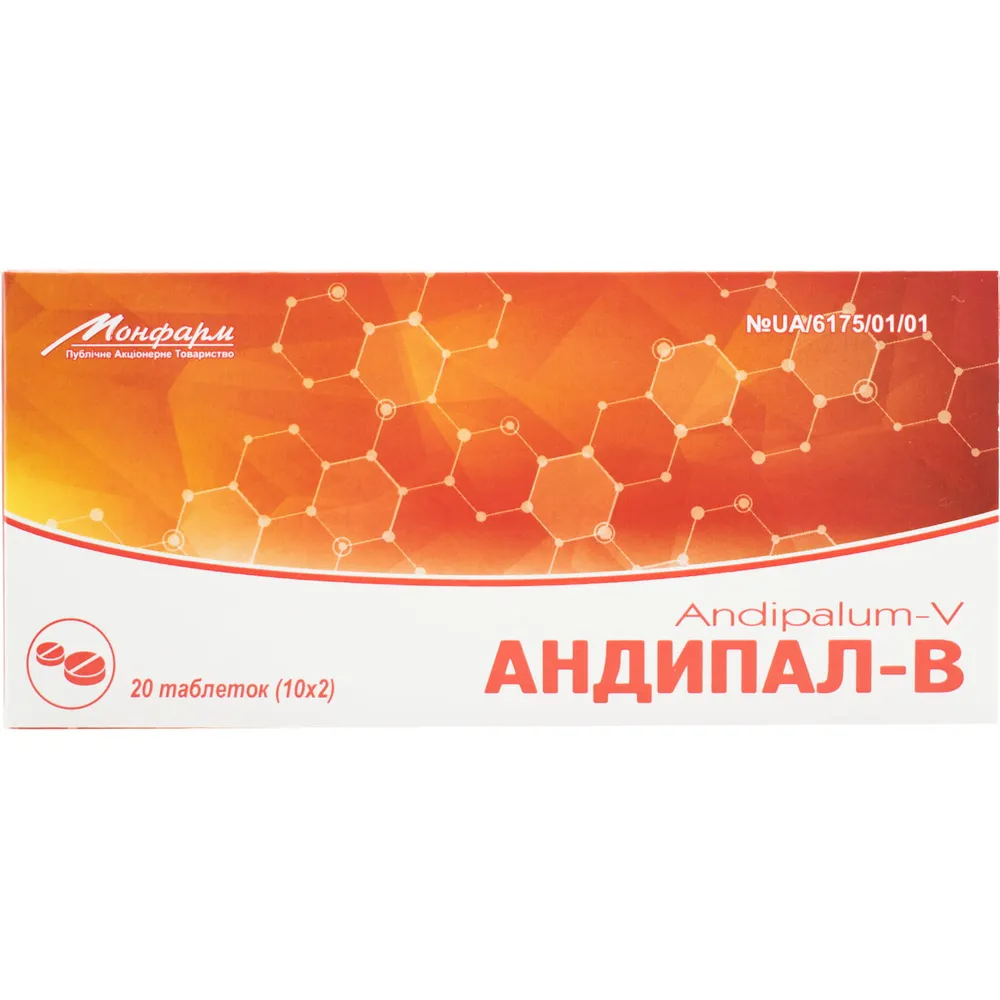
Table of Contents
I N S T R U C T I O N for medical use of the medicinal product ANDIPAL-V (ANDIPALUM-V)
Composition:
Active substances: metamizole sodium (analgin); bendazole hydrochloride; papaverine hydrochloride;
1 tablet contains metamizole sodium (analgin) 250 mg (0.25 g), bendazole hydrochloride 20 mg (0.02 g), papaverine hydrochloride 20 mg (0.02 g);
Excipients: potato starch, calcium stearate, talc.
Pharmaceutical form. Tablets.
Main physicochemical properties: tablets of white or white with a slight yellowish tint, with a flat surface, beveled edges and a score line.
Pharmacotherapeutic group. Analgesics and antipyretics.
ATC code N02B B52.
Pharmacological properties.
Pharmacodynamics.
A combination drug with analgesic, spasmolytic, and vasodilatory effects due to the specific actions of its components. The drug also exerts antihypertensive and antipyretic effects.
Metamizole sodium is a nonsteroidal anti-inflammatory drug (NSAID) of the pyrazolone derivatives group. It exhibits anti-inflammatory, analgesic, and antipyretic effects. The mechanism of action is mediated by inhibition of COX and blockade of prostaglandin synthesis from arachidonic acid, as well as interference with transmission of extra- and proprioceptive pain impulses, increased excitability threshold in thalamic pain centers, and enhanced heat dissipation.
Bendazole hydrochloride has vasodilatory, spasmolytic, and hypotensive effects. It also stimulates spinal cord functions, promotes restoration of peripheral nerve functions, and exerts moderate immunostimulatory activity.
Papaverine hydrochloride has myotropic, spasmolytic, and hypotensive effects. It inhibits phosphodiesterase, promotes accumulation of cAMP, reduces intracellular calcium levels, and relaxes smooth muscles of blood vessels and internal organs.
Pharmacokinetics.
After oral administration, the drug is rapidly and completely absorbed. It is hydrolyzed in the intestinal wall to form the active metabolite. The effect begins within 20–40 minutes and reaches its maximum within 2 hours. It is metabolized in the liver. Excreted by the kidneys.
Clinical Characteristics.
Indications.
Pain syndrome associated with vascular spasm or smooth muscle spasm of internal organs.
Contraindications.
Known or suspected hypersensitivity to any of the substances contained in the drug, pyrazolone derivatives (phenylbutazone, tribuzon, antipyrine); suspicion of acute surgical pathology; conditions characterized by decreased muscle tone, seizure syndrome; glaucoma, head trauma, severe heart failure, AV-blockade, arterial hypotension, diabetes mellitus, hypothyroidism, adrenal insufficiency, benign prostatic hyperplasia, congenital glucose-6-phosphate dehydrogenase deficiency, anemia of any etiology, cytostatic or infectious neutropenia, leukopenia, agranulocytosis, thrombocytopenia, hepatic porphyria, pronounced impairment of liver and kidney function, porphyria, chronic nephritis with edema and impaired renal nitrogen excretory function, bronchial asthma, comatose state, respiratory depression, bronchoobstructive syndrome, gastric and duodenal ulcer with bleeding; hypotonic colitis, habitual constipation; concomitant use of monoamine oxidase inhibitors (MAOIs). Agranulocytosis caused by metamizole, other pyrazolones or pyrazolidines in medical history. Impaired bone marrow function or blood system disorders. Age over 75 years (risk of hyperthermia).
Interaction with other medicinal products and other types of interactions.
X-ray contrast agents, colloidal plasma substitutes, penicillins: should not be used during treatment with sodium metamizole.
Nonsteroidal anti-inflammatory drugs (NSAIDs): their analgesic and antipyretic effects are potentiated, and the risk of additive adverse side effects increases.
Oral hypoglycemic agents, indirect anticoagulants, glucocorticosteroids, phenytoin, indomethacin: sodium metamizole increases the activity of these drugs by displacing them from protein binding.
Metamizole may induce metabolic enzymes, particularly CYP2B6 and CYP3A4.
Concomitant use of metamizole with bupropion, efavirenz, methadone, valproate, tacrolimus, or sertraline may lead to decreased plasma concentrations of these drugs with potential reduction in clinical efficacy. Therefore, co-administration of these drugs with metamizole is recommended with caution; monitoring of clinical response and/or drug levels may be required.
Metotrexate: high doses of sodium metamizole may lead to increased plasma concentration of methotrexate and enhanced toxicity (primarily affecting the gastrointestinal tract and hematopoietic system).
Diuretics (furosemide): possible reduction of diuretic effect.
Sulfonylurea hypoglycemic agents: enhanced hypoglycemic effect.
Ethanol: sodium metamizole enhances its sedative effect.
Levodopa, methyldopa: reduced antihypertensive effect of methyldopa and reduced antiparkinsonian effect of levodopa.
Cyclosporine: concomitant use leads to decreased blood concentration of cyclosporine.
Nitrofurantoin: there are reports of hepatitis development with concomitant use.
Sarcollisin, thiamazole (methimazole), drugs that suppress bone marrow activity, including gold compounds: increased risk of hematotoxicity, including development of leukopenia.
Phenylbutazone, glutethimide, barbiturates and other hepatic microsomal enzyme inducers reduce the efficacy of sodium metamizole.
Sedatives, tranquilizers (diazepam, trimethozine, etc.), codeine, anapriline, H2-histamine receptor blockers and propranolol enhance the analgesic effect of sodium metamizole.
Tricyclic antidepressants (amitriptyline, doxepin, etc.), hormonal contraceptives and allopurinol: concomitant use of sodium metamizole with these drugs may increase its toxicity.
Antihypertensive drugs (agents affecting the renin-angiotensin system), antidepressants, spasmolytics, sedatives, diuretics, saluretics, procainamide, reserpine, quinidine, phentolamine: enhanced hypotensive effect.
Chlorpromazine or other phenothiazine derivatives: risk of pronounced hypothermia.
Phentolamine: potentiates the effect of papaverine on the corpora cavernosa of the penis.
Cardiac glycosides: marked enhancement of myocardial contractile function due to decreased total peripheral vascular resistance.
Morphine: possible reduction of papaverine's spasmolytic activity.
Adsorbents, astringents and coating agents: reduced absorption of the drug from the gastrointestinal tract.
The effectiveness of the drug is reduced by tobacco smoking.
Caution is required when using the drug concomitantly with salicylates.
Special precautions for use.
| Agranulocytosis Treatment with metamizole may cause agranulocytosis, including fatal cases (see section "Side Effects"). This condition may occur even if previous use of metamizole was not associated with adverse effects. Metamizole-induced agranulocytosis is an idiosyncratic adverse reaction unrelated to the dose of the drug and may occur at any time during treatment, as well as shortly after discontinuation. Patients should be informed about the necessity to discontinue treatment and seek immediate medical attention if any symptoms indicating agranulocytosis appear (e.g., fever, chills, sore throat, and painful mucosal lesions, particularly in the mouth, nose, throat, genital area, or anal region). If metamizole is used for fever, some symptoms of developing agranulocytosis may remain unnoticed. Similarly, these symptoms may go undetected in patients receiving antibiotic therapy. If signs and symptoms suggesting agranulocytosis occur, treatment must be immediately discontinued and a full blood count should be performed. If the diagnosis is confirmed, treatment must not be resumed (see section "Contraindications"). |
Do not exceed the recommended doses of the drug. Since sodium metamizole has anti-inflammatory and analgesic properties, it may mask signs of infection, symptoms of non-infectious diseases, and complications associated with pain syndrome, which could complicate their diagnosis. Do not use the drug to relieve acute abdominal pain until the cause has been determined.
When using the medication, abstain from alcohol consumption and from taking drugs that depress the central nervous system.
The drug should be used with caution in patients:
- with existing allergic diseases (including pollinosis) or a history of such conditions due to increased risk of allergic reactions;
- with inflammatory bowel diseases, including ulcerative colitis and Crohn’s disease;
- with cardiovascular insufficiency;
- with predisposition to arterial hypotension;
- with supraventricular tachycardia;
- with a history of kidney disease (pyelonephritis, glomerulonephritis);
- with impaired liver and/or kidney function.
The drug should be used cautiously in patients with a prolonged history of alcohol use, in debilitated individuals, and in elderly patients due to the risk of hyperthermia and increased frequency of adverse reactions, especially those affecting the gastrointestinal tract; during concomitant use of cytostatic drugs (only under physician supervision). The medication should be used with caution in cases of reduced intestinal peristalsis.
The drug should be discontinued immediately and medical advice sought urgently if symptoms such as difficulty swallowing, gum bleeding, pallor of the skin, skin or mucosal rashes, asthenia, or development of vaginitis or proctitis occur.
If symptoms of impaired liver function appear, including gastrointestinal disturbances, jaundice, and elevated liver enzymes, the use of the drug must be stopped. Patients should inform their physician if any of the following symptoms occur: flushing, sweating, headache, increased fatigue, jaundice, nausea, stomach discomfort, or constipation.
Severe skin reactions
Severe skin reactions have been reported during treatment with metamizole, including Stevens-Johnson syndrome, toxic epidermal necrolysis, and drug reaction with eosinophilia and systemic symptoms (DRESS syndrome), which may be fatal.
Patients should be informed about the signs and symptoms of skin reactions and monitored closely.
If symptoms suggestive of these reactions occur, treatment with metamizole should be discontinued immediately and must not be restarted under any circumstances (see section "Contraindications").
Risk of drug-induced liver injury
Cases of acute hepatitis, predominantly of hepatocellular type, have been observed in patients taking sodium metamizole. Symptoms appeared from several days to several months after initiation of treatment. Manifestations included elevated serum liver enzymes, with or without jaundice, often in the context of hypersensitivity reactions to other drugs (e.g., skin rash, blood dyscrasias, fever, and eosinophilia) or accompanied by features of autoimmune hepatitis. Most patients recovered after discontinuation of sodium metamizole; however, in isolated cases, progression to liver failure occurred, necessitating liver transplantation.
The mechanism of sodium metamizole-induced liver injury is not fully understood, but available data suggest an immune-allergic mechanism.
Patients should be instructed to promptly report any symptoms suggestive of liver injury to their physician. If liver injury is suspected, patients should discontinue sodium metamizole, and liver function tests should be performed.
Cases of liver injury during treatment with sodium metamizole are very rare, but the exact frequency of this adverse reaction cannot be determined. In some patients, recurrence of liver injury has been observed upon re-exposure to sodium metamizole. If a patient previously experienced liver injury during treatment with sodium metamizole and no other cause of liver injury was identified, drugs containing sodium metamizole should not be used again.
Use of the drug may result in red discoloration of urine due to excretion of a metabolite of sodium metamizole, which has no clinical significance. Orthostatic hypotension may occur during treatment.
Do not use the drug for longer than the recommended duration without consulting a physician. Prolonged regular use of the drug is not recommended due to the myelotoxic potential of sodium metamizole. With prolonged use (more than 7 days), kidney and liver function should be monitored.
When used in children, continuous medical supervision is required.
Smoking reduces the effectiveness of the drug.
If symptoms of illness do not begin to subside, or if health condition worsens, or if adverse effects occur, discontinue use of the drug and consult a physician for further guidance.
Use during pregnancy or breastfeeding.
Use during pregnancy or breastfeeding is not recommended.
Ability to affect reaction speed when driving or operating machinery.
During treatment with this drug, patients should avoid driving vehicles and operating complex machinery.
Method of Administration and Dosage
For adults and children aged 12 years and older, take 1–2 tablets orally 2–3 times daily. The maximum daily dose is 6 tablets.
The duration of treatment depends on the nature and course of the disease, the therapeutic effect achieved, and the characteristics of concomitant pharmacotherapy; however, treatment should not exceed 3 days.
Children.
Not recommended for children under 12 years of age.
Overdose.
Symptoms: hypothermia, pronounced decrease in arterial blood pressure, arrhythmia, tachycardia, partial or complete atrioventricular block, acute agranulocytosis, neutropenia, hemorrhagic syndrome, respiratory muscle paralysis, hyperventilation, decreased tissue perfusion, headache, restlessness, lethargy, drowsiness, dizziness, delirium, impaired consciousness, visual disturbances, ataxia, nystagmus, diplopia, tinnitus, central nervous system depression, convulsive syndrome, collapse, coma, cyanosis, metabolic acidosis, hyperglycemia, hyperkalemia, oliguria, anuria, dysphagia, nausea, vomiting, diarrhea, constipation, gastrointestinal disturbances, gastralgia, gastritis, liver function disorders, acute renal and/or hepatic failure, skin rash, dyspnea, mild asphyxia, skin redness, general weakness, palpitations, sensation of heat, increased sweating.
Treatment: discontinue the drug, induce vomiting, gastric lavage, maintain arterial blood pressure, administer enterosorbents and saline laxatives, perform forced diuresis, and provide symptomatic therapy aimed at supporting vital functions. In severe cases, hemodialysis, hemoperfusion, or peritoneal dialysis may be indicated.
In case of first signs of overdose, seek immediate medical attention.
Side effects.
Skin and subcutaneous tissue disorders: severe skin reactions have been reported with metamizole use, including Stevens-Johnson syndrome, toxic epidermal necrolysis, and drug reaction with eosinophilia and systemic symptoms (DRESS syndrome) (see section "Special precautions"). Frequency is unknown.
Immune system disorders: hypersensitivity reactions may occur, including skin and mucosal rashes, pruritus, facial flushing, skin hyperemia, urticaria, conjunctivitis, throat burning, dry cough, rhinitis, dyspnea, angioneurotic edema, bronchospastic syndrome, anaphylactic shock, Stevens-Johnson syndrome, Lyell's syndrome.
Central nervous system disorders: drowsiness, increased sweating, dizziness, headache, anorexia.
Cardiovascular system disorders: AV block, arrhythmias, ventricular extrasystoles, decreased cardiac output, reduced blood pressure, chest pain, hot flushes, palpitations, feeling of warmth, hyperthermia, weakness, numbness, tremor, loss of consciousness; with prolonged use – worsening ECG parameters, ventricular fibrillation, asystole, ventricular flutter, orthostatic hypotension, collapse, apnea.
Blood and lymphatic system disorders: leukopenia, granulocytopenia, agranulocytosis, anemia, thrombocytopenia; eosinophilia.
Gastrointestinal disorders: dry mouth, nausea, gastric discomfort, constipation, increased liver transaminase activity, jaundice, hepatitis.
Hepatobiliary disorders: increased liver transaminase activity, liver function abnormalities, hepatitis, jaundice, drug-induced liver injury, including acute hepatitis (see section "Special precautions").
Renal and urinary disorders: usually in patients with impaired renal function and/or with overdose – transient oliguria, anuria, proteinuria, interstitial nephritis, red discoloration of urine.
If any adverse reactions occur, the drug must be discontinued and
medical advice must be sought immediately.
Reporting suspected adverse reactions.
Reporting suspected adverse reactions after drug registration is of great importance. It enables ongoing monitoring of the benefit-risk balance of the medicinal product. Medical and pharmaceutical professionals, as well as patients or their legal representatives, should report all suspected adverse reactions and lack of drug efficacy via the automated pharmacovigilance information system at: https://aisf.dec.gov.ua.
Shelf life.
2 years.
Storage conditions.
In the original packaging at a temperature not exceeding 25 °C.
Keep out of reach of children.
Packaging.
10 tablets in strips;
10 tablets in a strip; 1 strip in a paper envelope;
10 tablets in a strip; 2 or 10 strips in a cardboard box;
10 tablets in a blister; 1, 2, or 10 blisters in a cardboard box.
Prescription status.
Over-the-counter – №10.
By prescription – №20, №100.
Manufacturer: JSC "Monfarm".
Manufacturer's address and location of operations.
8, Zavodska St., Avramivka, Uman district, Cherkasy region, 19161, Ukraine.