Aminazine-zdorovya
Ukraine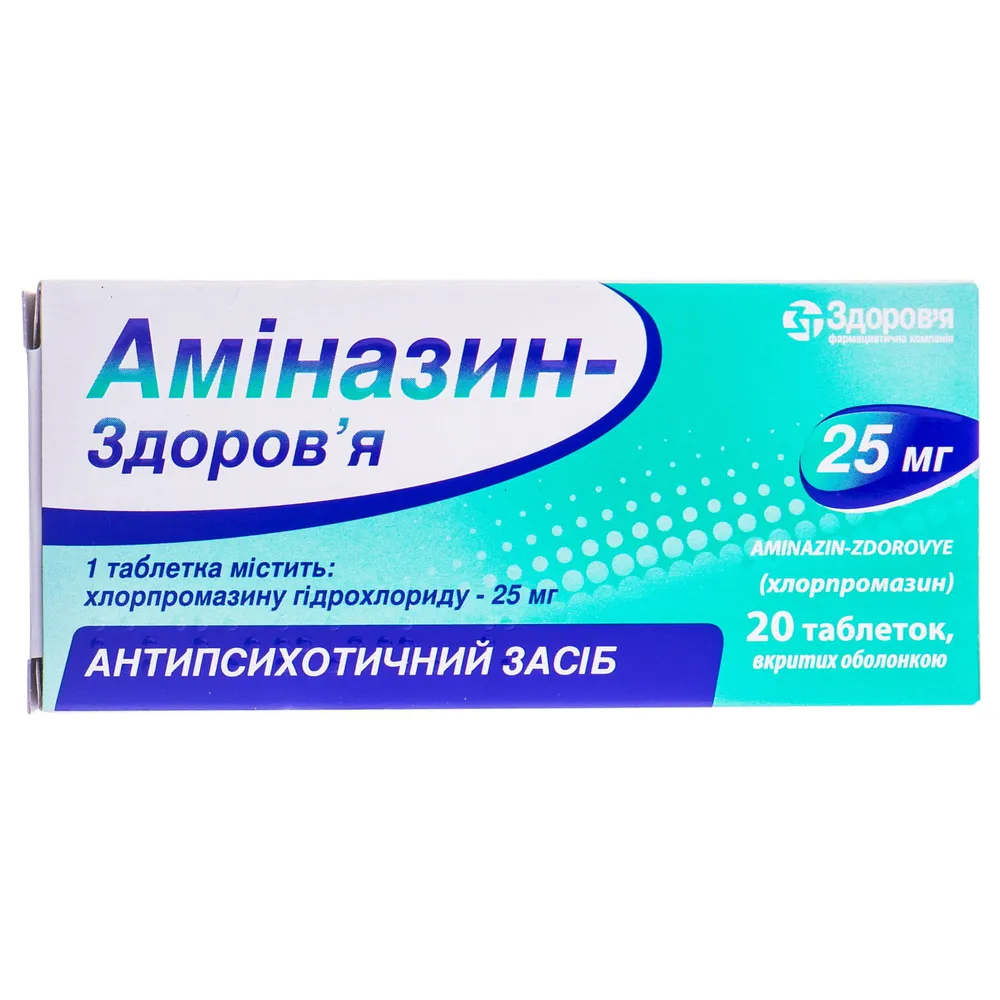
Table of Contents
INSTRUCTIONS FOR MEDICAL USE OF THE MEDICINAL PRODUCT AMINAZIN-ZDOROVIYA
Composition:
Active substance: 1 tablet contains chlorpromazine hydrochloride 25 mg;
Excipients: calcium hydrogen phosphate, microcrystalline cellulose, potato starch, colloidal anhydrous silicon dioxide, calcium stearate, stearic acid, macrogol 4000, talc, hypromellose, titanium dioxide (E 171), Yellow West FCF dye (E 110).
Pharmaceutical form. Film-coated tablets.
Main physicochemical properties: film-coated tablets of yellow to light orange color, biconvex. Two layers are visible in cross-section.
Pharmacotherapeutic group. Antipsychotic agents. Chlorpromazine. ATC code N05A A01.
Pharmacological Properties.
Pharmacodynamics. An antipsychotic, neuroleptic, sedative, myorelaxant, and antiemetic agent. It exerts blocking effects on dopaminergic and adrenergic receptors. The main feature of the drug is the combination of antipsychotic action with the ability to influence the emotional sphere.
The mechanism of antipsychotic action is due to blockade of postsynaptic dopaminergic receptors in the mesolimbic structures of the brain. As a result, delusions and hallucinations are attenuated or completely eliminated, psychomotor agitation is controlled, affective responses, anxiety, and distress are reduced, and motor activity is decreased. Due to blockade of dopaminergic receptors, secretion of prolactin by the pituitary gland is increased.
By blocking α-adrenergic receptors, chlorpromazine produces a pronounced sedative effect. The presence of strong sedative action is one of the main characteristics of chlorpromazine compared to other neuroleptics. The overall calming effect is combined with suppression of conditioned reflex activity, particularly defensive motor reflexes, reduction of spontaneous motor activity, relaxation of skeletal muscles, and decreased responsiveness to endogenous and exogenous stimuli, while consciousness is preserved.
Chlorpromazine exhibits a pronounced central and peripheral antiemetic effect; the central effect is due to inhibition or blockade of dopaminergic D2 receptors in the chemoreceptor trigger zone of the medulla oblongata, while the peripheral effect results from blockade of the vagus nerve in the gastrointestinal tract. The antiemetic effect is enhanced by the anticholinergic, sedative, and antihistaminic properties of chlorpromazine.
The anticholinergic effect is due to competitive blockade of M-cholinergic receptors; anxiolytic, sedative, and analgesic effects result from reduced excitation in the reticular formation of the brainstem.
It moderately reduces the intensity of inflammatory reactions, decreases vascular permeability, reduces the activity of kinins and hyaluronidase, and exhibits weak antihistaminic action. It reduces systolic and diastolic blood pressure and causes tachycardia. It has pronounced cataleptogenic properties. It suppresses the release of hypothalamic and pituitary hormones (although it enhances prolactin secretion). It produces weak to moderate extrapyramidal effects. It exerts a hypothermic effect.
It potentiates the action of analgesics, local anesthetics, hypnotics, and anticonvulsants.
Pharmacokinetics. Poorly absorbed in the gastrointestinal tract. Maximum plasma concentration is reached within 2–4 hours. Plasma protein binding is 95–98%. It undergoes the first-pass effect. Widely distributed throughout the body and crosses the blood-brain barrier, achieving higher concentrations in the brain than in blood plasma. Chlorpromazine and its metabolites cross the placental barrier and are excreted into breast milk. It is intensively metabolized in the liver, forming several active and inactive metabolites. It is excreted in the form of metabolites via the kidneys and through the intestine with bile. The elimination half-life is approximately 30 hours; elimination of metabolites may be more prolonged.
Marked variability of pharmacokinetic parameters has been observed in the same patient. There is no direct correlation between plasma concentrations of chlorpromazine and its metabolites and the therapeutic effect.
Clinical characteristics.
Indications.
Adults. Chronic paranoid and hallucinatory-paranoid states, psychomotor agitation states in schizophrenia (hallucinatory-delusional, hebephrenic, catatonic syndromes), alcoholic psychosis, manic excitement in manic-depressive psychosis, mental disorders associated with epilepsy, agitated depression in patients with pre-senile psychosis, manic-depressive psychosis, as well as other conditions accompanied by agitation and tension; neurological disorders associated with increased muscle tone; Ménière’s disease, vomiting, treatment and prevention of vomiting during antineoplastic therapy and radiation therapy; persistent hiccups; pruritic dermatoses; as part of combination therapy: persistent pain, including causalgia (in combination with analgesics), persistent sleep disturbances (in combination with hypnotics and tranquilizers).
Children. Schizophrenia, autism.
Contraindications.
Hypersensitivity to chlorpromazine or other components of the drug; severe impairment of liver function (cirrhosis, hepatitis, hemolytic jaundice) and/or kidney function (nephritis, acute pyelitis, amyloidosis of the kidneys); blood-forming organs disorders; progressive systemic diseases of the central nervous system (slow neuroinfections, e.g., multiple sclerosis); peptic ulcer of the stomach and duodenum during exacerbation; myxedema; severe cardiovascular diseases (decompensated heart failure and heart defects, pronounced myocardiodystrophy, severe arterial hypotension, late-stage rheumatic carditis); thromboembolism; late stage of bronchiectasis; closed-angle glaucoma; urinary retention due to benign prostatic hyperplasia; stroke, acute phase of traumatic brain injury; gallstone and urolithiasis diseases; acute infectious diseases; pronounced central nervous system depression, coma, brain trauma, concomitant use with barbiturates, alcohol, narcotics.
Interaction with other medicinal products and other forms of interaction.
Concomitant use with other medicinal products may result in:
- with agents that depress the central nervous system, as well as with ethanol or ethanol-containing preparations – enhanced central nervous system depression and respiratory depression;
- with tricyclic antidepressants, maprotiline, or monoamine oxidase inhibitors – prolonged and enhanced sedative and anticholinergic effects, increased risk of developing neuroleptic malignant syndrome;
- with anticonvulsants – reduced seizure threshold;
- with drugs used to treat hyperthyroidism – increased risk of agranulocytosis;
- with drugs causing extrapyramidal reactions – increased frequency and severity of extrapyramidal disorders;
- with antihypertensive agents – pronounced arterial hypotension, enhanced orthostatic hypotension;
- with ephedrine – reduced vasoconstrictive effect of ephedrine;
- with amphetamines – antagonistic interaction;
- with anticholinergic agents – enhanced anticholinergic effects;
- with anticholinesterase agents – muscle weakness, worsening of myasthenia gravis;
- with epinephrine – distorted effects of epinephrine, resulting in further reduction of arterial pressure and development of severe hypotension and tachycardia;
- with amitriptyline – increased risk of tardive dyskinesia, possible development of paralytic ileus;
- with diazoxide – pronounced hyperglycemia;
- with doxepin – potentiation of hyperpyrexia;
- with lithium carbonate – pronounced extrapyramidal symptoms, neurotoxic effects;
- with morphine – development of myoclonus;
- with cisapride – additive prolongation of the QT interval on ECG;
- with nortriptyline in patients with schizophrenia – possible worsening of clinical condition despite increased plasma levels of chlorpromazine;
- with zolpidem or zopiclone – enhanced sedative effect of chlorpromazine;
- with estrogens – enhanced neuroleptic effect of chlorpromazine;
- with guanethidine – reduced or even complete suppression of guanethidine’s antihypertensive effect;
- with levodopa – inhibition of levodopa effects;
- with cardiac glycosides – reduced efficacy.
Plasma concentrations of chlorpromazine are decreased by antacids containing aluminum and magnesium hydroxide (impair absorption of chlorpromazine from the gastrointestinal tract) and barbiturates (enhance metabolism of chlorpromazine in the liver). Plasma concentrations of chlorpromazine are increased by chloroquine and sulfadoxine/pyrimethamine. Cimetidine may either decrease or increase plasma concentrations of chlorpromazine. Chlorpromazine may increase plasma concentrations of imipramine and may either increase or decrease plasma concentrations of phenytoin.
Special precautions for use.
Use with special caution in patients with pathological blood changes, moderate liver or kidney dysfunction, alcohol intoxication, Reye's syndrome, breast cancer, moderate cardiovascular diseases, predisposition to glaucoma, Parkinson's disease, benign prostatic hyperplasia with clinical symptoms, chronic respiratory diseases (especially in children), epileptic seizures, conditions associated with an increased risk of thromboembolic complications, rheumatism, rheumatic carditis, diabetes mellitus, elderly patients (increased risk of excessive sedative and hypotensive effects), and debilitated patients.
In children, particularly during the first 4 days of treatment or after dose escalation, extrapyramidal symptoms are more likely to develop.
In case of hyperthermia, which is one of the symptoms of neuroleptic malignant syndrome, the drug should be discontinued immediately.
To reduce neuroleptic depression, antidepressants and central nervous system stimulants may be used.
During prolonged treatment with the drug, blood counts, prothrombin index, and liver and kidney function should be monitored regularly.
Due to the possibility of skin photosensitization, prolonged exposure to sunlight should be avoided.
The drug does not exhibit antiemetic effect when nausea results from vestibular stimulation or local irritation of the gastrointestinal tract.
In patients with gastrointestinal atony and achylia, administration of gastric juice or hydrochloric acid is recommended concurrently (due to chlorpromazine's inhibitory effect on gastric motility and secretion), along with careful monitoring of diet and intestinal function.
Patients receiving this drug may have an increased requirement for riboflavin.
The drug is not recommended for patients with hypothyroidism, pheochromocytoma, or myasthenia gravis.
Neuroleptic phenothiazines may potentiate QT interval prolongation, increasing the risk of ventricular arrhythmias, including torsades de pointes, which may potentially lead to sudden death. Prior to initiating treatment, patients should be evaluated (biochemical status, ECG) to exclude possible risk factors (cardiac diseases, history of QT prolongation; metabolic disturbances (hypokalemia, hypocalcemia, hypomagnesemia); starvation, alcohol abuse, concomitant therapy with other drugs that prolong the QT interval). ECG monitoring should be performed at the beginning of treatment and, if necessary, during treatment.
Use with special caution in patients with severe arterial hypertension and chronic respiratory diseases (especially in children).
Use during pregnancy or breastfeeding.
The drug is not recommended during pregnancy. In cases of acute necessity for treatment during pregnancy, duration of therapy should be limited, and toward the end of the third trimester, the dose should be reduced if possible. Chlorpromazine prolongs labor.
When Aminazin is used in high doses during pregnancy, newborns may occasionally develop digestive disturbances related to anticholinergic (atropine-like) effects, or extrapyramidal syndrome.
If use of the drug is necessary, breastfeeding should be discontinued.
Aminazin and its metabolites cross the placental barrier and are excreted in breast milk.
Ability to affect reaction speed when driving or operating machinery.
During treatment, patients should refrain from driving vehicles or performing potentially hazardous activities requiring high attention and increased psychomotor reaction speed.
Method of Administration and Dosage.
Administer orally after meals. Dosages, frequency of administration, and treatment regimens are individually determined by a physician depending on the indications and patient's condition. Dosages should be titrated gradually, starting from the minimum dose. Duration of treatment ranges from 3 weeks to 2–4 months or longer.
For adults, the initial dose is 25–75 mg per day, divided into 2–3 doses. The dose may then be gradually increased to an effective maintenance daily dose, usually 75–300 mg, divided into 3–4 doses; however, some patients may require a daily dose of up to 1 g.
In elderly patients, and in those with liver or cardiovascular disorders, the dose should be reduced by 2–3 times.
Chronic hiccups. For adults: 25–50 mg 3–4 times daily.
For children aged 5 years and older: ⅓ – ½ of the adult dose; maximum daily dose – 75 mg, divided into several doses.
Children.
The drug may be used in children aged 5 years and older for the treatment of autism and schizophrenia.
Overdose.
Symptoms: slurred speech, ataxic gait, bradycardia, labored breathing, marked weakness, confusion, diminished reflexes, drowsiness, seizures, persistent hypotension, hypothermia, prolonged depression, and later – toxic hepatitis.
Treatment: symptomatic. There is no specific antidote. The drug is not removed by hemodialysis. To counteract depression, central nervous system stimulants (sidnocarb) may be administered. Neurological complications may be reduced or controlled by antiparkinsonian agents (cyclodol, tropacine). In collapse-like states, cordiamine, caffeine, or mesaton are recommended.
After prolonged use of high doses (0.5–1.5 g daily), rare cases of jaundice, accelerated blood coagulation, lymphopenia and leukopenia, anemia, agranulocytosis, skin pigmentation, and lens and corneal opacities may occur.
Adverse Reactions.
Central nervous system: With prolonged use, possible akathisia, psychic indifference and other mental changes, delayed response to external stimuli, blurred vision; rarely – dystonic extrapyramidal reactions, parkinsonism, tardive dyskinesia, neuroleptic depression, thermoregulation disorders, neuroleptic malignant syndrome; in isolated cases – seizures, insomnia, agitation.
Cardiovascular system: Possible arterial hypotension, tachycardia; very rarely – ECG changes (prolongation of QT interval, ST-segment depression, changes in T and U waves, arrhythmia).
Gastrointestinal tract: Rarely – cholestatic jaundice, dyspeptic symptoms (nausea, vomiting); very rarely – dry mouth, constipation.
Hematopoietic system: Rarely – leukopenia, agranulocytosis, hematological changes, eosinophilia.
Urinary system: Rarely – difficulty in urination; very rarely – priapism.
Endocrine system: Menstrual cycle disturbances, impotence, gynecomastia, weight gain; very rarely – galactorrhea, hyperprolactinemia, hyperglycemia, impaired glucose tolerance, hypercholesterolemia.
Skin reactions: Rarely – skin pigmentation, photosensitization.
Immune system: Hypersensitivity reactions, including skin rashes, pruritus, bronchospasm, urticaria, angioedema, erythema multiforme, exfoliative dermatitis, systemic lupus erythematosus, and other allergic reactions.
Eyes: With prolonged use at high doses, deposition of chlorpromazine in anterior eye structures (cornea and lens) may occur, which could accelerate the natural aging process of the lens.
Respiratory system: Nasal congestion.
General: Isolated reports of sudden fatal outcomes during drug administration.
Shelf life. 3 years.
Storage conditions. Store in original packaging at a temperature not exceeding 25 °C.
Keep out of reach of children.
Packaging. Tablets, 10×2, 20 in blisters in a box; 20 in a blister.
Prescription status. Prescription only.
Manufacturer. LIMITED LIABILITY COMPANY "CORPORATION "ZDOROV'YA".
Manufacturer's address.
22 Shevchenka Street, Kharkiv, Kharkiv Oblast, 61013, Ukraine.