Adcetris®
Ukraine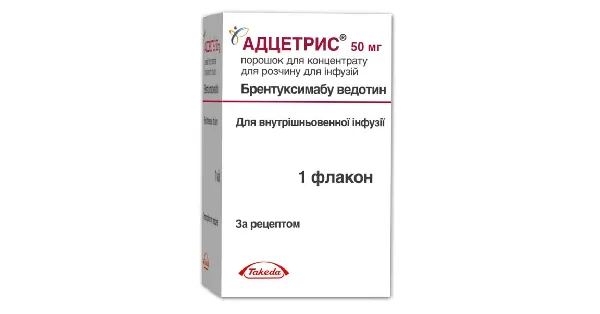
Table of Contents
INSTRUCTIONS FOR MEDICAL USE OF THE MEDICINAL PRODUCT ADCEVRIS® (ADCETRIS®)
Composition:
Active substance: brentuximab vedotin;
One vial contains 50 mg of brentuximab vedotin;
One ml of reconstituted solution contains 5 mg of brentuximab vedotin;
Excipients: citric acid monohydrate; sodium citrate dihydrate; α,α-trehalose dihydrate; polysorbate 80.
Pharmaceutical form. Powder for concentrate for solution for infusion.
Main physicochemical properties: white or almost white lyophilized powder or solid mass.
Pharmacotherapeutic group. Antineoplastic agents, monoclonal antibodies and antibody-drug conjugates. ATC code L01FX05.
Pharmacological Properties
Mechanism of Action. Brentuximab vedotin is an antibody-drug conjugate that delivers an antineoplastic agent to CD30-positive tumor cells, resulting in their apoptotic death. Preclinical data indicate that the biological activity of brentuximab vedotin is the result of a multistep process. Binding of the conjugate to the CD30 receptor on the cell membrane leads to internalization of the conjugate–CD30 protein complex (ADC-CD30), which is transported into the lysosomal compartment of the cell. Within the cell, proteolytic cleavage releases monomethyl auristatin E (MMAE), the sole active compound. Binding of MMAE to tubulin disrupts the intracellular microtubule network, induces cell cycle arrest, and triggers apoptosis (cell death) of CD30-positive tumor cells.
In classical Hodgkin lymphoma (HL), systemic anaplastic large cell lymphoma, and subtypes of cutaneous T-cell lymphoma (including mycosis fungoides and primary cutaneous anaplastic large cell lymphoma), the CD30 antigen is expressed on the surface of tumor cells. Expression is independent of disease stage, line of therapy, or transplant status. Therefore, CD30 represents a target for therapeutic intervention. Due to its CD30-directed mechanism of action, brentuximab vedotin can overcome chemotherapy resistance, as CD30 is consistently expressed in patients refractory to multi-agent chemotherapy, regardless of prior transplant status. The CD30-targeted mechanism of action of brentuximab vedotin, the consistent expression of CD30 in classical HL, systemic anaplastic large cell lymphoma, and CD30-positive cutaneous T-cell lymphoma, along with therapeutic characteristics and clinical data in CD30-positive malignancies after multiple lines of therapy, provide the biological rationale for using this medicinal product in patients with relapsed or refractory classical HL and systemic anaplastic large cell lymphoma, with or without prior autologous stem cell transplantation.
Other antibody-associated functions may also contribute to the mechanism of action, although this cannot be excluded.
Pharmacodynamics
Cardioelectrophysiology. Data from 46 out of 52 patients with CD30-positive hematologic malignancies were analyzed in a first phase, open-label, multicenter safety study evaluating cardiac effects. The primary objective was to assess the effect of brentuximab vedotin on cardiac ventricular repolarization and to analyze deviations in QTc interval from baseline at various time points during cycle 1.
The upper limit of the 90% confidence interval for the mean effect on QTc was < 10 ms at each time point in cycles 1 and 3 relative to baseline. These data indicate no clinically significant QT interval prolongation associated with administration of brentuximab vedotin at a dose of 1.8 mg/kg every 3 weeks to patients with CD30-positive malignancies.
Pharmacokinetics
Monotherapy
Pharmacokinetic characteristics of brentuximab vedotin were investigated and evaluated during phase 1 and through population pharmacokinetic analysis involving 314 patients. In clinical trials, brentuximab vedotin was administered intravenously.
Maximum concentrations of brentuximab vedotin were primarily observed at the end of the infusion or at time points closest to the end of infusion. A rapid decline in plasma concentration was observed during the terminal elimination phase, with a half-life of approximately 4–6 days. Drug concentration was directly proportional to dose. Minimal or no accumulation was observed with repeated dosing every 3 weeks, consistent with the terminal elimination half-life. Typical maximum concentration and AUC of the drug after a single 1.8 mg/kg dose in phase 1 studies were approximately 31.98 µg/mL and 79.41 µg·day/mL, respectively.
MMAE is the primary metabolite of brentuximab vedotin. The mean maximum concentration, AUC, and time to maximum concentration (Tmax) of MMAE after a single 1.8 mg/kg dose in phase 1 studies were approximately 4.97 ng/mL, 37.03 ng·day/mL, and 2.09 days, respectively. MMAE concentrations decreased after repeated doses of brentuximab vedotin to 50–80% of the first-dose concentration and remained at this level with subsequent doses. MMAE is further primarily metabolized to an equipotent metabolite, but its exposure is one order of magnitude lower than that of MMAE. Therefore, a significant impact on systemic MMAE activity is unlikely. In the first cycle, higher MMAE concentrations correlated with absolute neutrophil count reduction.
Combination Therapy
Pharmacokinetic characteristics of Adcetris® when administered in combination with AVD were evaluated in one phase 3 study involving 661 patients. Population pharmacokinetic analysis showed that the pharmacokinetic characteristics of Adcetris® when administered in combination with AVD were consistent with those observed during monotherapy.
After repeated intravenous infusions of brentuximab vedotin at 1.2 mg/kg every 2 weeks, maximum serum conjugate concentration was observed near the end of infusion, and elimination occurred with a multi-exponential decline in t1/2z over approximately 4–5 days. Maximum plasma MMAE concentration was observed approximately 2 days after the end of infusion, with a mono-exponential decline in t1/2z over approximately 3–4 days.
After repeated intravenous infusions of brentuximab vedotin at 1.2 mg/kg every 2 weeks, steady-state minimum concentrations of the conjugate and MMAE were reached by the third cycle. After steady state was achieved, pharmacokinetic characteristics of the conjugate likely remain unchanged. Conjugate accumulation (based on AUC14D assessment during cycles 1 and 3) increased by a factor of 1.27. MMAE exposure parameters (based on AUC14D assessment during cycles 1 and 3) decreased over time by approximately 50%.
Pharmacokinetic characteristics of Adcetris® when administered in combination with CHP were evaluated in one phase 3 study involving 223 patients (SGN35-014). After repeated intravenous infusions of Adcetris® at 1.8 mg/kg every 3 weeks, pharmacokinetic characteristics of the conjugate and MMAE were similar to those observed during monotherapy.
Distribution. In vitro studies showed that MMAE plasma protein binding ranged from 68–82%. It is highly unlikely that MMAE will displace or be displaced by other highly protein-bound drugs. In vitro studies indicated that MMAE is a substrate of, but does not inhibit, P-glycoprotein (P-gp) at concentrations close to clinical levels.
In patients, the mean steady-state volume of distribution was approximately 6–10 L for the antibody-drug conjugate. Population pharmacokinetic analysis predicted a typical volume of distribution (central volume and maximum volume) of 35.5 L for MMAE.
Metabolism. Brentuximab vedotin is expected to undergo catabolism as a protein into individual amino acids, which are either excreted or reused for new protein synthesis. In vivo studies in animals and volunteers confirmed that only a minor fraction of MMAE released from brentuximab vedotin undergoes further metabolism. Metabolites of MMAE were not measured in plasma. In vitro data indicate that at least one MMAE metabolite is active.
MMAE is a substrate of the CYP3A4 enzyme and possibly CYP2D6. In vitro data show that MMAE metabolism is primarily mediated by CYP3A4/5 oxidation. In vitro studies using liver microsomes demonstrated that MMAE inhibits only CYP3A4/5 at concentrations significantly higher than those achieved clinically. MMAE does not inhibit other cytochrome P450 isoenzymes.
MMAE did not induce major CYP450 isoenzymes in primary hepatocyte cultures.
Elimination. The antibody-drug conjugate undergoes catabolism and is eliminated from the body. Typical clearance is approximately 1.5 L/day, with an elimination half-life of 4–6 days. MMAE elimination from the body is limited by the rate of MMAE release from the conjugate. Typical MMAE clearance is approximately 19.99 L/day, with an elimination half-life of 3–4 days. Elimination was studied in patients receiving brentuximab vedotin at 1.8 mg/kg. Approximately 24% of the total MMAE administered as part of the conjugate during brentuximab vedotin infusion was recovered in urine and feces within one week after administration, with approximately 72% found in feces and a smaller amount (28%) in urine.
Pharmacokinetics in Specific Patient Populations
Population pharmacokinetic analysis showed that baseline plasma albumin concentration significantly affects MMAE clearance. The analysis revealed that MMAE clearance is two-fold lower in patients with low plasma albumin concentration (< 3.0 g/dL) compared to patients with normal plasma albumin levels.
Hepatic Impairment. Pharmacokinetic studies of brentuximab vedotin and MMAE were conducted after administration of Adcetris® at 1.2 mg/kg in patients with mild (Child-Pugh class A; 1 patient), moderate (Child-Pugh class B; 5 patients), and severe (Child-Pugh class C; 1 patient) hepatic impairment. MMAE exposure increased by approximately 2.3-fold in patients with impaired liver function compared to those with normal liver function.
Renal Impairment. Pharmacokinetic studies of brentuximab vedotin and MMAE were conducted after administration of Adcetris® at 1.2 mg/kg in patients with mild (4 patients), moderate (3 patients), and severe (3 patients) renal impairment. MMAE exposure increased by approximately 1.9-fold in patients with severe renal impairment (creatinine clearance < 30 mL/min) compared to patients with normal renal function.
This effect was not observed in patients with mild or moderate renal impairment.
Elderly Patients. Population pharmacokinetics of brentuximab vedotin were studied in several trials, including data from 380 patients aged up to 87 years (34 patients aged 65–75 years and 17 patients over 75 years). Additionally, population pharmacokinetics of brentuximab vedotin in combination with AVD were evaluated in 661 patients aged up to 82 years (42 patients aged 65–75 years and 17 patients over 75 years). Age was not found to be a significant covariate affecting pharmacokinetics.
Pediatric Patients
Monotherapy
C25002
In a phase 1/2 clinical trial involving 36 pediatric patients (7–17 years) with relapsed or refractory HL and systemic anaplastic large cell lymphoma (children aged 7–11 years, n = 12; adolescents aged 12–17 years, n = 24), pharmacokinetics of the antibody-drug conjugate and monomethyl auristatin E (brentuximab vedotin) were studied after a 30-minute intravenous infusion at doses of 1.4 mg/kg or 1.8 mg/kg every 3 weeks. Maximum plasma concentration (Cmax) of the antibody-drug conjugate was typically observed at the end of infusion or at sampling times closest to the end of infusion. A multi-exponential decline in serum concentration of the antibody-drug conjugate was observed, with a terminal half-life of approximately 4–5 days. Exposure was approximately dose-proportional, with a trend toward lower conjugate levels in younger patients with lower body weight. Median AUC of the antibody-drug conjugate in children and adolescents in this study was approximately 14% and 3% lower, respectively, compared to adult patients, while monomethyl auristatin E exposure was 53% lower and 13% higher, respectively, compared to adults. Median Cmax and AUC of the antibody-drug conjugate after a single 1.8 mg/kg dose were 29.8 µg/mL and 67.9 µg·day/mL, respectively, in patients < 12 years of age, and 34.4 µg/mL and 77.8 µg·day/mL, respectively, in patients ≥ 12 years of age. Median Cmax, AUC, and time to maximum concentration (Tmax) of monomethyl auristatin E after a single 1.8 mg/kg dose were 3.73 ng/mL, 17.3 ng·day/mL, and 1.92 days, respectively, in patients < 12 years of age, and 6.33 ng/mL, 42.3 ng·day/mL, and 1.82 days, respectively, in patients ≥ 12 years of age. A trend toward increased brentuximab vedotin clearance in pediatric patients was observed, supported by positive anti-drug antibody assay results. No sustained positive anti-drug antibody response was observed in any patient < 12 years of age (0 of 11), whereas two patients ≥ 12 years of age (2 of 23) showed sustained positive responses.
Combination Therapy
C25004
Pharmacokinetics of the brentuximab vedotin ADC and MMAE after a 30-minute intravenous infusion of brentuximab vedotin at 48 mg/m² every 2 weeks in combination with doxorubicin, vinblastine, and dacarbazine (AVD) were evaluated in phase 1/2 clinical trials involving 59 children (6–17 years) with newly diagnosed CD30+ classical Hodgkin lymphoma (children aged 6–11 years, n = 11; adolescents aged 12–17 years, n = 48). Cmax of ADC was observed in serum near the end of infusion and declined multi-exponentially with a terminal half-life of approximately 4 days. Cmax of MMAE was observed in plasma approximately 2 days after brentuximab vedotin administration, with a half-life of approximately 2 days. Geometric mean Cmax and AUC for ADC after a single 48 mg/m² dose were 22.5 µg/mL and 46.7 µg·day/mL, respectively. Geometric mean Cmax and AUC for MMAE after a single 48 mg/m² dose were 4.9 ng/mL and 27.2 ng·day/mL, respectively. Similar ADC exposures were achieved after body surface area-based dosing of brentuximab vedotin at 48 mg/m² in combination with AVD across pediatric age groups (< 12 years, 12–16 years, and > 16 years).
Clinical characteristics.
Indications.
Adcetris® is indicated for the treatment of adult patients with previously untreated CD30-positive Hodgkin lymphoma at stage III or IV in combination with doxorubicin, vinblastine, and dacarbazine (AVD) (see sections "Dosage and method of administration" and "Pharmacodynamics").
Adcetris® is indicated for the treatment of adult patients with CD30-positive Hodgkin lymphoma who are at increased risk of relapse or disease progression after autologous stem cell transplantation (see section "Pharmacodynamics").
Adcetris® is indicated for the treatment of adult patients with relapsed or refractory CD30-positive Hodgkin lymphoma:
- after autologous stem cell transplantation;
- after at least two prior lines of therapy when autologous stem cell transplantation or multi-agent chemotherapy is not considered a treatment option.
Adcetris® in combination with cyclophosphamide, doxorubicin, and prednisone (CHP) is indicated for the treatment of adult patients with previously untreated systemic anaplastic large cell lymphoma (sALCL) (see section "Pharmacodynamics").
Adcetris® is indicated for the treatment of adult patients with relapsed or refractory systemic anaplastic large cell lymphoma (sALCL).
Adcetris® is indicated for the treatment of adult patients with CD30-positive cutaneous T-cell lymphoma after at least one prior systemic therapy (see section "Pharmacodynamics").
Contraindications.
Hypersensitivity to the active substance or to any of the excipients.
Concomitant administration of brentuximab vedotin with bleomycin leads to the development of pulmonary toxicity (see section "Interaction with other medicinal products and other forms of interaction").
Interaction with other medicinal products and other forms of interaction.
Interaction with other medicinal products metabolized by the CYP3A4 enzyme (interaction with CYP3A4 inhibitors/inducers)
Concomitant administration of brentuximab vedotin with ketoconazole, a potent inhibitor of CYP3A4 and P-glycoprotein (P-gp), resulted in an approximately 73% increase in the antimitotic agent MMAE exposure and did not affect plasma concentrations of brentuximab vedotin. Therefore, when brentuximab vedotin is used concomitantly with potent CYP3A4 and P-gp inhibitors, the risk of neutropenia increases. Dosage recommendations in the event of neutropenia are provided in Tables 1 and 2 (section "Dosage and method of administration").
Administration of brentuximab vedotin in combination with rifampicin, a potent CYP3A4 inducer, did not affect plasma concentrations of brentuximab vedotin. Despite limited pharmacokinetic data, it can be concluded that co-administration of the drug with rifampicin leads to reduced plasma concentrations of measurable MMAE metabolites.
Concomitant administration of midazolam (a CYP3A4 substrate) and brentuximab vedotin did not affect midazolam metabolism. Therefore, brentuximab vedotin is not expected to influence the effects of medicinal products metabolized by CYP3A4 isoenzymes.
Doxorubicin, vinblastine, and dacarbazine (AVD)
Pharmacokinetic characteristics of the antibody-drug conjugate (ADC) in serum and MMAE in plasma, respectively, after administration of brentuximab vedotin in combination with AVD were similar to those observed during monotherapy.
Concomitant administration of brentuximab vedotin did not affect plasma exposure parameters of AVD.
Cyclophosphamide, doxorubicin, and prednisone (CHP)
Pharmacokinetic characteristics of ADC in serum and MMAE in plasma, respectively, after administration of brentuximab vedotin in combination with CHP were similar to those observed during monotherapy.
Concomitant administration of brentuximab vedotin did not affect plasma exposure parameters of CHP.
Bleomycin
Formal interaction studies between brentuximab vedotin and bleomycin (B) have not been conducted. In a phase I dose-escalation and safety study (SGN35–009), unacceptable pulmonary toxicity (including 2 fatal cases) was observed in 11 of 25 patients (44%), who received brentuximab vedotin plus ABVD (A – doxorubicin, B – bleomycin, V – vinblastine, D – dacarbazine). No pulmonary toxicity or fatal cases were reported with brentuximab vedotin + AVD. Therefore, concomitant administration of Adcetris® and bleomycin is contraindicated (see section "Contraindications").
Special precautions for use.
Progressive multifocal leukoencephalopathy
Treatment with brentuximab vedotin may cause reactivation of the JC virus (John Cunningham virus), leading to the development of progressive multifocal leukoencephalopathy (PML), which may be fatal. PML has been observed in patients receiving this drug following multiple prior chemotherapy regimens. PML is a rare demyelinating disease of the central nervous system caused by reactivation of latent JC virus and is frequently fatal.
Patients must be closely monitored for the emergence of any new neurological, cognitive, or behavioral symptoms or worsening of pre-existing ones that may indicate PML. Treatment with brentuximab vedotin should be suspended if PML is suspected. Diagnosis of PML requires neurological consultation, gadolinium-enhanced magnetic resonance imaging (MRI) of the brain, and analysis of cerebrospinal fluid for JC virus DNA by polymerase chain reaction (PCR), or histopathological confirmation of JC virus in brain biopsy tissue. A negative PCR result for JC virus does not exclude the possibility of PML. Additional diagnostic evaluation should be performed if an alternative diagnosis cannot be established. If PML is confirmed, brentuximab vedotin treatment must be permanently discontinued.
Physicians should pay particular attention to symptoms suggestive of PML, which patients themselves may overlook (e.g., neurological, cognitive, or psychiatric symptoms).
Pancreatitis
Acute pancreatitis has been observed in patients receiving brentuximab vedotin. Fatal cases have been reported.
Patients should be closely monitored during treatment for new or worsening abdominal pain, which may indicate acute pancreatitis. Evaluation may include physical examination, laboratory assessment of serum amylase and lipase levels, abdominal imaging (e.g., ultrasound), and other appropriate diagnostic tests. Treatment with brentuximab vedotin should be suspended if acute pancreatitis is suspected. The drug should be permanently discontinued if acute pancreatitis is confirmed.
Pulmonary toxicity
Cases of pulmonary toxicity, including pneumonitis, interstitial lung disease, and acute respiratory distress syndrome (ARDS), have been reported with brentuximab vedotin, some with fatal outcomes. Although a causal relationship with the drug has not been definitively established, the risk of pulmonary toxicity cannot be excluded. New or worsening pulmonary symptoms (e.g., cough, dyspnea) require immediate diagnostic evaluation and appropriate management. Consideration should be given to temporarily withholding brentuximab vedotin during diagnostic evaluation and until symptomatic improvement.
Severe and opportunistic infections
Severe infections, including pneumonia, staphylococcal bacteremia, sepsis/septic shock (including fatal cases), herpes zoster, cytomegalovirus reactivation, and opportunistic infections such as Pneumocystis jirovecii pneumonia and oral candidiasis, have been reported in patients receiving brentuximab vedotin. Patients should be closely monitored for the development of severe and opportunistic infections during treatment.
Infusion reactions
Infusion-related reactions, including anaphylaxis, have been observed during or after infusion.
Patients must be closely monitored during and after the infusion. If anaphylaxis occurs, administration of brentuximab vedotin must be immediately discontinued and appropriate medical treatment initiated. In the event of an infusion reaction, infusion should be interrupted and appropriate medical management provided. After resolution of symptoms, infusion may be resumed at a slower rate. Premedication with acetaminophen, antihistamines, and corticosteroids is recommended for patients with a prior history of infusion reactions before subsequent doses.
Infusion reactions occur more frequently and severely in patients with anti-brentuximab vedotin antibodies (see section "Adverse reactions").
Tumor lysis syndrome
Cases of tumor lysis syndrome (TLS) have been reported with brentuximab vedotin. Patients with high tumor burden and rapidly proliferating tumors are at increased risk. Such patients should be closely monitored and managed according to standard medical practices. Management of TLS may include aggressive hydration, monitoring of renal function, correction of electrolyte abnormalities, treatment of hyperuricemia, and supportive care.
Peripheral neuropathy
Treatment with brentuximab vedotin may cause peripheral neuropathy (sensory and motor). This neuropathy is usually cumulative in nature and reversible in most cases.
In clinical trials, most patients experienced symptom improvement or resolution (see section "Adverse reactions"). Patients should be monitored for early signs of neuropathy, such as hypoesthesia, hyperesthesia, paresthesia, discomfort, burning sensations, neuropathic pain, or weakness. If peripheral neuropathy develops or worsens, treatment should be interrupted, and dose reduction or permanent discontinuation considered (see section "Dosage and administration").
Hematotoxicity
Brentuximab vedotin may cause grade 3 or 4 anemia, thrombocytopenia, and prolonged grade 3 or 4 neutropenia (lasting more than 1 week). A complete blood count should be performed before each dose. Recommendations for managing grade 3 or 4 neutropenia are provided in the "Dosage and administration" section.
Febrile neutropenia
Treatment with brentuximab vedotin may be associated with febrile neutropenia (fever of unknown origin without clinical or microbiological evidence of infection, absolute neutrophil count < 1.0 × 10⁹/L, temperature ≥ 38.5 °C). A complete blood count should be performed before each dose. Patients experiencing febrile neutropenia should be closely monitored for fever and managed according to standard medical practices.
Advanced age is a risk factor for febrile neutropenia when brentuximab vedotin is used in combination with AVD or CHP. Primary prophylaxis with granulocyte colony-stimulating factor (G-CSF) is recommended for all adult patients receiving brentuximab vedotin in combination with AVD or CHP, regardless of age, starting from the first dose.
Severe cutaneous adverse reactions (SCARs)
Severe skin reactions, including Stevens-Johnson syndrome (SJS), toxic epidermal necrolysis (TEN), and drug reaction with eosinophilia and systemic symptoms (DRESS), have been reported with Adcetris®. Fatal cases have been reported in patients with SJS and TEN. If SJS, TEN, or DRESS occurs, Adcetris® should be discontinued and appropriate treatment initiated.
Gastrointestinal complications
Gastrointestinal complications, including intestinal obstruction, ileus, enterocolitis, neutropenic colitis, erosion, ulceration, perforation, and hemorrhage, have been observed in patients receiving brentuximab vedotin, some with fatal outcomes. Prompt diagnostic evaluation and appropriate treatment are required if gastrointestinal complications occur or symptoms worsen.
Hepatotoxicity
Hepatotoxicity, manifested by elevated alanine aminotransferase (ALT) and aspartate aminotransferase (AST) levels, has been reported. Severe cases of hepatotoxicity, including fatal outcomes, have also been reported. Pre-existing liver disease, concomitant illnesses, and co-administration of hepatotoxic drugs may increase the risk. Liver function should be monitored before and during treatment with brentuximab vedotin. If hepatotoxicity develops, treatment should be delayed, dose adjusted, or permanently discontinued.
Hyperglycemia
Cases of hyperglycemia have been reported during clinical trials, particularly in patients with high body mass index or a history of diabetes mellitus. Serum glucose levels should be closely monitored in patients with hyperglycemia, and appropriate antidiabetic therapy should be initiated.
Infusion site extravasation
Cases of extravasation have occurred during intravenous infusion of the drug. Careful monitoring of the infusion site for signs of infiltration is recommended during administration.
Renal and hepatic impairment
There is limited information on the use of brentuximab vedotin in patients with renal or hepatic impairment. Available data suggest that severe renal impairment, hepatic impairment, and low plasma albumin levels may affect MMAE clearance.
CD30-positive cutaneous T-cell lymphoma
The efficacy of brentuximab vedotin in subtypes of CD30-positive cutaneous T-cell lymphoma (CTCL), other than mycosis fungoides and primary cutaneous anaplastic large cell lymphoma, has not been established due to lack of high-level evidence. However, activity has been demonstrated in phase 2 comparative trials in subtypes such as Sézary syndrome, lymphomatoid papulosis, and mixed histology CTCL. This suggests that efficacy and safety data may be extrapolated to other CD30+ CTCL subtypes.
Nevertheless, brentuximab vedotin should be used with caution in other CD30+ CTCL patients, only after careful assessment of the potential risks and benefits of therapy, considering individual patient characteristics.
Sodium content in excipients
Adcetris® contains 13.2 mg of sodium per vial, equivalent to 0.7% of the maximum daily intake of 2 g sodium recommended by the WHO for adults.
Traceability
To improve traceability of biological medicinal products, the name and batch number of the administered product should be recorded.
Use during pregnancy or breastfeeding.
Women of reproductive potential
Women of reproductive potential should use two effective contraceptive methods during treatment and for 6 months after completion of therapy.
Pregnancy
There are no data on the use of brentuximab vedotin in pregnant women. Animal studies have shown reproductive toxicity.
Brentuximab vedotin should not be used during pregnancy unless the potential benefit to the pregnant woman justifies the potential risk to the fetus. If use during pregnancy is necessary, the patient should be informed of the potential risk to the fetus.
See section "Fertility" below for warnings regarding female partners of men treated with brentuximab vedotin.
Breastfeeding
There are no data on the excretion of brentuximab vedotin or its metabolites into human breast milk. Therefore, a risk to breastfed infants cannot be excluded.
The decision to discontinue breastfeeding or to discontinue/abstain from treatment with this drug should be made, taking into account the potential risk associated with breastfeeding to the infant and the benefit of therapy to the woman.
Fertility
Preclinical studies indicate that brentuximab vedotin treatment causes testicular toxicity and may impair male fertility. Studies also show that MMAE has aneugenic properties. Men should be advised to consider sperm cryopreservation before starting treatment. Men should avoid fathering a child during treatment and for 6 months after the last dose.
Ability to affect driving and use of machines
Brentuximab vedotin may have a minor influence on the ability to drive or operate machinery (see section "Adverse reactions").
Method of Administration and Dosage
Brentuximab vedotin should only be administered under the supervision of a qualified physician experienced in cancer therapy.
Dosage
Previously Untreated Hodgkin Lymphoma (HL)
The recommended dose in combination with chemotherapy (doxorubicin [A], vinblastine [V], and dacarbazine [D] [AVD]) is 1.2 mg/kg administered as an intravenous infusion over more than 30 minutes on day 1 and day 15 of each 28-day cycle for a total of 6 cycles (see section "Pharmacodynamics").
Primary prophylaxis with a granulocyte colony-stimulating factor (G-CSF) is recommended for all adult patients with previously untreated HL receiving combination therapy, starting from the first dose of Adcetris® (see section "Special Warnings and Precautions for Use").
Carefully review the instructions for medical use of chemotherapeutic agents used concomitantly with Adcetris® in patients with previously untreated HL.
HL with High Risk of Relapse or Progression
The recommended dose is 1.8 mg/kg administered as an intravenous infusion over more than 30 minutes every 3 weeks.
Adcetris® therapy should be initiated after recovery from autologous stem cell transplantation (ASCT), based on clinical assessment. These patients should receive up to 16 cycles of therapy (see section "Pharmacodynamics").
Recurrent or Refractory Hodgkin Lymphoma
The recommended dose is 1.8 mg/kg administered as an intravenous infusion over more than 30 minutes every 3 weeks.
The recommended initial dose for re-treatment of patients who previously responded to Adcetris® therapy is 1.8 mg/kg as an intravenous infusion over more than 30 minutes every 3 weeks. Alternatively, treatment may be initiated at the last tolerated dose (see section "Pharmacodynamics").
Treatment should be continued until disease progression or development of unacceptable toxicity (see section "Special Warnings and Precautions for Use").
Patients who achieve disease stabilization or better response should receive between a minimum of 8 cycles and a maximum of 16 cycles of treatment (approximately for one year) (see section "Pharmacodynamics").
Previously Untreated Systemic Anaplastic Large Cell Lymphoma (sALCL)
The recommended dose in combination with chemotherapy (cyclophosphamide [C], doxorubicin [H], and prednisone [P] [CHP]) is 1.8 mg/kg administered as an intravenous infusion over more than 30 minutes every 3 weeks for 6–8 cycles (see section "Pharmacodynamics").
Primary prophylaxis with G-CSF is recommended for all adult patients with previously untreated systemic anaplastic large cell lymphoma (sALCL) receiving combination therapy, starting from the first dose of Adcetris® (see section "Special Warnings and Precautions for Use").
Review the summary of product characteristics for chemotherapeutic agents used in combination with Adcetris® in patients with previously untreated systemic anaplastic large cell lymphoma (sALCL).
Recurrent or Refractory Systemic Anaplastic Large Cell Lymphoma (sALCL)
The recommended dose is 1.8 mg/kg administered as an intravenous infusion over more than 30 minutes every 3 weeks.
The recommended initial dose for re-treatment of patients who previously responded to Adcetris® therapy is 1.8 mg/kg as an intravenous infusion over more than 30 minutes every 3 weeks. Alternatively, treatment may be initiated at the last tolerated dose (see section "Special Warnings and Precautions for Use").
Treatment should be continued until disease progression or development of unacceptable toxicity (see section "Special Warnings and Precautions for Use").
Patients who achieve disease stabilization or better response should receive between a minimum of 8 cycles and a maximum of 16 cycles of treatment (approximately for one year) (see section "Pharmacodynamics").
Peripheral T-cell Lymphoma (PTCL)
The recommended dose is 1.8 mg/kg administered as an intravenous infusion over more than 30 minutes every 3 weeks.
Patients with PTCL should receive up to 16 cycles of treatment (see section "Pharmacodynamics").
General
If the patient's body weight exceeds 100 kg, a dose based on 100 kg should be used for dose calculation (see section "Special Warnings and Precautions for Use").
A complete blood count should be performed before each dose administration (see section "Special Warnings and Precautions for Use").
Patients should be monitored by a physician during and after drug administration (see section "Special Warnings and Precautions for Use").
Dose Adjustments
Neutropenia
If neutropenia develops during treatment, the next dose should be delayed. Recommended dose adjustments for monotherapy and combination therapy are provided in Table 1 and Table 2, respectively (see also section "Special Warnings and Precautions for Use").
Table 1
Recommended Dose Adjustments for Neutropenia During Monotherapy
| Severity of neutropenia (signs and symptoms [from Common Terminology Criteria for Adverse Events]) |
Dosage regimen adjustment |
| Grade 1 (< lower limit of normal – 1500/mm³, < lower limit of normal – 1.5 × 10⁹/L) or Grade 2 (< 1500–1000/mm³, < 1.5–1.0 × 10⁹/L) |
Continue treatment without dosage adjustment |
| Grade 3 (< 1000–500/mm³, < 1.0–0.5 × 10⁹/L) or Grade 4 (< 500/mm³, < 0.5 × 10⁹/L) |
Delay dose administration until toxicity resolves to Grade 2 or baseline. Resume treatment according to the previously established dosing schedule. Consider growth factor support (granulocyte colony-stimulating factor or granulocyte-macrophage colony-stimulating factor) in subsequent treatment cycles for patients with Grade 3 or 4 neutropenia. |
a Severity grades of neutropenia are based on the National Cancer Institute’s Common Terminology Criteria for Adverse Events (version 3). See Neutrophils/Granulocytes; LLN – lower limit of normal.
b Patients with grade 3 or 4 lymphopenia may continue treatment without interruption.
Table 2
Dose recommendations in the event of neutropenia during combination therapy
| Severity of neutropenia (signs and symptoms [excerpt from Common Terminology Criteria for Adverse Events a]) |
Dose regimen adjustment |
| Grade 1 (< ANC – 1500/mm3 < ANC – 1.5 × 10⁹/L) or Grade 2 (< 1500–1000/mm3 < 1.5–1.0 × 10⁹/L) Grade 3 (< 1000–500/mm3 < 1.0–0.5 × 10⁹/L) or Grade 4 (< 500/mm3 < 0.5 × 10⁹/L) |
Primary prophylaxis with granulocyte colony-stimulating growth factor is recommended for all adult patients receiving combination therapy, starting with the first dose of Adcetris®. Continue treatment with the same dose and treatment schedule. |
and Severity grades of neutropenia are according to the National Cancer Institute's Common Terminology Criteria for Adverse Events (version 3); see Neutrophils/Granulocytes; LLN – lower limit of normal.
Peripheral neuropathy
Dose recommendations for the management of monotherapy or combination therapy in the event of occurrence or worsening of peripheral sensory or motor neuropathy are provided in Table 3 and Table 4, respectively (see section "Special instructions").
Table 3
Dose recommendations in the event of development or worsening of peripheral sensory or motor neuropathy during monotherapy
| Severity of peripheral sensory or motor neuropathy (signs and symptoms [extract from CTCAEa]) |
Dose and administration schedule modification |
| Grade 1 (paresthesia and/or loss of reflexes without functional impairment) |
Continue therapy at the same dose and on the same treatment schedule. |
| Grade 2 (functional impairment without impact on ability to perform activities of daily living) |
Withhold the next dose until toxicity resolves to ≤ Grade 1 or baseline levels, then resume therapy at a reduced dose of 1.2 mg/kg up to a maximum of 120 mg every 3 weeks. |
| Grade 3 (limitations in performing activities of daily living) |
Withhold the next dose until toxicity resolves to ≤ Grade 1 or baseline levels, then resume therapy at a reduced dose of 1.2 mg/kg up to a maximum of 120 mg every 3 weeks. |
| Grade 4 (sensory neuropathy with loss of work capacity or motor neuropathy that is life-threatening or results in paralysis) |
Discontinue treatment. |
a. Assessment based on the National Cancer Institute (NCI) Common Terminology Criteria for Adverse Events (CTCAE), v. 3.0; see motor neuropathy; sensory neuropathy; neuropathic pain.
Table 4
Dose recommendations in case of new onset or worsening peripheral sensory or motor neuropathy during combination therapy
| Severity of peripheral sensory or motor neuropathy (signs and symptoms [extract from CTCAEa]) |
Combination therapy with AVD |
Combination therapy with CHP |
| Dose and schedule modifications |
Dose and schedule modifications |
|
| Grade 1 (paresthesia and/or loss of reflexes without functional impairment) |
Continue therapy at the same dose and schedule. |
Continue therapy at the same dose and schedule. |
| Grade 2 (functional deterioration without impact on ability to perform activities of daily living) |
Administer at reduced dose of 0.9 mg/kg, not exceeding 90 mg, every 2 weeks. |
Sensory neuropathy: continue therapy at the same dose. Motor neuropathy: administer at reduced dose of 1.2 mg/kg, not exceeding 120 mg, every 3 weeks. |
| Grade 3 (limited ability to perform activities of daily living) |
Delay further administration of Adcetris® until toxicity decreases to ≤ Grade 2, then resume at reduced dose of 0.9 mg/kg, not exceeding 90 mg, every 2 weeks. |
Sensory neuropathy: administer at reduced dose of 1.2 mg/kg, not exceeding 120 mg, every 3 weeks. Motor neuropathy: discontinue further therapy. |
| Grade 4 (sensory neuropathy with loss of performance or motor neuropathy that is life-threatening or results in paralysis) |
Discontinue treatment. |
Discontinue treatment. |
a Assessment based on National Cancer Institute (NCI) Common Terminology Criteria for Adverse Events (CTCAE), v. 4.03; see motor neuropathy; sensory neuropathy; neuropathic pain.
Specific patient groups
Renal and hepatic impairment
Combination therapy
Patients with impaired renal function require careful monitoring for the development of adverse reactions. There is no clinical experience with the use of Adcetris® in combination with chemotherapy in patients with renal impairment and serum creatinine ≥ 2.0 mg/dL and/or creatinine clearance or calculated creatinine clearance ≤ 40 mL/min. The use of Adcetris® in combination with chemotherapy should be avoided in patients with severe renal impairment.
Patients with impaired hepatic function require careful monitoring for the development of adverse reactions. The recommended initial dose for patients with mild hepatic impairment receiving Adcetris® in combination with AVD is 0.9 mg/kg administered as a 30-minute intravenous infusion every 2 weeks. The recommended initial dose for patients with mild hepatic impairment receiving Adcetris® in combination with CHP is 1.2 mg/kg administered as a 30-minute intravenous infusion every 3 weeks. There is no clinical experience with the use of Adcetris® in combination with chemotherapy in patients with hepatic impairment characterized by total bilirubin > 1.5 times the upper limit of normal (ULN) (unless due to Gilbert’s syndrome) or AST or ALT > 3 times ULN or > 5 times ULN if the elevation is not due to liver involvement by HL. The use of Adcetris® in combination with chemotherapy should be avoided in patients with moderate or severe hepatic impairment.
Monotherapy
The recommended initial dose for patients with severe renal impairment is 1.2 mg/kg administered as a 30-minute intravenous infusion every 3 weeks. Patients with renal impairment require careful monitoring for the development of adverse reactions (see section "Pharmacokinetic properties").
The recommended initial dose for patients with hepatic impairment is 1.2 mg/kg administered as a 30-minute intravenous infusion every 3 weeks. Patients with hepatic impairment require careful monitoring for the development of adverse reactions (see section "Pharmacokinetic properties").
Elderly patients
Dosing recommendations for patients aged 65 years and older are the same as for adults. Current available data are presented in the sections "Pharmacokinetics", "Pharmacodynamics", and "Adverse reactions".
Paediatric patients
The safety and efficacy of Adcetris® in children and adolescents (under 18 years of age) have not been established (see sections "Adverse reactions" and "Pharmacological properties").
In preclinical studies, thymic atrophy was observed.
Method of administration
The recommended dose of Adcetris® should be administered over 30 minutes.
Procedures for the correct use and handling of cytotoxic drugs should be considered.
Appropriate aseptic techniques must be followed when using this medicinal product.
Reconstitution instructions
The contents of each single-use vial should be reconstituted with 10.5 mL of Water for Injections to achieve a final concentration of 5 mg/mL. To ensure the correct concentration, each vial contains a 10% overage, i.e., 55 mg of Adcetris® per vial and a total volume of 11 mL after reconstitution.
- The stream of Water for Injections should be directed onto the vial wall, not directly onto the powder.
- Gently swirl the vial contents to dissolve the powder. Do not shake the vial.
- The reconstituted solution should be clear or non-opalescent, colourless, with a pH of 6.6.
- The solution should be visually inspected for particulate matter and/or discoloration prior to administration. Do not use if discolouration, cloudiness, or particulate matter is observed.
Instructions for preparing the infusion solution
Withdraw the required dose of Adcetris® from the vial(s) and transfer it into an infusion bag containing 0.9% (9 mg/mL) sodium chloride solution to achieve a final Adcetris® concentration of 0.4–1.2 mg/mL. The recommended diluent volume is 150 mL. Alternatively, the reconstituted Adcetris® may be further diluted in 5% dextrose solution or lactated Ringer's injection solution.
Gently invert the infusion bag to mix the diluted Adcetris® solution.
Do not shake.
After withdrawal, any remaining product in the vial must be discarded according to local regulations.
Do not add any other medicinal products to the Adcetris® infusion solution or to the intravenous administration set. After administration, flush the line thoroughly with 0.9% (9 mg/mL) sodium chloride solution, 5% dextrose solution, or lactated Ringer's injection solution.
Administer the Adcetris® solution immediately after reconstitution at the recommended rate. The diluted solution may be stored temporarily (for no more than 24 hours from the time of preparation).
Brentuximab vedotin must not be administered as an intravenous bolus. Brentuximab vedotin should be administered via a separate intravenous line without mixing with other medicinal products.
The Adcetris® vial is intended for single use only.
When disposing of cytotoxic drugs, appropriate approved procedures must be followed. Strict aseptic conditions must be maintained when handling this product.
Dosage calculation
The total volume of Adcetris® (mL) required for further dilution should be calculated as follows:
| dose of Adcetris® (mg/kg) × patient's body weight (kg) concentration of diluted vial contents (5 mg/mL) |
= |
Total dose of Adcetris® (mL) for further dilution |
Note. If the patient's body weight exceeds 100 kg, a value of 100 kg should be used for dose calculation. The maximum recommended dose is 180 mg.
The number of vials of Adcetris® should be calculated as follows:
Total dose of Adcetris® (mL) for subsequent dilution_____________________________________ = Number of vials of Adcetris®
Total volume per vial (10 mL/vial)
Table 5
Example calculation for patients with body weight 60–120 kg, for whom the recommended dose of Adcetris® is 1.8 mg/kg, 1.2 mg/kg, or 0.9 mg/kga, b
| Recommended dose |
Patient body weight (kg) |
Total dose = patient body weight multiplied by recommended dose |
Total volume for dilution = total dose divided by concentration in reconstituted vial solution [5 mg/mL] |
Number of vials required = total volume for dilution divided by total volume per vial [10 mg/vial] |
| 1.8 mg/kg (maximum 180 mg) |
60 kg |
108 mg |
21.6 mL |
2.16 vials |
| 80 kg |
144 mg |
28.8 mL |
2.88 vials |
|
| 100 kg |
180 mg |
36 mL |
3.6 vials |
|
| 120 kgd |
180 mg |
36 mL |
3.6 vials |
|
| 1.2 mg/kg (maximum 120 mg) |
60 kg |
72 mg |
14.4 mL |
1.44 vials |
| 80 kg |
96 mg |
19.2 mL |
1.92 vials |
|
| 100 kg |
120 mg |
24 mL |
2.4 vials |
|
| 120 kgd |
120 mg |
24 mL |
2.4 vials |
|
| 0.9 mg/kg (maximum 90 mg) |
60 kg |
54 mg |
10.8 mL |
1.08 vials |
| 80 kg |
72 mg |
14.4 mL |
1.44 vials |
|
| 100 kg |
90 mg |
18 mL |
1.8 vials |
|
| 120 kgd |
90 mg |
18 mL |
1.8 vials |
a The table provides examples of dosage calculations for adult patients.
b For children included in clinical trials (6–17 years of age), the dose was calculated based on body surface area as 48 mg/m2 every two weeks in combination with AVD within a 28-day cycle, or 72 mg/m2 every three weeks as monotherapy (see section "Pharmacological properties" for information on clinical trials involving children).
c Reconstitute in a 150 ml solution and administer as an intravenous infusion lasting over 30 minutes.
d If the patient's body weight exceeds 100 kg, a value of 100 kg should be used for dose calculation.
Disposal
The Adcetris® vial is intended for single use only.
Any unused medicinal product or waste material must be disposed of in accordance with national regulatory requirements.
Children.
The safety and efficacy of Adcetris® in children (under 18 years of age) have not been established.
Overdose.
There is no known antidote in the case of brentuximab vedotin overdose. In the event of overdose, patients should be closely monitored for adverse reactions, particularly neutropenia, and supportive treatment should be administered (see section "Special warnings and precautions for use").
Adverse Reactions
The safety profile of brentuximab vedotin is based on available clinical trial data, patient assistance program data, and current post-marketing experience. The frequencies of the adverse reactions described below were determined from data collected during clinical trials.
Monotherapy
In the pooled dataset of brentuximab vedotin monotherapy trials in patients with Hodgkin lymphoma (HL), systemic anaplastic large cell lymphoma (sALCL), and cutaneous T-cell lymphoma (CTCL) (studies SG035-0003, SG035-0004, SGN35-005, SGN35-006, C25001, C25006, and C25007), the most common adverse reactions (≥10%) were infections, peripheral sensory neuropathy, nausea, fatigue, diarrhea, pyrexia, neutropenia, upper respiratory tract infection, arthralgia, rash, cough, vomiting, pruritus, peripheral motor neuropathy, infusion-related reactions, constipation, dyspnea, myalgia, weight loss, and abdominal pain.
Serious adverse drug reactions occurred in 12% of patients. The incidence of individual serious adverse reactions was ≤1%.
Adverse reactions led to discontinuation of treatment in 24% of patients receiving brentuximab vedotin.
Safety data in patients re-treated with brentuximab vedotin (SGN35-006) were consistent with those observed in the phase 2 pooled pivotal studies, except for peripheral motor neuropathy, which occurred at a higher frequency (28% vs. 9% in the phase 2 pivotal studies) and was predominantly grade 2 in severity. Patients also experienced higher rates of arthralgia, grade 3 anemia, and back pain compared to patients in the phase 2 pooled pivotal studies.
Safety data from a non-comparative phase 4 study (60 patients), a phase 1 dose-escalation study, clinical pharmacology studies (15 patients), and a patient assistance program (26 patients) in patients with relapsed or refractory HL who had not undergone autologous stem cell transplantation but received the recommended dose of 1.8 mg/kg every three weeks were consistent with the safety profile observed in the pivotal clinical trials.
Combination Therapy
For safety information regarding chemotherapeutic agents (doxorubicin, vinblastine, and dacarbazine [AVD] or cyclophosphamide, doxorubicin, and prednisone [CHP]) used in combination with brentuximab vedotin, refer to the respective product characteristics of these medicinal products.
In combination therapy trials of brentuximab vedotin in 662 patients with previously untreated advanced HL (C25003) and 223 patients with previously untreated CD30-positive peripheral T-cell lymphoma (PTCL) (SGN35-014), the most common adverse reactions (≥10%) were: infections, neutropenia, peripheral sensory neuropathy, nausea, constipation, vomiting, diarrhea, fatigue, pyrexia, alopecia, anemia, weight loss, stomatitis, febrile neutropenia, abdominal pain, decreased appetite, insomnia, bone pain, rash, cough, dyspnea, arthralgia, myalgia, back pain, peripheral motor neuropathy, upper respiratory tract infections, and dizziness.
Serious adverse reactions were observed in 34% of patients receiving brentuximab vedotin in combination therapy. Serious adverse reactions occurring in ≥3% of patients were febrile neutropenia (15%), pyrexia (5%), and neutropenia (3%).
Adverse reactions led to discontinuation of treatment in 10% of patients. Adverse reactions leading to treatment discontinuation in ≥2% of patients were peripheral sensory neuropathy and peripheral neuropathy.
List of Adverse Reactions in Tabular Form
Adverse reactions to the medicinal product Adcetris® are classified by system organ class according to MedDRA (see Table 6). Within each system organ class, adverse reactions are listed in order of decreasing frequency, classified as follows: very common (≥1/10), common (≥1/100, <1/10), uncommon (≥1/1000, <1/100), rare (≥1/10,000, <1/1000), very rare (<1/10,000), and not known (frequency cannot be estimated from the available data).
Table 6
Adverse Reactions to the Medicinal Product Adcetris®
| System organ class |
Adverse reactions (monotherapy) |
Adverse reactions(combination therapy) |
| Infections and parasitic diseases |
||
| Very common |
Infectiona, upper respiratory tract infection |
Infectiona, upper respiratory tract infection |
| Common |
Herpes zoster, pneumonia, herpes simplex, oral candidiasis |
Pneumonia, oral candidiasis, sepsis/septic shock, herpes zoster |
| Uncommon |
Pneumonia due to Pneumocystis jiroveci, staphylococcal bacteraemia, cytomegalovirus infection or reactivation, sepsis/septic shock |
Herpes simplex, pneumonia due to Pneumocystis jiroveci |
| Unknown |
Progressive multifocal leukoencephalopathy |
- |
| Blood and lymphatic system disorders |
||
| Very common |
Neutropenia |
Neutropeniaa, anaemia, febrile neutropenia |
| Common |
Anaemia, thrombocytopenia |
Thrombocytopenia |
| Uncommon |
Febrile neutropenia |
- |
| Immune system disorders |
||
| Uncommon |
Anaphylactic reaction |
Anaphylactic reaction |
| Metabolism and nutrition disorders |
||
| Very common |
Decreased appetite |
|
| Common |
Hypoglycaemia |
Hypoglycaemia |
| Uncommon |
Tumour lysis syndrome |
Tumour lysis syndrome |
| Psychiatric disorders |
||
| Very common |
Insomnia |
|
| Nervous system disorders |
||
| Very common |
Peripheral sensory neuropathy, peripheral motor neuropathy |
Peripheral sensory neuropathya, peripheral motor neuropathya, dizziness |
| Common |
Dizziness |
|
| Uncommon |
Demyelinating polyneuropathy |
|
| Respiratory, thoracic and mediastinal disorders |
||
| Very common |
Cough, dyspnoea |
Cough, dyspnoea |
| Gastrointestinal disorders |
||
| Very common |
Nausea, diarrhoea, vomiting, constipation, abdominal pain |
Nausea, constipation, vomiting, diarrhoea, abdominal pain, stomatitis |
| Uncommon |
Acute pancreatitis |
Acute pancreatitis |
| Hepatobiliary disorders |
||
| Common |
Increased alanine aminotransferase/aspartate aminotransferase (ALT/AST) levels |
Increased alanine aminotransferase/aspartate aminotransferase (ALT/AST) levels |
| Skin and subcutaneous tissue disorders |
||
| Very common |
Rasha, pruritus |
Alopecia, rasha |
| Common |
Alopecia |
Pruritus |
| Uncommon |
Stevens-Johnson syndrome / toxic epidermal necrolysis |
Stevens-Johnson syndromeb |
| Unknown |
Drug reaction with eosinophilia and systemic symptoms (DRESS) |
|
| Musculoskeletal and connective tissue disorders |
||
| Very common |
Arthralgia, myalgia |
Bone pain, arthralgia, myalgia, back pain |
| Common |
Back pain |
- |
| General disorders and administration site conditions |
||
| Very common |
Fatigue, pyrexia, infusion-related reactionsа |
Fatigue, pyrexia |
| Common |
Chills |
Infusion-related reactionsа, chills |
| Unknown |
Extravasation at infusion sites |
- |
| Investigations |
||
| Very common |
Weight decreased |
Weight decreased |
a Represents a combination of terms of predominant usage.
b Toxic epidermal necrolysis has not been reported with combination therapy.
c Extravasation may lead to the occurrence of associated reactions, including skin redness, pain, swelling, blistering, skin peeling, or cellulitis at or around the infusion site.
Description of selected adverse reactions
Neutropenia and febrile neutropenia
Monotherapy
In clinical trials, neutropenia led to dose delay in 13% of patients. Grade 3 neutropenia was observed in 13% and grade 4 neutropenias in 5% of patients. One patient required dose reduction, and one patient discontinued treatment due to neutropenia.
Severe and prolonged neutropenia (≥ 1 week) may occur during treatment with this medicinal product, increasing the risk of developing serious infections. Febrile neutropenia was reported in < 1% of patients (see section "Dosage and administration").
During phase 2 pilot studies (SG035-0003 and SG035-0004), the median duration of grade 3 and grade 4 neutropenia was limited to 1 week. Neutropenia of grade 4 severity lasting ≥ 7 days occurred in 2% of patients. During phase 2 pivotal studies, transient associated infections occurred in less than half of patients with grade 3 and grade 4 neutropenia, mostly of grade 1 or 2 severity.
Combination therapy
In clinical studies of brentuximab vedotin in combination therapy, neutropenia was the reason for dose delay in 19% of patients. Grade 3 neutropenia was reported in 17% and grade 4 neutropenia in 41% of patients. Dose reduction was required in 2% of patients and discontinuation of one or more investigational medicinal products in < 1% of patients due to neutropenia.
Febrile neutropenia was reported in 20% of patients who did not receive primary prophylaxis with G-CSF (see section "Dosage and administration"). The frequency of febrile neutropenia was 13% in patients who received primary prophylaxis with G-CSF.
Serious infections and opportunistic infections
Monotherapy
In clinical trials, serious infections and opportunistic infections occurred in 10% of patients, sepsis or septic shock in less than 1% of patients. The most common opportunistic infections were herpes zoster and herpes simplex.
Combination therapy
In clinical studies of brentuximab vedotin in combination therapy, serious infections, including opportunistic infections, occurred in 15% of patients; sepsis, neutropenic sepsis, septic shock, or bacteremia were observed in 4% of patients. The most common opportunistic infections were herpes virus infections.
Peripheral neuropathy
Monotherapy
In clinical trials, neuropathy occurring after initiation of treatment was observed in 57% of the population, peripheral motor neuropathy in 13% of patients. Peripheral neuropathy led to treatment discontinuation in 15%, dose reduction in 15%, and dose delay in 16% of patients. In patients with peripheral neuropathy, the median time to onset of peripheral neuropathy was 12 weeks. The median duration of treatment in patients who discontinued due to peripheral neuropathy was 11 cycles.
In patients who developed peripheral neuropathy in phase 2 pivotal studies (SG035-0003 and SG035-0004) and phase 3 randomized studies (SGN35-005 and C25001), the median follow-up period from the end of treatment to the last assessment ranged from 48.9 to 98 weeks. At the time of the last assessment, symptoms of peripheral neuropathy had resolved or improved in the majority of patients (82–85%) who had experienced peripheral neuropathy. The median time from onset of symptoms to complete resolution or improvement across all cases ranged from 16 to 23.4 weeks.
In patients with relapsed or refractory Hodgkin’s lymphoma or systemic anaplastic large cell lymphoma who received brentuximab vedotin re-treatment (SGN35-006), symptom improvement or resolution of peripheral neuropathy was observed in most cases (80%) at the last assessment.
Combination therapy
In clinical studies of brentuximab vedotin in combination with AVD, neuropathy after initiation of therapy was observed in 67% of patients; peripheral motor neuropathy developed in 11% of patients.
Peripheral neuropathy was the reason for treatment discontinuation in 7% of patients, dose reduction in 21% of patients, and delay of the next dose in 1% of patients. In patients who developed peripheral neuropathy, the median time to onset of peripheral neuropathy was 8 weeks. Patients who discontinued further therapy due to peripheral neuropathy received a median of 8 doses of brentuximab vedotin + AVD (A+AVD) before discontinuation of one or more drugs.
For patients who developed peripheral neuropathy, the median duration of the follow-up period from the end of therapy to the last assessment was approximately 286 weeks. At the last assessment, resolution or reduction in intensity of peripheral neuropathy symptoms was observed in the majority of patients (86%) who developed peripheral neuropathy. The median time from onset to resolution or reduction in intensity of peripheral neuropathy symptoms was 17 weeks (range from 0 to 283 weeks).
In clinical studies of brentuximab vedotin in combination with CHP, neuropathy after initiation of therapy occurred in 52% of patients; peripheral motor neuropathy developed in 9% of patients. Peripheral neuropathy was the reason for treatment discontinuation in 1% of patients, dose reduction in 7% of patients, and dose delay in less than 1% of patients. In patients who developed peripheral neuropathy, the median time to onset of peripheral neuropathy was 9.1 weeks. Patients who discontinued treatment due to peripheral neuropathy received a median of 5 doses of brentuximab vedotin + CHP (A+CHP) before discontinuation of one or more drugs.
For patients who developed peripheral neuropathy, the median duration of the follow-up period from the end of therapy to the last assessment was approximately 177 weeks. At the last assessment, resolution or reduction in intensity of peripheral neuropathy symptoms was observed in 64% of patients who developed peripheral neuropathy. The median time from onset to resolution or reduction in intensity of peripheral neuropathy symptoms was 19.0 weeks (range from 0 to 205 weeks).
Infusion-related reactions
Monotherapy
Infusion-related reactions such as headache, rash, back pain, vomiting, chills, nausea, dyspnea, pruritus, and cough were reported in 12% of patients.
Anaphylactic reactions have been reported (see section "Special precautions"). Symptoms of anaphylactic reactions may include, among others, urticaria, angioedema, hypotension, and bronchospasm.
Combination therapy
Infusion-related reactions such as headache, rash, back pain, vomiting, chills, nausea, dyspnea, pruritus, cough, infusion site pain, and pyrexia were recorded in 8% of patients. Anaphylactic reactions have been reported (see section "Special precautions"). Symptoms of anaphylactic reactions may include, among others, urticaria, angioedema, hypotension, and bronchospasm.
Immunogenicity
In clinical trials, patients were periodically tested for antibodies to brentuximab vedotin using a sensitive electrochemiluminescent immunoassay. A higher frequency of infusion-related reactions was observed in patients with antibodies to brentuximab vedotin compared to patients with transiently positive or negative test results.
The presence of antibodies to brentuximab vedotin was not associated with clinically significant reduction in serum levels of brentuximab vedotin and did not lead to reduced efficacy of brentuximab vedotin. Although the presence of antibodies to brentuximab vedotin does not necessarily predict the development of infusion-related reactions, a higher frequency of such reactions was observed in patients with persistently positive test results compared to patients with transiently positive or negative results.
Monotherapy study, C25002
An increasing trend in brentuximab vedotin clearance was observed in pediatric patients with positive test results for antibodies to the drug. No patient < 12 years (0 out of 11) and 2 patients ≥ 12 years (2 out of 23) had persistently positive results for antibodies to the drug.
Combination therapy study, C25004
The frequency of positive test results for antibodies to the drug was low in study C25004: 4 patients (aged ≥ 12 years) out of 59 patients had transiently positive results for antibodies to the drug, and no patient had persistently positive results for antibodies to the drug. Due to the small number of patients with transiently positive results for antibodies to the drug, the impact of antibodies to the drug on efficacy is inconclusive.
Pediatric patients
Monotherapy study, C25002
The safety of brentuximab vedotin was evaluated in a phase 1/2 study in pediatric patients aged 7 to 17 years (n = 36) with relapsed or refractory Hodgkin’s lymphoma and systemic anaplastic large cell lymphoma. In this study, no new safety concerns were reported from the 36 patients.
Combination therapy study, C25004
The safety of brentuximab vedotin in combination with chemotherapy was evaluated in an open-label, multicenter study involving 59 children aged 6 to 17 years with previously untreated CD30-positive Hodgkin’s lymphoma. In this study, no new safety concerns were reported. The most common serious adverse reaction reported in this study was febrile neutropenia (17%). Prophylaxis with G-CSF was performed at the physician’s discretion. Cases of peripheral neuropathy (according to standardized MedDRA query) were reported in 24% of children in this study.
Elderly patients
Monotherapy
The safety profile in elderly patients is generally consistent with that in adult patients. However, elderly patients may be more susceptible to events such as pneumonia, neutropenia, and febrile neutropenia.
Combination therapy
In elderly patients (≥ 60 years; n = 186 [21%]), the frequency of adverse events was similar across all treatment groups. The number of serious adverse events and dose modifications (including dose delay, dose reduction, and drug discontinuation) in elderly patients was higher compared to the overall study population. Advanced age was a risk factor for the development of febrile neutropenia in patients in both treatment groups. In elderly patients receiving primary prophylaxis with G-CSF, the frequency of neutropenia and febrile neutropenia was lower than in patients who did not receive primary prophylaxis with G-CSF.
Reporting suspected adverse reactions
Reporting suspected adverse reactions after medicinal product authorization is important. It allows continuous monitoring of the benefit-risk balance of the medicinal product. Medical and pharmaceutical professionals, as well as patients or their legal representatives, should report all cases of suspected adverse reactions and lack of efficacy through the Automated Pharmacovigilance Information System at the following link: https://aisf.dec.gov.ua.
Shelf life. 4 years.
From a microbiological standpoint, the reconstituted solution should be used immediately. However, the chemical and physical stability of the reconstituted solution is maintained for 24 hours at 2–8 °C.
Storage conditions. Store at 2–8 °C in the original packaging. Do not freeze. Keep out of the reach of children!
Incompatibilities. The medicinal product should not be mixed with other medicinal products due to lack of compatibility studies, except with 0.9% sodium chloride solution, 5% dextrose solution, or lactated Ringer's injection solution.
Packaging. Powder in a vial. One vial per cardboard box.
Prescription status. Prescription only.
Manufacturer. Takeda Austria GmbH, Austria.
Manufacturer’s address. St. Peter-Strasse 25, 4020 Linz, Austria.