5-fluorouracil "ebewe"
Ukraine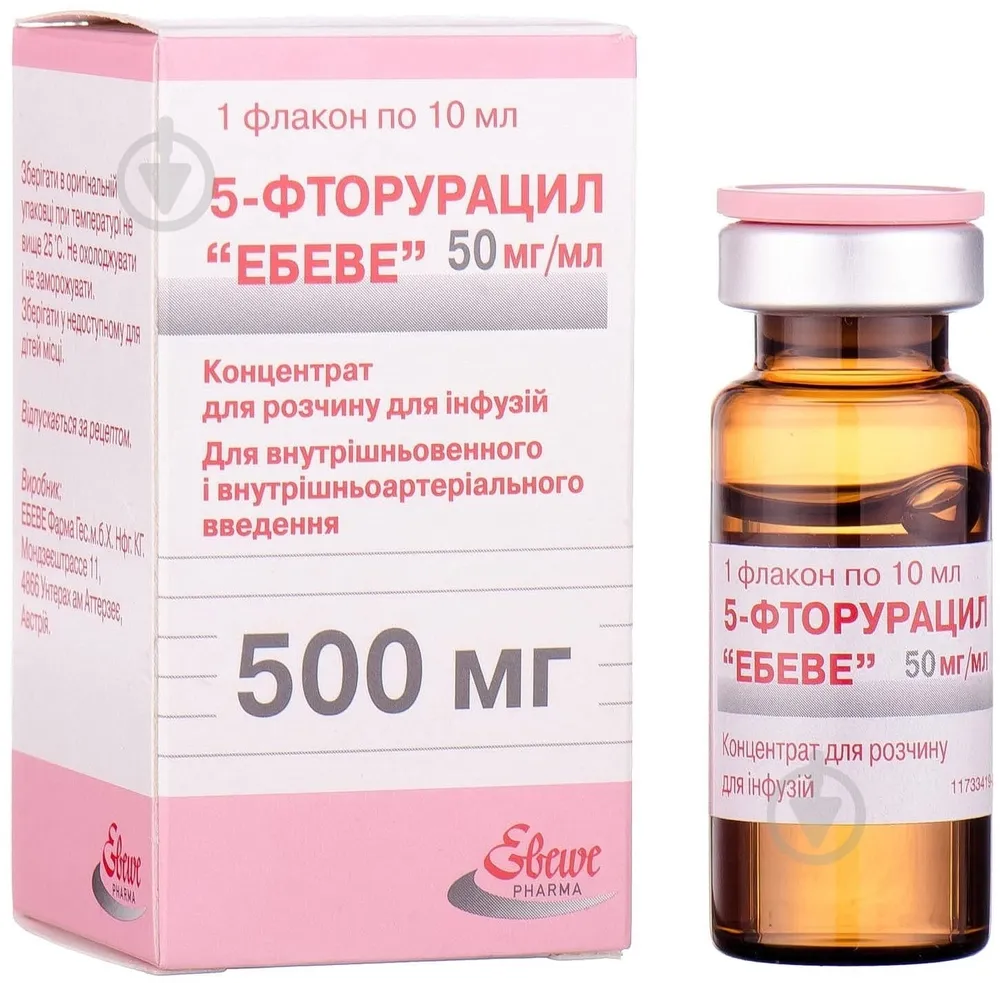
Table of Contents
INSTRUCTIONS FOR MEDICAL USE OF THE MEDICINAL PRODUCT 5-FLUOROURACIL «EBEWE» (5-FLUOROURACIL «EBEWE»)
Composition:
Active substance: fluorouracil (fluorouracil);
1 ml of concentrate contains 50 mg of fluorouracil;
Excipients: sodium hydroxide, water for injections.
Pharmaceutical form. Concentrate for solution for infusion.
Main physicochemical properties: clear, colourless or slightly yellow solution.
Pharmacotherapeutic group. Antineoplastic agents. Antimetabolites. Pyrimidine analogues. ATC code L01B C02.
Pharmacological Properties
Pharmacodynamics
Fluorouracil is an antineoplastic agent belonging to the group of antimetabolites. As a pyrimidine antagonist, it interferes with DNA synthesis and thereby inhibits cell division. Fluorouracil itself does not possess antineoplastic activity. Antitumor effects are manifested in the body after enzymatic transformation of fluorouracil into phosphorylated forms – 5-fluorouridine and 5-fluorodeoxyuridine.
Pharmacokinetics
Absorption
There is considerable inter- and intra-individual variability in the absorption of fluorouracil from the gastrointestinal tract following oral administration. Fluorouracil also undergoes extensive "first-pass" metabolism in the liver. The bioavailability of fluorouracil ranges from 0 to 80%. Fluorouracil may be administered only intravenously or intra-arterially.
5-Fluorouracil is catabolized by the enzyme dihydropyrimidine dehydrogenase (DPD) to dihydro-5-fluorouracil (FUH2), which is much less toxic. Dihydropyrimidinase then cleaves the pyrimidine ring to yield 5-fluoro-ureidopropionic acid (FUPA). Finally, β-ureidopropionase cleaves FUPA into α-fluoro-β-alanine (FBAL), which is excreted in urine. DPD activity is the rate-limiting factor in fluorouracil clearance. DPD deficiency may lead to increased toxicity of 5-fluorouracil.
Distribution
After intravenous administration, fluorouracil is distributed throughout the body, particularly in rapidly proliferating tissues such as bone marrow, gastrointestinal mucosa, and tumor tissues. Fluorouracil crosses the blood-brain and placental barriers. The volume of distribution of fluorouracil is 0.12 L/kg body weight, and plasma protein binding is approximately 10%.
Biological Transformation
Metabolism of fluorouracil occurs primarily in the liver and is analogous to the metabolism of uracil. Rapid enzymatic conversion of fluorouracil into its active metabolite, dihydro-5-fluorouracil, occurs, with the latter having a significantly longer half-life than fluorouracil. During metabolism, non-toxic compounds such as carbon dioxide and urea are also formed.
Elimination
The mean half-life of fluorouracil in plasma is 10–20 minutes and depends on the administered dose. Unchanged fluorouracil is no longer detectable in plasma 3 hours after intravenous administration.
Fluorouracil is primarily eliminated via the lungs as carbon dioxide (60–80%). It is also excreted unchanged by the kidneys (7–20%) at a rate of approximately 170–180 mL/min. Elimination of fluorouracil is slower in patients with impaired renal function.
Clinical characteristics.
Indications.
Adjuvant or palliative treatment:
- advanced colorectal cancer;
- advanced gastric cancer;
- advanced pancreatic cancer;
- advanced and/or metastatic breast cancer;
- advanced head and neck tumours.
Contraindications.
- Hypersensitivity to fluorouracil or to any of the excipients.
- Significant abnormalities in blood cell counts.
- Bone marrow suppression, particularly following radiotherapy or treatment with other antineoplastic agents.
- Bleeding.
- Severe hepatic and/or renal dysfunction.
- Severe infections (e.g. herpes zoster, varicella).
- Stomatitis, ulceration of the mucous membranes of the mouth and gastrointestinal tract.
- Pseudomembranous enterocolitis.
- Myelosuppression.
- Severe diarrhoea.
- Severe debilitation (cachexia).
- Plasma bilirubin level > 85 µmol/L.
- During fluorouracil treatment, vaccination with live vaccines must be avoided.
- Pregnancy or breastfeeding.
Complete deficiency of dihydropyrimidine dehydrogenase (DPD) is known.
Fluorouracil must not be administered concurrently with brivudine, sorivudine, or their analogues. Brivudine, sorivudine, and analogues are potent inhibitors of the enzyme dihydropyrimidine dehydrogenase (DPD), which metabolizes fluorouracil.
In patients with DPD deficiency, therapeutic doses of 5-fluorouracil may lead to enhanced adverse effects. If serious adverse reactions occur, screening for DPD enzyme activity may be indicated. Patients with DPD deficiency should not be treated with 5-fluorouracil.
Administration of live vaccines should not be performed concurrently with 5-fluorouracil therapy. All contact with oral polio vaccines should be avoided.
Special safety precautions.
As with all cytotoxic agents, handling of 5-fluorouracil "Ebewe" requires adherence to safety procedures: use of protective clothing (gowns, caps, masks, goggles, and disposable gloves), preferably in a specially designated area.
Contact of fluorouracil solutions with skin or mucous membranes must be avoided. If such contact occurs, thoroughly wash the affected area with soap and water. If fluorouracil solution enters the eyes, rinse immediately with copious amounts of water and seek medical attention without delay. Pregnant healthcare personnel must not handle this product.
Inactivation: 700 °C; Sodium hypochlorite (aqueous solution of natrii hypochlorosi), diluted 10 parts water; concentrated NaOH for several hours.
The reconstituted solution should be used immediately after preparation.
Reduced efficacy due to adsorption of 5-fluorouracil onto glass infusion containers has been reported in the literature.
Handling and disposal of cytostatic agents must comply with local regulations.
Unused medicinal product or contaminated materials must be disposed of according to local requirements.
Interaction with other medicinal products and other forms of interaction.
Combination therapy of fluorouracil with calcium folinate (folinic acid) has been described in medical literature. The clinical consequence of this interaction may be severe, sometimes fatal, diarrhoea. Increased incidence of fatal events has been reported, particularly with regimens involving weekly intravenous bolus injection of 600 mg/m² 5-fluorouracil in combination with calcium folinate.
The efficacy and toxicity of therapy are increased when fluorouracil is administered in combination with other cytotoxic agents (cyclophosphamide, vincristine, methotrexate, cisplatin, doxorubicin), interferon-α, or folinic acid. When combined with other agents that suppress bone marrow function, dose adjustments of fluorouracil are required. Dose reductions may also be necessary when administered concurrently with radiotherapy. Fluorouracil may enhance skin radiation reactions during radiotherapy.
Cimetidine, metronidazole, allopurinol, and interferon may increase plasma concentrations of 5-fluorouracil, leading to increased toxicity of 5-fluorouracil.
In women receiving a thiazide diuretic in addition to cyclophosphamide, methotrexate, and fluorouracil, a greater reduction in granulocyte count was observed compared to similar cytotoxic cycles without thiazide.
Isolated cases of decreased prothrombin time (Quick's test) have been reported in patients receiving warfarin and concomitant fluorouracil, either as monotherapy or in combination with levamisole.
Cardiotoxicity of anthracyclines may be enhanced when administered in combination with fluorouracil. Aminophenazone, phenylbutazone, and sulfonamides must not be taken before or during fluorouracil treatment. Concurrent administration of allopurinol may reduce the toxicity and efficacy of fluorouracil therapy.
Chlordiazepoxide, disulfiram, griseofulvin, and isoniazid may enhance the efficacy of fluorouracil therapy.
Fluorouracil suppresses general defence mechanisms of the body, thereby reducing immune response. Administration of live vaccines during fluorouracil therapy may lead to enhanced viral replication.
Hemolytic-uremic syndrome has been reported after prolonged treatment with fluorouracil in combination with mitomycin.
Levamisole may enhance the hepatotoxicity of fluorouracil.
Vinorelbine in combination with fluorouracil and folinic acid may cause severe mucosal inflammation.
Gemcitabine may increase systemic exposure to fluorouracil.
The enzyme dihydropyrimidine dehydrogenase (DPD) plays a key role in the metabolism of fluorouracil. Nucleoside analogues such as brivudine and sorivudine may lead to a sharp increase in plasma concentrations of fluorouracil or other fluoropyrimidines, thereby increasing toxicity. For this reason, a minimum interval of four weeks must be maintained between administration of fluorouracil and brivudine, sorivudine, or their analogues. If necessary, testing of DPD enzyme activity should be performed prior to initiating therapy with 5-fluoropyrimidines. In case of accidental administration of brivudine to patients receiving fluorouracil therapy, effective measures must be taken to reduce fluorouracil toxicity. Immediate hospitalization is recommended. All measures should aim at preventing systemic infections and dehydration.
When phenytoin and fluorouracil are administered concurrently, increased plasma levels of phenytoin have been reported, leading to symptoms of phenytoin intoxication.
In women with breast cancer receiving a combination of cyclophosphamide, methotrexate, fluorouracil, and tamoxifen, an increased risk of thromboembolic events has been observed.
When vinorelbine is administered concurrently with fluorouracil/folinic acid, severe mucositis may develop, potentially leading to fatal outcome.
Quantitative methods for determining bilirubin and 5-hydroxyindoleacetic acid in urine may yield falsely elevated or false-positive results.
General instructions for cytostatic agents.
Cytostatic agents may reduce antibody formation following influenza vaccination. Cytostatic agents may increase the risk of infection following vaccination with live vaccines.
Special precautions for use.
Treatment with 5-fluorouracil "Ebewe" should be carried out under the supervision of a qualified oncologist experienced in the use of potent antimetabolites. Treatment with fluorouracil should be initiated in a hospital setting.
Gastrointestinal mucosal damage during fluorouracil therapy requires symptomatic management depending on the severity, for example, fluid replacement. Mild diarrhea can be managed with antidiarrheal medications. However, this is insufficient for the treatment of moderate to severe diarrhea.
Prior to initiating fluorouracil therapy and during treatment, the following clinical examinations should be performed:
- Daily examination of the oral cavity and pharynx to detect possible signs of mucosal damage;
- Complete blood count, including counts of blood cells and platelets, prior to each fluorouracil administration;
- Biochemical assessment of fluid and electrolyte balance;
- Liver function tests;
- Measurement of serum uric acid levels;
- Fecal occult blood test.
Treatment should be immediately discontinued if any of the following symptoms occur: gastrointestinal reactions (stomatitis, mucositis, severe diarrhea, severe vomiting, ulceration, bleeding), leukocyte count < 3000/µL, platelet count < 80,000/µL, adverse reactions affecting the central nervous system (including ataxia and tremor), or cardiovascular system.
Treatment may be resumed only after resolution of adverse reactions and if the patient's general condition permits. Resumption of therapy is not recommended in cases of severe gastrointestinal, cardiac, or neurological toxicity.
Careful monitoring of the prothrombin index (prothrombin time by Quick) is required when fluorouracil is used concomitantly with oral anticoagulants.
Live vaccines should not be administered during fluorouracil therapy. During treatment with fluorouracil, patients should avoid contact with individuals who have received the oral polio vaccine.
Leukopenia typically develops during adequate fluorouracil treatment. The lowest leukocyte count usually occurs before day 7 and day 14 of the first treatment cycle, although occasionally the nadir may occur around day 20. Leukocyte counts usually return to normal by day 30.
Daily monitoring of platelet and leukocyte counts is recommended. Treatment should be discontinued if platelet count falls below < 100 x 10⁹/L and leukocyte count below < 3 x 10⁹/L. If leukocyte count decreases below 2 x 10⁹/L, especially in the presence of granulocytopenia, patients should be hospitalized in an isolation unit and measures taken to prevent systemic infections. Treatment should also be discontinued in the event of hemorrhage or bleeding at any site.
Fluorouracil has a narrow "therapeutic window"—the difference between therapeutic and toxic doses is small. Achieving a therapeutic effect without some degree of toxicity is unlikely; therefore, careful patient selection and dose individualization are essential. Fluorouracil should be administered with caution in patients with impaired renal or hepatic function, or jaundice. Caution is also required when treating patients who experienced chest pain during previous treatment cycles or those with a history of cardiovascular disease. In cases of severe cardiotoxic effects, fluorouracil therapy should be discontinued. Fluorouracil may exert cardiotoxic effects even in patients without a history of heart disease.
Particular caution is required when treating high-risk patients (those who have received high-dose pelvic radiation, alkylating agents, or patients who have undergone adrenalectomy or hypophysectomy).
When used in combination with methotrexate, methotrexate should not be administered within 24 hours prior to 5-fluorouracil administration (not vice versa) to achieve optimal efficacy.
Patients with dihydropyrimidine dehydrogenase (DPD) deficiency or low DPD activity, regardless of cause (including after use of DPD inhibitors such as eniluracil or the antiviral agent sorivudine), are at particularly high risk of developing severe and prolonged adverse reactions during 5-fluorouracil therapy. Therefore, initial screening for DPD activity is recommended. If severe adverse reactions occur soon after initiating 5-fluorouracil therapy, DPD deficiency should be considered. Patients with DPD deficiency should not be treated with 5-fluorouracil.
Due to the potential for anaphylactic reactions, measures for shock management should be available prior to administering 5-fluorouracil.
5-Fluorouracil may be mutagenic. Male patients undergoing treatment with 5-fluorouracil are advised to avoid fathering a child during treatment and for 6 months after treatment ends, and to seek medical advice regarding sperm cryopreservation due to the potential for severe impairment of spermatogenesis. Female patients should not become pregnant during treatment with 5-fluorouracil and should use effective contraception.
Genetic counseling is recommended when planning pregnancy after discontinuation of treatment.
Gastrointestinal mucosal damage requires symptomatic management depending on severity, for example, fluid replacement. Mild diarrhea may be managed with antidiarrheal agents. However, this is insufficient for moderate to severe diarrhea.
Patients should be additionally informed about the possible occurrence of stomatitis/mucositis, diarrhea, and bleeding (particularly gastrointestinal). Medical advice should be sought promptly upon onset of any symptoms.
Cardiotoxicity
Cardiotoxicity associated with fluoropyrimidine therapy includes myocardial infarction, angina pectoris, arrhythmias, myocarditis, cardiogenic shock, sudden death, and stress-induced cardiomyopathy (Takotsubo syndrome), as well as electrocardiographic changes (including very rare cases of QT prolongation). These adverse effects occur more frequently in patients receiving continuous infusion of 5-fluorouracil than with bolus injections. A history of ischemic heart disease may be a risk factor for some cardiovascular adverse reactions. Therefore, caution is warranted in patients who report chest pain during treatment or those with a history of cardiac disease. Cardiac function should be monitored regularly during fluorouracil therapy. Treatment should be discontinued in the event of severe cardiotoxicity.
Encephalopathy
Post-marketing experience has reported cases of encephalopathy (including hyperammonemic encephalopathy, leukoencephalopathy, posterior reversible encephalopathy syndrome (PRES), and Wernicke's encephalopathy) associated with 5-fluorouracil therapy. Symptoms of encephalopathy include altered mental status, confusion, disorientation, coma, or ataxia. If any of these symptoms develop, treatment should be immediately suspended, and serum ammonia and vitamin B1 levels should be evaluated. Appropriate therapy should be initiated if elevated serum ammonia or vitamin B1 deficiency is detected.
Caution is required when administering fluorouracil to patients with impaired renal and/or hepatic function, as they may be at increased risk of hyperammonemia and hyperammonemic encephalopathy. Hyperammonemic encephalopathy frequently occurs simultaneously with lactic acidosis.
Deficiency of dihydropyrimidine dehydrogenase (DPD)
The enzyme dihydropyrimidine dehydrogenase (DPD) plays a crucial role in the metabolism of 5-fluorouracil. Nucleoside analogs, such as brivudine and sorivudine, may increase plasma concentrations of 5-fluorouracil and other fluoropyrimidines, thereby increasing their toxicity.
Therefore, an interval of at least 4 weeks should be maintained between administration of 5-fluorouracil and brivudine, sorivudine, eniluracil, or their analogs.
If necessary, DPD enzyme activity should be assessed before initiating 5-fluorouracil therapy.
Testing for DPD deficiency
Testing for phenotype and/or genotype is recommended before initiating 5-fluorouracil therapy, despite uncertainty regarding optimal testing methodologies prior to treatment initiation. Relevant clinical guidelines should be considered.
Impaired renal function may lead to elevated uracil levels in blood, increasing the risk of diagnostic errors in patients with DPD deficiency who also have moderate to severe renal impairment.
Phenotypic assessment of DPD deficiency
For phenotypic assessment of DPD deficiency, measurement of baseline plasma uracil—endogenous substrate of DPD—is recommended. Elevated uracil concentrations prior to treatment are associated with an increased risk of toxicity. Despite uncertainty regarding threshold values defining complete or partial DPD deficiency, a plasma DPD level ≥ 16 ng/mL and < 150 ng/mL should be considered indicative of partial DPD deficiency and associated with an increased risk of fluoropyrimidine toxicity. A plasma uracil level ≥ 150 ng/mL should be considered indicative of complete DPD deficiency and associated with life-threatening or fatal fluoropyrimidine toxicity.
Plasma uracil levels should be interpreted with caution in patients with impaired renal function (see "Testing for DPD deficiency" above).
In the event of accidental administration of brivudine to patients receiving 5-fluorouracil, effective measures to reduce 5-fluorouracil toxicity should be implemented immediately. Immediate hospitalization is recommended. All necessary measures should be taken to prevent systemic infections and dehydration.
Rare, unexpected, and severe toxicity (e.g., stomatitis, diarrhea, mucositis, neutropenia, neurotoxicity) associated with 5-FU is explained by limited DPD activity. Patients with low or absent DPD activity—the enzyme responsible for fluorouracil elimination—are at increased risk of severe, life-threatening, or fatal adverse reactions. Although DPD deficiency cannot always be precisely determined, patients with certain homozygous or specific combinations of heterozygous mutations in the DPYD gene (e.g., DPYD*2A, c.1679T>G, c.2846A>T, and c.1236G>A/HapB3), which may result in complete or near-complete absence of DPD enzymatic activity (as determined by laboratory testing), are at the highest risk of life-threatening or fatal adverse reactions and should not be treated with 5-fluorouracil. Standard dosing has not been shown to be safe in patients with complete absence of DPD activity.
Patients with certain heterozygous DPYD variants (including DPYD*2A, c.1679T>G, c.2846A>T, and c.1236G>A/HapB3) have an increased risk of severe toxicity during fluoropyrimidine therapy.
The frequency of the heterozygous DPYD*2A genotype in Caucasian patients is approximately 1%, 1.1% for c.1679T>G, 2.6–6.3% for c.1236G>A/HapB3 variants, and 0.07–0.1% for c.1679T>G. Genotyping for these alleles is recommended to identify patients at increased risk of severe toxicity. Data on the frequency of these DPYD variants in non-Caucasian populations are limited. Other rare variants may also be associated with an increased risk of serious toxicity.
For patients with partial DPD deficiency (e.g., heterozygous mutations in the DPYD gene) where the benefit of 5-fluorouracil therapy outweighs the risks (considering the suitability of alternative non-fluoropyrimidine chemotherapy regimens), treatment should be administered with extreme caution, under continuous monitoring, and with dose adjustments based on toxicity. A reduced initial dose should be considered for such patients to prevent serious toxicity. Insufficient data are available to recommend a specific dose for patients with partially reduced DPD activity confirmed by specific testing. DPYD*2A and c.1679T>G variants have been reported to cause greater reduction in enzyme activity compared to other variants, with higher risk of adverse effects. The impact of dose reduction on efficacy is currently unknown. Therefore, dose escalation may be considered in the absence of serious toxicity, provided close patient monitoring is maintained. Patients with negative testing for the aforementioned alleles may still be at risk of developing severe adverse effects.
Life-threatening toxicity, manifesting as acute overdose, may occur in patients with undiagnosed DPD deficiency who receive 5-fluorouracil, as well as in patients with negative testing for specific DPYD variants. In cases of acute toxicity of grade 2–4, treatment should be immediately suspended. The decision to discontinue the drug should be based on clinical assessment of the onset, duration, and severity of observed toxicity.
Tumor lysis syndrome
Post-marketing experience has reported cases of tumor lysis syndrome associated with fluorouracil use. Patients at increased risk of tumor lysis syndrome (e.g., those with renal impairment, hyperuricemia, high tumor burden, or rapidly progressing disease) should be closely monitored. Preventive measures (e.g., hydration, management of elevated uric acid levels) should be considered.
Use during pregnancy or breastfeeding.
Pregnancy. 5-Fluorouracil "Ebewe" must not be used during pregnancy. Women of reproductive potential should use effective contraception. If pregnancy occurs during treatment, genetic counseling is recommended. 5-Fluorouracil may cause potentially severe fetal harm when administered during pregnancy.
Breastfeeding. The drug must not be used during breastfeeding.
Fertility. Fluorouracil may have a negative impact on the reproductive system. Men receiving fluorouracil therapy should not father a child during treatment and for 6 months after treatment ends. Men should be advised to consult specialists about sperm cryopreservation prior to initiating therapy, as fluorouracil may lead to irreversible infertility.
Ability to affect reaction speed when driving or operating machinery.
Fluorouracil may cause nausea and vomiting, thereby impairing the ability to drive or operate machinery. Patients receiving fluorouracil therapy should refrain from driving or operating complex machinery.
Method of Administration and Dosage.
Dosage and treatment regimen are determined individually depending on the patient's condition and type of cancer, as well as whether 5-fluorouracil "Ebewe" is used as monotherapy or in combination with other treatments. The exact dosage must be obtained from therapeutic protocols proven effective in treating the specific disease.
Treatment with 5-fluorouracil "Ebewe" should be initiated under hospital conditions. The total daily dose for adults must not exceed 1 g.
Typically, doses for adults should be calculated based on the patient's actual body weight per 1 kg. However, for patients with excessive body weight, edema, ascites, or other forms of pathological fluid retention, doses should be calculated based on ideal body weight per 1 kg.
5-fluorouracil "Ebewe" is administered via intravenous injection, intravenous infusion, or intra-arterial infusion.
Below are approximate dosage recommendations.
Initial therapy with daily administration:
- As intravenous (i.v.) infusion: 15 mg/kg or 600 mg/m² over 4 hours daily until onset of adverse effects.
- As i.v. injection: slow i.v. injection (over 2–3 minutes) of 12 mg/kg or 480 mg/m² on days 1, 2, and 3.
If no signs of toxicity are observed, administer 6 mg/kg or 240 mg/m² on days 5, 7, and 9.
Initial therapy on a weekly basis:
Slow i.v. administration of 15 mg/kg or 600 mg/m² once weekly.
Maintenance therapy.
Once remission is achieved or after reduction of adverse effects—specifically when white blood cell count increases to 3000–4000/µL and platelet count to 80,000–100,000/µL:
5–10 mg/kg or 200–400 mg/m² i.v. once weekly.
The maximum daily dose must not exceed 1 g. All doses are intended for patients with normal body weight. For patients with obesity, ascites, or edema, dose adjustment is required.
When fluorouracil is combined with other cytostatic agents having a similar adverse effect profile or with radiation therapy, the dose should be appropriately reduced. In such cases, the drug is administered as a 24-hour continuous intravenous infusion.
Treatment of colorectal cancer
During the initial treatment course, the drug may be administered via infusion or injection. Infusions are preferred, as they result in fewer toxic effects.
Intravenous infusions. Daily dose of 15 mg/kg body weight (600 mg/m² body surface area), but not exceeding 1 g per infusion, diluted in 300–500 mL of 5% glucose solution or 0.9% sodium chloride solution. The infusion solution should be administered intravenously over 4 hours. The same dose should be repeated on subsequent days until toxic effects appear or the total dose reaches 12–15 g. Some patients have received up to 30 g of fluorouracil at 1 g daily (maximum daily dose). If adverse hematological or gastrointestinal effects occur, the next dose should be postponed until hematological parameters recover and toxic effects subside. Alternatively, 5-fluorouracil "Ebewe" may be administered via continuous 24-hour intravenous infusions.
Intravenous injections. 12 mg/kg body weight (480 mg/m² body surface area) administered daily via intravenous injection for 3 days. In the absence of toxic effects, treatment may continue with 6 mg/kg body weight (240 mg/m² body surface area) on days 5, 7, and 9 of the cycle. For maintenance therapy, the drug is administered at 5–10 mg/kg body weight (200–400 mg/m² body surface area) once weekly.
If adverse effects occur, the next dose should be delayed until toxic effects diminish.
Treatment of breast cancer
For treatment of breast cancer, 5-fluorouracil "Ebewe" should be used in combination with other chemotherapeutic agents, e.g., methotrexate and cyclophosphamide, or doxorubicin and cyclophosphamide.
In such treatment regimens, 5-fluorouracil "Ebewe" is administered intravenously at 10–15 mg/kg body weight (400–600 mg/m² body surface area) on day 1 and day 8 of a 28-day cycle.
5-fluorouracil "Ebewe" may also be administered via continuous 24-hour intravenous infusions, with a typical dose of 8.25 mg/kg body weight (350 mg/m² body surface area).
Method of administration
Fluorouracil must be administered strictly via intravenous infusion. The drug should be administered via infusion or injection after dilution in 0.9% sodium chloride solution or 5% glucose solution.
Extravascular administration must be avoided.
Special dosage instructions
Recommended doses should be reduced by one-third or one-half in cases of cachexia, following major surgery, in myelosuppression (white blood cells < 4000/µL, platelets < 100,000/µL), and in severe hepatic or renal impairment.
Renal or hepatic dysfunction
Caution is required in patients with impaired renal or hepatic function, and dose reduction may be necessary.
Special patient groups
Dosage adjustment is not required when treating elderly patients.
The solution should be drawn from the vial/ampoule immediately before use.
If a precipitate forms in the drug solution due to cooling, it should be dissolved by heating to 60°C and vigorous shaking. The drug should be cooled to body temperature before administration.
Children.
Guidelines for fluorouracil treatment in children have not been established.
Overdose.
Symptoms
Acute: Psychotic reactions, drowsiness, enhanced effect of sedative drugs, enhanced toxic effect of alcohol.
If sedation is required, diazepam may be administered intravenously in small doses (e.g., starting at 5 mg), with continuous monitoring of cardiovascular and respiratory functions.
Chronic: Bone marrow suppression, up to agranulocytosis and critical thrombocytopenia, tendency to bleeding, gastrointestinal ulcers, diarrhea, alopecia.
Signs of intoxication: The following adverse reactions increase in severity with increasing overdose: nausea; vomiting; diarrhea; severe mucosal inflammation; gastrointestinal ulceration and gastrointestinal bleeding; myelosuppression (thrombocytopenia, leukopenia, agranulocytosis).
Treatment
There is no specific antidote for fluorouracil. As a preventive measure, transfusions of leukocyte or platelet concentrates may be used. Adequate hydration and diuresis should be ensured, and electrolyte imbalances corrected. Hemodialysis is usually not required. The patient must be under close medical supervision to detect hematological and delayed gastrointestinal complications as early as possible. Further treatment is symptomatic.
If signs of intoxication occur, fluorouracil administration must be stopped immediately. Symptomatic therapeutic measures should be initiated promptly.
Pronounced myelosuppression should be treated in a hospital setting. Therapy for myelosuppression includes, if necessary, replacement of lost blood components and antibacterial therapy. The patient may need to be placed in a sterile environment.
Hematological monitoring should be performed for 4 weeks following an overdose.
If continuation of therapy with 5-fluorouracil is necessary despite cardiac side effects, vasodilators should be prescribed to prevent coronary artery spasm.
Adverse Reactions
The most common and serious adverse reactions associated with fluorouracil are toxic effects on the bone marrow and gastrointestinal disturbances.
The following frequency categories of adverse reactions are listed:
Very common: ≥1/10; common: >1/100, <1/10; uncommon: ≥1/1000, <1/100; rare: ≥1/10000, <1/1000; very rare: <1/10000; frequency not known (cannot be estimated based on available data).
Infections and infestations
Very common: infections.
Uncommon: fever.
Frequency not known: infectious diseases, sepsis, local reaction due to extravasation (pain, swelling, erythema).
Blood and lymphatic system disorders
Very common: myelosuppression (one of the dose-limiting side effects), neutropenia and thrombocytopenia (both ranging from moderate to severe), leukopenia, anaemia, epistaxis, immunosuppression.
Common: febrile neutropenia.
Very rare: agranulocytosis, pancytopenia.
Leukopenia is most pronounced on days 9–14 after administration; by day 30, leukocyte counts usually return to normal.
The severity (grades I–IV according to the National Cancer Institute, NCI scale) of myelosuppression depends on the route of administration (intravenous bolus injection or continuous intravenous infusion) and dosage. Neutropenia occurs after each therapeutic cycle with intravenous bolus administration of fluorouracil at appropriate doses (maximum decrease in neutrophil counts: on days 9–14 (-20); return to normal: usually after day 30).
Immune system disorders
Very common: immunosuppression with increased frequency of infections.
Rare: generalized allergic reactions, anaphylaxis, anaphylactic shock.
Metabolic and nutritional disorders
Very common: hyperuricemia.
Frequency not known: lactic acidosis and tumour lysis syndrome, hypertriglyceridemia, vitamin B1 deficiency.
Psychiatric disorders
Rare: confusion.
Nervous system disorders
Uncommon: nystagmus, headache, dizziness, Parkinsonism, pyramidal symptoms, euphoria, somnolence.
Very rare: dysgeusia, peripheral neuropathy. Cases of leukoencephalopathy symptoms, including reversible ataxia after immediate discontinuation, have been reported. Speech difficulties, acute cerebellar syndrome, dysarthria, confusion, disorientation, myasthenia, aphasia, seizures or coma have been observed in patients receiving high doses of 5-fluorouracil and in patients with dihydropyrimidine dehydrogenase deficiency or renal impairment. Frequency not known: posterior reversible encephalopathy syndrome.
Frequency not known: hyperammonaemic encephalopathy, Wernicke's encephalopathy.
Eye disorders
Uncommon: excessive lacrimation and stenosis of lacrimal ducts, blurred vision, ocular movement disorders, optic neuritis, diplopia, decreased visual acuity, photophobia, conjunctivitis, blepharitis; ectropion due to cicatricial changes, and fibrosis of lacrimal glands.
Cardiac disorders
Very common: ECG changes characteristic of ischemia.
Common: chest pain resembling angina.
Uncommon: arrhythmia, myocardial infarction, myocardial ischemia, myocarditis, heart failure, dilated cardiomyopathy, cardiogenic shock.
Very rare: cardiac arrest and sudden cardiac death.
Cardiotoxic adverse effects predominantly occur during or within several hours after the first therapeutic cycle.
Patients with pre-existing ischemic heart disease or cardiomyopathy are at higher risk of developing cardiotoxic adverse effects.
Frequency not known: pericarditis, bradycardia, stress cardiomyopathy (Takotsubo syndrome).
Vascular disorders
Uncommon: hypotension.
Rare: cerebral ischemia, intestinal ischemia, peripheral ischemia, Raynaud's syndrome, thromboembolism, thrombophlebitis.
Respiratory, thoracic and mediastinal disorders
Very common: bronchospasm.
Gastrointestinal disorders
Gastrointestinal disturbances are very common and may be life-threatening.
Very common: mucositis (stomatitis, pharyngitis, esophagitis, proctitis), anorexia, watery diarrhea, nausea, vomiting (can be managed with antiemetic and antidiarrheal agents, respectively).
Uncommon: dehydration, sepsis, gastrointestinal ulceration and bleeding, expulsion of necrotic masses.
Severe proctitis and diarrhea, nausea and vomiting have been reported, progressing from mild to very severe.
The severity (grades I–IV according to the National Cancer Institute classification) of gastrointestinal adverse reactions depends on dose and route of administration. With continuous intravenous infusion, stomatitis is more likely than myelosuppression, which is the dose-limiting factor.
Rare cases of hepatic cell damage and isolated cases of liver necrosis, sometimes fatal, have been observed.
Frequency not known: pneumatosis intestinalis, enterocolitis, colitis (including necrotizing colitis).
Hepatobiliary disorders
Uncommon: hepatic cytolysis syndrome.
Very rare: liver necrosis (sometimes fatal), biliary sclerosis, cholecystitis.
Skin and subcutaneous tissue disorders
Very common: alopecia, delayed wound healing.
Uncommon: dermatitis, skin changes (particularly dryness, fissures, erosions, erythema, rash), pruritus, photosensitivity, skin allergic reactions, pigmentation, hyperpigmentation or depigmentation in stripes near veins, nail changes (e.g. diffuse superficial blue pigmentation, hyperpigmentation, nail dystrophy), pain and thickening of the nail plate (paronychia), and onycholysis.
An unusual complication associated with high-dose bolus administration and prolonged continuous infusions of fluorouracil is hand-foot syndrome (palmar-plantar erythrodysesthesia). The syndrome begins with dysesthesia of palms and soles, progressing to redness, pain, desquamation, and tenderness. Concomitant symmetrical swelling and erythema of palms and soles occur. The so-called "hand-foot syndrome," characterized by dysesthesia, redness, swelling, pain, and desquamation of the skin of palms and soles, occurs very commonly after continuous intravenous infusion and commonly after intravenous bolus injection. Frequency not known: cutaneous lupus erythematosus.
Musculoskeletal and connective tissue disorders
Uncommon: necrosis of nasal bones, muscle weakness.
Renal and urinary disorders
Uncommon: renal failure, hyperuricemia.
Endocrine disorders
Frequency not known: increased levels of total thyroxine (T4) and total triiodothyronine (T3) in serum without increase in free T4 and TSH, without clinical signs of hyperthyroidism.
Reproductive system disorders
Uncommon: impaired spermatogenesis and ovulation.
General disorders and administration site conditions
Very common: exhaustion, general asthenia, fatigue, apathy, fever.
Investigations
Very rare: isolated cases of increased prothrombin time have been reported with concomitant use of fluorouracil and warfarin.
Shelf life.
2 years.
Storage conditions.
Store in the original packaging at a temperature not exceeding 25°C. Do not refrigerate or freeze. Keep out of the reach of children.
Incompatibilities.
5-Fluorouracil "Ebewe" must be diluted only with 0.9% sodium chloride solution or 5% glucose solution.
5-Fluorouracil should not be diluted with strong buffer solutions with pH < 8, as 5-fluorouracil precipitates in such environments. Do not mix with other chemotherapeutic solutions.
Incompatibilities reported with the following substances
Cisplatin, cytarabine, diazepam, doxorubicin, droperidol, filgrastim, gallium nitrate, leucovorin, methotrexate, metoclopramide, morphine, ondansetron, parenteral nutrition solutions, vinorelbine.
Compatibility with Calcium Folinate "Ebewe"
5-Fluorouracil must not be mixed in the same infusion with calcium folinate, as precipitation may occur. 5-Fluorouracil 50 mg/mL with calcium folinate 20 mg/mL, with or without 5% dextrose in water, has been found to be incompatible when mixed in various proportions and stored at 4°C, 23°C, or 32°C in polyvinyl chloride containers. 5-Fluorouracil "Ebewe" should not be mixed with other chemotherapeutic solutions.
Infusion solutions with concentrations of 0.35 mg/mL and 15.0 mg/mL, prepared by diluting 5-fluorouracil "Ebewe" with 5% glucose solution or 0.9% sodium chloride solution, are chemically and physically stable for 28 days when stored at room temperature protected from light. Use only clear solutions.
Precipitation in the form of crystals may occur if stored below 15°C. However, crystals can be redissolved by heating to 60°C in a water bath with vigorous shaking. Cool to body temperature before injection.
Packaging.
5 mL (250 mg), 10 mL (500 mg), 20 mL (1000 mg), or 100 mL (5000 mg) of concentrate in a brown glass vial stoppered with a bromobutyl rubber closure and sealed with an aluminium crimp cap; 1 vial per cardboard box; 5 mL (250 mg) or 10 mL (500 mg) concentrate in a clear glass ampoule; 5 ampoules per cardboard box.
Prescription status.
Prescription only.
Manufacturer.
(Responsible for batch release)
Ebewe Pharma Ges.m.b.H. Nfg. KG
or
Fareva Unterach GmbH
Manufacturer's address and place of business.
Mondseestrasse 11, 4866 Unterach am Attersee, Austria.