Zolsana
Poland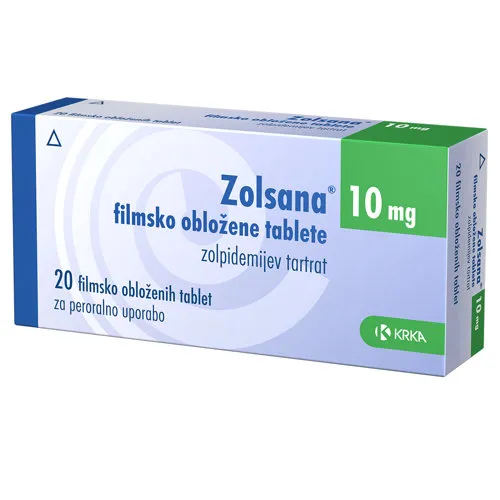
Table of Contents
Package leaflet: Information for the user
Zolsana, 10 mg, film-coated tablets
Zolpidem tartrate
Please read all of this leaflet carefully before taking this medicine, because it contains
important information for you.
- Keep this leaflet. You may need to read it again.
- If you have any further questions, please ask your doctor or pharmacist.
- This medicine has been prescribed for you only. Do not pass it on to others. It may harm other people, even if their symptoms are the same as yours.
- If you experience any side effects, including any not listed in this leaflet, please inform your doctor or pharmacist. See section 4.
Contents of the leaflet
- What Zolsana is and what it is used for
- Important information before taking Zolsana
- How to take Zolsana
- Possible side effects
- How to store Zolsana
- Contents of the pack and other information
1. What Zolsana is and what it is used for
Zolsana belongs to a group of medicines known as benzodiazepine-like drugs used to treat sleep disorders.
Zolsana is indicated for the short-term treatment of insomnia in adults, and only in cases where
sleep disturbances are severe, significantly impairing normal functioning or causing extreme
exhaustion.
This medicine is not intended for long-term use. Treatment should be as short as possible, since the risk of dependence increases with the duration of treatment.
2. Important information before using Zolsana
When not to use Zolsana:
- if the patient is allergic to zolpidem or any of the other ingredients of this medicine (listed in section 6);
- if the patient has severe muscle weakness (myasthenia gravis);
- if the patient suffers from brief periods of stopped breathing during sleep (sleep apnoea syndrome);
- if the patient has severe liver impairment;
- if the patient has acute and/or severe respiratory insufficiency.
Warnings and precautions:
General information
Before starting treatment with Zolsana, discuss this with your doctor or pharmacist. Before taking a sleeping medicine, the cause of sleep disturbances should be investigated and, if possible, any underlying conditions causing them should be treated.
If treatment for sleep disturbances is ineffective after 7 to 14 days, further evaluation is required.
Tolerance
Repeated use of Zolsana or other sleeping medicines over several weeks may reduce their effectiveness.
Dependence
Use of Zolsana may lead to drug abuse and/or development of physical and psychological dependence. The risk of dependence increases with dose and duration of treatment and is higher when the medicine is used for longer than 4 weeks. The risk of abuse and dependence is greater in patients with a history of psychiatric disorders and/or in patients who previously abused alcohol, illicit substances or medicines. Inform your doctor if the patient has ever had psychiatric disorders, or has abused or been dependent on alcohol, substances or medicines.
If physical dependence develops, abruptly stopping the medicine may lead to withdrawal symptoms such as headache, muscle pain, severe anxiety and tension, restlessness, disorientation, and irritability.
In severe cases, the following symptoms may occur: loss of sense of reality, withdrawal from others, increased sensitivity to sound, tingling and numbness in hands and feet, hypersensitivity to light, sound and touch, hallucinations or seizures.
Rebound insomnia
After stopping treatment with zolpidem or other sedative medicines, the symptoms that led to prescribing the medicine may return or worsen. Other reactions may also occur, such as mood changes, anxiety and restlessness.
The risk of rebound symptoms is higher if treatment is stopped abruptly; therefore, gradual dose reduction is recommended.
Duration of treatment
Treatment duration should be as short as possible and should not exceed 4 weeks, including the period of tapering off the medicine. Treatment may be extended only after re-evaluation of the patient's clinical condition.
Memory disturbances (amnesia)
Zolsana or other sedative medicines may cause memory loss (amnesia). This usually occurs several hours after taking Zolsana. To reduce the risk of this effect, the patient should ensure 8 hours of uninterrupted sleep.
Psychological and "paradoxical" (opposite) reactions
While taking Zolsana, the following adverse effects may occur: restlessness, worsening of sleep disturbances, excitement, irritability, aggression, delusions, outbursts of anger, nightmares, psychiatric disorders, sleepwalking (somnambulism), inappropriate behaviour and other adverse behavioural effects.
Taking Zolsana together with alcohol or other medicines increases the risk of such behaviours, as does using the medicine at doses exceeding the maximum recommended dose.
Sleepwalking and related behaviours
In patients taking Zolsana who did not fully wake up, cases of sleepwalking and other related behaviours have been reported, such as driving while asleep, preparing and eating food, making phone calls or engaging in sexual activity during sleep, with no memory of these events. Concomitant use of Zolsana with alcohol or other medicines appears to increase the risk of such behaviours, as does using the medicine at doses exceeding the maximum recommended dose. Consider discontinuing the medicine if such behaviours occur (e.g. sleep-driving), due to safety risks for the patient and others. Contact your doctor if such behaviours occur.
Falls
Use of benzodiazepines, including Zolsana, has been associated with an increased risk of falls. These may result from adverse effects of benzodiazepines such as coordination problems, muscle weakness, dizziness, drowsiness and fatigue. The risk of falls is higher in elderly patients and when higher than recommended doses are used.
Next-day psychomotor disturbances (see also "Driving and operating machinery")
The day after taking Zolsana (as with other sleeping medicines), the risk of psychomotor impairment, including impaired ability to drive, may be increased if:
- the patient took the medicine less than 8 hours before activities requiring increased mental alertness,
- the patient took a dose higher than the recommended dose,
- the patient took zolpidem while taking other medicines with central nervous system depressant effects or other medicines that increase blood levels of zolpidem, while consuming alcohol or while using illicit substances.
A single dose should be taken immediately before bedtime.
Do not take another dose during the same night.
Special patient groups
Exercise caution when using Zolsana or other sedative medicines in patients:
- with breathing disorders,
- with symptoms of depression (due to the risk of suicidal thoughts). During treatment with sedative medicines, previously existing depression may become apparent,
- with a history of psychiatric disorders and/or alcohol or drug abuse,
- with prolonged QT interval syndrome (inherited heart rhythm disorders). The doctor should prescribe the smallest available pack size.
Zolsana with other medicines
Tell your doctor or pharmacist about all medicines the patient is currently taking or has recently taken, as well as any medicines the patient plans to take.
When zolpidem is taken with certain medicines, drowsiness and next-day psychomotor disturbances, including impaired ability to drive, may be intensified. These medicines include:
- medicines used to treat certain psychiatric disorders (antipsychotics),
- medicines used to treat sleep problems (sleeping pills),
- sedatives or medicines reducing anxiety,
- medicines used to treat depression,
- medicines used to treat moderate to severe pain (opioid analgesics),
- medicines used to treat epilepsy,
- medicines used in anaesthesia,
- medicines used to treat hay fever, rashes or other allergies that may cause drowsiness (sedating antihistamines).
When zolpidem is taken with antidepressants such as bupropion, desipramine, fluoxetine, sertraline and venlafaxine, the patient may see unreal things (visual hallucinations).
Concomitant use of zolpidem with fluvoxamine or ciprofloxacin is not recommended.
Medicines that strongly increase the activity of certain liver enzymes may reduce the effect of Zolsana, e.g. rifampicin (an antibacterial medicine used, for example, in the treatment of tuberculosis).
Zolsana with food, drink and alcohol
During treatment, avoid consuming alcohol simultaneously, as it may enhance the sedative effect of the medicine.
Opioids
Concomitant use of Zolsana and opioids (strong painkillers, medicines used in substitution treatment of addiction and some cough medicines) increases the risk of drowsiness, breathing difficulties (respiratory depression), coma and may be life-threatening. Therefore, concomitant use of these medicines should be considered only when other treatment options are not possible.
If your doctor prescribes Zolsana together with opioids, they should limit the dose and duration of concomitant use.
Inform your doctor about all opioid medicines the patient is taking and strictly follow dosing instructions. It may be helpful to inform friends or family about the risks so they are aware of the mentioned signs and symptoms. If these symptoms occur, contact your doctor.
Painkillers
When used concomitantly with opioid analgesics, an unusually pleasant feeling may occur, which may lead to increased psychological dependence.
St. John's wort and rifampicin
Concomitant use with St. John's wort or rifampicin (a medicine used to treat tuberculosis) may reduce the effectiveness of zolpidem.
Ketoconazole
Concomitant use with ketoconazole (an antifungal medicine) may increase the effectiveness of zolpidem.
Pregnancy, breastfeeding and effects on fertility
Pregnancy
Zolpidem is not recommended during pregnancy. If the patient is pregnant or breastfeeding, suspects she may be pregnant, or is planning to have a child, she should consult her doctor.
Use of the medicine during pregnancy may affect the child's development.
Some studies have shown an increased risk of cleft lip and palate (sometimes called hare lip) in newborns.
Use of the medicine during the second and/or third trimester of pregnancy may lead to reduced fetal movements and variable heart rhythm in the fetus.
If the medicine is used towards the end of pregnancy or during delivery, the newborn may experience muscle weakness, reduced body temperature, feeding difficulties and breathing problems (respiratory failure).
If the medicine is taken regularly in late pregnancy, physical dependence may develop and withdrawal symptoms such as agitation or tremors may occur. In such cases, the newborn should be closely monitored in the postnatal period.
Breastfeeding
If the patient is taking Zolsana, she should not breastfeed.
Driving and operating machinery
Zolsana has a major effect on the ability to drive and operate machinery and may cause events such as "falling asleep at the wheel". The day after taking Zolsana (as with other sleeping medicines), it may happen that:
- the patient feels drowsy, sleepy, dizzy or disoriented,
- the patient needs more time to make quick decisions (impaired reflexes),
- the patient may have blurred or double vision,
- the patient may be less alert.
To minimize the risk of these events, it is recommended to allow at least an 8-hour interval between taking zolpidem and driving, operating machinery or working at heights.
Do not consume alcohol or psychoactive substances while taking Zolsana, as this may worsen the effects mentioned above.
Zolsana contains lactose
If the patient has previously been diagnosed with intolerance to certain sugars, the patient should consult their doctor before taking the medicine.
Zolsana contains sodium
This medicine contains less than 1 mmol (23 mg) of sodium per coated tablet, meaning the medicine is considered "sodium-free".
3. How to use Zolsana
This medicine should always be used according to the instructions given by your doctor or pharmacist. If you have any doubts,
you should consult your doctor or pharmacist.
The recommended dose of Zolsana is 10 mg once every 24 hours. Your doctor may prescribe a lower dose for some patients. Zolsana should be taken:
- as a single dose,
- just before going to bed,
- with a drink (for example, a glass of water).
The patient must allow at least an 8-hour interval between taking the medicine and performing any activities requiring increased concentration.
Do not exceed the dose of 10 mg every 24 hours.
Adults
The usual dose is 10 mg (1 tablet).
Elderly patients or debilitated patients
The initial dose is 5 mg (1/2 tablet).
Impaired liver function
The initial dose is 5 mg (1/2 tablet).
Children
Zolsana must not be used in children and adolescents under 18 years of age, as there is insufficient data available on its use in this age group.
Duration of treatment
Treatment duration should be as short as possible and should not exceed 4 weeks, including the period of gradual dose reduction, because the risk of misuse and dependence increases with the duration of treatment. Your doctor will inform you about the appropriate treatment duration and may, in certain cases, extend it.
Taking more Zolsana than prescribed
If you take more Zolsana than recommended, contact your doctor or pharmacist immediately.
Overdose of Zolsana may cause various symptoms, ranging from pronounced drowsiness to mild coma. In case of overdose or suspected overdose, you must immediately contact your doctor.
Missing a dose of Zolsana
It may happen that the patient forgets to take Zolsana. In such a case, there is no need to take the missed dose. The next prescribed dose should be taken at the usual time. Do not take a double dose to make up for a missed dose.
Stopping Zolsana treatment
Do not stop taking Zolsana suddenly. Withdrawal symptoms such as headache, muscle pain, severe anxiety and tension, restlessness, disorientation, and irritability may occur. You should contact your doctor, who will gradually reduce the dose of the medicine in order to discontinue treatment.
If you have any further questions about the use of this medicine, consult your doctor or pharmacist.
4. Possible side effects
Like all medicines, this medicine can cause side effects, although not everybody gets them.
The following side effects occur mainly during the initial period of treatment: daytime drowsiness,
numbness, reduced alertness, disorientation, fatigue, headache, dizziness, muscle weakness,
coordination disorders (ataxia), and double vision. These effects usually diminish over time during
treatment. Other reported side effects include gastrointestinal symptoms, changes in libido, and
skin reactions.
Common side effects (may occur in up to 1 in 10 patients):
- upper and lower respiratory tract infections
- hallucinations, restlessness, nightmares, worsening of sleep disorders, depression
- daytime drowsiness, sensation of numbness, headache, dizziness, memory loss which may occur within a few hours after taking the medicine (anterograde amnesia; risk increases if the patient sleeps less than 7 or 8 hours)
- diarrhoea, nausea, vomiting, abdominal pain
- back pain
- fatigue
Uncommon side effects (may occur in up to 1 in 100 patients):
- appetite disturbances
- confusion, irritability, anxiety, outbursts of anger (aggression), sleepwalking, euphoric mood
- tingling, itching, or pins and needles without cause (paresthesia), involuntary tremor, attention disorders (concentration), speech disorders
- blurred vision, double vision
- increased activity of liver enzymes
- rash, itching, excessive sweating
- joint pain, muscle pain, muscle cramps, neck pain, muscle weakness
Rare side effects (may occur in up to 1 in 1,000 patients):
- changes in libido
- reduced alertness, coordination disorders (ataxia)
- various types of liver damage
- rash with intense itching (urticaria) and formation of nodules, urticaria
- abnormal gait
Very rare side effects (occur in less than 1 in 10,000 patients):
- narrowed field of vision
- delusions, physical and psychological dependence
- respiratory failure
Frequency not known (frequency cannot be estimated from the available data):
- sudden accumulation of fluid in the skin and mucous membranes (e.g. in the throat or tongue), difficulty breathing and (or) itching and rash – often occurring as an allergic reaction (angioedema)
- outbursts of anger, unusual behaviour and psychoses, drug abuse
- habituation
- falls (especially in elderly patients)
During treatment, symptoms of pre-existing depression may emerge.
Reporting of side effects
If any side effects occur, including any not listed in this leaflet, inform your doctor or pharmacist.
Side effects can be reported directly to the Department for Monitoring of Adverse Drug Reactions
at the Office for Registration of Medicinal Products, Medical Devices and Biocidal Products:
Al. Jerozolimskie 181C, 02-222 Warsaw
Tel.: + 48 22 49 21 301
Faks: + 48 22 49 21 309
e-mail: [email protected]
Side effects can also be reported to the responsible entity.
Reporting side effects helps to provide more information on the safety of the medicine.
5. How to store Zolsana
Keep this medicine out of sight and reach of children.
Do not use this medicine after the expiry date stated on the carton and blister. The first two digits indicate the month, and the last four digits indicate the year. The expiry date refers to the last day of the specified month.
Store the medicine in the original packaging.
Medicines must not be disposed of via wastewater or household waste. Ask your pharmacist how to dispose of medicines no longer in use. This will help protect the environment.
6. Contents of the pack and other information
What Zolsana contains
- The active substance is zolpidem tartrate. Each coated tablet contains 10 mg of zolpidem tartrate.
- Other ingredients are: Tablet core: monohydrate lactose, microcrystalline cellulose, sodium carboxymethyl starch, hypromellose and magnesium stearate. Tablet coating: Opadry Y-1-7000 White: titanium dioxide (E 171), hypromellose 5cP and polyethylene glycol 400.
What Zolsana looks like and contents of the pack
The coated tablets are white, oval-shaped, biconvex, with a division line on both sides and
imprinted with "ZIM" and "10" on one side. The tablet can be divided into equal doses.
Packaging: 10, 20 and 30 coated tablets in blisters, packed in a cardboard box.
Marketing Authorisation Holder
KRKA, d.d., Novo mesto, Šmarješka cesta 6, 8501 Novo mesto, Slovenia
Manufacturer
KRKA, d.d., Novo mesto, Šmarješka cesta 6, 8501 Novo mesto, Slovenia
Synthon Hispania S.L., Polígono Las Salinas, 08330 Sant Boi de Llobregat, Spain
Synthon BV, Microweg 22, 6545 CM Nijmegen, The Netherlands