Zolpic
Poland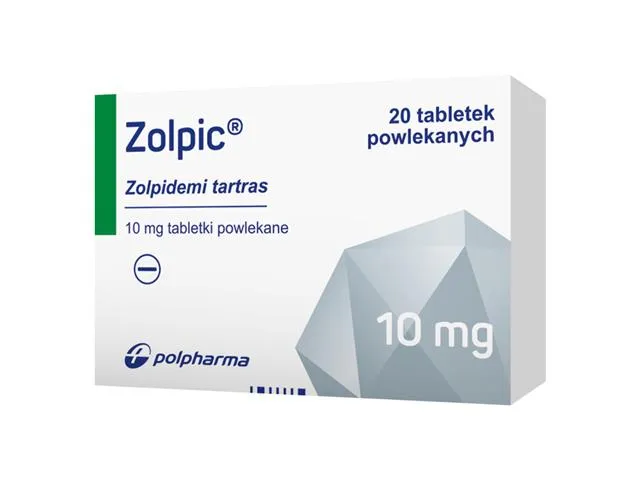
Table of Contents
Package leaflet: Information for the patient
Zolpic, 10 mg, coated tablets
Zolpidemi tartras
Please read the entire leaflet carefully before taking the medicine, as it contains
important information for the patient.
- Keep this leaflet so that you can read it again if necessary.
- If you have any questions, please consult your doctor or pharmacist.
- This medicine has been prescribed for a specific individual. Do not pass it on to others. The medicine may harm another person, even if their symptoms are the same.
- If the patient experiences any adverse reactions, including any adverse reactions not listed in this leaflet, inform the doctor or pharmacist. See section 4.
Table of contents of the leaflet
- What is Zolpic and what is it used for
- Important information before taking Zolpic
- How to take Zolpic
- Possible side effects
- How to store Zolpic
- Contents of the pack and other information
1. What is Zolpic and what is it used for
Zolpic contains zolpidem, which is a hypnotic agent. The sleep-inducing effect of the medicine occurs rapidly after oral administration (within 10–30 minutes after taking the medicine) and lasts up to 6 hours.
Zolpic is indicated for the short-term treatment of insomnia in adults.
2. Important information before taking Zolpic
When not to take Zolpic
- if the patient is allergic to zolpidem or any of the other ingredients of this medicine (listed in section 6),
- if the patient suffers from sleep apnoea,
- if the patient has myasthenia gravis (muscle weakness),
- if the patient has severe hepatic insufficiency,
- if the patient has acute respiratory insufficiency or breathing disorders,
- if the patient has a mental illness.
Warnings and precautions
Before starting treatment with Zolpic, consult your doctor or pharmacist.
Next-day psychomotor impairments (see also Driving and operating
machinery)
The risk of next-day psychomotor impairment, including impaired ability to drive, may be increased the day after taking Zolpic if:
the patient took the medicine less than 8 hours before activities requiring increased mental alertness,
the patient took a dose higher than the recommended dose,
the patient took zolpidem together with other medicines that depress the central nervous system or other medicines that increase zolpidem blood levels, while consuming alcohol or taking illicit substances.
A single dose should be taken immediately before bedtime. Do not take another dose during the same night.
Before starting treatment with a hypnotic medicine, the cause of insomnia should be investigated and, if possible, eliminated. Persistent insomnia after 7–14 days of treatment may indicate underlying psychiatric or physical disorders; therefore, contact your doctor.
Zolpidem, like other hypnotic medicines, should be used cautiously in patients with symptoms of depression.
Since suicidal tendencies may occur in this group of patients, the prescribed amount of medicine should be kept to a minimum to prevent intentional overdose.
During treatment with zolpidem, pre-existing depression may become apparent. Insomnia may be one of the symptoms of depression. If insomnia persists, consult your doctor.
Since hypnotic medicines may depress respiratory centre function, Zolpic should be used cautiously in patients with respiratory disorders.
During treatment with zolpidem, as with benzodiazepines and other hypnotic medicines, the following may occur:
-
Tolerance With prolonged use beyond a few weeks, a reduction in the effectiveness of hypnotic medicines may sometimes be observed.
-
Dependence Hypnotic medicines may lead to the development of psychological and physical dependence. The risk of dependence increases proportionally with the dose and duration of treatment, and is also higher in patients with a history of alcohol or drug dependence. Such patients should be closely monitored during treatment with hypnotic medicines. In patients who develop dependence, withdrawal symptoms may occur after abrupt discontinuation of the medicine, such as headache and muscle pain, anxiety and mental tension, restlessness, disorientation, irritability, and in severe cases: derealisation (feeling of altered surroundings), depersonalisation (feeling of altered self), hypersensitivity to auditory, visual, and tactile stimuli, numbness and tingling of extremities, hallucinations, and convulsions.
-
Rebound insomnia This is a transient condition in which symptoms that led to prescribing the medicine reappear or worsen after stopping the medicine. Rebound insomnia may be accompanied by other symptoms such as mood changes, restlessness, and anxiety. Since the risk of these symptoms is greater after abrupt discontinuation, gradual dose reduction is recommended.
-
Amnesia Hypnotic medicines may cause anterograde amnesia, which usually occurs several hours after taking the medicine. To reduce the risk, patients should ensure 7–8 hours of uninterrupted sleep.
-
Psychological and "paradoxical" reactions During treatment with hypnotic medicines (especially in elderly patients), reactions such as anxiety, excitement, irritability, aggression, hallucinations, rage attacks, nightmares, hallucinations, psychosis, inappropriate behaviour, and other behavioural disturbances may occur. In such cases, treatment should be discontinued in consultation with a doctor.
-
Somnambulism (sleepwalking) and similar behaviours In patients taking zolpidem who do not fully awaken, the following disturbances may occur: sleepwalking and similar behavioural disturbances, such as driving while asleep, preparing and eating food, making phone calls, or engaging in sexual activity while asleep, with no memory of these actions. Consumption of alcohol or concomitant use of other central nervous system depressants increases the risk of such behaviours, as does using zolpidem at doses exceeding the maximum recommended dose. If such behaviours occur (e.g. driving while asleep), contact your doctor. For the safety of the patient and others, the doctor may consider discontinuing the medicine.
Children and adolescents
The safety and efficacy of zolpidem in children and adolescents have not been established.
Therefore, Zolpic should not be used in children and adolescents under 18 years of age.
Zolpic and other medicines
Inform your doctor or pharmacist about all medicines currently taken, recently taken, or planned to be taken.
When zolpidem is used together with certain medicines, drowsiness and next-day psychomotor impairments, including impaired ability to drive, may be intensified. These medicines include:
medicines used to treat certain mental health disorders (antipsychotics),
medicines used to treat sleep problems (hypnotics),
sedatives or anxiolytics,
medicines used to treat depression,
medicines used to treat moderate to severe pain (opioid analgesics),
medicines used to treat epilepsy,
anaesthetics,
medicines used to treat hay fever, rashes, or other allergies, which may cause drowsiness (sedating antihistamines).
When zolpidem is taken together with antidepressants such as bupropion, desipramine, fluoxetine, sertraline, or venlafaxine, the patient may see things that are not real (visual hallucinations).
Concomitant use of zolpidem with fluvoxamine or ciprofloxacin is not recommended.
Concomitant use with ketoconazole (a medicine used to treat fungal infections) may intensify the sedative effect of zolpidem.
Concomitant use of Zolpic and opioids (strong painkillers, medicines used in substitution therapy, and some cough medicines) increases the risk of drowsiness, breathing difficulties (respiratory depression), coma, and may be life-threatening. Therefore, concomitant use of these medicines should only be considered when other treatment options are not feasible.
If your doctor prescribes Zolpic together with opioids, the dose and duration of treatment should be reduced.
Inform your doctor about all opioid medicines you are taking and strictly follow the doctor's dosing instructions. It may be helpful to inform friends or family members about the possibility of the above-mentioned signs and symptoms.
If such symptoms occur, contact your doctor.
Concomitant use with narcotic analgesics may enhance feelings of euphoria and thus promote the development of psychological dependence.
Substances that inhibit the activity of certain liver enzymes (particularly cytochrome P450) may intensify the effects of benzodiazepines and other medicines with similar actions.
Zolpic, food, drink, and alcohol
Food reduces the absorption of zolpidem. To fall asleep faster, do not take the medicine with or immediately after a meal.
Do not consume alcohol during treatment. Alcohol intensifies the hypnotic effect of zolpidem.
Pregnancy and breastfeeding
If the patient is pregnant, breastfeeding, suspects she may be pregnant, or plans to become pregnant, she should consult her doctor or pharmacist before using this medicine.
This medicine should not be used during pregnancy or while breastfeeding.
Driving and operating machinery
Zolpic has a major influence on the ability to drive and operate machinery and may cause events such as "falling asleep at the wheel".
The day after taking Zolpic (as with other hypnotic medicines), the following may occur:
the patient feels drowsy, sleepy, dizzy, or disoriented,
the patient needs more time to make quick decisions (impaired reflexes),
the patient may experience blurred or double vision,
the patient may be less alert.
To minimise the risk of these events, it is recommended to maintain at least an 8-hour interval between taking zolpidem and driving, operating machinery, or working at heights.
Do not consume alcohol or psychoactive substances while taking Zolpic, as this may intensify the effects mentioned above.
Zolpic contains lactose
If the patient has previously been diagnosed with an intolerance to certain sugars, they should consult their doctor before taking this medicine.
The medicine contains less than 1 mmol (23 mg) of sodium per tablet; therefore, the medicine is considered "sodium-free".
3. How to take Zolpic
This medicine should always be taken exactly as prescribed by your doctor. If in doubt, consult your
doctor or pharmacist.
Oral administration.
Zolpidem acts very quickly and should therefore be taken immediately before going to bed or while in bed.
Use in children and adolescents
The safety and efficacy of zolpidem in children and adolescents under 18 years of age have not been established.
For this reason, zolpidem should not be used in this patient group.
Use in adults
The recommended dose of Zolpic is 10 mg once daily. Some patients may be prescribed a lower dose by their doctor.
Zolpic should be taken:
as a single dose,
immediately before bedtime.
The patient must ensure a period of at least 8 hours between taking the medicine and performing any activities
requiring increased concentration.
Do not exceed a dose of 10 mg per 24 hours.
In elderly or debilitated patients, who may be particularly sensitive to zolpidem, a dose of 5 mg once daily is recommended.
In patients with hepatic impairment, treatment should be initiated with a dose of 5 mg once daily.
In patients under 65 years of age and in good general health, if a lower dose proves insufficiently effective,
the doctor may subsequently increase the daily dose.
The recommended duration of treatment is several days up to two weeks. As with other hypnotic medicines,
zolpidem should not be used for longer than 4 weeks.
Taking more Zolpic than recommended
If you have taken a large number of tablets, contact your doctor or nearest hospital immediately.
Bring any remaining tablets and this leaflet with you. Symptoms such as disturbances of consciousness of varying severity
(ranging from pathological drowsiness to mild coma) may occur.
If you forget to take Zolpic
If you miss a dose, take it as soon as possible, unless it is almost time for the next dose.
Do not take a double dose to make up for a missed dose.
If you have any further questions about the use of this medicine, consult your doctor or pharmacist.
4. Possible adverse reactions
Like all medicines, this medicine can cause adverse reactions, although not everyone will experience them.
You should contact a doctor as soon as possible if the patient experiences:
- Angioedema (swelling of the face, tongue and airway causing breathing difficulties). This adverse reaction occurs with unknown frequency but is severe. Immediate medical intervention is required if it occurs.
- Worsening of insomnia. This adverse reaction is common.
- Agitation, aggression, hallucinations, anger, behavioural disturbances, psychosis, somnambulism (sleepwalking), dependence, libido disorders, sleep-related behaviours (such as sleepwalking, sleep-driving, preparing and eating food, making phone calls or engaging in sexual activity during sleep, with no memory of these actions). Most psychiatric adverse reactions are related to paradoxical reactions.
Common adverse reactions (occur in fewer than 1 in 10 patients but more frequently than 1 in 100 patients):
- Hallucinations, restlessness, nightmares;
- Fatigue;
- Somnolence, headache, dizziness, anterograde amnesia (amnesia may be associated with abnormal behaviour);
- Diarrhoea, nausea, vomiting, abdominal pain.
Uncommon adverse reactions (occur in fewer than 1 in 100 patients but more frequently than 1 in 1,000 patients):
- Confusion, irritability;
- Diplopia (double vision).
Adverse reactions with unknown frequency (cannot be estimated from available data):
- Next-day drowsiness, disturbances in consciousness;
- Gait disturbances, drug tolerance, falls (mainly in elderly patients and when zolpidem has not been taken according to recommendations);
- Muscle weakness;
- Rash, itching, urticaria, excessive sweating;
- Increased hepatic enzyme activity.
Reporting of adverse reactions
If any adverse reactions occur, including any possible adverse reactions not listed in this leaflet, consult a doctor or pharmacist. Adverse reactions can be reported directly to the Department of Monitoring Adverse Reactions of Medicinal Products at the Office for Registration of Medicinal Products, Medical Devices and Biocidal Products
Al. Jerozolimskie 181C
02-222 Warsaw
Tel.: +48 22 49 21 301
Fax: +48 22 49 21 309
Website: https://smz.ezdrowie.gov.pl
Adverse reactions can also be reported to the marketing authorisation holder.
Reporting adverse reactions helps provide more information on the safety of the medicine.
5. How to store Zolpic medicine
Keep the medicine out of sight and reach of children.
Do not store above 25°C.
Do not use this medicine after the expiry date stated on the packaging.
The marking on the packaging following the abbreviation EXP indicates the expiry date, and the abbreviation Lot/LOT indicates the batch number.
Medicines must not be disposed of via wastewater or household waste. Ask your pharmacist how to dispose of medicines no longer required. Proper disposal helps protect the environment.
6. Contents of the packaging and other information
What Zolpic contains
- The active substance is zolpidem. Each coated tablet contains 10 mg of zolpidem (as tartrate).
- Other components are: monohydrate lactose, microcrystalline cellulose, sodium carboxymethylstarch, magnesium stearate, polysorbate 80, hypromellose, hydroxypropylcellulose, titanium dioxide, talc.
What Zolpic looks like and contents of the pack
Zolpic is a coated tablet, bean-shaped, white in colour, with a central dividing line and engraved "Z10".
Each pack contains 10, 20 or 30 coated tablets.
Marketing Authorisation Holder and Manufacturer
Zakłady Farmaceutyczne POLPHARMA S.A.
ul. Pelplińska 19, 83-200 Starogard Gdański
tel. + 48 22 364 61 01