Zoladex
Poland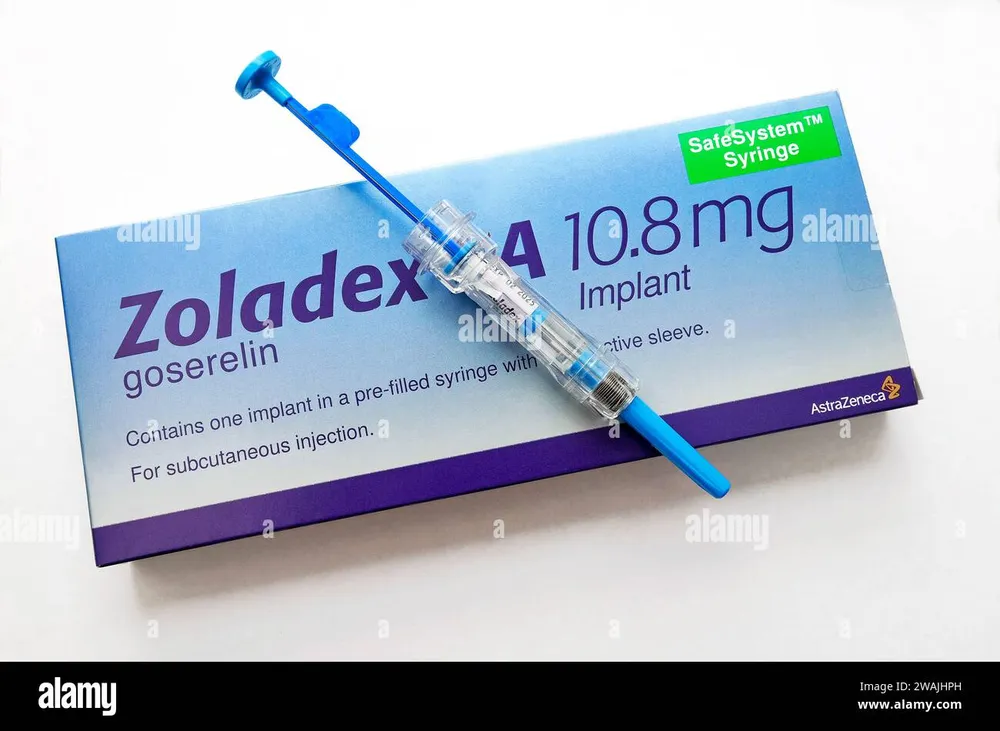
Table of Contents
Package leaflet: Information for the patient
Zoladex, 3.6 mg, subcutaneous implant
Goserelinum
Please read all of this leaflet carefully before using this medicine, because it contains
important information for you.
- Keep this leaflet, so that you can read it again if necessary.
- If you have any further questions, ask your doctor, pharmacist, or nurse.
- This medicine has been prescribed for a specific individual. Do not pass it on to others. It may harm someone else, even if their symptoms are the same as yours.
- If you experience any side effects, including any not listed in this leaflet, tell your doctor, pharmacist, or nurse. See section 4.
Contents of the leaflet:
- What Zoladex is and what it is used for
- What you need to know before using Zoladex
- How to use Zoladex
- Possible side effects
- How to store Zoladex
- Contents of the pack and other information
Most of the information in this leaflet applies to both men and women.
- If information applies only to men, it will be indicated by the heading Information for men.
- If information applies only to women, it will be indicated by the heading Information for women.
1. What Zoladex is and what it is used for
Zoladex contains the active substance: goserelin. It belongs to a group of medicines called
LHRH analogues.
Use of Zoladex in men
In men, Zoladex is used to treat prostate cancer. It works by reducing the amount of testosterone (a hormone) produced by the patient's body.
Use of Zoladex in women
In women, Zoladex is used to treat:
- breast cancer,
- a condition called endometriosis, a disease in which tissue similar to the lining of the womb grows outside the womb (usually in other organs near the womb),
- benign uterine conditions, i.e. uterine fibroids,
- to reduce the thickness of the womb lining (endometrium) before surgical removal,
- infertility (in combination with other medicines). It helps control the release of eggs from the ovaries.
In women, Zoladex works by reducing the amount of oestrogens (hormones) produced by the patient's body.
2. Important information before using Zoladex
When not to use Zoladex
- if the patient is allergic to goserelin or any of the other ingredients of this medicine (listed in section 6)
- if the patient is pregnant or breastfeeding (see also section "Pregnancy and breastfeeding").
If any of the situations listed above apply, Zoladex must not be used.
If in doubt, consult a doctor or pharmacist before using Zoladex.
Warnings and precautions
If admitted to hospital, inform the medical staff that you are being treated with Zoladex.
Inform your doctor if you have any heart or blood vessel disorders, including heart rhythm disturbances (arrhythmia), or if you are taking medicines for these conditions. The use of Zoladex may increase the risk of heart rhythm disturbances.
Information for men
Before starting treatment, inform your doctor about any health problems:
- difficulties with urination or back pain,
- diabetes,
- depression,
- high blood pressure,
- any diseases that may weaken bones. Medicines of this class may cause loss of bone mass.
Information for women
Before starting treatment, inform your doctor about any health problems:
- any diseases that may weaken bones,
- depression,
- high blood pressure. Medicines of this class may cause loss of bone mass. This may improve after stopping treatment.
If a patient is using Zoladex for endometriosis, the doctor may recommend additional treatment with other medicines that reduce the effect of Zoladex on bones. Women of childbearing age should use non-hormonal contraceptive methods during treatment with Zoladex and until menstruation resumes after stopping Zoladex.
Children
Zoladex must not be used in children.
Zoladex and other medicines
Tell your doctor about all medicines you are currently taking or have recently taken, as well as any medicines you plan to take. This includes medicines obtained without a prescription.
Zoladex may affect the action of certain medicines used to treat heart rhythm disorders (e.g. quinidine, procainamide, amiodarone, and sotalol) or may increase the risk of developing heart rhythm disturbances when used together with certain other medicines [e.g. methadone (used for pain relief and in detoxification therapy for addiction), moxifloxacin (an antibiotic), and antipsychotic medicines used to treat serious mental illnesses].
Pregnancy and breastfeeding
- Zoladex must not be used during pregnancy or breastfeeding.
- Zoladex must not be used if the patient is trying to become pregnant (unless Zoladex treatment is part of infertility therapy).
- However, during treatment with Zoladex, oral hormonal contraceptives (so-called "the pill") must not be used. Mechanical contraceptive methods such as condoms or diaphragms should be used instead.
The decision to discontinue treatment with Zoladex should be made by the doctor who prescribed it.
Driving and operating machinery
It is unlikely that Zoladex will affect the ability to drive or operate machinery.
3. How to use Zoladex
This medicine should always be used exactly as your doctor or pharmacist has told you. If you are not sure,
you should check with your doctor or pharmacist.
Recommended dose
- Zoladex 3.6 mg, in the form of an implant, is administered by subcutaneous injection into the abdominal wall by a doctor or nurse every four weeks (28 days).
- It is important not to interrupt treatment with Zoladex, even if the patient's health condition improves.
- The decision to discontinue treatment with Zoladex should be made by the doctor who prescribed it.
Next visit
- Zoladex should be administered regularly every 28 days.
- Always arrange the date of the next injection with your doctor or nurse.
- If the scheduled date for the next injection is shorter or longer than 28 days, inform your doctor or nurse.
- If more than 28 days have passed since the last dose, contact your doctor or nurse immediately to receive the next dose without delay.
Information for women
- If a patient is using Zoladex for uterine fibroids and blood tests indicate anemia (low red blood cell count and hemoglobin), the doctor may recommend iron supplements.
- The duration of treatment depends on the reason for using Zoladex:
- if the patient has uterine fibroids, treatment with Zoladex may last no longer than 3 months,
- if the patient has endometriosis, treatment with Zoladex may last no longer than 6 months,
- if the patient is receiving Zoladex to thin the endometrial lining before surgery, she should receive two doses of Zoladex, i.e. one 3.6 mg goserelin injection every 4 weeks. The surgical procedure should be performed within 2 weeks after the second injection.
4. Possible adverse reactions
Like all medicines, this medicine can cause adverse reactions, although not everyone will experience them.
The adverse reactions listed below may occur in both men and women
Allergic reactions
These reactions are rare. Symptoms may occur suddenly:
- rash, itching or hives,
- swelling of the face, lips, tongue or other parts of the body,
- feeling of breathlessness, wheezing or difficulty breathing. If any of the above symptoms occur, you should contact your doctor immediately.
Other possible adverse reactions
- hot flushes and sweating. These adverse reactions may sometimes persist for a prolonged period (even several months) after discontinuation of Zoladex treatment.
- decreased libido,
- loss of bone mass,
- tingling in fingers and toes,
- skin rashes,
- joint pain,
- abnormal blood pressure,
- reactions at the site of Zoladex injection,
- injuries at the site of Zoladex injection have been reported (including damage to abdominal blood vessels). Very rarely, this has led to serious bleeding. You should contact your doctor immediately if you experience any of the following symptoms: abdominal pain, abdominal distension, feeling of breathlessness, dizziness, low blood pressure and (or) any disturbance of consciousness,
- mood changes (including depression),
- psychiatric disorders,
- pituitary tumour,
- if a patient has a pituitary tumour, Zoladex may cause bleeding from the tumour or tumour apoplexy. This is very rare. In such cases, severe headaches, nausea or vomiting, loss of vision and loss of consciousness may occur.
- hair loss (alopecia),
- weight gain,
- changes in ECG (prolongation of QT interval).
Information for men
The following adverse reactions may occur in men:
- lower back pain and difficulty urinating. If these occur, you should inform your doctor immediately.
- bone pain, particularly at the beginning of treatment. If these occur, you should inform your doctor immediately.
- erectile dysfunction,
- breast swelling and tenderness,
- impaired glucose tolerance,
- heart failure, myocardial infarction.
Information for women
The following adverse reactions may occur in women:
- changes in blood calcium levels. Symptoms include nausea, vomiting or increased thirst. If such symptoms occur, inform your doctor. Your doctor may recommend blood tests.
- vaginal bleeding. This most commonly occurs during the first month of treatment and resolves spontaneously. If symptoms persist or are bothersome to the patient, inform your doctor.
- headache,
- vaginal dryness,
- breast enlargement,
- development of small ovarian cysts, causing pain in some women. These usually resolve without additional treatment,
- occasionally, in women who enter menopause during Zoladex treatment, permanent cessation of menstruation may occur,
- tumour flare effect (transient increase in oestrogen levels within the first days or weeks of treatment. The tumour may enlarge, which may cause worsening of symptoms, but this is a transient effect),
- acne has been very commonly reported (mainly during the first month of treatment).
If Zoladex is used in the treatment of breast cancer, the following adverse reactions may occur:
- worsening of tumour-related symptoms at the beginning of treatment. There may be an increase in pain and/or tumour progression. These symptoms are usually transient and resolve during Zoladex treatment. If symptoms persist or are bothersome to the patient, inform your doctor.
If Zoladex is used in the treatment of uterine fibroids, the following adverse reactions may occur:
- slight worsening of disease-related symptoms, such as pain. These symptoms are usually transient and resolve during treatment. However, if they persist, contact your doctor.
If Zoladex is used in the treatment of infertility, the following adverse reactions may occur:
- excessive ovarian stimulation. This may cause abdominal pain, bloating, nausea and vomiting. If these occur, you should inform your doctor.
The list of adverse reactions listed above should not cause undue concern. It is possible that none of the above reactions will occur in a patient.
Reporting of adverse reactions
If any adverse reactions occur, including any adverse reactions not listed in this leaflet, inform your doctor, pharmacist or nurse. Adverse reactions can be reported directly to the Department of Monitoring Adverse Drug Reactions of the Office for Registration of Medicinal Products, Medical Devices and Biocidal Products
Al. Jerozolimskie 181C
PL-02 222 Warsaw
Tel.: + 48 22 49 21 301
Fax: + 48 22 49 21 309
Website: https://smz.ezdrowie.gov.pl
Adverse reactions can also be reported to the marketing authorisation holder.
Reporting adverse reactions helps to provide more information on the safety of the medicine.
5. How to store Zoladex
- Zoladex will be prescribed to the patient by a doctor. The prescription should be filled at a pharmacy, and the medication should be brought to the next appointment.
- The medicine should be stored in its original packaging; do not open the foil pouch.
- Store at a temperature not exceeding 25°C.
- Keep the medicine out of sight and reach of children.
- Do not use this medicine after the expiry date stated on the packaging. The expiry date refers to the last day of the specified month.
- Medicines must not be disposed of via the sewage system or household waste. Ask your pharmacist how to dispose of medicines no longer in use. Proper disposal helps protect the environment.
6. Contents of the package and other information
What Zoladex contains
- The active substance is goserelin. Zoladex implant contains 3.6 mg of goserelin.
- The other component (excipient) is: lactide-glycolide copolymer.
What Zoladex looks like and contents of the pack
Zoladex 3.6 mg consists of an implant (a very small particle) in a prefilled syringe, ready for use by a doctor or nurse.
Zoladex 3.6 mg is supplied in packs containing one implant.
Marketing Authorisation Holder
AstraZeneca AB
SE-151 85 Södertälje
Sweden
Manufacturer
AstraZeneca AB
Gärtunavägen
SE-152 57 Södertälje
Sweden
For further information, please contact the local representative of the Marketing Authorisation Holder:
AstraZeneca Pharma Poland Sp. z o.o.
ul. Postępu 14
02-676 Warszawa
tel: +48 22 245 73 00
fax: +48 22 485 30 07