Vines
Poland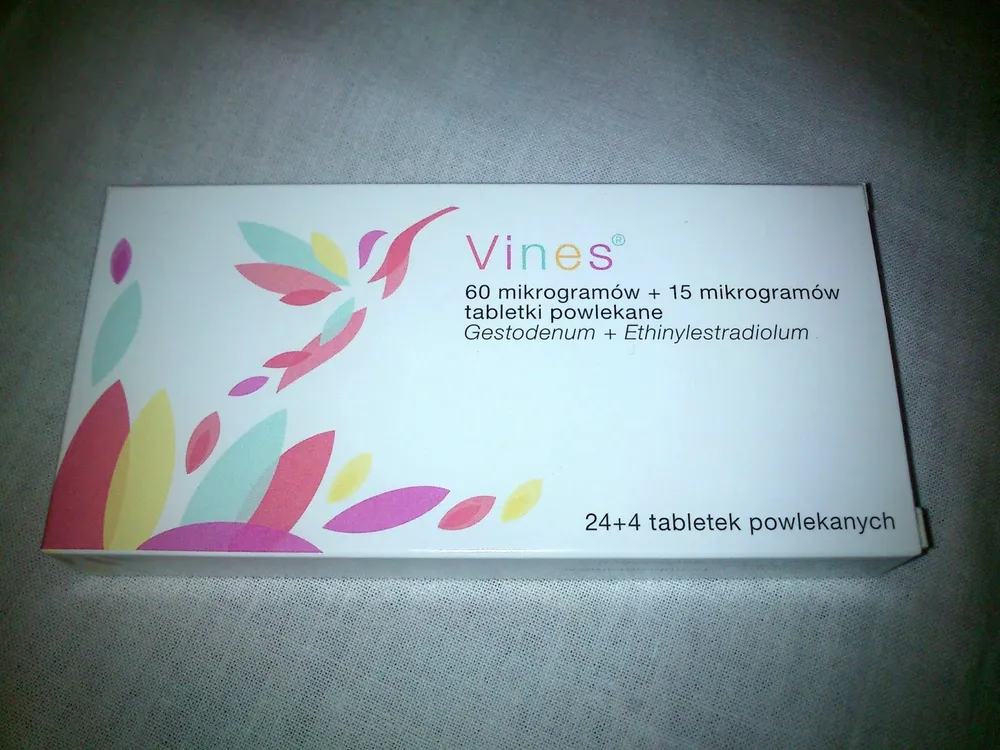
Table of Contents
Patient Information Leaflet
Warning! Keep this leaflet. Information on the immediate packaging is in a foreign language.
Vines (Varianta)
60 micrograms + 15 micrograms, coated tablets
Gestodenum + Ethinylestradiolum
Vines and Varianta are different brand names of the same medicinal product.
Important information about combined hormonal contraceptives
- When used correctly, they are one of the most reliable reversible methods of contraception.
- They slightly increase the risk of blood clots in veins and arteries, especially during the first year of use or after restarting following a break of 4 weeks or more.
- Be vigilant and consult a doctor if you suspect symptoms of blood clots (see section 2 "Blood clots").
Please read this leaflet carefully before taking the medicine, as it contains
important information for the patient
- Keep this leaflet, as you may need to read it again.
- If you have any questions, consult your doctor or pharmacist.
- This medicine has been prescribed for a specific individual. Do not give it to others. The medicine may harm someone else.
- If you experience any adverse effects, including any not listed in this leaflet, inform your doctor, pharmacist or nurse. See section 4.
Table of contents
- What Vines is and what it is used for
- What you need to know before taking Vines
- How to take Vines
- Possible side effects
- How to store Vines
- Contents of the pack and other information
1. What Vines is and what it is used for
Vines is a combined oral contraceptive, commonly known as "the pill".
A combined oral contraceptive prevents pregnancy in three ways. The hormones in the medicine:
- Inhibit the monthly release of eggs from the ovaries (ovulation).
- Thicken cervical mucus, making it harder for sperm to reach the egg.
- Alter the lining of the uterus to prevent implantation of a fertilized egg.
2. Important information before using Vines
General notes
Before starting to take Vines, you should read the information about blood clots (thrombosis) in section 2. It is especially important to be aware of the symptoms of blood clots (see section 2 "Blood clots").
Before starting Vines, your doctor will ask you several questions about your health and that of your close relatives. Your doctor will also measure your blood pressure and, depending on your individual situation, may carry out some other tests.
This leaflet describes several situations in which you should stop using Vines or in which the effectiveness of Vines may be reduced. In such cases, you should either avoid sexual intercourse or use additional non-hormonal contraceptive methods, such as condoms or other mechanical methods.
Do not use fertility awareness-based methods or temperature monitoring methods. These methods may be unreliable because Vines alters the monthly changes in cervical mucus.
Vines, like other hormonal contraceptives, does not protect against infection with HIV (AIDS) or other sexually transmitted diseases.
When not to use Vines
Do not use Vines if you have any of the conditions listed below. If you have any of the conditions listed below, inform your doctor. Your doctor will discuss with you which alternative method of contraception may be more suitable.
- if you are allergic to gestodene or ethinylestradiol or any of the other ingredients of this medicine (listed in section 6);
- if you currently have (or have ever had) a blood clot in the veins of the legs (deep vein thrombosis), in the lungs (pulmonary embolism), or in other organs;
- if you know you have conditions affecting blood clotting—for example, protein C deficiency, protein S deficiency, antithrombin III deficiency, factor V Leiden mutation, or antiphospholipid antibodies;
- if you require surgery or will be immobile for a long time (see section "Blood clots");
- if you have had a heart attack or stroke;
- if you have (or have had in the past) angina pectoris (a condition causing severe chest pain and may be the first sign of a heart attack) or transient ischaemic attack (temporary stroke-like symptoms);
- if you have any of the following conditions that may increase the risk of arterial blood clots:
- severe diabetes with blood vessel damage;
- very high blood pressure;
- very high levels of fats in the blood (cholesterol or triglycerides);
- a condition called hyperhomocysteinemia;
- if you currently have (or have had in the past) a type of migraine called "migraine with aura";
- if you currently have (or have had in the past) eye diseases (e.g., retinal disease known as retinopathy);
- if you currently have (or have had in the past) liver tumours;
- if you currently have (or have had in the past) liver disease and liver function remains abnormal;
- if you currently have (or have had in the past) pancreatitis;
- if you have kidney function disorders (kidney failure);
- if you currently have or are suspected of having breast cancer or another tumour, such as ovarian cancer, cervical cancer, or endometrial cancer;
- if you have vaginal bleeding of unknown cause.
Do not use Vines in patients with hepatitis C who are taking medicinal products containing ombitasvir/paritaprevir/ritonavir, dasabuvir, glecaprevir/pibrentasvir, or sofosbuvir/velpatasvir/voxilaprevir (see also section "Vines and other medicines").
Warnings and precautions
Before starting to use Vines, discuss this with your doctor or pharmacist.
When to contact your doctor
Seek immediate medical advice:
- if you notice symptoms suggesting a blood clot, which may indicate you have a blood clot in your leg (deep vein thrombosis), in your lungs (pulmonary embolism), a heart attack, or stroke (see section below "Blood clots"). For a description of symptoms of these serious adverse effects, see "How to recognize a blood clot".
Tell your doctor if you have any of the following conditions.
Special caution may be needed when using Vines or any other combined hormonal contraceptive. Regular medical check-ups may also be necessary. If you have any of the conditions listed below, inform your doctor before starting Vines.
If any of these symptoms develop or worsen during treatment with Vines, you should also inform your doctor.
- if you develop symptoms of hereditary or acquired angioedema, such as swelling of the face, tongue and/or throat and/or difficulty swallowing or urticaria, potentially with breathing difficulties, seek immediate medical advice. Medicinal products containing estrogens may induce or worsen symptoms of hereditary or acquired angioedema;
- if you have Crohn's disease or ulcerative colitis (chronic inflammatory bowel diseases);
- if you have systemic lupus erythematosus (a disease affecting the body's natural immune system);
- if you have haemolytic uraemic syndrome (a blood clotting disorder causing kidney failure);
- if you have sickle cell anaemia (an inherited disorder of red blood cells);
- if you have hypertriglyceridaemia (elevated blood fat levels) or a positive family history for this condition. Hypertriglyceridaemia is associated with an increased risk of developing pancreatitis;
- if you require surgery or will be immobile for a long time (see section 2 "Blood clots");
- if you have recently given birth, as you are at increased risk of blood clots. Consult your doctor for advice on how soon after delivery you can start taking Vines;
- if you have phlebitis (inflammation of veins under the skin);
- if you have varicose veins;
- if there is a history of breast cancer in close relatives;
- if you have liver or gallbladder disease;
- if you have diabetes;
- if you have depression or mood changes;
- if you have epilepsy (see "Vines and other medicines");
- if you have a condition that first occurred during pregnancy or previous use of sex hormones (e.g., hearing loss, porphyria (a blood disorder), herpes gestationis (a blistering skin rash during pregnancy), Sydenham's chorea (a nervous system disorder causing involuntary body movements));
- if you have melasma (brownish pigmentation patches, so-called "pregnancy mask", especially on the face). In such cases, avoid direct exposure to sunlight or ultraviolet radiation.
BLOOD CLOTS
Using combined hormonal contraceptives such as Vines is associated with an increased risk of blood clots compared to not using such medicines. In rare cases, a blood clot can block a blood vessel and cause serious problems.
Blood clots may occur:
- in veins (referred to below as "venous thrombosis" or "venous thromboembolic disease");
- in arteries (referred to below as "arterial thrombosis" or "arterial thromboembolic disorders").
A full recovery after a blood clot is not always possible. In rare cases, the consequences of a blood clot may be permanent or, very rarely, fatal.
Remember that the overall risk of harmful blood clots caused by taking Vines is small.
HOW TO RECOGNIZE A BLOOD CLOT
Seek immediate medical advice if you experience any of the following symptoms.
Do you have any of these symptoms? What might be the likely cause?
-
swelling of the leg or swelling along a vein in the leg or foot, especially if accompanied by:
Deep vein thrombosis -
pain or tenderness in the leg, which may occur only when standing or walking;
-
increased warmth in the affected leg;
-
change in skin colour of the leg, e.g., paleness, redness, or blueness.
-
sudden unexplained shortness of breath or rapid breathing;
Pulmonary embolism -
sudden cough without obvious cause, possibly associated with coughing up blood;
-
sudden sharp chest pain, which may worsen on deep breathing;
-
severe dizziness or lightheadedness;
-
rapid or irregular heartbeat;
-
severe stomach pain.
If you are unsure, consult your doctor, as some of these symptoms, such as cough or breathlessness, may be mistaken for milder conditions such as respiratory tract infection (e.g., cold).
Symptoms occur most commonly in one eye:
-
sudden loss of vision or
Retinal vein thrombosis (blood clot in the eye) -
painless visual disturbances, which may progress to vision loss.
-
chest pain, discomfort, pressure, or heaviness;
Heart attack -
squeezing or fullness in the chest, arm, or below the breastbone;
-
feeling of fullness, indigestion, or choking;
-
discomfort in the lower part of the body radiating to the back, jaw, throat, arm, or stomach;
-
sweating, nausea, vomiting, or dizziness;
-
extreme weakness, anxiety, or shortness of breath;
-
rapid or irregular heartbeat.
-
sudden weakness or numbness of the face, arms, or legs, especially on one side of the body;
Stroke -
sudden confusion, speech disturbances, or difficulty understanding;
-
sudden visual disturbances in one or both eyes;
| |
| Blood clots blocking other blood vessels |
BLOOD CLOTS IN VEINS
What can happen if blood clots form in a vein?
- Use of combined hormonal contraceptives is associated with an increased risk of developing blood clots in veins (venous thrombosis). Although these adverse events are rare, they most commonly occur during the first year of using combined hormonal contraceptives.
- If blood clots form in the veins of the leg or foot, this may lead to the development of deep vein thrombosis.
- If a blood clot travels from the leg and lodges in the lungs, it may cause pulmonary embolism.
- In very rare cases, a clot may form in another organ, such as the eye (retinal vein thrombosis).
When is the risk of blood clots in veins the highest?
The risk of developing blood clots in veins is greatest during the first year of taking combined hormonal contraceptives for the first time. The risk may also be higher when restarting combined hormonal contraceptives (the same or a different product) after a break of 4 weeks or more.
After the first year, the risk decreases, although it remains higher than in women who do not use combined hormonal contraceptives.
If a patient stops taking Vines, the risk of blood clots returns to normal within a few weeks.
What factors influence the risk of blood clots in veins?
The risk depends on the individual's natural risk of venous thromboembolic disease and the type of combined hormonal contraceptive used.
The overall risk of developing blood clots in the legs or lungs associated with the use of Vines is low.
- In the course of one year, about 2 out of 10,000 women who do not use combined hormonal contraceptives and are not pregnant will develop blood clots.
- In the course of one year, about 5–7 out of 10,000 women who use combined hormonal contraceptives containing levonorgestrel, norethisterone, or norgestimate will develop blood clots.
- In the course of one year, about 9–12 out of 10,000 women who use combined hormonal contraceptives containing gestodene, such as Vines, will develop blood clots.
- The risk of developing blood clots depends on the individual's medical history (see "Factors that increase the risk of blood clots," below).
| Risk of developing blood clots within one year | |
| Women who do not use combined hormonal pills, patches, vaginal systems and who are not pregnant | About 2 in 10,000 women |
| Women using combined oral contraceptive pills containing levonorgestrel, norethisterone or norgestimate | About 5-7 in 10,000 women |
| Women taking the medicine Vines | About 9-12 in 10,000 women |
Factors increasing the risk of venous blood clots
The risk of blood clots associated with the use of Vines is small, but certain factors may increase this risk. The risk is higher:
- if the patient is significantly overweight (body mass index (BMI) above 30 kg/m²);
- if a close family member has had blood clots in the legs, lungs, or other organs at a young age (e.g., under 50 years). In such cases, the patient may have an inherited clotting disorder;
- if the patient requires surgery, is immobilized for a prolonged period due to injury or illness, or has a leg in a cast. It may be necessary to discontinue Vines several weeks before surgery or during immobilization. If the patient must stop taking Vines, ask the doctor when it is safe to resume.
- with increasing age (particularly over 35 years);
- if the patient has recently given birth (within the past few weeks). The risk of blood clots increases with the number of risk factors present.
Air travel (>4 hours) may temporarily increase the risk of venous blood clots, especially if the patient has another risk factor.
It is important to inform the doctor if any of these risk factors apply, even if uncertain. The doctor may decide to discontinue Vines.
Inform the doctor if any of the above conditions change during treatment with Vines, for example, if a close family member develops unexplained thrombosis or if the patient gains significant weight.
ARTERIAL BLOOD CLOTS
What can happen if blood clots form in arteries?
Similar to venous clots, arterial clots can lead to serious consequences, such as heart attack or stroke.
Factors increasing the risk of arterial blood clots
It is important to emphasize that the risk of heart attack or stroke associated with Vines is very low, but may increase:
- with age (above approximately 35 years);
- if the patient smokes. While using a hormonal contraceptive such as Vines, smoking should be discontinued. If the patient is unable to stop smoking and is over 35 years old, the doctor may recommend a different type of contraception;
- if the patient is overweight;
- if the patient has high blood pressure;
- if a close family member has had a heart attack or stroke at a young age (under 50 years). In such cases, the patient may also be at increased risk of heart attack or stroke;
- if the patient or a close family member has high levels of blood lipids (cholesterol or triglycerides);
- if the patient suffers from migraines, particularly migraines with aura;
- if the patient has heart disease (valvular heart disease, cardiac arrhythmia such as atrial fibrillation);
- if the patient has diabetes.
If the patient has more than one of the above conditions, or if any of them are particularly severe, the risk of blood clots may be further increased.
Inform the doctor if any of the above conditions change during treatment with Vines, for example, if the patient starts smoking, a close family member develops unexplained thrombosis, or if the patient gains significant weight.
Vines and cancer
Breast cancer is observed slightly more frequently in women using combined oral contraceptives, but it is not known whether this is caused by their use. For example, more cancers may be detected in women using combined oral contraceptives because they undergo more frequent medical examinations. The incidence of breast cancer gradually decreases after stopping combined hormonal contraceptives. Women should examine their breasts regularly and contact their doctor if they detect any lumps.
Rarely, benign liver tumors and, even more rarely, malignant liver tumors have been reported in women using oral contraceptives. If the patient experiences an unusual, severe abdominal pain, she should contact her doctor.
Psychiatric disorders
Some women using hormonal contraceptives, including Vines, have reported depression or low mood. Depression can be severe and may sometimes lead to suicidal thoughts. If mood changes or symptoms of depression occur, contact the doctor as soon as possible for further medical advice.
Breakthrough bleeding
During the first few months of taking Vines, unexpected bleeding (bleeding between placebo tablet periods) may occur. If this bleeding persists for longer than a few months or begins after several months of use, the doctor should investigate the cause.
What to do if withdrawal bleeding does not occur during the placebo tablet days
If all tablets have been taken correctly, there has been no vomiting or severe diarrhoea, and no other medications have been taken, it is very unlikely that the woman is pregnant.
If withdrawal bleeding does not occur for two consecutive cycles, pregnancy may be possible. The patient should contact her doctor immediately. Do not start the next pack of Vines until pregnancy has been ruled out.
Children and adolescents
Limited data are available on the use of Vines in adolescents under 18 years of age.
Vines and other medicines
Inform the doctor or pharmacist about all medicines currently taken, recently taken, or planned for use.
The patient should also inform other doctors or dentists (or pharmacist) prescribing other medications that she is taking Vines. The doctor will advise whether additional contraception (e.g., condoms) is needed and, if so, for how long.
Do not use Vines in patients with hepatitis C who are taking medicinal products containing ombitasvir/paritaprevir/ritonavir, dasabuvir, glecaprevir/pibrentasvir, or sofosbuvir/velpatasvir/voxilaprevir, as these products may cause abnormal liver function test results (increased liver enzyme activity AlAT).
Before starting these medications, the doctor will prescribe a different type of contraception.
Vines may be restarted approximately 2 weeks after completing the above-mentioned treatment. See section "When not to use Vines".
Some medicines may affect blood levels and cause reduced effectiveness of Vines in preventing pregnancy or may cause unexpected bleeding. These include medicines used to treat:
- epilepsy (e.g., primidone, phenytoin, barbiturates, carbamazepine, oxcarbazepine, topiramate, felbamate);
- tuberculosis (e.g., rifampicin);
- HIV and hepatitis C virus infections (protease inhibitors and non-nucleoside reverse transcriptase inhibitors such as ritonavir, nevirapine, efavirenz);
- pulmonary hypertension (bosentan);
- sleep disorders (modafinil);
- symptomatic treatment of osteoarthritis (etoricoxib);
- certain infections (e.g., griseofulvin);
- the herbal remedy commonly known as St. John's wort (Hypericum perforatum). If the patient wishes to use herbal products containing St. John's wort, she should consult her doctor, as Vines may not be suitable.
Vines may affect the effectiveness of other medicines, for example:
- cyclosporine (a medicine used to prevent rejection of transplanted tissue after organ transplantation);
- the antiepileptic drug lamotrigine (this may lead to increased frequency of seizures);
- tizanidine (a medicine used to treat muscle spasticity);
- theophylline (a medicine used in the treatment of asthma).
Laboratory tests
If blood tests are required, inform the doctor or laboratory staff that the patient is taking Vines, as oral contraceptives may affect the results of certain tests.
Pregnancy, breastfeeding and fertility
If the patient is pregnant, breastfeeding, suspects she may be pregnant, or plans to become pregnant, she should consult her doctor or pharmacist before using this medicine.
Vines must not be taken during pregnancy. If the patient becomes pregnant or suspects she may be pregnant, she should stop taking Vines immediately and contact her doctor.
Vines should not be used during breastfeeding. If the patient wishes to take Vines while breastfeeding, she should discuss this with her doctor.
Driving and operating machinery
Patients may drive and operate machinery while taking Vines.
Vines contains lactose, monohydrate lactose and Orange Yellow S (E 110)
Vines contains lactose and monohydrate lactose. If the patient has previously been diagnosed with intolerance to certain sugars, she should consult her doctor before taking this medicine.
The inactive green coated placebo tablets contain Orange Yellow S (E 110), which may cause allergic reactions.
3. How to take Vines
This medicine should always be taken exactly as prescribed by your doctor. If in doubt,
consult your doctor or pharmacist.
Each blister contains 24 yellow coated tablets containing the active substance and 4 green
coated placebo tablets.
The Vines tablets, marked with two different colours, are arranged in the correct order.
Each blister contains 28 tablets.
Take one Vines tablet daily, with a small amount of water, if necessary. The tablets may be taken
independently of meals, but at approximately the same time each day.
Be careful not to confuse the tablets: take the yellow tablet for the first 24 days and the
green tablet for the last 4 days. Then immediately start taking tablets from the next blister
(24 yellow tablets and 4 green placebo tablets). Therefore, there is no break between blisters.
Due to differences in tablet composition, it is important to start taking the tablets from the
tablet located in the upper left corner of the blister and to take the tablets daily. Tablets must
be taken in the correct order, following the arrows on the packaging.
Preparing the blister
To help control correct tablet intake, the package contains 7 adhesive strips labelled with the days of the week. Choose one strip starting with the day of the week on which the patient intends to begin taking the tablets. For example, if starting treatment on Wednesday, use the strip marked “WED”.
Align the symbol “ ” on the strip with the same symbol on the blister and apply the strip within the area bounded by the black line (in the frame). The name of each day of the week will correspond to a specific column of tablets.
The day of the week written above each tablet will help verify whether the tablet has been taken on a given day. Proceed in the direction of the arrow on the blister until all 28 tablets have been taken.
During the 4 days when the patient takes the green placebo tablets (placebo days), withdrawal bleeding should begin (so-called withdrawal bleeding). This usually starts on the 2nd or 3rd day after taking the last yellow active tablet of Vines. After taking the last green placebo tablet, start the next blister immediately, regardless of whether bleeding has stopped or not. This means that starting a new blister should always occur on the same day of the week, and withdrawal bleeding should begin on the same day each month.
Vines, when taken in this way, provides protection against pregnancy also during these 4 days when the patient is taking placebo tablets.
When to start taking tablets from the first blister
If no hormonal contraceptives were used in the previous month
Start taking Vines on the first day of the cycle (i.e. the first day of menstrual bleeding). If Vines is started on the first day of menstrual bleeding, immediate protection against pregnancy is provided.
Switching from another combined hormonal contraceptive, vaginal ring, or transdermal patch to Vines
Start taking Vines preferably the next day after taking the last active tablet of the previously used combined oral contraceptive, or at the latest on the day following the usual tablet-free interval or the period when placebo tablets of the previous contraceptive were taken. In this case, the patient remains protected against pregnancy.
When switching from a vaginal ring or transdermal patch, follow your doctor’s advice.
Switching from a progestogen-only method (progestogen-only pills, injections, implant, or intrauterine hormonal system releasing progestogen) to Vines
Vines may be started at any time after using progestogen-only pills (in the case of an implant or intrauterine hormonal system – on the day of removal, and in the case of injections – on the day the next injection would have been due). In all these cases, an additional contraceptive method (e.g. condom) must be used during the first 7 days of tablet intake.
Taking Vines after miscarriage
Follow your doctor’s advice.
Taking Vines after childbirth
Vines may be started on day 21–28 after childbirth. If starting tablets later than 28 days after childbirth, a mechanical contraceptive method (e.g. condom) should be used during the first 7 days of taking Vines.
If the patient has had sexual intercourse after childbirth, pregnancy must be ruled out before restarting Vines, or wait until the next menstrual bleeding.
If the patient is breastfeeding and wishes to restart Vines after childbirth
See section “Pregnancy, breastfeeding and fertility”.
If you have any further doubts about using this medicine, consult your doctor or pharmacist.
Taking more than the recommended dose of Vines
There are no reports of serious harmful adverse effects resulting from taking an excessive amount of Vines tablets.
After taking several Vines tablets at once, symptoms such as nausea and vomiting may occur. In young girls, vaginal bleeding may appear.
If an excessive amount of Vines tablets is taken or if tablets are taken by a child, consult a doctor or pharmacist immediately.
Missed dose of Vines
The last 4 tablets in the fourth row of the blister are placebo tablets. If one of these tablets is missed, it will not affect the effectiveness of Vines.
Discard the missed placebo tablet.
If the patient forgets to take a yellow tablet containing the active substance (tablets 1 to 24 in the blister), follow the instructions below:
- If tablet intake is delayed by less than 12 hours, contraceptive protection is not reduced. Take the tablet as soon as remembered, and continue taking the following tablets at the usual time.
- If tablet intake is delayed by more than 12 hours, contraceptive protection may be reduced. The more tablets missed, the higher the risk of pregnancy.
The risk of incomplete protection against pregnancy is greatest if a yellow tablet at the beginning or end of the pack is missed. Therefore, follow the rules below:
More than one tablet has been missed from the blister
Contact your doctor.
One tablet has been missed on days 1 to 7 (first row)
Take the missed tablet as soon as remembered, even if this means taking two tablets at the same time. Then continue taking tablets at the usual time of day, and use an additional contraceptive method (e.g. condom) for the next 7 days. If sexual intercourse occurred in the week before the missed tablet, consider the possibility of pregnancy. In this case, contact your doctor.
One tablet has been missed on days 8 to 14 (second row)
Take the missed tablet as soon as remembered, even if this means taking two tablets at the same time. Then continue taking tablets at the usual time of day. Contraceptive protection is not reduced, so there is no need to use an additional contraceptive method.
One tablet has been missed on days 15 to 24 (third or fourth row)
Two options are available:
- Take the missed tablet as soon as remembered, even if this means taking two tablets at the same time. Then continue taking tablets at the usual time of day. Instead of taking the green placebo tablets from the blister, skip (discard) them and start the next pack immediately (the starting day will be different). Withdrawal bleeding will most likely occur after finishing the second pack – during the intake of green placebo tablets, but breakthrough bleeding or spotting may occur during the intake of tablets from the second blister.
- Alternatively, stop taking the yellow active tablets from the current pack and proceed directly to taking the 4 green placebo tablets (before taking the placebo tablets, record the day the tablet was missed). If the patient wishes to start the next pack on the usual day, the placebo tablets should be taken for fewer than 4 days. If the patient follows either of these recommendations, protection against pregnancy is maintained. If the patient forgot to take any tablet from the blister and no bleeding occurred during the placebo days, this may indicate pregnancy. Before starting tablets from the next blister, consult your doctor.
What to do in case of vomiting or severe diarrhoea
If vomiting occurs within 3–4 hours after taking the yellow tablet containing the active substance, or in case of severe diarrhoea, there is a risk that the active substances in the tablet may not be fully absorbed.
The situation is almost identical to missing tablets. In case of vomiting or diarrhoea, take another yellow tablet from a spare pack as soon as possible. If possible, take it within 12 hours of the usual tablet-taking time.
If this is not possible and more than 12 hours have passed, follow the instructions under “Missed dose of Vines”.
Delayed withdrawal bleeding: what to know
Even though not recommended, the patient may delay the onset of withdrawal bleeding by skipping the green placebo tablets in the fourth row and immediately starting a new blister of Vines, continuing until the pack is finished. During intake of tablets from the second blister, slight bleeding or spotting may occur. Tablets from the second blister should be taken until the end, including the 4 green placebo tablets in the fourth row. Then start the next blister.
Before deciding to delay bleeding, consult your doctor.
Changing the first day of withdrawal bleeding: what to know
If the patient takes tablets as directed, withdrawal bleeding will begin during the placebo days. If the patient wishes to shift the day of bleeding onset, she should reduce the number of placebo days – while taking the green placebo tablets – (but never extend them – maximum 4 days!). For example, if the patient usually starts placebo tablets on Friday but wishes bleeding to start on Tuesday (3 days earlier), she should start the first tablet of the next pack 3 days earlier than usual. Withdrawal bleeding may then not occur at all.
However, slight bleeding or spotting may occur.
If in doubt, consult your doctor.
Stopping treatment with Vines
Treatment with Vines may be stopped at any time. If the patient does not wish to become pregnant, she should consult her doctor for advice on an effective method of birth control.
If you have any further doubts about using this medicine, consult your doctor or pharmacist.
4. Possible adverse effects
Like all medicines, this medicine can cause adverse effects, although not everyone will experience them.
If any adverse effects occur, especially severe and persistent ones, or changes in health status that the patient considers to be related to the use of Vines, medical advice should be sought.
Contact a doctor immediately if the patient experiences any of the following symptoms of angioedema: swelling of the face, tongue and/or throat and/or difficulty swallowing, or urticaria potentially accompanied by breathing difficulties (see also section "Warnings and precautions").
All women using combined hormonal contraceptives have an increased risk of venous blood clots (venous thromboembolic disease) or arterial blood clots (arterial thromboembolic disorders). For detailed information on various risk factors associated with the use of combined hormonal contraceptives, please refer to section 2 "Important information before taking Vines".
Common adverse effects (may occur in up to 1 in 10 people):
- vaginal inflammation, including vaginal fungal infections (candidiasis),
- mood changes, including depression, sexual disorders (libido disorders),
- dizziness,
- nausea,
- vomiting,
- abdominal pain,
- restlessness,
- headache,
- acne,
- breast pain,
- breast tenderness,
- breast discharge,
- painful menstruation,
- changes in the intensity of menstrual bleeding,
- changes in body weight,
- oedema.
Uncommon adverse effects (may occur in up to 1 in 100 people):
- changes in appetite,
- changes in blood lipid concentrations,
- migraine,
- high blood pressure,
- abdominal pain caused by abdominal muscle cramps,
- bloating,
- skin rash,
- yellow-brown facial patches (chloasma),
- hair loss,
- increased body hair growth.
Rare adverse effects (may occur in up to 1 in 1,000 people):
- severe allergic reaction with rare cases of urticaria, pain due to swelling of the skin and mucous membranes (angioedema), and symptoms affecting the respiratory and circulatory systems,
- increased blood glucose levels (glucose intolerance),
- eye irritation due to contact lenses,
- jaundice,
- nodular fever (erythema nodosum),
- harmful blood clots in a vein or artery, for example:
- in the leg or foot (e.g. deep vein thrombosis),
- in the lungs (e.g. pulmonary embolism),
- heart attack, stroke,
- mini-stroke or transient ischaemic attack (TIA),
- blood clots in the liver, stomach, intestine, kidneys or eye.
The likelihood of developing blood clots may be higher if the patient has other risk factors (see section 2 for further information on risk factors for blood clots and symptoms of blood clots).
Very rare adverse effects (may occur in up to 1 in 10,000 people):
- liver disease,
- systemic connective tissue disorders (systemic lupus erythematosus),
- metabolic disorders known as porphyria,
- movement disorders,
- eye disorders,
- pancreatitis,
- gallstones and gallbladder disease,
- skin disorders,
- blood clotting disorders leading to kidney failure (haemolytic uraemic syndrome).
Reporting of adverse effects
If any adverse effects occur, including any not listed in this leaflet, inform a doctor, pharmacist or nurse. Adverse effects can be reported directly to the Department of Monitoring Adverse Drug Reactions at the Office for Registration of Medicinal Products, Medical Devices and Biocidal Products: Al. Jerozolimskie 181C, 02-222 Warsaw, tel.: 22 49-21-301, fax: 22 49-21-309, website: https://smz.ezdrowie.gov.pl
Reporting adverse effects helps to provide more information on the safety of this medicine.
5. How to store Vines
Keep this medicine out of sight and reach of children.
Do not store above 30°C. Store in the original packaging to protect from light and moisture.
Do not use this medicine after the expiry date stated on the carton and blister. The expiry date refers to the last day of the stated month.
Medicines must not be disposed of via wastewater or household waste. Ask your pharmacist how to dispose of medicines no longer required. This will help protect the environment.
6. Contents of the packaging and other information
What Vines contains
The active substances in Vines are gestodene (60 micrograms) and ethinylestradiol (15 micrograms) in each yellow tablet.
Other ingredients are:
Yellow, active coated tablets: monohydrate lactose, microcrystalline cellulose, potassium polacrilin, magnesium stearate. Coating: monohydrate lactose, hypromellose, titanium dioxide (E 171), triacetin, quinoline yellow (E 104).
Green, inactive coated tablets (placebo): microcrystalline cellulose, lactose, pregelatinized corn starch, magnesium stearate, colloidal anhydrous silica. Coating: polyvinyl alcohol, titanium dioxide (E 171), macrogol 3350, talc, indigo carmine (E 132), quinoline yellow (E 104), black iron oxide (E 172), sunset yellow FCF (E 110).
What Vines looks like and contents of the pack
The tablet containing the active substance is yellow, coated, round, biconvex, with a diameter of approximately 5.5 mm. On one side there is an embossed mark "G43", the other side is smooth.
The placebo tablet is green, round, biconvex, coated, with a diameter of approximately 6 mm, without any markings.
The coated tablets are packed in blisters made of transparent PVC/aluminum foil. Each blister is packed into an aluminum laminate sachet. The blister packs in sachets are placed into a cardboard box containing the patient leaflet, a cardboard sachet for storing the blisters, and adhesive strips labeled with days of the week.
Pack sizes: 1×(24+4) coated tablets, 3×(24+4) coated tablets, 6×(24+4) coated tablets.
For more detailed information, please contact the marketing authorization holder or the parallel importer.
Marketing Authorization Holder in Austria, country of export:
Gedeon Richter Plc., Gyömrői út 19-21., 1103 Budapest, Hungary
Manufacturer:
Gedeon Richter Plc., Gyömrői út 19-21., 1103 Budapest, Hungary
Parallel importer:
Delfarma Sp. z o.o., ul. Św. Teresy od Dzieciątka Jezus 111, 91-222 Łódź
Repackaged in:
Delfarma Sp. z o.o., ul. Św. Teresy od Dzieciątka Jezus 111, 91-222 Łódź
Austrian marketing authorization number, country of export: 1-30481
Parallel import authorization number: 144/20