Versatis
Poland
Table of Contents
Package leaflet: Information for the patient
Warning! Keep this leaflet. The information on the immediate packaging is in a foreign language.
Versatis, 700 mg, medicated patch
Lidocaine
Please read the entire leaflet carefully before using the medicine, as it contains
important information for the patient.
- Keep this leaflet so that you can read it again if necessary.
- If you have any questions, please consult your doctor, pharmacist, or nurse.
- This medicine has been prescribed for a specific individual. Do not share it with others. This medicine may harm other people, even if their symptoms are the same.
- If you experience any adverse reactions, including any adverse reactions not listed in this leaflet, inform your doctor, pharmacist, or nurse. See section 4.
Table of contents
- What Versatis is and what it is used for
- Important information before using Versatis
- How to use Versatis
- Possible side effects
- How to store Versatis
- Contents of the pack and other information
1. What Versatis is and what it is used for
Versatis contains lidocaine, a local analgesic agent that reduces the intensity of skin pain.
Versatis is used in the treatment of painful skin condition—postherpetic neuralgia, whose main symptoms include localized burning, stabbing, or piercing pain.
2. Important information before using Versatis
When not to use Versatis
- if the patient is allergic to lidocaine or to any of the other ingredients of this medicine (listed in section 6);
- if the patient has had an allergic reaction to other substances similar to lidocaine, such as: bupivacaine, etidocaine, mepivacaine or prilocaine;
- on damaged skin or open wounds.
Warnings and precautions
Before starting to use Versatis, discuss this with your doctor, pharmacist or
nurse.
If the patient suffers from severe liver disease, or has serious heart or kidney problems,
they should consult their doctor before starting treatment with Versatis.
Versatis may be applied to skin areas after healing of post-herpetic lesions. It must not be applied to the eyes, nose or the area around them.
Lidocaine is metabolized in the liver into several chemical compounds. One of these compounds is
2,6-xylidine. It has been shown that when administered to rats at high doses throughout their entire lives, it causes tumours. The significance of these observations for humans is unknown.
Page 1 of 6
Children and adolescents
Versatis has not been studied in patients under 18 years of age. Therefore, use of this medicine is not recommended in this patient age group.
Versatis with other medicines
Tell your doctor or pharmacist about all medicines the patient is currently taking or has recently taken, as well as any medicines they plan to take.
Pregnancy, breastfeeding and fertility
If the patient is pregnant or breastfeeding, suspects she may be pregnant or is planning to have a baby, she should consult her doctor or pharmacist before using this medicine.
Versatis should not be used during pregnancy unless absolutely necessary.
Use of the patch has not been studied in breastfeeding women. During treatment with Versatis, only very small amounts of the active substance—lidocaine—are present in the blood of breastfeeding women. It is unlikely that these amounts would have any effect on the breastfed child.
Driving and operating machinery
It is unlikely that Versatis will affect the ability to drive or operate machinery. Therefore, during treatment with Versatis, it is permissible to drive and operate machinery.
Versatis contains propylene glycol (E 1520), methyl parahydroxybenzoate (E 218) and
propyl parahydroxybenzoate (E 216)
The patch contains propylene glycol (E 1520), which may cause skin irritation. Additionally, the patch contains methyl parahydroxybenzoate (E 218) and propyl parahydroxybenzoate (E 216), which may cause allergic reactions. Allergic reactions may sometimes occur some time after the first application of the patch.
3. How to use Versatis
This medicine should always be used exactly as directed by your doctor or pharmacist.
If in doubt, consult your doctor or pharmacist.
The usual daily dose of this medicine is one to three patches, depending on the size of the painful area of skin.
Versatis patches may be cut into smaller pieces to fit the affected skin areas. Do not use more than 3 patches at the same time.
Patches should be removed after 12 hours of application, ensuring a 12-hour patch-free interval.
Versatis patches may be applied during the day or at night.
Pain relief usually begins on the first day of patch application, but the full analgesic effect of Versatis may not occur until after 2–4 weeks.
If the patient still experiences severe pain after this time, they should consult their doctor, as the benefits and potential risks of treatment should be reassessed (see section 2, "Warnings and precautions").
Your doctor will monitor the effectiveness of Versatis at regular intervals.
Before applying Versatis to the affected skin area
- If the painful skin area is hairy, the hair may be trimmed with scissors. Do not shave.
- The skin should be clean and dry.
- During the patch-free period, creams and lotions may be applied to the affected skin.
- After bathing or showering, wait before applying the patch until the skin temperature has returned to normal.
Applying the patch
Step 1: Open the sachet and remove one or more patches
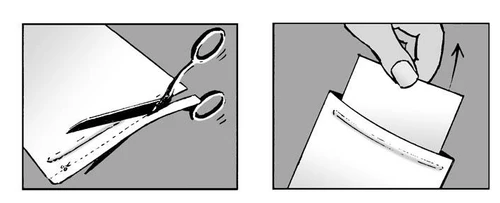
- Tear or cut the sachet along the dotted line
- If using scissors, take care not to damage the patches
- Remove one or more patches, depending on the size of the painful skin area
Step 2: Reseal the sachet
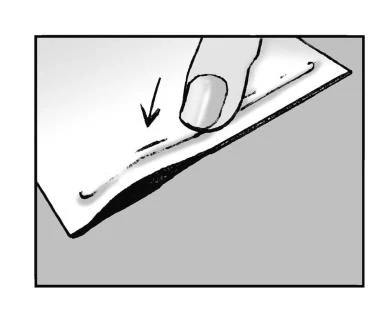
- After use, close the sachet tightly
- The patch contains water and may dry out if the sachet is not properly sealed
Step 3: Cut the patch, if necessary
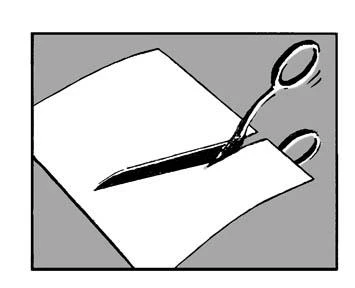
- If needed, cut the patch to the required size before removing the protective liner, so that it matches the size of the painful skin area
Step 4: Remove the protective liner
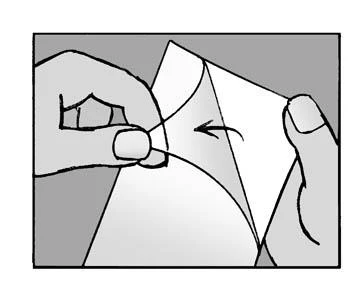
- Remove the transparent protective liner from the patch
Page 2 of 6
- Avoid touching the adhesive surface of the patch
Step 5: Apply the patch and press firmly onto the skin
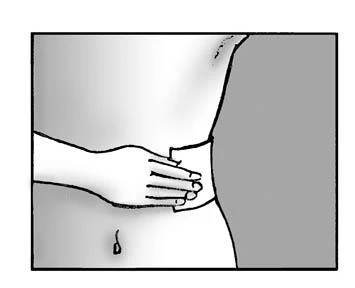
- Apply up to three patches to the painful skin area
- Press the patch firmly onto the skin
- Hold in place for at least 10 seconds to ensure good adhesion
- Make sure the entire patch, including the edges, is securely attached to the skin
Leave the patch on the skin for 12 hours
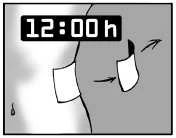
It is important that Versatis is in contact with the skin for no more than 12 hours.
If pain is most severe at night, the patch may be applied at 7:00 p.m. and removed at 7:00 a.m.
If pain is most severe during the day, the Versatis patch may be applied at 7:00 a.m. and removed at 7:00 p.m.
Bathing, showering and swimming
To the extent possible, avoid contact with water while the patch is applied.
Bathing, showering and swimming are permitted during the patch-free interval.
After bathing or showering, wait before applying a new patch until the skin temperature has returned to normal.
If the patch becomes detached
Rarely, the patch may fall off or peel away. In such a case, try to reattach it in the same place.
If this is not possible, remove the patch and apply a new one to the same area.
How to remove the Versatis patch
When changing the patch, slowly peel off the old patch. If the patch is difficult to remove, it may be soaked in warm water for several minutes before removal.
If the patient forgets to remove the patch after 12 hours
Remove the patch as soon as remembered. A new patch may be applied 12 hours after removing the previous one.
Use of more patches than recommended
Using more patches than recommended or leaving them on the skin for longer than advised may increase the risk of adverse effects.
Missed application of the Versatis patch
If, after the 12-hour patch-free interval, the patient forgets to apply a new patch, they should apply a new patch as soon as they remember.
If in doubt about the use of this medicine, consult your doctor or pharmacist.
Page 4 of 6
4. Possible adverse reactions
Like all medicines, this medicine can cause adverse reactions, although not everyone will experience them.
Important adverse reactions or symptoms to be aware of and what to do if they occur:
If irritation or burning occurs during the use of the patch, the patch should be removed.
The irritated area should not be covered with a patch; wait until the irritation has subsided before reapplying.
Other possible adverse reactions:
Very common (may affect more than 1 in 10 people):
skin changes at and around the application site, such as redness, rash, itching, burning, skin inflammation, and small blisters.
Uncommon (may affect more than 1 in 100 people):
skin damage and skin wounds.
Very rare (may affect more than 1 in 10,000 people):
open wounds, severe allergic reactions, and sensitization.
Reporting of adverse reactions
If any adverse reactions occur, including any not listed in this leaflet, inform your doctor, pharmacist, or nurse. Adverse reactions can also be reported directly to the Department of Monitoring Adverse Drug Reactions at the Office for Registration of Medicinal Products, Medical Devices and Biocidal Products:
Al. Jerozolimskie 181C
02-222 Warsaw
Tel: +48 22 49 21 301
Fax: +48 22 49 21 309
Website: https://smz.ezdrowie.gov.pl
By reporting adverse reactions, additional information on the safety of this medicine can be collected.
5. How to store Versatis
Keep this medicine out of sight and reach of children.
Do not use this medicine after the expiry date stated on the packaging. The expiry date refers to the last day of the specified month.
Do not store in the refrigerator or freeze.
After opening, keep the sachet tightly closed to protect it from light.
Expiry date after first opening: 14 days.
Do not use Versatis if the sachet is damaged. If the sachet is damaged, the patches may dry out and their adhesiveness may be reduced.
How to dispose of Versatis
Used patches still contain the active substance and may be harmful to other people.
After removing the patch, fold it in half with the adhesive side inwards, then dispose of it in a place inaccessible to children.
Page 5 of 6
Medicines must not be disposed of via the sewage system or household waste bins. Ask your pharmacist how to dispose of medicines that are no longer required. This will help protect the environment.
6. Contents of the pack and other information
What Versatis contains
- The active substance is lidocaine. Each patch measuring 10 cm x 14 cm contains 700 mg (5% w/w) of lidocaine.
- Other components are: glycerol, liquid sorbitol, sodium carboxymethylcellulose, propylene glycol (E 1520), urea, heavy kaolin, tartaric acid, gelatin, polyvinyl alcohol, glycine aluminum, disodium edetate, methyl parahydroxybenzoate (E 218), propyl parahydroxybenzoate (E 216), polyacrylic acid, sodium polyacrylate, purified water. Carrier layer and protective film: poly(ethylene terephthalate) (PET).
What Versatis looks like and contents of the pack
The medicated patch is 14 cm long and 10 cm wide. It is white and made of non-woven fabric marked with the text “LIDOCAINE 5%”. The patches are packed in a resealable sachet. Each sachet contains 5 patches.
The outer packaging – cardboard box – may contain 1, 2, 4, 5 or 6 sachets, corresponding to 5, 10, 20, 25 or 30 patches.
For more detailed information, please contact the marketing authorization holder or the parallel importer.
Marketing Authorization Holder in Slovakia, country of export:
Grünenthal GmbH, Zieglerstrasse 6, 52078 Aachen, Germany
Manufacturer:
Grünenthal GmbH, Zieglerstrasse 6, 52078 Aachen, Germany
Parallel Importer:
Delfarma Sp. z o.o., ul. Św. Teresy od Dzieciątka Jezus 111, 91-222 Łódź, Poland
Repackaged by:
Delfarma Sp. z o.o., ul. Św. Teresy od Dzieciątka Jezus 111, 91-222 Łódź, Poland
Marketing Authorization number in Slovakia, country of export: 01/0054/10-S
Parallel Import Authorization number: 378/24
This medicinal product is authorized in the following names in the European Economic Area member states:
Austria, Belgium, Bulgaria, Cyprus, Czech Republic, Denmark, Estonia, France, Germany, Greece, Hungary, Iceland, Ireland, Italy, Latvia, Lithuania, Luxembourg, Malta, Netherlands, Norway, Poland, Romania, Slovakia, Slovenia, Spain, Sweden: Versatis
Portugal: Vessatis
Page 6 of 6