Venbig
Poland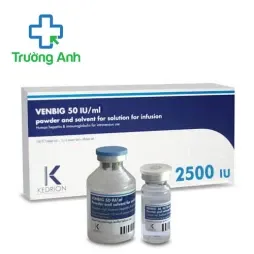
Table of Contents
Package leaflet: Information for the user
VENBIG 50 IU/ml powder and solvent for solution for infusion
Human hepatitis B immunoglobulin
for intravenous use
Please read all of this leaflet carefully before using this medicine because it contains
important information for the patient.
- Keep this leaflet as you may need to read it again.
- If you have any further questions, ask your doctor, pharmacist or nurse.
- If you experience any adverse reactions, including any not listed in this leaflet, tell your doctor, pharmacist or nurse. See section 4.
Contents of the leaflet:
- What VENBIG is and what it is used for
- What you need to know before using VENBIG
- How to use VENBIG
- Possible side effects
- How to store VENBIG
- Contents of the pack and other information
1. What VENBIG is and what it is used for
This medicinal product belongs to a pharmacotherapeutic group called: immune sera and immunoglobulins.
VENBIG is a solution of human immunoglobulins (proteins with antibody properties) against hepatitis B virus for intravenous administration and is used in the following situations:
Prevention of hepatitis B virus reinfection after liver transplantation due to liver failure caused by hepatitis B virus, in combination with antiviral therapy.
Immediate administration of antibodies against hepatitis B virus to prevent hepatitis B virus infection in the following cases:
- following accidental exposure of non-immune individuals (i.e. individuals not vaccinated against hepatitis B virus, including those who have not completed the full vaccination course or whose vaccination status is unknown);
- in patients undergoing haemodialysis (patients with severe renal failure requiring blood purification via an artificial kidney), until vaccination becomes effective;
- in newborns born to hepatitis B virus carrier mothers;
- in individuals who do not respond to vaccination (i.e. individuals in whom vaccination was ineffective) and in whom ongoing prophylaxis is necessary due to risk of hepatitis B virus infection.
2. Important information before using VENBIG
When not to use VENBIG
- If the patient is allergic to human immunoglobulins or to any of the other components of this medicine (listed in section 6).
- In patients with antibodies against immunoglobulin IgA in the blood, administration of a product containing IgA may cause serious allergic reactions.
Warnings and precautions
Before starting treatment with VENBIG, discuss this with your doctor, pharmacist, or nurse.
Administration of intravenous normal immunoglobulin (IVIg) has been associated with the occurrence of blood vessel blockage (thrombosis). Particular caution is recommended when administering the medicine to individuals with risk factors for thrombosis.
The level of anti-HBs antibodies should be monitored regularly.
Some adverse reactions may occur more frequently:
- during too rapid infusion;
- in patients with symptoms of untreated infection (e.g. fever) or chronic inflammatory conditions;
- in patients receiving human normal immunoglobulin for the first time;
- in rare cases, when switching from one previously administered human normal immunoglobulin product to another, or after a long interval since the last infusion. In certain cases, immunoglobulins may increase the risk of myocardial infarction, stroke, pulmonary artery thrombosis, or may worsen deep vein thrombosis, as they increase blood viscosity. For this reason, the doctor should exercise particular caution in the following cases:
- in obese patients,
- in elderly patients,
- in patients with diabetes,
- in patients with high blood pressure (hypertension),
- in patients with reduced blood volume (hypovolemia),
- in patients with vascular diseases,
- in patients at risk of developing blood clotting disorders (acquired or congenital coagulation disorders),
- in patients with a history of thrombotic conditions,
- in patients with conditions associated with increased blood viscosity,
- in long-term immobilized patients,
- in patients with current or past kidney diseases, or those taking medications that may damage the kidneys (nephrotoxic drugs), as cases of acute kidney failure have been reported. In case of impaired kidney function, discontinuation of immunoglobulin administration should be considered. The patient may have an allergy (hypersensitivity) to immunoglobulin (antibodies) without being aware of it. Hypersensitivity may occur even in patients who have previously received human normal immunoglobulin and tolerated it well. It may occur particularly in cases of IgA deficiency (IgA deficiency with anti-IgA antibodies). In these rare cases, allergic (hypersensitivity) reactions such as sudden drop in blood pressure or anaphylactic reaction may occur.
The recommendations regarding infusion rate provided in section 3 "How to use VENBIG" must be strictly followed by the doctor due to the possibility of certain adverse reactions related to the rate of administration. The patient must be monitored and carefully observed for any adverse symptoms during infusion.
In case of an adverse reaction, the doctor will decide whether to reduce the infusion rate or discontinue administration of the medicine. Furthermore, the doctor will determine the appropriate treatment depending on the severity and intensity of the adverse effect.
VENBIG contains a small amount of immunoglobulin A. Individuals with IgA deficiency have a potential predisposition to develop IgA antibodies, and administration of blood components containing IgA may lead to an anaphylactic reaction in such patients. Therefore, the doctor should carefully evaluate the benefits of treatment with VENBIG against the potential risk of allergic reactions.
Rarely, human immunoglobulin against hepatitis B virus may lead to a drop in blood pressure with an anaphylactic reaction, even in patients who previously tolerated immunoglobulin treatment well.
In case of kidney function disorders, the doctor may consider discontinuing treatment with intravenous immunoglobulin products. Although reports of kidney dysfunction and acute kidney failure have been associated with the use of several approved IVIg products containing various excipients such as sucrose, glucose, and maltose, products containing sucrose as a stabilizer have disproportionately contributed to the overall number of cases. In patients at risk of acute kidney failure or thromboembolic adverse events, IVIg products should be administered at the lowest possible infusion rate and in the smallest effective doses.
During immunoglobulin treatment, lung injury may occur, known as transfusion-related acute lung injury (TRALI). If shortness of breath and rapid breathing occur during or within a few hours after infusion, inform the doctor or nurse immediately, as these symptoms may require immediate treatment.
Suspicion of hypersensitivity or anaphylactic reaction requires immediate cessation of infusion. In case of shock, appropriate shock treatment should be administered according to current medical standards.
Inform your doctor if any of the above conditions apply to you, as the doctor will take appropriate precautions when prescribing and administering VENBIG.
Intravenous human immunoglobulin medicines may contain blood group antibodies, which in rare cases may cause destruction of red blood cells (hemolysis). Consequently, hemolytic anemia (a form of anemia) due to abnormal breakdown of red blood cells may develop during treatment with human immunoglobulins. Patients receiving immunoglobulin products (IVIg) should be monitored for subjective and objective signs of hemolysis.
Effect on blood test results
VENBIG may affect certain blood test results due to a transient increase in passively transferred antibodies in the blood after immunoglobulin injection; this increase may cause false-positive results in serological tests. Passive transfer of antibodies against erythrocyte antigens such as A, B, D (which determine blood group) may affect the results of certain serological tests for red blood cell antibodies, such as the antiglobulin test (Coombs test).
Prevention of viral infections
When medicines are prepared from human blood or plasma, specific preventive measures are applied to avoid transmission of infections to patients. These measures include:
- careful selection of blood and plasma donors to eliminate the risk of transmitting infections;
- testing each blood donation and plasma pool for the presence of infectious agents and/or viruses;
- inclusion of virus inactivation or removal steps in the manufacturing process.
However, despite the above measures, it cannot be completely excluded that administration of medicines derived from human blood or plasma may potentially transmit infectious agents. The same applies to unknown or newly emerging viruses or other types of infections.
The methods used are considered effective against enveloped viruses such as human immunodeficiency virus (HIV), hepatitis B virus (HBV), hepatitis C virus (HCV), and also non-enveloped hepatitis A virus (HAV).
Measures taken against non-enveloped viruses such as parvovirus B19 may have limited effectiveness.
Immunoglobulins should not be associated with risk of hepatitis A virus or parvovirus B19 infection, as the antibodies contained in the product against these infections are protective in nature.
It is extremely important to follow the recommendation to record the name and batch number of the VENBIG medicine each time a dose is administered.
Children and adolescents
No special recommendations regarding precautions or monitoring are available.
VENBIG and other medicines
Inform your doctor or pharmacist about all medicines currently or recently taken, as well as any medicines planned for future use.
Human immunoglobulin against hepatitis B virus for intravenous use must not be mixed with other medicines.
Vaccines containing live attenuated viruses
VENBIG may affect the immune response to vaccines containing live attenuated viruses such as measles, mumps, rubella, and varicella. Administration of immunoglobulins may reduce the effectiveness of these vaccines for up to 3 months. After administration of VENBIG, a minimum interval of 3 months should be maintained before administering vaccines containing live attenuated viruses.
Human immunoglobulin against hepatitis B virus should be administered 3 to 4 weeks after vaccination with live attenuated virus vaccines. If administration of human immunoglobulin against hepatitis B virus is necessary within 3 to 4 weeks after vaccination, revaccination should be performed 3 months after immunoglobulin administration.
Loop diuretics (a group of drugs increasing urine flow)
Concomitant use of VENBIG with loop diuretics should be avoided.
Pregnancy, breastfeeding, and fertility
- If the patient is pregnant or breastfeeding, suspects she may be pregnant, or is planning to have a child, she should consult her doctor or pharmacist before using this medicine. The doctor will decide whether VENBIG can be administered during pregnancy.
- Clinical studies with VENBIG have not been conducted in pregnant women. It has been shown that intravenous immunoglobulin products cross the placenta, particularly during the third trimester. However, long-term clinical experience with immunoglobulin use suggests that no harmful effects on pregnancy, the fetus, or the newborn are expected.
- If the patient is breastfeeding and receiving VENBIG, antibodies from the medicine may pass into human milk. This may contribute to protection of the newborn against certain infections.
- Clinical experience with immunoglobulins suggests that no harmful effect on fertility is expected.
Driving and operating machinery
VENBIG has no or negligible effect on the ability to drive or operate machinery. Patients who experience adverse effects during treatment should wait until symptoms resolve before driving or operating machinery.
VENBIG contains sodium and sugar
This medicine contains up to 39 mg and up to 175.5 mg of sodium (main component of table salt) per 10 ml vial and 45 ml vial, respectively. This corresponds to 1.9% and 8.7% of the maximum recommended daily dietary sodium intake for adults.
This medicine contains up to 92 mg of sucrose per ml (91.9 mg/ml). This should be taken into account in patients at risk of acute kidney failure.
3. How to use VENBIG
VENBIG should only be administered by qualified medical personnel under hospital conditions.
The dosage and treatment regimen depend on the indication. The physician will determine the appropriate dosage and method of treatment.
VENBIG is administered intravenously as an infusion, initially slowly. If the medicinal product is well tolerated, the physician may gradually increase the infusion rate.
For more information, see the section of the leaflet entitled "Information intended exclusively for medical personnel".
Use of a higher than recommended dose of VENBIG
The consequences of overdose are unknown.
Overdose may lead to circulatory overload and excessive blood viscosity, especially in patients at risk, including elderly patients or those with cardiac or renal insufficiency.
If you have any further questions concerning the use of this medicinal product, consult your doctor, pharmacist, or nurse.
4. Possible adverse reactions
Like all medicines, this medicine can cause adverse reactions, although they do not occur in everyone.
If the patient experiences any of the following adverse reactions, contact a doctor or the nearest hospital immediately:
- Allergic reaction (hypersensitivity). In some cases, a severe allergic reaction (anaphylactic shock) may develop: e.g. itching, skin reactions, swelling of lips, face and tongue, difficulty swallowing, breathing difficulties, fainting.
- Acute kidney failure (e.g. reduced or absence of urine output, fluid retention, shortness of breath).
The following adverse reactions may occur after intravenous administration of normal human
immunoglobulins:
- Chills, headache, dizziness, fever, vomiting, allergic reactions, nausea, joint pain, hypotension and moderate lower back pain have been reported sporadically;
- Isolated cases of transient decrease in red blood cell count (reversible hemolytic reactions/hemolysis); particularly in patients with blood groups A, B and AB, and (rarely) hemolytic anemia requiring transfusion;
- Sudden drop in blood pressure has been reported rarely, and in isolated cases hypersensitivity reactions (anaphylactic shock) may occur, even in patients who did not experience hypersensitivity during previous administrations;
- Rare cases of transient skin reactions have been observed;
- Very rarely, thromboembolic complications (blood clot formation) have been reported, which may lead to myocardial infarction, stroke, pulmonary artery occlusion (pulmonary embolism), and deep vein thrombosis;
- Cases of transient non-infectious meningitis (reversible aseptic meningitis);
- Cases of increased serum creatinine levels and/or occurrence of acute kidney failure;
- Cases of acute transfusion-related lung injury (TRALI).
Following the introduction of VENBIG to the market, the following adverse reactions have been reported after administration of the medicine (frequency cannot be determined from available data):
- Headache
- Rapid heartbeat (tachycardia)
- Low blood pressure (hypotension)
- Nausea
- Vomiting
- Skin reactions: redness (erythema), itching, pruritus
- Joint pain
- Fever
- Malaise
- Chills
Additional information on prevention of viral infections, see: “2. Important information before use of VENBIG”.
Additional adverse reactions in children and adolescents
No specific data available for children and adolescents.
Reporting of adverse reactions
If any adverse symptoms occur, including any adverse effects not listed in this leaflet, inform your doctor or nurse. Adverse reactions can be reported directly to the Department of Monitoring of Adverse Drug Reactions of the Office for Registration of Medicinal Products, Medical Devices and Biocidal Products:
Al. Jerozolimskie 181C, 02-222 Warsaw, tel: 22 4921301, fax: 22 4921309, e-mail:
[email protected]
Adverse reactions can also be reported to the marketing authorization holder.
By reporting adverse reactions, additional information on the safety of the medicine can be collected.
5. How to store VENBIG
Keep this medicine out of sight and reach of children.
Do not use this medicine after the expiry date (EXP) stated on the label and on the
carton. The expiry date refers to the last day of the stated month.
Do not store above 25°C.
Store the product in its outer cardboard packaging to protect it from light.
Do not freeze.
VENBIG should be used immediately after reconstitution in the solvent.
Do not use the medicine VENBIG if the solution is cloudy, contains sediment, or has changed colour (see also "What VENBIG looks like and contents of the pack" in section 6).
Medicines should not be disposed of via wastewater or household waste. Ask your pharmacist how to dispose of medicines no longer required. These measures will help protect the environment.
6. Contents of the pack and other information
What VENBIG contains
The active substance is human immunoglobulin against hepatitis B virus.
| VENBIG 500 IU | VENBIG 2500 IU | |
| Human proteins | 50 g/l | 50 g/l |
| of which human immunoglobulin at least | 95% | 95% |
| antibodies against HBs antigen (anti-HBs) not less than | 500 IU/vial | 2500 IU/vial |
| antibodies against HBs antigen (anti-HBs) after reconstitution using solvent not less than | 50 IU/ml | 50 IU/ml |
The distribution of IgG subclasses (immunoglobulin G) is as follows:
IgG 26.0 – 40.0 mg/ml
IgG 13.0 – 25.0 mg/ml
IgG 1.20 – 2.50 mg/ml
IgG 0.15 – 0.50 mg/ml
Maximum IgA content: 0.05 mg/ml
The medicinal product is manufactured from blood donor plasma.
Other components are sucrose, sodium chloride, and water for injections.
The vial with powder contains human immunoglobulin against hepatitis B virus,
sucrose and sodium chloride.
The vial with solvent contains sodium chloride and water for injections.
What VENBIG looks like and contents of the pack
The VENBIG pack contains a vial with powder and a vial with solvent, from which a solution for administration is prepared.
The powder is white or pale yellow, or in the form of a soft solid mass.
After reconstitution, the product is a clear or slightly opalescent, colorless or pale yellow liquid.
The solution after reconstitution should be visually inspected for the presence of undissolved particles and discoloration. Do not use solutions that are cloudy or contain a precipitate.
VENBIG 50 j.m./ml powder and solvent for solution for infusion
500 j.m. vial with powder + 10 ml vial with solvent + infusion set (1 syringe with needle + 1 administration needle)
2500 j.m. vial with powder + 45 ml vial with solvent + infusion set.
Marketing Authorization Holder
Kedrion S.p.A. - Loc. Ai Conti, 55051 Castelvecchio Pascoli, Barga (Lucca), Italy.
Manufacturer
Kedrion S.p.A. - S.S. 7 bis Km 19.5, S. Antimo (Naples), Italy.
For more detailed information, please contact the representative of the Marketing Authorization Holder:
MB&S Medical Business and Science
ul. Chełmska 30/34, 00-725 Warsaw
tel. 22 851 52 09
Information intended exclusively for medical personnel:
Instructions for use:
The product should be brought to room temperature or body temperature before administration.
Complete reconstitution should be achieved within 30 minutes.
VENBIG must be administered intravenously by infusion, initially at a rate of 0.46–0.92 ml/kg/hour (e.g., for a patient weighing 65 kg: 10–20 drops/minute) over 20–30 minutes. If adverse reactions occur, the infusion rate should be reduced or administration stopped. If the product is well tolerated, the infusion rate may be gradually increased up to a maximum of 1.85 ml/kg/hour (e.g., for a patient weighing 65 kg: 40 drops/minute) until completion of the infusion.
Reconstitution of solution, 500 IU vial:
- Draw the solvent into a syringe;
- Inject the solvent using the same syringe into the vial containing the lyophilized powder;
- Gently shake the vial until the powder is completely dissolved;
- Do not shake vigorously; avoid foaming;
- Draw the resulting solution back into the syringe;
- Change the needle and administer the solution to the patient by intravenous infusion.
Reconstitution of solution, 2500 IU vial:
- Remove protective caps from the stoppers of both the powder vial and the solvent vial;
- Disinfect the rubber stoppers of both vials with alcohol;
- Insert the smaller end of a double-ended needle into the solvent vial;
- Remove the protective sheath from the other end of the double-ended needle; take care not to accidentally touch the second needle;
- Invert the solvent vial with the double-ended needle and insert the second needle into the powder vial; during penetration of the powder vial’s stopper, the end of the needle in the solvent vial must remain submerged in the liquid and not exposed to air;
- Gently shake the vial at room temperature until the powder is completely dissolved;
- Do not shake vigorously; avoid foaming;
- Remove the solvent vial from the double-ended needle;
- Administer via intravenous infusion using an infusion set. Products after reconstitution should be visually inspected for particulate matter and discoloration prior to administration. The reconstituted solution is clear or slightly opalescent, colorless or light yellow. Do not use cloudy solutions or those containing precipitates.
VENBIG should be administered immediately after reconstitution in the solvent.
Any unused portions or waste material should be disposed of in accordance with local regulations.
Special precautions
Some serious adverse reactions to the product may be related to the infusion rate.
Potential complications can often be avoided by ensuring that:
- Patients are not allergic to human normal immunoglobulin by initiating administration slowly (infusion rate of 0.46–0.92 ml/kg/hour);
- Patients are closely monitored during infusion for adverse reactions. Particularly, patients receiving human normal immunoglobulin for the first time, patients previously treated with another IVIg product, or those with a long interval since the last infusion should be monitored during the first infusion and for at least one hour afterward to detect potential adverse reactions. Other patients should be observed for at least 20 minutes after infusion.
In all patients, intravenous administration of IVIg requires:
- Adequate hydration prior to initiation of IVIg infusion;
- Monitoring of urine output;
- Monitoring of serum creatinine levels;
- Avoidance of concomitant use of loop diuretics.
In case of an adverse reaction, either reduce the infusion rate or discontinue immunoglobulin administration. Treatment depends on the type and severity of the adverse reaction. In case of shock, treat according to current medical standards.
Infusion reactions
Some adverse reactions (e.g., headache, flushing, chills, muscle pain, wheezing, tachycardia, lower back pain, nausea, and hypotension) may depend on the infusion rate. The recommended infusion rate must be strictly followed. Patients must be closely monitored and carefully observed during infusion due to the risk of adverse reactions.
Some adverse reactions may occur more frequently:
- With too rapid an infusion rate;
- In patients with hypo- or agammaglobulinemia, with or without IgA deficiency.
Hypersensitivity
True allergic reactions are rare.
VENBIG contains a small amount of IgA. Individuals with IgA deficiency may have a potential predisposition to develop IgA antibodies and may experience anaphylactic reactions after administration of blood components containing IgA. Therefore, the physician should weigh the benefits of VENBIG treatment against the potential risk of hypersensitivity reactions.
Rarely, human immunoglobulin against hepatitis B virus may cause a drop in blood pressure with anaphylactic shock, even in patients who previously tolerated immunoglobulin treatment well.
Patients should be informed about early signs of hypersensitivity reactions, such as urticaria, generalized rash, chest tightness, wheezing, hypotension, and anaphylaxis. Management depends on the type and severity of the adverse reaction.
Suspected allergic or anaphylactic reactions require immediate cessation of infusion. In case of shock, treat according to current medical standards.
Effect on serological test results
After immunoglobulin administration, transient increases in passively transferred antibodies may occur in the patient's blood, leading to false-positive results in serological tests.
Passive transfer of antibodies against erythrocyte antigens, such as A, B, and D, may affect results of certain serological tests for red blood cell antibodies, such as the antiglobulin test (Coombs test).
Infectious agents
Standard measures to prevent infections associated with medicinal products derived from human blood or plasma include donor selection, screening of individual donations and plasma pools for specific infectious markers, and implementation of effective viral inactivation/removal methods during production. However, when administering medicinal products derived from human blood or plasma, it cannot be completely excluded that there is a potential risk of transmission of infectious agents, including unknown or newly emerging viruses or other pathogens.
The measures used are considered effective against enveloped viruses such as human immunodeficiency virus (HIV), hepatitis B virus (HBV), and hepatitis C virus (HCV), as well as against non-enveloped viruses such as hepatitis A virus (HAV).
Steps taken against non-enveloped viruses such as parvovirus B19 may have limited effectiveness.
Clinical experience to date has not shown immunoglobulin products to transmit hepatitis A virus or parvovirus B19, and the presence of antibodies is considered a significant antiviral defense factor.
It is strongly recommended that each time a patient receives VENBIG, the product name and batch number be recorded to allow identification of which batch the patient received in the future.
Important information on some components of VENBIG
This medicinal product contains up to 39 mg of sodium per 10 ml vial and up to 175.5 mg of sodium per 45 ml vial, corresponding to 1.9% and 8.7% of the WHO-recommended maximum daily sodium intake of 2 g for adults.
This medicinal product contains up to 92 mg of sucrose per ml (91.9 mg/ml). This should be taken into account in patients at risk of acute renal failure.
The following adverse reactions may be associated with the use of human normal immunoglobulin for intravenous administration (IVIg):
Thromboembolic disease
There is clinical evidence linking intravenous Ig administration to thromboembolic events such as myocardial infarction, cerebrovascular events (including stroke), pulmonary artery thrombosis, and deep vein thrombosis, believed to be related to relative increases in blood viscosity following intensive immunoglobulin administration in at-risk patients.
Caution should be exercised when prescribing and administering IVIg to obese patients and to patients at risk of thrombotic conditions (such as advanced age, hypertension, diabetes, vascular diseases or history of thrombosis, acquired or congenital coagulation disorders, prolonged immobilization, severe hypovolemia, or conditions associated with increased blood viscosity).
In patients at risk of thromboembolic adverse reactions, intravenous immunoglobulins should be administered at the minimum infusion rate and at the lowest effective dose.
Acute renal failure
Cases of acute renal failure have been reported in patients treated with intravenous immunoglobulins. In most cases, risk factors were identified, such as pre-existing renal insufficiency, diabetes, reduced circulating blood volume, obesity, concomitant use of nephrotoxic agents, or age over 65 years.
Renal function parameters should be assessed before IVIg infusion and reassessed at appropriate intervals, especially in patients with potentially increased risk of acute renal failure. In patients at risk of acute renal failure, IVIg should be administered at the minimum infusion rate and at the lowest effective dose. In case of impaired renal function, discontinuation of intravenous Ig administration should be considered.
Although reports of renal dysfunction and acute renal failure have been associated with the use of many approved IVIg products containing various excipients such as sucrose, glucose, and maltose, products containing sucrose as a stabilizer have disproportionately contributed to the overall number of cases. In at-risk patients, consideration may be given to using IVIg products not containing these excipients.
VENBIG contains sucrose (see section 2, subsection "VENBIG contains sodium and sugar").
Aseptic meningitis syndrome
During IVIg treatment, cases of aseptic meningitis syndrome (AMS) have been reported.
The syndrome usually begins within several hours to 2 days after IVIg administration. Cerebrospinal fluid analysis often reveals pleocytosis of up to several thousand cells/mm³, predominantly granulocytes, and elevated protein levels up to several hundred mg/dl. Patients with such subjective and objective symptoms should undergo a thorough neurological evaluation, including cerebrospinal fluid examination, to exclude other causes of meningitis.
Discontinuation of IVIg treatment resulted in resolution of AMS within several days without sequelae.
Hemolytic anemia
IVIg products may contain blood group antibodies that can act as hemolysins and trigger in vivo coating of red blood cells with immunoglobulin, leading to a positive direct antiglobulin reaction (Coombs test) and, rarely, hemolysis. Hemolytic anemia may occur as a result of IVIg treatment due to increased sequestration of red blood cells. Patients receiving IVIg should be monitored for possible subjective and objective signs of hemolysis.
Neutropenia / leukopenia
Transient decreases in neutrophil count and/or episodes of neutropenia, sometimes severe, have been reported after IVIg treatment. These usually occur within hours or days after IVIg administration and resolve spontaneously within 7 to 14 days.
Transfusion-related acute lung injury (TRALI)
Cases of transfusion-related acute lung injury (TRALI) have been reported in patients receiving IVIg medicinal products. TRALI is characterized by severe hypoxia, respiratory insufficiency, respiratory distress, cyanosis, fever, and hypotension. TRALI symptoms usually appear within 6 hours after IVIg administration, often within 1–2 hours. Therefore, patients should be monitored; if respiratory adverse reactions occur, IVIg infusion should be stopped immediately. TRALI may be life-threatening and requires immediate treatment in an intensive care setting.
Children and adolescents
No special preventive or monitoring recommendations are available.
Dosing recommendations
Dosing
Dosing and treatment regimens depend on the indication. The following dosing regimens are provided as guidelines.
Prevention of recurrent hepatitis B virus infection after liver transplantation due to hepatitis B:
Adults
10,000 IU on the day of transplantation, during surgery;
followed by 2,000–10,000 IU/day for 7 days,
and, if necessary, maintaining antibody levels above 100–150 IU/L in HBV-DNA-negative patients and above 500 IU/L in HBV-DNA-positive patients.
Children and adolescents
Dosing should be based on body surface area at a ratio of 10,000 IU/1.73 m².
Prevention of hepatitis B virus infection
- Prophylaxis of hepatitis B following accidental exposure in non-immune individuals: at least 500 IU, depending on exposure intensity, as soon as possible after exposure; preferably within 24–72 hours.
- Immunoprophylaxis of hepatitis B in hemodialysis patients: 8–12 IU/kg, maximum 500 IU, every 2 months, until vaccination efficacy is achieved.
- Prophylaxis of hepatitis B in newborns born to hepatitis B virus carrier mothers: 30–100 IU/kg, administered at birth or as soon as possible thereafter. In clinical practice, intramuscular administration is the preferred route when repeated dosing is required until antibody formation is achieved. Administration of hepatitis B immunoglobulin may be repeated until seroconversion is achieved.
In all these cases, hepatitis B vaccination is particularly recommended. The first vaccine dose may be administered on the same day as hepatitis B immunoglobulin, but at a different injection site.
In individuals who do not develop an immune response (undetectable hepatitis B antibodies) after vaccination and in those requiring long-term prophylaxis, administration of 500 IU every two months in adults and 8 IU/kg in children may be considered; a minimum protective antibody level is considered to be 10 mIU/ml.
Other official guidelines on dosing and dosing regimens for intravenous human hepatitis B immunoglobulin should also be taken into account.