Vabinxo
Poland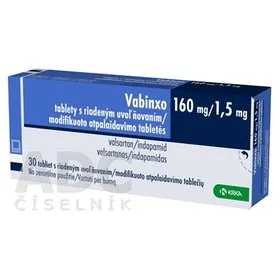
Table of Contents
Patient Information Leaflet
Vabinxo, 160 mg + 1.5 mg, modified-release tablets
valsartan + indapamide
Please read this leaflet carefully before taking this medicine, as it contains
important information for you.
- Keep this leaflet, as you may need to read it again.
- If you have any further questions, please ask your doctor or pharmacist.
- This medicine has been prescribed for a specific individual. Do not pass it on to others. It may harm them, even if their symptoms are the same as yours.
- If you experience any side effects, including any not listed in this leaflet, inform your doctor or pharmacist. See section 4.
Table of contents
- What Vabinxo is and what it is used for
- Important information before taking Vabinxo
- How to take Vabinxo
- Possible side effects
- How to store Vabinxo
- Contents of the pack and other information
1. What Vabinxo is and what it is used for
Vabinxo contains two active substances: valsartan and indapamide.
Valsartan belongs to a group of medicines called angiotensin II receptor antagonists, which help control high blood pressure. Angiotensin II is a substance in the body that causes blood vessels to narrow, thereby increasing blood pressure. Valsartan works by blocking the effects of angiotensin II, leading to relaxation of blood vessels and lowering of blood pressure.
Indapamide is a diuretic. Most diuretics increase the amount of urine produced by the kidneys. However, indapamide differs from other diuretics in that it causes only a slight increase in urine production.
This medicine is used to treat high blood pressure (hypertension) in adults. Your doctor may prescribe Vabinxo if you are already taking valsartan and indapamide at the same dose, but as separate tablets.
2. Important information before using Vabinxo
When not to take Vabinxo
- if the patient is allergic to valsartan, indapamide, any other sulfonamide, or any of the other ingredients of this medicine (listed in section 6),
- if the patient has liver disease or a condition called hepatic encephalopathy (a degenerative brain disorder),
- if the patient is more than 3 months pregnant (it is also advisable to avoid using Vabinxo in early pregnancy – see section "Pregnancy"),
- if the patient has diabetes or kidney dysfunction and is being treated with aliskiren, a blood pressure-lowering medicine,
- if the patient has severe kidney disease,
- if the patient has low levels of potassium in the blood.
Warnings and precautions
Before starting treatment with Vabinxo, discuss the following with your doctor or pharmacist:
- if the patient has liver disease,
- if the patient has severe kidney disease or is undergoing dialysis,
- in patients with renal artery stenosis,
- in patients who have recently undergone kidney transplantation,
- in patients with severe heart disease other than heart failure or myocardial infarction,
- if the patient has ever experienced angioedema (a type of allergic reaction causing swelling of the face and tongue) while taking another medicine (including angiotensin-converting enzyme [ACE] inhibitors), inform the doctor. If such symptoms occur while taking Vabinxo, treatment must be stopped immediately and Vabinxo must not be taken again. See also section 4, "Possible side effects".
- in patients taking medicines that increase blood potassium levels, such as potassium supplements or potassium-containing salt substitutes, potassium-sparing diuretics, or heparin. Periodic monitoring of blood potassium levels may be necessary.
- in patients with aldosteronism—a condition in which the adrenal glands produce excessive amounts of a hormone called aldosterone. Vabinxo is not recommended in patients with aldosteronism.
- in patients who have lost large amounts of fluid (dehydration) due to diarrhoea, vomiting, or use of high doses of diuretic medicines,
- if the patient is taking any of the following medicines for high blood pressure:
- ACE inhibitors (e.g. enalapril, lisinopril, ramipril), especially if the patient has kidney problems related to diabetes,
- aliskiren.
- if the patient has diabetes,
- if the patient has gout,
- if the patient has any heart rhythm disorders,
- if the patient is scheduled for a test assessing parathyroid function.
Inform the doctor if the patient experiences photosensitivity (allergic reaction to light).
If the patient experiences blurred vision or eye pain, inform the doctor immediately. These may be symptoms of fluid accumulation in the vascular layer surrounding the eye (excessive accumulation of fluid between the choroid and sclera) or increased intraocular pressure. These may occur from several hours to several weeks after taking indapamide. If left untreated, they may lead to permanent vision loss.
Patients who previously experienced allergy to penicillin or sulfonamides may be at higher risk of developing this condition.
The doctor may recommend regular monitoring of kidney function, blood pressure, and blood electrolyte levels (e.g. potassium).
If the patient experiences abdominal pain, nausea, vomiting, or diarrhoea after taking Vabinxo, discuss this with the doctor. The doctor will decide whether to continue treatment. Do not stop taking Vabinxo without medical advice.
See also information under the heading "When not to take Vabinxo".
Inform the doctor if the patient is pregnant, suspects pregnancy, or plans to become pregnant. Vabinxo is not recommended during early pregnancy and must not be taken after the third month of pregnancy, as it may cause serious harm to the unborn child (see section "Pregnancy and breastfeeding").
If any of the above conditions apply, inform the doctor before starting Vabinxo.
Important information for athletes
Athletes should be aware that this medicine contains an active substance that may lead to a positive result in doping tests.
Children and adolescents
Due to lack of data on safety and efficacy, Vabinxo is not recommended for use in children and adolescents.
Vabinxo and other medicines
Inform your doctor or pharmacist about all medicines currently used, recently used, or planned for use.
The effect of Vabinxo may change when taken together with certain other medicines. Dose adjustments, additional precautions, or discontinuation of one of the medicines may be necessary. This applies to both prescription and over-the-counter medicines.
Inform the doctor if the patient is taking any of the following medicines, as special precautions may be required:
- other blood pressure-lowering medicines, particularly diuretics, angiotensin-converting enzyme (ACE) inhibitors (e.g. enalapril, lisinopril, etc.), or aliskiren (see also information under "When not to take Vabinxo" and "Warnings and precautions"),
- medicines that increase blood potassium levels, such as potassium supplements or potassium-containing salt substitutes, potassium-sparing diuretics, and heparin,
- certain painkillers known as non-steroidal anti-inflammatory drugs (NSAIDs),
- certain antibiotics (rifampicin group), a medicine used to prevent transplant rejection (cyclosporine), or an antiretroviral medicine used to treat HIV/AIDS (ritonavir). These medicines may enhance the effect of Vabinxo.
- lithium (used to treat certain psychiatric disorders),
- medicines used to treat heart rhythm disorders (e.g. quinidine, hydroquinidine, disopyramide, amiodarone, sotalol, ibutilide, dofetilide, cardiac glycosides),
- medicines used to treat psychiatric disorders such as depression, anxiety, or schizophrenia (e.g. tricyclic antidepressants, antipsychotics, neuroleptics),
- bepridil (used to treat angina pectoris, a condition causing chest pain),
- cisapride, difemanil (used to treat gastrointestinal disorders),
- sparfloxacin, moxifloxacin, intravenous erythromycin (antibiotics used to treat bacterial infections),
- intravenous vinpocetine (used for symptomatic treatment of cognitive disorders in elderly patients, including memory loss),
- halofantrine (an antiparasitic medicine used to treat certain types of malaria),
- pentamidine (used to treat certain types of pneumonia),
- mizolastine (used to treat allergic reactions such as hay fever),
- non-steroidal anti-inflammatory drugs used for pain (e.g. ibuprofen) or high doses of acetylsalicylic acid,
- angiotensin-converting enzyme (ACE) inhibitors (used to treat hypertension and heart failure),
- intravenous amphotericin B (used to treat fungal infections),
- oral corticosteroids used to treat various conditions, including severe asthma and rheumatoid arthritis,
- stimulant laxatives,
- baclofen (used to treat muscle stiffness in conditions such as multiple sclerosis),
- potassium-sparing diuretics (e.g. amiloride, spironolactone, triamterene),
- allopurinol (used to treat gout),
- metformin (used to treat diabetes),
- iodine-containing contrast agents (used in diagnostic imaging with X-rays),
- calcium tablets or other calcium supplements,
- cyclosporine, tacrolimus, or other immunosuppressive medicines used after organ transplantation, or to treat autoimmune diseases, severe rheumatic or dermatological conditions,
- tetracosactide (used to treat Crohn's disease).
Vabinxo with food and drink
Vabinxo may be taken with or without food.
Pregnancy and breastfeeding
If the patient is pregnant or breastfeeding, suspects she may be pregnant, or is planning to become pregnant, she should consult her doctor or pharmacist before using this medicine.
- It is essential to inform the doctor about pregnancy, suspected pregnancy, or plans for pregnancy. The doctor will usually recommend discontinuing Vabinxo before conception or immediately after pregnancy is confirmed and will advise using an alternative medicine. Vabinxo is not recommended during early pregnancy and must not be used in women who are more than 3 months pregnant, as it may cause serious harm to the unborn child if used after the third month of pregnancy.
- Inform the doctor if the patient is breastfeeding or intends to breastfeed. Vabinxo is not recommended for breastfeeding mothers. The doctor may choose an alternative medicine if the patient intends to breastfeed, especially if breastfeeding a newborn or premature infant.
Driving and using machines
Before driving, operating tools or machinery, or performing any activity requiring concentration, the patient should determine how Vabinxo affects them. Like many other medicines used to treat high blood pressure, Vabinxo may cause dizziness and affect the ability to concentrate. In such cases, the patient should refrain from driving or performing other activities requiring concentration.
3. How to take Vabinxo
This medicine should always be taken exactly as directed by your doctor or pharmacist. If you have any doubts,
you should consult your doctor or pharmacist.
The recommended dose of Vabinxo is one tablet per day, preferably in the morning. Vabinxo should be
taken at the same time each day.
Tablets may be taken regardless of meals. They should be swallowed whole with water.
Do not crush or chew them.
People with high blood pressure often do not notice any symptoms of this condition. Many of them feel quite well. For this reason, it is especially important to attend regular visits
to your doctor, even if you feel well. Treatment for high blood pressure usually lasts for a lifetime.
Taking more Vabinxo than recommended
If too many tablets have been taken, contact your doctor or pharmacist immediately.
In the event of severe dizziness and (or) fainting, lie down.
Very high doses of Vabinxo may cause nausea, vomiting, low blood pressure, muscle cramps,
dizziness, drowsiness, disorientation, and changes in the amount of urine produced by the kidneys.
Missing a dose of Vabinxo
If a dose of Vabinxo is missed, take the next dose as usual.
Do not take a double dose to make up for the missed dose.
Stopping treatment with Vabinxo
Since treatment for high blood pressure usually lasts for a lifetime, you should consult your doctor before stopping the medicine. Do not discontinue treatment unless instructed by your doctor.
If you have any further doubts concerning the use of this medicine, consult your doctor or pharmacist.
4. Possible adverse reactions
Like all medicines, this medicine can cause adverse reactions, although not everyone will experience them.
If the patient experiences any of the following adverse reactions, stop taking the medicine immediately
and contact a doctor without delay:
- Angioedema and (or) urticaria. Angioedema is characterized by swelling of the skin of the limbs or face, swelling of the lips or tongue, or mucous membranes of the throat or airways, causing breathlessness or difficulty swallowing. If such symptoms occur, medical advice must be sought immediately. (Very rare – may occur in no more than 1 in 10,000 patients)
- Severe skin reactions, including severe rash, redness of the entire body surface, intense itching, formation of blisters, peeling and swelling of the skin, mucosal inflammation (Stevens-Johnson syndrome, toxic epidermal necrolysis), or other allergic reactions. (Very rare – may occur in no more than 1 in 10,000 patients)
- Life-threatening heart rhythm disturbances. (Very rare – may occur in no more than 1 in 10,000 patients)
- Pancreatitis, which may cause severe upper abdominal pain radiating to the back and profound malaise. (Very rare – may occur in no more than 1 in 10,000 patients)
- Liver disease-related brain disorder (hepatic encephalopathy). (Frequency unknown)
- Hepatitis (inflammation of the liver). (Frequency unknown)
If any of these symptoms occur, stop taking the medicine Vabinxo immediately
and contact a doctor without delay (see also section 2 “Warnings and precautions”).
Other adverse reactions include:
Common (may occur in no more than 1 in 10 patients):
- Low blood potassium levels
- Allergic reactions, mainly dermatological, such as skin rashes in patients with a predisposition to hypersensitivity reactions or asthma
- Red, raised rash
Uncommon (may occur in no more than 1 in 100 patients):
- Low blood sodium levels, which may cause dehydration and low blood pressure
- Sensation of spinning (vertigo of labyrinthine origin)
- Cough
- Vomiting
- Abdominal pain
- Red spots on the skin (petechiae)
- Impotence (inability to achieve or maintain an erection)
- Fatigue
Rare (may occur in no more than 1 in 1,000 patients):
- Low blood chloride levels
- Low blood magnesium levels
- Headache
- Tingling and numbness sensations (paresthesia)
- Gastrointestinal disturbances (such as nausea, constipation)
- Dry mouth
Very rare (may occur in no more than 1 in 10,000 patients):
- Changes in blood cell counts, such as thrombocytopenia (reduced platelet count leading to easy bruising and nosebleeds), leukopenia (reduced white blood cell count, which may result in unexplained fever, sore throat, or other flu-like symptoms – if these occur, contact a doctor), and anemia (reduced red blood cell count)
- High blood calcium levels
- Low blood pressure
- Abnormal liver function
- Kidney disorders (causing symptoms such as fatigue, increased frequency of urination, itching, nausea, limb swelling)
- Intestinal angioedema: intestinal swelling with symptoms such as abdominal pain, nausea, vomiting, and diarrhea
Frequency not known (cannot be estimated from available data):
- Decreased hemoglobin concentration and reduced number of red blood cells in blood (in severe cases, may lead to anemia)
- Increased blood potassium levels (in severe cases, may cause muscle cramps and heart rhythm disturbances)
- Sudden loss of consciousness (fainting)
- Myopia
- Blurred vision
- Visual disturbances
- Impaired vision or eye pain due to elevated pressure (possible signs of fluid accumulation in the vascular layer surrounding the eye – excessive fluid buildup between choroid and sclera – or acute angle-closure glaucoma)
- Heart rhythm disturbances detectable on ECG
- Purple-red spots, fever, itching (symptoms of vasculitis)
- Increased liver enzyme activity (may indicate liver damage), including increased blood bilirubin levels (in severe cases, may cause yellowing of the skin and eyes)
- In patients with systemic lupus erythematosus (an autoimmune disease leading to inflammation and damage of joints, tendons, and organs, with symptoms such as skin rash, fatigue, loss of appetite, weight gain, and joint pain), symptoms may worsen
- Cases of photosensitivity reactions (skin changes) following exposure to sunlight or artificial UVA light have also been reported
- Skin rash
- Itching of the skin
- Muscle pain
- Increased serum creatinine levels (may indicate impaired kidney function)
- Increased blood glucose levels in patients with diabetes
- Increased blood uric acid levels, a substance that may cause or exacerbate gout (pain in one or more joints, especially in the feet)
Reporting of adverse reactions
If any adverse symptoms occur, including any adverse symptoms not listed
in this leaflet, inform a doctor or pharmacist. Adverse reactions can be
reported directly to the Department of Monitoring Adverse Drug Reactions of the Office for Registration of Medicinal Products, Medical Devices and Biocidal Products:
Al. Jerozolimskie 181C, 02-222 Warsaw
tel.: +48 22 49 21 301
fax: +48 22 49 21 309
website: https://smz.ezdrowie.gov.pl
Adverse reactions can also be reported to the marketing authorization holder.
Reporting adverse reactions helps provide more information on the safety of the medicine.
5. How to store the medicine Vabinxo
Keep the medicine out of sight and reach of children.
Do not use this medicine after the expiry date stated on the packaging following the abbreviation
EXP. The expiry date refers to the last day of the stated month.
Store in the original packaging to protect from light and moisture.
There are no special requirements regarding the storage temperature of this medicine.
Medicines must not be disposed of via wastewater or household waste. Ask your
pharmacist how to dispose of medicines no longer required. Such measures will help protect
the environment.
6. Contents of the packaging and other information
What Vabinxo contains
- The active substances in Vabinxo are valsartan and indapamide. Each modified-release tablet contains 160 mg of valsartan and 1.5 mg of indapamide.
- Other ingredients:
Valsartan layer: microcrystalline cellulose, crospovidone, colloidal anhydrous silica, and magnesium stearate.
Indapamide layer: microcrystalline cellulose, mannitol, hypromellose, colloidal anhydrous silica, magnesium stearate, carbomers, yellow iron oxide (E 172).
What Vabinxo looks like and contents of the packaging
160 mg + 1.5 mg, modified-release tablets: round, biconvex, two-layer tablets. One layer is light brownish-yellow, mottled, with the imprint VI2. The other layer is white to yellowish-white. Tablet dimensions: approximately 11 mm in diameter.
Vabinxo is available in the following pack sizes:
- 10, 14, 28, 30, 56, 60, 84, 90 or 100 modified-release tablets in blisters, in a cardboard box.
- 14, 28, 56 or 84 modified-release tablets in blister packs, calendar pack, in a cardboard box.
Not all pack sizes may be marketed.
Marketing Authorisation Holder and Manufacturer
KRKA, d.d., Novo mesto, Šmarješka cesta 6, 8501 Novo mesto, Slovenia
This medicinal product is authorised in other European Economic Area member states under the following names:
| Czech Republic, Estonia, Latvia, Lithuania, Slovakia | Vabinxo |
| Bulgaria, Cyprus, Greece, Croatia, Portugal, Romania, Slovenia, Spain | Valomindo |
| Hungary | Vabincor |
For more detailed information about this medicinal product, please contact the local representative of the marketing authorization holder:
KRKA-POLSKA Sp. z o.o.
Równoległa 5 Street
02-235 Warsaw
Tel. 22 57 37 500