Trifas 10
PolandTable of Contents
Package leaflet: Information for the user
Warning! Keep the leaflet. The information on the immediate packaging is in a foreign language.
Trifas 10, injection solution, 5 mg/ml
Torasemidum
Please read the entire leaflet carefully before using the medicine, as it contains
important information for the patient.
- Keep this leaflet for future reference.
- If you have any questions, please consult your doctor or pharmacist.
- This medicine has been prescribed for a specific individual. Do not give it to others. The medicine may harm another person, even if their symptoms are the same.
- If any side effects occur, including those not listed in this leaflet, inform your doctor, pharmacist, or nurse. See section 4.
Leaflet contents:
- What Trifas 10 is and what it is used for
- Important information before using Trifas 10
- How to use Trifas 10
- Possible side effects
- How to store Trifas 10
- Contents of the pack and other information
1. What Trifas 10 is and what it is used for
Trifas 10 contains the active substance torasemid and belongs to a group of medicines called loop
diuretics.
Torasemid has diuretic effects and also lowers blood pressure.
Trifas 10 is used in adults for the treatment of:
- fluid retention in tissues (edema) and/or
- fluid accumulation in body cavities (effusions), which may occur due to heart function disorders, when intravenous treatment is required (e.g., pulmonary edema caused by acute heart failure).
2. Important information before using Trifas 10
When not to use Trifas 10
- if the patient is allergic to:
- the active substance torasemid;
- substances with a similar chemical structure (sulfonamide derivatives);
- any of the other ingredients of this medicine (listed in section 6);
- if the patient has kidney failure (anuria);
- if the patient has severe liver dysfunction with impaired consciousness (hepatic coma or pre-coma state);
- if the patient has low blood pressure (hypotension);
- if the patient has reduced circulating blood volume (hypovolemia);
- if the patient has low levels of sodium and potassium in the blood (hyponatremia, hypokalemia);
- if the patient has significant urinary outflow obstruction (e.g., due to benign prostatic hyperplasia);
- if the patient is breastfeeding.
Warnings and precautions
Before starting treatment with Trifas 10, discuss this with your doctor or pharmacist.
Due to insufficiently documented clinical data, Trifas 10 should not be used in cases of:
- gout;
- severe cardiac arrhythmias with slow heart rate (myocardial conduction disturbances, e.g.: sinoatrial block, second- or third-degree atrioventricular block);
- acid-base balance disorders;
- patients concurrently using lithium salts (medicines used in mood disorders and depression);
- patients using certain antibiotics for infection treatment, such as: aminoglycosides, cephalosporins;
- patients with blood morphology disorders, e.g.: thrombocytopenia or anemia in patients without kidney dysfunction;
- patients with kidney dysfunction caused by nephrotoxic agents.
Children and adolescents
Trifas 10 should not be used in children and adolescents under 18 years of age due to lack of data on the use of torasemid in this age group.
Effect on anti-doping test results
The use of Trifas 10 medicinal product may result in positive anti-doping test results.
The effects of using Trifas 10 as a doping agent are difficult to predict; health risks cannot be excluded.
Trifas 10 and other medicines
Inform your doctor about all medicines currently or recently taken, as well as any medicines you plan to use.
Trifas 10 may affect the action of the following medicines
- Blood pressure-lowering medicines, especially ACE inhibitors: concomitant administration or immediate sequential use of angiotensin-converting enzyme inhibitors with torasemid may cause a rapid drop in blood pressure.
- Theophylline (a medicine used in asthma treatment): Trifas 10 may enhance the effect of theophylline.
- Neuromuscular blocking agents: increased muscle-relaxing effect.
- Antidiabetic medicines: Trifas 10 may reduce the effectiveness of antidiabetic medicines.
- Painkillers and rheumatic medicines – when high doses of salicylates are used, torasemid may enhance their toxic effects on the central nervous system.
- Medicines used in circulatory disorders (epinephrine and norepinephrine): Trifas 10 may reduce the effectiveness of these medicines.
The following medicines may affect the action of Trifas 10
- Probenecid (a medicine used in gout treatment): Probenecid may inhibit the diuretic and antihypertensive effects of Trifas 10.
- Certain anti-inflammatory medicines (e.g., indomethacin, acetylsalicylic acid): these medicines may inhibit the diuretic and antihypertensive effects of Trifas 10.
During high-dose treatment (see section 3), Trifas 10 may intensify the following
adverse effects
- Hearing and kidney damage caused by aminoglycoside antibiotics (e.g., kanamycin, gentamicin, tobramycin) used in infection treatment.
- Hearing and kidney damage caused by cisplatin (used in cancer treatment).
- Kidney damage caused by cephalosporins (a group of antibiotics) used in infection treatment.
Other interactions of Trifas 10 with other medicines
- Potassium depletion caused by Trifas 10 may intensify adverse effects of concurrently administered digitalis glycosides (used in heart failure treatment).
- Laxatives may increase potassium loss caused by Trifas 10.
- Adrenal cortex hormones (mineralo- and glucocorticoids, e.g., cortisone), when used concomitantly with Trifas 10, may increase potassium loss induced by this medicine.
- Concurrent treatment with Trifas 10 and lithium salts (used in treatment of acute mood disorders and various types of depression) may increase serum lithium concentration, thereby intensifying the cardiotoxic and nephrotoxic effects of lithium salts.
Pregnancy and breastfeeding
If the patient is pregnant or breastfeeding, suspects she may be pregnant, or plans to become pregnant, she should consult her doctor or pharmacist before using this medicine.
Pregnancy
Trifas 10 may be used during pregnancy only if absolutely necessary. The lowest possible dose should be used. There is insufficient clinical knowledge regarding the effects of Trifas 10 on the unborn child.
Breastfeeding
It is not known whether the active substance of Trifas 10 passes into breast milk. Therefore, Trifas 10 must not be used during breastfeeding. If treatment during breastfeeding is necessary, breastfeeding must be discontinued.
Driving and operating machinery
Trifas 10 may alter reaction time. Trifas 10 may impair the ability to actively participate in road traffic, operate machinery, or perform work without secure foot support. This especially applies to:
- the initial treatment period,
- the period after dose increase,
- the period after switching from another medicine,
- the period after starting concomitant treatment with another product.
Alcohol may intensify this effect.
Do not consume alcohol during treatment with Trifas 10.
3. How to use Trifas 10
This medicine should always be used according to the instructions given by the doctor or pharmacist. In case of doubts,
consult your doctor or pharmacist.
Dosage
The dosage should be adjusted according to the severity of renal function impairment.
The recommended initial dose is 2 ml of Trifas 10 per day (corresponding to 10 mg of torasemide).
If the therapeutic effect is unsatisfactory, the dose may be increased to 4 ml of Trifas 10
(corresponding to 20 mg of torasemide) per day. If this still does not produce the desired effect, short-term treatment
for no longer than 3 days with 8 ml of Trifas 10 (corresponding to 40 mg of torasemide per day) may be administered.
In acute pulmonary edema, treatment should be initiated with a single intravenous dose of 4 ml of Trifas 10
(corresponding to 20 mg of torasemide). Subsequently, depending on the clinical picture, the dose may be repeated every 30 minutes.
A dose exceeding 20 ml of Trifas 10 (corresponding to 100 mg of torasemide) per day should not be used.
Patients with hepatic impairment
Treatment should be conducted with particular caution due to the possibility of increased blood concentration of torasemide.
Elderly patients
Dosage adjustment is not required in elderly patients.
Method of administration
The solution should be administered by slow intravenous injection.
Only a clear solution should be injected!
Intra-arterial administration is not permitted!
Trifas 10 must not be mixed with other medicines in injections or infusions.
Handling of OPC-type (one-point-cut) ampoules
Note: Ampoules do not need to be scored!
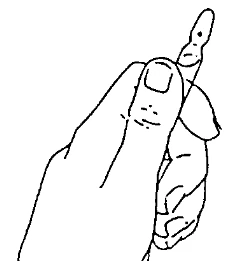
Hold the ampoule with the marked colored end upwards
Shake or tap the ampoule gently to allow the solution to flow from the tip down to the base of the ampoule
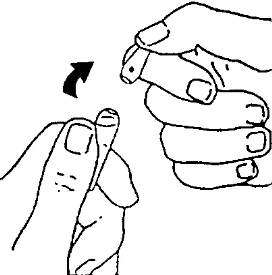
Hold the ampoule with the marked colored end upwards
Break off the end of the ampoule.
Duration of treatment
The duration of treatment with Trifas 10 is determined by the attending physician. Trifas 10 should not be administered
intravenously for longer than 1 week.
If treatment needs to be continued, switching from intravenous to oral formulation should be done as soon as possible.
During treatment, the patient should be closely monitored by the physician.
Use of a higher than recommended dose of Trifas 10
Administration of a higher than recommended dose of Trifas 10 may cause:
- pronounced, potentially dangerous diuresis with loss of fluids and electrolytes,
- disturbances in consciousness,
- confusion,
- drop in blood pressure,
- circulatory collapse,
- gastrointestinal disturbances. You should immediately contact your doctor, who will recommend appropriate management.
If you have any questions or doubts, contact your doctor or pharmacist.
4. Possible adverse effects
Like any medicine, this medicine can cause adverse effects, although not everyone will experience them.
Common (may occur in less than 1 in 10 patients)
- Acid-base imbalance (metabolic alkalosis)
- Muscle cramps (especially at the beginning of treatment)
- Increased blood levels of uric acid, glucose, and lipids (triglycerides, cholesterol)
- Potassium deficiency (hypokalaemia) when used concomitantly with a low-potassium diet, vomiting, diarrhoea, laxative abuse, or in patients with chronic liver dysfunction
- Depending on the dose used and duration of treatment, disturbances in water and electrolyte balance may occur, particularly reduced circulating blood volume (hypovolaemia), loss of potassium and sodium (hypokalaemia and/or hyponatraemia)
- Gastrointestinal disturbances (e.g. loss of appetite, abdominal pain, nausea, vomiting, diarrhoea, constipation), especially at the beginning of treatment
- Increased activity of certain liver enzymes (gamma-GT) in blood
- Headache and dizziness, feeling of fatigue, weakness (especially at the beginning of treatment)
Uncommon (may occur in less than 1 in 100 patients)
- Increased blood levels of urea and creatinine (a muscle protein) and urea. In patients with impaired urination (e.g. due to benign prostatic hyperplasia), urine retention may occur. In such cases, urination is impaired or impossible.
- Dryness of the mouth
- Sensation of numbness and coldness in the extremities (paraesthesia)
Very rare (may occur in less than 1 in 10,000 patients)
- Decreased number of red and white blood cells (erythrocytes and lymphocytes) and decreased platelet count (thrombocytes)
- Allergic reactions, for example itching, rash, photosensitivity, severe allergic skin reactions. In case of intravenous administration, acute, even potentially fatal, hypersensitivity reactions (anaphylactic shock) cannot be excluded in isolated cases
- Blood clot formation in blood vessels (thromboembolic complications)
- Confusion
- Low blood pressure (hypotension)
- Circulatory disturbances in coronary or cerebral vessels (including myocardial and cerebral ischaemia). These conditions may lead to cardiac arrhythmias, chest tightness (angina pectoris), acute myocardial infarction, or, for example, sudden loss of consciousness (fainting)
- Pancreatitis
- Visual disturbances
- Tinnitus
- Hearing loss
If any of the adverse effects listed above occur, inform your doctor immediately. The doctor will assess the severity of symptoms and decide which tests are required. In case of sudden onset of severe adverse effects, immediate medical consultation is necessary. This is very important because some side effects may potentially be life-threatening. The doctor will decide which laboratory tests are needed and whether treatment should be continued.
If any hypersensitivity reactions occur (e.g. severe allergic skin reaction), Trifas 10 must not be used again.
Management in case of hypersensitivity reactions
Severe, potentially life-threatening hypersensitivity reactions (anaphylactic shock) may occur and require appropriate intervention. The patient should be placed flat on their back with legs elevated, airways should be cleared, oxygen therapy initiated, intravenous access established, and intravenous epinephrine (adrenaline), glucocorticosteroids, and, as needed, fluid replacement should be administered.
Reporting of adverse effects
If any adverse effects occur, including any not listed in this leaflet, inform your doctor, pharmacist, or nurse. Adverse effects can also be reported directly to the Department of Monitoring Adverse Drug Reactions of the Office for Registration of Medicinal Products, Medical Devices and Biocidal Products:
Al. Jerozolimskie 181C, 02-222 Warsaw
Tel: +48 22 49 21 301, Fax: +48 22 49 21 309
Website: https://smz.ezdrowie.gov.pl
Reporting adverse effects helps to collect more information on the safety of the medicine.
5. How to store Trifas 10
Keep the medicine out of sight and reach of children.
Store below 30°C.
Only injectable solution that is clear and free from particles should be used. The solution for injection must be used immediately after first opening. Any residue should be discarded.
Do not use this medicine after the expiry date stated on the cardboard box and vials. The expiry date refers to the last day of the stated month.
Medicines should not be disposed of via wastewater or household waste. Ask your pharmacist how to dispose of medicines no longer required. This helps protect the environment.
6. Contents of the pack and other information
What Trifas 10 contains
The active substance is torasemide.
Each 2 ml ampoule of injection solution contains 10.631 mg of torasemide sodium,
corresponding to 10 mg of torasemide.
Other ingredients are: sodium hydroxide, trometamol, macrogol 400, water for injections.
The pH of Trifas 10 is between 8.5 and 9.5.
What Trifas 10 looks like and contents of the pack
Trifas 10 ampoules contain a clear, colourless solution.
The pack contains 5 ampoules of 2 ml each.
For further detailed information, please contact the responsible party or the parallel importer.
Responsible party in Bulgaria, the country of export:
Menarini International Operations Luxembourg S.A.
1, Avenue de la Gare
L-1611 Luxembourg, Luxembourg
Manufacturer:
A. Menarini Manufacturing Logistics and Services S.r.l.
Via Sette Santi 3, 50131 Florence
Italy
Parallel importer:
Delfarma Sp. z o.o.
ul. Św. Teresy od Dzieciątka Jezus 111, 91-222 Łódź
Poland
Repackaged in:
Delfarma Sp. z o.o.
ul. Św. Teresy od Dzieciątka Jezus 111, 91-222 Łódź
Poland
Bulgarian, country of export, marketing authorization number: 20020611
Parallel import authorization number: 175/25