Tialorid mite
Poland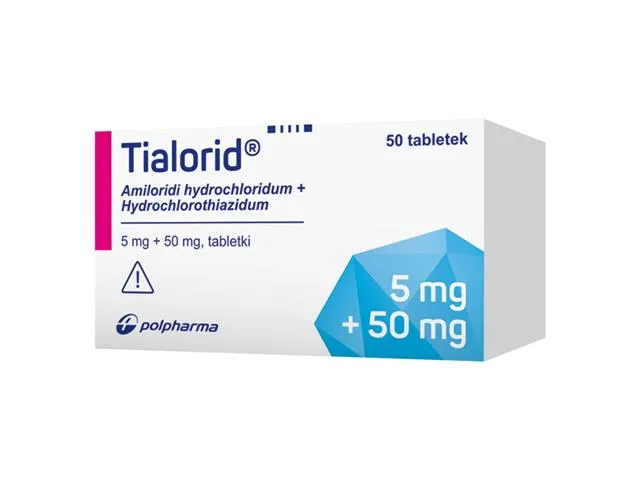
Table of Contents
Patient Information Leaflet
Tialorid mite, 2.5 mg + 25 mg, tablets
Amiloridi hydrochloridum + Hydrochlorothiazidum
Please read the entire leaflet carefully before using the medicine, as it contains
important information for the patient.
- Keep this leaflet, so that you can read it again if necessary.
- If you have any questions, please consult your doctor or pharmacist.
- This medicine has been prescribed for a specific individual. Do not pass it on to others. The medicine may harm another person, even if their symptoms are the same.
- If you experience any adverse reactions, including any not listed in this leaflet, inform your doctor or pharmacist. See section 4.
Table of Contents
- What Tialorid mite is and what it is used for
- Important information before taking Tialorid mite
- How to take Tialorid mite
- Possible side effects
- How to store Tialorid mite
- Contents of the pack and other information
1. What Tialorid mite is and what it is used for
Tialorid mite is a medicine containing two active substances: amiloride hydrochloride, which is a potassium-sparing diuretic, and hydrochlorothiazide, which is a diuretic with moderate diuretic action.
Tialorid mite is indicated for the treatment of:
- mild or moderate arterial hypertension (as monotherapy or in combination with other antihypertensive medicines);
- congestive heart failure;
- liver cirrhosis with ascites and edema.
2. Information before using Tialorid mite
When not to use Tialorid mite:
- if the patient is allergic to amiloride hydrochloride, hydrochlorothiazide, other sulfonamides, or any of the other ingredients of this medicine (listed in section 6). Other sulfonamides may include: thiazide diuretics, antibacterial sulfonamides (e.g. sulfamethoxazole), and acetazolamide, which is used to treat edema and glaucoma (increased eye pressure), heart diseases, and epilepsy;
- if the patient has elevated blood levels of one or more of the following substances: potassium, calcium, urea, or creatinine;
- if the patient has Addison's disease;
- if the patient has diabetes (high blood glucose levels);
- if the patient has liver or kidney disease;
- if the patient is taking lithium (a medicine used for depression);
- if the patient is taking other potassium-sparing medicines (e.g. triamterene, spironolactone, eplerenone);
- if the patient is taking potassium supplements or follows a potassium-rich diet (in patients with significantly reduced blood potassium levels, the decision on using Tialorid mite will be made by the physician);
- if the patient is breastfeeding;
- in children and adolescents under 18 years of age.
Warnings and precautions
Before starting treatment with Tialorid mite, discuss this with your doctor or pharmacist.
Exercise particular caution when using Tialorid mite:
- if the patient has elevated levels of naturally occurring substances in the body: uric acid, cholesterol, and triglycerides;
- if the patient has systemic lupus erythematosus;
- if the patient has gout;
- if the patient has recently experienced severe vomiting or diarrhea;
- if the patient is receiving intravenous fluids;
- if the patient is scheduled for parathyroid function testing (treatment should be discontinued before the test);
- if the patient has previously had skin cancer or if unexpected skin changes appear during treatment. Treatment with hydrochlorothiazide, especially at high doses over a prolonged period, may increase the risk of certain types of non-melanoma skin cancers and lip cancers. While taking Tialorid mite, protect the skin from sunlight and UV radiation;
- if the patient experiences blurred vision or eye pain. These may be symptoms of fluid accumulation in the uvea (excessive fluid buildup between the choroid and sclera) or increased intraocular pressure – these may occur from several hours to weeks after taking Tialorid mite. If left untreated, they may lead to permanent vision loss. If the patient previously had an allergy to penicillin or sulfonamides, they may be at increased risk of developing these symptoms;
- if the patient previously experienced breathing or lung problems (including pneumonia or fluid accumulation in the lungs) after taking hydrochlorothiazide. If severe shortness of breath or breathing difficulties occur after taking Tialorid mite, seek immediate medical help.
Children and adolescents
This medicine is not indicated for use in children and adolescents under 18 years of age.
Tialorid mite with other medicines
Tell your doctor or pharmacist about all medicines the patient is currently taking or has recently taken, as well as any medicines the patient plans to take, especially:
- medicines used for diabetes: chlorpropamide, other oral antidiabetic medicines, or insulin;
- other medicines used to treat high blood pressure, such as guanethidine, methyldopa, angiotensin II antagonists, ACE inhibitors (enalapril, captopril);
- pressor amines (e.g. adrenaline) used to treat severe allergic reactions;
- lithium (used for depression);
- barbiturates (used to treat insomnia or anxiety);
- narcotic painkillers (e.g. codeine, dextropropoxyphene, morphine, pentazocine, pethidine);
- non-steroidal anti-inflammatory drugs (used to treat pain and fever, e.g. acetylsalicylic acid, ibuprofen);
- cholestyramine or colestipol (used to treat elevated blood cholesterol levels);
- corticosteroids (used to treat rheumatism, arthritis, allergic conditions, certain skin disorders, asthma, or blood disorders);
- adrenocorticotropic hormone (ACTH) (used in tests assessing normal adrenal gland function);
- tacrolimus (used after liver or kidney transplantation to prevent organ rejection);
- cyclosporine (used to treat rheumatoid arthritis or to prevent transplant rejection after organ transplantation);
- trilostane (used to treat breast cancer or adrenal hyperactivity);
- muscle relaxants of the tubocurarine group (muscle-relaxing medicines used during surgical procedures).
Tialorid mite with food, drink, and alcohol
When taking this medicine, alcohol may worsen orthostatic hypotension (low blood pressure upon changing position from sitting or lying to standing).
The doctor may recommend avoiding certain foods high in potassium, such as milk, bananas, raisins, and dried plums.
Pregnancy and breastfeeding
If the patient is pregnant or breastfeeding, suspects she may be pregnant, or is planning to have a child, she should consult her doctor before using this medicine.
Pregnancy
This medicine may be used during pregnancy only if clearly needed.
Breastfeeding
Hydrochlorothiazide passes into breast milk.
This medicine should not be used during breastfeeding.
Driving and operating machinery
Tialorid mite may cause adverse effects on the central nervous system, such as: weakness, fatigue, dizziness. If such adverse effects occur, there is a risk associated with driving and operating machinery.
Tialorid mite contains lactose
Each tablet contains 200 mg to 209 mg of monohydrate lactose.
If the patient has previously been diagnosed with intolerance to certain sugars, the patient should consult a doctor before taking this medicine.
3. How to use Tialorid mite
This medicine should always be used as directed by the physician. If in doubt, consult your doctor or pharmacist.
The doctor will determine the dose individually for each patient, depending on the severity of the disease and the response to the medicine.
Oral administration.
Use in adults
In arterial hypertension
Initially, 1 tablet per day. If necessary, the dose may be increased up to 2 tablets per day, administered once or in two divided doses.
In cardiac insufficiency
Initially, 1 tablet of Tialorid mite per day. If necessary, the dose may be gradually increased. The dose should not exceed 4 tablets per day.
In hepatic cirrhosis
Treatment should be initiated with low doses, which are gradually increased until the desired diuretic effect is achieved. The dose should not exceed 4 tablets per day.
After edema has subsided, the dose should be reduced. The maintenance dose may be lower than the initial dose.
Use in children and adolescents
Tialorid mite is not indicated for use in children and adolescents under 18 years of age.
Use in elderly patients (over 65 years of age)
In these patients, the dose should be adjusted according to renal function and clinical response to treatment.
Use of a higher than recommended dose of Tialorid mite
If a higher than recommended dose is taken, inform a doctor immediately or go to the nearest hospital emergency department as soon as possible. Bring any remaining tablets or the medicine packaging with you, so the doctor knows which medicine has been taken.
Missed dose of Tialorid mite
If a patient forgets to take a dose, skip that dose and take the next dose at the usual time. Do not take a double dose to make up for a missed dose.
If you have any further questions about the use of this medicine, consult your doctor or pharmacist.
4. Possible adverse reactions
Like all medicines, this medicine can cause adverse reactions, although not everyone will experience them.
The following adverse reactions may occur during treatment with this medicine:
Very rare (occur in less than 1 in 10,000 patients):
- acute respiratory failure (symptoms include severe shortness of breath, fever, fatigue, and confusion).
Frequency unknown (frequency cannot be estimated from available data):
- loss of appetite, nausea, vomiting, diarrhoea, constipation, stomach pain, bleeding, abdominal fullness, thirst, dry mouth, hiccups, pancreatitis, taste disturbances;
- cough;
- dizziness, headache, weakness, fatigue, chest pain, back pain, malaise;
- paraesthesia (sensory disturbances such as tingling, burning sensations), numbness, motor restlessness, insomnia or somnolence, feeling of tiredness, nervousness, memory disturbances, depression;
- blood count abnormalities, anaemia, cardiac arrhythmias, tachycardia (fast heartbeat), excessive lowering of blood pressure, fainting, ischaemic heart disease. These disorders may be life-threatening in patients taking cardiac glycosides.
- impotence;
- urinary disorders, nocturia, urinary incontinence, renal dysfunction;
- itching, rash, photosensitivity;
- facial flushing, excessive sweating;
- limb pain, muscle cramps, joint pain;
- dyspnoea (shortness of breath);
- visual disturbances;
- fever, nasal congestion;
- hyperkalaemia (high potassium levels in blood), electrolyte disturbances, hyperglycaemia (high blood glucose levels), dehydration, gout;
- anaphylactic reaction (sudden allergic reaction with shortness of breath, rash, wheezing, and low blood pressure);
- skin and lip malignancies (non-melanoma skin cancers);
- visual impairment or eye pain due to elevated pressure (possible symptoms of fluid accumulation in the vascular layer surrounding the eye—excessive fluid buildup between choroid and sclera—or acute angle-closure glaucoma).
Reporting of adverse reactions
If any adverse reactions occur, including any not listed in this leaflet, inform your doctor or pharmacist. Adverse reactions can be reported directly to the Department of Monitoring Adverse Drug Reactions at the Office for Registration of Medicinal Products, Medical Devices and Biocidal Products
Al. Jerozolimskie 181C
02-222 Warsaw
Phone: +48 22 49 21 301
Fax: +48 22 49 21 309
Website: https://smz.ezdrowie.gov.pl
Adverse reactions may also be reported to the marketing authorization holder.
Reporting adverse reactions helps to provide more information on the safety of the medicine.
5. How to store Tialorid mite
Keep this medicine out of the sight and reach of children.
Store in the original packaging.
Do not store above 25°C.
Do not use this medicine after the expiry date stated on the packaging. The expiry date refers to the last day of the stated month.
The label on the packaging shows the expiry date after the abbreviation EXP, and the batch number after the abbreviation Lot.
Medicines must not be disposed of via wastewater or household waste. Ask your pharmacist how to dispose of medicines no longer required. This will help protect the environment.
6. Contents of the pack and other information
What Tialorid mite contains
- The active substances in the medicine are amiloride hydrochloride and hydrochlorothiazide. Each tablet contains 2.5 mg of amiloride hydrochloride and 25 mg of hydrochlorothiazide.
- The other ingredients are monohydrate lactose, povidone K 30 and cross-linked povidone CL, magnesium stearate.
What Tialorid mite looks like and contents of the pack
Tialorid mite is a round, yellowish-greenish tablet, biconvex on both sides.
One pack contains 50 tablets.
Marketing Authorisation Holder and Manufacturer
POLPHARMA S.A. Pharmaceutical Works
Pelplińska Street 19, 83-200 Starogard Gdański
tel. + 48 22 364 61 01