Tamoxifen egis
Poland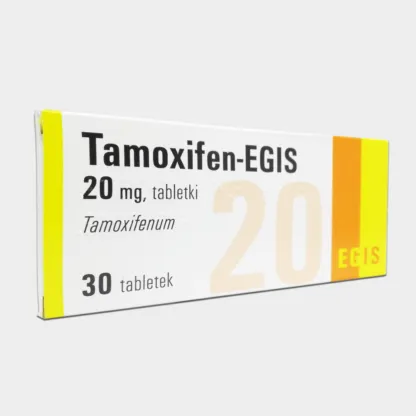
Table of Contents
Package leaflet: Information for the user
Tamoxifen-EGIS, 20 mg, tablets
Tamoxifenum
Please read all of this leaflet carefully before taking this medicine because it contains
important information for you.
- Keep this leaflet. You may need to read it again.
- If you have any further questions, ask your doctor, pharmacist, or nurse.
- This medicine has been prescribed for a specific individual. Do not pass it on to others. It may harm other people, even if their symptoms are the same.
- If you experience any side effects, including any not listed in this leaflet, tell your doctor, pharmacist, or nurse. See section 4.
Leaflet contents:
- What Tamoxifen-EGIS is and what it is used for
- What you need to know before taking Tamoxifen-EGIS
- How to take Tamoxifen-EGIS
- Possible side effects
- How to store Tamoxifen-EGIS
- Contents of the pack and other information
1. What Tamoxifen-EGIS is and what it is used for
Tamoxifen-EGIS belongs to a group of anti-hormonal medicines. It is a non-steroidal agent which in certain tissues exerts effects similar to estrogen (a female sex hormone), while in other tissues it blocks the effects of estrogen.
Due to its complex action, this medicine is indicated for the treatment of breast cancer.
2. Important information before using Tamoxifen-EGIS
When not to use Tamoxifen-EGIS
- If the patient is allergic to tamoxifen or to any of the other ingredients of this medicine (listed in section 6);
- If the patient is pregnant.
Do not take Tamoxifen-EGIS if any of the above conditions apply to the patient. If in doubt, consult a doctor or pharmacist before starting to use Tamoxifen-EGIS.
Warnings and precautions
Talk to your doctor or pharmacist before starting to use Tamoxifen-EGIS. Other health problems may affect whether this medicine can be used, so you should inform your doctor:
- if the patient has impaired liver function,
- if the patient has previously had blood clots and the doctor has not determined their cause,
- if someone in the patient’s family has had unexplained blood clots,
- if the doctor has diagnosed the patient with an inherited condition that increases the risk of blood clots,
- if the patient has bone metastases, as calcium levels in the blood may increase at the beginning of treatment,
- if the patient has high levels of lipids (cholesterol, triglycerides) in the blood, as lipid levels may increase during treatment,
- if the patient has thyroid disease, as Tamoxifen-EGIS may affect thyroid function test results,
- if the patient has haematopoietic disorders (blood disorders), as treatment with Tamoxifen-EGIS may lead to a decrease in blood cell counts,
- if the patient has eye problems (cataracts), as vision disturbances and eye problems have been reported in a few cases during treatment with Tamoxifen-EGIS,
- if the patient has ever had hereditary angioedema, as Tamoxifen-EGIS may cause or worsen symptoms of hereditary angioedema. If symptoms such as swelling of the face, lips, tongue and/or throat, or difficulty swallowing or breathing occur, contact a doctor immediately.
Severe skin reactions, including Stevens-Johnson syndrome and toxic epidermal necrolysis, have occurred during treatment with Tamoxifen-EGIS. If the patient notices any of the symptoms associated with these severe skin reactions described in section 4, treatment with Tamoxifen-EGIS should be stopped immediately and medical advice should be sought without delay.
Avoid concomitant use of the following medicines, as they may reduce the effectiveness of tamoxifen: paroxetine, fluoxetine (antidepressants), bupropion (an antidepressant and smoking cessation aid), quinidine (used to treat heart rhythm disorders), and cinacalcet (used to treat parathyroid disorders).
In cases of delayed breast reconstruction (weeks or years after the initial surgery, when tissue flaps are transplanted to restore breast shape), Tamoxifen-EGIS may increase the risk of blood clots in the small vessels of the transplanted tissue flaps, which may lead to complications.
Surgical procedures
If the patient is due to undergo surgery (including planned surgical procedures), inform the doctor that the patient is taking this medicine. The doctor may advise temporarily stopping Tamoxifen-EGIS.
Children and adolescents
Tamoxifen-EGIS must not be used in children.
Tamoxifen-EGIS and other medicines
Inform your doctor or pharmacist about all medicines currently or recently taken, as well as any medicines planned for future use.
This is because Tamoxifen-EGIS may affect the action of certain medicines, and some medicines may affect Tamoxifen-EGIS.
In particular, inform the doctor if the patient is taking:
- medicines such as warfarin, used to thin the blood. These are known as anticoagulants,
- rifampicin, used to treat tuberculosis,
- medicines such as anastrozole, letrozole and exemestane, known as aromatase inhibitors, used in the treatment of breast cancer,
- paroxetine, fluoxetine (antidepressants),
- bupropion (an antidepressant and smoking cessation aid),
- quinidine (used to treat heart rhythm disorders),
- cinakalcet (used to treat parathyroid disorders).
Tamoxifen-EGIS and alcohol
Alcohol consumption is not recommended during treatment with Tamoxifen-EGIS.
Pregnancy, breastfeeding and fertility
If the patient is pregnant or breastfeeding, suspects she may be pregnant, or is planning to have a child, she should consult a doctor or pharmacist before using this medicine.
Tamoxifen-EGIS must not be used if the patient is pregnant, as it may harm the unborn child. In women of childbearing potential, pregnancy must be excluded before starting treatment, and effective non-hormonal contraception must be used throughout the treatment period and for an additional 2 months after treatment ends. If a patient becomes pregnant while taking tamoxifen, she should inform her doctor as soon as possible.
It is not known whether Tamoxifen-EGIS is excreted in human breast milk, and therefore its use during breastfeeding is not recommended. If treatment is essential for the mother, breastfeeding should be discontinued.
Driving and operating machinery
Tamoxifen-EGIS has no influence on the ability to drive or operate machinery. However, since fatigue has been reported after taking tamoxifen, caution should be exercised when driving or operating machinery if such symptoms persist.
Tamoxifen-EGIS contains lactose and sodium
Each tablet contains 216.4 mg of lactose.
If the patient has been previously diagnosed with intolerance to certain sugars, the patient should consult a doctor before taking this medicine.
This medicine contains less than 1 mmol of sodium (23 mg) per tablet, i.e. the medicine is considered "sodium-free".
3. How to use Tamoxifen-EGIS
This medicine should always be taken according to the instructions given by the doctor or pharmacist. If in doubt,
consult the doctor or pharmacist.
Recommended dose:
For the treatment of breast cancer, the recommended dose is 20 mg to 40 mg per day, administered in divided doses
twice daily or as a single daily dose. Treatment is long-term and may last for several years.
Taking more Tamoxifen-EGIS than prescribed
If more Tamoxifen-EGIS is taken than prescribed, medical advice should be sought immediately.
Missing a dose of Tamoxifen-EGIS
If a dose of Tamoxifen-EGIS is missed, it should be taken as soon as the patient remembers. However, if it is almost time for the next dose, the missed dose should be skipped. Do not take a double dose to make up for a missed tablet. Continue treatment according to the doctor's previous instructions.
Stopping Tamoxifen-EGIS treatment
Do not stop taking Tamoxifen-EGIS unless instructed by the doctor, as this may lead to worsening of the disease.
If there are any further questions regarding the use of this medicine, consult the doctor or pharmacist.
4. Possible side effects
Like all medicines, this medicine can cause side effects, although not everybody gets them.
You must stop taking Tamoxifen-EGIS and contact your doctor immediately
if you experience any of the following side effects, as you may
require urgent medical attention:
- symptoms of blood clots. These include swelling of the calf or leg, chest pain, shortness of breath, or sudden weakness,
- symptoms of stroke. These include sudden onset of weakness in the arms or legs, paralysis of the arms or legs, sudden difficulty speaking, walking or holding objects, difficulty with thinking (cognition). These symptoms are caused by reduced blood flow to the brain,
- difficulty breathing,
- swelling of the face, lips, tongue or throat, which may cause difficulty swallowing,
- swelling of the hands, feet or ankles,
- hives (urticaria),
- red, flat, disc-shaped or circular skin lesions on the trunk, often with central blisters, peeling skin, and ulcers in the mouth, throat, nose, genital organs and eyes. Such symptoms of severe skin rash may be preceded by fever and flu-like symptoms (Stevens-Johnson syndrome, toxic epidermal necrolysis) – these side effects are rare,
- swelling of the face, lips, tongue or throat, difficulty swallowing or breathing (angioedema). Tamoxifen-EGIS may cause or worsen symptoms of hereditary angioedema.
You should inform your doctor immediately if you experience any of the following
conditions:
- unusual vaginal bleeding,
- vaginal discharge (abnormal vaginal discharge),
- discomfort in the lower abdomen, such as a feeling of pressure or pain. These symptoms may indicate changes in the lining of the uterus (endometrium). Sometimes these changes may be serious and may include development of tumours. Changes may occur during or after treatment with Tamoxifen-EGIS.
The classification of other possible side effects of Tamoxifen-EGIS according to their frequency of occurrence is as follows:
Very common (may affect more than 1 in 10 people)
- nausea
- fluid retention
- skin rashes
- hot flushes
- fatigue
- genital tract bleeding
- vaginal discharge
Common (may affect up to 1 in 10 people)
- anaemia (a blood problem meaning there are too few red blood cells)
- changes in vision due to cataracts or changes in the retina of the eye
- increased levels of fats in the blood (detected in blood tests)
- allergic reactions
- leg cramps
- changes in the uterus (changes in the lining of the uterus and benign proliferation)
- ischaemic cerebrovascular events
- headaches
- feeling of emptiness in the head
- genital itching
- hair loss
- vomiting
- diarrhoea
- constipation
- changes in blood test results assessing liver function
- formation of fat cells in the liver
- muscle pain
- sensory disturbances (including taste disturbances and numbness or tingling of the skin)
- increased risk of thrombosis (blood clots in small blood vessels)
Uncommon (may affect up to 1 in 100 people)
- blood problems; easy bruising, serious infections, feeling extremely tired or short of breath
- changes in vision and difficulty seeing
- pancreas swelling; may cause moderate to severe abdominal pain
- changes in blood calcium levels; symptoms include feeling extremely tired, severe nausea or feeling thirsty. You should tell your doctor about these, as they may request blood tests.
- endometrial cancer
- lung inflammation; symptoms may resemble pneumonia (e.g. shortness of breath and cough)
- liver cirrhosis (liver problems)
Rare (may affect up to 1 in 1000 people)
- acute blood problems; easy bruising, susceptibility to serious infections; feeling of tiredness or breathlessness
- changes in the cornea of the eye
- problems with the nerves connecting the retina of the eye to the brain
- optic nerve swelling
- acute liver diseases, occasionally fatal, have been reported; these liver diseases include hepatitis, cirrhosis, liver cell damage, cholestasis, liver failure. Symptoms may include general malaise with or without jaundice (yellowing of the skin and whites of the eyes)
- blood vessel damage causing red or purpuric skin spots
- acute skin diseases; symptoms include redness, blistering, skin peeling
- presence of endometrial cells in other parts of the body, ovarian cysts or tumours (symptoms mentioned above)
- non-cancerous thickening of the vaginal lining (called vaginal polyps)
- tumour enlargement
- angioedema
Very rare (may affect up to 1 in 10,000 people)
- skin inflammation characterized by rash or redness, very often in areas exposed to light (so-called cutaneous lupus erythematosus)
- skin disorder characterized by skin peeling in areas exposed to light, caused by increased production of pigment cells (porphyrins) by the liver
- recurrence of radiation-induced symptoms – skin inflammation involving redness, swelling and/or blistering in the area previously treated with radiotherapy
Reporting of side effects
If any adverse effects occur, including any adverse effects not listed in
this leaflet, you should inform your doctor or pharmacist. Adverse effects can be reported
directly to the Department of Monitoring of Adverse Drug Reactions at the Office for Registration of Medicinal Products, Medical Devices and Biocidal Products:
Al. Jerozolimskie 181C
02-222 Warsaw
Tel.: + 48 22 49 21 301
Fax: + 48 22 49 21 309
Website: https://smz.ezdrowie.gov.pl
Adverse effects can also be reported to the marketing authorisation holder.
Reporting side effects helps provide more information on the safety of this medicine.
5. How to store Tamoxifen-Egis
Store below 25°C. Keep in the original packaging to protect from light.
Keep the medicine out of sight and reach of children.
Do not use this medicine after the expiry date (month year) stated on the carton after "Expiry date (EXP)". The expiry date refers to the last day of the stated month.
Do not use this medicine if visible signs of deterioration (discoloration) are noticed.
Medicines should not be disposed of via wastewater or household waste. Ask your pharmacist how to dispose of medicines no longer required. Such practices help protect the environment.
6. Contents of the packaging and other information
What Tamoxifen-EGIS contains
The active substance is tamoxifen.
Each tablet contains 20 mg of tamoxifen in the form of tamoxifen citrate.
The other ingredients are: monohydrate lactose (216.4 mg), starch, microcrystalline cellulose, povidone,
sodium carboxymethyl starch (type A), magnesium stearate.
What Tamoxifen-EGIS looks like and contents of the pack
Appearance:
White or greyish-white, round, flat tablets with bevelled edges, odourless or almost odourless, marked with "ZT20" on one side and a division line on the other side. The break line surface is white or greyish-white.
The tablet can be divided into equal doses.
Pack:
Aluminium-OPA/Aluminium/PVC foil blisters in a cardboard box.
30 tablets (3 blisters containing 10 tablets each)
Marketing Authorisation Holder
Egis Pharmaceuticals PLC
1106 Budapest, Keresztúri út. 30-38
HUNGARY
Manufacturer
Egis Pharmaceuticals PLC
1165 Budapest, Bökényföldi út 118-120.
HUNGARY
For further information, please contact the Marketing Authorisation Holder's representative.
EGIS Polska Sp. z o.o.
ul. Komitetu Obrony Robotników 45 D
02-146 Warsaw
tel. +48 22 417 92 00