Setinin
Poland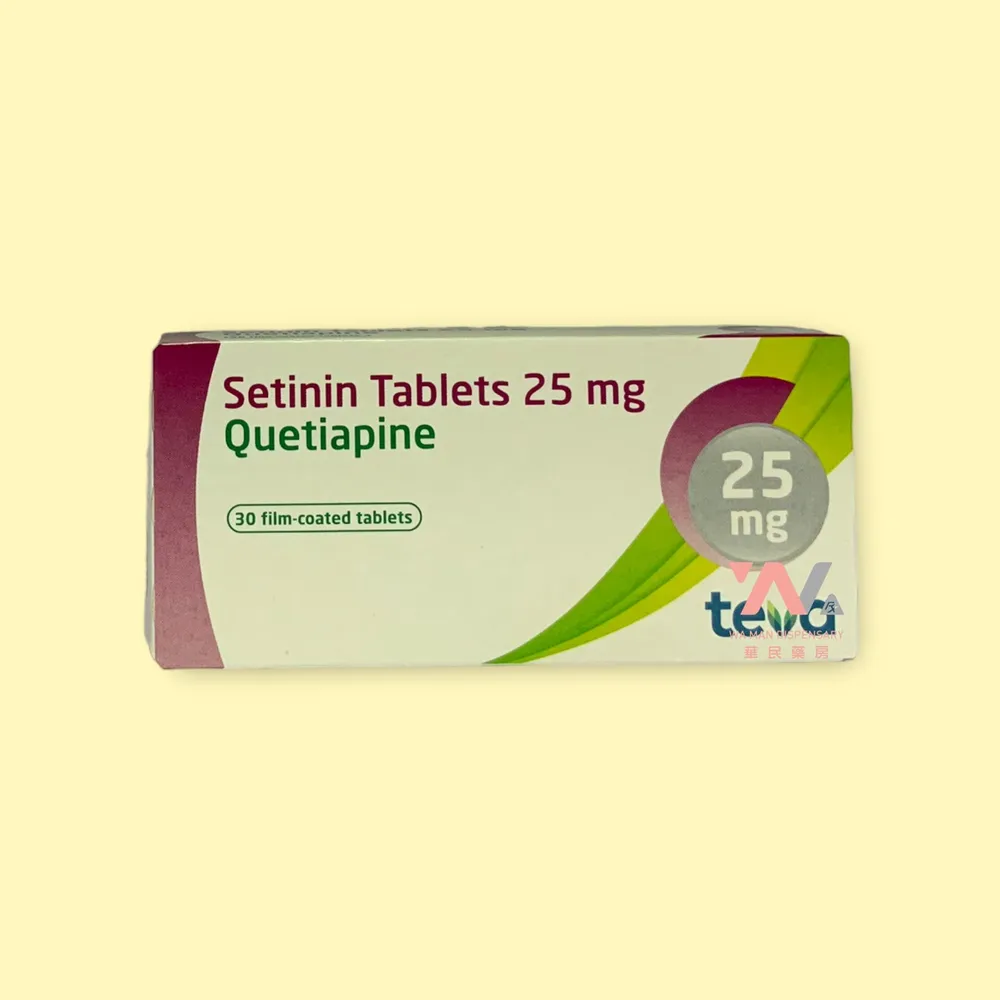
Table of Contents
Package leaflet: Information for the patient
Warning! Keep the leaflet. The information on the immediate packaging is in a foreign language.
Setinin (Setinin), 200 mg, film-coated tablets
Quetiapinum
Setinin and Setinin are the same brand names of the same medicine written in Polish and Bulgarian languages.
Please read the leaflet carefully before use, as it contains important information for the patient.
- Keep this leaflet so that you can read it again if necessary.
- If you have any doubts, consult your doctor or pharmacist.
- This medicine has been prescribed for a specific individual. Do not pass it on to others. The medicine may harm another person, even if their symptoms are the same.
- If you experience any adverse reactions, including any adverse reactions not listed in this leaflet, inform your doctor, pharmacist, or nurse. See section 4.
Table of contents
- What is Setinin and what is it used for
- Important information before taking Setinin
- How to take Setinin
- Possible side effects
- How to store Setinin
- Contents of the pack and other information
1. What is Setinin and what is it used for
Setinin contains an active substance called quetiapine. It belongs to a group of medicines known as antipsychotics.
Setinin may be used in the treatment of conditions such as:
- depressive episodes in bipolar disorder: when the patient feels deep sadness. The patient may experience low mood, feelings of guilt, lack of energy, loss of appetite, or have difficulty sleeping.
- mania: the patient may be highly excited, elated, overactive, overly enthusiastic, or excessively active; may have impaired judgment, including aggressive or destructive behaviors.
- schizophrenia: the patient may hear or sense things that do not exist in reality, have beliefs contrary to reality, or be extremely suspicious, fearful, confused, have feelings of guilt, tension, or depression. Your doctor may recommend continuing treatment with Setinin even if your condition improves.
2. Important information before using Setinin
When not to use Setinin
- if the patient is allergic to quetiapine or any of the other ingredients of this medicine (listed in section 6)
- if the patient is taking any of the following medicines:
- certain medicines used in HIV infection
- medicines in the "azole" group (used in fungal infections)
- erythromycin or clarithromycin (used in bacterial infections) Page 1 of 9
- nefazodone (used in depression).
If in doubt, consult a doctor or pharmacist before using Setinin.
Warnings and precautions
Before starting treatment with Setinin, discuss with your doctor or pharmacist if:
- the patient or anyone in their family has or has had heart problems, such as irregular heart rhythm, weakened heart muscle or myocarditis, or if the patient is taking any medicines that may affect heart rhythm
- the patient has low blood pressure
- the patient has had a stroke, especially if they are elderly
- the patient has liver problems
- the patient has ever had seizures (epileptic fits)
- the patient has diabetes or is at risk of developing diabetes. In such cases, the doctor may recommend blood sugar tests during treatment with Setinin.
- the patient has ever had a low white blood cell count (regardless of whether this was caused by taking other medicines or not)
- the patient is elderly and has dementia (loss of brain function). Setinin should not be used in these patients, as medicines in the group to which Setinin belongs may increase the risk of stroke and, in some cases, also the risk of death.
- the patient is elderly and has Parkinson's disease/parkinsonism
- the patient or someone in their family has had venous thrombosis; medicines in this group may cause blood clots
- the patient has or has previously had breathing problems involving short periods of breathing stoppage during sleep (called "sleep apnoea syndrome") and is taking medicines that slow down normal brain function ("depressants")
- the patient has or has previously had difficulty completely emptying the bladder (urinary retention), has an enlarged prostate, intestinal blockage or increased eye pressure. These symptoms may be caused by medicines (called "anticholinergic medicines") that affect nerve cell function, used in treating various conditions.
- the patient has previously abused alcohol or drugs
- the patient has depression or other conditions treated with antidepressants. Taking these medicines together with Setinin may lead to the development of serotonin syndrome, a potentially life-threatening condition (see: "Setinin with other medicines").
Immediately inform the doctor if any of the following symptoms occur after taking Setinin:
- a group of symptoms: fever, severe muscle stiffness, excessive sweating or altered mental state (this condition is known as "neuroleptic malignant syndrome"); immediate treatment may be necessary
- uncontrolled movements, especially of the face or tongue muscles
- dizziness or feeling extremely sleepy. This may increase the risk of accidental injuries (falls) in elderly patients.
- seizures (epileptic fits)
- prolonged and painful erection (priapism)
- rapid or irregular heartbeat, even at rest, palpitations, difficulty breathing, chest pain or unexplained fatigue. The doctor will need to examine the heart and, if necessary, immediately refer the patient to a cardiologist.
All these symptoms may occur during treatment with medicines in this therapeutic group.
Immediately inform the doctor if the patient experiences:
- fever, flu-like symptoms, sore throat or any other infection, as this may be due to a very low number of white blood cells in the blood, which may require discontinuation of Setinin and (or) appropriate treatment
Page 2 of 9
- constipation, including persistent abdominal pain or persistent constipation despite treatment, as this may lead to more serious intestinal blockage
- suicidal thoughts and worsening depression During depression, thoughts of self-harm or suicide may sometimes occur. These thoughts may worsen at the beginning of treatment with antidepressants, as medicines take time to work, usually after 2 weeks, sometimes even later. These symptoms may also worsen if treatment is suddenly stopped. The likelihood of such thoughts is higher in young adults. Clinical trial data show an increased risk of suicidal thoughts and (or) behaviours in young adults under 25 years of age with depression.
If thoughts about self-harm or suicide occur, contact a doctor or go directly to hospital. It may be helpful for the patient to inform a family member or close friend about their depression and ask them to read this leaflet. The patient may ask this person to inform them if they notice worsening depression or concerning behavioural changes.
Severe skin reactions
Very rarely, severe skin reactions (SCARs), which may be life-threatening or fatal, have been reported during treatment with quetiapine. These mainly present as:
- Stevens-Johnson syndrome (SJS) - widespread blistering rash and peeling skin, especially around the mouth, nose, eyes and genitals
- toxic epidermal necrolysis (TEN) - a more severe form causing extensive skin peeling
- drug reaction with eosinophilia and systemic symptoms (DRESS) - including flu-like symptoms with rash, high fever, swollen lymph nodes and abnormal blood test results (including increased white blood cells (eosinophilia) and liver enzymes)
- acute generalised exanthematous pustulosis (AGEP) - small pus-filled blisters
- erythema multiforme (EM) - skin rash with irregular, itchy, red patches
If any of these symptoms occur, stop taking Setinin immediately and consult a doctor or seek medical help without delay.
Weight gain
Weight gain has been observed in patients taking Setinin. The patient and doctor should regularly monitor the patient's body weight.
Children and adolescents
Setinin is not intended for use in children and adolescents under 18 years of age.
Setinin with other medicines
Tell your doctor or pharmacist about all medicines the patient is currently taking or has recently taken, as well as any medicines the patient plans to take.
Do not take Setinin if the patient is taking:
- certain medicines used in HIV infection
- medicines in the "azole" group (used in treating fungal infections)
- erythromycin or clarithromycin (used in bacterial infections)
- nefazodone (used in treating depression) Inform the doctor if the patient is taking any of the following medicines:
- antiepileptic medicines (such as phenytoin or carbamazepine)
- medicines used for high blood pressure
- barbiturates (medicines used for sleep disorders)
- thioridazine or lithium salts (other antipsychotic medicines) Page 3 of 9
- medicines affecting heart rhythm, e.g. medicines that may cause electrolyte imbalances (low potassium or magnesium levels), such as diuretics (water tablets) or certain antibiotics (used to treat infections)
- medicines that may cause constipation
- medicines ("anticholinergic medicines") affecting nerve cell function, used in treating various conditions
- antidepressants. These medicines may interact with Setinin and symptoms such as involuntary, rhythmic muscle contractions, including eye movement muscles, agitation, hallucinations, coma, excessive sweating, tremor, increased reflexes, increased muscle tension, body temperature above 38°C (serotonin syndrome) may occur. If such symptoms occur, consult a doctor.
Before stopping any medicine, the patient should consult their doctor.
Setinin with food, drink and alcohol
- Setinin may be taken with or without food
- Be cautious with alcohol consumption, as the combined effect of Setinin and alcohol may cause drowsiness
- Do not drink grapefruit juice while taking Setinin. Grapefruit juice may affect the action of Setinin.
Pregnancy and breastfeeding
If the patient is pregnant or breastfeeding, suspects she may be pregnant, or is planning to have a child, she should consult a doctor or pharmacist before using this medicine. Do not use Setinin during pregnancy unless agreed with a doctor. Setinin should not be used during breastfeeding.
Newborns of mothers who took quetiapine during the third trimester of pregnancy (last three months of pregnancy) may experience the following symptoms indicating withdrawal syndrome: seizures, muscle stiffness and (or) weakness, drowsiness, agitation, breathing problems and feeding difficulties.
If the baby shows any of these symptoms, it may be necessary to contact a doctor.
Driving and operating machinery
Setinin may cause drowsiness. The patient should not drive or operate any tools or machinery until they know how they react to the medicine.
Effect on drug tests for narcotics in urine
Taking Setinin may cause false positive results for methadone or certain tricyclic antidepressants (TCA) when certain testing methods are used. If this occurs, a more specific testing method should be used.
Setinin contains lactose monohydrate and sodium
If the patient has previously been diagnosed with intolerance to certain sugars, they should consult a doctor before taking this medicine.
The medicine contains less than 1 mmol (23 mg) of sodium per tablet, meaning the medicine is considered "sodium-free".
3. How to use Setinin
This medicine should always be used exactly as prescribed by the doctor. If in doubt, consult
your doctor or pharmacist.
Setinin is available in the following strengths: 25 mg, 100 mg, 200 mg, 300 mg.
Page 4 of 9
Your doctor will determine the starting dose for the patient. The usual dose (daily dose) typically
ranges from 150 mg to 800 mg, depending on the severity of the disease and the patient's individual needs.
- Take the tablet once daily before bedtime or twice daily, depending on the condition being treated.
- Swallow the tablet whole with water.
- Tablets may be taken with or without food.
- Grapefruit juice must not be consumed during treatment with Setinin, as it may affect the medicine's action.
- Do not stop taking this medicine even if you feel better, unless otherwise decided by your doctor.
Liver function disorders
If the patient has liver problems, the doctor may adjust the dose of Setinin.
Elderly patients
If the patient is elderly, the doctor may adjust the dose of Setinin.
Use in children and adolescents
Setinin must not be used in children and adolescents under 18 years of age.
Taking more Setinin than prescribed
If the patient takes more Setinin than prescribed, symptoms such as drowsiness, dizziness, or heart rhythm disturbances may occur. Contact a doctor immediately or go to the nearest hospital. Bring any remaining tablets of Setinin with you.
Missed dose of Setinin
If a dose of Setinin is missed, take it as soon as possible. However, if it is almost time for the next dose, take the next dose at the usual time. Do not take a double dose to make up for a missed dose.
Stopping Setinin treatment
If the patient suddenly stops taking Setinin, symptoms such as insomnia, nausea or headache, diarrhoea, vomiting, dizziness, or irritability may occur. To reduce the risk of such symptoms, the doctor will recommend gradually reducing the dose before stopping treatment.
If you have any further questions about the use of this medicine, consult your doctor or pharmacist.
4. Possible adverse reactions
Like any medicine, this medicine can cause adverse reactions, although not everyone will experience them.
If the patient experiences any of the adverse reactions listed below, they should
CONTACT A DOCTOR IMMEDIATELY:
Very common (may affect more than 1 in 10 patients)
- abnormal muscle movements. These symptoms include difficulty initiating movement, tremor, restlessness, or painless muscle stiffness
Common (may affect up to 1 in 10 patients)
- suicidal thoughts and worsening of depression
Uncommon (may affect up to 1 in 100 patients)
- diabetes Page 5 of 9
- seizures or epileptic fits
- allergic reactions, including raised skin rashes, swelling of the skin and around the mouth
- uncontrolled movements, particularly of the facial muscles or tongue
- changes in the heart's electrical activity seen on ECG (prolongation of the QT interval)
- difficulty passing urine
- worsening of existing diabetes
- confusion
Rare (may affect up to 1 in 1,000 patients)
- a group of symptoms: high temperature (fever), sweating, muscle stiffness, severe drowsiness or fainting (a condition known as "neuroleptic malignant syndrome")
- yellowing of the skin and eyes (jaundice)
- hepatitis (inflammation of the liver)
- prolonged and painful erection (priapism)
- venous thrombosis, especially in the lower limbs (symptoms include swelling, pain and redness in the legs); these clots may travel through blood vessels to the lungs, causing chest pain and breathing difficulties (venous thromboembolic disease). If the patient notices any of these symptoms, they should go to hospital immediately.
- pancreatitis (inflammation of the pancreas)
- occurrence of fever, flu-like symptoms, sore throat or any other infection due to a very low number of white blood cells in the blood (a condition known as agranulocytosis)
- intestinal obstruction
Very rare (may affect up to 1 in 10,000 patients)
- severe rash, blisters or red spots on the skin
- severe allergic reactions (anaphylactic reactions), which may cause breathing difficulties or shock
- sudden swelling of the skin, usually around the eyes, mouth and throat (angioedema)
- a serious condition with blistering of the skin, mouth, eyes and genital organs (Stevens-Johnson syndrome) (see section 2)
- abnormal secretion of the hormone regulating urine volume
- breakdown of muscle fibres and muscle pain (rhabdomyolysis)
Not known (frequency cannot be estimated from available data)
- skin rash with irregular red patches (erythema multiforme) (see section 2)
- sudden appearance of red skin areas covered with small pustules (small blisters filled with whitish-yellow fluid also called acute generalised exanthematous pustulosis (AGEP)) (see section 2)
- severe, sudden allergic reaction with symptoms such as: fever, blistering of the skin and peeling of the epidermis (toxic epidermal necrolysis) (see section 2)
- rash with eosinophilia and systemic symptoms (DRESS), including flu-like symptoms with rash, high fever, swollen lymph nodes and abnormal blood test results (including increased white blood cells (eosinophilia) and liver enzymes) (see section 2)
- stroke
Other adverse reactions
Very common (may affect more than 1 in 10 patients)
- dizziness (which may lead to falls), headache, dry mouth
- drowsiness (may diminish during continued treatment), which may lead to falls
Page 6 of 9
- withdrawal symptoms (symptoms occurring after discontinuation of quetiapine), including: difficulty falling asleep (insomnia), nausea, headache, diarrhoea, vomiting, dizziness, irritability. Gradual discontinuation of the medicine over a period of at least 1–2 weeks is recommended.
- weight gain
- changes in levels of certain lipids (triglycerides and cholesterol)
- decreased haemoglobin levels
Common (may affect up to 1 in 10 patients)
- rapid heartbeat
- sensation of heart palpitations, fast heartbeat or pauses in heart rhythm
- constipation, stomach discomfort (dyspepsia)
- fatigue
- swelling of hands or feet
- low blood pressure when standing. This may cause dizziness or fainting (which may lead to falls).
- increased blood glucose levels
- blurred vision
- unusual and disturbing dreams
- increased appetite
- feeling irritable
- speech and language disorders
- shortness of breath
- vomiting (mainly in elderly patients)
- fever
- changes in thyroid hormone levels in blood
- changes in the number of certain types of white blood cells in blood
- increased levels of liver enzymes (ALT, gamma-GT) seen in blood tests
- increased levels of prolactin hormone in blood. Elevated prolactin levels may rarely lead to:
- breast enlargement and unexpected milk production in women and men
- absence of menstruation or irregular menstrual cycles in women
Uncommon (may affect up to 1 in 100 patients)
- unpleasant sensations in the legs (also known as restless legs syndrome)
- difficulty swallowing
- sexual dysfunction
- slowed heart rate, which may occur at the beginning of treatment and may be associated with low blood pressure and fainting
- fainting (which may lead to falls)
- nasal congestion
- decreased number of certain blood cells
- decreased sodium levels in blood
- decreased levels of certain thyroid hormones in blood
- hypothyroidism
- increased levels of liver enzyme (AST) measured in blood
Rare (may affect up to 1 in 1,000 patients)
- breast enlargement and unexpected milk production (galactorrhea)
- menstrual disorders
- walking, talking, eating or performing other activities during sleep
- decreased body temperature (hypothermia)
- a condition known as "metabolic syndrome", in which 3 or more of the following symptoms occur: increased abdominal fat, decreased levels of "good" cholesterol (HDL-C), increased levels of certain blood lipids (triglycerides), high blood pressure, and increased blood sugar levels
- increased levels of creatine kinase in blood (a substance originating from muscles)
Page 7 of 9
Not known (frequency cannot be estimated from available data)
- withdrawal symptoms may occur in newborns of mothers who took quetiapine during pregnancy
- heart muscle disorders (cardiomyopathy)
- inflammation of the heart muscle (myocarditis)
- inflammation of blood vessels (vasculitis), often with skin rash presenting as small red or purple nodules
This class of medicines, to which Setinin belongs, may cause disturbances in heart rhythm, which may be serious and, in rare cases, fatal.
Some adverse reactions can only be detected by laboratory blood tests. These include changes in levels of certain lipids (triglycerides and total cholesterol) or blood sugar, changes in thyroid hormone levels in blood, increased liver enzyme levels in blood, decreased number of certain types of blood cells, decreased number of red blood cells, increased levels of creatine kinase in blood (a substance originating from muscles), decreased sodium levels in blood, and increased levels of one of the hormones – prolactin – in blood. Elevated levels of this hormone may lead to:
- breast enlargement and unexpected milk production in women and men
- absence of menstruation or irregular menstrual cycles in women
The doctor may recommend periodic monitoring tests.
Additional adverse reactions in children and adolescents
The adverse reactions described above should also be considered when quetiapine is used in children and adolescents.
Below are listed adverse reactions that occur more frequently in children and adolescents or that were not observed in adult patients:
Very common (may affect more than 1 in 10 patients)
- increased levels of prolactin hormone in blood. This may in rare cases cause:
- breast enlargement and unexpected milk production in both boys and girls
- absence of menstruation or menstrual disorders in girls
- increased appetite
- vomiting
- abnormal muscle movements. These symptoms include difficulty initiating movement, tremor, restlessness or painless muscle stiffness
- increased blood pressure
Common (may affect up to 1 in 10 patients)
- feeling of weakness, fainting (which may lead to falls)
- nasal congestion
- feeling irritable
Reporting of adverse reactions
If any adverse reactions occur, including any not listed in this leaflet, inform your doctor, pharmacist or nurse. Adverse reactions can be reported directly to the Department of Monitoring Adverse Drug Reactions of the Office for Registration of Medicinal Products, Medical Devices and Biocidal Products, Al. Jerozolimskie 181C, 02-222 Warsaw, tel.: +48 22 49 21 301, fax: +48 22 49 21 309, website: https://smz.ezdrowie.gov.pl
Reporting adverse reactions helps provide more information on the safety of this medicine.
5. How to store Setinin
Page 8 of 9
Keep this medicine out of sight and reach of children.
Do not use this medicine after the expiry date stated on the packaging. The expiry date refers to the last day of the stated month.
No special storage instructions apply.
Medicines must not be disposed of via wastewater or household waste. Ask your pharmacist how to dispose of medicines no longer required. Such measures help protect the environment.
6. Contents of the package and other information
What Setinin contains
- The active substance is quetiapine. Setinin, film-coated tablets, contain 200 mg of quetiapine (as quetiapine fumarate).
- The other ingredients are: Tablet core: microcrystalline cellulose, povidone K 29-32, calcium hydrogen phosphate dihydrate, sodium carboxymethyl starch (type A), lactose monohydrate, magnesium stearate; Tablet coating: hypromellose 6cP, titanium dioxide (E 171), lactose monohydrate, macrogol 3350, triacetin.
What Setinin looks like and contents of the pack
Film-coated tablet, oval, 16 mm x 8.2 mm, biconvex, white, with an embossed "Q" on one side.
Pack sizes
Blister packs containing 30, 60 or 90 tablets.
For more detailed information, please contact the responsible party or the parallel importer.
Marketing Authorisation Holder in Bulgaria, country of export:
Teva B.V.
Swensweg 5
2031 GA Haarlem, Netherlands
Manufacturer:
Actavis Ltd.
BLB 016 Bulebel Industrial Estate
Zejtun ZTN 3000, Malta
Parallel importer:
Delfarma Sp. z o.o., ul. Św. Teresy od Dzieciątka Jezus 111, 91-222 Łódź
Repackaged in:
Delfarma Sp. z o.o., ul. Św. Teresy od Dzieciątka Jezus 111, 91-222 Łódź
Marketing Authorisation Number in Bulgaria, country of export: 20090078
Parallel Import Licence Number: 288/25
Page 9 of 9