Sandimmun neoral
Poland
Table of Contents
Patient Information Leaflet
Sandimmun Neoral, 100 mg/ml, oral solution
cyclosporine
Please read this leaflet carefully before taking this medicine, because it contains important information for you.
- Keep this leaflet for future reference.
- If you have any further questions, please consult your doctor or pharmacist.
- This medicine has been prescribed for a specific individual. Do not pass it on to others. It may harm someone else, even if their symptoms are the same.
- If you experience any side effects, including any not listed in this leaflet, inform your doctor or pharmacist. See section 4.
Table of Contents
- What Sandimmun Neoral is and what it is used for
- Important information before taking Sandimmun Neoral
- How to take Sandimmun Neoral
- Possible side effects
- How to store Sandimmun Neoral
- Contents of the pack and other information
1. What Sandimmun Neoral is and what it is used for
What Sandimmun Neoral is
This medicine is called Sandimmun Neoral. It contains the active substance cyclosporine. This medicine belongs to a group of medicines called immunosuppressive agents. These medicines are used to reduce the body's immune response.
What Sandimmun Neoral is used for and how it works
- In patients who have undergone organ, bone marrow, or stem cell transplantation, Sandimmun Neoral works by suppressing the immune system. It prevents rejection of the transplanted organ by inhibiting the development of certain cells that would normally attack the transplanted tissue.
- In patients with autoimmune diseases, in which the immune system attacks the body's own cells, Sandimmun Neoral suppresses this immune reaction. Such diseases include sight-threatening eye disorders (endogenous uveitis, including uveitis in Behçet’s disease), severe cases of certain skin diseases (atopic dermatitis or eczema and psoriasis), severe rheumatoid arthritis, and a kidney disease called nephrotic syndrome.
2. Important information before using Sandimmun Neoral
Patients receiving Sandimmun Neoral after transplantation will be prescribed this medication exclusively by a physician experienced in transplantation and/or autoimmune diseases.
The information provided in this leaflet may differ depending on whether the patient is taking this medicine due to organ transplantation or for the treatment of an autoimmune disease.
Carefully follow all instructions given by your doctor. These may differ from the general information contained in this leaflet.
When not to use Sandimmun Neoral
- if the patient is allergic to cyclosporine or any of the other ingredients of this medicine (listed in section 6);
- with medicines containing Hypericum perforatum (St. John's wort);
- with medicines containing dabigatran etexilate (used to prevent blood clots after surgery), or bosentan and aliskiren (used to reduce blood pressure).
Do not take Sandimmun Neoral and tell your doctor if any of these situations apply to you. If in doubt, speak with your doctor before taking Sandimmun Neoral.
Warnings and precautions
Before and during treatment with Sandimmun Neoral, tell your doctor immediately if:
- the patient develops any signs of infection, such as fever or sore throat. Sandimmun Neoral suppresses the immune system and may also affect the body's ability to fight infections;
- the patient has liver disease;
- the patient has kidney disease. Your doctor will order regular blood tests and may adjust the dose if necessary;
- the patient develops high blood pressure. Your doctor will monitor blood pressure regularly and may prescribe antihypertensive medication if needed;
- the patient has magnesium deficiency. Your doctor may recommend magnesium supplements, especially shortly after transplantation;
- the patient has high levels of potassium in the blood;
- the patient has gout;
- the patient requires vaccination. If any of these conditions occur before or during treatment with Sandimmun Neoral, inform your doctor immediately.
Protection from sunlight and UV radiation
Sandimmun Neoral suppresses the immune system, increasing the risk of developing malignant tumors, particularly of the skin and lymphatic system. Limit exposure to sunlight and UV radiation by:
- wearing protective clothing;
- frequently applying sunscreen with a high sun protection factor.
Talk to your doctor before taking Sandimmun Neoral if:
- the patient currently has or has previously had alcohol-related problems;
- the patient has epilepsy;
- the patient has any liver disorders;
- the patient is pregnant;
- the patient is breastfeeding;
- this medicine has been prescribed for a child. If any of these situations apply to the patient (or the patient is unsure), inform the doctor before taking Sandimmun Neoral. This is due to the ethanol content of this medicine (see also below "Sandimmun Neoral contains ethanol").
Monitoring tests during treatment with Sandimmun Neoral
Your doctor will monitor the following parameters:
- blood levels of cyclosporine, especially in transplant patients;
- blood pressure before starting treatment and regularly during treatment;
- liver and kidney function;
- blood lipid (fat) levels. If you have any questions about how Sandimmun Neoral works or why it has been prescribed, consult your doctor.
Additionally, patients taking Sandimmun Neoral for indications other than post-transplantation (intermediate or posterior uveitis in Behçet's disease, atopic dermatitis, severe rheumatoid arthritis, or nephrotic syndrome) should not take Sandimmun Neoral if:
- the patient has kidney disease (except nephrotic syndrome);
- the patient has an infection that cannot be controlled with medication;
- the patient has any malignant tumor;
- the patient has untreated or uncontrolled high blood pressure (hypertension). If high blood pressure develops during treatment and cannot be controlled with medication, the doctor should discontinue Sandimmun Neoral. Do not take Sandimmun Neoral if any of these situations apply to you. If in doubt, consult your doctor or pharmacist before taking Sandimmun Neoral.
In patients being treated for uveitis in Behçet's disease, the doctor will monitor the patient particularly closely if neurological symptoms occur (e.g., marked forgetfulness, personality changes during treatment, psychiatric disorders or mood disturbances, burning sensation in the limbs, reduced sensation in the limbs, tingling in the limbs, limb weakness, gait disturbances, headache with or without nausea and vomiting, visual disturbances including limited eye movement).
The doctor will closely monitor treatment in elderly patients and in patients being treated for psoriasis or atopic dermatitis. If Sandimmun Neoral has been prescribed for the treatment of psoriasis or atopic dermatitis, the patient must not expose themselves to UVB radiation or undergo phototherapy during treatment.
Children and adolescents
Sandimmun Neoral should not be given to children for non-transplant-related conditions, except for the treatment of nephrotic syndrome.
Elderly patients (65 years and older)
Experience with the use of Sandimmun Neoral in elderly patients is limited. In these patients, the doctor should monitor kidney function. Patients aged 65 years and older with psoriasis or atopic dermatitis should only be treated with Sandimmun Neoral if their condition is particularly severe.
Sandimmun Neoral and other medicines
Tell your doctor or pharmacist about all medicines you are currently taking, have recently taken, or plan to take.
In particular, inform your doctor or pharmacist if the patient is taking any of the following medicines before or during treatment with Sandimmun Neoral:
-
Medicines that may affect potassium levels. These include potassium-containing medicines, potassium supplements, potassium-sparing diuretics, and certain blood pressure-lowering drugs.
-
Methotrexate. It is used to treat cancer, severe psoriasis, and severe rheumatoid arthritis.
-
Medicines that may increase or decrease blood levels of cyclosporine (the active substance in Sandimmun Neoral). Your doctor may recommend monitoring cyclosporine blood levels when starting or stopping other medications.
- Medicines that may increase cyclosporine blood levels include: antibiotics (such as erythromycin or azithromycin), antifungal medicines (voriconazole, itraconazole), medicines used to treat heart disease or high blood pressure (diltiazem, nicardipine, verapamil, amiodarone), metoclopramide (used to treat nausea and vomiting), oral contraceptives, danazol (used to treat menstrual disorders), medicines used to treat gout (allopurinol), cholic acid and its derivatives (used to treat gallstones), protease inhibitors used to treat HIV, imatinib (used to treat leukemia or tumors), colchicine, telaprevir (used to treat hepatitis C), cannabidiol (used among others for epileptic seizures).
-
Medicines that may decrease cyclosporine blood levels include: barbiturates (e.g., used as sleeping pills), certain anticonvulsants (such as carbamazepine or phenytoin), octreotide (used to treat acromegaly or intestinal neuroendocrine tumors), antibacterial drugs used to treat tuberculosis, orlistat (used for weight loss), herbal medicines containing St. John's wort, ticlopidine (used after stroke), certain blood pressure-lowering drugs (bosentan), and terbinafine (an antifungal used to treat foot and nail infections).
- Medicines affecting kidney function. These include: antibacterial drugs (gentamicin, tobramycin, ciprofloxacin), antifungal medicines containing amphotericin B, medicines used to treat urinary tract infections containing trimethoprim, anticancer drugs containing melphalan, drugs used to reduce stomach acid (acid-reducing agents acting as H--receptor antagonists), tacrolimus, painkillers (nonsteroidal anti-inflammatory drugs such as diclofenac), and drugs containing fibric acid (used to reduce blood fats, known as fibrates).
- Nifedipine. A medicine used to treat high blood pressure and angina. Taking nifedipine during cyclosporine treatment may cause gum swelling and overgrowth around the teeth.
- Digoxin (used to treat heart conditions), cholesterol-lowering drugs (HMG-CoA reductase inhibitors, also known as statins), prednisolone, etoposide (used to treat cancer), repaglinide (an antidiabetic drug), immunosuppressive drugs (everolimus, sirolimus), ambrisentan, and specific anticancer drugs called anthracyclines (such as doxorubicin).
- Sodium mycophenolate or mycophenolate mofetil (immunosuppressive drugs) and eltrombopag (used to treat bleeding disorders).
If any of these situations apply to the patient (or the patient is unsure), consult your doctor or pharmacist before taking Sandimmun Neoral.
Sandimmun Neoral with food and drink
Do not take Sandimmun Neoral with grapefruit or grapefruit juice, as they may affect how Sandimmun Neoral works.
Pregnancy and breastfeeding
Consult your doctor or pharmacist before taking this medicine.
- Tell your doctor if the patient is pregnant or planning to become pregnant. Experience with using Sandimmun Neoral during pregnancy is limited. Generally, Sandimmun Neoral should not be used during pregnancy. If the patient must take this medicine, the doctor will discuss the benefits and risks associated with its use during pregnancy.
- Tell your doctor if the patient is breastfeeding. Breastfeeding is not recommended during treatment with Sandimmun Neoral, as cyclosporine, the active ingredient, passes into human milk and may affect the infant.
Hepatitis C
Inform your doctor if the patient has hepatitis C. Liver function may change during hepatitis C treatment, which could affect cyclosporine blood levels. Close monitoring of cyclosporine blood levels by the doctor and possible dose adjustments may be necessary after starting hepatitis C treatment.
Driving and operating machinery
The patient may experience drowsiness, disorientation, or blurred vision after taking Sandimmun Neoral. Exercise caution when driving or operating machinery during treatment with Sandimmun Neoral until the effect of the medicine on the body is known.
Sandimmun Neoral contains ethanol
Sandimmun Neoral contains 94.70 mg of alcohol (ethanol) per milliliter, equivalent to 12.0% v/v. A 500 mg dose of Sandimmun Neoral contains 500 mg of ethanol, which corresponds to nearly 13 ml of beer or 5 ml of wine.
The small amount of alcohol in this medicine will not cause noticeable effects.
Sandimmun Neoral contains castor oil
Sandimmun Neoral contains castor oil, which may cause stomach discomfort and diarrhea.
Sandimmun Neoral contains propylene glycol
The medicine contains 94.70 mg of propylene glycol per ml of oral solution.
Before administering the medicine to a child under 4 weeks of age, consult a doctor or pharmacist, especially if the child is taking other medicines containing propylene glycol or alcohol.
3. How to take Sandimmun Neoral
This medicine should always be taken exactly as prescribed by your doctor. If in doubt, consult your doctor. Do not take more medicine than prescribed.
Your doctor will carefully adjust the dose of this medicine to your individual needs. Taking too much medicine may affect kidney function. You will be required to attend regular blood tests and hospital visits, especially after transplantation. These visits provide an opportunity to discuss your treatment and any possible problems with your doctor.
How much Sandimmun Neoral should be taken
Your doctor will determine the appropriate dose of Sandimmun Neoral for you. The dose depends on your body weight and the reason for which this medicine is being used. Your doctor will also inform you how often you should take this medicine.
-
In adults: Organ, bone marrow, or stem cell transplantation
- The total daily dose usually ranges between 2 mg and 15 mg per kilogram of body weight. This is divided into two doses.
- Higher doses are usually used before and immediately after transplantation. Lower doses are used once stable function of the transplanted organ or bone marrow has been achieved.
- Your doctor will adjust the dose to ensure it is optimal for you. Blood tests may be necessary for this purpose.
-
Endogenous uveitis (inflammation of the eye vascular membrane)
- The total daily dose usually ranges between 5 mg and 7 mg per kilogram of body weight. This is divided into two doses.
-
Nephrotic syndrome
- The total daily dose is usually 5 mg per kilogram of body weight. This is divided into two doses. In patients with kidney disease, the first daily dose should not exceed 2.5 mg per kilogram of body weight.
-
Severe rheumatoid arthritis
- The total daily dose usually ranges between 3 mg and 5 mg per kilogram of body weight. This is divided into two doses.
Psoriasis and atopic dermatitis
-
The total daily dose usually ranges between 2.5 mg and 5 mg per kilogram of body weight. This is divided into two doses.
-
In children: Nephrotic syndrome
- The total daily dose is usually 6 mg per kilogram of body weight. This is divided into two doses. In patients with kidney disease, the first daily dose should not exceed 2.5 mg per kilogram of body weight.
- You must carefully follow your doctor's instructions and never change the dose on your own, even if you feel well.
Switching from Sandimmun to Sandimmun Neoral
For patients already taking another medicine called Sandimmun soft capsules or Sandimmun oral solution, your doctor may decide to switch your treatment to Sandimmun Neoral oral solution.
- All these medicines contain cyclosporine as the active substance.
- Sandimmun Neoral is an improved formulation of cyclosporine compared to Sandimmun. Cyclosporine is better absorbed into the blood from Sandimmun Neoral, and there is less likelihood that absorption will be affected by food intake. This means that cyclosporine blood levels remain more stable when taking Sandimmun Neoral than when taking Sandimmun.
If your doctor switches your treatment from Sandimmun to Sandimmun Neoral:
- Do not restart Sandimmun unless specifically instructed by your doctor.
- After switching from Sandimmun to Sandimmun Neoral, your doctor will monitor your condition more closely for a short period. This is due to changes in cyclosporine absorption into the blood. Your doctor will ensure that you are receiving the appropriate dose for your needs.
- You may experience certain side effects. If this occurs, inform your doctor or pharmacist. It may be necessary to reduce the dose of the medicine. Never reduce the dose on your own unless instructed by your doctor.
If your doctor switches you from one oral cyclosporine medicine to another
After switching from one oral cyclosporine formulation to another:
- Your doctor will monitor your condition more closely for a short period.
- You may experience certain side effects. If this occurs, inform your doctor or pharmacist. It may be necessary to adjust the dose of the medicine. Never change the dose on your own unless instructed by your doctor.
When to take Sandimmun Neoral
Sandimmun Neoral should be taken at the same time every day. This is very important for patients who have undergone transplantation.
How to take Sandimmun Neoral
The daily dose should always be taken in two divided doses.
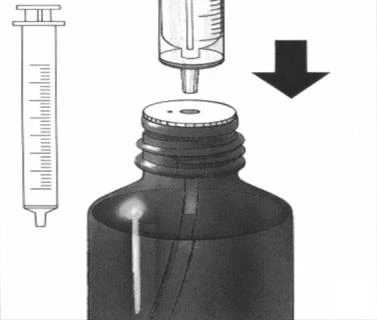
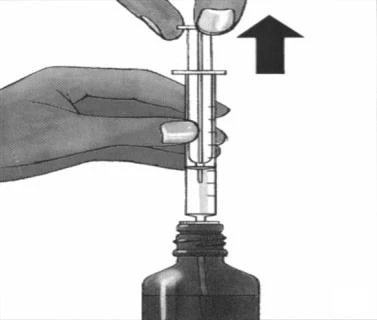
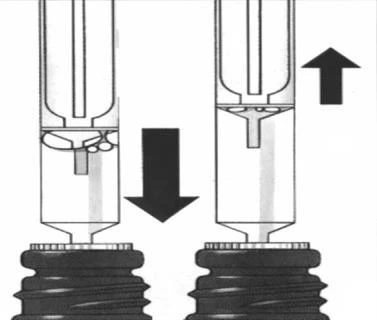
- For first-time use, perform the steps described in points 1 to 9.
- For subsequent uses, perform the steps described in points 5 to 9.
Starting a new bottle of Sandimmun Neoral oral solution
| 1. 2. 3. 4. | Lift the central part of the metal sealing ring. Completely remove the sealing ring. Remove and discard the grey stopper. Firmly press the white stopper with tube into the neck of the bottle. | 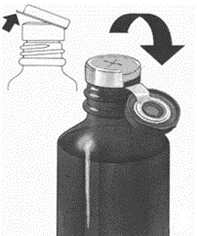 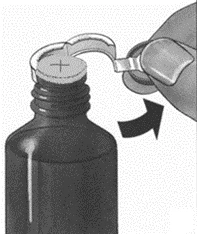 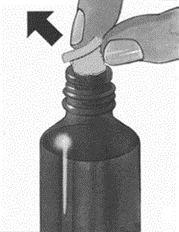 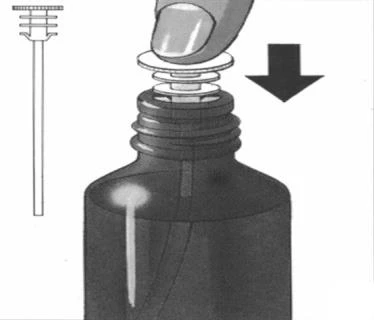 |
Dose measurement
| 5. | Select a syringe according to the prescribed volume of medication:
|  |
| 6. 7. 8. 9. | Pull back the plunger to draw up the prescribed volume of solution.
|   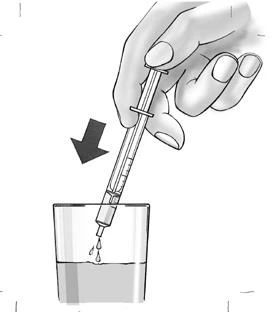 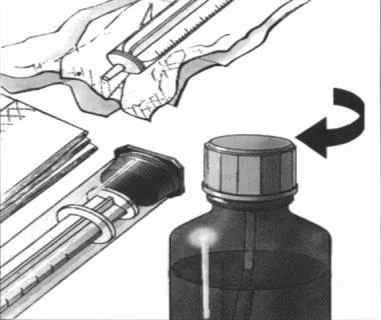 |
How long to use Sandimmun Neoral
Your doctor will inform you how long to use Sandimmun Neoral. This depends on whether
you are taking the medicine after receiving a transplant or for the treatment of severe skin disorders,
rheumatoid arthritis, uveitis, or nephrotic syndrome.
In the case of severe rash, treatment usually lasts 8 weeks.
You should continue taking Sandimmun Neoral for as long as your doctor recommends.
If you have any questions about how long to use Sandimmun Neoral, speak with your doctor or
pharmacist.
Taking more Sandimmun Neoral than prescribed
If you accidentally take more medicine than prescribed by your doctor, contact your doctor immediately
or go to the nearest hospital emergency department. You may require medical assistance.
If you miss a dose of Sandimmun Neoral
- If you forget to take a dose, take it as soon as possible. However, if it is almost time for your next dose, skip the missed dose. Then continue taking the medicine as before.
- Do not take a double dose to make up for the missed dose.
Stopping Sandimmun Neoral
Do not stop taking Sandimmun Neoral unless your doctor tells you to.
You should continue taking Sandimmun Neoral even if you feel well.
Stopping treatment with Sandimmun Neoral may increase the risk of rejection of the transplanted
organ.
If you have any further doubts about using this medicine, consult your doctor or pharmacist.
4. Possible adverse reactions
Like any medicine, this medicine can cause adverse reactions, although not everyone will experience them.
Some adverse reactions may be serious
You should tell your doctor immediately if the patient notices any of the following serious adverse reactions:
- As with other medicines affecting the immune system, cyclosporine may alter the body's ability to fight infections and may cause the development of tumours or other malignant neoplasms, especially of the skin. Signs of infection may include fever or sore throat.
- Changes in vision, loss of coordination, motor incoordination, memory loss, difficulty speaking or understanding what others say, and muscle weakness. These may be symptoms of a brain infection called progressive multifocal leukoencephalopathy.
- Disorders and damage to the brain with symptoms such as seizures, confusion, disorientation, reduced responsiveness, personality changes, agitation, insomnia, visual disturbances, blindness, coma, paralysis of part or all of the body, neck stiffness, loss of coordination with (or without) speech or eye movement disorders.
- Swelling of the back of the eye. This may be associated with blurred vision. It may also affect vision due to increased pressure in the head (intracranial hypertension not caused by a tumour).
- Disorders and damage to the liver with yellowing of the skin and eyes, nausea, loss of appetite and dark urine, or without these symptoms.
- Kidney disorders, which may significantly reduce the amount of urine produced.
- Low number of red blood cells or platelets. Symptoms of these disorders include pale skin, feeling of tiredness, shortness of breath, dark-coloured urine (a sign of red blood cell breakdown), development of bruises or bleeding without apparent cause, feeling confused, feeling disoriented, reduced alertness and kidney problems.
Other adverse reactions include:
Very common: may occur in more than 1 in 10 patients.
- Kidney function disorders
- High blood pressure
- Headache
- Uncontrollable shaking of the body
- Excessive growth of hair on the body and face
- High levels of lipids in the blood. If any of these symptoms occur, you should tell your doctor.
Common: may occur in up to 1 in 10 patients.
- Seizures (convulsions)
- Liver function disorders
- High blood sugar levels
- Tiredness
- Loss of appetite
- Nausea, vomiting, discomfort/abdominal pain, diarrhoea
- Excessive hair growth
- Acne, flushing
- Fever
- Low number of white blood cells
- Numbness or tingling
- Muscle pain, muscle cramps
- Stomach ulcer
- Overgrowth of the gums covering the teeth
- High levels of uric acid and potassium in the blood, low levels of magnesium in the blood. If any of these symptoms occur, you should tell your doctor.
Uncommon: may occur in up to 1 in 100 patients.
- Symptoms of brain disorders, including sudden seizures, confusion, insomnia, disorientation, visual disturbances, loss of consciousness, feeling of limb weakness, movement disorders
- Rash
- Generalised swelling
- Increased body weight
- Low number of red blood cells, low number of platelets, which may increase the risk of bleeding. If any of these symptoms occur, you should tell your doctor.
Rare: may occur in up to 1 in 1,000 patients.
- Nerve disorders with numbness or tingling of fingers of hands and feet
- Pancreatitis with severe pain in the upper abdomen
- Muscle weakness, loss of muscle strength, pain in leg or hand muscles or other body muscles
- Destruction of red blood cells, involving kidney disorders with symptoms such as swelling of the face, abdomen, hands and (or) feet, reduced amount of urine passed, difficulty breathing, chest pain, seizures, loss of consciousness
- Changes in menstrual cycle, breast enlargement in men. If any of these symptoms occur, you should tell your doctor.
Very rare: may occur in up to 1 in 10,000 patients.
- Swelling of the back of the eye, which may be associated with increased pressure inside the head and visual disturbances. If any of these symptoms occur, you should tell your doctor.
Frequency not known: frequency cannot be estimated from the available data.
- Severe liver disorders with yellowing of eyes or skin or without, nausea, loss of appetite, dark-coloured urine, swelling of the face, feet, hands and (or) entire body
- Subcutaneous bleeding or purple spots on the skin, sudden bleeding without apparent cause
- Migraine or severe headache often with nausea or vomiting and sensitivity to light
- Pain in legs and feet. If any of these symptoms occur, you should tell your doctor.
If any adverse reactions occur, including any adverse reactions not listed in this leaflet, you should tell your doctor or pharmacist.
Additional adverse reactions in children and adolescents
No additional adverse reactions are expected in children and adolescents compared to adults.
Reporting of adverse reactions
If any adverse reactions occur, including any adverse reactions not listed in this leaflet, you should tell your doctor or pharmacist. Adverse reactions can be reported directly to the Department of Monitoring Adverse Drug Reactions of the Office for Registration of Medicinal Products, Medical Devices and Biocidal Products
Al. Jerozolimskie 181C
02-222 Warsaw
Tel.: +48 22 49 21 301
Fax: +48 22 49 21 309
Website: https://smz.ezdrowie.gov.pl
Adverse reactions can also be reported to the marketing authorisation holder.
By reporting adverse reactions, more information on the safety of this medicine can be collected.
5. How to store Sandimmun Neoral
- Keep this medicine out of sight and reach of children.
- Do not use this medicine after the expiry date stated on the packaging.
- Store at room temperature (between 15°C and 30°C).
- Do not store in the refrigerator. Do not store below 20°C for longer than 1 month, as the medicine contains oily components that may tend to solidify at low temperatures.
- If the medicine is accidentally placed in the refrigerator, remove it and wait until it reaches room temperature before using again. Small flakes or minor particles (precipitate) do not affect the efficacy or safety of the medicine. Dosing with a syringe is accurate.
- The contents of the bottle remain stable for 2 months after opening. After 2 months, use medicine from a new bottle.
- Medicines must not be disposed of via wastewater or household waste. Ask your pharmacist how to dispose of medicines no longer in use. This will help protect the environment.
6. Contents of the pack and other information
What Sandimmun Neoral contains
- The active substance is cyclosporine. One ml of oral solution contains 100 mg of cyclosporine.
- Other components of the medicine are: DL-alpha-tocopherol, absolute ethanol, propylene glycol, mono-, di- and triglycerides from corn oil, macrogol glycerol hydroxystearate (European Pharmacopoeia)/hydrogenated castor oil polyoxyl 40 (United States Pharmacopeia).
What Sandimmun Neoral looks like and contents of the pack
Sandimmun Neoral is an oral solution. It is a clear liquid ranging in colour from pale yellow to brownish-yellow.
- 50 ml pack with 2 oral dosing sets (syringes)
- The 1 ml syringe is used to measure doses less than or equal to 1 ml. Each 0.05 ml mark corresponds to 5 mg of cyclosporine.
- The 4 ml syringe is used to measure doses greater than 1 ml up to 4 ml. Each 0.1 ml mark corresponds to 10 mg of cyclosporine.
Marketing Authorisation Holder
Novartis Poland Sp. z o.o.
ul. Marynarska 15
02-674 Warsaw
Tel. +48 22 375 48 88
Manufacturer/Importer
Novartis Pharma GmbH
Jakov-Lind-Straße 5, Top 3.05
1020 Vienna
Austria
Demetriades & Papaellinas Ltd.
179 Giannou Kranidioti
2235 Latsia, Nicosia
Cyprus
Novartis Pharma S.A.S.
8-10, rue Henri Sainte-Claire Deville
92500 Rueil-Malmaison
France
Novartis (Hellas) S.A.C.I.
12th km National Road Athens-Lamia
14451 Metamorphoses
Greece
Novartis Farmaceutica SA
Gran Via de les Corts Catalanes, 764
08013 Barcelona
Spain
Novartis Pharma B.V.
Haaksbergweg 16
1101 BX Amsterdam
The Netherlands
Novartis Pharma GmbH
Sophie-Germain-Strasse 10
90443 Nuremberg
Germany
Novartis Farma - Produtos Farmacêuticos S.A.
Avenida Professor Doutor Cavaco Silva, n.º 10E
Taguspark
2740-255 Porto Salvo
Portugal
Novartis Sverige AB
Torshamnsgatan 48
164 40 Kista
Sweden
Novartis Hungária Kft.
Bartók Béla út 43-47.
1114 Budapest
Hungary
Novartis Farma S.p.A.
Via Provinciale Schito 131
80058 Torre Annunziata, NA
Italy
Novartis Farma S.P.A.
Largo Umberto Boccioni,1
21040 Origgio (VA)
Italy
This medicinal product is authorised for marketing in the Member States of the European Economic Area and in the United Kingdom (Northern Ireland) under the following names:
Germany Sandimmun Optoral
Austria, Bulgaria, Croatia, Cyprus, Czech Republic, Denmark, Greece, Sandimmun Neoral
Finland, Hungary, Iceland, Italy, Malta, Norway, Poland,
Portugal, Romania, Slovakia, Slovenia, Sweden, Spain
Belgium, Luxembourg Neoral-Sandimmun
Ireland, The Netherlands, United Kingdom (Northern Ireland) Neoral
France Néoral
Other sources of information
Detailed information about this medicine is available on the website of {Poland, Office for Registration of Medicinal Products, Medical Devices and Biocidal Products}