Runaplax + asa
PolandTable of Contents
Package leaflet: Information for the patient
Runaplax + ASA, 2.5 mg + 50 mg, hard capsules
Rivaroxaban + Acetylsalicylic acid
Please read the entire leaflet carefully before starting treatment, as it contains important information for the patient.
Keep this leaflet for future reference.
If you have any questions, please consult your doctor or pharmacist.
This medicine has been prescribed for a specific individual. Do not share it with others.
This medicine may harm another person, even if their symptoms appear identical.
If you experience any adverse reactions, including those not listed in this leaflet, inform your doctor or pharmacist. See section 4.
Leaflet contents:
- What Runaplax + ASA is and what it is used for
- Important information before taking Runaplax + ASA
- How to take Runaplax + ASA
- Possible side effects
- How to store Runaplax + ASA
- Contents of the pack and other information
1. What Runaplax + ASA is and what it is used for
Runaplax + ASA contains the active substances: rivaroxaban and acetylsalicylic acid, and belongs to a group of medicines called anticoagulants. Both active substances reduce the risk of blood clot formation; rivaroxaban works by inhibiting a blood clotting factor (factor Xa), while acetylsalicylic acid works by preventing platelets (a type of blood cell) from clumping together and forming clots.
Runaplax + ASA has been prescribed for the patient because:
- The patient has been diagnosed with acute coronary syndrome (a condition including myocardial infarction and unstable angina, i.e. acute chest pain) and elevated levels of cardiac biomarkers have been confirmed. Runaplax + ASA reduces, in adults, the risk of further heart attack or lowers the risk of death due to heart- or blood vessel-related disease. Runaplax + ASA may be given to the patient as the only treatment, or the doctor may also prescribe clopidogrel or ticlopidine.
or
- The patient has been diagnosed with a high risk of blood clots due to coronary artery disease or symptomatic peripheral artery disease. Runaplax + ASA reduces, in adults, the risk of blood clot formation (atherosclerotic thrombotic events). In certain cases, if the patient is receiving Runaplax + ASA following a procedure to unblock a narrowed or blocked artery in the lower limb to restore blood flow, the doctor may also prescribe clopidogrel for short-term use.
2. Important information before using Runaplax + ASA
When not to use Runaplax + ASA
if the patient is allergic to rivaroxaban, acetylsalicylic acid, or to any of the other
components of this medicine (listed in section 6);
if the patient has previously experienced an allergic reaction (hypersensitivity) such as asthma attacks
or other forms, to certain painkillers, antipyretics or anti-inflammatory drugs
(salicylates or other non-steroidal anti-inflammatory drugs);
if the patient is bleeding heavily;
if the patient has a disease or disorder affecting any organ that increases the risk of
serious bleeding (e.g. current or recent peptic ulcer disease of the stomach or intestines, trauma or bleeding into the brain, recent surgery within the brain or eyes);
if the patient has severe kidney disease;
if the patient has weakened heart function (heart failure) that is not controlled by medication;
if the patient is taking anticoagulant medicines (i.e. warfarin, dabigatran, apixaban,
or heparin); the exception is during transition between anticoagulant therapies or when
heparin is administered to maintain catheter patency in a vein or artery;
if the patient has been diagnosed with acute coronary syndrome and has previously experienced bleeding or a blood clot in the brain (stroke);
if the patient has been diagnosed with coronary artery disease or peripheral arterial disease and has previously experienced bleeding in the brain (haemorrhagic stroke), or blockage of small arteries supplying blood to tissues in deep brain structures (lacunar stroke), or if the patient has had an ischaemic stroke (non-lacunar) within the past month;
if the patient has liver disease that increases the risk of bleeding;
if the patient is also taking methotrexate at a dose of 15 mg weekly or higher (see section
"Other medicines and Runaplax + ASA");
if the patient is pregnant or breastfeeding.
Do not take Runaplax + ASA and consult a doctor if any of these situations
apply to the patient.
Warnings and precautions
Before starting Runaplax + ASA, discuss this with your doctor or pharmacist:
- if the patient is hypersensitive (allergic) to other painkillers and anti-inflammatory drugs, other drugs used in rheumatic diseases, or other substances causing allergies (see section "When not to use Runaplax + ASA");
- if the patient is also taking non-steroidal anti-inflammatory drugs (NSAIDs), such as ibuprofen or naproxen (medicines used to treat pain, fever or inflammatory conditions);
- if the patient has other allergies (e.g. skin reactions, itching, urticaria);
- if the patient has bronchial asthma, hay fever, nasal mucosal swelling (nasal polyps), or chronic respiratory diseases;
- if the patient is also taking anticoagulant medicines (e.g. coumarin derivatives, heparin – except for low-dose heparin treatment);
- if the patient has had peptic ulcer disease of the stomach or intestines or gastrointestinal bleeding;
- in case of impaired liver function;
- if the patient has impaired kidney function or reduced blood flow (e.g. kidney vascular disease, weakened heart muscle, reduced blood volume, extensive surgery, blood infection, or increased bleeding): acetylsalicylic acid may additionally increase the risk of kidney dysfunction and acute kidney failure;
- before surgical procedures (including minor ones such as tooth extraction): tendency to bleed may be increased. Inform your doctor or dentist that you are taking Runaplax + ASA;
- in case of deficiency or insufficient activity of an enzyme called glucose-6-phosphate dehydrogenase in the body, acetylsalicylic acid may accelerate damage or breakdown of red blood cells or cause certain types of anaemia. This risk may be increased by factors such as high doses, fever, or acute infections;
- if the patient has an increased risk of gout attacks, these may be triggered by low-dose acetylsalicylic acid, which reduces uric acid excretion. Runaplax + ASA should not be used in combination with other antiplatelet agents besides clopidogrel or ticlopidine, such as prasugrel or ticagrelor.
Exercise special caution when using Runaplax + ASA
- if the risk of bleeding is increased in the patient, which may occur in situations such as:
- kidney disease, as kidney function may affect the amount of active drug in the patient's body;
- taking other anticoagulant medicines (i.e. warfarin, dabigatran, apixaban or heparin), during transition between anticoagulant therapies or when using heparin to maintain catheter patency in a vein or artery (see section "Runaplax + ASA and other medicines");
- blood clotting disorders;
- very high blood pressure not controlled by medication;
- stomach or intestinal diseases that may cause bleeding, e.g. inflammation of the intestines or stomach or oesophagus (e.g. due to gastro-oesophageal reflux disease, where acidic gastric juice flows back into the oesophagus) or tumours located in the stomach, intestines, genital or urinary systems;
- vascular disease of the posterior part of the eyeball (retinopathy);
- lung disease with bronchiectasis and pus-filled bronchi (bronchiectasis) or previous bleeding from the lungs;
- if the patient is over 75 years old;
- if the patient weighs less than 60 kg;
- coronary artery disease with severe symptomatic heart failure;
- if the patient has a heart valve prosthesis;
- if the patient knows they have a disorder called antiphospholipid syndrome (an immune system disorder causing increased risk of blood clots), the patient should inform their doctor, who will decide whether treatment adjustment is needed.
If any of these situations apply to the patient, consult a doctor before
taking Runaplax + ASA. The doctor will decide whether the patient should take this medicine and whether
close monitoring is necessary.
If the patient needs surgery
- it is very important to take Runaplax + ASA before and after surgery strictly according to the doctor's instructions.
- if catheterisation or spinal puncture (e.g. for epidural or intrathecal anaesthesia or pain relief) is planned during surgery:
- it is very important to take Runaplax + ASA exactly as directed by the doctor;
- inform the doctor immediately if, after the anaesthesia wears off, the patient experiences numbness or weakness in the legs or disturbances in bowel or bladder control, as immediate treatment may be required.
Children and adolescents
It is not recommended to administer Runaplax + ASA, 2.5 mg + 50 mg, hard capsules, to patients
under 18 years of age. There is insufficient information on its use in children and adolescents.
Runaplax + ASA and other medicines
Before taking Runaplax + ASA, tell your doctor or pharmacist about all medicines currently or recently taken, as well as any medicines the patient plans to take, including over-the-counter medicines. Inform the doctor about regular use of Runaplax + ASA before taking any other medicine.
If the patient is taking:
- certain antifungal medicines (e.g. fluconazole, itraconazole, voriconazole, posaconazole), unless used only topically on the skin;
- ketoconazole tablets (used to treat Cushing's syndrome, when the body produces too much cortisol);
- certain antibiotics (e.g. clarithromycin, erythromycin);
- certain antiviral medicines used to treat HIV/AIDS infection (e.g. ritonavir);
- other anticoagulant medicines (e.g. enoxaparin, clopidogrel, coumarin, heparin or vitamin K antagonists such as warfarin and acenocoumarol, prasugrel and ticagrelor – see sections "When not to use Runaplax + ASA" and "Warnings and precautions");
- other platelet aggregation inhibitors (medicines that prevent platelets from sticking together, e.g. ticlopidine, clopidogrel);
- anti-inflammatory and pain-relieving medicines (e.g. naproxen and rheumatic disease medicines containing salicylic acid) (see section "When not to use Runaplax + ASA");
- dronedarone (a medicine used to treat heart rhythm disorders);
- certain antidepressants (selective serotonin reuptake inhibitors [SSRI] or serotonin-noradrenaline reuptake inhibitors [SNRI]);
- clot-dissolving medicines (thrombolytics);
- medicines containing cortisone or cortisone-like substances (except for skin products or cortisone replacement therapy in Addison's disease), medicines that reduce blood glucose levels (antidiabetic medicines, e.g. insulin, tolbutamide, glibenclamide);
- digoxin, a medicine that strengthens the heart;
- methotrexate, a medicine used to treat cancer and certain rheumatic diseases (see section "When not to use Runaplax + ASA");
- certain medicines to prevent organ rejection after transplantation (cyclosporine, tacrolimus);
- valproic acid, a medicine used to treat central nervous system seizures (epilepsy);
- metamizole, a medicine used to treat pain and fever;
- certain diuretics (e.g. spironolactone, canrenone, furosemide);
- certain antihypertensive medicines (especially ACE inhibitors);
- certain gout medicines that increase uric acid excretion (e.g. probenecid, benzbromarone);
- certain non-steroidal anti-inflammatory drugs (except acetylsalicylic acid, e.g. ibuprofen and naproxen);
- certain antiepileptic medicines (phenytoin, carbamazepine, phenobarbital);
- St. John's wort (Hypericum perforatum), a herbal medicine used to treat depression;
- rifampicin – an antibiotic.
If any of the above cases apply to the patient, inform the doctor
before taking Runaplax + ASA, as the effect of the medicine may be intensified or weakened.
The doctor will decide whether the patient should take Runaplax + ASA and whether
close monitoring is necessary.
If the doctor considers the patient to be at increased risk of gastric or intestinal ulcers,
they may also prescribe medicines to prevent peptic ulcer disease.
Runaplax + ASA and alcohol
Drinking alcohol while taking Runaplax + ASA increases the risk of peptic ulcer disease of the stomach and intestines and of bleeding.
Pregnancy and breastfeeding
Runaplax + ASA must not be used if the woman is pregnant or breastfeeding. Women of childbearing potential should use effective contraception while taking Runaplax + ASA. If a woman becomes pregnant during treatment, she should inform her doctor immediately, who will decide on further management.
Driving and operating machinery
Runaplax + ASA may cause dizziness (a commonly occurring adverse effect)
or fainting (an uncommonly occurring adverse effect), see section 4 "Possible adverse effects".
If the patient experiences such symptoms, they should not drive, ride a bicycle, or operate tools or machinery.
Runaplax + ASA contains lactose and sodium
If the patient has previously been diagnosed with intolerance to certain sugars, they should
consult their doctor before taking this medicine.
This medicine contains less than 1 mmol (23 mg) of sodium per capsule, meaning it is considered "sodium-free".
3. How to use Runaplax + ASA
This medicine should always be used as directed by the doctor. If in doubt, consult
the doctor or pharmacist.
How many capsules to take
The recommended dose is one capsule of Runaplax + ASA twice daily. Runaplax + ASA
should be taken approximately at the same time each day (e.g. one capsule in the morning and
one in the evening).
If the patient is prescribed Runaplax + ASA after an acute coronary syndrome, the doctor may also
prescribe clopidogrel or ticlopidine.
If the patient is prescribed Runaplax + ASA after a procedure to restore blood flow in a blocked or narrowed leg artery, the doctor may prescribe clopidogrel for short-term use.
The doctor will inform the patient of the doses of these medicines to take (usually a daily dose of 75 mg clopidogrel or the standard daily dose of ticlopidine).
Method of administration
The medicine can be taken with or without food.
Capsules should be swallowed with a large amount of water.
If the patient has difficulty swallowing the entire capsule, they should discuss alternative ways of taking Runaplax + ASA with their doctor. The capsule can be opened, and its contents crushed and mixed with water immediately before ingestion.
If necessary, the doctor may administer the crushed contents of the Runaplax + ASA capsule via a gastric tube.
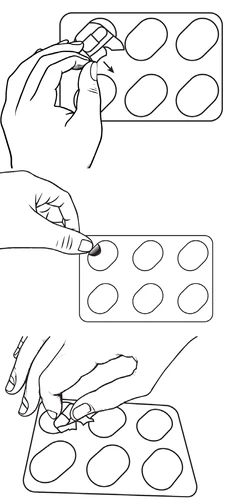
Instructions for opening blisters
Break the aluminium foil near the edge of the pocket at the bottom of the blister and carefully remove the capsule from the pocket, as shown in the illustrations below.
When to start taking Runaplax + ASA
Treatment with Runaplax + ASA after acute coronary syndrome should begin as soon as possible
after stabilisation of the acute coronary syndrome, no earlier than 24 hours after hospital admission
and when parenteral (injection-administered) anticoagulant therapy would normally be discontinued.
The doctor will inform the patient when to start treatment with Runaplax + ASA if coronary artery disease or peripheral arterial disease has been diagnosed. The doctor will decide how long treatment should continue.
Taking more than the recommended dose of Runaplax + ASA
If the patient takes more Runaplax + ASA capsules than recommended, contact a doctor immediately due to increased risk of bleeding.
Symptoms of overdose may include decreased blood glucose levels, skin rash, gastrointestinal bleeding, breathing difficulties, tinnitus, nausea, vomiting, visual and hearing disturbances, headache, dizziness, disorientation, tremor, shortness of breath, sweating, dehydration, fever, and coma.
Missing a dose of Runaplax + ASA
Do not take a double dose to make up for a missed dose. If the patient misses a dose, they should take the next dose at the scheduled time.
Stopping Runaplax + ASA
Runaplax + ASA should be taken regularly and for the duration recommended by the doctor.
Do not stop taking Runaplax + ASA without first consulting the doctor.
Discontinuing this medicine may increase the risk of another heart attack, stroke, or death due to heart or vascular disease.
If you have any further doubts about using this medicine, consult your doctor or pharmacist.
4. Possible adverse reactions
Like all medicines, Runaplax + ASA may cause adverse reactions, although not everyone will experience them.
As with other similar medicines with a comparable action in reducing blood clot formation, Runaplax + ASA may cause bleeding, which may even be life-threatening. Excessive bleeding may lead to a sudden drop in blood pressure (shock). In some cases, bleeding may be invisible.
Immediately inform your doctor if any of the following adverse reactions occur:
- Signs of bleeding – bleeding into the brain or inside the skull (symptoms may include headache, one-sided paralysis, vomiting, seizures, decreased level of consciousness, and neck stiffness. A serious, sudden medical emergency. Seek immediate medical help!), prolonged or excessive bleeding, extreme weakness, fatigue, paleness, dizziness, headache, unexplained swelling, shortness of breath, chest pain or angina. The doctor may decide to place the patient under close observation or change the treatment regimen.
- Signs of severe skin reactions – widespread, intense rash, formation of blisters or lesions on mucous membranes, e.g. in the mouth or eyes (Stevens-Johnson syndrome or toxic epidermal necrolysis). Drug reaction with eosinophilia and systemic symptoms (DRESS syndrome), including rash, fever, internal organ inflammation, hematological disorders, and systemic involvement. Very rarely, severe skin eruptions with fever and mucosal involvement (erythema multiforme).
These adverse reactions occur very rarely (in fewer than 1 in 10,000 patients).
Signs of serious allergic reaction:
swelling of the face, lips, mouth, tongue, or throat; difficulty swallowing; urticaria and breathing difficulties; sudden drop in blood pressure.
Severe allergic reactions occur very rarely (anaphylactic reactions, including anaphylactic shock, may occur in fewer than 1 in 10,000 patients) and uncommonly (angioedema and allergic edema may occur in fewer than 1 in 100 patients).
General list of possible adverse reactions:
Common (may occur in fewer than 1 in 10 patients)
reduction in red blood cell count, which may cause paleness of the skin, weakness, or shortness of breath
bleeding from the stomach or intestines, bleeding from the urinary or genital tract (including blood in urine and heavy menstrual bleeding), nosebleeds, gum bleeding
bleeding into the eye (including bleeding from the sclera)
bleeding into tissues or body cavities (hematoma, bruising)
coughing up blood (hemoptysis)
bleeding from the skin or subcutaneous bleeding
postoperative bleeding
oozing of blood or fluid from the surgical wound
limb swelling
limb pain
kidney function disorders (as indicated by test results ordered by the doctor)
fever
stomach pain, heartburn, indigestion, nausea, vomiting, constipation, abdominal pain, diarrhea
low blood pressure (symptoms may include dizziness or fainting upon standing)
general weakness and lack of energy (asthenia, fatigue), headache, dizziness
rash, skin itching
increased activity of certain liver enzymes detected in blood tests
Uncommon (may occur in fewer than 1 in 100 patients)
bleeding into the brain or within the skull (see above, signs of bleeding)
bleeding into a joint causing pain and swelling
bleeding from the stomach or intestines
anemia
thrombocytopenia (low number of platelets involved in blood clotting)
allergic reactions, including skin allergic reactions
liver function disorders (as indicated by test results ordered by the doctor)
increased bilirubin concentration, increased activity of certain pancreatic or liver enzymes, or increased platelet count detected in blood tests
gastric or intestinal ulcers
inflammation of the gastrointestinal tract
fainting
malaise
rapid heartbeat
dryness of the mouth
skin reactions
Rare (may occur in fewer than 1 in 1,000 patients)
severe bleeding, e.g. intracerebral hemorrhage
bleeding such as nosebleeds, gum bleeding, skin bleeding, urinary or genital bleeding, or bleeding into muscle, possibly with prolonged bleeding time
accelerated breakdown of red blood cells and a certain type of anemia in patients who lack or have insufficient levels of an enzyme called glucose-6-phosphate dehydrogenase
allergic (hypersensitivity) reactions affecting the skin, respiratory tract, gastrointestinal tract, and circulatory system, especially in asthmatics. Symptoms may include: drop in blood pressure, asthma attacks, rhinitis, nasal mucosal congestion, allergic shock, swelling of the face, tongue, and larynx (angioedema)
cholestasis (reduced bile flow), hepatitis, including liver cell damage (liver inflammation, including liver injury)
biliary stasis (reduced bile flow), hepatitis, including liver cell damage
jaundice (yellowing of the skin and eyes)
local swelling
hematoma in the groin as a complication of cardiac catheterization procedure involving insertion of a catheter into the artery in the leg (pseudoaneurysm)
Very rare (may occur in fewer than 1 in 10,000 patients)
accumulation of eosinophils, a type of white granulocytic blood cells causing lung inflammation (eosinophilic pneumonia)
increased liver function test values
decreased blood glucose levels (hypoglycemia)
kidney function disorders and acute kidney failure
reduced excretion of uric acid (which may trigger a gout attack in patients at risk)
Frequency not known (cannot be determined from available data):
kidney failure following severe bleeding
bleeding in the kidneys, sometimes with blood in the urine, leading to impaired kidney function (anticoagulant-related nephropathy)
increased pressure in the muscles of the legs and arms following bleeding, causing pain, swelling, sensory changes, numbness, or paralysis (compartment syndrome following bleeding)
possible formation of membranes in the intestinal cavity leading to narrowing later on (if the intestinal mucosa was previously damaged)
Reporting of adverse reactions
If any symptoms of adverse reactions occur, including any not listed in this leaflet, inform your doctor, pharmacist, or nurse. Adverse reactions can be reported directly to the Department of Monitoring Adverse Drug Reactions, Office for Registration of Medicinal Products, Medical Devices and Biocidal Products: Al. Jerozolimskie 181C, 02-222 Warsaw
tel.: +48 22 49 21 301, fax: +48 22 49 21 309, website: https://smz.ezdrowie.gov.pl
Adverse reactions can also be reported to the marketing authorization holder.
Reporting adverse reactions helps provide more information on the safety of the medicine.
5. How to store Runaplax + ASA
Keep the medicine out of sight and reach of children.
Do not use this medicine after the expiry date stated on the cardboard box,
bottle, or blister pack following "EXP". The expiry date refers to the last day of the stated month.
Do not store above 25°C.
HDPE bottles:
Shelf life after first opening of the bottle: 2 months.
Medicines must not be disposed of via wastewater or household waste. Ask your pharmacist how to
dispose of medicines no longer required. Such measures will help protect
the environment.
6. Contents of the packaging and other information
What Runaplax + ASA contains
The active substances in this medicine are rivaroxaban and acetylsalicylic acid. Each hard capsule
contains 2.5 mg of rivaroxaban and 50 mg of acetylsalicylic acid.
Other components are:
Capsule contents: lactose, microcrystalline cellulose, sodium lauryl sulfate, poloxamer,
sodium croscarmellose, magnesium stearate.
Capsule shell: titanium dioxide (E 171), purified water, gelatin.
What Runaplax + ASA looks like and contents of the pack
Runaplax + ASA 2.5 mg + 50 mg hard capsules are white, opaque, hard gelatin capsules of size 00
(23.5 ± 0.4 mm), containing two round, biconvex tablets, white to off-white in colour, smooth on both
sides, and crystalline powder.
The medicine is packed in:
blisters in single packs containing 56 hard capsules or in multipacks containing 196 hard capsules
(4 packs of 49), in cardboard boxes.
bottles containing 56 hard capsules, in a cardboard box.
Not all pack sizes may be marketed.
Marketing Authorisation Holder and Manufacturer
Marketing Authorisation Holder
Sandoz Polska Sp. z o.o.
ul. Domaniewska 50C
02-672 Warsaw
Tel. 22 209 70 00
Manufacturer/Importer
PharOS MT Limited
HF62X, Hal Far Industrial Estate
Birzebbugia BBG3000
Malta
PharOS Pharmaceutical Oriented Services Ltd.
Thesi Loggos, Lesvou str (end), Industrial Zone
144 52 Metamorfossi
Greece
This medicinal product is authorised in the European Economic Area member states under the following names:
Austria Runaplax ASS 2.5 mg/50 mg - Hard capsules
Croatia Runaplax Combo 2.5 mg/50 mg tvrde kapsule
Czech Republic Rivaroxaban/Acetylsalicylic acid Sandoz
Poland Runaplax + ASA
Slovakia Rivaroxaban/Acetylsalicylic acid Sandoz 2.5 mg/50 mg
Slovenia Runaplax Combo 2.5 mg/50 mg trde kapsule
Sweden Rivaroxaban/Acetylsalicylic acid Sandoz
Hungary Rivaroxaban/ASA Sandoz 2.5 mg/50 mg kemény kapszula
Italy Runaplax