Retrovir
Poland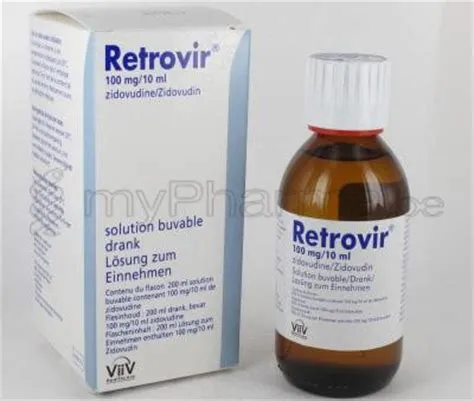
Table of Contents
Patient Information Leaflet
Retrovir, 50 mg/5 ml, oral solution
Zidovudinum
Please read all of this leaflet carefully before taking this medicine, because it contains important information for you.
- Keep this leaflet, as you may need to read it again.
- If you have any further questions, please ask your doctor or pharmacist.
- This medicine has been prescribed for a specific individual. Do not pass it on to others. It may harm them even if their symptoms are the same.
- If you experience any adverse effects, including any not listed in this leaflet, tell your doctor or pharmacist. See section 4.
Leaflet Contents
- What Retrovir is and what it is used for
- Important information before taking Retrovir
- How to take Retrovir
- Possible side effects
- How to store Retrovir
- Contents of the pack and other information
1. What Retrovir is and what it is used for
Retrovir contains zidovudine as the active substance. Zidovudine belongs to a group of antiviral medicines called nucleoside reverse transcriptase inhibitors (NRTIs).
Retrovir oral solution is used in adults and children in combination with other antiretroviral medicines for the treatment of human immunodeficiency virus (HIV) infection.
Retrovir is also used in pregnant women (after week 14 of pregnancy) who are infected with HIV, and in newborn babies born to these women, to reduce the risk of transmission of HIV from mother to child.
2. Important information before using Retrovir
When not to use Retrovir
- if the patient is allergic to zidovudine or any of the other ingredients of this medicine (listed in section 6);
- in patients who have very low levels of neutrophils (a type of white blood cells) in the blood or very low haemoglobin concentration;
- in newborns with hyperbilirubinaemia who require treatment other than phototherapy, or with increased aminotransferase activity exceeding 5 times the upper limit of normal.
If in doubt, consult a doctor.
Warnings and precautions
Before starting treatment with Retrovir, discuss this with your doctor, pharmacist, or nurse.
This medicine does not cure HIV infection; it only suppresses its progression and helps keep the disease under control. Due to HIV infection, other infections or HIV-related illnesses may still develop.
Retrovir should be used under the supervision of a doctor experienced in treating patients with HIV or AIDS.
Retrovir must be taken daily.
Regular contact with the treating physician is essential. Do not discontinue taking the medicine without first consulting your doctor.
Transmission of HIV from mother to child during pregnancy may still occur despite using the medicine to prevent such transmission.
Anaemia and neutropenia
Zidovudine may affect the production of red blood cells, leading to anaemia. The main symptoms of this condition are fatigue and shortness of breath. Less frequently, patients may experience reduced production of certain white blood cells, which may increase susceptibility to infections. The treating physician may recommend periodic blood tests to monitor blood cell counts. These changes are usually reversible.
Concomitant use of Retrovir and ribavirin may cause or worsen existing anaemia.
If symptoms of anaemia occur (such as fatigue and shortness of breath), contact your doctor, who will decide whether Retrovir treatment should be discontinued.
Lactic acidosis
The group of medicines to which Retrovir belongs (NRTIs) may cause a condition called lactic acidosis.
If lactic acidosis occurs, it usually develops after several months of treatment. Deep, rapid breathing, drowsiness, and other nonspecific symptoms such as nausea, vomiting, and abdominal pain may indicate the development of lactic acidosis. This is a rare but serious adverse effect, occurring more frequently in women, especially those with significant overweight. Liver diseases, particularly hepatomegaly, hepatitis, and fatty liver, may also increase the risk of this condition. While taking Retrovir, the treating physician will closely monitor the patient for any symptoms suggestive of lactic acidosis.
Redistribution of fat tissue
Treatment with Retrovir or other medicines containing zidovudine may lead to loss of fat tissue in the legs, arms, and face (lipoatrophy). The doctor should monitor the patient for signs of lipoatrophy. If any loss of fat tissue in the legs, arms, or face is observed, inform the doctor. If such symptoms occur, the doctor will assess whether Retrovir should be discontinued and alternative HIV treatment initiated. After stopping Retrovir, reversal of fat loss may be noticeable after several months, but the lost fat tissue may not be fully regained.
Blood lipid and glucose levels
During HIV treatment, blood lipid and glucose levels may increase. This is partly related to improved health status and lifestyle, and sometimes, in the case of blood lipids, to the effect of antiretroviral drugs. The doctor may recommend tests to detect these changes.
Liver disease (hepatitis)
If the patient has previously had liver disease, discuss this with the doctor.
In patients with chronic viral hepatitis B or C treated with antiretroviral medicines, there may be an increased risk of severe, potentially life-threatening liver-related adverse reactions, and blood tests to monitor liver function may be necessary.
Immune reconstitution syndrome
In some patients with advanced HIV infection (AIDS), who previously had opportunistic infections, objective and subjective inflammatory symptoms caused by prior infections may appear shortly after starting antiretroviral therapy. These symptoms are believed to result from improved immune response, enabling the body to fight infections that may have been present without clear symptoms. If any inflammatory symptoms are noticed, contact the doctor immediately.
Autoimmune disorders (such as Graves' disease, polymyositis, and Guillain-Barré syndrome) have also been reported in the context of improved immune status (immune reconstitution). However, the onset of these conditions is more variable, and they often present with nonspecific symptoms and may appear many months after starting treatment.
Use in elderly patients and patients with kidney or liver impairment
Consult your doctor, who may decide to adjust the dose (see section: "How to use Retrovir").
Osteonecrosis
Some patients have reported a condition called osteonecrosis, which may be caused by multiple factors (including corticosteroid use, alcohol consumption, severe immunosuppression, and high body mass index). If the patient experiences limb pain, joint stiffness, or difficulty moving, they should contact their doctor.
Patients with concomitant hepatitis C virus infection
Exacerbation of anaemia (anaemia) associated with ribavirin administration has been reported during zidovudine use as part of HIV treatment regimens, although the exact mechanism of this phenomenon has not yet been fully elucidated. Due to the increased risk of anaemia, concomitant use of ribavirin and zidovudine is not recommended. The doctor may consider replacing zidovudine with another antiretroviral agent if the treatment regimen has already been established. This is particularly important in patients who previously experienced anaemia related to zidovudine administration.
Retrovir with other medicines
Inform your doctor about all medicines currently or recently taken, as well as any medicines the patient plans to take. This includes over-the-counter medicines, including herbal remedies.
The following medicines should not be used together with Retrovir:
- rifampicin (an antibiotic),
- stavudine (used in the treatment of HIV infection).
Retrovir may interact with certain medicines, potentially increasing adverse effects. If the patient is taking any of the following medicines, they should inform their treating doctor (in case of doubt, contact the doctor):
- phenytoin, valproic acid (used in the treatment of epilepsy),
- oxazepam, lorazepam (used for anxiety),
- acetylsalicylic acid (aspirin), ketoprofen, naproxen (used as anti-inflammatory, antipyretic, and analgesic agents),
- codeine (cough suppressant),
- morphine (used for pain treatment),
- methadone (used as a heroin substitute in addiction treatment (narcotic dependence)),
- indomethacin (used in the treatment of rheumatoid arthritis),
- cimetidine (used in the treatment of peptic ulcer disease),
- clofibrate (used in the treatment of lipid disorders),
- isoprinosine (an antiviral immunomodulatory agent),
- probenecid (used in the treatment of gout and similar conditions, and also used concomitantly with certain antibiotics to enhance their effectiveness),
- pentamidine, atovaquone (used in the treatment of parasitic infections such as pneumocystis pneumonia),
- amphotericin, co-trimoxazole (used in the treatment of bacterial and fungal infections),
- pyrimethamine (used in the treatment of malaria and other parasitic infections),
- dapsone (used for preventing pneumocystis pneumonia and treating skin infections),
- fluconazole or flucytosine (used in the treatment of fungal infections, such as candidiasis),
- ganciclovir, interferon (used in the treatment of viral infections),
- clarithromycin (an antibiotic),
- lamivudine (used in the treatment of HIV and hepatitis B virus infections),
- vincristine, vinblastine, or doxorubicin (used in the treatment of cancer).
Pregnancy, breastfeeding, and effects on fertility
If the patient is pregnant or breastfeeding, suspects she may be pregnant, or is planning to have a child, she should consult her doctor or pharmacist before using this medicine.
Retrovir should be used during pregnancy only if the benefits outweigh the potential risks to the child.
The use of Retrovir in HIV-infected pregnant women (beyond the 14th week of pregnancy) and in newborns born to these women significantly reduces the risk of mother-to-child transmission of HIV. If the patient is pregnant or planning to become pregnant, she should consult her treating doctor to discuss possible adverse effects, benefits, and risks of antiretroviral therapy for both herself and her child.
If the patient took Retrovir during pregnancy, the doctor may recommend regular follow-up visits to monitor the child's development. During these visits, blood tests and other diagnostic tests may be performed.
Zidovudine, the active substance in Retrovir, passes into the breast milk of nursing mothers. If the patient is taking Retrovir, she should not breastfeed.
Breastfeeding is not recommended for women infected with HIV, as HIV can be transmitted to the child through breast milk.
If the patient is breastfeeding or considering breastfeeding, she should consult her doctor as soon as possible.
Driving and operating machinery
Studies on the effect of Retrovir on the ability to drive or operate machinery have not been conducted. When deciding to drive or operate machinery, the patient should consider their health status and the possible adverse effects of Retrovir.
Retrovir contains liquid maltitol, sorbitol (E 420), propylene glycol (E 1520), and sodium benzoate (E 211 and sodium)
The medicine contains 640 mg of liquid maltitol per millilitre. If the patient has previously been diagnosed with intolerance to certain sugars, they should consult their doctor before taking the medicine. The medicine may have a mild laxative effect. Calorific value: 2.3 kcal/g of maltitol.
The medicine contains 51.2 mg of sorbitol (E 420) per millilitre (a component of liquid maltitol). Sorbitol is a source of fructose. If the patient (or their child) has previously been diagnosed with intolerance to certain sugars or hereditary fructose intolerance, a rare genetic disorder in which the body cannot break down fructose, the patient should consult their doctor before taking the medicine or administering it to the child.
The medicine contains 9.6 mg of propylene glycol (E 1520) per millilitre (a component of the strawberry flavouring and "white sugar" flavouring). Before administering the medicine to a child under 4 weeks of age, consult a doctor or pharmacist, especially if the child is taking other medicines containing propylene glycol or alcohol.
The medicine contains 2 mg of sodium benzoate (E 211) per millilitre. The medicine contains sodium benzoate, which may increase the risk of jaundice (yellowing of the skin and whites of the eyes) in newborns (up to 4 weeks of life).
This medicine contains less than 1 mmol of sodium (23 mg) in the maximum recommended daily dose of 600 mg (60 ml), meaning the medicine is considered "sodium-free".
3. How to use Retrovir
Retrovir should be taken as directed by the physician. If in doubt about the dosage, consult a doctor or pharmacist.
Dosages prescribed to individual patients may vary and depend on several factors, including the stage of the disease.
Adults and adolescents weighing at least 30 kg
The usual dose is 250 mg (25 ml) or 300 mg (30 ml) twice daily, in combination with other antiretroviral drugs.
Children weighing at least 9 kg but less than 30 kg
The recommended dose of Retrovir is 0.9 ml/kg body weight (9 mg/kg body weight) twice daily, in combination with other antiretroviral drugs (e.g. the dose for a child weighing 15 kg is 13.5 ml of oral solution twice daily), up to a maximum dose of 300 mg (30 ml) twice daily.
Children weighing at least 4 kg but less than 9 kg
The recommended dose of Retrovir is 1.2 ml/kg body weight (12 mg/kg body weight) twice daily, in combination with other antiretroviral drugs (e.g. the dose for a child weighing 5 kg is 6 ml of oral solution twice daily).
Children weighing less than 4 kg
There are insufficient data to recommend a specific dosage for children weighing less than 4 kg.
Dosing for prevention of HIV transmission from mother to fetus and newborn
Pregnant women from week 14 of pregnancy onwards should receive Retrovir orally at a dose of 500 mg per day (i.e. 100 mg five times daily) until the onset of labour. During delivery, Retrovir is administered initially as a one-hour intravenous infusion at a dose of 2 mg/kg body weight, followed by a continuous intravenous infusion at 1 mg/kg body weight per hour until clamping of the umbilical cord.
Administration to the newborn should begin within 12 hours of birth at an oral dose of 0.2 ml/kg body weight (2 mg/kg body weight) every 6 hours and continue until the newborn reaches 6 weeks of age. To ensure accurate dosing in newborns, syringes of appropriate size with decimal graduations (0.1 ml) should be used. For example, newborns weighing 2.0 kg and 5.0 kg should receive 0.4 ml (4 mg zidovudine) and 1.0 ml (10 mg zidovudine) of oral solution, respectively, four times daily.
If oral administration of the drug to the newborn is not possible, Retrovir should be administered intravenously every 6 hours at a dose of 1.5 mg/kg body weight as a 30-minute intravenous infusion.
If a caesarean section is planned, intravenous infusion of Retrovir should begin 4 hours before surgery. If the procedure is cancelled, the infusion should be discontinued and oral administration initiated.
Dosage adjustments in patients with haematological adverse effects
If haemoglobin levels decrease to 7.5–9.0 g/100 ml (4.65–5.59 mmol/l) or neutrophil granulocyte count decreases to 0.75–1.0 × 10⁹/l, the physician may decide to reduce the dose or discontinue treatment with Retrovir (see section: "Important information before using Retrovir").
Dosing in elderly patients
The physician may recommend appropriate monitoring tests before and during treatment with Retrovir in elderly patients.
Dosing in patients with renal impairment
In patients with severe renal impairment (creatinine clearance ≤ 10 ml/min) and in patients with end-stage renal disease undergoing haemodialysis or peritoneal dialysis, a dose of 100 mg every 6 to 8 hours (300 to 400 mg per day) is recommended.
Dosing in patients with hepatic impairment
In patients with liver cirrhosis, accumulation of the drug in the body may occur. The physician may decide to adjust the dosage or extend the interval between doses, especially if signs of poor drug tolerance occur.
Use of a higher than recommended dose of Retrovir
If a patient has taken more than the recommended dose, inform a doctor or pharmacist or contact the nearest hospital emergency department for advice.
Missed dose of Retrovir
It is very important to take the prescribed dose of Retrovir every day, as this ensures maximum treatment effectiveness. If a dose is missed, take it as soon as possible. Then continue treatment as directed. Do not take a double dose to make up for a missed dose.
4. Possible side effects
Like all medicines, this medicine can cause side effects, although not everybody gets them.
When treating HIV infection, it is not always possible to determine whether an adverse symptom
has been caused by Retrovir, other medicines taken at the same time, or by the HIV infection itself.
For this reason, it is very important to inform your doctor about any changes in your health.
Patients should not be unduly alarmed by reading the list of possible side effects below, as they may not occur.
The side effect profile in adults and children is similar.
Very common side effects (occurring in more than 1 in 100 patients)
- headache, nausea.
Common side effects (occurring in 1 to 10 in 100 patients)
-
anaemia (low number of red blood cells) and neutropenia or leukopenia (low number of white blood cells). If the number of red blood cells decreases, patients may experience symptoms of fatigue and breathlessness. A reduced number of white blood cells may increase susceptibility to infections,
-
increased liver enzyme activity, bilirubin and lactic acid levels,
-
dizziness,
-
muscle pain, malaise,
-
vomiting, abdominal pain, diarrhoea.
Uncommon side effects (occurring in 1 to 10 in 1,000 patients)
- reduced platelet count (cells playing an important role in blood clotting). Patients with reduced platelet count may experience increased tendency to bleeding and bruising,
- reduced blood cell counts (pancytopenia) with bone marrow hypoplasia (hypocellular bone marrow),
- weakness, fever, generalised pain,
- muscle dysfunction,
- breathlessness,
- flatulence,
- itching, rash.
Rare side effects (occurring in less than 1 in 1,000 patients)
- anxiety, depression, insomnia, somnolence, seizures, mental dullness, sensory disturbances,
- taste disturbances, loss of appetite, discoloured changes in the mouth, dyspepsia, pancreatitis, liver disorders such as liver enlargement, hepatic steatosis,
- changes in distribution or accumulation of body fat,
- frequent urination, breast enlargement in men,
- heart muscle disease called cardiomyopathy,
- selective loss (aplasia) of the system producing red blood cells,
- skin and nail discoloration, excessive sweating, urticaria, influenza-like symptoms, cough, chills, chest pain,
- lactic acidosis without decreased blood oxygen levels.
Very rare side effects (occurring in less than 1 in 10,000 patients)
- aplastic anaemia (anaemia due to bone marrow failure).
Lactic acidosis, a condition caused by increased production of lactic acid in the body, has been observed in some patients receiving NRTIs (see section 2 "Important information before taking Retrovir").
During treatment for HIV infection, blood levels of lipids and glucose may increase (see section 2 "Important information before taking Retrovir").
Treatment with Retrovir may cause loss of fat tissue in the legs, arms and face (lipoatrophy, see section 2 "Important information before taking Retrovir").
Reporting of side effects
If any side effects occur, including any possible side effects not listed in this leaflet, please inform your doctor, pharmacist or nurse.
Side effects can be reported directly to the Department of Monitoring Adverse Drug Reactions, Office for Registration of Medicinal Products, Medical Devices and Biocidal Products, Al. Jerozolimskie 181C, 02-222 Warsaw, tel.: +48 22 49 21 301, fax: +48 22 49 21 309, website: https://smz.ezdrowie.gov.pl.
Side effects can also be reported to the responsible entity.
Reporting side effects helps provide more information on the safety of this medicine.
5. How to store Retrovir
Keep this medicine out of the sight and reach of children.
Do not use this medicine after the expiry date stated on the packaging after: EXP.
The expiry date refers to the last day of the stated month.
The batch number of the medicine is shown on the packaging after: Lot.
Do not store above 30 °C.
Medicines should not be disposed of via wastewater or household waste. Ask your
pharmacist how to dispose of medicines no longer required. Such measures help protect
the environment.
6. Contents of the packaging and other information
What Retrovir contains
- The active substance is zidovudine. 5 ml of oral solution contains 50 mg of zidovudine.
- The other ingredients are: liquid maltitol, glycerol (E 422), anhydrous citric acid, sodium benzoate (E 211), sodium saccharin, strawberry flavouring composition, "white sugar" flavouring composition, purified water.
What Retrovir looks like and contents of the pack
The pack contains 200 ml of oral solution in an amber glass bottle with a plastic cap,
and an oral syringe made of polypropylene with a polyethylene plunger (HDPE),
with a capacity of 1 ml or 10 ml, wrapped in transparent polypropylene foil,
packaged in a cardboard box.
The oral solution is a clear, light yellow liquid with a strawberry flavour.
Marketing Authorisation Holder and Importer
Marketing Authorisation Holder Importer
ViiV Healthcare BV ViiV Healthcare Trading Services UK Limited
Van Asch van Wijckstraat 55H 12 Riverwalk,
3811 LP Amersfoort Citywest Business Campus
The Netherlands Dublin 24,
Ireland
For further information, please contact the representative of the Marketing Authorisation Holder:
GSK Services Sp. z o.o.
ul. Rzymowskiego 53
02-697 Warsaw
tel. 22-576-90-00