Ranacand
Poland
Table of Contents
Patient Information Leaflet
Ranacand, 8 mg, tablets
Ranacand, 16 mg, tablets
Candesartan cilexetil
Please read the entire leaflet carefully before taking this medicine, as it contains
important information for the patient.
- Keep this leaflet for future reference.
- If you have any questions, please consult your doctor or pharmacist.
- This medicine has been prescribed for a specific individual. Do not share it with others. This medicine may harm other people, even if their symptoms are the same.
- If you experience any adverse reactions, including any not listed in this leaflet, inform your doctor. See section 4.
Table of contents:
- What Ranacand is and what it is used for
- Important information before taking Ranacand
- How to take Ranacand
- Possible side effects
- How to store Ranacand
- Contents of the pack and other information
1. What Ranacand is and what it is used for
Ranacand contains candesartan cilexetil as the active substance.
Candesartan cilexetil belongs to a group of medicines called angiotensin II receptor antagonists.
This medicine works by relaxing and widening blood vessels, thereby lowering blood pressure and helping the heart pump blood more easily to all parts of the body.
This medicine can be used:
- for the treatment of high blood pressure (hypertension) in adults, and in children and adolescents aged 6 to 18 years,
- for the treatment of adult patients with heart failure due to reduced heart muscle function, when angiotensin-converting enzyme (ACE) inhibitors cannot be used, or as an add-on therapy to ACE inhibitors when heart failure symptoms persist despite treatment, and mineralocorticoid receptor antagonists (MRAs) cannot be used. (ACE inhibitors and MRAs are medicines used in the treatment of heart failure).
2. Important information before using Ranacand
When not to use Ranacand
- if the patient is allergic to candesartan cilexetil or any of the other ingredients of this medicine (listed in section 6),
- after the third month of pregnancy (Ranacand should also be avoided during early pregnancy – see pregnancy section),
- if the patient has severe liver disease or biliary obstruction (problems with bile excretion from the gallbladder),
- in children under 1 year of age,
- if the patient has diabetes or kidney problems and is being treated with a blood pressure-lowering medicine containing aliskiren. If the patient is unsure whether any of the above situations apply, they should contact their doctor or pharmacist before starting Ranacand.
Warnings and precautions
When to exercise special caution when using Ranacand
Before starting Ranacand, discuss with your doctor or pharmacist if:
- the patient has heart, liver or kidney problems, or is undergoing dialysis,
- a kidney transplant has recently been performed,
- the patient is experiencing vomiting or diarrhoea, or has recently had severe vomiting,
- the patient has an adrenal gland disorder called Conn's syndrome (also known as primary hyperaldosteronism),
- the patient has low blood pressure,
- the patient has ever had a stroke,
- the patient is taking any of the following medicines used to treat high blood pressure:
- an ACE inhibitor (e.g. enalapril, lisinopril, ramipril), especially if the patient has kidney problems related to diabetes,
- aliskiren,
- the patient is taking an ACE inhibitor together with a medicine belonging to a group known as mineralocorticoid receptor antagonists (MRAs). These medicines are used in the treatment of heart failure (see "Ranacand with other medicines"). The doctor may monitor kidney function, blood pressure and blood electrolyte levels (e.g. potassium) at regular intervals. See also information under the heading "When not to use Ranacand".
If the patient experiences abdominal pain, nausea, vomiting or diarrhoea after taking Ranacand,
this should be discussed with the doctor. The doctor will decide on further treatment. Do not
discontinue Ranacand on your own initiative.
Inform the doctor if the patient suspects she is pregnant (or might become pregnant).
Ranacand is not recommended during early pregnancy and must not be used after the third
month of pregnancy, as it may seriously harm the unborn child (see section "Pregnancy").
In the above cases, the doctor may recommend more frequent check-ups or additional laboratory
tests.
If the patient has a surgical procedure planned, they should inform the doctor or dentist about
taking Ranacand, as Ranacand in combination with certain anaesthetics may cause a significant
drop in blood pressure.
Children and adolescents
The use of candesartan has been studied in children. For further information, please consult a doctor. Ranacand must not be given to children under 1 year of age due to potential risks to kidney development.
Ranacand with other medicines
Tell your doctor about all medicines the patient is currently taking or has recently taken, including those obtained without a prescription.
Ranacand may affect the action of certain medicines, and some medicines may affect the effectiveness of Ranacand. When combining certain medicines, the doctor may order regular blood tests.
It is important to inform the doctor if the patient is taking any of the following medicines, as the doctor may need to adjust the dose and/or take other precautions:
- blood pressure-lowering medicines, including beta-blockers, diazoxide and ACE inhibitors such as enalapril, captopril, lisinopril or ramipril,
- non-steroidal anti-inflammatory drugs (NSAIDs) such as ibuprofen, naproxen, diclofenac, celecoxib, etoricoxib (medicines with pain-relieving and anti-inflammatory effects),
- acetylsalicylic acid (a medicine with anti-inflammatory and pain-relieving effects), if the patient is taking more than 3 g daily,
- potassium supplements or potassium-containing salt substitutes (medicines that increase blood potassium levels),
- heparin (a medicine that causes blood thinning),
- co-trimoxazole, also known as trimethoprim/sulfamethoxazole (an antibiotic),
- diuretics (water tablets),
- lithium (a medicine used in the treatment of psychiatric disorders).
- If the patient is taking an ACE inhibitor or aliskiren (see also information under the headings "When not to use Ranacand" and "Warnings and precautions").
- If the patient is taking an ACE inhibitor together with certain medicines used to treat heart failure known as mineralocorticoid receptor antagonists (MRAs) (e.g. spironolactone, eplerenone).
Ranacand with food, drink and alcohol
- Ranacand can be taken with or without food.
- If the patient is taking Ranacand, they should speak to their doctor before consuming alcohol. After drinking alcohol, the patient may feel unwell or experience dizziness.
Pregnancy and breastfeeding
Pregnancy
Inform the doctor if the patient suspects she is pregnant (or might become pregnant).
The doctor will usually recommend discontinuing Ranacand before planned pregnancy or immediately after pregnancy is confirmed, and will recommend using another medicine instead of Ranacand.
Ranacand is not recommended during early pregnancy and must not be used after the 3rd month of pregnancy, as it may seriously harm the unborn child.
Breastfeeding
Inform the doctor if the patient is breastfeeding or intends to breastfeed.
Ranacand is not recommended during breastfeeding. If the patient wishes to breastfeed, the doctor may recommend using another medicine, particularly when breastfeeding a newborn or premature infant.
Driving and operating machinery
Some patients taking Ranacand may feel tired or experience dizziness.
If any of these symptoms occur, the patient should not drive or operate machinery.
Ranacand contains lactose
Lactose is a type of sugar. If the patient has previously been diagnosed with intolerance to certain sugars, they should consult their doctor before taking this medicine.
3. How to use Ranacand
This medicine should always be taken exactly as directed by your doctor. If in doubt, consult your doctor or pharmacist again. It is important to take Ranacand every day.
High blood pressure:
- The recommended dose of Ranacand is 8 mg once daily. The dose may be increased to 16 mg once daily and further increased to 32 mg once daily depending on blood pressure.
- If the patient has liver or kidney disease, or has recently lost a large amount of fluid (e.g. due to vomiting, diarrhoea, or diuretic medicines), the doctor may start treatment with a lower dose.
- In some patients of Black race, Ranacand may have less effect when used as the only blood pressure-lowering medicine; in such patients, a higher dose may be required.
Use in children and adolescents with high blood pressure:
Children aged 6 to below 18 years:
The recommended starting dose is 4 mg once daily.
Patients weighing less than 50 kg: in some patients with inadequate blood pressure control, the doctor may decide to increase the dose up to a maximum of 8 mg once daily.
Patients weighing 50 kg or more: in some patients with inadequate blood pressure control, the doctor may decide to increase the dose to 8 mg once daily and further to 16 mg once daily.
Heart failure:
- The usual starting dose in the treatment of heart failure is 4 mg once daily. If necessary, the doctor may double the dose at intervals of at least two weeks up to a maximum of 32 mg once daily. Ranacand may be taken together with other medicines used in the treatment of heart failure. Your doctor will advise on appropriate therapy.
Instructions for use:
Ranacand may be taken with or without food.
Swallow the tablet with water.
It is recommended to take the medicine at the same time each day to help remember.
NO YES
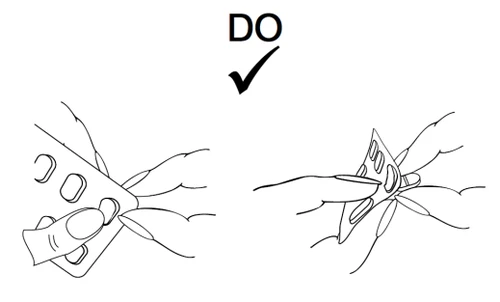
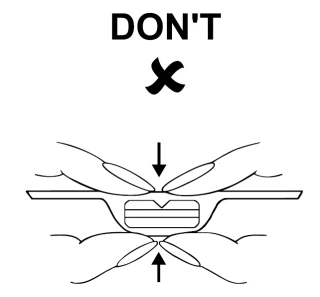
Warning:
| Warning:
|
Use of a higher than recommended dose of Ranacand
If a higher than recommended dose of candesartan has been taken, consult a doctor or pharmacist immediately.
Missed dose of Ranacand
Do not take a double dose to make up for a missed tablet. Take the next dose at the usual time.
Stopping Ranacand treatment
Do not stop taking Ranacand without consulting your doctor. If you stop taking the medicine, your blood pressure may rise excessively again.
If you have any doubts concerning the use of the medicine, consult your doctor or pharmacist.
4. Possible adverse reactions
Like all medicines, this medicine can cause adverse reactions, although not everybody will experience them.
It is important that the patient is aware of the possible adverse reactions.
Serious adverse reactions
Stop taking Ranacand and contact your doctor immediately if any of the following allergic symptoms occur:
- difficulty breathing, with swelling of the face, lips, tongue and (or) throat or without swelling
- swelling of the face, mouth and (or) throat, which may cause difficulty swallowing
- severe skin itching (with lumps)
Ranacand may cause a reduction in the number of white blood cells. The patient may have weakened immunity, feel tired, be prone to infections, and have fever. If any of the above occur, contact your doctor.
Your doctor may order blood tests to monitor whether Ranacand affects blood test results (agranulocytosis).
Other possible adverse reactions include:
Common (may occur in 1 out of 10 people):
- dizziness or sensation of spinning
- headache
- respiratory tract infections
- low blood pressure. This may cause weakness and dizziness
- changes in blood test results:
- increased potassium levels in blood, especially if the patient suffers from kidney failure or heart failure. If symptoms worsen, the patient may feel tired, weak, experience heart rhythm disturbances, and tingling sensations
- changes in kidney function, especially if the patient suffers from kidney failure or heart failure. In very rare cases, the kidneys may stop working
Very rare (may occur in 1 out of 10,000 people):
- swelling of the face, lips, tongue and/or throat
- decreased number of red or white blood cells. The patient may feel tired, be prone to infections, and have elevated temperature
- rash, urticaria
- itching
- back, joint and muscle pain
- changes in liver function, including hepatitis. The patient may feel tired, notice yellowing of the skin and whites of the eyes, and experience flu-like symptoms
- nausea
- cough
- changes in blood test results:
- decreased sodium levels in blood. If symptoms worsen, the patient may experience weakness, lack of energy, and muscle cramps
- Angioedema of the intestine: intestinal swelling with symptoms such as abdominal pain, nausea, vomiting, and diarrhoea
Frequency not known (frequency cannot be estimated from available data):
- diarrhoea
Other adverse reactions occurring in children
Adverse reactions in children treated for high blood pressure appear to be similar to those observed in adult patients, but occur more frequently. Sore throat is very common in children, while runny nose, fever, and increased heart rate are common, although these effects have not been observed in adults.
Reporting of adverse reactions
If any adverse reactions occur, including any not listed in this leaflet, inform your doctor, pharmacist, or nurse. Adverse reactions can be reported directly to the Department of Monitoring Adverse Drug Reactions of the Office for Registration of Medicinal Products, Medical Devices and Biocidal Products:
Al. Jerozolimskie 181C, 02-222 Warsaw; tel.: 22 49 21 301; fax: 22 49 21 309;
Website: https://smz.ezdrowie.gov.pl .
Adverse reactions can also be reported to the marketing authorization holder.
Reporting adverse reactions helps to provide more information on the safety of the medicine.
5. How to store Ranacand
Keep this medicine out of the sight and reach of children.
Do not use this medicine after the expiry date stated on the packaging. The expiry date refers to the last day of the stated month.
This medicine does not require any special storage conditions.
Medicines must not be disposed of via wastewater or household waste. Ask your pharmacist how to dispose of medicines you no longer need. This will help protect the environment.
6. Contents of the pack and other information
What Ranacand contains
The active substance is candesartan cilexetil.
Each tablet contains 8 mg or 16 mg of candesartan cilexetil.
The other ingredients are:
monohydrate lactose, corn starch, hydroxypropylcellulose (low substituted), macrogol
6000, calcium carmellose, iron oxide red (E 172), magnesium stearate.
What Ranacand looks like and contents of the pack
Ranacand 8 mg:
Pink, mottled, capsule-shaped tablet approximately 9.1 mm in length and 4.6 mm in width,
with the imprint 'C' and '10' on both sides of the breakline on one side and a breakline on the
other side.
Ranacand 16 mg:
Pink, mottled, capsule-shaped tablet approximately 11.7 mm in length and 5.1 mm in width,
with the imprint 'C' and '11' on both sides of the breakline on one side and a breakline on the
other side.
Packaging - PVC/PE/PVDC/Aluminium blisters in a cardboard box.
Pack size: 28 tablets.
Marketing Authorisation Holder and Manufacturer
Marketing Authorisation Holder
Ranbaxy (Poland) Sp. z o.o.
ul. Idzikowskiego 16
00-710 Warsaw
Poland
Manufacturer
Terapia S.A.
124 Fabricii Street
400 632 Cluj Napoca
Romania
Sun Pharmaceutical Industries Europe B.V.
Polarisavenue 87
2132JH Hoofddorp
The Netherlands
This medicinal product is authorised in the European Economic Area countries under the following names:
Germany: CANDESARTAN BASICS 4 mg, 8 mg, 16 mg, 32 mg Tablets
Spain: Candesartan SUN 8 mg, 16 mg, 32 mg tablets EFG
Romania: Tandesar 8 mg, 16 mg, 32 mg tablets
Poland: Ranacand