Raltegravir viatris
Poland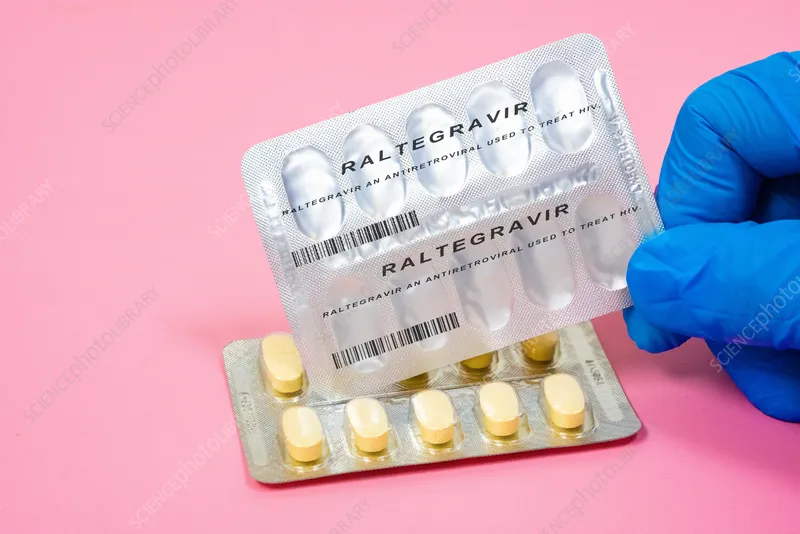
Table of Contents
Package leaflet: Information for the user
Raltegravir Viatris, 600 mg, film-coated tablets
raltegravir
Please read all of this leaflet carefully before taking this medicine, because it contains
important information for you.
The parent or guardian of a child taking Raltegravir Viatris should read this leaflet carefully
together with the child.
- Keep this leaflet. You may need to read it again.
- If you have any further questions, ask your doctor, pharmacist, or nurse.
- This medicine has been prescribed for you or your child only. Do not pass it on to others. It may harm them, even if their symptoms are the same.
- If you or your child experience any side effects, including any not listed in this leaflet, tell your doctor, pharmacist, or nurse. See section 4.
Contents of the leaflet
- What Raltegravir Viatris is and what it is used for
- What you need to know before taking Raltegravir Viatris
- How to take Raltegravir Viatris
- Possible side effects
- How to store Raltegravir Viatris
- Contents of the pack and other information
1. What Raltegravir Viatris is and what it is used for
What Raltegravir Viatris is
Raltegravir Viatris contains the active substance raltegravir. Raltegravir Viatris is an antiviral medicine that acts against the human immunodeficiency virus (HIV). This virus causes the development of acquired immunodeficiency syndrome (AIDS).
How Raltegravir Viatris works
The virus produces an enzyme called HIV integrase. This enzyme allows the virus to replicate within the body's cells. Raltegravir Viatris inhibits the action of this enzyme. When used in combination with other medicines, Raltegravir Viatris can reduce the amount of HIV virus particles in the blood (known as "viral load") and increase the number of CD4 cells (a type of white blood cell that plays an important role in the proper functioning of the immune system, which fights infections). Reducing the amount of HIV virus in the blood may help improve immune function. This means the body may be better able to fight infection.
When Raltegravir Viatris should be used
Raltegravir Viatris 600 mg film-coated tablets are used to treat HIV infection in adults, children, and adolescents with body weight of at least 40 kg. Treatment with Raltegravir Viatris is prescribed by a doctor to control HIV infection.
2. Important information before using Raltegravir Viatris
When not to use Raltegravir Viatris:
- If the patient is allergic to raltegravir or any of the other ingredients of this medicine (listed in section 6).
Warnings and precautions
Before starting treatment with Raltegravir Viatris, discuss this with your doctor, pharmacist,
or nurse.
Please keep in mind that Raltegravir Viatris does not cure HIV infection. This means that there is
still a risk of developing HIV-related illnesses or other infections. While taking this medicine,
regular medical check-ups are necessary.
Mental health problems
If the patient has previously suffered from depression or other mental disorders, they should
inform their doctor. Depression, including suicidal thoughts and behaviour, has been reported in
some patients taking this medicine, particularly in those who have previously had depression or
other psychiatric disorders.
Bone problems
In some patients receiving combination antiretroviral therapy, a bone disease called osteonecrosis
(death of bone tissue caused by reduced blood supply to the bone) may develop. Several of the
many possible risk factors for developing this condition include: duration of combination
antiretroviral therapy, use of corticosteroids, alcohol consumption, severe immune system
damage, and higher body mass index. Symptoms of osteonecrosis include: joint stiffness, joint pain
(particularly in the hips, knees, and shoulders), and difficulty moving. If any of these symptoms
occur, the patient should inform their doctor.
Liver problems
Inform your doctor, pharmacist, or nurse about any previous liver problems, including hepatitis B
or C virus infection. Before deciding whether the patient should take this medicine, the doctor may
assess the extent of liver disease.
Infections
If any symptoms of infection occur, such as fever and (or) feeling unwell, inform your doctor,
pharmacist, or nurse immediately.
In some patients with advanced HIV infection and a history of opportunistic infections, objective
and subjective inflammatory symptoms related to previously treated infections may appear shortly
after starting anti-HIV treatment. These symptoms are believed to result from improved immune
response, enabling the body to fight existing asymptomatic infections.
In addition to opportunistic infections, autoimmune disorders (conditions occurring when the
immune system attacks healthy body tissues) may also occur after starting treatment for HIV
infection. Autoimmune disorders may appear many months after starting treatment. If symptoms
of infection or other symptoms such as muscle weakness, weakness starting in the hands and feet
and progressing towards the trunk, palpitations, tremors, or hyperexcitability occur, contact your
doctor immediately to initiate necessary treatment.
Muscle problems
If unexplained muscle pain, tenderness, or muscle weakness occurs while taking this medicine,
contact your doctor, pharmacist, or nurse immediately.
Skin problems
If the patient develops a rash, seek medical advice immediately. In some patients taking this
medicine, severe and potentially life-threatening skin reactions and allergic reactions have been
reported.
Raltegravir Viatris and other medicines
Inform your doctor, pharmacist, or nurse about all medicines the patient is currently taking or has
recently taken, as well as any medicines the patient plans to take, including those available without
a prescription and those prescribed by a doctor.
Raltegravir Viatris may interact with other medicines. Inform your doctor, pharmacist, or nurse
about all medicines the patient is currently taking or has recently taken, as well as any medicines
the patient plans to take:
- Medicines that neutralize stomach acid (medicines that counteract or neutralize stomach acid to relieve indigestion and heartburn)
- Iron salts (used in the treatment and prevention of iron deficiency or anaemia). At least two hours should be left between taking iron salts and taking Raltegravir Viatris, as these medicines may reduce the effectiveness of Raltegravir Viatris
- Atazanavir (an antiretroviral medicine)
- Rifampicin (a medicine used to treat certain infections, such as tuberculosis)
- Tipranavir/ritonavir (antiretroviral medicines)
Keep a list of all medicines being taken so you can show it to your doctor or pharmacist.
- The patient may ask their doctor or pharmacist for a list of medicines that interact with Raltegravir Viatris.
- Do not start taking any new medicine without consulting your doctor. Your doctor can advise whether it is safe to take Raltegravir Viatris with other medicines.
Taking Raltegravir Viatris with food and drink
Raltegravir may be taken with or without food and drink.
See section 3.
Pregnancy and breastfeeding
If the patient is pregnant or breastfeeding, suspects she may be pregnant, or is planning to have a
child, she should consult her doctor or pharmacist before using this medicine.
- The 1,200 mg dose of Raltegravir Viatris (two 600 mg tablets once daily) is not recommended during pregnancy, as the medicine has not been studied in pregnant women.
- Breastfeeding is not recommended for women infected with HIV, because HIV can be transmitted to the child through breast milk.
- If the patient is breastfeeding or considering breastfeeding, she should seek immediate advice from her doctor.
Before taking any medicine during pregnancy or breastfeeding, consult your doctor, pharmacist,
or nurse.
Driving and operating machinery
Do not operate machinery, drive a vehicle, or ride a bicycle if dizziness occurs after taking this
medicine.
Raltegravir Viatris contains sodium
This medicine contains less than 1 mmol (23 mg) of sodium per tablet, i.e. the medicine is considered "sodium-free".
3. How to take Raltegravir Viatris
This medicine should always be taken exactly as prescribed by your doctor, pharmacist, or nurse. If you have any doubts, consult your doctor, pharmacist, or nurse. Raltegravir Viatris must be taken in combination with other medicines used for the treatment of HIV.
What dose to take
Adults, children and adolescents weighing at least 40 kg
The recommended dose is 1,200 mg taken as two 600 mg tablets, orally once daily.
Do not chew, crush, or split the tablets, as this may alter the drug concentration in the blood. This medicine can be taken with or without food or drink.
Raltegravir Viatris is available only as 600 mg tablets. Other formulations of raltegravir are available; information about them can be obtained from your doctor, pharmacist, or nurse.
Taking more Raltegravir Viatris than prescribed
Do not take more tablets than prescribed by your doctor. If you take too many tablets, contact your doctor immediately.
Missing a dose of Raltegravir Viatris
- If you miss a dose, take it as soon as you remember.
- However, if it is almost time for your next dose, skip the missed dose and return to your regular dosing schedule.
- Do not take a double dose to make up for a missed dose.
Stopping treatment with Raltegravir Viatris
It is important to always take Raltegravir Viatris exactly as prescribed by your doctor. Do not change the dose or stop taking this medicine without first consulting your doctor, pharmacist, or nurse.
Do not interrupt treatment, because:
- It is very important to take all anti-HIV medicines exactly as prescribed and at the correct times. This ensures better effectiveness of the medicines and reduces the risk that the virus becomes resistant to the medicines (a phenomenon known as "viral resistance").
- If you notice that you are running low on Raltegravir Viatris, contact your doctor or pharmacy to obtain a new supply. It is very important not to interrupt treatment, even for a short time. During a short break in taking the medicine, the number of viruses in the blood may increase. This could lead to HIV developing resistance to Raltegravir Viatris, making treatment more difficult.
If you have any further questions about the use of this medicine, consult your doctor, pharmacist, or nurse.
4. Possible side effects
Like all medicines, this medicine can cause side effects, although not everybody will get them.
Serious side effects – occur not frequently (may occur in no more than 1 in
100 people)
If any of the following occur, contact your doctor immediately:
- viral infections from the herpes group, including shingles
- anaemia, including that caused by low iron levels
- signs and symptoms of infection or inflammation
- mental disorders
- suicidal thoughts or attempts
- stomach inflammation
- liver inflammation
- liver failure
- allergic rash
- specific types of kidney problems
- taking the medicine in larger amounts than recommended
If any of the above side effects occur, contact your doctor immediately.
Common: may occur in no more than 1 in 10 patients
- decreased appetite
- sleep disturbances; unusual dreams; nightmares; abnormal behaviour; feeling deeply sad and worthless
- dizziness; headache
- sensation of spinning
- bloating; abdominal pain; diarrhoea; excess gas in the stomach and intestines; nausea; vomiting; indigestion; burping
- certain types of rash (more frequently when the medicine is used in combination with darunavir)
- fatigue, unusual tiredness or weakness; fever
- increased liver function test results in blood; abnormal white blood cells; increased blood lipid levels, increased activity of enzymes from salivary glands or pancreas
Uncommon: may occur in no more than 1 in 100 patients
- folliculitis; influenza; viral skin infections; vomiting or diarrhoea due to infectious agents; upper respiratory tract infection; lymph node abscess
- warts
- lymph node pain; low number of white blood cells that fight infection; enlarged lymph nodes in the neck, armpit or groin
- allergic reaction
- increased appetite; diabetes; increased cholesterol and blood lipid levels; high blood sugar; excessive thirst; significant weight loss; high levels of fats (such as cholesterol and triglycerides) in the blood; fat tissue disorders
- feeling anxious; feeling disoriented; depressive mood; mood changes; panic attacks
- memory loss; hand pain caused by nerve compression; attention disorders; dizziness
upon sudden change in body position; taste disturbances; increased drowsiness; lack of
energy; forgetfulness; migraine headache; loss of sensation; numbness or weakness in hands and (or) feet; tingling; drowsiness; tension headache; tremors; poor quality sleep
- vision disturbances
- persistent ringing, buzzing, whistling, or other sounds in the ears
- sensation of heart palpitations; slow heartbeat; fast or irregular heartbeat
- hot flushes; high blood pressure
- hoarse, scratchy or strained voice; nosebleeds; nasal congestion
- upper abdominal pain; discomfort in the anal area; constipation; dry mouth; acid reflux; pain when swallowing; pancreatitis; ulcer or erosion in the stomach or upper part of the intestine; bleeding from the anus; stomach discomfort; gum inflammation; swollen, red, painful tongue
- fat accumulation in the liver
- acne; unusual hair loss or thinning; skin redness; abnormal fat distribution in the body, including loss of fat tissue from legs, arms and face, and increased abdominal fat tissue; excessive sweating; night sweats; thickened, itchy skin due to repeated scratching; skin changes; dry skin
- joint pain; painful joint disorder; back pain; bone or muscle pain; muscle tenderness or weakness; neck pain; pain in arms or legs; tendon inflammation; decreased mineral content in bones
- kidney stones; nocturnal urination; kidney cyst
- erectile dysfunction; breast enlargement in men; menopausal symptoms
- chest discomfort; chills; facial swelling; feeling agitated; general malaise; neck lump; swelling of hands, ankles or feet; pain
- decreased number of white blood cells; decreased number of platelets (a type of cell that helps form clots); blood test results indicating impaired kidney function; high blood sugar; increased activity of muscle enzymes in blood; presence of sugar in urine; presence of red blood cells in urine; weight gain; increased waist circumference, decreased levels of proteins (albumin) in blood; prolonged blood clotting time
Additional side effects in children and adolescents
- excessive activity
Reporting of side effects
If you experience any side effects, including any not listed in this leaflet, tell your doctor, pharmacist or nurse.
Side effects can be reported directly to the Department of Monitoring Adverse Drug Reactions of the Office for Registration of Medicinal Products, Medical Devices and Biocidal Products, Al. Jerozolimskie 181C, 02-222 Warsaw, tel.: + 48 22 49 21 301, fax: + 48 22 49 21 309, website: https://smz.ezdrowie.gov.pl
Side effects can also be reported directly to the marketing authorisation holder.
Reporting side effects helps provide more information on the safety of this medicine.
5. How to store Raltegravir Viatris
- Do not store above 30°C.
- Blister pack: Store in the original packaging to protect from moisture.
- Bottle: Store the bottle tightly closed, with the desiccant, to protect from moisture.
- Keep the medicine out of the sight and reach of children.
- Do not use this medicine after the expiry date stated on the cardboard box, blister pack, or bottle after: EXP. The expiry date refers to the last day of the stated month.
Medicines must not be disposed of via wastewater or household waste. Ask your pharmacist how to dispose of medicines no longer required. These measures will help protect the environment.
6. Contents of the Package and Other Information
What Raltegravir Viatris Contains
The active substance is raltegravir. Each 600 mg coated tablet contains 600 mg of raltegravir (as the potassium salt).
The other ingredients are: calcium sulfate dihydrate, microcrystalline cellulose (101), microcrystalline cellulose (UF-702), microcrystalline cellulose (102), colloidal anhydrous silica, sodium croscarmellose (see section 2 “Raltegravir Viatris contains sodium”) and magnesium stearate.
Additionally, the coating contains the following inactive ingredients: polyvinyl alcohol – partially hydrolysed, titanium dioxide (E171), macrogol 3350, talc, iron oxide yellow (E172) and iron oxide red (E172).
What Raltegravir Viatris Looks Like and Contents of the Pack
The 600 mg film-coated tablet is yellow, capsule-shaped, with a bevelled edge and embossed with the code “RLT” on one side and “M” on the other side.
Raltegravir Viatris 600 mg film-coated tablets are available in:
Aluminum blisters in cardboard cartons containing 60 or 60 x 1 film-coated tablet.
White opaque bottles with a desiccant, in cardboard cartons containing 60 or 180 film-coated tablets.
Not all pack sizes may be marketed.
Marketing Authorisation Holder
Viatris Limited
Damastown Industrial Park
Mulhuddart, Dublin 15
DUBLIN
Ireland
Manufacturer/Importer
Mylan Hungary Kft.
Mylan Utca 1
2900 Komárom
Hungary
Mylan Germany GmbH
Benzstrasse 1
61352 Bad Homburg
Germany
This medicinal product is authorised in the European Economic Area under the following names:
Bulgaria Ралтегравир Виатрис 600 mg филмирани таблетки
Croatia Raltegravir Viatris 600 mg filmom obložene tablete
Cyprus Raltegravir/Viatris
Denmark Raltegravir Viatris
Estonia Raltegravir Viatris
Finland Raltegravir Viatris 600 mg kalvopäällysteiset tabletit
France Raltegravir Viatris 600 mg, comprimé pelliculé
Germany Raltegravir Viatris 600 mg Filmtabletten
Greece Raltegravir/Viatris
Italy Raltegravir Mylan Italia
Latvia Raltegravir Viatris 600 mg apvalkotās tabletes
Malta Raltegravir/Viatris
Netherlands Raltegravir Viatris 600 mg, filmomhulde tabletten
Norway Raltegravir Viatris
Poland Raltegravir Viatris
Portugal Raltegravir Mylan
Romania Raltegravir Viatris 600 mg comprimate filmate
Spain Raltegravir Viatris 600 mg comprimidos recubiertos con película EFG
For further information about this medicinal product, please contact the local representative of the Marketing Authorisation Holder:
Viatris Healthcare Sp. z o.o.
Tel: +48 22 546 64 00