Prepidil
Poland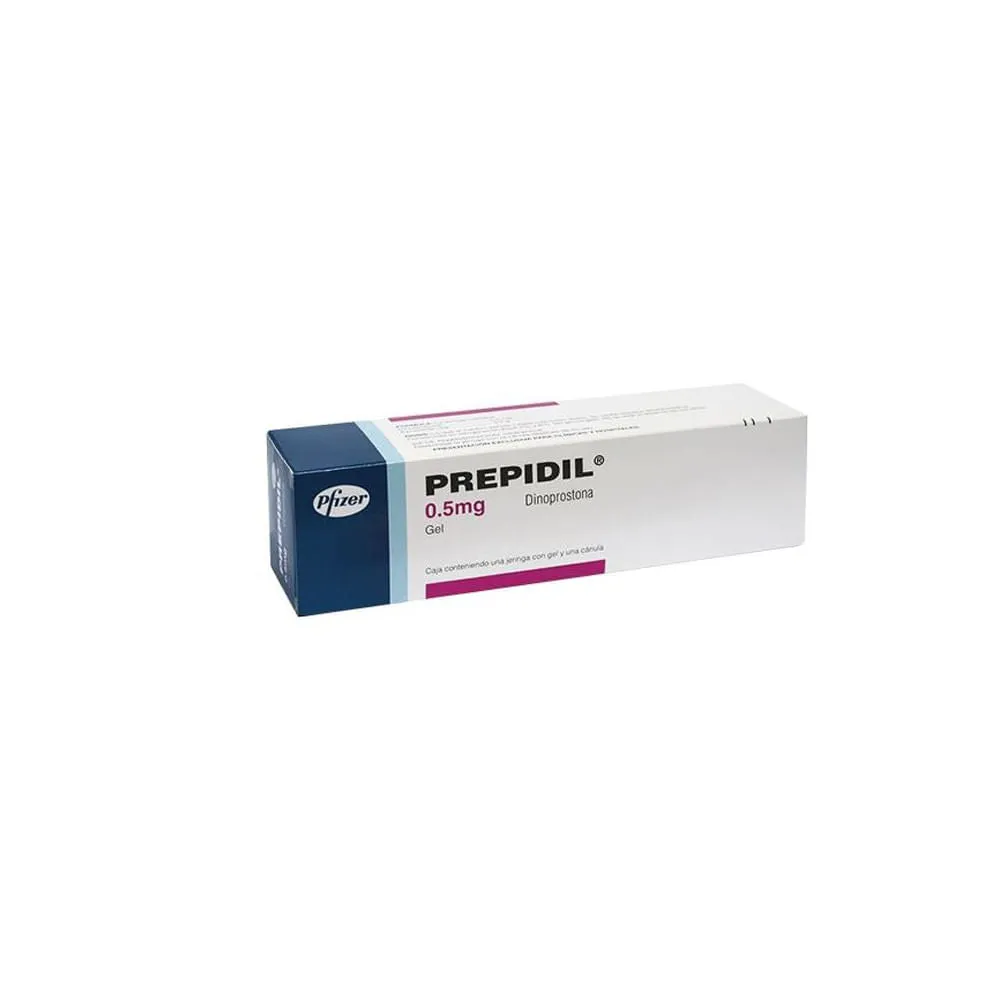
Table of Contents
- Patient Information Leaflet
- 1. What Prepidil is and what it is used for
- 2. Information before using Prepidil
- 3. How to use Prepidil
- 4. Possible adverse reactions
- 5. How to store Prepidil
- 6. Contents of the pack and other information
- Information intended exclusively for professional medical personnel:
Patient Information Leaflet
Warning! Keep this leaflet. The information on the immediate packaging is in a foreign language.
Prepidil
500 μg/3 g, cervical gel
Dinoprostone
Please read the entire leaflet carefully before using this medicine, as it contains important information for you.
- Keep this leaflet, so you can read it again if necessary.
- Consult your doctor or pharmacist if you have any further questions.
- This medicine has been prescribed for a specific individual. Do not pass it on to others. It may harm other people, even if their symptoms are the same.
- If any of the side effects worsen, or if you experience any side effects not listed in this leaflet, inform your doctor, pharmacist, or nurse. See section 4.
Table of contents:
- What Prepidil is and what it is used for
- Important information before using Prepidil
- How to use Prepidil
- Possible side effects
- How to store Prepidil
- Contents of the pack and other information
1. What Prepidil is and what it is used for
Prepidil is used to assist in the induction of labour when this is necessary for obstetric or medical reasons. Dinoprostone is a prostaglandin that promotes cervical ripening. Prostaglandins may stimulate smooth muscle contraction and modulate the response of these organs to hormonal stimuli.
2. Information before using Prepidil
When not to use Prepidil:
- if the patient is allergic to prostaglandins or to any of the other ingredients of this medicine (listed in section 6).
- if the patient has contraindications to drugs that enhance uterine contractions or in whom prolonged uterine contractions are contraindicated, for example in the following cases:
- grand multiparity (six or more full-term pregnancies),
- delayed engagement of the fetal head,
- previous uterine surgery, such as caesarean section or hysterectomy,
- cephalopelvic disproportion,
- acute obstetric conditions in which the benefit-to-risk ratio for the fetus or mother favors surgical intervention,
- fetal presentation other than cephalic,
- clinical suspicion of early fetal distress based on fetal heart activity,
- lower genital tract infection,
- undiagnosed vaginal discharge and (or) abnormal bleeding during pregnancy,
- history of difficult and (or) traumatic delivery,
- presenting part above the pelvic inlet,
- active heart, lung, kidney or liver disease,
- placenta praevia.
Warnings and precautions
Prepidil should be used only in hospitals and clinics with specialized obstetric departments and only when 24-hour medical care is ensured.
Careful monitoring of uterine contractions, fetal condition, and cervical characteristics (dilation, softening, and effacement) is required before and during administration to detect any adverse reactions, such as excessive uterine tone or sustained uterine contractions, or signs of fetal distress. In patients with a history of uterine hypertension or excessive uterine contractility, the physician should prescribe continuous monitoring of uterine contractions and of the condition of both mother and fetus.
Caution is required when administering Prepidil to patients with circulatory, liver or kidney disorders, active asthma or asthma, glaucoma (or elevated intraocular pressure), epilepsy, arterial hypertension, ruptured membranes, as well as in patients with multiple pregnancy. In case of persistent strong contractions, the risk of uterine rupture should always be considered.
Before administration of Prepidil, cephalopelvic proportions should be carefully assessed.
Treatment of patients with excessive uterine wall tension or excessive contractility, or in whom fetal heart activity raises concern, should aim to maintain good general condition of both fetus and mother.
As with all substances with oxytocin-like effects, in case of excessive uterine activity or abnormal uterine pain, the possibility of uterine rupture should be considered. Consequences of uterine rupture may include entry of fetal-origin embolic tissue material (including amniotic fluid) into the maternal circulation. Due to the presence of fetal antigens in this tissue material, the woman may develop an anaphylactoid reaction, known as "amniotic fluid embolism" (Anaphylactoid Syndrome of Pregnancy). The use of exogenous prostaglandins may enhance the response to oxytocin.
Prepidil should not be applied above the internal cervical os, as excessive uterine stimulation has been observed with extra-amniotic administration.
Other medicines and Prepidil
Prostaglandins enhance the effect of oxytocin on the uterus; therefore, they should not be administered simultaneously. If these drugs are used consecutively, close monitoring of the patient is recommended. The recommended interval between intravenous oxytocin administration and use of Prepidil is 6 to 12 hours.
You should inform your doctor about any alcohol consumption and about all medicines currently used or used recently, as well as any medicines the patient plans to take.
The possibility of concomitant use of Prepidil and other medicines should be discussed with a doctor.
Use of Prepidil in patients with impaired kidney and (or) liver function
Patients with severe kidney and (or) liver disease associated with metabolic disturbances should be under close observation.
Prepidil with food and drink
You should inform your doctor about any alcohol consumption.
Pregnancy and breastfeeding
Prepidil is used only during pregnancy to assist in the induction of labor.
3. How to use Prepidil
Prepidil is intended solely for use by a physician or under medical supervision in hospitals and clinics equipped with devices for monitoring the patient's condition and that of her child.
The physician determines the dosage and frequency of administration. In case of doubt, consult a physician.
(See Information intended exclusively for healthcare professionals).
4. Possible adverse reactions
Like all medicines, this medicine can cause adverse reactions, although not everybody will experience them.
The frequency and severity of adverse reactions with Prepidil are dose-dependent and to some extent also
dependent on the route of administration. The following adverse reactions have been observed during the use of Prepidil:
In the mother:
- hypersensitivity reactions (e.g. anaphylactic reaction, anaphylactic shock, pseudoanaphylactic reaction),
- abnormal uterine contractions (increased in frequency, intensity, and duration), with or without changes in fetal heart rate,
- arterial hypertension,
- cardiac arrest,
- uterine rupture,
- nausea, vomiting, and diarrhoea,
- pulmonary embolism/amniotic fluid embolism,
- transient crackles heard on lung auscultation,
- bronchospasm/asthma,
- dyspnoea,
- chest tightness,
- cough,
- back pain,
- placental abruption,
- sudden cervical dilation,
- fever,
- sensation of warmth, pain, irritation at the vaginal site,
- rash. Patients may develop increased body temperature and white blood cell count; these symptoms resolve after discontinuation of treatment.
In the fetus/newborn:
- fetal distress/abnormalities in fetal heart rate during or following treatment with Prepidil,
- preterm delivery,
- fetal death, stillbirth, neonatal death; particularly following severe adverse reactions such as uterine rupture,
- newborn condition assessed at less than 7 points on the Apgar scale,
- fetal acidosis.
As with any other medication administered intra-amniotically, the risk of local infections due to extra-amniotic administration should be considered.
If infection occurs, appropriate treatment should be initiated.
Other adverse reactions not listed above may occur following the use of Prepidil.
Reporting of adverse reactions
If any adverse reactions occur, including any adverse reactions not listed in this leaflet, inform your doctor, pharmacist, or nurse.
Adverse reactions can be reported directly to the Department of Monitoring Adverse Drug Reactions of the Office for Registration of Medicinal Products, Medical Devices and Biocidal Products
Al. Jerozolimskie 181C
02-222 Warsaw
Phone: +48 22 49 21 301
Fax: +48 22 49 21 309
Website: https://smz.ezdrowie.gov.pl
Reporting adverse reactions helps to provide more information on the safety of the medicine.
5. How to store Prepidil
Store in a refrigerator (2°C - 8°C).
Keep in a place out of sight and reach of children.
Do not use this medicine after the expiry date stated on the packaging. The expiry date refers to the last day of the stated month.
Medicines must not be disposed of via wastewater or household waste. Ask your pharmacist how to dispose of medicines no longer required. These measures help protect the environment.
6. Contents of the pack and other information
What Prepidil contains
- The active substance is dinoprostone (dinoprostonum). 3 g of gel contains 500 micrograms of dinoprostone.
- The other ingredients are: colloidal anhydrous silica, triacetin.
What Prepidil looks like and contents of the pack
3 g of gel in a polyethylene syringe contained in a sterile package, and an applicator catheter made of synthetic material contained in a sterile package, in a cardboard box.
For more detailed information, please contact the responsible party or the parallel importer.
Responsible party in Croatia, country of export:
Pfizer Croatia d.o.o.
Slavonska avenija 6, 10000 Zagreb, Croatia
Manufacturer:
Pfizer Manufacturing België NV
Rijksweg 12, 2870 Puurs, Belgium
Parallel importer:
Delfarma Sp. z o.o.
ul. Św. Teresy od Dzieciątka Jezus 111
91-222 Łódź
Repackaged in:
Delfarma Sp. z o.o.
ul. Św. Teresy od Dzieciątka Jezus 111
91-222 Łódź
Marketing authorisation number in Croatia, country of export: HR-H-599786838-01
Parallel import authorisation number: 353/24
Information intended exclusively for professional medical personnel:
For proper administration of the medication, the patient should be in a supine position with a vaginal speculum inserted.
The entire contents of the syringe (500 μg dinoprostone = 3 g of Prepidil gel) should be aseptically administered into the cervical canal using the plastic catheter provided in the packaging. Prepidil gel must not be administered above the internal os of the cervix. After administration, the patient should remain in the supine position for at least 15 minutes to minimize leakage of the gel.
The contents of the syringe are intended for use in a single patient only. Do not attempt to administer any small amount of gel remaining in the plastic catheter.
Avoid contact of the medication with the skin and wash hands after administration.
After use, dispose of the syringe, plastic catheter, and any unused parts of the packaging according to local regulations.
INSTRUCTIONS FOR USE OF THE SYRINGE
Remove the sterile plastic catheter and the sterile syringe from the outer packaging.
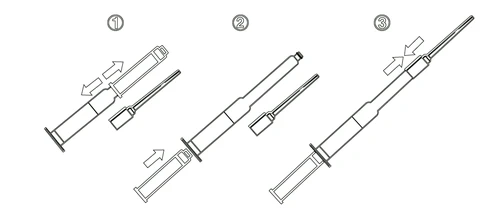
- Remove the protective cap (the cap will serve as a plunger extension).
- Insert the cap into the syringe.
- Firmly attach the free end of the sterile plastic catheter to the end of the syringe. Proper attachment is confirmed by an audible "click." Administration of the gel may then begin.
In case of administration of a dose higher than recommended of Prepidil
Prepidil is available only in single-dose packaging; therefore, symptoms of overdose may normally occur only in patients hypersensitive to the drug. Symptoms of overdose may include excessive uterine tone or abnormally intense or frequent uterine contractions, which may lead to fetal distress.
In case of overdose, symptomatic treatment should be initiated. If excessive uterine stimulation and/or fetal distress persists after discontinuation of Prepidil, intravenous administration of a beta-mimetic may be beneficial. If symptomatic treatment proves ineffective, immediate delivery should be considered.
Explanation of symbols on the catheter packaging
STERILE ENDOCERVICAL CATHETER – sterile endocervical catheter

Medical device

Single sterile barrier system, sterilized by radiation

For single use only

Do not re-sterilize

Do not use if packaging is damaged

Expiry date of the catheter

Catheter batch number

Catheter manufacturer