Nitrous oxide n2o
Poland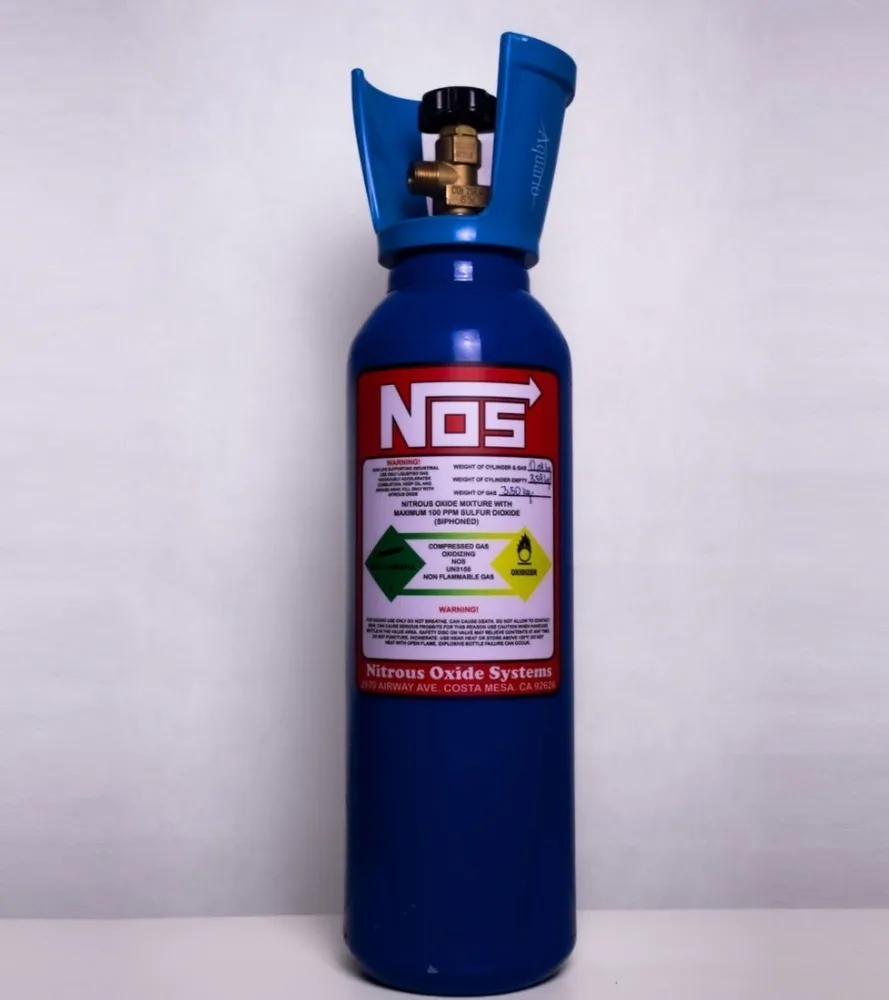
Table of Contents
- Package leaflet: information for the patient
- 1. What the medicine is and what it is used for
- 2. Important information before using the medicine
- 3. How to use the medicine
- 4. Possible adverse reactions
- 5. How to store the medicinal product
- 6. Contents of the packaging and other information
- Information intended exclusively for healthcare professionals:
Package leaflet: information for the patient
NITROUS OXIDE N O, medicinal gas
Dinitrogenii oxidum
Please read the entire leaflet carefully before using the medicine, as it contains
important information for the patient.
- Keep this leaflet, as you may need to read it again.
- If you have any doubts, please consult your doctor or pharmacist.
- This medicine has been prescribed for a specific individual. Do not pass it on to others. The medicine may harm another person, even if their symptoms are the same.
- If the patient experiences any adverse reactions, including any not listed in this leaflet, inform the doctor, pharmacist, or nurse. See section 4.
Table of contents:
- What the medicine is and what it is used for
- Important information before using the medicine
- How to use the medicine
- Possible side effects
- How to store the medicine
- Contents of the package and other information
1. What the medicine is and what it is used for
is a gas with analgesic and anesthetic properties. It is not metabolized in the body and is exhaled unchanged in the expired air – for use exclusively in closed medical settings.
For induction and maintenance of general anesthesia in combination with other anesthetics (inhalational or intravenous).
In a mixture with oxygen, to achieve an analgesic effect caused by light anesthesia without loss of consciousness (e.g. wound dressing changes, diagnostic examinations, obstetric analgesia).
2. Important information before using the medicine
When not to use the medicine:
- Nitrous oxide must not be administered without the addition of oxygen or in a breathing mixture containing less than 30% oxygen. The duration of administration in a mixture with oxygen should not exceed 12 hours.
- If the patient is allergic to the active substance or to any of the other components of this medicine (listed in section 6).
Warnings and precautions
Before starting treatment, discuss this with your doctor.
If the patient has or has had problems with substance abuse or psychoactive drugs, the risk of developing dependence on nitrous oxide is higher with repeated use. The doctor will decide whether it is safe to use in such cases.
Caution is advised in cases of hypovolemia, shock, or heart disease – due to the risk of severe hypotension.
Repeated or prolonged use of nitrous oxide may increase the risk of vitamin B12 deficiency, which can lead to bone marrow or nervous system damage.
The doctor may order blood tests before and after administration of nitrous oxide to assess potential effects of vitamin B12 deficiency.
Medicines and other drugs
When used concomitantly with medicines that have a depressant effect on the central nervous system or the respiratory system, or that cause hypotension, nitrous oxide may enhance these effects.
When used in combination with high doses of fentanyl (and its derivatives), it may cause bradycardia and reduced cardiac output. These effects may be particularly pronounced in patients with left ventricular failure.
Pregnancy, breastfeeding and fertility
If the patient is pregnant, breastfeeding, suspects she may be pregnant, or is planning to have a child, she should consult her doctor before using this medicine.
Animal studies have shown a potential risk of fetal resorption, growth retardation, and skeletal developmental disorders following prolonged administration of nitrous oxide.
Driving and operating machinery
Nitrous oxide impairs the ability to drive motor vehicles or operate moving machinery.
3. How to use the medicine
Exclusively as directed by the physician. Nitrous oxide is administered in a mixture with oxygen and, if necessary, with other inhalational or intravenous anaesthetic agents, using special, calibrated inhalation devices or anaesthesia equipment. It is usually dosed via a flowmeter measuring in litres per minute. It is most commonly used in a mixture with oxygen at a volume ratio of 70% nitrous oxide and 30% oxygen to maintain anaesthesia, or at a ratio of 50% nitrous oxide and 50% oxygen for inducing short-term analgesia.
Discontinuation of the medicine
The only potential symptoms may be signs of hypoxia occurring at the end of nitrous oxide administration and upon resuming breathing of atmospheric air. Due to sudden interruption of nitrous oxide inhalation, nitrous oxide diffuses out from the tissues, increasing its volume in the pulmonary alveoli, which leads to dilution of oxygen in the air. As a preventive measure, the supply of nitrous oxide should be discontinued sufficiently early and the patient should be ventilated with pure oxygen to eliminate nitrous oxide from the tissues.
4. Possible adverse reactions
Like all medicines, this medicine can cause adverse reactions, although not everyone experiences them.
Nitrous oxide used in general anaesthesia does not produce any adverse symptoms. After surgical procedures, nausea and vomiting may occur. With prolonged use, leukopenia or thrombocytopenia and megaloblastic anaemia (especially in cases of vitamin B12 deficiency) may develop; these resolve after returning to breathing air. Due to its easy diffusion into closed spaces, it may increase their volume or pressure (middle ear, paranasal sinuses, distended bowel loops, pneumothorax).
Generalized epileptic seizures of unknown frequency.
Of unknown frequency (frequency cannot be estimated from available data):
Page 2 of 4
- Dependence
- Neurological symptoms, sensation of numbness and weakness, usually in the legs.
Reporting of adverse reactions
If any adverse reactions occur, including any adverse reactions not listed in this leaflet, inform a doctor, pharmacist, or nurse. Adverse reactions can be reported directly to the Department of Monitoring Adverse Drug Reactions at the Office for Registration of Medicinal Products, Medical Devices and Biocidal Products:
al. Jerozolimskie 181C, 02-222 Warsaw, tel.: 22 49-21-301, fax: 22 49-21-309,
website: https://smz.ezdrowie.gov.pl
Adverse reactions can also be reported to the marketing authorization holder.
Reporting adverse reactions helps to provide more information on the safety of the medicine.
5. How to store the medicinal product
The medicinal product should be stored in a place inaccessible and not visible to children.
In accordance with applicable regulations concerning pressure vessels, nitrous oxide must be stored exclusively in original cylinders filled by the manufacturer and approved for use by the Technical Supervision Authority (UDT).
Use of cylinders for purposes other than intended, as well as refilling by the user or third parties, is prohibited. Upon receipt of cylinders containing nitrous oxide, check whether the heat-shrinkable foil securing the valve is intact. In case of damaged foil, refuse acceptance. Before use, the cylinder must be kept at a temperature of 20°C for at least 6 hours. The nitrous oxide cylinder must be stored in an upright position and secured against falling over, as well as against direct sunlight or other sources of heat. Protect valves and pressure regulators from contamination with grease or oils. Before attaching the threaded connector, briefly open the valve to remove any dust particles. Check the sealing ring of the threaded connector.
A cylinder should be considered empty when the pressure inside the cylinder at room temperature drops to 5 bar.
Do not use this medicinal product after the expiry date stated on the label of the cylinder.
Shelf life: 3 years
6. Contents of the packaging and other information
What the medicinal product contains
The cylinder contains nitrous oxide N₂O – (M.wt. 44.01) in liquid form.
N₂O – non-flammable, colourless, odourless and tasteless gas which supports combustion.
1 litre of nitrous oxide at a pressure of 760 mm Hg and temperature of 0°C weighs 1.977 g.
What the medicinal product looks like and contents of the packaging
Cylinder with a water capacity of 10 litres containing 7 kg of liquid nitrous oxide (at 15°C the pressure in the cylinder is approximately 50 bar).
Cylinder with a water capacity of 40 litres containing 28 kg of liquid nitrous oxide (at 15°C the pressure in the cylinder is approximately 50 bar).
Page 3 of 4
Marketing Authorisation Holder
Linde Gaz Polska Sp. z o.o.
ul. prof. Michała Życzkowskiego 17
31-864 Kraków
Manufacturer
Linde Gaz Polska Sp. z o.o.
Kościan Plant
ul. Przemysłowa 17
64-000 Kościan
Linde Gaz Polska Sp. z o.o.
Tarnów Plant
ul. Żwirowa 4
33-100 Tarnów
Linde Gaz Polska Sp. z o.o.
Łódź Plant
ul. Traktorowa 145
91-204 Łódź
Linde Gaz Polska Sp. z o.o.
Warsaw Plant
ul. Kasprowicza 132
01-949 Warsaw
Linde Gaz Polska Sp. z o.o.
ul. prof. Michała Życzkowskiego 17
31-864 Kraków
Linde Gaz Polska Sp. z o.o.
Biskupice Podgórne Plant
ul. LG 2, Biskupice Podgórne
55-040 Kobierzyce
Information intended exclusively for healthcare professionals:
Repeated administration or exposure to nitrous oxide may lead to dependence.
Caution should be exercised in the case of healthcare personnel professionally exposed to nitrous oxide.
Page 4 of 4