Nitrous oxide air products
Poland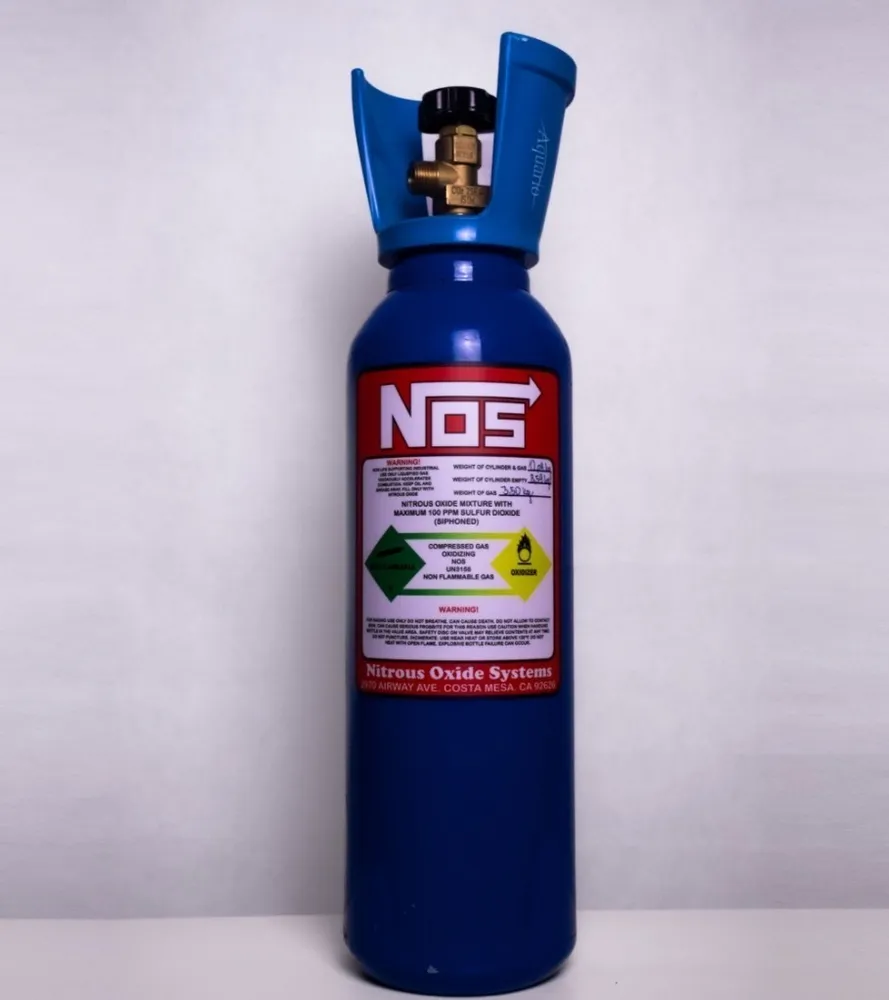
Table of Contents
Package leaflet: Information for the user
Nitrous oxide AIR PRODUCTS, 100% v/v, medicinal liquefied gas
Nitrous oxide Please read all of this leaflet carefully before use,
because it contains important information for the patient.
- Keep this leaflet, as you may need to read it again.
- If you have any further questions, please consult your doctor.
- This medicine has been prescribed for a specific individual. Do not pass it on to others. The medicine may harm another person, even if their symptoms are the same as yours. If you experience any adverse effects, including any not listed in this leaflet, inform your doctor. See section 4.
Leaflet contents:
- What Nitrous oxide AIR PRODUCTS is and what it is used for
- Important information before using Nitrous oxide AIR PRODUCTS
- How to use Nitrous oxide AIR PRODUCTS
- Possible side effects
- How to store Nitrous oxide AIR PRODUCTS
- Contents of the pack and other information
1. What Nitrous oxide AIR PRODUCTS is and what it is used for
Pharmaceutical group
Nitrous oxide AIR PRODUCTS is an inhaled gas and belongs to the group of other general anesthetics.
What is Nitrous oxide AIR PRODUCTS used for?
- Nitrous oxide AIR PRODUCTS, administered in a mixture with oxygen, is used as an analgesic agent with weak anesthetic properties during short-term, painful procedures, e.g. after an accident, in burns, dental procedures, childbirth, and otolaryngological surgery. This mixture always consists of 50% nitrous oxide and 50% oxygen.
- The mixture of Nitrous oxide AIR PRODUCTS with oxygen is also used as a basic anesthetic agent in combination with other inhaled or intravenous anesthetics. In such cases, the mixture composition varies: the content of medical oxygen in the mixture is at least 21% v/v.
2. Information before using the medicinal product Nitrous oxide AIR PRODUCTS
When not to use Nitrous oxide AIR PRODUCTS
- If the patient is regularly or continuously breathing medical oxygen.
- If air or another gas may accumulate in the body. Especially in untreated pneumothorax, where gas accumulates within the pleural cavity, free gas in the abdominal cavity, pulmonary emphysema, or decompression sickness.
- If the patient has disorders of consciousness that prevent cooperation with the physician.
- In case of acute intestinal obstruction.
- In the presence of increased intracranial pressure characterized by severe headaches, loss of visual acuity, elevated cerebrospinal fluid pressure, cranial nerve palsy, and disturbances of consciousness.
- In case of facial injuries in the area where the mask is to be placed.
- After intravitreal injection of gas (SF_, C__F_) into the eye, due to the risk of further gas expansion which may lead to vision loss.
- In case of vitamin B__ deficiency during early stages of pregnancy.
Leaflet included in the packaging of Nitrous oxide AIR PRODUCTS
Warnings and precautions.
Before starting treatment with Nitrous oxide AIR PRODUCTS, discuss this with your doctor:
- If you have or have had problems with drug abuse in the past, there is an increased risk of dependence on nitrous oxide if used repeatedly. In such cases, your doctor will decide whether treatment with Nitrous oxide AIR PRODUCTS is appropriate for you.
- In case of vitamin B__ deficiency, pernicious anemia (Biermer's anemia), Crohn’s disease (recurrent (severe) inflammatory bowel conditions associated with diarrhea, abdominal pain, fever, and weight loss), or vegetarian diet.
- In case of heart failure or other cardiac disorders.
- In case of significant hypotension caused by shock or heart failure.
- In case of sickle cell anemia (a blood disorder in which red blood cells have an abnormal shape).
- During childbirth, when administration of medical nitrous oxide in combination with opioids (medicines containing opium) is not recommended, as it may reduce the level of consciousness.
- After an intravitreal injection, an appropriate amount of time must be waited to avoid the risk of visual disturbances.
- When concurrently using benzodiazepines (a group of medicines with relaxing, calming, and muscle-relaxant effects), as loss of consciousness may occur.
- During treatment with bleomycin (an anticancer medicine).
Repeated or prolonged use of nitrous oxide may increase the risk of vitamin B__ deficiency, which can lead to bone marrow or nervous system damage.
Your doctor may decide to perform blood tests before and after treatment to assess possible vitamin B__ deficiency.
Nitrous oxide AIR PRODUCTS and other medicines
Inform your doctor about all medicines you are currently taking or have recently taken, including those obtained without a prescription.
NOTE: The following considerations may also apply to medicines used before administration of Nitrous oxide AIR PRODUCTS or for some time after discontinuation.
- Intravenous or inhaled anesthetics enhance the effect of Nitrous oxide AIR PRODUCTS.
- Morphine derivatives (opioids) show additive analgesic and sedative effects when used with Nitrous oxide AIR PRODUCTS.
- Benzodiazepines and barbiturates (a group of medicines with calming and/or muscle-relaxant effects) enhance the effect of Nitrous oxide AIR PRODUCTS.
- Certain muscle relaxants (e.g., pancuronium, vecuronium) enhance the effect of Nitrous oxide AIR PRODUCTS.
- Nitrous oxide AIR PRODUCTS inactivates vitamin B__, thereby increasing the toxicity of sodium nitroprusside (a medicine for hypertension) and methotrexate (a medicine used, among others, in rheumatism and cancer diseases).
- Bleomycin (an anticancer medicine) increases the risk of lung injury due to elevated oxygen concentration during anesthesia.
Use of Nitrous oxide AIR PRODUCTS with food and drink
If Nitrous oxide AIR PRODUCTS is used as an anesthetic, avoid eating or drinking from midnight the night before the procedure. Nitrous oxide AIR PRODUCTS, used alone or in combination with other medicines, may cause nausea or vomiting.
See section 4 "Possible side effects."
Leaflet included in the packaging of Nitrous oxide AIR PRODUCTS
Pregnancy, breastfeeding, and fertility
If the patient is pregnant or breastfeeding, suspects she may be pregnant, or is planning to have a child, she should consult a doctor or pharmacist before using this medicine.
Pregnancy
Limited data on short-term use of Nitrous oxide AIR PRODUCTS in pregnant women do not confirm an increased risk of congenital malformations. Nitrous oxide AIR PRODUCTS may rarely cause respiratory disturbances (reduced respiratory rate) in the newborn. Nitrous oxide AIR PRODUCTS may be used during pregnancy only if strictly necessary. Frequent or prolonged use should be avoided.
Breastfeeding
There is no data available on whether Nitrous oxide AIR PRODUCTS passes into human milk. However, after short-term administration of Nitrous oxide AIR PRODUCTS, interruption of breastfeeding is not necessary.
Driving and operating machinery
Nitrous oxide AIR PRODUCTS significantly impairs the ability to drive and operate machinery. A waiting period of 24 hours is required after complete anesthesia with Nitrous oxide AIR PRODUCTS in combination with another anesthetic or analgesic.
After short-term administration of Nitrous oxide AIR PRODUCTS for pain relief, the patient should remain under observation until all adverse effects have subsided and full consciousness prior to administration is regained.
3. How to use Nitrous Oxide AIR PRODUCTS
Nitrous Oxide AIR PRODUCTS must always be used as directed by a physician. If in doubt, consult your doctor.
The dosage will be determined by the physician.
Short-term use for pain relief
Nitrous Oxide AIR PRODUCTS is administered as a short-acting analgesic only in a mixture with an equal volume of oxygen (50% v/v nitrous oxide and 50% v/v oxygen).
Maximum administration time: no longer than 1 hour of continuous administration per day. The procedure should not be repeated for more than 15 consecutive days.
Use as a primary component of general anaesthesia (anaesthetic)
Nitrous Oxide AIR PRODUCTS is administered as a component of balanced general anaesthesia, mixed with at least 21% v/v oxygen. Nitrous Oxide AIR PRODUCTS at its maximum permitted concentration (79%) is insufficient to achieve general anaesthesia and is therefore used in combination with other anaesthetic agents, either inhalational or intravenous. This combination ensures faster uptake of both anaesthetic gases and reduces the effective dose of the second anaesthetic agent used (inhalational or intravenous). The onset of action usually occurs within 2 to 5 minutes.
Prior to administering an intravenous anaesthetic agent together with nitrous oxide, the dose of the intravenous agent should be calculated. In such cases, the maximum concentration of Nitrous Oxide AIR PRODUCTS administered must not exceed 70% v/v.
Follow the supplier's instructions, bearing in mind in particular that:
- If the gas cylinder is visibly damaged, or if damage or exposure to extreme temperatures is suspected, it must not be used.
- Avoid contact with oils, greases, and other hydrocarbons.
- Use only cylinders designated for the specific gas, together with appropriate equipment.
Leaflet included in the Nitrous Oxide AIR PRODUCTS packaging
- Do not use pliers or other tools when opening or closing the cylinder valve, to prevent damage.
- Do not modify the packaging.
- In case of leakage, close the gas valve immediately, if this can be done safely. If the cylinder valve cannot be closed, leave the cylinder to empty in a safe outdoor location.
- Close the valves of empty cylinders tightly.
- Do not apply pressure to the administered gas.
- Before opening the cylinder valve, place the cylinder in an upright position and maintain this position throughout gas administration.
- Nitrous oxide may cause sudden ignition of smouldering or glowing materials. Therefore, smoking or using open flames near gas cylinders is strictly prohibited.
- Nitrous oxide is a non-toxic gas heavier than air and increases fire risk. It may form explosive mixtures with flammable anaesthetic gases or vapours, even in the absence of oxygen.
- Rooms where the gas is used, including central storage areas, distribution systems, pipes, outlets, and connections, must comply with applicable regulations.
- Nitrous Oxide AIR PRODUCTS may only be administered if the pressure and flow rate from the cylinder to the patient are properly controlled.
- Nitrous Oxide AIR PRODUCTS must be administered simultaneously with medical oxygen via a safety-protected gas mixer; the pressure of nitrous oxide in the pipelines must always be lower than the oxygen pressure.
- When using a variable mixer, monitoring gas concentration with an oxygen analyser is recommended.
- After use, return the cylinder to the supplier.
Instructions for use of Nitrous Oxide AIR PRODUCTS
Nitrous Oxide AIR PRODUCTS may be administered only by appropriately trained personnel using suitable equipment and a properly fitted facial mask.
Administer only in well-ventilated rooms, using (central) gas extraction systems.
Use of a higher than recommended dose of Nitrous Oxide AIR PRODUCTS
Overdosing with Nitrous Oxide AIR PRODUCTS may cause acute hypoxia. In case of overdose, administration of Nitrous Oxide AIR PRODUCTS must be stopped immediately, and the patient should be actively or passively ventilated with air or oxygen until normal blood oxygen levels are restored.
Discontinuation of Nitrous Oxide AIR PRODUCTS administration
After termination of Nitrous Oxide AIR PRODUCTS administration with medical oxygen, acute hypoxia may occur due to the elimination of Nitrous Oxide AIR PRODUCTS from the body into the lungs. Ventilation with 100% medical oxygen may be necessary to prevent hypoxia.
If you have any further questions regarding the use of this medicine, consult your doctor.
Leaflet included in the Nitrous Oxide AIR PRODUCTS packaging
4. Possible adverse effects
Like any medicine, Nitrous oxide AIR PRODUCTS can cause adverse effects, although
they do not occur in everyone.
Frequency of adverse effects:
- Very common (may occur in more than 1 in 10 patients)
- Common (may occur in up to 1 in 10 patients)
- Uncommon (may occur in up to 1 in 100 patients);
- Rare (may occur in up to 1 in 1000 patients)
- Very rare (may occur in up to 1 in 10,000 patients)
- Not known (frequency cannot be estimated from available data)
These adverse effects are classified by system organ classes. Exact data on the frequency of adverse
effects are not available, but frequency increases with dose and frequency of administration. Nausea and
vomiting are the most commonly observed adverse effects.
Blood and lymphatic system disorders:
There have been reports of serious changes in total blood cell count (megaloblastic anaemia,
granulocytopenia) after administration for more than 24 hours. A single exposure not exceeding 6 hours is
considered not to pose a risk.
Cardiac disorders:
Nitrous oxide AIR PRODUCTS may very rarely cause cardiac arrhythmias and heart failure.
Congenital, familial and genetic disorders:
There have been reports of very rare cases of congenital malformations in children of medical and
paramedical staff following repeated exposure.
Ear disorders:
Temporary increase in pressure and (or) volume of the middle ear space occurs (common).
Eye disorders:
(Common) Temporary increase in pressure and (or) volume of the eye, eye pain, retinal artery occlusion
(supplying blood to the membrane at the back of the eye), and loss of vision may occur.
Gastrointestinal disorders:
Nausea and vomiting (very common).
Temporary increase in pressure and (or) volume of the intestines and abdominal cavity.
General disorders and administration site conditions:
Gait disturbances (very rare).
Hepatobiliary disorders:
Very rarely, liver cell death (necrosis) has been observed.
Injury, poisoning and procedural complications:
Cerebral hyperperfusion syndrome and complications related to medical equipment used (increased
pressure in gas-filled balloons) (very rare).
Metabolism and nutrition disorders:
Very rarely, vitamin B deficiency and increased blood levels of the amino acid homocysteine
(hyperhomocysteinemia) have been observed (may occur after a single exposure not exceeding 6 hours).
Patient Information Leaflet Nitrous oxide AIR PRODUCTS
Musculoskeletal and connective tissue disorders:
Muscle weakness (very rare).
Nervous system disorders:
Paralysis, degeneration (subacute combined degeneration) of the spinal cord, simultaneous damage to
multiple peripheral nerves (peripheral neuropathy) (rare).
Very rarely, in individuals without vitamin B deficiency, after a single exposure not exceeding 6 hours,
weakness of both legs (paraparesis), spinal cord disorders (myelopathy), and peripheral nerve damage
(peripheral neuropathy) have been observed.
Epileptic seizures, increased intracranial pressure, brain disorders (encephalopathy), sensory
disturbances, abnormal reflexes, headache, and reduced level of consciousness (very rare).
Generalized epileptic seizures of unknown frequency.
Effects on nerve function, sensation of numbness and weakness, usually in the legs (frequency not known).
Psychiatric disorders:
Sensory disturbances such as false or distorted perceptions (hallucinations) may sometimes occur.
Hallucinations may appear if no other anaesthetic agents are used concomitantly. However, nitrous oxide
is usually used in combination, as it only supports anaesthetic action.
Psychoses (severe mental disorders impairing control over one's behaviour and actions), confusion,
euphoria, and anxiety (very rare).
Dependence (frequency not known)
Reproductive system and breast disorders:
There have been reports of very rare cases of infertility in medical and paramedical staff following
repeated exposure.
Respiratory, thoracic and mediastinal disorders:
Hypoxia may occur for several minutes after discontinuation of nitrous oxide administration (very common).
Lung collapse and presence of air in the pleural cavity (pneumothorax) (very rare).
Vascular disorders:
Hypotension, shock (very rare).
Reporting of adverse effects
If any of the adverse effects worsen or if any adverse effects not listed in this leaflet occur, inform your
doctor.
Adverse effects can be reported directly to the Department of Monitoring Adverse Drug Reactions at the
Office for Registration of Medicinal Products, Medical Devices and Biocidal Products, Al. Jerozolimskie 181C,
02-222 Warsaw
Tel.: + 48 22 49 21 301
Fax: + 48 22 49 21 309
Email: [email protected]
Patient Information Leaflet Nitrous oxide AIR PRODUCTS
5. How to store Podtlenek azotu AIR PRODUCTS
The medicinal product should be stored out of sight and reach of children.
Do not use Podtlenek azotu AIR PRODUCTS after the expiry date stated on the label. The expiry date refers to the last day of the specified month.
- Gas cylinders must be stored at temperatures between -25°C and +65°C. Gas cylinders must be kept in an upright position. Cylinders with rounded bases must be stored upright in a cage or crate.
- Protect gas cylinders from falling or shock, for example by securing them with straps or placing them in a cage.
- Gas cylinders must be stored in well-ventilated areas. Do not store in the same room as flammable materials.
- Store separately gas cylinders containing different types of gases, e.g. medical oxygen, or different gas mixtures.
- It is recommended to store empty and full cylinders separately.
- Do not store gas cylinders near sources of heat.
- Gas cylinders must be covered during storage and protected from exposure to weather conditions.
- Avoid contact with greases, oils, and hydrocarbons.
- Cylinder valves are equipped with a safety disc designed to prevent cylinder rupture under high internal pressure. The safety disc may rupture under excessive temperature, resulting in the release of cylinder contents. In such a case, do not enter the room where the cylinder is stored; ventilate the area adequately until the hazard is removed by a qualified specialist.
6. Contents of the pack and other information
What Podtlenek azotu AIR PRODUCTS contains
- The active substance is nitrous oxide, 100% v/v.
- The product does not contain any other ingredients.
What Podtlenek azotu AIR PRODUCTS looks like and contents of the pack
- Liquefied Podtlenek azotu AIR PRODUCTS is supplied in pressurized cylinders. The shoulder of the cylinder is blue in colour.
- Cylinders containing x litres of Podtlenek azotu AIR PRODUCTS contain y kilograms of this gas (mass equivalent) at 15°C.
| Nitrous oxide gas cylinders – Nitrous oxide AIR PRODUCTS | |||||||||||||
| Content (x) in litres | 0.5 | 1 | 2 | 3 | 4 | 5 | 7 | 10 | 13 | 15 | |||
| Amount of nitrous oxide in kilograms (y) | 0.375 | 0.75 | 1.50 | 2.25 | 3.00 | 3.75 | 5.25 | 7.50 | 9.75 | 11.25 | |||
| Content (x) in litres | 20 | 25 | 30 | 40 | 50 | 450 (9x50) | 600 (12x50) | 800 (16x50) | 900 (18x50) | ||||
| Amount of nitrous oxide in kilograms (y) | 15.00 | 18.75 | 22.50 | 30.00 | 37.50 | 337.50 | 450.00 | 600.00 | 675.00 | ||||
Some package sizes may not be available in certain countries.
Package leaflet for Podtlenek azotu AIR PRODUCTS
Marketing Authorisation Holder and Manufacturer
• Marketing Authorisation Holder:
For further information, contact the local representative of the Marketing Authorisation Holder:
Air Products Sp. z o.o.
ul. Komitetu Obrony Robotników 48
02-146 Warsaw
Poland
• Manufacturer:
Air Products spol. s r.o.
J. Š. Baara 2063/21
405 02 Děčín
Czech Republic
Air Products S.A.S.
Zone Industrielle de l’Epinoy – 59175 Templemars
France
Carburos Metálicos – Aranjuez
Carretera de Toledo 7 - 28300 Aranjuez (Madrid)
Spain
This medicinal product is authorised for marketing in the European Economic Area countries under the following names:
Netherlands: Distikstofoxide Medicinaal AIR PRODUCTS, 100% v/v, medicinaal gas, vloeibaar gemaakt - RVG 32959
Czech Republic: Medicinální oxid dusný Air Products, 100% obj., plyn pro inhalaci v kapalném skupenství formě
Portugal: Protóxido de azoto medicinal da GASIN, 100% v/v, gás de inalação no estado liquefeito sob pressão
Slovakia: Oxid dusný medicinálny AIR PRODUCTS 100% V/V plyn na inhaláciu
Hungary: Dinitrogén-oxid Air Products cseppfolyósított orvosi gáz, 100 térfogatszázalék, orvosi gáz, cseppfolyósított