Pedicetamol
Poland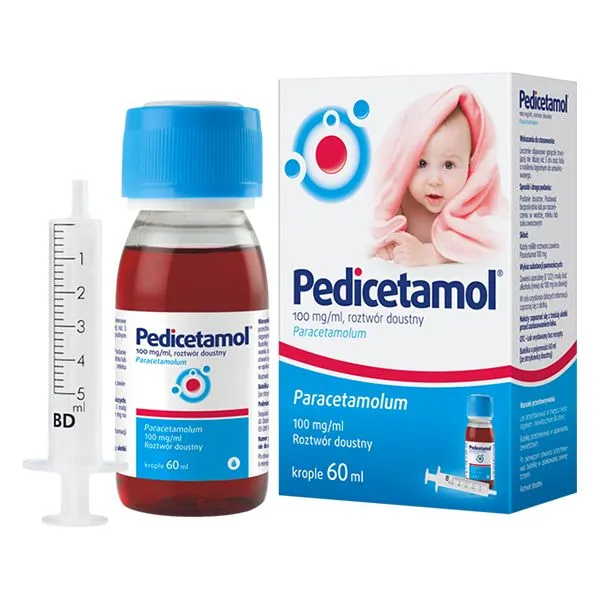
Table of Contents
Patient Information Leaflet: Information for the User
Warning! Please keep the leaflet. Information on the immediate packaging is in a foreign language.
Pedicetamol (Apiretal), 100 mg/ml, oral solution
Paracetamolum
Pedicetamol and Apiretal are different brand names for the same medicine.
Please read the entire leaflet carefully before taking this medicine, as it contains
important information for the patient.
This medicine should always be taken exactly as described in the patient leaflet or as directed by
the doctor, pharmacist, or nurse.
- Please keep this leaflet, so that you can read it again if necessary.
- If you have any questions, please consult your pharmacist.
- If any adverse reactions occur, including any possible adverse reactions not listed in this leaflet, inform your doctor, pharmacist, or nurse. See section 4.
- If there is no improvement or if the patient feels worse, if fever persists beyond 3 days, or if pain persists beyond 3 days in children or 5 days in adults (2 days in case of sore throat), contact a doctor.
Table of Contents
- What is Pedicetamol and what is it used for
- Important information before taking Pedicetamol
- How to take Pedicetamol
- Possible side effects
- How to store Pedicetamol
- Contents of the pack and other information
1. What is Pedicetamol and what is it used for
Pedicetamol belongs to a group of medicines known as analgesics (pain relievers) and antipyretics (fever reducers). This medicine is used to reduce fever lasting no more than 3 days and to relieve mild to moderate pain.
If there is no improvement or if the patient feels worse, if fever persists beyond 3 days, or if pain persists beyond 3 days in children or 5 days in adults (2 days in case of sore throat), medical advice should be sought.
2. Information before using Pedicetamol
When not to take Pedicetamol
- if the patient is allergic to paracetamol or any of the other ingredients of this medicine (listed in section 6).
Warnings and precautions
- before starting to take Pedicetamol, discuss this with your doctor, pharmacist, or nurse;
- consult your doctor before giving this medicine to children under 3 years of age;
- do not take a higher dose than the recommended dose indicated in section 3;
- if the patient has impaired kidney, heart, or lung function, or if the patient has anemia (reduced hemoglobin concentration in the blood, associated or not with reduced red blood cell count), or if glucose-6-phosphate dehydrogenase enzyme activity in the blood is low, contact a doctor before using this medicine;
- in case of liver disease (including Gilbert's syndrome), contact a doctor to discuss reducing the dose and/or increasing the intervals between doses;
- in patients with body weight below 50 kg due to anorexia, malnutrition, or dehydration, due to the risk of increased hepatotoxicity;
- drinking alcoholic beverages while taking paracetamol may cause liver damage;
- if high fever (>39°C) occurs, consult a doctor before using Pedicetamol;
- if pain persists for more than 3 days in children or 5 days in adults (2 days in case of sore throat), or if fever lasts longer than 3 days, or if symptoms worsen or new symptoms appear, discontinue treatment and consult a doctor;
- during treatment with Pedicetamol, immediately inform the doctor if the patient has severe illnesses, including severe kidney disorders or sepsis (when bacteria and their toxins circulate in the blood, leading to organ damage), malnutrition, chronic alcoholism, or if the patient is also taking flucloxacillin (an antibiotic). Cases of a serious condition called metabolic acidosis (an abnormality of blood and fluids) have been reported in patients taking paracetamol regularly for prolonged periods or when taking paracetamol together with flucloxacillin. Symptoms of metabolic acidosis may include: severe breathing difficulties, including rapid deep breathing, drowsiness, nausea, and vomiting.
Pedicetamol with other medicines
Tell your doctor or pharmacist about all medicines the patient is currently taking or has recently taken, as well as any medicines the patient plans to take.
In particular, when using medicines containing any of the following active substances, a dose adjustment or discontinuation of one of the following medicines may be necessary:
- antibiotics (chloramphenicol);
- oral anticoagulants (acenocoumarol, warfarin);
- oral contraceptives and estrogens;
- antiepileptic drugs (lamotrigine, phenytoin or other hydantoins, phenobarbital, methylphenobarbital, primidone, carbamazepine);
- antituberculosis drugs (isoniazid, rifampicin);
- barbiturates (used as hypnotics, sedatives, and anticonvulsants);
- activated charcoal, used in the treatment of diarrhea and flatulence;
- cholestyramine (used to reduce blood cholesterol levels);
- medicines used in the treatment of gout (probenecid and sulfinpyrazone);
- medicines used to relieve spasms and cramps of the stomach, intestine, and bladder (anticholinergic drugs);
- metoclopramide and domperidone (used to prevent nausea and vomiting);
- propranolol used in the treatment of high blood pressure (hypertension) and heart rhythm disorders (cardiac arrhythmias);
- zidovudine (used in the treatment of patients infected with human immunodeficiency virus causing AIDS);
- flucloxacillin (antibiotic) due to a serious blood and fluid disorder (called metabolic acidosis), which requires urgent treatment (see section 2).
Effect on laboratory tests:
If laboratory tests are planned (such as blood tests, urine tests, skin allergy tests, etc.), inform the doctor about the use of this medicine, as it may affect the results of these tests.
Pedicetamol with food, drink, and alcohol
Pedicetamol may be diluted with water, milk, or fruit juices. Use of paracetamol in patients who regularly consume alcohol (three or more alcoholic drinks per day) may cause liver damage.
Pregnancy, breastfeeding, and fertility
Before taking any medicine, consult a doctor or pharmacist.
Pedicetamol may be given to pregnant women if necessary. Use the lowest effective dose that adequately relieves pain or reduces fever, and take the medicine for the shortest possible time. If pain is not relieved or fever does not subside, or if it becomes necessary to increase the frequency of dosing, consult a doctor.
Paracetamol at therapeutic doses may be used during pregnancy and breastfeeding.
Driving and operating machinery
No symptoms affecting the ability to drive or operate machinery have been reported.
Pedicetamol contains azorubine (carmoisine) (E 122) and sodium (from sodium saccharin (E 954))
This medicine may cause allergic reactions because it contains azorubine (carmoisine) (E122).
The medicine contains less than 1 mmol (23 mg) of sodium per 1 ml, meaning the medicine is considered "sodium-free".
3. How to take Pedicetamol
This medicine should always be taken exactly as described in the patient leaflet or as directed by a doctor, pharmacist, or nurse. If in doubt, consult a doctor, pharmacist, or nurse.
Pedicetamol is intended for use in children with body weight up to 32 kg (approximately aged from 0 months to 10 years). It is essential to follow the dosing based on the child's body weight and to determine the appropriate dose of the oral solution in milliliters.
Approximate age ranges in relation to body weight are provided only as additional information for the patient.
The recommended daily dose of paracetamol is approximately 60 mg/kg body weight per day, given in 4 to 6 divided doses per day, e.g., 15 mg/kg body weight every 6 hours or 10 mg/kg body weight every 4 hours.
In children under 3 years of age, it is recommended to administer the oral solution in the form of drops (4 mg/drop) using the dropper provided in the 30 ml pack.
Below is the dosing instruction for a dose of 15 mg/kg every 6 hours:
| Child's body weight | Age (approximate) | Volume in ml | Paracetamol in mg | Equivalent in drops |
| up to 4 kg | from 0 to 3 months | 0.6 ml | 60 mg | 15 drops |
| up to 7 kg | from 4 to 8 months | 1.0 ml | 100 mg | 25 drops |
| up to 8 kg | from 9 to 11 months | 1.2 ml | 120 mg | 30 drops |
| up to 10.5 kg | from 12 to 23 months | 1.6 ml | 160 mg | 40 drops |
| up to 13 kg | from 2 to 3 years | 2.0 ml | 200 mg |
|
| up to 18.5 kg | from 4 to 5 years | 2.8 ml | 280 mg |
|
| up to 24 kg | from 6 to 8 years | 3.6 ml | 360 mg |
|
| up to 32 kg | from 9 to 10 years | 4.8 ml | 480 mg |

To calculate the dose directly, multiply the child's body weight in kilograms by 0.15.
The result is the number of ml of Pedicetamol medication to be administered.
In children, this dose should be given every 6 hours, including during the night.
If the desired effect is not achieved within 3–4 hours, the medication may be administered every 4
hours. In such cases, a dose of 10 mg/kg body weight should be given.
In infants with body weight below 7 kg (up to 6 months of age), suppositories are recommended (if
available), except in cases where administration of this pharmaceutical form is clinically impossible
(e.g. due to diarrhea).
A dose higher than the maximum daily dose of 60 mg/kg/day must never be given without prior
consultation with a physician.
Patients with liver or kidney disease, see section 2, Warnings and precautions.
Administration of the medication depends on the presence of pain and fever symptoms. If symptoms
subside, administration of the medication should be discontinued.
Instructions for correct administration of the medication
Pedicetamol medication is administered orally.
30 ml bottle with a child-resistant dropper (2 ml):
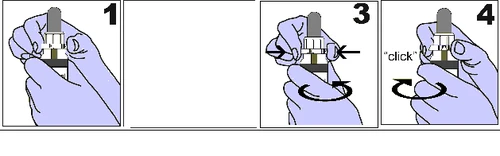
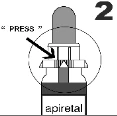
1 and 2 – Hold the bottle firmly in one hand. With the other hand, grasp the cap between your thumb and
index finger at the location of the triangles marked on the cap, where the word “PRESS” is printed.
3 – To open the bottle, press down on the triangle and unscrew the cap by turning it to the left (counter-clockwise). Draw up the required amount of solution using the dropper. The solution may be administered directly or diluted with water.
4 – To close the bottle, turn the cap to the right (clockwise) until a clicking sound is heard. The bottle must be closed tightly after each use.
Accidental overdose of Pedicetamol medication
If an amount of paracetamol greater than recommended has been taken (administered to a child),
seek immediate advice from a physician or pharmacist and provide the name of the medication and
the amount ingested. It is helpful to bring the packaging and the leaflet with you and hand them over
to the healthcare professional.
In case of overdose, go as quickly as possible to a healthcare facility, even if no symptoms are
present, because symptoms of overdose may not appear for up to 3 days, even in severe poisoning.
Symptoms of overdose may include: dizziness, vomiting, loss of appetite, yellowing of the skin and
eyes (jaundice), and abdominal pain.
An overdose of paracetamol is considered to occur when an adult has ingested more than 6 g in
total, or a child has ingested more than 100 mg per kilogram of body weight. Treatment of overdose
is more effective if initiated within 4 hours of ingestion of the medication.
Patients taking barbiturates or those with chronic alcoholism may be more sensitive to paracetamol
overdose.
Generally, treatment of paracetamol overdose is symptomatic.
Missed dose of Pedicetamol medication
Do not take a double dose to make up for a missed dose.
If a dose has been missed, take (administer to the child) the next dose as soon as possible, then
continue taking the medication according to the normal schedule. However, if the time until the next
scheduled dose is very short, skip the missed dose and take the next dose according to the
recommended dosing schedule.
Discontinuation of Pedicetamol medication
If you have any further questions regarding the use of this medication, consult your physician,
pharmacist, or nurse.
4. Possible adverse reactions
Like all medicines, this medicine can cause adverse reactions, although they do not occur in everyone.
Adverse reactions with paracetamol occur usually rarely (in 1 to 10 out of 10,000 patients) or very rarely (less frequently than in 1 out of 10,000 patients).
Rarely occurring adverse reactions include general malaise, hypotension, and increased hepatic enzyme activity.
Very rarely, when high doses of the medicine are used or during long-term treatment, liver damage may occur. Also very rarely, hypoglycaemia, cloudy urine, adverse reactions affecting the kidneys, skin rash, urticaria, anaphylactic shock, and blood cell count changes such as neutropenia and leukopenia may occur.
In very rare cases, serious skin reactions have been reported.
Frequency unknown (cannot be estimated from available data):
A serious condition which may cause the blood to become more acidic (so-called metabolic acidosis) in patients with severe illness taking paracetamol (see section 2).
Reporting of adverse reactions
If any adverse reactions occur, including any adverse reactions not listed in this leaflet, inform your doctor, pharmacist, or nurse. Adverse reactions can be reported directly to the Department of Monitoring Adverse Drug Reactions at the Office for Registration of Medicinal Products, Medical Devices and Biocidal Products:
Al. Jerozolimskie 181C
02-222 Warsaw
Phone: +48 22 49 21 301
Fax: +48 22 49 21 309
Website: https://smz.ezdrowie.gov.pl
Reporting adverse reactions helps to provide more information on the safety of the medicine.
5. How to store Pedicetamol
Keep this medicine out of sight and reach of children.
Do not use this medicine after the expiry date stated on the packaging. The expiry date refers to the last day of the specified month.
No special temperature storage conditions are required. Store the bottle in the outer packaging.
After opening, store the bottle in the outer packaging.
After opening, the contents of the bottle should be used within 6 months at most.
Medicines must not be disposed of via the sewage system or household waste. Ask your pharmacist how to dispose of medicines no longer required. This will help protect the environment.
6. Contents of the pack and other information
What Pedicetamol contains
- The active substance is paracetamol. Each ml of solution contains 100 mg of paracetamol.
- The other ingredients (excipients) are: macrogol 600, glycerol, raspberry flavour, sodium saccharin (E 954), azorubine (carmoisine) (E 122), and purified water.
What Pedicetamol looks like and contents of the pack
Pedicetamol is a clear, red oral solution, packed in 30 ml PET bottles.
- 30 ml bottle: PET bottle with a dropper (2 ml) made of LDPE, closed with a child-resistant PP screw cap, and placed in a cardboard box.
For more detailed information, please contact the marketing authorisation holder or the parallel importer.
Marketing authorisation holder in Spain, the country of export:
Laboratorios ERN, S.A.
Perú, 228, 08020 Barcelona, Spain
Manufacturer:
Laboratorios ERN, S.A.
Gorgs Lladó, 188, 08210 Barberá del Vallés, Barcelona, Spain
Parallel importer:
Delfarma Sp. z o.o.
ul. Św. Teresy od Dzieciątka Jezus 111, 91-222 Łódź
Repackaged in:
Delfarma Sp. z o.o.
ul. Św. Teresy od Dzieciątka Jezus 111, 91-222 Łódź
Marketing authorisation number in Spain, the country of export: 750711.6
Parallel import authorisation number: 78/26
This medicinal product is authorised for sale in the European Economic Area under the following names:
Spain Apiredol 100 mg/ml oral solution
Germany Apiredol 100 mg/ml solution for oral use
France Apedital 100 mg/ml oral solution
Apedital 100 mg/ml oral drops
Italy Apiredol 100 mg/ml oral solution
Poland Pedicetamol
Portugal Paracetamol Ern 100 mg/ml oral solution