Paroxinor
Poland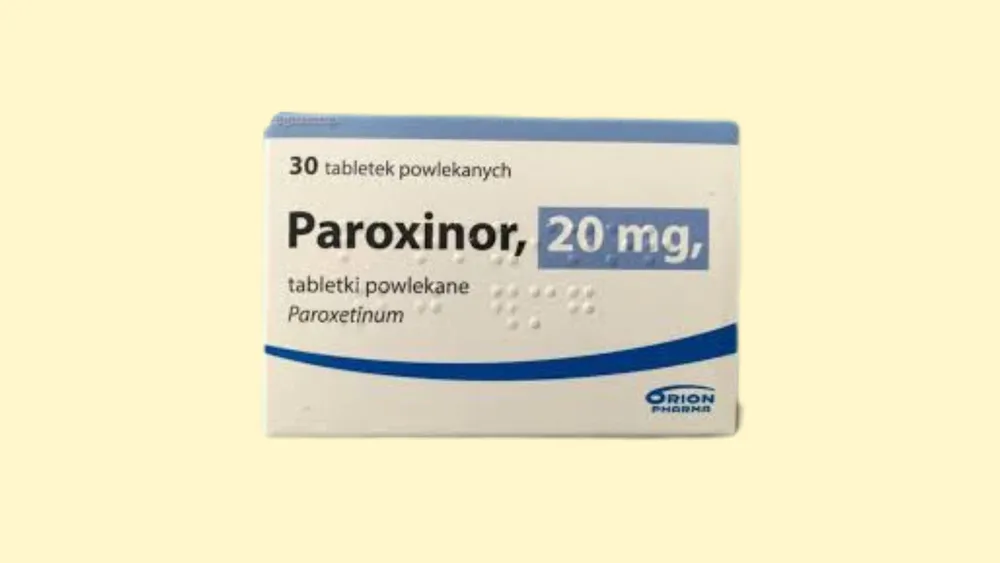
Table of Contents
Patient Information Leaflet
Paroxinor 20 mg, coated tablets
paroxetinum
Please read this leaflet carefully before taking this medicine, as it contains important information for you.
- Keep this leaflet so that you can read it again if necessary.
- If you have any questions, please consult your doctor or pharmacist.
- This medicine has been prescribed for a specific individual. Do not pass it on to others. This medicine may harm other people, even if their symptoms are the same.
- If you experience any adverse effects, including any not listed in this leaflet, tell your doctor or pharmacist. See section 4.
Table of Contents
- What Paroxinor is and what it is used for
- What you need to know before taking Paroxinor
- How to take Paroxinor
- Possible side effects
- How to store Paroxinor
- Contents of the pack and other information
1. What Paroxinor is and what it is used for
Paroxinor belongs to a group of medicines known as selective serotonin reuptake inhibitors (SSRIs), which are antidepressant medicines.
Paroxinor is used to treat:
- Depression (episodes of severe depression).
- Obsessive-compulsive disorder (OCD).
- Panic disorder with or without agoraphobia (e.g. fear of leaving home, entering shops, or fear of public places).
- Social phobia (intense fear of social interactions or avoidance of such situations).
- Generalized anxiety disorder (persistent anxiety characterized by chronic, excessive worrying).
- Post-traumatic stress disorder (anxiety caused by a traumatic event).
2. Important information before taking Paroxinor
When not to take Paroxinor:
- if the patient is allergic to paroxetine or any of the other ingredients of this medicine (listed in section 6).
- if the patient is currently taking or has taken within the last two weeks monoamine oxidase inhibitors (MAO inhibitors). MAO inhibitors are a group of medicines used, among others, in the treatment of depression and Parkinson's disease. The patient should contact a doctor before taking Paroxinor.
- if the patient intends to take MAO inhibitors. At least one week should be allowed between stopping Paroxinor and starting treatment with MAO inhibitors. The patient should consult a doctor for advice.
- if the patient is being treated with thioridazine or pimozide (medicines used in the treatment of psychosis).
Warnings and precautions
Before starting treatment with Paroxinor, the patient should discuss it with a doctor or pharmacist.
Use in children and adolescents under 18 years of age
Paroxinor should not be used in the treatment of children and adolescents under 18 years of age. It should be known that patients in this age group are at increased risk of experiencing adverse effects such as suicidal behaviour, suicidal thoughts, and hostility (mainly aggression, oppositional behaviour, and anger) when taking medicines of this class. Nevertheless, a doctor may prescribe Paroxinor to patients under 18 years of age if they consider it to be in their best interest. If Paroxinor has been prescribed to a patient under 18 years of age and you have any doubts, you should contact your doctor again. If any of the symptoms mentioned above appear or worsen in a patient under 18 years of age taking Paroxinor, the doctor should be informed. Furthermore, the long-term impact of Paroxinor on safety regarding growth, maturation, and cognitive development in this age group has not yet been established.
Suicidal thoughts and worsening of depression or anxiety disorders
Patients with depression or anxiety disorders may sometimes have thoughts of self-harm or suicide. These symptoms or behaviours may worsen at the beginning of treatment with antidepressants, as these medicines usually take about 2 weeks, sometimes longer, to start working.
These symptoms are more likely in:
- patients who have previously experienced thoughts of self-harm or suicide;
- young adult patients. Clinical trial data show an increased risk of suicidal behaviour in individuals under 25 years of age with psychiatric disorders who were treated with antidepressant medicines.
If the patient experiences thoughts of self-harm or suicide, the patient should contact a doctor immediately or go to a hospital.
It may be helpful to inform family members or friends about the depression or anxiety disorder and ask them to read this leaflet. The patient may ask them to inform him/her if they notice that the depression or anxiety worsens or if there are worrying changes in behaviour.
The patient should consult a doctor if any of the following situations apply to him/her or have ever applied in the past:
- if the patient develops symptoms such as inner restlessness and psychomotor agitation, including inability to sit or stand still, usually associated with subjectively felt discomfort (akathisia). This condition usually occurs within the first weeks of treatment and may worsen with increasing doses of the medicine (see section "Possible side effects").
- if the patient develops symptoms such as high fever, muscle rigidity, confusion, and anxiety, as these may be signs of the so-called "serotonin syndrome".
- if the patient has previously experienced episodes of mania (excessively active behaviour or thoughts). Paroxinor should be discontinued in any patient entering a manic phase. The doctor should be consulted.
- if the patient has heart, liver, or kidney disease. Dose reduction is recommended in patients with severe renal impairment or hepatic impairment.
- if the patient has abnormalities in the heart rhythm pattern on electrocardiogram (ECG), known as QT interval prolongation.
- if there is a family history of QT interval prolongation, heart disease such as heart failure, slow heart rate, or low potassium or magnesium levels.
- if the patient has diabetes. Paroxinor may cause increased or decreased blood glucose levels. It may be necessary to adjust the dose of insulin or oral antidiabetic medicine. Additionally, increased blood glucose levels may occur when Paroxinor is taken concomitantly with pravastatin.
- if the patient has epilepsy.
- if the patient experiences seizures during treatment with Paroxinor. The patient should stop taking Paroxinor and contact a doctor.
- if the patient is undergoing electroconvulsive therapy for depression.
- if the patient has glaucoma (increased pressure in the eyeballs).
- if the patient is at risk of low blood sodium levels (hyponatraemia), e.g., due to concomitant use of other medicines or liver cirrhosis. Hyponatraemia has been rarely reported during treatment with Paroxinor, mainly in elderly patients.
- if the patient is taking tamoxifen (for breast cancer treatment). Paroxinor may affect the effectiveness of tamoxifen, so the doctor may recommend using another antidepressant.
- if the patient has or has had blood disorders (e.g., abnormal bleeding into the skin or stomach) or if the patient is pregnant (see "Pregnancy, breastfeeding, and fertility").
- if the patient is taking medicines that increase the risk of bleeding (see "Paroxinor and other medicines").
Medicines such as Paroxinor (so-called SSRIs) may cause symptoms of sexual dysfunction (see section 4). In some cases, these symptoms persisted after discontinuation of treatment.
Paroxinor and other medicines
The patient should inform the doctor or pharmacist about all medicines currently or recently taken, as well as any medicines the patient plans to take.
An interaction means that medicines taken at the same time may affect each other's effects and/or side effects. The following notes may also apply to medicines the patient has taken at any time in the past or will take in the near future.
An interaction may occur when Paroxinor is taken concomitantly with the following medicines:
- tricyclic antidepressants (used in the treatment of depression), e.g., clomipramine, nortriptyline, and desipramine,
- SSRIs (selective serotonin reuptake inhibitors), e.g., citalopram and fluoxetine,
- L-tryptophan (used in the treatment of sleep disorders),
- MAO inhibitors (e.g., used in the treatment of depression or Parkinson's disease) (see section "When not to take Paroxinor"),
- lithium (used in the treatment of mental disorders),
- buprenorphine,
- St. John's wort ( Hypericum perforatum ),
- triptans (used in the treatment of migraines), e.g., sumatriptan,
- tramadol (a strong painkiller),
- linezolid (an antibiotic),
- methylene blue (used, e.g., as an antidote or antiseptic),
- pethidine (a strong painkiller),
- fentanyl (used in general anaesthesia or chronic pain).
Concomitant use of the above-mentioned medicines may enhance the serotonergic effects of Paroxinor and lead to the occurrence of serotonin syndrome (see "Warnings and precautions").
- perphenazine, risperidone, atomoxetine, thioridazine, pimozide, and clozapine (antipsychotic medicines),
- propafenone and flecainide (used in the treatment of irregular heart rhythm),
- metoprolol (used in the treatment of heart failure),
- pravastatin (used to lower cholesterol).
Concomitant use of the above-mentioned medicines may lead to an increased frequency of their side effects, such as cardiac disorders, which may sometimes be severe (see "When not to take Paroxinor").
- phenobarbital, carbamazepine, and phenytoin (used in the treatment of epilepsy),
- rifampicin (an antibiotic),
- the combination of fosamprenavir and ritonavir (used in the treatment of HIV infections),
- medicines known to increase the risk of changes in cardiac electrical activity (e.g., antipsychotic medicines thioridazine or pimozide).
Concomitant use of the above-mentioned medicinal products may weaken the effect of Paroxinor by enhancing the metabolism of paroxetine.
- tamoxifen, which is used in the treatment of breast cancer.
Concomitant use of tamoxifen with Paroxinor may reduce the effectiveness of tamoxifen.
- NSAIDs - non-steroidal anti-inflammatory drugs (e.g., ibuprofen, diclofenac), COX-2 inhibitors, and acetylsalicylic acid (painkillers),
- warfarin (used to prevent blood clotting).
Concomitant use of the above-mentioned medicines may lead to increased or prolonged bleeding (see "Warnings and precautions").
- procyclidine (used in the treatment of Parkinson's disease). The frequency of procyclidine's side effects may increase due to its elevated blood concentration.
- mivacurium and suxamethonium (used for general anaesthesia).
It should be noted that the above-mentioned medicines may be known to the patient under different names, often brand names. In this section of the leaflet, only the active substance or therapeutic group of the medicine is given, not the brand name. The patient should always carefully read the information on the packaging and in the leaflet accompanying the medicines they are taking, where the active substance or therapeutic group of the medicine should be indicated.
Paroxinor with food, drink, and alcohol
Food: The tablets should be taken in the morning with breakfast. This will reduce the risk of side effects.
Alcohol: During treatment with Paroxinor, alcohol should not be consumed. Alcohol may worsen the symptoms of the illness or side effects.
Pregnancy, breastfeeding, and fertility
Pregnancy
If the patient is pregnant or breastfeeding, suspects she may be pregnant, or is planning to become pregnant, she should consult a doctor or pharmacist before using this medicine.
After using Paroxinor during the first three months of pregnancy, there may be a small increased risk of congenital malformations (cardiovascular system) in the child. Therefore, women considering pregnancy or who are pregnant must inform their doctor. The doctor will decide whether treatment with Paroxinor is absolutely necessary or whether other types of treatment are possible for the patient.
It should be ensured that the midwife and (or) doctor know that the patient is taking Paroxinor.
Similar medicines (from the group of serotonin reuptake inhibitors - SSRIs) used by pregnant women may increase the risk of a serious condition in the newborn called persistent pulmonary hypertension of the newborn (PPHN), causing rapid breathing and skin blueness in the child. These symptoms usually occur within the first 24 hours of the child's life. If this happens, contact the midwife and (or) doctor immediately.
Do not stop treatment suddenly.
If the patient has taken Paroxinor during the last 3 months of pregnancy, inform the doctor, as the newborn may experience certain abnormal symptoms. These symptoms usually occur within the first 24 hours after birth. They include: difficulty sleeping or feeding, breathing difficulties, blueness of the skin, body temperature too high or too low, vomiting, irritability, muscle stiffness or floppiness, drowsiness, tremors, nervousness, or seizures. If such symptoms occur in the child, contact the doctor, who will provide appropriate advice.
Taking Paroxinor towards the end of pregnancy may increase the risk of severe vaginal bleeding occurring shortly after delivery, especially if the patient has a history of blood clotting disorders. If the patient is taking Paroxinor, she should inform the doctor or midwife so they can provide appropriate advice.
Breastfeeding
Paroxinor may pass into breast milk in small amounts. If the patient is taking Paroxinor, she should contact a doctor before starting breastfeeding.
Fertility
Animal studies have shown that paroxetine reduces sperm quality. This may theoretically affect fertility, although no effect on fertility in humans has been observed so far.
Driving and operating machinery
Paroxinor may cause side effects (such as dizziness, drowsiness, or confusion) that may affect the ability to concentrate and reaction speed. If these side effects occur, the patient should not drive, operate machinery, or do anything that requires special attention.
Paroxinor contains lactose.
This medicine contains 9.5 mg of lactose (monohydrate). If the patient has previously been diagnosed with intolerance to certain sugars, the patient should contact a doctor before taking this medicine.
Other excipients
The medicine contains less than 1 mmol (23 mg) of sodium per tablet, meaning the medicine is considered "sodium-free".
3. How to take Paroxinor
This medicine should always be taken as directed by a doctor or pharmacist. In case of
doubt, consult your doctor or pharmacist.
Recommended dose:
Adults
Depression
The recommended dose is 20 mg once daily. Depending on the patient's response to the medicine,
the dose may be gradually increased by 10 mg up to a dose of 50 mg per day.
Improvement usually begins within one week of treatment, but may not be noticeable until the
second week. Treatment should be continued for at least 6 months.
Obsessive-compulsive disorder (OCD)
The initial dose is 20 mg once daily. Depending on the patient's response to the medicine, the
dose may be gradually increased by 10 mg up to a dose of 40 mg per day. The recommended dose
is 40 mg once daily. The maximum daily dose is 60 mg. Treatment should be continued for several
months.
Panic disorder with or without agoraphobia
The initial dose is 10 mg once daily. Depending on the patient's response to the medicine, the
dose may be gradually increased by 10 mg up to a dose of 40 mg per day. The recommended dose
is 40 mg once daily. The maximum daily dose is 60 mg. Treatment should be continued for several
months.
Social phobia, generalized anxiety disorder and post-traumatic stress disorder
The recommended dose is 20 mg once daily. Depending on the patient's response to the medicine,
the dose may be gradually increased by 10 mg up to a dose of 50 mg per day. The maximum daily
dose is 50 mg.
Use in children and adolescents
Paroxetine should not be used in children and adolescents under 18 years of age.
Use in elderly patients
Depending on the patient's response to the medicine, the dose may be increased up to 40 mg per
day. The maximum daily dose is 40 mg.
Severe renal impairment
The doctor will prescribe the appropriate dose for the patient.
Hepatic impairment
The doctor will prescribe the appropriate dose for the patient.
It is best to take the medicine in the morning with food, accompanied by a glass of water.
The tablet or half tablet should preferably be swallowed whole rather than chewed.
Taking more Paroxinor than recommended
If more Paroxinor than recommended is taken, contact your doctor, pharmacist or nearest hospital
immediately.
Symptoms of overdose may include vomiting, dilated pupils, fever, changes in blood pressure,
headache, involuntary muscle contractions, agitation, anxiety and rapid heartbeat.
If you miss a dose of Paroxinor
If a dose of Paroxinor is missed, skip the missed dose and take the next dose at the usual time.
Do not take a double dose to make up for a forgotten dose.
Stopping Paroxinor treatment
Do not stop treatment with Paroxinor without consulting your doctor, even if you feel better.
If treatment with Paroxinor is stopped abruptly after long-term use, withdrawal symptoms may
occur: dizziness, sensory disturbances (numbness or tingling, known as paraesthesiae, electric
shock sensations and tinnitus), sleep disturbances (including vivid dreams), nausea, diarrhoea,
headache, rapid and irregular heartbeat (palpitations), tremor, increased sweating, visual
disturbances or feelings of agitation, anxiety, irritability or difficulty in awareness of
surroundings (disorientation). These symptoms are usually mild to moderate in severity and resolve
spontaneously within two weeks. However, in some patients they may be more severe or persist
longer. They typically occur within the first few days after stopping the medicine. See section 4
“Withdrawal symptoms after stopping paroxetine”.
When discontinuing Paroxinor, your doctor will advise you on how to gradually reduce the dose
over several weeks or months. This should reduce the likelihood of withdrawal symptoms. One
approach is to gradually reduce the dose of Paroxinor by 10 mg per week.
If withdrawal symptoms occur during gradual dose reduction, your doctor may recommend a slower
tapering schedule. If severe withdrawal symptoms occur after stopping Paroxinor, contact your
doctor. The doctor may recommend resuming treatment and tapering off more slowly.
If you have any further questions about the use of this medicine, consult your doctor or
pharmacist.
4. Possible adverse reactions
Like all medicines, this medicine can cause adverse reactions, although not everyone will experience them.
You should contact a doctor immediately if the patient experiences any of the following symptoms:
- swelling of the face, tongue and/or throat and/or difficulty swallowing or hives accompanied by difficulty breathing (angioedema),
- high fever, muscle stiffness, confusion and agitation, as these symptoms may indicate the occurrence of serotonin syndrome.
If the patient experiences suicidal thoughts or images while taking Paroxinor,
especially during the first 2–4 weeks of treatment, they should contact their doctor immediately.
Very common (may affect more than 1 in 10 people):
- nausea,
- sexual dysfunction.
Common (may affect up to 1 in 10 people):
- decreased appetite, increased cholesterol levels,
- drowsiness, insomnia, agitation, unusual dreams (including nightmares),
- headache,
- dizziness, tremor,
- difficulty concentrating,
- blurred vision,
- yawning,
- constipation, diarrhoea, vomiting, dry mouth,
- sweating,
- weakness (asthenia), weight gain.
Uncommon (may affect up to 1 in 100 people):
- abnormal bleeding, mainly affecting the skin and mucous membranes (including petechiae and unexplained genital bleeding),
- confusion, hallucinations,
- slow and/or involuntary movements (extrapyramidal symptoms),
- increased heart rate,
- transient increase or decrease in blood pressure, which may cause dizziness or fainting upon sudden standing. Treatment with paroxetine has been associated with transient increases or decreases in blood pressure, usually in patients with pre-existing hypertension or anxiety.
- dilated pupils,
- skin rash, itching,
- inability to urinate (urinary retention), involuntary leakage of urine (urinary incontinence),
- if the patient has diabetes, they may notice loss of blood sugar control while taking Paroxinor. Discuss with your doctor whether the dose of insulin or antidiabetic medication needs to be adjusted,
- decreased number of white blood cells.
Rare (may affect up to 1 in 1,000 people):
- decreased sodium levels in the blood (hyponatraemia). Hyponatraemia occurred mainly in elderly patients and sometimes resulted from SIADH (syndrome of inappropriate antidiuretic hormone secretion).
- manic reactions, anxiety, feeling detached from oneself (depersonalisation), panic attacks, motor restlessness and inability to remain still (akathisia) (see section 2. "Warnings and precautions"). These symptoms may also be caused by the underlying condition being treated.
- seizures, restless legs syndrome,
- slowed heart rate,
- increased liver enzyme activity,
- joint pain, muscle pain,
- hyperprolactinaemia (abnormally high levels of prolactin in the blood), discharge from the nipple,
- menstrual disorders (including heavy or irregular bleeding, intermenstrual bleeding, or absence or delay of menstruation).
Very rare (may affect up to 1 in 10,000 people):
- decreased number of platelets,
- allergic reactions, which may be severe and related to Paroxinor, including hives and swelling of the eyelids, face, lips, tongue or throat with difficulty breathing (dyspnoea) or swallowing (angioedema),
- feeling of weakness or dizziness which may lead to falls or loss of consciousness – contact a doctor immediately or go to hospital,
- increased secretion of antidiuretic hormone (syndrome of inappropriate antidiuretic hormone secretion), leading to hyponatraemia with symptoms such as headache, nausea and vomiting,
- serotonin syndrome (symptoms may include agitation, confusion, excessive sweating, hallucinations, increased reflexes (neuromuscular disturbances), muscle stiffness, shivering, increased heart rate and tremor),
- acute glaucoma (an eye disorder caused by damage to the optic nerve),
- gastrointestinal bleeding,
- liver disorders (such as hepatitis, sometimes associated with jaundice and/or liver failure). Increased liver enzyme activity has been reported. After marketing, rare cases of liver-related adverse reactions (such as hepatitis, sometimes associated with jaundice and/or liver failure) have also been reported. If persistent elevation of liver function tests occurs, discontinuation of paroxetine should be considered.
- severe skin reactions (including erythema multiforme, Stevens-Johnson syndrome and toxic epidermal necrolysis), photosensitivity,
- prolonged penile erection (priapism),
- tissue swelling due to fluid retention.
Frequency not known (frequency cannot be estimated from the available data):
- suicidal thoughts or behaviour. Self-harming thoughts or suicidal ideation have been reported during treatment with paroxetine or shortly after discontinuation (see section 2 "Warnings and precautions").
- some patients experienced ringing, buzzing, whistling, or other persistent sounds in the ears (tinnitus) while taking Paroxinor.
- aggression,
- teeth grinding,
- inflammation of the large intestine (causing diarrhoea),
- severe vaginal bleeding occurring shortly after childbirth (postpartum haemorrhage), see additional information in subsection "Pregnancy, breastfeeding and effects on fertility" in section 2.
Withdrawal symptoms after stopping paroxetine
Common: dizziness, paraesthesia, tinnitus, sleep disturbances, anxiety, headache.
Uncommon: agitation, nausea, tremor, confusion, sweating, emotional lability, visual disturbances, palpitations, diarrhoea, irritability.
See section 3: "Stopping Paroxinor".
An increased risk of bone fractures has been observed in patients taking this type of medicine.
Reporting of adverse reactions
If any adverse reactions occur, including any not listed in this leaflet, tell your doctor, pharmacist or nurse. Adverse reactions can be reported directly to the Department of Monitoring Adverse Reactions to Medicinal Products, Office for Registration of Medicinal Products, Medical Devices and Biocidal Products,
Al. Jerozolimskie 181C, 02-222 Warsaw
Tel.: +48 22 49 21 301
Fax: +48 22 49 21 309
Website: https://smz.ezdrowie.gov.pl
Adverse reactions can also be reported to the marketing authorisation holder.
Reporting adverse reactions helps provide more information on the safety of the medicine.
5. How to store Paroxinor
Keep this medicine out of the sight and reach of children.
Do not use this medicine after the expiry date stated on the carton and the blister. The expiry date refers to the last day of the stated month.
No special precautions for storage.
Medicines should not be disposed of via wastewater or household waste. Ask your pharmacist how to dispose of medicines no longer in use. This will help protect the environment.
6. Contents of the pack and other information
What Paroxinor contains
- The active substance is paroxetine. Each coated tablet contains 20 mg of paroxetine (in the form of paroxetine hydrochloride hemihydrate).
- The other ingredients in the tablet core are: calcium hydrogen phosphate dihydrate (Calipharm), calcium hydrogen phosphate dihydrate (Ditab), calcium hydrogen phosphate anhydrous, lactose monohydrate, sodium carboxymethyl starch (Type A) and magnesium stearate.
- The other ingredients in the tablet coating are: titanium dioxide (E 171), hypromellose 3 cP, hypromellose 6 cP, macrogol 400 and polysorbate 80.
What Paroxinor looks like and contents of the pack
Film-coated tablets, white to almost white, capsule-shaped,
biconvex, with the number "56" engraved on one side of the tablet and a deep score line and the letter "C" on the other side. The tablet can be divided into equal doses.
Pack sizes: 20, 30, 60 and 100 tablets.
Not all pack sizes may be marketed.
Marketing Authorisation Holder
Orion Corporation
Orionintie 1
02200 Espoo
Finland
For further information about this medicinal product, please contact the local representative of the Marketing Authorisation Holder:
Orion Pharma Poland Sp. z o.o.
[email protected]
This medicinal product is authorised in the EEA countries under the following names:
| Member State | Medicinal product name |
| Czech Republic | Paroxinor |
| Denmark | Paroxetin Orion 20 mg film-coated tablets |
| Finland | Paroxetin Orion 20 mg film-coated tablets Paroxetin Orion 20 mg film-coated tablets |
| Lithuania | Paroxinor 20 mg film-coated tablets |
| Poland | Paroxinor |
| Sweden | Paroxetin Orion 20 mg film-coated tablets |