Paracetamol aristo
Poland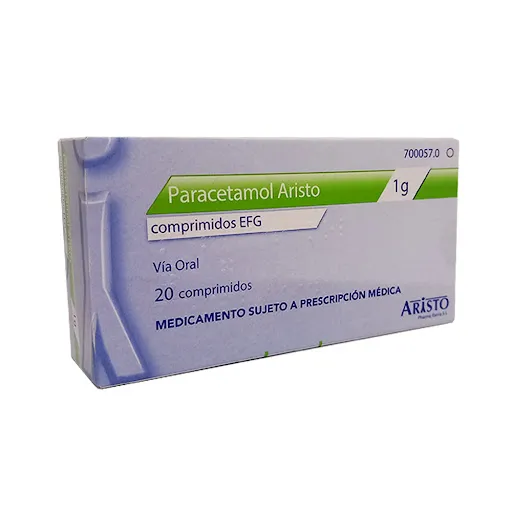
Table of Contents
Package leaflet: Information for the user
Paracetamol Aristo, 1000 mg, effervescent tablets
Paracetamolum
Please read the entire leaflet carefully before using the medicine, as it contains
important information for the patient.
- Keep this leaflet so that you can read it again if necessary.
- If you have any questions, please consult your doctor, pharmacist, or nurse.
- This medicine has been prescribed for a specific individual. Do not pass it on to others. It may harm someone else, even if their symptoms are the same.
- If you experience any adverse reactions, including any adverse reactions not listed in this leaflet, tell your doctor, pharmacist, or nurse. See section 4.
Leaflet contents
- What Paracetamol Aristo is and what it is used for
- Important information before taking Paracetamol Aristo
- How to take Paracetamol Aristo
- Possible side effects
- How to store Paracetamol Aristo
- Contents of the pack and other information
1. What Paracetamol Aristo is and what it is used for
Paracetamol Aristo is an analgesic (pain-relieving) and antipyretic (fever-reducing) medicine. It is indicated for the symptomatic treatment of mild to moderate pain and (or) fever in adults.
2. Important information before using Paracetamol Aristo
When not to use Paracetamol Aristo:
- if the patient is allergic to paracetamol or any of the other ingredients of this medicine (listed in section 6).
Warnings and precautions
Before starting to use Paracetamol Aristo, discuss this with your doctor or pharmacist:
- if the patient has impaired liver function, including that caused by excessive alcohol consumption (3 or more alcoholic drinks per day);
- if the patient has kidney problems;
- if the patient has glucose-6-phosphate dehydrogenase deficiency;
- if the patient suffers from anorexia, bulimia, cachexia (wasting syndrome), or chronic malnutrition;
- if the patient is dehydrated or has hypovolemia (reduced circulating blood volume);
- if the patient is taking a medicine used to treat epilepsy, they should consult a doctor before taking this medicine, as concomitant use of both medicines reduces effectiveness and increases the hepatotoxicity (toxic effect on the liver) of paracetamol, especially when high doses of paracetamol are used (see below, section Paracetamol Aristo and other medicines);
- if the patient has Gilbert's syndrome (also known as Meulengracht's disease);
- if the patient has heart failure or respiratory failure, or has anaemia; in such cases, the medicine should be used under medical supervision and only for a short period;
- if the patient has asthma and symptoms of hypersensitivity to acetylsalicylic acid;
- if the patient is on a sodium-free or low-sodium diet (see information: "Paracetamol Aristo contains sodium benzoate, sorbitol, trace amounts of glucose and sucrose, and sodium").
Paracetamol may cause severe skin reactions such as acute generalized exanthematous pustulosis (AGEP), Stevens-Johnson syndrome (SJS), and toxic epidermal necrolysis (TEN), which may be fatal. The patient should be informed about the symptoms of severe skin reactions and should discontinue the medicine if symptoms of skin rash or any other signs of hypersensitivity occur.
The total dose of paracetamol must not exceed 4 g (4,000 mg) per day.
Avoid concomitant use of this medicine with other medicines containing paracetamol, such as cold and flu remedies, because high doses of paracetamol may lead to liver damage. Do not take more than one paracetamol-containing medicine without consulting a doctor.
In case of overdose, seek immediate medical advice (see information: "Taking more than the recommended dose of Paracetamol Aristo").
Administration of higher than recommended doses of paracetamol is associated with the risk of severe liver damage. Paracetamol-containing medicines should not be taken for longer than a few days or in high doses unless advised by a doctor.
Long-term use of painkillers or inappropriate use in high doses may cause headaches, which should not be treated by increasing the dose of paracetamol.
Effect on laboratory test results
If the patient is scheduled for laboratory tests (including blood, urine, etc.), inform the doctor about taking this medicine, as it may affect laboratory test results.
Paracetamol may alter laboratory test results for uric acid and glucose levels.
Children and adolescents
Use is not recommended (see section 3). This medicine is intended exclusively for adult patients over 18 years of age.
Paracetamol Aristo and other medicines
Inform your doctor or pharmacist about all medicines currently or recently taken, as well as any medicines the patient plans to take.
Medicines used to treat epileptic seizures (antiepileptic drugs, such as: carbamazepine, phenytoin, phenobarbital, primidone, lamotrigine)
Concomitant use of paracetamol and antiepileptic drugs may cause or worsen liver damage.
Lamotrigine
The effect of lamotrigine may be reduced.
Medicines used to treat high blood pressure and cardiac arrhythmias (propranolol)
Concomitant use of paracetamol and propranolol may enhance the effect and/or toxicity of these medicines.
Medicines used to treat gout
Probenecid reduces paracetamol excretion by almost 2-fold. When paracetamol is administered concomitantly with probenecid, consider reducing the paracetamol dose.
Medicines used to treat tuberculosis (rifampicin, isoniazid)
Concomitant use of paracetamol and rifampicin or isoniazid may cause or worsen liver damage.
Salicylamide, a medicine used to treat fever and pain, may prolong the elimination half-life of paracetamol (t½).
Medicines that lower blood cholesterol levels
Cholestyramine reduces the absorption of paracetamol. To avoid this, paracetamol should be administered 1 hour before or 4 hours after cholestyramine.
Medicines to prevent nausea and vomiting (metoclopramide and domperidone)
Concomitant use of paracetamol with medicines that accelerate gastric emptying, such as metoclopramide and domperidone, increases the absorption and accelerates the expected onset of action of paracetamol. However, there is no need to avoid concomitant use of these medicines.
Medicines that prevent blood clotting (oral anticoagulants, such as acenocoumarol, warfarin)
Paracetamol may enhance the effect of oral anticoagulants. Long-term use of paracetamol in patients treated with oral anticoagulants should be conducted under strict medical supervision. Enhanced warfarin effect has been observed with prolonged use of higher paracetamol doses.
Medicines that increase urine excretion (loop diuretics, such as furosemide)
Diuretic effect may be weakened.
Chloramphenicol, a medicine used to treat infections
Concomitant use of paracetamol and chloramphenicol may significantly delay chloramphenicol excretion, increase its plasma concentration, and increase the risk of toxicity.
Zidovudine (AZT), a medicine used in viral diseases
Concomitant use of paracetamol and AZT may increase the frequency or severity of neutropenia (reduced white blood cell count). Paracetamol may be used concomitantly with AZT only under medical supervision.
Caution is advised when using paracetamol concomitantly with substances that induce liver enzymes, such as barbiturates, carbamazepine, isoniazid, rifampicin, or ethanol, as they may enhance the toxic effects of paracetamol.
Inform your doctor if you are taking this medicine concomitantly with medicines that delay gastric emptying (e.g. propantheline) or accelerate it (e.g. metoclopramide and domperidone).
Flucloxacillin (an antibiotic), due to the serious risk of a disorder affecting blood and body fluids (metabolic acidosis with a high anion gap), which requires urgent treatment and may occur particularly in patients with severe kidney dysfunction, sepsis (a condition where bacteria and their toxins circulate in the blood, leading to organ damage), malnutrition, chronic alcoholism, and in patients taking maximum daily doses of paracetamol.
Paracetamol Aristo and alcohol
Patients should not drink alcohol during treatment with paracetamol.
Pregnancy and breastfeeding
If the patient is pregnant or breastfeeding, suspects she may be pregnant, or is planning to have a baby, she should consult a doctor or pharmacist before using this medicine.
Paracetamol Aristo may be administered to pregnant women if necessary. The lowest effective dose providing adequate pain relief or fever reduction should be used, and the medicine should be taken for as short a duration as possible. If pain is not relieved or fever does not subside, or if increased dosing frequency becomes necessary, consult a doctor.
Paracetamol passes into breast milk. Therapeutic doses of paracetamol may be used during breastfeeding.
Driving and operating machinery
This medicine does not affect the ability to drive or operate machinery. However, consider that during treatment with paracetamol, adverse effects such as mild drowsiness and dizziness may occur.
Paracetamol Aristo contains sodium benzoate, sorbitol, trace amounts of glucose and sucrose, and sodium.
The medicine contains 2.7 mg of sodium benzoate (E 211) in each effervescent tablet.
Sodium benzoate may increase the risk of jaundice (yellowing of the skin and whites of the eyes) in newborns (up to 4 weeks of age).
The medicine contains 270 mg of sorbitol (E 420) in each effervescent tablet.
Sorbitol is a source of fructose. If the patient has previously been diagnosed with intolerance to certain sugars or hereditary fructose intolerance, a rare genetic disorder in which the patient's body cannot break down fructose, the patient should contact a doctor before taking the medicine.
The medicine contains trace amounts of glucose from maltodextrin and sugar (sucrose).
If the patient has previously been diagnosed with intolerance to certain sugars, the patient should contact a doctor before taking the medicine.
The medicine contains 338 mg of sodium (the main component of table salt) in each effervescent tablet.
This corresponds to 17% of the maximum recommended daily sodium intake for adults.
3. How to use Paracetamol Aristo
This medicine should always be used according to the instructions given by your doctor or pharmacist. If in doubt,
consult your doctor or pharmacist.
The effervescent tablet must be completely dissolved in a glass of water before oral administration. The solution
should be consumed immediately after preparation.
Adults
The recommended dose for adults is 1 tablet taken every 6 to 8 hours. If necessary, the next tablet may be taken
after a minimum of 4 hours.
It is usually not necessary to take doses exceeding 3 g (3,000 mg) per day, equivalent to 3 tablets daily.
In cases of more intense pain, the maximum dose may be increased to 4 g per day (4 tablets). A minimum interval of 4 hours
must always be maintained between consecutive doses.
Taking the medicine after a meal may delay the onset of its effect.
Frequency of administration
Regular use helps prevent fluctuations in pain intensity or fever.
Kidney disease
Consult your doctor.
Patients with moderate to severe renal impairment should not take this medicine.
Liver disease
The dose should be as prescribed by the doctor, with a minimum interval of 8 hours between doses.
Do not take more than 2 g (2,000 mg) of paracetamol (2 tablets) within 24 hours.
In patients with chronic alcoholism, the daily dose should not exceed 2 g (2,000 mg).
Elderly patients
Dose adjustment is usually not required.
Use in children and adolescents
This medicine is not intended for use in children and adolescents.
Taking more than the recommended dose of Paracetamol Aristo
Seek immediate medical advice from a doctor or pharmacist, even if the patient feels well.
Symptoms of toxic, severe liver damage may be delayed by 1–2 days after ingestion.
Paracetamol overdose requires proper monitoring and immediate treatment. Despite the absence of early symptoms,
the patient should be promptly referred to hospital and treatment initiated.
Symptoms of overdose include: nausea, vomiting, loss of appetite, pallor, general malaise, excessive sweating, and abdominal pain,
which usually appear within the first 24 hours.
Missing a dose of Paracetamol Aristo
If a dose is missed, take the next dose as soon as possible, unless the time for the next scheduled dose is approaching.
Remember to maintain at least a four-hour interval between doses. Never take a double dose to make up for a missed dose.
If you have any doubts about how to use this medicine, consult your doctor or pharmacist.
4. Possible adverse reactions
Like all medicines, this medicine can cause adverse reactions, although not everyone experiences them.
The following adverse reactions have been observed in patients taking Paracetamol Aristo:
Uncommon: occurring in not more than 1 in 1,000 patients
- low blood pressure (hypotension)
- increased liver enzyme activity
- discomfort
Rare: occurring in not more than 1 in 10,000 patients
- blood count changes may occur, including changes in blood cell counts (such as abnormally low levels of certain blood components, which may cause, for example, nosebleeds or bleeding gums) and other bleeding
- hypersensitivity reactions (symptoms such as swelling, shortness of breath, sweating, nausea, sudden drop in blood pressure)
- decreased blood sugar levels
- jaundice (yellowing of the skin), liver failure
- skin reactions such as drug hypersensitivity rash, urticaria, itching, rash
- changes in urination (difficulty or pain when passing urine, reduced urine output, blood in urine)
Reporting of adverse reactions
If any adverse reactions occur, including any adverse reactions not listed in this leaflet, inform a doctor or pharmacist. Adverse reactions can be reported directly to the Department of Monitoring Adverse Drug Reactions of the Office for Registration of Medicinal Products, Medical Devices and Biocidal Products:
Al. Jerozolimskie 181C, 02-222 Warsaw, phone: +48 22 49-21-301, fax: +48 22 49-21-309,
website: https://smz.ezdrowie.gov.pl
Adverse reactions can also be reported to the marketing authorization holder.
Reporting adverse reactions enables further information on the safety of the medicine to be collected.
5. How to store Paracetamol Aristo
Keep the container tightly closed to protect from moisture.
The medicine should be stored in a place invisible and inaccessible to children.
Do not use this medicine after the expiry date stated on the label and carton following: EXP.
The expiry date refers to the last day of the stated month.
Medicines must not be disposed of via the sewage system or household waste. Ask your pharmacist how to dispose of medicines no longer in use. This will help protect the environment.
6. Contents of the pack and other information
What Paracetamol Aristo contains
- The active substance is paracetamol. Each effervescent tablet contains 1000 mg of paracetamol.
- Other ingredients are: maltodextrin (from corn starch, contains trace amounts of glucose), povidone K90, citric acid, disodium hydrogen citrate, sodium bicarbonate, sodium carbonate, sorbitol (E 420), copovidone, lemon flavour PHS-135460 (contains trace amounts of sugar), sodium cyclamate, sodium saccharin (E 954), a mixture of sodium docosanate (85%) and sodium benzoate (E 211) (15%).
What Paracetamol Aristo looks like and contents of the pack
The effervescent tablets are white or almost white in colour and round in shape. They are available
in polypropylene containers with a polyethylene LDPE cap and a moisture-absorbing desiccant.
Pack sizes: 16, 32 (2x16) or 40 (2x20) effervescent tablets in a cardboard box.
Not all pack sizes may be marketed.
Marketing Authorisation Holder and Manufacturer
Aristo Pharma GmbH
Wallenroder Str. 8–10
13435 Berlin
Germany
This medicinal product is authorised in the following names in the Member States of the European Economic Area:
Spain Paracetamol Edigen, 1000 mg, effervescent tablets EFG
Poland Paracetamol Aristo, 1000 mg, effervescent tablets
Portugal Paracetamol Aristo, 1000 mg, effervescent tablets
Italy Paracetamolo Aristo, 1000 mg, effervescent tablets