Oxazepam gsk
Poland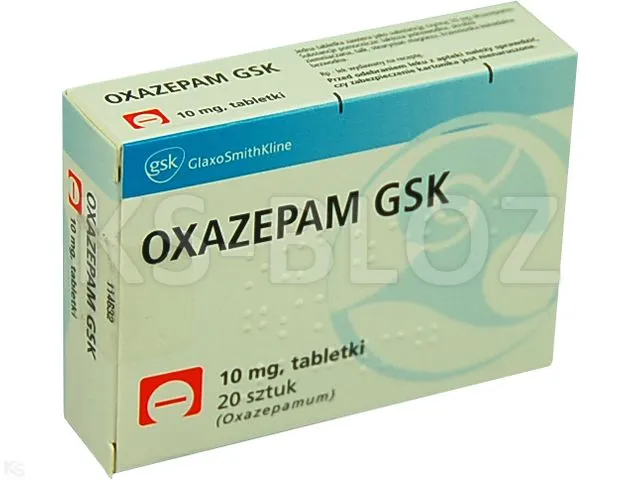
Table of Contents
Package leaflet: Information for the patient
OXAZEPAM GSK, 10 mg, tablets
Oxazepamum
Please read all of this leaflet carefully before taking this medicine, because it contains
important information for the patient.
- Keep this leaflet, as you may need to read it again.
- If you have any questions, please consult your doctor or pharmacist.
- This medicine has been prescribed for a specific individual. Do not pass it on to others. It may harm other people, even if their symptoms are the same.
- If the patient experiences any adverse reactions, including any not listed in this leaflet, inform a doctor or pharmacist immediately. See section 4.
Table of contents:
- What Oxazepam GSK is and what it is used for
- Important information before taking Oxazepam GSK
- How to take Oxazepam GSK
- Possible side effects
- How to store Oxazepam GSK
- Contents of the pack and other information
1. What Oxazepam GSK is and what it is used for
Oxazepam GSK is a psychotropic medicine and belongs to a group of medicines called benzodiazepines.
It contains the active substance oxazepam. The medicine has anxiolytic, sedative, hypnotic, and anticonvulsant properties.
Indications:
- treatment of anxiety states,
- treatment of anxiety associated with depression (as adjunctive therapy),
- treatment of symptoms of acute alcohol withdrawal.
States of tension and anxiety related to everyday life difficulties are not indications
for the use of this medicinal product.
2. Important information before taking Oxazepam GSK
When not to use Oxazepam GSK
- if the patient is allergic to the active substance, other benzodiazepines, or any of the other ingredients of this medicine (listed in section 6),
- if the patient has severe respiratory insufficiency,
- if the patient has excessive muscle weakness (called muscle fatigue),
- if the patient is addicted to drugs or alcohol, except in cases of treatment of acute withdrawal symptoms such as seizures and anxiety states in alcoholics,
- in children under 12 years of age,
- if the patient has sleep apnoea. If the patient has respiratory insufficiency (e.g. COPD - chronic obstructive pulmonary disease - restricting airflow into and out of the lungs) or sleep apnoea (repeated breathing pauses during sleep causing hypoxia), the medicine may cause life-threatening respiratory depression (slowed and shallow breathing, apnoea, and death due to suffocation).
Warnings and precautions
- Treatment with Oxazepam GSK may lead to psychological and physical dependence. The risk of dependence increases with dose and duration of treatment. It is higher in patients who have previously been addicted to alcohol or drugs, and in patients with personality disorders. The risk of dependence may be reduced by individualizing the dose and duration of treatment.
- During treatment with Oxazepam GSK, tolerance to the medicine (reduced effectiveness) may develop.
- Abrupt discontinuation of the medicine may cause withdrawal symptoms (see section: Discontinuing Oxazepam GSK).
- If the patient has depression, psychotic disorders (disturbances in perception of reality), anxiety states, or insomnia, Oxazepam GSK should not be used as the sole treatment, as it may increase the risk of suicidal behaviour. Anxiety and tension caused by everyday stress usually do not require treatment with anxiolytic medicines.
- In elderly patients (over 65 years of age), there is a higher risk of paradoxical reactions (see section 4. Possible side effects).
- Oxazepam GSK may cause low blood pressure; therefore, it should be used with caution in patients in whom a drop in blood pressure may trigger cardiovascular or cerebrovascular disorders. This is particularly important in elderly patients.
- If Oxazepam GSK is used for a prolonged period, liver and haematopoietic system function should be monitored.
- Oxazepam GSK should be used with caution in patients with impaired liver or kidney function.
- If the patient has severe liver insufficiency, the medicine may cause brain damage (called encephalopathy).
Oxazepam GSK and other medicines
Tell your doctor or pharmacist about all medicines you are currently taking, have recently taken, or plan to take.
Oxazepam GSK, when used concomitantly with the following medicines, may cause respiratory depression and enhance the effects of these medicines. The patient should inform the doctor if taking:
- barbiturates (medicines used to treat insomnia and epilepsy),
- medicines used to treat depression,
- monoamine oxidase inhibitors (MAO inhibitors),
- antipsychotic medicines (medicines used, among others, in the treatment of schizophrenia),
- sedatives,
- hypnotics,
- anxiolytics,
- medicines used to treat epilepsy,
- first-generation antihistamines (medicines used, e.g., for allergies),
- anaesthetics,
- opioid analgesics (e.g. morphine), as euphoria (excessive elation) may occur, increasing the risk of psychological dependence. Concomitant use of Oxazepam GSK and opioids (strong painkillers, medicines used in substitution treatment of addiction, and some cough medicines) increases the risk of sedation, breathing difficulties (respiratory depression), coma, and may be life-threatening. Therefore, concomitant use should only be considered if other treatment options are not possible. If your doctor has prescribed Oxazepam GSK together with opioids, the dose and duration of combined treatment should be minimized. Inform your doctor about all opioid medicines you are taking and strictly follow the doctor's dosing instructions. It may be helpful to inform family members or close friends so they are aware of the above symptoms. If such symptoms occur, contact your doctor immediately.
- levodopa (a medicine used in Parkinson's disease),
- medicines used to treat hypertension,
- oral contraceptives.
Do not use Oxazepam GSK concomitantly with:
- probenecid (a medicine used to treat gout), as it may enhance the central nervous system depressant effect of Oxazepam GSK,
- muscle relaxants, as Oxazepam GSK may enhance their effect,
- theophylline and aminophylline (medicines used to treat asthma), as they may reduce the sedative effect of Oxazepam GSK.
Taking Oxazepam GSK with food and drink
Do not consume any alcoholic beverages while taking this medicine. Alcohol enhances the sedative effect of Oxazepam GSK.
Oxazepam GSK can be taken regardless of meals.
Pregnancy and breastfeeding
Before taking any medicine, consult your doctor or pharmacist.
Do not use Oxazepam GSK during pregnancy, as the medicine may harm the unborn child.
If the patient is pregnant, breastfeeding, suspects she may be pregnant, or plans to become pregnant, she should contact her doctor about discontinuing the medicine.
Regular use of benzodiazepines by pregnant women may cause physical dependence and withdrawal symptoms in the newborn. Benzodiazepines used during the last three months of pregnancy may cause central nervous system depression, floppiness, sucking difficulties, hypothermia (body temperature below 36°C), and breathing disorders in the newborn.
Do not use this medicine during breastfeeding.
Driving and operating machinery
Oxazepam GSK may cause visual disturbances, drowsiness, dizziness, and balance disorders. Therefore, patients should not drive or operate machinery during treatment with oxazepam.
Oxazepam GSK contains lactose
If the patient has previously been diagnosed with intolerance to certain sugars, the patient should consult their doctor before taking this medicine.
3. How to take Oxazepam GSK
This medicine should always be taken exactly as prescribed by your doctor. If in doubt, consult your doctor.
Recommended dose
Adults:
10 to 30 mg (1 to 3 tablets) 3 to 4 times daily.
Patients over 65 years of age:
Initially 10 mg (1 tablet) 3 times daily.
The prescribing doctor may subsequently increase the dose to 15 mg (1.5 tablets) 3 or 4 times daily.
The dose will depend on the effectiveness of the medicine and the severity of adverse effects.
Route of administration:
Oxazepam GSK should be taken orally.
This medicine should not be used for longer than 8–12 weeks, including the period of gradual discontinuation.
In certain cases, treatment may last longer, but this requires a specialist assessment of the patient's health status.
Use in children and adolescents
This medicinal product is not recommended for use in children and adolescents.
Oxazepam GSK should not be used in children and adolescents due to insufficient data on clinical efficacy and safety in this population.
Use in patients with renal or hepatic impairment
Oxazepam GSK should be used with caution in patients with impaired liver or kidney function.
Taking more Oxazepam GSK than prescribed
If you take more than the prescribed dose, seek immediate medical advice.
Symptoms of mild overdose:
- Lack of response to stimuli while consciousness is maintained (stupor),
- Disturbances in awareness (disorientation),
- Paradoxical reactions,
- Lethargy (a state of deep drowsiness associated with confusion and insensitivity to stimuli; vital functions are significantly depressed).
Symptoms in cases of severe overdose:
- Loss of balance, unsteady gait,
- Reduced muscle strength,
- Low blood pressure,
- Slowed heart rate,
- Slowed and shallow breathing, apnoea,
- Coma (rare),
- Death (very rare).
If you miss a dose of Oxazepam GSK
If you miss a dose, take it as soon as possible. If it is almost time for your next dose, skip the missed dose. Take your next dose at the usual time according to your doctor’s instructions.
Do not take a double dose to make up for a missed dose.
Stopping Oxazepam GSK
This medicine should be discontinued gradually. Abruptly stopping Oxazepam GSK may cause withdrawal symptoms, which can be life-threatening.
-
Withdrawal symptoms may range from headache, mild dysphoria, sleep disturbances/insomnia to severe adverse effects, including abdominal cramps, muscle cramps, muscle pain, vomiting, sweating, intense anxiety, tension, restlessness, irritability, tremors, and convulsions. Severe, acute withdrawal symptoms, including life-threatening reactions, may include hallucinations, distorted self-perception, numbness and paresthesia of limbs, hypersensitivity to light, sound, and touch, delirium tremens, depression, illusions, mania, psychosis, epileptic seizures, and suicidal behaviour.
-
Additionally, the following symptoms may occur: disorientation, dizziness, increased muscle tension, rebound phenomenon (i.e. worsening of symptoms for which the medicine was prescribed), mood disturbances, loss of sense of reality, personality changes, disturbances in perception and sensation, involuntary movements, short-term memory loss, difficulty concentrating, elevated body temperature, nausea, diarrhoea, loss of appetite, palpitations, tachycardia (rapid heartbeat), exaggerated reflex responses, perceptual disturbances, and, rarely, delirium (confusion), panic attacks, and convulsive seizures. Seizures may occur particularly in patients with a history of seizures or in patients taking concomitant medications that lower the seizure threshold (e.g. antidepressants).
Withdrawal symptoms, especially severe ones, occur more frequently in patients who have taken high doses of the medicine over a long period. Withdrawal symptoms have also been reported after discontinuation of continuous benzodiazepine treatment at therapeutic doses. Since the risk of withdrawal symptoms and rebound phenomenon is higher with abrupt discontinuation, gradual dose reduction is recommended.
The onset of withdrawal symptoms varies and may occur from several hours to one week or more after stopping the medicine.
If withdrawal symptoms occur, contact your doctor immediately.
If you have any further questions about the use of this medicine, consult your doctor or pharmacist.
Misuse of the medicine
The risk of benzodiazepine misuse is well known, and patients taking Oxazepam GSK should be monitored during treatment. Benzodiazepines have the potential for misuse.
Fatalities have been reported due to overdose when benzodiazepines were misused in combination with other centrally acting antidepressants, including opioids, other benzodiazepines, alcohol, and/or illicit substances. For information on proper storage and disposal of unused medicine, consult your doctor or pharmacist.
4. Possible adverse effects
Like all medicines, this medicine can cause adverse effects, although not everyone will experience them.
Adverse effects that require particular attention:
If any of the following symptoms occur, seek immediate medical help and
discontinue use of Oxazepam GSK.
Serious allergic reactions. Symptoms include:
- anaphylactic and (or) anaphylactoid reactions (severe allergic reactions causing difficulty breathing, skin reactions, or dizziness).
Breathing problems. Symptoms include:
- slowed and shallow breathing, apnoea, and even death due to suffocation (so-called respiratory depression),
- worsening of symptoms of sleep apnoea (see section: When not to use Oxazepam GSK),
- worsening of symptoms of chronic obstructive pulmonary disease (see section: When not to use Oxazepam GSK).
Paradoxical reactions (more common in elderly individuals). Symptoms include:
- agitation,
- excitability,
- anxiety,
- hostility,
- anger,
- aggressive behaviour,
- delusions (false beliefs resistant to reasoning),
- hallucinations (false sensory perceptions),
- mania (elevated or irritable mood),
- nightmares,
- psychoses,
- behavioural changes,
- disinhibition,
- euphoria (unnaturally good sense of well-being),
- suicidal thoughts and imagery,
- suicide attempts.
If such symptoms occur, discontinue Oxazepam GSK and contact your doctor.
Other adverse effects:
Very common adverse effects (may affect more than 1 in 10 patients):
- sedation,
- fatigue,
- drowsiness.
Common adverse effects (may affect up to 1 in 10 patients):
- depression,
- loss of coordination, unsteady gait, muscle weakness; may lead to falls and dangerous bone fractures, especially in elderly individuals (over 65 years of age),
- lack of response to stimuli while maintaining consciousness (stupor),
- disturbances in consciousness (disorientation),
- weakness.
Uncommon adverse effects (may affect up to 1 in 100 patients):
- decreased or increased sexual drive (libido),
- impotence,
- anorgasmia (inability to achieve orgasm),
- nausea.
Adverse effects with unknown frequency (frequency cannot be estimated from available data):
- muscle stiffness, reduced facial expression, slowed movements, motor restlessness, involuntary muscle contractions and involuntary movements (so-called extrapyramidal symptoms),
- speech disorders, slurred or slowed speech,
- dizziness, headache,
- tremors,
- convulsions and (or) seizure attacks,
- coma,
- transient anterograde amnesia (inability to learn and remember new information) or memory disturbances; risk is higher when high doses of the medicine are used,
- visual disturbances (e.g. double vision, blurred vision),
- constipation,
- jaundice (yellowing of the skin and whites of the eyes) and changes in blood tests (elevated bilirubin and alkaline phosphatase levels, increased activity of liver enzymes AspAT and AlAT),
- skin reactions (e.g. itchy lumps or blisters on the skin), hair loss,
- thrombocytopenia (reduced platelet count leading to increased risk of bleeding and bruising),
- agranulocytosis (reduction in certain white blood cells leading to decreased immunity),
- blood dyscrasias (disturbance in the production of blood cells), pancytopenia (reduction in all blood cell types),
- hypersensitivity reactions (allergic reactions),
- Schwartz-Bartter syndrome (a condition caused by excessive secretion of vasopressin hormone. Symptoms include: headache, irritability, nausea, vomiting, mood changes, excessive excitability, disturbances in consciousness, reduced muscle tone, and diminished tendon reflexes),
- low blood sodium levels (hyponatremia),
- urinary incontinence,
- urinary retention,
- low blood pressure,
- reduced body temperature,
- drug abuse,
- dependence,
- withdrawal symptoms.
Oxazepam GSK may cause psychological and physical dependence (see section: Warnings and precautions).
Sudden discontinuation of Oxazepam GSK may lead to withdrawal symptoms (see section: Stopping Oxazepam GSK).
If a patient has previously had depression, it may become apparent during treatment with Oxazepam GSK.
Reporting of adverse effects
If any adverse effects occur, including any not listed in this leaflet, inform your doctor, pharmacist, or nurse. Adverse effects can be reported directly to the Department of Monitoring Adverse Drug Reactions of the Office for Registration of Medicinal Products, Medical Devices and Biocidal Products, Al. Jerozolimskie 181C, 02-222 Warsaw, phone: +48 22 49 21 301, fax: +48 22 49 21 309, website: https://smz.ezdrowie.gov.pl
Adverse effects can also be reported to the marketing authorisation holder.
Reporting adverse effects helps provide more information on the safety of this medicine.
5. How to store Oxazepam GSK
Keep out of sight and reach of children.
Do not use Oxazepam GSK after the expiry date stated on the outer packaging after “Expiry” and on the blister after “EXP”. The expiry date refers to the last day of the stated month. The batch number on the blister is indicated after “Lot”.
Store below 25°C. Keep in the original packaging to protect from light and moisture.
Medicines must not be disposed of via wastewater or household waste. Ask your pharmacist how to dispose of medicines no longer required. These measures help protect the environment.
6. Contents of the pack and other information
What Oxazepam GSK contains
The active substance is oxazepam.
Each tablet contains 10 mg of oxazepam.
The other ingredients are: monohydrate lactose, potato starch, talc, magnesium stearate,
anhydrous colloidal silica.
What Oxazepam GSK looks like and contents of the pack
Oxazepam GSK is in the form of white or almost white, biconvex tablets.
The pack contains 20 tablets.
How to remove the tablet from the blister
| These tablets are supplied in special child-resistant packaging. | ||
| Each tablet in the blister is marked with a number. Tablets should be taken | ||
| in order, following the numbering, starting from number 1. | ||
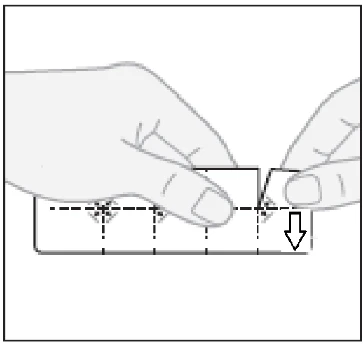
- Separating one tablet: to separate a blister segment containing one tablet, tear the blister along the perforated lines.
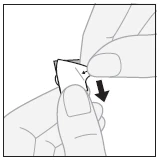
- Peeling off the outer layer: starting from the corner, lift and peel off the outer layer from the separated blister segment.
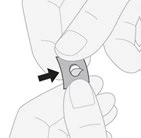
- Removing the tablet: gently push the tablet through the foil layer.
Marketing Authorisation Holder
GSK PSC Poland sp. z o.o.
ul. Grunwaldzka 189
60-322 Poznań
Manufacturer
Delpharm Poznań Spółka Akcyjna
ul. Grunwaldzka 189
60-322 Poznań
For more detailed information about this medicinal product, please contact
the representative of the Marketing Authorisation Holder.
GSK Services Sp. z o.o.
tel. (22) 576-90-00
{responsible entity logo}