Nitrazepam gsk
Poland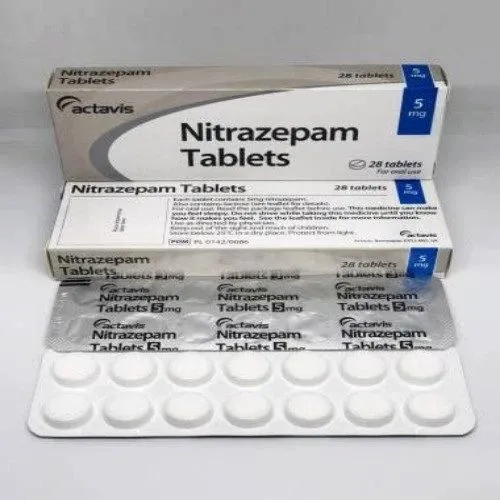
Table of Contents
Patient Information Leaflet
NITRAZEPAM GSK, 5 mg, tablets
Nitrazepamum
Please read the entire leaflet carefully before taking this medicine, as it contains
important information for the patient.
- Keep this leaflet for future reference.
- If you have any questions, consult your doctor or pharmacist.
- This medicine has been prescribed for a specific individual. Do not share it with others. This medicine may harm others, even if their symptoms are the same.
- If you experience any adverse reactions, including those not listed in this leaflet, inform your doctor or pharmacist immediately. See section 4.
Table of Contents:
- What Nitrazepam GSK is and what it is used for
- Important information before taking Nitrazepam GSK
- How to take Nitrazepam GSK
- Possible side effects
- How to store Nitrazepam GSK
- Contents of the pack and other information
1. What Nitrazepam GSK is and what it is used for
Nitrazepam GSK belongs to a group of medicines called benzodiazepines. It contains the active substance nitrazepam. The medicine has hypnotic, sedative, and anticonvulsant properties. It also reduces muscle tension.
Indications
Short-term treatment of severe insomnia characterized by difficulties in falling asleep and frequent nocturnal awakenings, bearing in mind that patients may experience excessive sedation and daytime drowsiness while taking this medicine.
2. Important information before taking Nitrazepam GSK
When not to take Nitrazepam GSK
- If the patient is allergic to the active substance, other benzodiazepines, or any of the other ingredients of this medicine (listed in section 6);
- If the patient has myasthenia gravis (a disease characterized by muscle weakness);
- If the patient has severe respiratory insufficiency or respiratory depression;
- If the patient has sleep apnoea syndrome (repeated breathing pauses during sleep causing hypoxia);
- If the patient has severe liver insufficiency;
- If the patient has phobias, obsessions, or chronic psychosis;
- Nitrazepam GSK should not be used for short-term treatment of insomnia in children and adolescents;
- Nitrazepam GSK should not be used in children.
Warnings and precautions
- In rare cases, hypersensitivity reactions may occur in sensitive patients, including rash, angioedema, and elevated blood pressure (hypertension).
- Nitrazepam GSK should be used with particular caution in patients who have abused alcohol or drugs, have a history of dependence, are concurrently using other benzodiazepines, or have personality disorders (see section: Nitrazepam GSK and other medicines).
- Prolonged use of Nitrazepam GSK may lead to psychological and physical dependence (see section 4: Possible side effects).
- If treatment with Nitrazepam GSK is abruptly discontinued (even in patients taking therapeutic doses for a short time), withdrawal symptoms may occur, such as: depression, headache, muscle weakness, nervousness, extreme anxiety, tension, restlessness, confusion, mood changes, rebound insomnia, irritability, sweating, and diarrhoea.
- If Nitrazepam GSK is used for several weeks, a reduction in hypnotic effectiveness may occur.
- In the case of long-acting benzodiazepines, switching to short-acting agents may trigger withdrawal symptoms. In severe cases, the following symptoms may appear: loss of reality perception, personality disturbances, sound sensitivity, numbness and tingling in limbs, light, noise, and touch sensitivity, hallucinations, or seizures. In rare cases, discontinuation after using higher-than-recommended doses may lead to confusion, psychotic symptoms, and convulsions (see section 4).
- During discontinuation, withdrawal symptoms or a "rebound" phenomenon may occur, i.e., a transient effect where symptoms that led to benzodiazepine or benzodiazepine-like treatment reappear in an intensified form. After discontinuation of hypnotics, rebound insomnia may occur. This may be accompanied by other symptoms such as mood changes, anxiety, and restlessness. This phenomenon is associated with abrupt discontinuation; therefore, gradual dose reduction is recommended.
- Unusual psychiatric reactions may occur during treatment. These may be severe. Rarely, they include paradoxical aggressive outbursts, agitation, confusion, restlessness, irritability, delusions (false beliefs), anger, nightmares, hallucinations (false sensory perceptions), psychoses, behavioral disturbances, and emergence of depression with suicidal tendencies. The risk of such reactions is higher in elderly patients (over 65 years). If any of the above symptoms occur, the medicine should be discontinued.
- In cases of loss or bereavement, benzodiazepines may interfere with psychological adjustment. Using Nitrazepam GSK in individuals experiencing grief (e.g., after losing a loved one) does not improve well-being. Nitrazepam GSK may cause anterograde amnesia (inability to learn and remember new information), which usually occurs 1 to 2 hours after taking the medicine and may last for several hours (see section 4. Possible side effects).
- If the patient has depression or anxiety associated with depression, Nitrazepam GSK should not be used as the sole treatment, as it may increase the risk of suicide.
- If the patient has chronic lung disease, chronic kidney or liver disease, a lower dose should be used.
- The medicine reduces muscle tone. This may lead to falls and bone fractures, especially in elderly patients.
- Memory disturbances may occur during the effect of this medicine.
- Benzodiazepines are not recommended for primary treatment of phobias or obsessive states, chronic psychoses, or psychotic disorders.
Nitrazepam GSK and other medicines
Inform your doctor about all medicines currently taken, recently used, or planned for use.
Nitrazepam GSK enhances the effect of medicines such as:
- antipsychotic medicines,
- sedatives,
- antidepressants,
- hypnotics,
- antiepileptic medicines (e.g. hydantoin or barbiturates). Particular caution is required when determining dosage at the beginning of treatment,
- anxiolytics (anti-anxiety medicines),
- analgesics, opioid analgesics, causing intensified euphoric effects (excessive happiness), which may increase the risk of psychological dependence. Elderly patients require special monitoring. Concurrent use of Nitrazepam GSK and opioids (strong painkillers, medicines used in substitution treatment of addictions, and some cough medicines) increases the risk of drowsiness, breathing difficulties (respiratory depression), coma, and may be life-threatening. Therefore, concurrent use of these medicines should only be considered if other treatment options are not feasible. If your doctor prescribes Nitrazepam GSK together with opioids, the dose and duration of combined treatment should be minimized. Inform your doctor about all opioid medicines you are taking and strictly follow medical advice. It may be helpful to inform family or friends so they are aware of the above-mentioned symptoms. If such symptoms occur, contact your doctor immediately.
- anaesthetics,
- sedating antihistamines (used, for example, in allergy treatment),
- medicines used to treat hypertension and beta-blockers.
Medicines that inhibit liver enzymes, e.g. cimetidine, certain antifungal azoles, omeprazole, antiretroviral protease inhibitors, macrolide antibiotics, calcium channel blockers, selective serotonin reuptake inhibitors (SSRIs), and disulfiram, may enhance the effect of Nitrazepam GSK.
Medicines that induce liver enzymes (e.g. the antibiotic rifampicin or St. John’s wort) may reduce the effect of Nitrazepam GSK.
Concurrent administration of theophylline or aminophylline may reduce the sedative effect of benzodiazepines.
Concurrent use of benzodiazepines and sodium oxybate may enhance the effect of sodium oxybate.
Concurrent use of valerian may enhance or reduce the effect of nitrazepam.
If the patient is unsure whether they are taking any of the above-mentioned medicines, they should
consult their doctor or pharmacist.
Nitrazepam GSK and alcohol
Do not consume any alcoholic beverages while taking this medicine. Alcohol enhances the sedative effect of Nitrazepam GSK.
Pregnancy and breastfeeding
If the patient is pregnant, breastfeeding, suspects she may be pregnant, or plans to become pregnant, she should consult her doctor or pharmacist before using this medicine.
Use of this medicine in pregnant women is not recommended, especially during the first and third trimesters of pregnancy.
Use of Nitrazepam GSK during pregnancy or breastfeeding is acceptable only if the doctor considers it absolutely necessary.
Newborns born to mothers who have taken benzodiazepines long-term in late pregnancy may develop physical dependence with withdrawal symptoms in the postnatal period.
Benzodiazepines used during the last three months of pregnancy or during delivery may cause fetal bradycardia and reduced muscle tone, feeding difficulties, hypothermia (body temperature below 36°C), and breathing disorders in the newborn.
The medicine passes into human milk; therefore, it should not be used during breastfeeding.
Driving and operating machinery
Nitrazepam GSK may impair psychomotor performance and affect the ability to drive. As with all medicines of this type, nitrazepam may affect the ability to perform tasks requiring skill. Sedation, amnesia, concentration disturbances, and impaired muscle function may adversely affect the ability to drive and operate machinery. The likelihood of attention disturbances may increase if the patient's sleep duration is insufficient.
Do not drive until the effect of the medicine on the individual is known. Be aware of current local traffic regulations.
The medicine contains lactose
If the patient has previously been diagnosed with intolerance to certain sugars, they should consult their doctor before taking this medicine.
3. How to take Nitrazepam GSK
This medicine should always be taken exactly as described in the patient information leaflet or as directed by your doctor. If in doubt, consult your doctor or pharmacist.
The medicine should be taken orally.
The duration of treatment should not exceed 4 weeks.
Recommended dose:
Adults
1 to 2 tablets (5 mg to 10 mg) before bedtime.
Patients over 65 years of age
Initially, half a tablet (2.5 mg) before bedtime.
If necessary, the doctor may recommend increasing the dose to 5 mg (1 tablet).
Use in children and adolescents
This medicine should not be used in children and adolescents.
Taking more Nitrazepam GSK than recommended
If you take more than the recommended dose, seek immediate medical help.
Bring the cardboard packaging of the medicine to show to the doctor.
Depending on the amount taken, the following symptoms of overdose may occur:
- drowsiness, confusion, slurred speech, lethargy;
- impaired motor coordination, reduced muscle tone, low blood pressure (hypotension), breathing difficulties, shortness of breath, respiratory depression, coma, and even death.
After oral overdose of benzodiazepines, if the patient is conscious, induce vomiting (within one hour of ingestion). If gastric emptying is ineffective, activated charcoal should be administered to reduce absorption. The charcoal may be given within one hour after ingestion of a large amount of the product, provided the patient is conscious and has a clear airway.
Respiratory and cardiac functions should be monitored in an intensive care unit.
The antidote for benzodiazepine overdose is flumazenil.
If you miss a dose of Nitrazepam GSK
If you miss a dose, take it as soon as possible. If it is almost time for the next dose, skip the missed dose. Take the next dose at the usual time according to your doctor's instructions.
Do not take a double dose to make up for a missed dose.
Stopping Nitrazepam GSK
This medicine should be discontinued gradually, strictly according to your doctor's instructions.
Sudden discontinuation of Nitrazepam GSK may cause withdrawal symptoms such as: depression, headache, muscle weakness, nervousness, extreme anxiety, tension, restlessness, confusion, mood changes, rebound insomnia, irritability, sweating, and diarrhoea.
If you have any doubts regarding the use of this medicine, consult your doctor or pharmacist.
4. Possible adverse reactions
Like all medicines, this medicine can cause adverse reactions, although not everyone experiences them.
You should contact your doctor immediately if any of the following serious adverse reactions occur, as they may require immediate medical attention:
- Allergic reactions (hypersensitivity) – swelling of the face, lips, tongue or throat, difficulty breathing or swallowing.
- Rash or other skin allergic reactions, red skin or itching, pale skin covered with red irregular patches with intense itching (urticaria), irregular ring-shaped skin lesions on the hands and arms (erythema multiforme), severe form of skin rash with redness, fever, blisters or ulcers, sore throat, fatigue (Stevens-Johnson syndrome).
Changes in behaviour may occur during treatment with this medicine. If they occur, you should contact your doctor. The doctor may decide to discontinue the medicine. Behavioural changes may include: aggression, excitement, confusion, anxiety, restlessness, irritability, anger outbursts, hallucinations, nightmares, depression.
Adverse reactions occurring frequently (may affect less than 1 in 10 patients ):
- emotional blunting;
- headache;
- fatigue;
- confusion (disturbances of consciousness, thought process disturbances, disorientation in time, place, situation or self);
- depression; depression previously present may become apparent during benzodiazepine treatment;
- muscle weakness.
Adverse reactions occurring rarely (may affect less than 1 in 1000 patients ):
- decreased or increased sexual drive (libido);
- dysarthria (speech disorder);
- vestibular dizziness (sensation of spinning or movement of surroundings);
- abdominal discomfort and nausea;
- skin rashes.
Adverse reactions occurring with unknown frequency (frequency cannot be estimated from the available data):
- blood count abnormalities;
- skin allergic reaction, anaphylactic reaction, angioedema;
- emotional blunting (patient does not express emotions they are experiencing);
- emotional disturbances;
- delirium;
- impaired concentration;
- insomnia;
- cognitive dysfunction;
- physical and psychological dependence;
- withdrawal syndrome, accompanied by symptoms including mood changes, anxiety and restlessness, drug abuse, agitation, aggression, delusions, anger, nightmares, hallucinations, psychotic disturbances;
- inability to learn and remember new information (so-called anterograde amnesia); to prevent this, the patient should have uninterrupted 7–8 hours of sleep; behavioural disturbances may accompany this;
- daytime drowsiness;
- dizziness, disorientation, impaired motor coordination (ataxia);
- loss of balance, hypokinesia, tremor, convulsions;
- respiratory depression, increased bronchial secretion;
- double vision, visual disturbances;
- dizziness;
- decreased blood pressure;
- gastrointestinal disturbances (e.g. bloating);
- jaundice (yellowing of the skin and whites of the eyes);
- urticaria, itching, skin inflammation, erythema multiforme, Stevens-Johnson syndrome;
- muscle cramps;
- inability to urinate (strong urge to urinate, lower abdominal pain);
- irritability;
- "rebound" effect occurring after discontinuation or dose reduction of the medicine, representing a recurrence of intensified symptoms for which the medicine was initially prescribed.
Due to the muscle relaxant effect, there is a risk of falls and consequently fractures in elderly patients. Adverse reactions of nitrazepam are dose-dependent. They occur mainly at the beginning of treatment and usually subside during continued treatment. The risk of adverse reactions is higher in elderly patients. If any adverse reactions occur, inform your doctor, who may decide to adjust the dose.
Reporting of adverse reactions
If any adverse effects occur, including any not listed in this leaflet, tell your doctor or pharmacist. Adverse reactions can be reported directly to the Department of Monitoring of Adverse Drug Reactions at the Office for Registration of Medicinal Products, Medical Devices and Biocidal Products, Al. Jerozolimskie 181C, 02-222 Warsaw, tel.: +48 22 49 21 301, fax: +48 22 49 21 309, website: https://smz.ezdrowie.gov.pl
Adverse reactions can also be reported to the marketing authorisation holder or its representative. Reporting adverse reactions helps to provide more information on the safety of the medicine.
5. How to store Nitrazepam GSK
Keep the medicine out of the sight and reach of children.
Do not use Nitrazepam GSK after the expiry date (EXP) stated on the packaging. The expiry date refers to the last day of the stated month. The Lot abbreviation indicates the batch number.
Store below 25°C. Protect from light and moisture.
Keep in the original packaging.
Medicines must not be disposed of via wastewater or household waste. Ask your pharmacist how to dispose of medicines no longer required. This will help protect the environment.
6. Contents of the pack and other information
What Nitrazepam GSK contains
The active substance is nitrazepam. One tablet contains 5 mg of nitrazepam.
The other ingredients are: monohydrate lactose, potato starch, talc, magnesium stearate.
What Nitrazepam GSK looks like and contents of the pack
Nitrazepam GSK is a white or almost white tablet in the shape of a convex disc, marked with the letter N on one side and a division line. The tablet can be divided into two equal doses.
The unit pack contains 20 tablets.
Marketing Authorisation Holder
GSK PSC Poland sp. z o.o.
ul. Grunwaldzka 189,
60-322 Poznań
Manufacturer
Delpharm Poznań Spółka Akcyjna
ul. Grunwaldzka 189
60-322 Poznań
For further information about this medicine, please contact the local representative of the Marketing Authorisation Holder:
GSK Services Sp. z o.o.
Tel.: +48 22 576 9000