Nebivolol medreg
Poland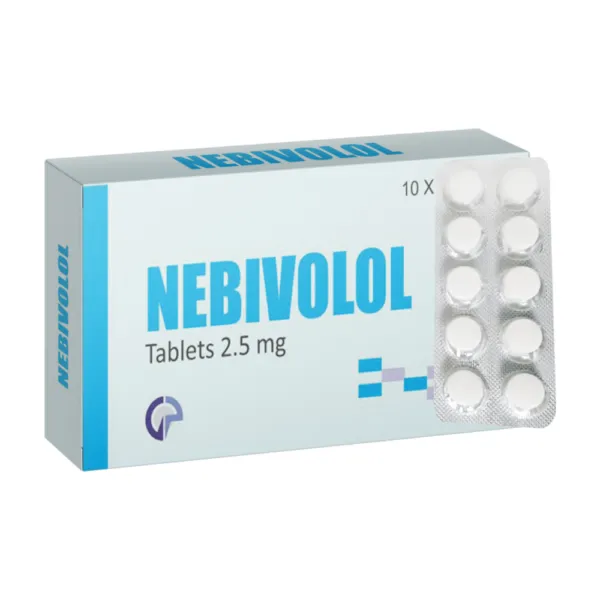
Table of Contents
Package leaflet: Information for the patient
Nebivolol Medreg, 5 mg, tablets
Nebivololum
Please read the entire leaflet carefully before using this medicine, as it contains
important information for the patient.
- Keep this leaflet, so that you can read it again if necessary.
- If you have any doubts, please consult your doctor or pharmacist.
- This medicine has been prescribed for a specific individual. Do not pass it on to others. The medicine may harm someone else, even if their symptoms are the same.
- If you experience any adverse reactions, including any not listed in this leaflet, inform your doctor or pharmacist. See section 4.
Table of contents of the leaflet:
- What Nebivolol Medreg is and what it is used for
- Important information before taking Nebivolol Medreg
- How to take Nebivolol Medreg
- Possible side effects
- How to store Nebivolol Medreg
- Contents of the pack and other information
1. What Nebivolol Medreg is and what it is used for
Nebivolol Medreg contains the active substance nebivolol, which acts on the cardiovascular system. Nebivolol belongs to a group of medicines called selective beta-blockers (i.e. selectively affecting the cardiovascular system). It prevents the heart from beating too fast and controls the force of heart contractions. It also dilates blood vessels, which helps lower blood pressure.
Nebivolol Medreg is used to treat high blood pressure (hypertension).
Nebivolol Medreg is also used in the treatment of mild to moderate chronic heart failure, as an addition to standard therapy in patients aged 70 years and older.
2. Important information before using Nebivolol Medreg
When not to use Nebivolol Medreg
- if the patient is allergic to nebivolol or any of the other ingredients of this medicine (listed in section 6)
- if the patient has one or more of the following conditions:
- low blood pressure
- severe circulation disorders in the hands or feet
- very slow heart rate (less than 60 beats per minute)
- certain other serious heart rhythm disorders (e.g. second- or third-degree atrioventricular block, conduction disorders in the heart)
- heart failure that has recently developed or worsened, or if the patient is receiving intravenous medicines to support heart function due to cardiogenic shock in acute heart failure
- asthma or wheezing (currently or in the past)
- untreated phaeochromocytoma – a tumour located in the upper part of the kidney (adrenal gland)
- liver function disorders
- metabolic disorders (metabolic acidosis), e.g. diabetic ketoacidosis.
Warnings and precautions
Before starting treatment with Nebivolol Medreg, discuss this with your doctor or pharmacist.
Inform your doctor if the patient has or develops any of the following conditions:
- abnormally slow heart rate
- chest pain caused by spontaneous spasm of the coronary arteries (Prinzmetal's angina)
- untreated chronic heart failure
- first-degree heart block (mild conduction disorder in the heart affecting heart rhythm)
- circulation disorders in the hands or feet, e.g. Raynaud's disease or syndrome, cramping pain during walking
- persistent breathing difficulties
- diabetes – because nebivolol may mask symptoms of low blood sugar (hypoglycaemia) (e.g. palpitations, rapid heartbeat) and may increase the risk of severe hypoglycaemia when used together with certain types of antidiabetic medicines called sulphonylureas (such as gliclazide, glimepiride, glipizide, gliquidone, glyburide, glipizide, glimepiride or tolbutamide)
- hyperthyroidism – this medicine may mask symptoms of abnormally rapid heartbeat occurring in this condition
- allergies – this medicine may intensify the reaction to pollen or other substances to which the patient is allergic
- psoriasis (a skin disease characterized by scaly, red patches) or history of psoriasis
- planned surgical procedure – inform the anaesthesiologist about taking Nebivolol Medreg before anaesthesia.
Nebivolol Medreg should not be used in the treatment of heart failure in patients with severe kidney dysfunction; discuss this with your doctor.
At the beginning of heart failure treatment, an experienced doctor will regularly monitor the patient's clinical condition (see section 3).
Do not suddenly stop treatment unless clearly instructed by a doctor (see section 3).
Children and adolescents
Nebivolol Medreg is not recommended for children and adolescents due to lack of data on use in this age group.
Nebivolol Medreg with other medicines
Tell your doctor or pharmacist about all medicines the patient is currently taking or has recently taken, as well as any medicines the patient plans to use.
Inform your doctor if the patient is taking any of the following medicines together with Nebivolol Medreg:
- medicines used to treat high blood pressure or heart diseases (such as amiodarone, amlodipine, cibenzoline, clonidine, digoxin, diltiazem, disopyramide, felodipine, flecainide, guanfacine, hydroquinidine, lacidipine, lidocaine, methyldopa, mexiletine, moxonidine, nicardipine, nifedipine, nimodipine, nitrendipine, propafenone, quinidine, rilmenidine, verapamil)
- sedatives and antipsychotics (used in psychiatric disorders), e.g. barbiturates (also used in epilepsy), phenothiazines (also used for nausea and vomiting) and thioridazine
- antidepressants, e.g. amitriptyline, paroxetine, fluoxetine
- medicines used for anaesthesia during surgery
- medicines used for asthma, nasal congestion, or certain eye diseases such as glaucoma (increased eye pressure) or to dilate the pupil
- baclofen (a muscle relaxant), amifostine (a protective agent used during cancer treatment)
- medicines for diabetes, such as insulin or oral antidiabetic medicines. All of the above medicines, as well as nebivolol, may affect blood pressure and/or heart rate.
- Medicines used for acidity or peptic ulcer disease (medicines reducing stomach acid secretion): Nebivolol Medreg should be taken with food, and antacids should be taken between meals.
Nebivolol Medreg with food and drink
Nebivolol Medreg may be taken with food or independently of meals, preferably with a glass of water. See section 3.
Pregnancy and breastfeeding
If the patient is pregnant or breastfeeding, suspects she may be pregnant, or is planning to have a child, she should consult her doctor or pharmacist before using this medicine.
Nebivolol Medreg should not be used during pregnancy unless absolutely necessary.
Breastfeeding is not recommended while taking Nebivolol Medreg.
Driving and using machines
This medicine may cause dizziness and fatigue. In such cases, do not drive or operate machinery.
Nebivolol Medreg contains lactose
If the patient has been diagnosed with intolerance to certain sugars, consult a doctor before taking this medicine.
Nebivolol Medreg contains sodium
This medicine contains less than 1 mmol (23 mg) of sodium per tablet, meaning it is considered "sodium-free".
3. How to use Nebivolol Medreg
This medicine should always be used as directed by the physician. In case of doubts, consult
your doctor or pharmacist.
Nebivolol Medreg may be taken before, during, or after a meal, or independently of meals.
The tablet should be taken with sufficient amount of water.
Treatment of high blood pressure (hypertension)
The usual dose is 1 tablet per day. The dose should be taken daily at the same time.
In elderly patients and patients with impaired kidney function, treatment is usually initiated at ½ tablet per day.
The effect on blood pressure becomes apparent after 1–2 weeks of treatment. In rare cases, optimal effect is achieved after 4 weeks.
Treatment of chronic heart failure
Treatment will be initiated and monitored by an experienced physician.
The physician will start treatment at ¼ tablet per day. After 1–2 weeks of treatment, the dose may be increased to ½ tablet per day, then to 1 tablet per day, and subsequently to 2 tablets per day, until the optimal dose for the patient is reached. The physician will determine the appropriate dose at each stage of treatment, and the patient should strictly follow the physician's instructions.
The maximum recommended dose is 2 tablets (10 mg) per day.
The patient will require monitoring by an experienced physician for 2 hours after initiation of treatment and each time the dose is increased.
The physician may recommend reducing the dose if necessary.
Do not abruptly discontinue treatment, as this may worsen heart failure.
Patients with severe renal impairment must not take this medicine.
The medicine should be taken once daily, preferably at the same time each day.
The physician may recommend taking Nebivolol Medreg in combination with other medicines used in the treatment of the disease.
Use in children and adolescents
Use of Nebivolol Medreg is not recommended in children and adolescents.
Taking more Nebivolol Medreg than recommended
In case of accidental overdose, immediately consult a doctor or pharmacist. The most common subjective and objective symptoms of Nebivolol Medreg overdose are: very slow heart rate (bradycardia), low blood pressure that may cause fainting (hypotension), breathlessness similar to that occurring in bronchial asthma (bronchospasm), and acute heart failure.
The patient may take activated charcoal (available in pharmacies) while waiting for the doctor's arrival.
Missed dose of Nebivolol Medreg
If a dose of Nebivolol Medreg is missed but remembered shortly afterwards, the missed dose should be taken as soon as possible on the same day. However, if a significant delay has occurred (e.g., several hours) and the time for the next dose is approaching, the missed dose should be skipped and the next scheduled dose taken at the usual time. Do not take a double dose to make up for a missed dose. Repeatedly missing doses should be avoided.
Stopping Nebivolol Medreg
Always consult your doctor before stopping Nebivolol Medreg, regardless of whether it is being used to treat high blood pressure or chronic heart failure.
Do not stop taking the medicine suddenly, as this may lead to a temporary worsening of heart failure symptoms. If discontinuation of treatment with Nebivolol Medreg for chronic heart failure becomes necessary, the physician will recommend gradually reducing the dose by half, at weekly intervals.
In case of any further doubts regarding the use of this medicine, consult your doctor or pharmacist.
4. Possible adverse effects
Like all medicines, this medicine can cause adverse effects, although not everybody will experience them.
The following adverse effects have been reported during treatment with Nebivolol Medreg for hypertension:
Common (may occur in up to 1 in 10 patients):
- headache, dizziness, unusual sensation of itching or tingling
- shortness of breath
- constipation, nausea, diarrhoea
- fatigue, swelling of hands or feet
Uncommon (may occur in up to 1 in 100 patients):
- nightmares, feeling of depression
- visual disturbances
- slow heart rate or other heart disorders
- low blood pressure, cramping leg pain during walking
- asthma-like breathlessness caused by sudden constriction of the airway muscles (bronchospasm)
- indigestion (dyspepsia), stomach or intestinal gas, vomiting
- itching, skin rash
- impotence
Very rare (may occur in up to 1 in 10,000 patients):
- fainting
- exacerbation of psoriasis (a skin disease with scaly, red patches)
The following adverse effects have been reported only in individual cases during treatment with Nebivolol Medreg:
- systemic allergic reactions involving the whole body, with generalized skin changes (hypersensitivity reactions)
- rapidly developing swelling, particularly around the lips, eyelids or tongue, possibly accompanied by sudden breathing difficulties (angioedema)
- a type of skin rash characterized by pale red, raised, itchy wheals, either due to allergy or non-allergic causes (urticaria)
In a clinical trial investigating chronic heart failure, the following adverse effects were observed:
Very common (may occur in more than 1 in 10 patients):
- slow heartbeat
- dizziness
Common (may occur in up to 1 in 10 patients):
- worsening of heart failure
- low blood pressure (such as feeling faint when standing up quickly)
- intolerance to this medicine
- a mild type of heart conduction disorder affecting heart rhythm (first-degree atrioventricular block)
- swelling of the lower limbs (such as swelling around the ankles)
Reporting of adverse effects
If any adverse effects occur, including any not listed in this leaflet, inform your doctor or pharmacist. Adverse effects can be reported directly to the Department of Monitoring of Adverse Drug Reactions, Office for Registration of Medicinal Products, Medical Devices and Biocidal Products, Al. Jerozolimskie 181C, 02-222 Warsaw, tel.: +48 22 49 21 301, fax: +48 22 49 21 309, website: https://smz.ezdrowie.gov.pl
Adverse effects can also be reported to the marketing authorization holder.
Reporting adverse effects helps to provide more information on the safety of the medicine.
5. How to store Nebivolol Medreg
Keep this medicine out of sight and reach of children.
There are no special storage instructions for this medicine.
Do not use this medicine after the expiry date stated on the carton and blister pack following EXP.
The expiry date refers to the last day of the stated month.
Medicines must not be disposed of via wastewater or household waste. Ask your pharmacist how to
dispose of medicines no longer required. Such measures will help protect the environment.
6. Contents of the pack and other information
What Nebivolol Medreg contains
- The active substance is nebivolol. Each tablet contains 5 mg of nebivolol (as nebivolol hydrochloride).
- The other ingredients are: colloidal anhydrous silica, magnesium stearate, sodium croscarmellose, macrogol 6000 and lactose monohydrate.
What Nebivolol Medreg looks like and contents of the pack
Round, white, convex tablets, 9 mm in diameter, with cross-scored lines on one side and the imprint "N 5" on the other side.
The tablet can be divided into equal doses.
The tablets are supplied in blisters made of Aluminium/PVC/PE/PVdC, packed in a cardboard box.
Pack sizes: 28, 30, 56, 60, 90, 98 and 100 tablets.
Not all pack sizes may be marketed.
Marketing Authorisation Holder:
Medreg s.r.o.
Na Florenci 2116/15
Nové Město
110 00 Prague 1
Czech Republic
tel.: (+420) 516 770 199
Manufacturer:
Balkanpharma Dupnitsa AD
3 Samokovsko Shosse str.
2600 Dupnitsa
Bulgaria
This medicinal product is authorised in the following names in the European Economic Area countries:
Czech Republic: Nebivolol Medreg
Poland: Nebivolol Medreg
Slovakia: Nebivolol Medreg
Romania: Nebivolol Gemax Pharma 5 mg tablets