Nebbud
Poland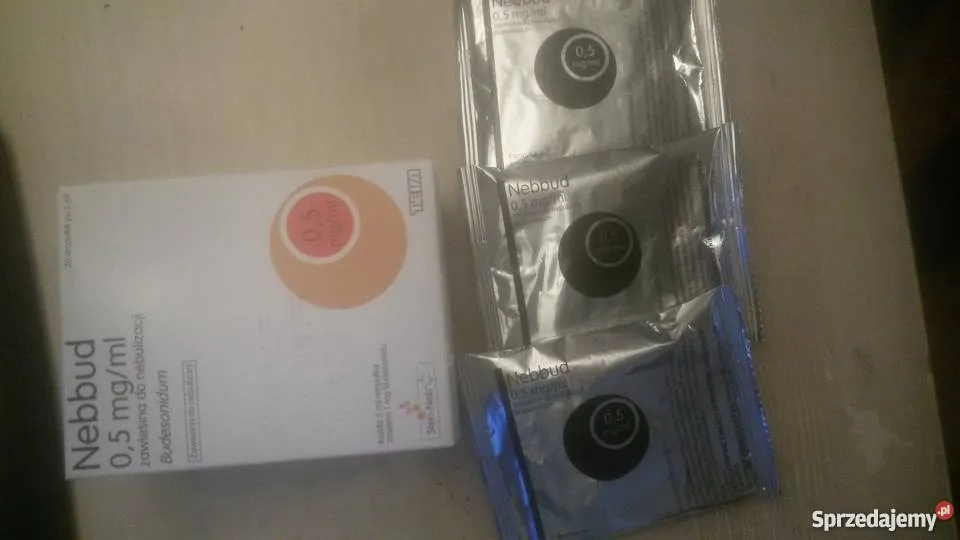
Table of Contents
Patient Information Leaflet
Nebbud, 0.5 mg/ml, suspension for nebulization
Budesonide
Please read this leaflet carefully before using this medicine, as it contains important information for you.
- Keep this leaflet, as you may need to read it again.
- If you have any questions, please consult your doctor or pharmacist.
- This medicine has been prescribed for a specific individual. Do not share it with others. This medicine may harm others, even if their symptoms are the same.
- If you experience any adverse reactions, including any not listed in this leaflet, inform your doctor or pharmacist. See section 4.
Leaflet Contents:
- What Nebbud is and what it is used for
- Important information before using Nebbud
- How to use Nebbud
- Possible side effects
- How to store Nebbud
- Contents of the pack and other information
1. What Nebbud is and what it is used for
Nebbud is a suspension for nebulization containing 0.5 mg of budesonide per 1 ml.
Budesonide belongs to a group of medicines called glucocorticosteroids, which are used to reduce swelling of the airways in asthma, acute laryngitis, chronic obstructive pulmonary disease, and chronic rhinosinusitis with nasal polyps.
Nebbud is used:
- for the treatment of bronchial asthma in patients in whom pressurized metered-dose inhalers or dry powder inhalers do not provide sufficient effect or are contraindicated,
- in infants and children with croup, i.e. acute laryngitis (laryngitis acuta),
- for the treatment of exacerbations of chronic obstructive pulmonary disease (COPD), when the use of budesonide as a nebulized suspension is justified. COPD is a chronic lung disease causing breathlessness and cough,
- in adult patients with chronic rhinosinusitis with nasal polyps (CRSwNP).
2. Important information before using Nebbud
When not to use Nebbud:
- if the patient is allergic (hypersensitive) to budesonide or to any of the other ingredients of Nebbud (listed in section 6).
Warnings and precautions
Nebbud is not suitable for treating sudden breathing difficulties, including acute asthma attacks, which require administration of short-acting bronchodilators.
If the patient experiences blurred vision or other visual disturbances, they should contact a doctor.
Before starting Nebbud, consult a doctor:
- if the patient has ever had tuberculosis;
- if the patient has liver disease;
- if the patient has a cold or chest infection;
- if the patient is taking other steroids in any form (tablets, injections, inhalations).
If the patient has been taking high doses of inhaled steroids for a prolonged period, the doctor may recommend additional systemic glucocorticoid treatment in tablet form during periods of increased stress or before surgery.
Patients with chronic sinusitis with nasal polyps
If persistent nasal congestion or ear pain occurs, stop using the medicine and contact a doctor. Do not use pulsating sinus nebulization during acute catarrhal infection (see section 3).
Children and adolescents
Regular monitoring of growth is recommended in children and adolescents receiving long-term glucocorticoid therapy. Increased aggressive behaviour may occur in children.
Nebbud with other medicines
Tell your doctor or pharmacist about all medicines the patient is currently taking or has recently taken, as well as any medicines the patient plans to take, including those available without a prescription.
Inform the doctor about any concerning reactions that occurred after taking other medicines.
Especially inform the doctor about currently used antifungal medicines such as ketoconazole, itraconazole, other strong inhibitors of the CYP3A4 isoenzyme such as erythromycin and clarithromycin, and HIV protease inhibitors such as ritonavir and atazanavir, which may increase the plasma concentration of budesonide. If possible, concomitant use of these medicines with Nebbud should be avoided. If concomitant use of such medicines with Nebbud is necessary, the interval between doses of each medicine should be as long as possible, and the doctor may additionally recommend reducing the dose of budesonide.
Some medicines may enhance the effect of Nebbud. The doctor may then closely monitor the patient taking such medicines (including certain HIV medicines: ritonavir, cobicistat).
Other medicines that may interact with budesonide include: ethinylestradiol (used in hormonal therapy in women), troleandomycin (an antibiotic), and cimetidine (used in the treatment of stomach ulcers).
Pregnancy and breastfeeding
If the patient is pregnant or breastfeeding, suspects she may be pregnant, or is planning to have a baby, she should consult a doctor or pharmacist before using this medicine.
Pregnancy
The doctor will decide whether Nebbud can be used during pregnancy.
Breastfeeding
If a woman is breastfeeding or planning to breastfeed, she should consult a doctor or pharmacist.
Budesonide passes into breast milk.
However, when therapeutic doses of budesonide are used, no effect of this treatment on the breastfed infant is expected. Nebbud may be used by breastfeeding women.
Driving and operating machinery
Nebbud has no influence on the ability to drive or operate machinery.
3. How to use Nebbud
This medicine should always be used as directed by the physician. If in doubt, consult your doctor or pharmacist.
Nebbud is administered by inhalation.
The medicine is taken as an inhalation via a nebulizer using a mouthpiece, face mask, or nasal attachment (pulsed sinus nebulization).
Dosage
Asthma
Adults (including elderly patients) and adolescents over 12 years of age:
The usual starting dose is 1 mg to 2 mg per day. In very severe cases, the dose may be increased. The appropriate dose is determined by the physician and depends on the severity of asthma in the patient. After improvement is achieved, the physician may reduce the dose to the lowest level that provides adequate asthma control. The total daily dose ranges from 0.5 mg to 4 mg.
Children aged 6 months to 12 years:
The usual starting dose is 0.25 mg to 0.5 mg per day. In children who are taking oral glucocorticosteroids, the daily dose may be increased, if necessary, up to 1 mg. After improvement is achieved, the physician may reduce the dose to the lowest level that provides adequate asthma control. The total daily dose ranges from 0.25 mg to 2 mg per day.
In young children unable to inhale the medicine through a mouthpiece, Nebbud should be administered via a face mask.
Children should use the nebulizer under the supervision of an adult.
If the patient is taking steroid tablets for asthma treatment, after starting Nebbud, the physician may reduce their dose or frequency of administration.
Improvement in the patient's condition after starting Nebbud may occur within a few hours of initiating treatment. Full therapeutic effect is achieved after several weeks of treatment.
The medicine should be used as directed by the physician, even if the patient feels better.
Pseudocroup
The usual dose for infants and children with pseudocroup is 2 mg of budesonide administered as nebulization. This dose may be given as a single dose or divided into two 1 mg doses administered 30 minutes apart. This dosing regimen may be repeated every 12 hours, up to a maximum of 36 hours or until clinical improvement is achieved.
Exacerbations of COPD
Based on limited clinical trial data, the recommended dose of Nebbud inhalation suspension is 4 to 8 mg per day, divided into 2 to 4 doses. Treatment should continue until clinical improvement is achieved, but treatment longer than 10 days is not recommended.
Chronic sinusitis with nasal polyps
The usual dose for adults is 1 mg of Nebbud administered every 12 hours for 14 days.
Nebbud inhalation suspension must be administered using an appropriate nebulizer adapted for pulsed sinus nebulization, e.g., PARI SINUS2, in accordance with the Instructions for Use provided with the nebulizer.
Pulsed aerosol sinus nebulization differs from regular inhalation nebulization using standard pneumatic or mesh nebulizers. Before administration, the patient should ensure they are using the correct device. The aerosol generated during nebulization should reach only the paranasal sinuses. Therefore, a pulsating aerosol-generating device adapted for sinus nebulization is required.
If persistent nasal congestion or ear pain occurs, the procedure should be discontinued. Pulsed sinus nebulization should not be used during acute catarrhal infections (common cold, most frequently with symptoms such as cough, sneezing, fever).
General instructions for use in all indications – Step 1
Prepare the nebulizer for use according to the manufacturer's instructions.
Separate the sterile plastic container (ampoule) from the marked strip by twisting and pulling (Fig. A).
Gently shake the ampoule.
Holding the ampoule vertically upright, unscrew the closure (Fig. B).
The ampoule is marked with a dashed line indicating a volume of 1 ml when the container is inverted. If only 1 ml is to be used, the contents should be emptied to the level of the indicator line. The opened plastic container should be stored in the foil, within the original packaging.
The contents of a single-use plastic container are suitable for use within 12 hours after opening.
Squeeze the appropriate amount of suspension from the ampoule into the nebulizer chamber (Fig. C).
If only 1 ml of suspension from the ampoule has been used, the remaining volume of suspension is no longer sterile.
A B C
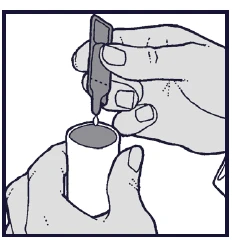
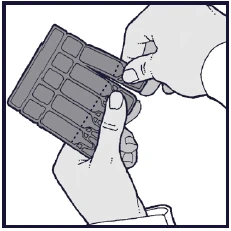
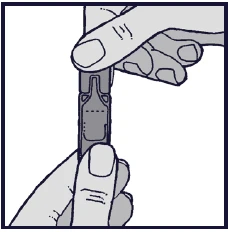
Do not swallow the suspension or use it as an injection.
If there is a sudden worsening of wheezing after administration of the medicine, contact the physician, who will reassess the treatment and, if necessary, consider alternative therapy.
Dosage instructions
The total volume of suspension in the plastic container (ampoule) may be divided to achieve the appropriate dose. Single-dose ampoules are marked with a horizontal dashed line. When the ampoule is inverted, this line indicates a volume of 1 ml. If only 1 ml of suspension is to be used, remove the liquid above the indicator line.
The opened plastic container should always be stored in laminated foil within the original packaging.
The contents of an opened ampoule are suitable for use within 12 hours.
Instructions for use in patients with asthma, pseudocroup, and COPD exacerbation – Step 2
Use the nebulizer according to the manufacturer's instructions.
After each completed inhalation, rinse the mouth with water, and if a face mask was used, also wash the face.
After using the nebulizer, rinse any remaining solution from the nebulizer chamber.
Wash the nebulizer thoroughly. The nebulizer chamber, mouthpiece, or face mask should be washed with hot water and a mild detergent. Rinse thoroughly and dry by connecting the nebulizer chamber to the compressed air inlet or compressor.
Warning: Nebbud must not be administered using classical ultrasonic nebulizers.
Nebbud inhalation suspension may also be administered using an appropriate mesh nebulizer.
Instructions for use in patients with chronic sinusitis with nasal polyps
with PARI SINUS2 nebulizer – Step 2
A B C
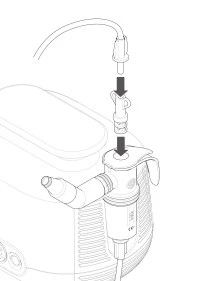
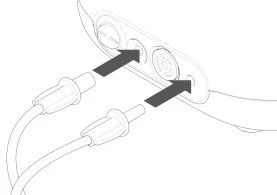
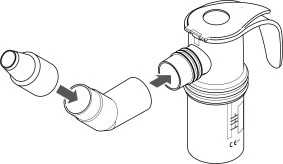
A. Attach the nasal piece to the angled mouthpiece, then attach both parts to the nebulizer.
B. The PARI SINUS2 tubing system contains two identical tubes. One tube is required for compressed air supply, the other for generating vibrations.
C. To fully connect the tubing system, perform the following steps:
insert the unconnected tube, using the matching end, into the adapter transmitting vibrations,
insert the adapter into the upper part of the nebulizer,
insert the free ends of both tubes into the matching connectors on the compressor.
The above instructions do not contain all information regarding preparation, assembly, filling, and cleaning of the nebulizer. Before use, carefully read the PARI SINUS2 nebulizer user manual.
Detailed and up-to-date information on the use of Nebbud in patients with chronic sinusitis with nasal polyps is available at the following URL: www.tevamed.pl/em/nebbud.pl
Overdose of Nebbud
If an excessive dose of the medicine is administered, contact a physician immediately or go to the nearest hospital. Bring this leaflet with you.
Never use more medicine than prescribed by the physician. If asthma symptoms worsen or the medicine does not work as before, inform the physician.
It is important to use the prescribed doses of the medicine as directed. Do not increase or decrease the dose without consulting the physician.
Missed dose of Nebbud
If the patient forgets to take a dose at the scheduled time, take it as soon as remembered. Do not take a double dose to make up for a missed dose.
Stopping Nebbud treatment
It is very important to take Nebbud daily as long as the physician has not advised stopping. Do not suddenly stop taking Nebbud, as symptoms of the disease may worsen.
If you have any further questions about the use of this medicine, consult your doctor or pharmacist.
4. Possible adverse reactions
Like all medicines, this medicine can cause adverse reactions, although not everyone will experience them.
You must stop taking the medicine immediately and consult a doctor if any of the following symptoms occur:
- swelling of the face, particularly around the lips, tongue, and eyes. Rash, itching, skin problems, and chest tightness with difficulty breathing. These symptoms indicate that the patient has had an allergic reaction. This occurs rarely, in 1 to 10 patients per 10,000.
- sudden wheezing after taking the medicine. These symptoms occur rarely, in less than 1 in 1,000 patients.
Other adverse reactions:
Common adverse reactions (occurring in less than 1 in 10 and more than 1 in 100 people taking the medicine):
- oral and throat thrush (candidiasis) – the likelihood of this reaction can be reduced if the patient rinses their mouth with water after each inhalation;
- throat irritation, cough;
- infection of the mouth and throat;
- pneumonia (lung infection) in patients with COPD.
You should tell your doctor if any of the following symptoms occur during treatment with budesonide, as they may be signs of a lung infection:
- fever or chills;
- increased mucus production, change in mucus colour;
- worsening cough or increased difficulty breathing.
Uncommon adverse reactions (may occur in up to 1 in 100 people):
- anxiety;
- depression;
- muscle spasms;
- clouding of the eye lens (cataract);
- blurred vision;
- tremor.
Rare adverse reactions (occurring in less than 1 in 1,000 and more than 1 in 10,000 people taking the medicine):
- restlessness, nervousness, behavioural disturbances (particularly in children);
- immediate and delayed hypersensitivity reactions, including skin reactions, rash, itching and redness, urticaria, contact dermatitis, angioedema, and anaphylactic reaction;
- easy bruising;
- facial skin irritation;
- bronchospasm;
- hoarseness, loss of voice;
- chest tightness, breathing difficulties, wheezing. If such symptoms occur, you must stop taking Nebbud immediately and consult your doctor;
- swelling of the face, lips, and tongue;
- effects on the adrenal glands (a small gland next to the kidney) leading to reduced cortisol secretion (a hormone produced by the adrenal glands); your doctor may recommend periodic blood tests;
- growth retardation in children and adolescents; regular growth monitoring is recommended.
Very rare (occurring in up to 1 in 10,000 people, particularly if the patient is taking high doses of the medicine for a prolonged period or is taking (or has taken) oral steroids concurrently):
- changes in bone mineral density (thinning).
Frequency not known (frequency cannot be estimated from the available data):
- glaucoma (increased eye pressure);
- sleep disorders, psychomotor hyperactivity, irritability, aggression (these symptoms are more likely in children).
If the patient is taking oral steroid tablets for asthma treatment, the doctor may reduce their dose or frequency of administration after starting Nebbud. This may be accompanied by symptoms such as nasal congestion or runny nose, weakness, or muscle and joint pain, as well as rash. If any of these symptoms become bothersome or if symptoms such as headache, fatigue, nausea, or vomiting occur, the patient should consult a doctor immediately.
If any adverse reaction worries the patient or persists, the doctor should be informed.
If the patient notices any other symptoms affecting their well-being, they should inform the doctor as soon as possible.
Reporting of adverse reactions
If any adverse reactions occur, including any not listed in this leaflet, tell your doctor or pharmacist.
Adverse reactions can be reported directly to the Department of Monitoring Adverse Drug Reactions of the Office for Registration of Medicinal Products, Medical Devices and Biocidal Products: Al. Jerozolimskie 181C, 02-222 Warsaw
Tel.: + 48 22 49 21 301
Fax: + 48 22 49 21 309
Website: https://smz.ezdrowie.gov.pl
Adverse reactions can also be reported to the responsible entity.
By reporting adverse reactions, more information on the safety of the medicine can be collected.
5. How to store Nebbud medicine
Keep the medicine out of sight and reach of children.
Do not use this medicine after the expiry date stated on the ampoule and the outer packaging. The expiry date refers to the last day of the specified month.
After opening the laminated foil pouch, the medicine may be used within 3 months.
After opening the ampoule, the medicine is suitable for use within 12 hours.
If only 1 ml of the suspension from the ampoule has been used, the remaining volume of the suspension is no longer sterile.
Ampoules should be stored in the original packaging.
It is recommended to record the date of opening the laminated foil pouch in the designated space on the label. This will help you remember the date.
Do not store above 25°C. Store in the original packaging.
Medicines must not be disposed of via wastewater or household waste. Ask your pharmacist how to dispose of medicines no longer in use. Such measures will help protect the environment.
6. Contents of the packaging and other information
What Nebbud contains
- The active substance is budesonide. 1 ml of nebuliser suspension contains 0.5 mg of budesonide. Each Nebbud ampoule contains 1 mg of budesonide in 2 ml of aqueous suspension (0.5 mg/ml).
- Other components: disodium edetate dihydrate, sodium chloride, polysorbate 80, citric acid monohydrate, sodium citrate dihydrate, and water for injections.
What Nebbud looks like and contents of the pack
Nebbud is a white or off-white nebuliser suspension contained in an ampoule.
Each pack contains plastic ampoules with 2 ml of suspension. Strips of 5 ampoules are packed in laminated foil sachets and placed in a cardboard box. Each box contains 10 or 20 ampoules.
Marketing Authorisation Holder and Manufacturer
Marketing Authorisation Holder:
Teva Pharmaceuticals Polska Sp. z o.o.
ul. Emilii Plater 53
00-113 Warsaw
Tel: (22) 345 93 00
Manufacturer/Importer:
Merckle GmbH
Ludwig-Merckle-Str. 3,
89143 Blaubeuren
Germany