Nasic
Poland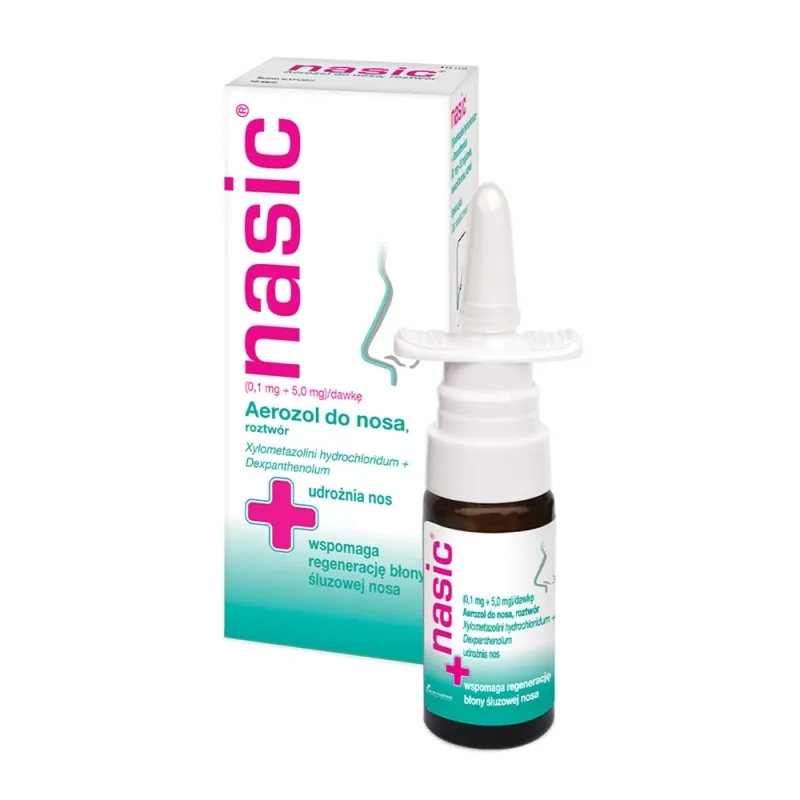
Table of Contents
Package leaflet: Information for the user
nasic, (0.1 mg + 5.0 mg)/dose, nasal spray, solution
Xylometazolini hydrochloridum + Dexpanthenolum
Please read the entire leaflet carefully before use, as it contains
important information for the patient.
This medicine should always be used exactly as described in this patient leaflet or as directed by a
physician or pharmacist.
- Keep this leaflet for future reference.
- If you need advice or further information, please consult your pharmacist.
- If you experience any adverse reactions, including any not listed in this leaflet, inform your doctor or pharmacist. See section 4.
- If there is no improvement or if symptoms worsen after 7 days, consult your doctor.
Table of contents
- What nasic is and what it is used for
- Important information before using nasic
- How to use nasic
- Possible side effects
- How to store nasic
- Contents of the pack and other information
1. What nasic is and what it is used for
Nasic is a nasal spray. It contains two active substances: xylometazoline hydrochloride and dexpanthenol. Xylometazoline constricts blood vessels, thereby reducing swelling and congestion of the nasal mucosa. This reduction in nasal mucosal congestion helps patients breathe more easily through the nose when experiencing nasal obstruction due to colds or after nasal surgery.
Dexpanthenol is a derivative of pantothenic acid, a vitamin that accelerates wound healing and participates in the regeneration process of mucous membranes.
Nasic is used for symptomatic treatment of nasal congestion associated with colds and after nasal surgery – to promote healing of the mucosa and improve nasal patency.
Nasic is intended for use in adults and children over 6 years of age.
If there is no improvement or if symptoms worsen after 7 days, consult your doctor.
2. Important information before using Nasic
When not to use Nasic:
- if the patient is allergic (hypersensitive) to xylometazoline hydrochloride, dexpanthenol, or to any of the other components of Nasic (listed in section 6),
- in children under 6 years of age,
- if the patient suffers from dry nasal inflammation with crust formation, i.e. atrophic rhinitis (rhinitis sicca),
- after transsphenoidal surgical removal of the pituitary gland (transsphenoidal hypophysectomy) and after other surgical procedures exposing the meninges (dura mater).
Nasic contains benzalkonium chloride as a preservative and therefore should not be used by individuals with known hypersensitivity to this substance.
Warnings and precautions
Consult a doctor before using Nasic in the following cases:
- when taking monoamine oxidase inhibitors (MAO inhibitors) or other medicines that may increase blood pressure,
- increased intraocular pressure, especially in patients with narrow-angle glaucoma,
- severe cardiovascular diseases (e.g. ischemic heart disease, hypertension),
- heart disorders (e.g. long QT syndrome),
- pheochromocytoma (adrenal medulla tumor),
- metabolic disorders (e.g. hyperthyroidism, diabetes),
- allergy to sympathomimetic substances; use of the medicine in such individuals may cause insomnia, dizziness, tremor, cardiac arrhythmias, and elevated blood pressure,
- a metabolic disorder known as porphyria,
- benign prostatic hyperplasia (enlargement of the prostate gland).
Due to the risk of nasal mucosa atrophy, prolonged use of Nasic in chronic rhinitis should be under medical supervision.
Children
Avoid prolonged use or use in doses higher than recommended, especially in children. Higher doses should only be administered after consultation with a doctor.
Nasic contains an active substance concentration intended for adults and older children. Therefore, it is not suitable for infants and children under 6 years of age. For children aged 2 to 6 years, an appropriate nasal spray with a lower concentration of xylometazoline hydrochloride, the mucosa-constricting ingredient, is available.
Nasic with other medicines
Inform your doctor or pharmacist about all medicines you are currently taking or have recently taken, as well as any medicines you plan to use.
Concomitant use of Nasic with medicines used in depression (monoamine oxidase inhibitors (MAO-I) such as tranylcypromine, or tricyclic antidepressants), as well as with medicines that increase blood pressure, may lead to elevated blood pressure due to effects on the cardiovascular system.
Pregnancy, breastfeeding, and fertility
If the patient is pregnant, breastfeeding, suspects she may be pregnant, or is planning to become pregnant, she should consult a doctor or pharmacist before using any medicine.
There is insufficient data on the effects of Nasic on fetal development; therefore, Nasic should not be used during pregnancy.
It is unknown whether xylometazoline hydrochloride passes into breast milk; therefore, Nasic should not be used by breastfeeding women.
Driving and operating machinery
When Nasic is used according to recommendations, no negative effect on the ability to drive or operate machinery is expected.
Nasic contains benzalkonium chloride.
The product contains 0.02 mg of benzalkonium chloride per spray dose (0.1 ml of solution).
Benzalkonium chloride may cause irritation or swelling inside the nose, especially if used for prolonged periods.
Inform your doctor or pharmacist if you experience discomfort during the use of Nasic.
3. How to use the medicine Nasic
This medicine should always be used exactly as described in this patient information leaflet or as advised by a doctor or pharmacist. If in doubt, consult a doctor or pharmacist.
Recommended dose:
Unless otherwise prescribed by a doctor, for adults and children over 6 years of age:
one dose into each nostril, if necessary up to three times daily.
Dosage depends on individual sensitivity and the patient's response to the medicine.
Do not use higher doses than recommended.
Duration of treatment:
Do not use Nasic for longer than 7 days unless your doctor has clearly advised continuing treatment.
Re-treatment should only occur after a break of several days.
If used in children, always consult a doctor regarding the duration of treatment.
Prolonged use of Nasic may lead to chronic swelling and may eventually cause atrophy of the nasal mucosa.
Patients with elevated intraocular pressure (glaucoma, especially narrow-angle glaucoma) should consult a doctor before using Nasic.
Nasic should not be used in children under 6 years of age.
If the effect of Nasic is too strong or too weak, consult a doctor or pharmacist.
Method of administration:
Nasic is intended for nasal use.
Glass bottle with integrated spray pump
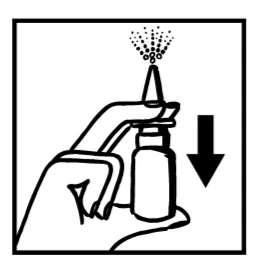
Remove the protective cap from the pump. Before first use, press the pump several times until a uniform spray is produced. For subsequent applications, the medicine is immediately ready for use.
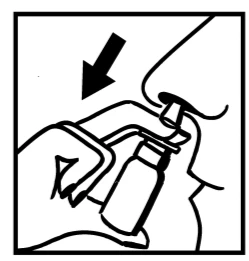
Insert the pump nozzle as vertically as possible into the nostrils and press the pump once. For hygienic reasons, wipe the pump nozzle after use and replace the protective cap.
or
Glass bottle with screw-on spray pump
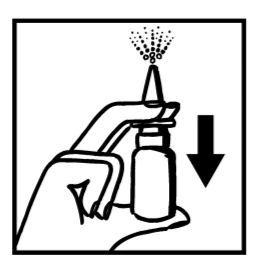
Remove the long protective cap from the spray pump. Unscrew the cap from the glass bottle and screw on the spray pump nozzle. Then remove the protective cap from the dispenser tip.
Before first use, press the pump several times until a uniform mist is obtained.
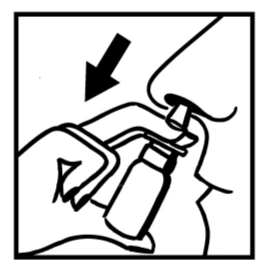
Insert the dispenser tip vertically into the nostril and press the pump to release one dose of the medicine, while gently inhaling through the nose. In the same way, administer the dose into the other nostril. After use, clean the dispenser tip and replace the protective cap.
For subsequent doses, the dispenser pump will remain ready for further use.
Due to the risk of transmitting infection, the medicine container should be used by only one patient.
Overdose of Nasic
If more Nasic has been used than recommended, or if accidentally swallowed, the following symptoms may occur: pupil constriction, pupil dilation, nausea, vomiting, blue discoloration of the skin and mucous membranes, including lips (cyanosis), fever, pallor, seizures, cardiovascular disturbances such as arrhythmia (accelerated heart rate (tachycardia), slow heart rate (bradycardia)), heart rhythm disturbances, circulatory collapse, cardiac arrest, high blood pressure, lung function disorders (pulmonary edema, breathing difficulties), and psychiatric disturbances.
Additional symptoms may include: drowsiness, decreased body temperature, reduced heart rate, drop in blood pressure resembling shock, respiratory arrest, and loss of consciousness (coma).
If an overdose is suspected, contact a doctor immediately. If necessary, the doctor will recommend appropriate treatment.
Missed dose of Nasic
Do not use a double dose to make up for a missed dose. Continue treatment according to the instructions provided.
If you have any further questions about the use of this medicine, consult your doctor or pharmacist.
4. Possible adverse reactions
Like all medicines, Nasic can cause adverse reactions, although not everyone experiences them.
The frequency of adverse reactions is defined according to the following convention:
Very common: affects more than 1 in 10 people,
Common: affects less than 1 in 10 people,
Uncommon: affects less than 1 in 100 people,
Rare: affects less than 1 in 1,000 people,
Very rare: affects less than 1 in 10,000 people,
Frequency not known: frequency cannot be estimated based on available data.
Nervous system disorders:
Very rare: excitation, insomnia, fatigue (e.g. drowsiness, sedation), headache, hallucinations (especially in children)
Cardiac disorders:
Rare: palpitations, increased heart rate (tachycardia)
Very rare: heart rhythm disorders (cardiac arrhythmias)
Vascular disorders:
Rare: high blood pressure (arterial hypertension)
Respiratory, thoracic and mediastinal disorders:
Very rare: increased nasal mucosal swelling after stopping the medicine, nosebleeds
Frequency not known: burning sensation and dryness of the nasal mucosa, sneezing
Musculoskeletal and connective tissue disorders:
Very rare: muscle spasms (especially in children)
Immune system disorders:
Uncommon: hypersensitivity reactions (e.g. skin and mucosal swelling, skin rash, itching)
Reporting of adverse reactions
If any adverse reactions occur, including any adverse reactions not listed in this leaflet, inform your doctor, pharmacist or nurse. Adverse reactions can be reported directly to the Department of Monitoring Adverse Drug Reactions of the Office for Registration of Medicinal Products, Medical Devices and Biocidal Products:
Al. Jerozolimskie 181C, 02-222 Warsaw, tel.: +48 22 49 21 301, fax: +48 22 49 21 309,
website: https://smz.ezdrowie.gov.pl
Adverse reactions can also be reported to the marketing authorization holder.
Reporting adverse reactions helps provide more information on the safety of this medicine.
5. How to store the medicine Nasic
Keep the medicine out of the sight and reach of children.
No special storage conditions required.
Keep the medicine for no longer than 12 weeks after first opening the container.
Do not use this medicine after the expiry date stated on the packaging. The expiry date refers to the last day of the stated month.
Medicines must not be disposed of via wastewater or household waste. Ask your pharmacist how to dispose of medicines no longer required. Such practices help protect the environment.
6. Contents of the pack and other information
What Nasic contains
- The active substances in this medicine are xylometazoline hydrochloride and dexpanthenol.
10 g of solution contains 10 mg of xylometazoline hydrochloride and 500 mg of dexpanthenol.
One nasal spray dose (0.1 ml of solution, equivalent to 0.10 g) contains 0.1 mg of xylometazoline hydrochloride and 5.0 mg of dexpanthenol.
- The other ingredients are: benzalkonium chloride solution (0.02 mg per spray dose), potassium dihydrogen phosphate, disodium phosphate dodecahydrate (Eur.Ph), purified water.
What Nasic looks like and contents of the pack
Nasic is a clear, colourless solution.
An amber glass bottle of type III, fitted with a PE spray pump and a PE closure, in a cardboard box. The bottle contains 10 ml of solution.
Nasic has a permanently attached spray pump; for technical reasons, the pump does not reach the residual content. However, it is ensured, in accordance with the stated information, that at least 10 ml of the preparation can be dispensed.
or
An amber glass bottle with a PP screw cap, supplied separately with a spray pump and a protective PE cap, in a cardboard box. The bottle contains 10 ml of solution.
This spray is also available in a lower dose (i.e. with a lower concentration of active substance) and is suitable for children aged 2 to 6 years.
Marketing Authorisation Holder:
M.C.M. Klosterfrau Healthcare Sp. z o.o.
ul. Hrubieszowska 2
01-209 Warsaw
Manufacturer:
Klosterfrau Berlin GmbH
Motzener Str. 41
12277 Berlin
Germany