Multimel n7-1000e
Poland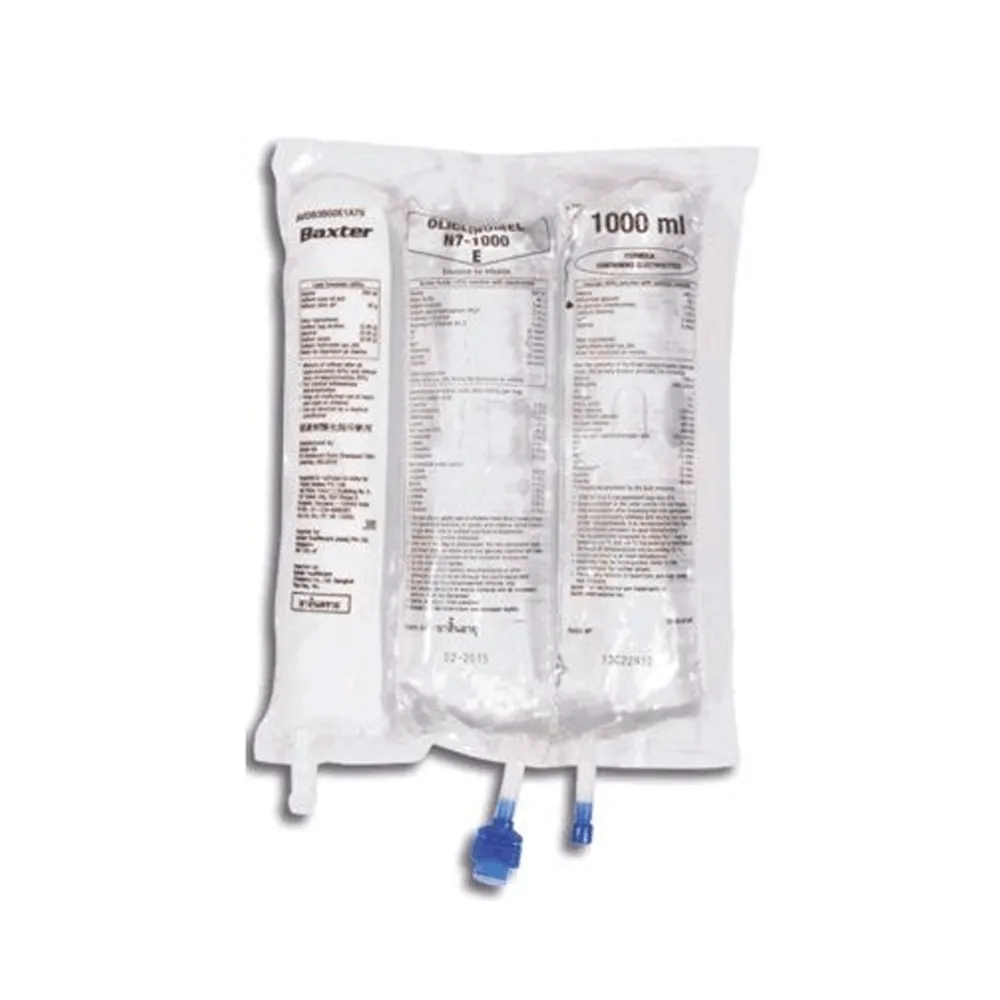
Table of Contents
- Patient Information Leaflet
- 2. Important information before receiving Multimel N7-1000 E
- 3. How to administer Multimel N7-1000E
- 4. Possible adverse reactions
- 5. How to store Multimel N7-1000 E
- 6. Contents of the pack and other information
- Information intended exclusively for healthcare professionals:
- 1. QUALITATIVE AND QUANTITATIVE COMPOSITION
- 2. DOSAGE AND ADMINISTRATION
- 3. SPECIAL WARNINGS AND PRECAUTIONS FOR USE
- 4. PRACTICAL INFORMATION ON PREPARATION FOR USE AND DISPOSAL OF THE MEDICINAL PRODUCT
- 1. 2. 3.
- 4. 5. 6.
- 5. EXPIRY DATE
Patient Information Leaflet
Multimel N7-1000 E, infusion emulsion
Please read the entire leaflet before using this medicine, as it contains important information for the patient.
- Keep this leaflet for future reference.
- If you have any further questions, please consult your doctor or nurse.
- If you experience any adverse reactions, including those not listed in this leaflet, inform your doctor or nurse immediately. See section 4.
Table of contents:
- What Multimel N7-1000 E is and what it is used for
- Important information before receiving Multimel N7-1000 E
- How to administer Multimel N7-1000 E
- Possible side effects
- How to store Multimel N7-1000 E
- Contents of the pack and other information
1. What Multimel N7-1000 E is and what it is used for
Multimel N7-1000 E is an infusion emulsion. It is packaged in a three-compartment bag.
The first compartment contains a glucose solution with calcium, the second compartment contains a fat emulsion, and the third compartment contains an amino acid solution with electrolytes.
Pharmacotherapeutic group: Parenteral nutrition fluids/mixtures.
Multimel N7-1000 E is administered to provide intravenous nutrition in adults and children over 2 years of age when oral nutrition is not appropriate.
Multimel N7-1000 E must only be administered under medical supervision.
2. Important information before receiving Multimel N7-1000 E
Do not use Multimel N7-1000 E:
- In premature infants, newborns, or children under 2 years of age;
- If the patient is allergic to eggs, soy, peanut proteins, corn/corn-containing products (see also section "Warnings and precautions" below), or to any of the other components of Multimel N7-1000 E;
- If the patient has an abnormal reaction to certain amino acids;
- If the patient has markedly elevated blood lipid levels (hyperlipidemia);
- If the patient has severe hyperglycemia (excessively high blood sugar levels);
- If the patient has abnormally high levels of any electrolyte (sodium, potassium, magnesium, calcium, and/or phosphorus) in the blood.
In all cases, the decision to administer the drug will be made by the physician based on factors such as the patient's age, body weight, and clinical condition, taking into account laboratory test results.
Warnings and precautions
Discuss the use of Multimel N7-1000 E with your doctor or nurse before starting treatment.
Rapid administration of parenteral nutrition solutions may result in death.
If unusual symptoms or signs of an allergic reaction occur, such as fever, chills, skin rash, breathing difficulties, excessive sweating, nausea, or headache, the infusion must be stopped immediately.
The product contains soybean oil and egg phosphatides. Soy and egg proteins may cause hypersensitivity reactions. Cross-reactivity between soy and peanut proteins has been observed.
Multimel N7-1000 E contains glucose derived from corn, which may cause hypersensitivity reactions in patients allergic to corn or corn-containing products (see section "When not to use Multimel N7-1000 E" above).
Breathing difficulties may also be a sign of small particles blocking blood vessels in the lungs (pulmonary embolism). Inform your doctor or nurse immediately if breathing difficulties occur. They will determine the appropriate course of action.
The antibiotic ceftriaxone must not be mixed or administered simultaneously with any calcium-containing solution administered intravenously (including Multimel N7-1000 E).
These drugs must not be administered simultaneously, even through different infusion lines or different injection sites.
However, Multimel N7-1000 E and ceftriaxone may be administered sequentially if the infusion lines are replaced or thoroughly flushed with physiological saline solution between infusions to prevent precipitation (formation of ceftriaxone-calcium salt particles).
The physician will monitor triglyceride levels (a type of fat in the blood).
Certain medications and medical conditions may increase the risk of infection or sepsis (presence of bacteria in the blood). The risk of infection or sepsis is particularly high after placement of an intravenous catheter. The physician will closely monitor the patient for signs of infection. Patients requiring parenteral nutrition (administration of nutrients via a tube placed in a vein) may be at increased risk of infection due to their clinical condition. Using aseptic techniques (germ-free) during catheter placement and maintenance, as well as during preparation of the nutrition solution, can reduce the risk of infection.
Inform your doctor:
- About severe kidney disease. Also inform your doctor if the patient is undergoing dialysis (artificial kidney) or other blood purification methods;
- About severe liver disease;
- About blood clotting disorders;
- About adrenal gland dysfunction (adrenal insufficiency). The adrenal glands are triangular-shaped glands located on top of the kidneys;
- About heart failure;
- About lung disease;
- About fluid accumulation in the body (overhydration);
- About insufficient body water (dehydration);
- About untreated high blood glucose levels (diabetes);
- About myocardial infarction or shock due to acute heart failure;
- About severe metabolic acidosis (excessively acidic blood);
- About systemic infection (sepsis);
- About coma.
If the patient is a child, the physician will closely monitor fluid status and (or) blood parameters.
During treatment with Multimel and similar products, a fat overload syndrome has been reported.
Reduced or limited ability of the body to clear fats contained in Multimel N7-1000 E may lead to "fat overload syndrome" (see section 4 — Possible side effects).
Do not add additional components to the bag without first checking their compatibility. This could lead to particle formation or destabilization of the fat emulsion, potentially causing vascular occlusion.
If blood glucose levels rise excessively, the physician should adjust the infusion rate of Multimel N7-1000 E or administer insulin to the patient.
In cases of severe malnutrition requiring intravenous nutrient administration, parenteral nutrition should be initiated slowly and cautiously.
Electrolyte imbalances and metabolic disturbances should be corrected before starting the infusion. The physician will monitor the patient during therapy and may adjust dosing or, if appropriate, recommend additional nutrients such as vitamins, electrolytes, and trace elements.
During treatment, the physician will perform clinical and laboratory tests to assess efficacy and continuously monitor safety. If the patient receives the drug for several weeks, blood tests will be performed regularly. These tests are particularly important in patients with certain conditions, such as liver failure, kidney failure, disorders in which amino acids cannot be properly metabolized, acidosis, hyperlipidemia or hypercholesterolemia, diabetes, anemia, or bleeding disorders.
If pain, burning, stiffness, swelling, skin discoloration at the infusion site, or leakage of the infusion occurs during administration, inform your doctor or nurse immediately. The infusion will be stopped immediately and resumed in another vein.
Children
If the patient is a child, special care must be taken to ensure the correct dose is administered. Additional supplementation with vitamins and trace elements may be required, depending on the dose and duration of treatment. Due to children's increased susceptibility to infection, enhanced precautions are necessary.
Multimel N7-1000 E and other medicines
Inform your doctor or nurse about all medications currently or recently taken, as well as any medications the patient plans to take.
Multimel N7-1000 E must not be administered simultaneously with blood through the same infusion set.
Multimel N7-1000 E contains calcium. It must not be administered together with the antibiotic ceftriaxone or through the same line, as particles may form. If the same infusion set is used to administer these drugs sequentially, it must be thoroughly flushed between administrations.
The olive oil and soybean oil in Multimel N7-1000 E contain vitamin K. This usually does not affect the action of anticoagulant drugs (blood thinners) such as coumarins. However, if the patient is taking anticoagulants, this should be reported to the doctor.
The fats in this emulsion may interfere with the results of certain laboratory tests if blood samples are taken before fat clearance (fats are typically cleared within approximately 5–6 hours after stopping infusion).
Multimel N7-1000 E with electrolytes contains potassium. Extreme caution is required in patients taking diuretics, angiotensin-converting enzyme (ACE) inhibitors, angiotensin II receptor antagonists (medications used for hypertension), or immunosuppressive drugs. These medications may increase serum potassium levels.
Pregnancy and breastfeeding
If the patient is pregnant, breastfeeding, suspects she may be pregnant, or is planning to become pregnant, she should consult her doctor before using this medicine.
3. How to administer Multimel N7-1000E
Multimel N7-1000E may be administered only to adults and children above 2 years of age.
It is an emulsion for infusion given through a plastic tube exclusively into a large vein in the patient's chest.
Treatment may be continued as long as necessary, depending on the patient's clinical condition.
Multimel N7-1000E is intended for single use only.
Dosage – Adults
The dosage is determined by the physician according to individual needs and the patient's clinical condition.
The maximum daily dose is 33 ml/kg body weight. For example: for a patient weighing 70 kg, the maximum daily dose should not exceed 2310 ml of infusion emulsion (33 ml of infusion emulsion multiplied by 70 kg).
Dosage – Children above 2 years of age
The dose of the medicinal product administered to a child and the duration of administration are determined by the physician. This depends on the child's age, body weight, height, clinical condition, daily fluid volume, energy requirements, and nitrogen requirements.
Accidental overdose of Multimel N7-1000E
If the patient receives an excessive dose or the infusion is administered too rapidly, the amino acids contained in the product may contribute to increased blood acidity and increased fluid volume in the circulatory system. The glucose contained in the product may increase blood and urine glucose levels, and the fats contained in the emulsion may increase blood triglyceride levels. Administration of an excessive volume of Multimel N7-1000E may cause nausea, vomiting, chills, chest pain, headache, irregular or rapid heartbeat, and electrolyte disturbances. In such a case, the infusion must be stopped immediately.
In certain severe cases, to assist the patient's kidneys in eliminating the excess medicinal product, the physician may periodically initiate treatment involving dialysis.
To prevent such situations, the physician regularly monitors the patient's condition and checks blood parameters.
If there are any doubts regarding the use of the medicinal product, consult a physician.
4. Possible adverse reactions
Like any medicine, this product may cause adverse reactions, although not everyone experiences them.
If any changes in well-being are observed during or after treatment, the physician or nurse should be informed immediately.
Medical examinations performed during therapy aim to minimize the risk of adverse reactions.
If any unusual signs or symptoms of an allergic reaction occur, such as elevated body temperature, chills, skin rash, breathing difficulties, excessive sweating, nausea, or headache, the infusion must be stopped immediately.
The following adverse reactions have been reported during administration of Multimel:
Uncommon (may affect up to 1 in 100 patients):
- allergic reactions
Frequency unknown (cannot be estimated based on available data)
- narrowing of the airways, wheezing and/or cough (bronchospasm as part of an allergic reaction)
- tremor
- diarrhea, nausea, vomiting
- abnormal skin redness (flushing), excessive sweating
- limb pain, muscle cramps
- leakage of infusion fluid into surrounding tissues (extravasation), which may cause swelling/edema at the infusion site, pain, irritation, phlebitis, redness/warmth, local tissue loss, tissue necrosis, or blisters
- fever, chills, inflammatory state
- reduced or limited ability to eliminate the fats contained in Multimel N7-1000 E may lead to a "fat overload syndrome". This may result from overdosing, but may also occur at the beginning of the infusion, even when the product is administered according to instructions. It is associated with a sudden deterioration in the patient's clinical condition. It is characterized by high fat levels in the blood, fever, fatty infiltration of the liver (high fat content in the liver) and/or hepatomegaly. Anemia (reduced number of red blood cells, possibly resulting in pale skin, weakness, or dyspnea), reduced white blood cell and platelet counts, coagulation disorders, and/or coma may also occur. This syndrome usually resolves after discontinuation of the fat emulsion infusion.
For similar medicinal products, the following adverse reactions have been reported:
Frequency unknown (cannot be estimated based on available data)
- formation of small particles, potentially leading to blockage of blood vessels in the lungs (pulmonary vessel occlusion), causing pulmonary embolism and breathing difficulties (respiratory failure)
- decreased platelet count (reduced number of blood cells responsible for clotting, leading to bleeding, such as nosebleeds)
- impaired bile excretion (cholestasis), hepatomegaly, jaundice (yellowing of the skin or whites of the eyes due to liver or blood disorders)
- hypersensitivity
- increased liver enzyme activity, increased blood fat levels (elevated triglyceride levels in blood), increased bilirubin levels in blood
- increased nitrogen levels in blood (azotemia)
In children, cases of reduced white blood cell and platelet counts have been reported.
Reporting of adverse reactions
If any adverse reactions occur, including those not listed in this leaflet, inform a doctor or nurse immediately. Adverse reactions can be reported directly to the Department of Monitoring Adverse Reactions of Medicinal Products at the Office for Registration of Medicinal Products, Medical Devices and Biocidal Products:
Al. Jerozolimskie 181 C
PL 02-222 Warsaw
Phone: +48 22 49 21 301
Fax: +48 22 49 21 309
Website: https://smz.ezdrowie.gov.pl
Adverse reactions can also be reported to the marketing authorization holder.
Reporting adverse reactions helps to gather more information on the safety of the medicine.
5. How to store Multimel N7-1000 E
Keep this medicine out of the sight and reach of children.
Do not use this medicine after the expiry date stated on the container and outer packaging. The expiry date refers to the last day of the specified month.
Do not freeze.
Store in the original protective packaging.
Keep the carton in its outer packaging to protect from light.
Medicines must not be disposed of in wastewater or household waste. Ask your pharmacist how to dispose of medicines no longer required. Such measures help protect the environment.
6. Contents of the pack and other information
What Multimel N7-1000 E contains
Active substances in each bag of ready-to-use emulsion:
Active substances 1000 ml 1500 ml 2000 ml 2500 ml
Purified olive oil and
purified soybean oil* 40.00 g 60.00 g 80.00 g 100.00 g
L-alanine 8.28 g 12.42 g 16.56 g 20.70 g
L-arginine 4.60 g 6.90 g 9.20 g 11.50 g
Glycine 4.12 g 6.18 g 8.24 g 10.30 g
L-histidine 1.92 g 2.88 g 3.84 g 4.80 g
L-isoleucine 2.40 g 3.60 g 4.80 g 6.00 g
L-leucine 2.92 g 4.38 g 5.84 g 7.30 g
L-lysine 2.32 g 3.48 g 4.64 g 5.80 g
(corresponds to lysine hydrochloride) (2.90 g) (4.35 g) (5.80 g) (7.25 g)
L-methionine 1.60 g 2.40 g 3.20 g 4.00 g
L-phenylalanine 2.24 g 3.36 g 4.48 g 5.60 g
L-proline 2.72 g 4.08 g 5.44 g 6.80 g
L-serine 2.00 g 3.00 g 4.00 g 5.00 g
L-threonine 1.68 g 2.52 g 3.36 g 4.20 g
L-tryptophan 0.72 g 1.08 g 1.44 g 1.80 g
L-tyrosine 0.16 g 0.24 g 0.32 g 0.40 g
L-valine 2.32 g 3.48 g 4.64 g 5.80 g
Sodium acetate trihydrate 2.45 g 3.67 g 4.90 g 6.12 g
Sodium glycerophosphate pentahydrate 2.14 g 3.22 g 4.29 g 5.36 g
Potassium chloride 1.79 g 2.68 g 3.58 g 4.47 g
Magnesium chloride hexahydrate 0.45 g 0.67 g 0.90 g 1.12 g
Glucose 160.00 g 240.00 g 320.00 g 400.00 g
(corresponds to monohydrated glucose) (176.00 g) (264.00 g) (352.00 g) (440.00 g)
Total energy value (kcal) 1200 1800 2400 3000
Non-protein energy value (kcal) 1040 1560 2080 2600
Other components: purified egg yolk phosphatides, glycerol, sodium oleate, sodium hydroxide,
glacial acetic acid, hydrochloric acid, water for injections.
What Multimel N7-1000 E looks like and contents of the pack
Multimel N7-1000 E is an infusion emulsion supplied in a 3-chamber bag made of multilayer plastic.
The inner (contact) layer of the bag is composed of polymers (a mixture of polyolefin copolymers) compatible with the bag contents (amino acid solutions, glucose solutions, and fat emulsions), permitted additives, and allows for the formation of peelable seals. The coating layer is made from EVA (ethylene vinyl acetate) and polyester copolymer.
Before mixing the contents of the three chambers, the first chamber contains a homogeneous milky-looking liquid (fat emulsion), while the two remaining chambers (containing amino acid solution with electrolytes and glucose solution with calcium) contain colorless or slightly yellow solutions, practically free from visible particles. After mixing, Multimel N7-1000 E is a homogeneous milky-white infusion emulsion.
The bag is enclosed in an oxygen-protective overwrap containing an oxygen-absorbing sachet.
Pack sizes
1000 ml bag: 6 bags in a cardboard box
1500 ml bag: 4 bags in a cardboard box
2000 ml bag: 4 bags in a cardboard box
2500 ml bag: 2 bags in a cardboard box
Not all pack sizes may be marketed.
Marketing Authorisation Holder:
For information about Multimel N7-1000 E, please contact the representative of the Marketing Authorisation Holder:
Baxter Polska Sp. z o.o.
ul. Kruczkowskiego 8
00-380 Warsaw
Poland
Manufacturer:
Baxter S.A.
Boulevard René Branquart 80
7860 Lessines
Belgium
--------------------------------------------------------------------------------------------------------------
Information intended exclusively for healthcare professionals:
Multimel N7-1000E, emulsion for infusion
1. QUALITATIVE AND QUANTITATIVE COMPOSITION
After mixing the contents of 3 chambers, the mixture forms a homogeneous milky-appearing emulsion.
The ready-to-use emulsion, after mixing, contains the following components in bags of different sizes:
| Per bag | 1000 ml | 1500 ml | 2000 ml | 2500 ml |
| Nitrogen (g) | 6.6 | 9.9 | 13.2 | 16.5 |
| Amino acids (g) | 40 | 60 | 80 | 100 |
| Glucose (g) | 160 | 240 | 320 | 400 |
| Fats (g) | 40 | 60 | 80 | 100 |
| Total energy value (kcal) | 1200 | 1800 | 2400 | 3000 |
| Non-protein energy value (kcal) | 1040 | 1560 | 2080 | 2600 |
| Glucose energy value (kcal) | 640 | 960 | 1280 | 1600 |
| Fat energy value (kcal) | 400 | 600 | 800 | 1000 |
| Non-protein energy value/nitrogen content (kcal/gN) | 158 | 158 | 158 | 158 |
| Sodium (mmol) | 32 | 48 | 64 | 80 |
| Potassium (mmol) | 24 | 36 | 48 | 60 |
| Magnesium (mmol) | 2.2 | 3.3 | 4.4 | 5.5 |
| Calcium (mmol) | 2 | 3 | 4 | 5 |
| Phosphates (mmol)** | 10 | 15 | 20 | 25 |
| Acetates (mmol) | 57 | 86 | 114 | 143 |
| Chloride (mmol) | 48 | 72 | 96 | 120 |
| pH | 6 | 6 | 6 | 6 |
| Osmolarity (mOsm/L) | 1450 | 1450 | 1450 | 1450 |
** Including phosphates contained in the fat emulsion
2. DOSAGE AND ADMINISTRATION
The dosage is determined according to the patient's energy expenditure, clinical condition, body weight, and ability to metabolize the components of Multimel N7-1000 E, as well as the intake of additional energy components or proteins administered orally/intestinally; therefore, the appropriate bag size should be selected.
Administration may continue as long as the patient's clinical condition requires it.
The maximum daily dose should not be exceeded in adults, children, or adolescents. Due to the fixed composition of the multi-chamber bag, it may not be possible to simultaneously meet all of the patient's nutritional requirements. There may be clinical situations in which the patient requires a different amount of nutrients than those available in the fixed composition of the bag.
As a general rule, the dosage should not exceed 3 g of amino acids/kg body weight/day and (or) 17 g of glucose/kg body weight/day and (or) 3 g of fats/kg body weight/day and (or) 100 ml of fluid/kg body weight/day, except in special cases.
Multimel is intended for single use only.
The recommended duration of infusion in parenteral nutrition is 12 to 24 hours.
Dosage and infusion rate – Adults
The average nitrogen requirement ranges from 0.16 to 0.35 g/kg body weight/day (approximately 1 to 2 g of amino acids/kg body weight/day).
Energy requirements vary depending on the patient's nutritional status and level of catabolism. On average, they range from 20 to 40 kcal/kg body weight/day.
Maximum daily dose:
For Multimel N7-1000 E: The maximum daily dose depends on the energy value of the product's components. The maximum daily dose is 33 ml/kg body weight (equivalent to 1.32 g of amino acids, 5.28 g of glucose, 1.32 g of fats, 1.06 mmol of sodium, and 0.79 mmol of potassium/kg body weight), i.e. 2310 ml of infusion emulsion for a 70 kg patient.
Maximum infusion rate:
As a general rule, the infusion rate should not exceed 0.10 g of amino acids/kg body weight/hour and (or) 0.25 g of glucose/kg body weight/hour and (or) 0.15 g of fats/kg body weight/hour, except in special cases.
For Multimel N7-1000 E: As a general rule, the infusion rate should not exceed 1.5 ml/kg body weight/hour, i.e. 0.06 g of amino acids, 0.24 g of glucose, and 0.06 g of fats/kg body weight/hour.
Dosage and infusion rate – Children over 2 years of age and adolescents
Studies have not been conducted in children and adolescents.
Dosage should be determined based on fluid intake and daily nitrogen requirements.
Administration should be adjusted according to the child's hydration status.
Daily requirements for fluids, nitrogen, and energy continuously decrease with age.
Guidelines for the maximum recommended hourly infusion rate and daily volume for children and adolescents are as follows:
Multimel N7-1000 E:
Maximum daily dose:
| Active ingredient | 2 to 11 years | 12 to 18 years | ||
| Recommended maximum daily dosea | Maximum daily dose MULTIMEL N7-1000 Eb | Recommended maximum daily dosea | Maximum daily dose MULTIMEL N7-1000 Ec | |
| Fluids (ml/kg b.w./day) | 60 – 120 | 45 | 50 – 80 | 36 |
| Amino acids (g/kg b.w./day) | 1 – 2 (up to 2.5) | 1.8 | 1 – 2 | 1.4 |
| Glucose (g/kg b.w./day) | 1.4 – 8.6 | 7.2 | 0.7 – 5.8 | 5.8 |
| Lipids (g/kg b.w./day) | 0.5 – 3 | 1.8 | 0.5 – 2 (up to 3) | 1.4 |
| Total energy value (kcal/kg b.w./day) | 30–75 | 54.0 | 20–55 | 43.2 |
| Sodium (mmol/kg b.w./day) | 1–3 | 1.4 | 1–3 | 1.2 |
| Potassium (mmol/kg b.w./day) | 1–3 | 1.1 | 1–3 | 0.9 |
Maximum speed per hour
| Active ingredient | 2 to 11 years | 12 to 18 years | ||
| Recommended maximum rate per houra | Maximum rate per hour MULTIMEL N7-1000 Eb | Recommended maximum rate per houra | Maximum rate per hour MULTIMEL N7-1000 Eb | |
| Fluids (ml/kg body weight/hour) | Not applicable | 2.2 | Not applicable | 1.5 |
| Amino acids (g/kg body weight/hour) | 0.20 | 0.09 | 0.12 | 0.06 |
| Glucose (g/kg body weight/hour) | 0.36 | 0.35 | 0.24 | 0.24 |
| Fats (g/kg body weight/hour) | 0.13 | 0.09 | 0.13 | 0.06 |
Route of administration
Multimel N7-1000 E must be administered intravenously via a central vein.
The infusion rate should be adjusted according to the dose volume, final composition of the mixture, total daily volume intended for infusion, and duration of the infusion.
3. SPECIAL WARNINGS AND PRECAUTIONS FOR USE
- Do not administer through a peripheral vein.
- Rapid infusion of parenteral nutrition solutions, including Multimel N7-1000 E, may result in serious or fatal complications.
- If symptoms or signs of an allergic reaction occur (such as sweating, fever, chills, headache, skin rash, dyspnea, or bronchospasm), the infusion must be stopped immediately. The product contains soybean oil and egg phosphatides. Soy and egg proteins may cause hypersensitivity reactions. Cross-allergic reactions between soy proteins and peanuts have been observed.
- Multimel N7-1000 E contains glucose derived from corn, which may cause hypersensitivity reactions in patients allergic to corn or corn-containing products.
- Severe disturbances in fluid and electrolyte balance, severe fluid overload, and severe metabolic disorders should be corrected before initiating infusion.
- Special clinical monitoring is required at the beginning of each intravenous infusion.
- Ceftriaxone must not be mixed or co-administered with intravenous solutions containing calcium, even through separate infusion lines or at different infusion sites. Ceftriaxone and calcium-containing solutions may be administered sequentially if separate infusion lines at different sites are used, or if infusion lines are replaced or thoroughly flushed with saline solution between infusions to prevent precipitate formation. In patients requiring continuous infusion of parenteral nutrition solutions containing calcium, physicians may consider using alternative antibacterial therapy that does not carry a similar precipitation risk. If ceftriaxone administration is necessary in patients receiving continuous parenteral nutrition, parenteral nutrition solutions may be administered simultaneously, but through separate infusion lines at different infusion sites. Alternatively, the parenteral nutrition infusion may be temporarily interrupted during ceftriaxone infusion, observing the line-flushing principle between solutions (see section 4, "Interactions" and "Incompatibilities").
- Precipitation in pulmonary vessels leading to pulmonary embolism and respiratory failure has been reported in patients receiving parenteral nutrition. Fatal outcomes have occurred in some cases. Excessive addition of calcium and phosphate increases the risk of calcium phosphate precipitate formation (see section 4, "Incompatibilities").
Cases of suspected intravascular precipitate formation have also been reported.
In addition to visual inspection of the solution, the infusion set and catheter should be periodically checked for the presence of precipitates.
If signs of respiratory failure occur, the infusion must be stopped and a medical evaluation performed.
- Do not add other medicinal products or substances to any of the bag compartments or to the final emulsion without prior verification of compatibility and stability of the resulting mixture (particularly the stability of the fat emulsion). Precipitate formation or fat emulsion destabilization may lead to vascular occlusion.
- Infection at the venous access site and sepsis are complications that may occur in patients receiving parenteral nutrition, particularly with inadequate catheter care or due to immunosuppressive effects of disease or medications. Close monitoring for signs, symptoms, and laboratory findings (e.g., fever/chills, leukocytosis, technical complications related to venous access devices, and hyperglycemia) may help in early detection of infection. Patients requiring parenteral nutrition are often predisposed to infectious complications due to malnutrition and/or underlying disease. The risk of septic complications can be reduced by strict adherence to aseptic techniques during catheter placement and maintenance, and during preparation of the nutritional product.
- During treatment, fluid and electrolyte balance, serum osmolarity, serum triglyceride levels, acid-base balance, blood glucose levels, liver and kidney function tests, coagulation parameters, and blood cell counts including platelets should be monitored regularly.
- If the amount of nutrients administered does not match patient requirements or if the metabolic capacity for any nutritional component is not accurately assessed, metabolic abnormalities may occur. Undesirable metabolic effects may result from excessive or inappropriate nutrient administration, or from an inappropriate composition of added components relative to the individual patient's needs.
- Serum triglyceride concentrations and the body's ability to clear fats should be systematically checked.
- Serum triglyceride levels should not exceed 3 mmol/l during infusion. Measurements should be taken no earlier than 3 hours after the start of continuous infusion.
- In case of suspected fat metabolism disorders, daily measurement of serum triglyceride levels is recommended 5–6 hours after stopping fat infusion. In adults, serum should clear within less than 6 hours after discontinuation of fat emulsion infusion. The next infusion may be started only when serum triglyceride levels have returned to normal.
- The "fat overload syndrome" has been described during use of Multimel and similar products. Impaired or limited ability to metabolize fats in Multimel N7-1000 E may lead to "fat overload syndrome" due to overdose; however, signs and symptoms of this syndrome may also appear even when the product is administered according to recommendations.
- In case of hyperglycemia, the infusion rate of Multimel N7-1000 E should be adjusted and/or insulin administered.
- When additional components are added, the final osmolarity of the mixture should be measured before administration. The final mixture should be administered via central or peripheral vein depending on its final osmolarity. If the final mixture is hypertonic, vein irritation may occur when administered through a peripheral vein.
- Despite the natural presence of trace elements and vitamins in the product, their amounts are insufficient to meet the body's requirements. Therefore, supplementation is necessary to prevent deficiencies. Refer to instructions for adding supplementary components to the product.
- Exercise caution when administering Multimel N7-1000 E to patients with increased osmolality, adrenal insufficiency, heart failure, or pulmonary disorders.
- Nutritional repletion in severely malnourished patients may trigger a refeeding syndrome characterized by intracellular shifts of potassium, phosphate, and magnesium as anabolic processes begin to dominate. Thiamine deficiency and fluid retention may also occur. Careful monitoring and gradual increase in nutrient delivery, avoiding overfeeding, may prevent these complications. This syndrome has been reported with similar products.
- Do not connect bags in series to avoid air embolism caused by residual air in the first bag.
Hepatic impairment
Exercise caution when using the product in patients with hepatic insufficiency, as there is a risk of developing or worsening neurological disorders associated with hyperammonemia. Regular clinical and laboratory evaluations, particularly of liver function parameters, blood glucose, electrolytes, and triglycerides, should be performed.
Renal impairment
Exercise caution when using the product in patients with renal insufficiency, especially in the presence of hyperkalemia, due to the risk of developing or worsening metabolic acidosis and hyperazotemia if additional removal of metabolites excreted by the kidneys is not performed. In these patients, fluid and electrolyte status and triglyceride levels should be carefully monitored.
Hematology
Exercise caution when using the product in patients with coagulation disorders or anemia. Blood morphology and coagulation parameters should be closely monitored.
Endocrinology and metabolism
Exercise caution when using the product in patients with:
- Metabolic acidosis. Administration of bicarbonates is not recommended in lactic acidosis. Regular clinical and laboratory evaluations should be performed.
- Diabetes mellitus. Blood and urine glucose levels and ketonuria should be monitored, and insulin dosage adjusted as needed.
- Hyperlipidemia due to fat content in the infusion emulsion. Regular clinical and laboratory evaluations should be performed.
- Amino acid metabolism disorders.
Extravasation
The site of catheter placement should be regularly monitored for signs of extravasation. If extravasation occurs, infusion must be stopped immediately, while maintaining the catheter or cannula in place for immediate treatment initiation. If possible, aspiration through the catheter/cannula should be performed to reduce fluid volume in tissues before removal.
Depending on the extravasated product (including any product mixed with Multimel N7-1000 E, if applicable) and the extent/severity of injury, appropriate measures should be taken. Management options may include non-pharmacological, pharmacological, and/or surgical interventions. In case of worsening of the affected area (persistent pain, necrosis, ulceration, suspected compartment syndrome), immediate surgical consultation should be obtained.
The extravasation site should be monitored at least every 4 hours during the first 24 hours, then once daily.
Infusion should not be resumed in the same central vein.
Special warnings for pediatric use
When administering to children over 2 years of age, it is important to use a bag with a volume corresponding to the daily dose.
Additional supplementation with vitamins and trace elements is always required. Products with compositions adapted to pediatric age groups should be used.
4. PRACTICAL INFORMATION ON PREPARATION FOR USE AND DISPOSAL OF THE MEDICINAL PRODUCT
Multimel N7-1000 E should be used only if:
- The bag is undamaged.
- The seals are intact.
- The amino acid and glucose solutions are clear, colorless or slightly yellow, and practically free of visible particles.
- The fat emulsion is a homogeneous milky-looking fluid.
Before use, Multimel N7-1000 E should be brought to room temperature.
Administer only after breaking the seals separating the 3 chambers of the bag and mixing the contents of the 3 chambers, as shown below.
Ensure that the final infusion emulsion does not show signs of phase separation.
1. 2. 3.
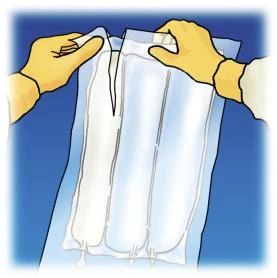
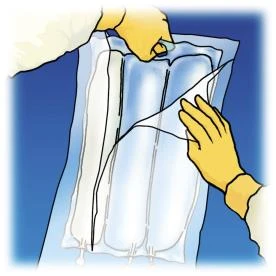
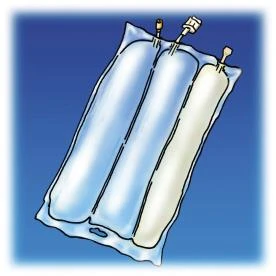
Remove the protective packaging from the top. Remove the front part of the protective packaging to expose the bag with Multimel N7-1000 E. Discard the protective packaging and the oxygen-absorbing sachet.
4. 5. 6.
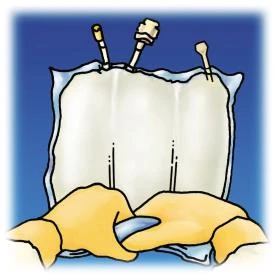

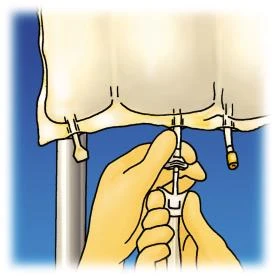
Lift the bag by the handle to remove fluid from the upper part of the bag. Roll the bag firmly with both hands starting from the top until the seals are broken (approximately halfway along their length). Mix the bag contents by rotating it at least three times. Ensure that the mixture is homogeneous and that no phase separation occurs. Hang the bag. Remove the plastic cover from the infusion port. Firmly insert the infusion set spike into the port.
After opening the bag, the contents must be used immediately. Do not store an opened bag for subsequent infusions.
Do not reconnect partially used bags.
Do not connect bags in series to avoid air embolism caused by residual gas in the first bag.
For single use only. Any unused product or waste, including the entire infusion set, must be discarded.
Do not store partially used bags and dispose of all components of the set after use.
Additional components
Do not add other medicinal products or substances to any of the bag chambers or to the final emulsion without prior verification of compatibility and stability of the resulting mixture (especially fat emulsion stability).
Multimel N7-1000 E may be used without additional components or, if needed, with added electrolytes, trace elements, or vitamins.
The bag capacity is sufficient to allow addition of additional components such as vitamins, electrolytes, and trace elements. All additional components (including vitamins) may be added to the final emulsion (after breaking the seals and mixing the contents of the 3 chambers).
Vitamins may also be added to the glucose solution chamber before preparing the final emulsion (before breaking the seals and mixing solutions and emulsion).
When adding additional components to the product, the final osmolarity of the mixture should be measured before administration via a peripheral vein.
The following may be added to Multimel N7-1000 E:
- Electrolytes: consider the amount of electrolytes already present in the bag; stability has been demonstrated for mixtures containing up to a total of 150 mmol sodium, 150 mmol potassium, 5.6 mmol magnesium, and 5 mmol calcium per liter of three-component mixture.
- Organic phosphates: stability has been demonstrated for mixtures containing up to 15 mmol added phosphates per bag.
Trace elements and vitamins: stability has been demonstrated after adding commercially available vitamin and trace element products (containing up to 1 mg iron). Compatibility with other additional components is available upon request.
Additional components must be added by qualified personnel under aseptic conditions.
Additional components are introduced through the injection site using a needle:
- Prepare the injection site.
- Insert the needle into the injection site and inject.
- Mix the bag contents with the added components.
Interactions with other medicinal products
No interaction studies have been conducted with Multimel.
Multimel N7-1000 E contains vitamin K, naturally present in fat emulsions. The amount of vitamin K in recommended doses of Multimel N7-1000 E should not affect the action of coumarin derivatives.
Ceftriaxone must not be mixed or co-administered simultaneously with intravenous solutions containing calcium, including Multimel N7-1000 E, through the same infusion line due to the risk of calcium-ceftriaxone salt precipitation.
Ceftriaxone and calcium-containing solutions may be administered sequentially if separate infusion lines at different sites are used, or if infusion lines are replaced or thoroughly flushed with saline solution between infusions to prevent precipitate formation.
Due to the potassium content in Multimel N7-1000 E, particular caution is required when administering it to patients treated with potassium-sparing diuretics (e.g., amiloride, spironolactone, triamterene), angiotensin-converting enzyme (ACE) inhibitors, angiotensin II receptor antagonists, or immunosuppressive drugs: tacrolimus and cyclosporine, due to the risk of hyperkalemia.
Fats in this emulsion may interfere with results of certain laboratory tests (e.g., bilirubin, lactate dehydrogenase, oxygen saturation, erythrocyte hemoglobin) if blood samples are taken before fat clearance (fats are usually eliminated approximately 5–6 hours after discontinuation of infusion).
Pharmaceutical incompatibilities
This infusion emulsion must not be administered simultaneously with blood through the same infusion set.
Multimel N7-1000 E contains calcium ions, which pose an additional risk of coagulation and precipitate formation in anticoagulated/citrate-preserved blood or blood components.
Incompatibility may also result from excessive acidity (low pH) or inappropriate content of divalent cations (Ca and Mg), which may adversely affect fat emulsion stability.
As with any parenteral nutrition mixture, calcium and phosphate contents should be considered. Excessive addition of calcium or phosphate, especially in mineral salt forms, may lead to calcium phosphate precipitate formation.
Compatibility of the product with solutions administered simultaneously through the same infusion set, catheter, or cannula should be verified.
Ceftriaxone must not be mixed or co-administered simultaneously with intravenous solutions containing calcium, including Multimel N7-1000 E, through the same infusion line (e.g., Y-connector) due to the risk of calcium-ceftriaxone salt precipitation (see section "Interactions").
5. EXPIRY DATE
2 years if the protective packaging is undamaged.
It is recommended that the product be used promptly after breaking the seals separating the contents of the 3 chambers. However, the final emulsion has been shown to remain stable for up to 7 days at +2°C to +8°C and subsequently for an additional 48 hours at a temperature not exceeding +25°C.
After addition of supplementary components (electrolytes, trace elements, vitamins), the final emulsion Multimel N7-1000 E (see previous section) maintains chemical and physical stability for 7 days at 2°C to 8°C and subsequently for an additional 48 hours at temperatures below 25°C. From a microbiological standpoint, any final mixture containing added components should be used immediately. Otherwise, the user is responsible for storage conditions and duration before use. However, such mixtures should not be stored for longer than 24 hours at 2–8°C unless the addition of supplementary components was performed under controlled and validated aseptic conditions.