Mirtor
Poland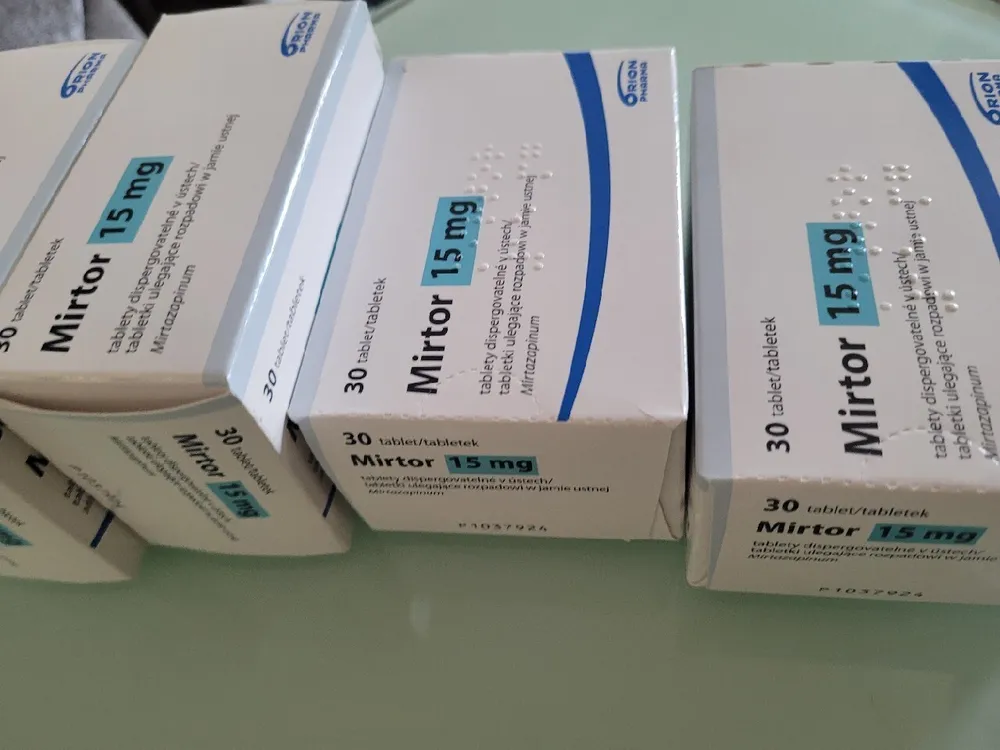
Table of Contents
PACKAGE LEAFLET: INFORMATION FOR THE USER
Warning! Keep this leaflet, information on the immediate packaging in a foreign language
Mirtor
30 mg, orodispersible tablets
Mirtazapinum
Please read all of this leaflet carefully before taking this medicine, because it contains
important information for the patient.
- Keep this leaflet, so that you can read it again if necessary.
- If you have any questions, please consult your doctor or pharmacist.
- This medicine has been prescribed for a specific individual. Do not pass it on to others. This medicine may harm someone else, even if their symptoms are the same.
- If any side effects occur, including any not listed in this leaflet, inform your doctor or pharmacist. See section 4.
Contents of the leaflet:
- What Mirtor is and what it is used for
- Important information before taking Mirtor
- How to take Mirtor
- Possible side effects
- How to store Mirtor
- Contents of the pack and other information
1. What Mirtor is and what it is used for
Mirtor belongs to a group of medicines known as antidepressants.
Mirtor is used in the treatment of depression in adults.
Mirtor begins to work after 1–2 weeks of use, and improvement in well-being usually occurs after 2–4 weeks. If there is no improvement after 2–4 weeks of treatment, or if the patient feels worse, medical advice should be sought. More information is provided in section 3 under "When to expect improvement in well-being".
2. Important information before taking Mirtor
When not to use Mirtor:
- if the patient is allergic to mirtazapine or any of the other ingredients of this medicine (listed in section 6). In such a case, contact a doctor as soon as possible before taking Mirtor.
- if the patient is currently taking or has recently taken (within the last 2 weeks) medicines from the group of monoamine oxidase inhibitors (MAOIs).
Warnings and precautions
Before starting to take Mirtor, discuss this with your doctor or pharmacist.
Before starting to take Mirtor, tell your doctor:
If the patient has ever experienced severe skin rash, skin peeling, blisters and/or
mouth ulcers after taking Mirtor.
Children and adolescents
Mirtor should generally not be used in children and adolescents under 18 years of age,
as its efficacy has not been demonstrated in this age group. It is also important to be aware that
patients under 18 years of age have a higher risk of experiencing adverse effects such as
suicidal attempts, suicidal thoughts, and hostility (mainly aggression, defiant behaviour,
and anger) when taking medicines of this class. Nevertheless, a doctor may prescribe Mirtor to
patients in this age group if they consider it to be in their best interest. If Mirtor has been prescribed
to a patient under 18 years of age and any doubts arise, consult the prescribing doctor. In patients
under 18 years of age taking Mirtor, inform the doctor immediately if any of the symptoms
mentioned above develop or worsen. The long-term impact of Mirtor on safety regarding growth,
puberty, and cognitive development in this age group has not yet been established.
Additionally, in this age group, significant weight gain after mirtazapine administration
has been observed more frequently than in adult patients.
Suicidal thoughts and worsening of depression
Patients with depression may sometimes have thoughts of self-harm or suicide.
Such symptoms or behaviours may worsen at the beginning of treatment with antidepressants,
as these medicines usually take about 2 weeks, or sometimes longer, to start working.
The above symptoms are more likely in:
- patients who previously experienced thoughts of self-harm or suicide;
- young adult patients. Clinical trial data show an increased risk of suicidal behaviour in individuals under 25 years of age with psychiatric disorders treated with antidepressants. Contact a doctor immediately or go to hospital if thoughts of self-harm or suicidal thoughts occur.
It may be helpful to inform family members or friends about the depression and ask
them to read this leaflet. The patient may ask them to inform him/her if they notice worsening of depression or anxiety, or concerning changes in behaviour.
Special caution is also required when using Mirtor:
- If the patient has or has ever had any of the following conditions: (Inform the doctor about the presence of any of the following diseases before starting treatment with Mirtor, if not already done.)
- epileptic seizures. If seizures occur or increase in frequency during treatment, discontinue the medicine and contact a doctor immediately;
- liver diseases, including jaundice. If jaundice occurs, discontinue the medicine and contact a doctor immediately;
- kidney diseases;
- heart diseases or low blood pressure;
- schizophrenia. Contact a doctor immediately if psychotic disorders such as paranoid symptoms worsen or increase in frequency;
- manic depression (alternating periods of elevated mood/excitement and depression). If feelings of excessive excitement occur, discontinue the medicine and contact a doctor immediately;
- diabetes (a change in insulin or other antidiabetic medicine dosage may be necessary);
- eye diseases, such as increased intraocular pressure (glaucoma);
- difficulty urinating, which may result from prostate enlargement;
- certain heart conditions that may cause changes in heart rhythm, recent heart attack, heart failure, or use of specific medicines that may cause heart rhythm disturbances.
- If symptoms of infection occur, such as unexplained fever, sore throat, or mouth ulcers, discontinue the medicine, contact a doctor immediately, and perform a blood count test. In rare cases, these symptoms may indicate impaired blood cell production by the bone marrow. These symptoms are rare and usually occur after 4-6 weeks of treatment.
- Elderly patients are often more sensitive, particularly to adverse effects of antidepressants.
- Severe skin reactions have been reported during mirtazapine treatment, including Stevens-Johnson syndrome (SJS), toxic epidermal necrolysis (TEN), and drug reaction with eosinophilia and systemic symptoms (DRESS). If the patient notices any of the symptoms described in section 4 related to these severe skin reactions, stop taking the medicine immediately and seek medical advice. Do not restart mirtazapine treatment if the patient has previously experienced any severe skin reactions.
Mirtor with other medicines
Tell your doctor or pharmacist about all medicines currently taken, recently taken, or planned to be taken.
Do not take Mirtor in combination with:
- monoamine oxidase inhibitors (MAOIs), or within two weeks after stopping MAOI treatment. Do not start MAOIs within two weeks after stopping Mirtor. MAOIs include moclobemide, tranylcypromine (antidepressants), selegiline (used in the treatment of Parkinson's disease).
Exercise caution when using Mirtor in combination with:
- other antidepressants, such as SSRIs, venlafaxine, and L-tryptophan or triptans (used to treat migraine), tramadol (a painkiller), buprenorphine, linezolid (an antibiotic), lithium salts (used to treat certain psychiatric disorders), methylene blue (used to reduce high methemoglobin levels in blood), and St. John's wort (Hypericum perforatum) preparations (herbal remedies used to treat depression). In patients taking only Mirtor or in combination with these medicines, serotonin syndrome may very rarely occur. Some of its symptoms include sudden fever, sweating, increased heart rate, diarrhoea, uncontrolled muscle spasms, chills, exaggerated reflexes, restlessness, mood changes, and loss of consciousness. Contact a doctor immediately if several of these symptoms occur simultaneously.
- the antidepressant nefazodone. It may increase the blood concentration of Mirtor. Inform the doctor if taking this medicine. A reduction in the Mirtor dose may be necessary, and after stopping nefazodone treatment, the Mirtor dose may need to be increased.
- medicines used to treat anxiety and insomnia, such as benzodiazepines;
- medicines used to treat schizophrenia, such as olanzapine;
- medicines used to treat allergies, such as cetirizine;
- medicines used to treat severe pain, such as morphine. Mirtor in combination with these medicines may intensify the drowsiness they cause.
- medicines used to treat infections, such as antibacterial agents (erythromycin), antifungal agents (e.g. ketoconazole), medicines used to treat HIV/AIDS (such as HIV protease inhibitors), and medicines used to treat stomach ulcers (e.g. cimetidine). When these medicines are taken together with Mirtor, the blood concentration of Mirtor may increase. Inform the doctor if taking these medicines. A reduction in the Mirtor dose may be necessary, and after stopping treatment with these medicines, the Mirtor dose may need to be increased.
- antiepileptic medicines, such as carbamazepine and phenytoin;
- medicines used to treat tuberculosis, such as rifampicin. In combination with Mirtor, these medicines may reduce the blood concentration of Mirtor. Inform the doctor if taking these medicines. An increase in the Mirtor dose may be necessary, and after stopping treatment with these medicines, the Mirtor dose may need to be reduced.
- anticoagulant medicines, such as warfarin. Mirtor may enhance the effect of warfarin. Inform the doctor if taking these medicines. When used in combination with Mirtor, monitoring of blood parameters is recommended.
- medicines that may affect heart rhythm, such as certain antibiotics and antipsychotics.
Mirtor with food and alcohol
Drinking alcohol while taking Mirtor may cause drowsiness. It is best to avoid alcohol consumption during Mirtor treatment.
Mirtor can be taken with or without food.
Pregnancy and breastfeeding
If the patient is pregnant, breastfeeding, suspects she may be pregnant, or is planning to have a child, she should consult a doctor or pharmacist before using this medicine.
Limited experience with the use of Mirtor in pregnant women does not indicate an increased risk. However, caution should be exercised when using Mirtor during pregnancy.
If Mirtor is taken during pregnancy or shortly before delivery, newborns should be monitored for possible adverse effects.
Similar medicines (from the group of serotonin reuptake inhibitors - SSRIs) used by pregnant women may increase the risk of a serious condition in the newborn called persistent pulmonary hypertension of the newborn (PPHN), causing rapid breathing and skin blueness. These symptoms usually occur within the first day of the newborn's life. If this happens, contact a midwife and/or doctor immediately.
Driving and operating machinery
Mirtor may reduce alertness and concentration ability. During treatment with Mirtor, avoid performing potentially dangerous tasks requiring continuous attention, such as driving vehicles or operating machinery. If Mirtor has been prescribed to a patient under 18 years of age, ensure that the medicine does not impair the patient's concentration and alertness before the patient participates in street traffic (e.g. when cycling).
Mirtor contains aspartame (E 951), a source of phenylalanine
This medicine contains aspartame (E 951), which is a source of phenylalanine. Each 30 mg orodispersible tablet contains 6 mg of aspartame (E 951). Aspartame (E 951) may be harmful to patients with phenylketonuria. This is a rare genetic disorder in which phenylalanine accumulates in the body due to improper excretion.
3. How to take Mirtor
This medicine should always be taken as directed by your doctor or pharmacist. If you have any doubts,
you should consult your doctor or pharmacist.
Dosage
The recommended starting dose is 15 or 30 mg once daily. After several days of treatment, your doctor may decide to
increase the dose to the most appropriate level for the patient (from 15 to 45 mg per day). Usually, the same
dose is used for patients of different ages. However, your doctor may prescribe a different dose of Mirtor for elderly patients or
for patients with kidney or liver disease.
When to take Mirtor
Mirtor should be taken every day at the same time, preferably as a single dose
in the evening, before going to bed. However, your doctor may recommend taking two divided doses
during the day—one in the morning and one in the evening before sleep. The higher dose should be
taken in the evening, before going to bed.
Instructions for taking orally disintegrating tablets: Mirtor tablets should be taken by mouth.
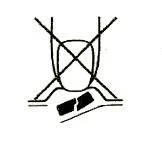
1. Do not crush the orally disintegrating tablet
To avoid crushing the orally disintegrating tablet, do not press on the blister pack containing the tablet (Figure A).
Figure A
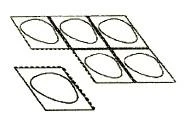
2. Tear off the blister with the tablet
Each blister pack contains 6 compartments with tablets, separated by perforated lines. Bend the blister pack and tear off one compartment along the perforated line (Figure 1).
Figure 1
3. Peel back the foil
Carefully peel back the foil covering, starting from the corner marked with an arrow (Figures 2 and 3).
Figure 2
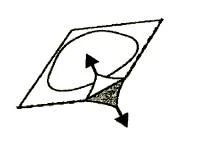
Figure 3
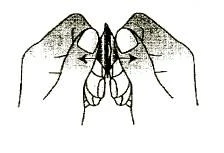
4. Remove the orally disintegrating tablet
Remove the orally disintegrating tablet with a dry hand from the packaging and place it on the tongue. (Figure 4).
Figure 4
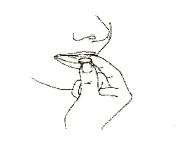
The tablet will disintegrate quickly and can be swallowed without water.
When to expect improvement in well-being
The first signs of the medicine's effect may be expected after 1–2 weeks of treatment, and
improvement in well-being may occur after 2–4 weeks.
It is important to discuss the effects of Mirtor with your doctor during the first few weeks of treatment:
- After 2 to 4 weeks from starting Mirtor, discuss the treatment effects achieved so far with your doctor. If there is no adequate clinical response, your doctor may increase the dose. After another 2 to 4 weeks, the treatment effects should be reviewed again with your doctor. Treatment should be continued until symptoms have completely resolved, which usually takes 4 to 6 months.
Taking more than the recommended dose of Mirtor
If a patient or anyone else takes more than the recommended dose of Mirtor, you should
seek medical advice immediately.
Expected symptoms of Mirtor overdose (without other medicines and without alcohol) include drowsiness,
disorientation, and rapid heartbeat. Symptoms of overdose may also include changes in heart rhythm (increased heart rate, irregular heartbeat) and/or fainting. These may be signs of life-threatening ventricular arrhythmias known as “torsade de pointes.”
Missed dose of Mirtor
If you forget to take your dose when the medicine is to be taken once daily
- do not take a double dose to make up for the missed tablet. Take the next dose at the usual time.
If the medicine is to be taken twice daily
- if you forget the morning dose—take it together with the evening dose;
- if you forget the evening dose—do not take it together with the morning dose; skip the missed dose; continue treatment by taking the usual morning and evening doses;
- if you forget both doses—do not try to make them up; skip them. The next day, continue treatment by taking the usual morning and evening doses.
Stopping Mirtor
You should stop taking Mirtor only strictly according to your doctor's instructions.
Do not stop taking the medicine too early, as this may cause the illness to return.
If improvement occurs, discuss this with your doctor. Your doctor will advise you when it is appropriate to stop treatment.
Suddenly stopping treatment with Mirtor, even if depressive symptoms have resolved, may cause
nausea, dizziness, agitation or anxiety, and headache. These symptoms can be avoided by
gradually tapering off the medicine. Your doctor will advise you on how to gradually reduce the dose.
If you have any further doubts regarding the use of this medicine, consult your doctor or pharmacist.
4. Possible adverse reactions
Like all medicines, this medicine can cause adverse reactions, although not everyone will experience them.
If any of the following serious adverse reactions occur, discontinue mirtazapine immediately and seek medical advice without delay.
Uncommon (may occur in up to 1 in 100 people):
- elevated mood and increased mental activity (mania)
Rare (may occur in up to 1 in 1,000 people):
- yellowing of the whites of the eyes and skin, which may indicate liver dysfunction (jaundice)
Frequency unknown (frequency cannot be estimated from available data):
- signs of infection such as sudden and unexplained high fever, sore throat, and mouth ulcers (agranulocytosis). In rare cases, mirtazapine may cause disturbances in blood cell production (bone marrow suppression). In some individuals, reduced resistance to infections may occur because mirtazapine may cause transient reduction in white blood cells (granulocytopenia). In rare cases, mirtazapine may cause reduced numbers of white and red blood cells and platelets (aplastic anaemia), reduced platelet count (thrombocytopenia), or increased number of white blood cells (eosinophilia)
- seizures (fits)
- combination of symptoms such as unexplained fever, sweating, increased heart rate, diarrhoea, (involuntary) muscle contractions, chills, increased reflexes, restlessness, mood changes, loss of consciousness, and excessive salivation. In very rare cases, these symptoms may indicate the development of serotonin syndrome
- suicidal thoughts or self-harming thoughts
- severe skin reactions:
- red, target-like or circular skin lesions, often with central blisters on the trunk, skin peeling, and ulcers in the mouth, throat, nose, genital organs, and eyes. The occurrence of such severe skin rashes is often preceded by fever and flu-like symptoms (Stevens-Johnson syndrome, toxic epidermal necrolysis)
- widespread rash, high fever, and swollen lymph nodes (DRESS syndrome or drug hypersensitivity syndrome)
Other possible adverse reactions include:
Very common (may occur in more than 1 in 10 people):
- increased appetite and weight gain
- sedation or drowsiness
- headache
- dry mouth
Common (may occur in up to 1 in 10 people):
- lethargy
- dizziness
- tremor or shaking
- nausea
- diarrhoea
- vomiting
- constipation
- rash or skin eruptions
- joint pain, muscle pain
- back pain
- dizziness or fainting upon sudden change in body position (orthostatic hypotension)
- swelling (usually of the ankles or feet) due to fluid accumulation (oedema)
- fatigue
- vivid dreams
- disorientation
- feeling of anxiety
- sleep disturbances
- memory impairment, mostly reversible after discontinuation of treatment
Uncommon (may occur in 1 in 100 people):
- abnormal skin sensations such as burning, pricking, stinging, or tingling (paraesthesiae)
- restless legs syndrome
- fainting
- numbness or tingling sensation in the mouth (oral paraesthesia)
- low blood pressure
- nightmares
- restlessness
- hallucinations
- urgent need for movement
Rare (may occur in up to 1 in 1,000 people):
- muscle twitching or cramps (clonic muscle spasms)
- aggressive behaviour
- abdominal pain and nausea, which may indicate pancreatitis
Frequency unknown (frequency cannot be estimated from available data):
- abnormal sensations in the mouth (oral paraesthesiae)
- swelling of the mouth
- swelling of the entire body (generalised oedema)
- localised swelling
- hyponatraemia (low sodium levels in the blood)
- inappropriate antidiuretic hormone secretion
- severe skin reactions (bullous dermatitis, erythema multiforme)
- sleepwalking (somnambulism)
- speech disorders
- elevated blood creatine kinase levels
- difficulty in urination (urinary retention)
- muscle pain, stiffness, and/or weakness
- darkening or discolouration of urine (rhabdomyolysis)
- increased blood prolactin levels (hyperprolactinaemia, including symptoms such as breast enlargement and/or milk discharge from the nipples)
- prolonged or painful erection
Additional adverse reactions in children and adolescents
The following adverse reactions were commonly observed in clinical trials involving children under 18 years of age: significant weight gain, urticaria, and increased blood triglyceride levels.
Reporting of adverse reactions
If any adverse reactions occur, including any adverse reactions not listed in this leaflet, inform your doctor or pharmacist. Adverse reactions can be reported directly to the Department of Monitoring Adverse Drug Reactions, Office for Registration of Medicinal Products, Medical Devices and Biocidal Products, Al. Jerozolimskie 181C, 02-222 Warsaw, Poland.
Tel.: +48 22 49 21 301
Fax: +48 22 49 21 309
Website: https://smz.ezdrowie.gov.pl
Reporting adverse reactions helps provide more information on the safety of the medicine.
5. How to store Mirtor
Keep the medicine out of sight and reach of children.
Do not use this medicine after the expiry date stated on the cardboard package. The expiry date refers to the last day of the stated month.
No special storage instructions apply.
Do not use this medicine if you notice any discoloration or other signs of deterioration.
Medicines must not be disposed of via wastewater or household waste. Ask your pharmacist how to dispose of medicines no longer required. Such measures will help protect the environment.
6. Contents of the package and other information
What Mirtor contains
- The active substance is mirtazapine. Each orodispersible tablet contains 30 mg of mirtazapine.
- Other ingredients are crospovidone, mannitol, microcrystalline cellulose, aspartame (E 951), strawberry-guarana flavour, mint flavour, colloidal anhydrous silica, magnesium stearate.
What Mirtor looks like and contents of the pack
Orodispersible tablet 30 mg: white, round, marked with "37" on one side and "A" on the other side.
For more detailed information, please contact the marketing authorisation holder or the parallel importer.
Marketing authorisation holder in the Czech Republic, the country of export:
Orion Corporation
Orionintie 1
FI-02200 Espoo
Finland
Manufacturer:
Orion Corporation Orion Pharma
Orionintie 1
FI-02200 Espoo
Finland
Parallel importer:
Medezin Sp. z o.o.
Zbąszyńska 3
91-342 Łódź
Repackaged in:
Medezin Sp. z o.o.
Zbąszyńska 3
91-342 Łódź
Marketing authorisation number in the Czech Republic, the country of export: 30/415/06-C
Parallel import authorisation number: 309/24