Midazolamum aguettant
Poland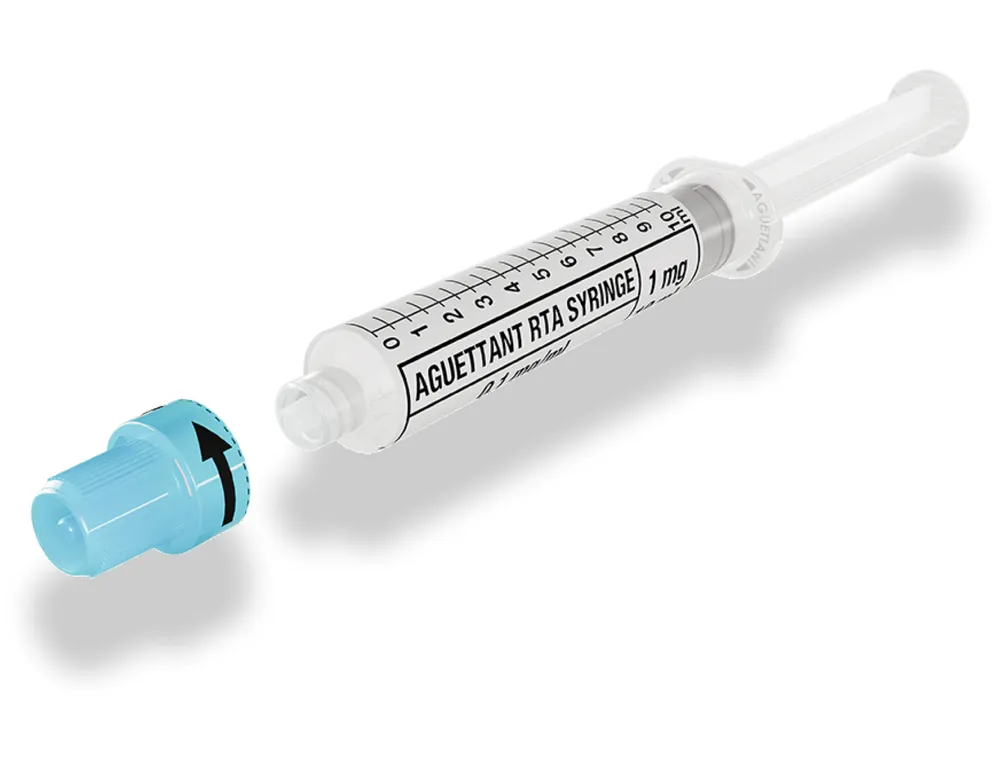
Table of Contents
- Patient Information Leaflet
- 1. What Midazolamum Aguettant is and what it is used for
- 2. Important information before administration of Midazolamum Aguettant
- 3. How is Midazolamum Aguettant administered
- 4. Possible adverse reactions
- 5. How to store Midazolamum Aguettant
- 6. Contents of the package and other information
- Information intended exclusively for medical professionals:
Patient Information Leaflet
Midazolamum Aguettant, 1 mg/mL, solution for injection in pre-filled syringe
Midazolamum
Please read all of this leaflet carefully before the medicine is administered, as it contains
important information for you.
- Keep this leaflet, as you may need to read it again.
- If you have any further questions, please ask your doctor, pharmacist or nurse.
- If you experience any side effects, including any not listed in this leaflet, tell your doctor, pharmacist or nurse. See section 4.
Contents of the leaflet
- What Midazolamum Aguettant is and what it is used for
- Important information before administration of Midazolamum Aguettant
- How Midazolamum Aguettant is administered
- Possible side effects
- How to store Midazolamum Aguettant
- Contents of the pack and other information
1. What Midazolamum Aguettant is and what it is used for
Midazolamum Aguettant contains midazolam, which belongs to a group of medicines called benzodiazepines. It is a fast-acting medicine used to induce drowsiness or sleep, relieve anxiety and reduce muscle tension. Midazolamum Aguettant is used in adults:
- for general anaesthesia, to induce or maintain sleep.
Midazolamum Aguettant is also used in adults and children (aged 12 years and older):
- in intensive care units, to calm and sedate the patient; this is known as "sedation";
- before and during medical procedures or examinations requiring the patient to remain conscious; the medicine makes the patient feel calm and drowsy; this is known as "light sedation";
- to calm and relax the patient and induce drowsiness before administration of an anaesthetic agent.
2. Important information before administration of Midazolamum Aguettant
When not to use Midazolamum Aguettant:
- if the patient is allergic to midazolam or to any of the other ingredients of this medicine (listed in section 6),
- if the patient is allergic to other medicines in the benzodiazepine group, such as diazepam or nitrazepam,
- if the patient has severe respiratory disorders and Midazolamum Aguettant would be administered to induce light sedation.
If any of the above situations apply to the patient, Midazolamum Aguettant should not be administered. If the patient is unsure, inform the doctor or nurse before administering the medicine.
Warnings and precautions
The patient's medical history may affect how Midazolamum Aguettant is administered. Before receiving Midazolamum Aguettant, speak with the doctor or nurse if:
- the patient is over 60 years old,
- the patient has chronic illnesses, e.g. chronic diseases of the respiratory system, kidneys, liver, or heart,
- the patient suffers from a condition causing extreme weakness, exhaustion, and lack of energy,
- the patient has muscle weakness (a neuromuscular disorder characterized by reduced muscle strength),
- if the patient suffers from sleep apnoea (temporary pauses in breathing during sleep),
- the patient has previously abused alcohol,
- the patient has previously abused drugs.
If any of the above conditions apply to the patient (or if the patient is uncertain), inform the doctor or nurse before administering Midazolamum Aguettant.
Children
Midazolamum Aguettant may be used in children aged 12 years and older.
If administration of this medicine to a child aged 12 years or older is planned:
- inform the doctor or nurse if any of the above points apply to the child (aged 12 years or older).
- especially inform the doctor or nurse if the child has heart or breathing problems.
Midazolamum Aguettant and other medicines
Inform the doctor or pharmacist about all medicines currently taken or recently taken by the patient. This will help the doctor determine the appropriate dose of Midazolamum Aguettant for the patient.
The following medicines may affect the action of Midazolamum Aguettant:
- antidepressants,
- sleeping medicines (to help sleep),
- sedatives (inducing a calming state and causing drowsiness),
- tranquilizers (used for anxiety and to help sleep),
- carbamazepine or phenytoin (used in seizures or convulsions),
- rifampicin (used to treat tuberculosis),
- medicines used in HIV infection called protease inhibitors (such as saquinavir),
- macrolide antibiotics (such as erythromycin or clarithromycin),
- antifungal medicines (ketoconazole, voriconazole, fluconazole, itraconazole, posaconazole),
- strong painkillers,
- atorvastatin (used to treat high cholesterol levels),
- antihistamines (medicines used to treat allergies),
- St. John's wort (a herbal remedy used to treat depression),
- medicines used to treat high blood pressure known as calcium channel blockers (diltiazem).
If any of the above situations apply to the patient or if the patient has any doubts, inform the doctor or nurse before using Midazolamum Aguettant.
Midazolamum Aguettant and alcohol
The patient must not drink alcohol while taking Midazolamum Aguettant, as alcohol may increase drowsiness and cause breathing problems.
Pregnancy and breastfeeding
If the patient is pregnant, breastfeeding, suspects she may be pregnant, or is planning to have a baby, she should consult her doctor before using this medicine. The doctor will decide whether this medicine is suitable for her.
Women should not breastfeed for 24 hours after taking Midazolamum Aguettant, as it may pass into breast milk.
Driving and operating machinery
After receiving Midazolamum Aguettant, the patient should not drive or operate machinery until the doctor decides it is safe to resume these activities.
This medicine may cause drowsiness and memory disturbances. It may also affect concentration and coordination. These effects may impair the ability to drive or operate machinery.
After administration of this medicine, the patient must always be accompanied home by an adult caregiver.
Midazolamum Aguettant contains sodium
The medicine contains less than 1 mmol (23 mg) of sodium per 5 mL pre-filled syringe, meaning the medicine is considered "sodium-free".
The medicine contains 33.00 mg of sodium (main component of table salt) in each 10 mL. This corresponds to 1.7% of the maximum recommended daily sodium intake in the adult diet.
3. How is Midazolamum Aguettant administered
Midazolamum Aguettant should be administered only by an experienced physician or
nurse. It is given in a setting equipped with appropriate monitoring and treatment facilities for any
adverse reactions. This may be a hospital, clinic, or surgical office with the capability to monitor
respiration, heart function, and circulation.
The use of Midazolamum Aguettant is not recommended in infants and children under 12 years of age.
How Midazolamum Aguettant is administered
Midazolamum Aguettant can be administered in the following ways:
- by slow injection into a vein (intravenous injection),
- by injection into a muscle (intramuscular injection).
Dosage
The dose of Midazolamum Aguettant may vary for each patient. The appropriate dose for a given
patient is determined by the physician. The dose depends on the patient's age, body weight, and
general health status. It also depends on the intended purpose of treatment, the patient's response to
therapy, and whether other medications are administered concomitantly.
After administration of Midazolamum Aguettant
After the procedure, the patient should go home accompanied by an adult caregiver, because
Midazolamum Aguettant may cause drowsiness, memory disturbances, reduced
concentration, and impaired coordination.
Administration of a higher than recommended dose of Midazolamum Aguettant
The drug will be administered by a physician or nurse, which means there is a low likelihood of
overdose. However, if accidental overdose occurs, it may lead to:
- drowsiness and loss of motor coordination and reflexes,
- speech disturbances and involuntary eye movements,
- arterial hypotension—this may cause dizziness or feeling faint,
- slowed or stopped breathing and heart function, and loss of consciousness (coma).
Use of Midazolamum Aguettant for prolonged sedation in patients
receiving intensive medical care
When Midazolamum Aguettant is used for a prolonged period, the following may occur:
- reduced effectiveness of the drug,
- dependence on the drug or withdrawal symptoms upon discontinuation of treatment (see "Discontinuation of Midazolamum Aguettant treatment" below).
Discontinuation of Midazolamum Aguettant treatment
If Midazolamum Aguettant has been administered to a patient for a prolonged period, for example in
an intensive care unit, withdrawal symptoms may occur after stopping the drug. These include:
- mood changes
- seizures (convulsions)
- headache
- muscle pain
- sleep disturbances (insomnia)
- feelings of worry (anxiety), tension, restlessness, confusion, or bad mood (irritability)
- seeing and possibly hearing things that are not actually present (hallucinations).
The physician will gradually reduce the dose. This will help prevent withdrawal symptoms.
4. Possible adverse reactions
Like all medicines, this medicine can cause adverse reactions, although not everyone experiences them.
The adverse reactions listed below occurred at an unknown frequency and cannot be estimated
from the available data.
If the patient experiences any of the adverse reactions listed below, administration of Midazolamum Aguettant must be discontinued immediately and the doctor must be informed without delay. These may be life-threatening reactions requiring urgent treatment.
- Severe allergic reaction (anaphylactic shock). Symptoms may include sudden rash, itching or hives, and swelling of the face, lips, tongue or other parts of the body (angioedema).
- Breathing difficulties, wheezing or trouble breathing, or pale skin, weak and rapid pulse, or feeling faint may also occur. Additionally, chest pain may occur, which could be a symptom of a serious allergic reaction known as Kounis syndrome.
- Myocardial infarction. Chest pain may be a symptom.
- Breathing difficulties, sometimes leading to respiratory arrest.
- Laryngospasm resulting in airway obstruction. Life-threatening adverse reactions occur more frequently in individuals over 60 years of age and in those with pre-existing breathing or heart problems. These adverse reactions are also more likely if the medicine is administered too rapidly or in high doses.
Other adverse reactions
Nervous system and psychiatric disorders
- Reduced alertness.
- Confusion.
- Euphoria (excessive sense of happiness or excitement).
- Changes in libido.
- Feeling tired, drowsy, or prolonged sedation.
- Seeing or hearing things that are not real (hallucinations).
- Headache.
- Dizziness.
- Difficulty coordinating muscle movements.
- Seizures in premature infants and newborns.
- Temporary memory loss. The duration of memory loss depends on the dose administered. In individual cases, it may persist for a prolonged period.
- Anxiety, hostility, anger, or aggression. Uncontrolled muscle spasms or muscle tremors may also occur. The likelihood of these reactions is higher if the patient has received a high
dose of Midazolamum Aguettant or if the medicine is administered too rapidly, and also in children and
elderly patients.
Cardiovascular disorders
- Fainting.
- Slowed heart rate.
- Flushing of the face and neck.
- Low blood pressure. This may cause dizziness or lightheadedness.
Respiratory system disorders
- Hiccups.
- Shortness of breath, breathlessness.
Gastrointestinal disorders
- Dry mouth.
- Constipation.
- Nausea, vomiting.
Skin and subcutaneous tissue disorders
- Itching sensation.
- Rash, including urticaria.
- Redness, pain, thrombosis, or swelling of the skin at the injection site.
General disorders and administration site conditions
- Allergic reactions, including rash and wheezing.
- Withdrawal symptoms (see "Discontinuation of Midazolamum Aguettant" in section 3 above).
- Falls and bone fractures. The risk of these events is higher if the patient is taking other medicines that cause drowsiness (e.g. sedatives or sleeping tablets) or if the patient consumes alcohol concurrently.
Elderly patients
- The risk of falls and bone fractures is higher in elderly patients receiving benzodiazepines such as Midazolamum Aguettant.
- In patients over 60 years of age, the likelihood of life-threatening adverse reactions is increased.
Reporting of adverse reactions
If any adverse reactions occur in the patient, including any possible adverse reactions not listed
in this leaflet, inform a doctor, pharmacist, or nurse. Adverse reactions can be reported directly to
the Department of Monitoring Adverse Drug Reactions
Office for Registration of Medicinal Products, Medical Devices and Biocidal Products
Al. Jerozolimskie 181C
PL-02 222 Warsaw
Tel.: + 48 22 49 21 301
Faks: + 48 22 49 21 309
Website: https://smz.ezdrowie.gov.pl
Adverse reactions can also be reported to the marketing authorization holder.
Reporting adverse reactions helps to provide more information on the safe use of the medicine.
5. How to store Midazolamum Aguettant
Keep this medicine out of sight and reach of children.
Do not use this medicine after the expiry date stated on the carton, blister, and ampoule-syringe label after "EXP". The expiry date refers to the last day of the stated month.
Store in the original packaging to protect from light. Do not freeze.
Keep the ampoule-syringe in the unopened blister until the time of use.
After opening, the medicinal product should be used immediately.
Do not use this medicine if visible signs of deterioration in quality are observed.
Medicines should not be disposed of via wastewater or household waste. Ask your pharmacist how to dispose of medicines no longer required. This will help protect the environment.
6. Contents of the package and other information
What Midazolamum Aguettant contains
- The active substance is midazolam. Each mL of injection solution contains 1 mg of midazolam. Each 5 mL pre-filled syringe contains 5 mg of midazolam. Each 10 mL pre-filled syringe contains 10 mg of midazolam.
- The other components are: sodium chloride, sodium hydroxide, hydrochloric acid concentrated, and water for injections.
What Midazolamum Aguettant looks like and contents of the pack
Midazolamum Aguettant is a clear, colourless injection solution (injection) in a pre-filled syringe (polypropylene) with a capacity of 5 mL or 10 mL, equipped with a plunger (chlorobutyl), without a needle, and with a self-adhesive transparent label marked with graduations (graduated every 0.2 mL from 0 to 5 mL or 10 mL). The tip cap (polypropylene) protects the syringe tip. Each pre-filled syringe is individually packed in a blister. Cartons contain 10 pre-filled syringes.
Marketing Authorisation Holder and Manufacturer
LABORATOIRE AGUETTANT
1, rue Alexander Fleming
69007 Lyon
France
This medicinal product is authorised in the European Economic Area member states under the following names:
Austria, Belgium, Denmark, Finland, France, Germany, Luxembourg, Italy, Netherlands, Norway, Spain, Sweden, Portugal: Midazolam Aguettant
Ireland: Midazolam
Poland: Midazolamum Aguettant
Information intended exclusively for medical professionals:
The syringe should be carefully prepared as follows:
The pre-filled syringe is intended for single-patient use only. After use,
it must be discarded. Do not reuse.
The contents of an unopened and undamaged blister are sterile; therefore, do not open the blister
until the syringe is ready for use.
Before administration, visually inspect the medicinal product for presence of particles and discoloration.
Only use a clear, colorless solution free from particles or precipitates.
Do not use this medicinal product if the tamper-evident seal on the syringe is broken.
Do not use this medicinal product if visible signs of deterioration are observed.
The outer surface of the syringe is sterile until the blister is opened. Do not open the blister
until the time of use.
When handling this medicinal product under aseptic conditions, after removal from the blister, it may
be placed on a sterile surface.
The volume to be administered should be calculated according to the appropriate dosing regimen.
- Remove the sterile pre-filled syringe from the blister.
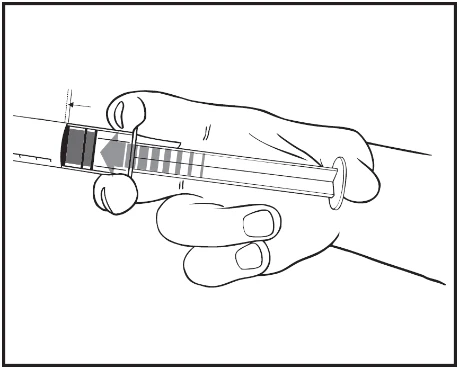
- Press the plunger to release the rubber stopper. The sterilization
process may have caused the rubber stopper to adhere to the syringe barrel.
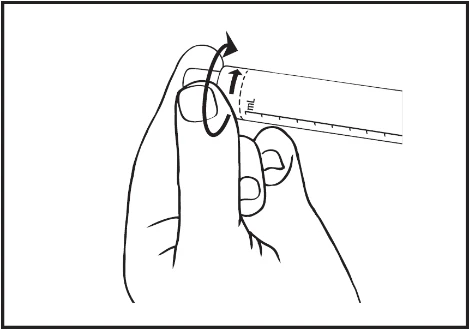
- Unscrew the end cap to break the tamper-evident seal.
Do not touch the exposed luer connector to avoid contamination.
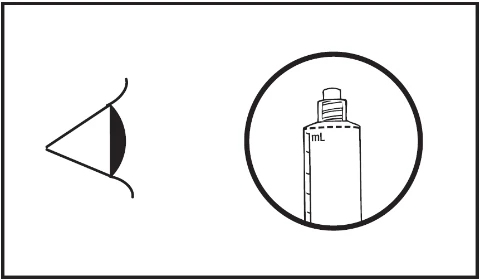
- Check whether the syringe tip protector has been completely removed. If not, reattach the protector and twist again.
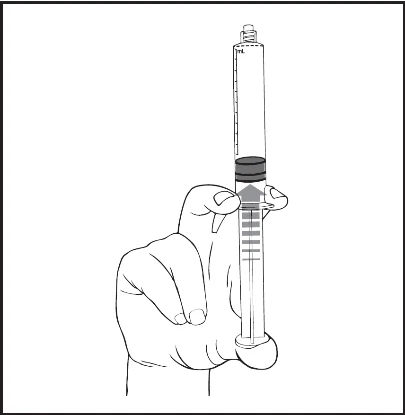
- Expel air by gently pressing the plunger.
- Connect the syringe to the intravenous access using a luer/luer lock system. Slowly
press the plunger to inject the required volume. Administer the product via the appropriate route of administration.
The pre-filled syringe contains a ready-to-use medicinal product. The pre-filled syringe is not suitable for use with infusion pumps.
Do not use the pre-filled syringe if it has been damaged or handled without maintaining sterile conditions.
Any unused medicinal product or waste material should be disposed of in accordance with local regulations.