Maxipirin c
Poland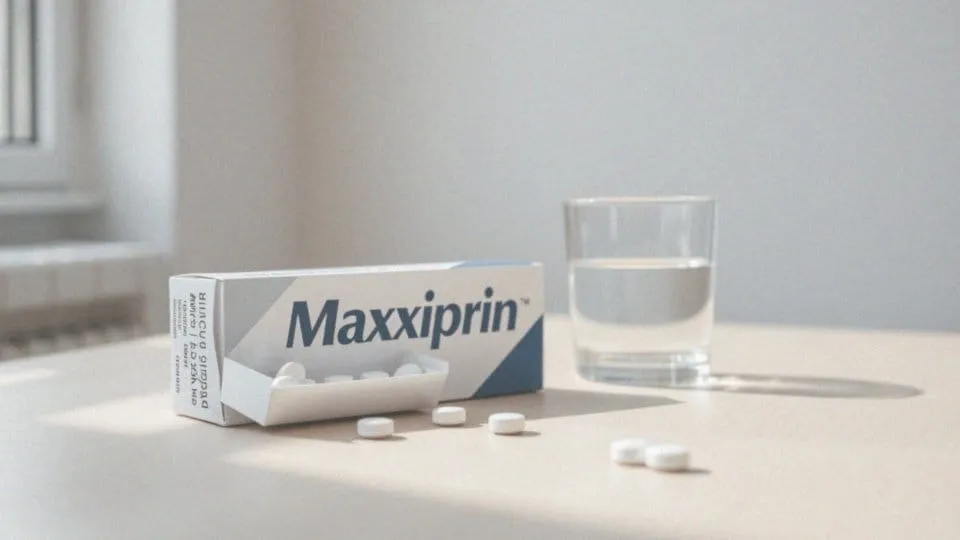
Table of Contents
Package leaflet: Information for the patient
Maxipirin C, 400 mg + 240 mg, effervescent tablets
Acidum acetylsalicylicum + Acidum ascorbicum
Please read this leaflet carefully before using the medicine, as it contains important information for the patient.
This medicine should always be used exactly as described in this patient leaflet or as directed by a doctor or pharmacist.
- Keep this leaflet, as you may need to read it again.
- If you need advice or further information, please consult your pharmacist.
- If you experience any side effects, including any not listed in this leaflet, inform your doctor or pharmacist. See section 4.
- If there is no improvement after 3 days in children and adolescents or 5 days in adults, or if you feel worse, consult a doctor.
Table of contents:
- What Maxipirin C is and what it is used for
- Important information before taking Maxipirin C
- How to take Maxipirin C
- Possible side effects
- How to store Maxipirin C
- Contents of the pack and other information
1. What Maxipirin C is and what it is used for
Maxipirin C contains two active substances: acetylsalicylic acid and ascorbic acid (vitamin C).
Acetylsalicylic acid belongs to the group of non-steroidal anti-inflammatory drugs (NSAIDs). Acetylsalicylic acid reduces pain, fever, and inflammation by decreasing the production of prostaglandins (substances involved in the inflammatory process).
Ascorbic acid (vitamin C) supports the body's immune system during inflammatory processes.
Maxipirin C may be taken for mild to moderate pain (e.g. headache, toothache, sore throat, muscle, joint, back pain, and menstrual pain) and for inflammatory conditions of the upper respiratory tract (such as cold and flu) to provide symptomatic relief of pain and fever.
On a doctor's advice, Maxipirin C may be used for mild pain associated with arthritis.
Maxipirin C is indicated for use in adults, adolescents, and children with body weight above 30 kg (over 9 years of age). Children and adolescents may take this medicine only on a doctor's recommendation.
If there is no improvement after 3 days in children and adolescents or 5 days in adults, or if you feel worse, consult a doctor.
2. Important information before using Maxipirin C
When not to use Maxipirin C:
- if the patient is allergic to acetylsalicylic acid, other salicylates, ascorbic acid, or any of the other ingredients of this medicine (listed in section 6),
- if the patient has experienced an asthma attack, urticaria, rhinitis, or a similar reaction to salicylates or other non-steroidal anti-inflammatory drugs (NSAIDs),
- if the patient has a peptic ulcer of the stomach or duodenum,
- if the patient has an unusual tendency to bleed (bleeding diathesis),
- if the patient has severe renal or hepatic insufficiency,
- if the patient has severe heart failure,
- if the patient is concurrently taking methotrexate at doses of 15 mg/week or higher,
- if the patient is in the last three months of pregnancy, doses exceeding 100 mg of acetylsalicylic acid per day must not be used (see section "Pregnancy, breastfeeding and fertility"),
- if the patient has or has had kidney stones (nephrolithiasis),
- if the patient has increased oxalate levels in urine (hyperoxaluria),
- if the patient has excessive iron accumulation in the body due to food intake (hemochromatosis).
Warnings and precautions
Before starting treatment with Maxipirin C, consult a doctor or pharmacist.
Exercise caution when using Maxipirin C
- if the patient has hypersensitivity (allergy) to other painkillers, anti-rheumatic drugs (medicines used in treating inflammatory joint, muscle, and tendon disorders), anti-inflammatory drugs, or other allergenic substances,
- if the patient has previously had peptic ulcer disease of the stomach or duodenum, or gastrointestinal bleeding,
- if the patient is taking anticoagulant medicines (drugs preventing blood clot formation),
- if the patient has impaired kidney function or circulatory system disorders [e.g. kidney disease, congestive heart failure, reduced circulating blood volume, sepsis (blood poisoning), or severe bleeding], as acetylsalicylic acid may further increase the risk of kidney dysfunction and acute renal failure,
- if the patient has impaired liver function,
- if the patient has severe glucose-6-phosphate dehydrogenase deficiency, acetylsalicylic acid may cause hemolysis (destruction of red blood cells) or hemolytic anemia (anemia due to red blood cell breakdown). Factors increasing the potential risk of hemolysis include high drug doses, fever, or acute infections.
- if the patient has reduced uric acid excretion, as the drug in low doses may trigger an attack of gout.
In the above cases, consult a doctor before taking Maxipirin C.
Patients with asthma, hay fever, nasal polyps, or chronic respiratory tract infections
(particularly if associated with hay fever-like symptoms) or hypersensitivity to
any type of painkillers and anti-rheumatic drugs are at risk of asthma attacks (analgesic intolerance/medication-induced asthma)
when using Maxipirin C. If the patient has such conditions, consult a
doctor before using Maxipirin C. The same applies to patients who are
allergic to other substances, manifesting as skin reactions, itching, or urticaria.
Inform your doctor or dentist about using Maxipirin C before any planned
surgical procedure.
Medicines containing acetylsalicylic acid should not be used long-term or in high
doses without consulting a doctor.
Before using acetylsalicylic acid, inform your doctor about all medicines
the patient is taking. If acetylsalicylic acid is used regularly, talk to your doctor before
using any other medicine (including over-the-counter medicines).
Exercise caution when using ascorbic acid in patients prone to calcium oxalate kidney stones
(kidney stones) or recurrent nephrolithiasis (recurrent kidney stones).
Children and adolescents
Maxipirin C should not be used in children and adolescents with fever-causing illnesses,
unless advised by a doctor and other treatments have failed. Persistent vomiting during
such illnesses may be a sign of Reye's syndrome, a very rare but life-threatening condition requiring immediate medical attention.
Maxipirin C and other medicines
Inform your doctor or pharmacist about all medicines currently or recently taken, as well as any medicines the patient plans to take.
Do not use Maxipirin C concurrently with:
- methotrexate (used in cancer or rheumatoid arthritis treatment) at doses of 15 mg/week or higher, as acetylsalicylic acid may increase methotrexate toxicity.
Use caution when using this medicine concurrently with:
- methotrexate (used in cancer or rheumatoid arthritis treatment) at doses below 15 mg/week, as acetylsalicylic acid may increase methotrexate toxicity,
- anticoagulants (e.g. warfarin, heparin) and antiplatelet agents (substances preventing platelet aggregation and blood clot formation), e.g. ticlopidine, as acetylsalicylic acid may increase the risk of bleeding,
- anti-inflammatory medicines containing salicylates, as acetylsalicylic acid may increase the risk of gastrointestinal bleeding and ulceration,
- serotonin reuptake inhibitors (medicines used to treat depression), as acetylsalicylic acid may increase the risk of gastrointestinal bleeding,
- digoxin (a substance improving heart contraction strength), as acetylsalicylic acid may increase its blood concentration,
- blood glucose-lowering medicines (antidiabetic agents), as acetylsalicylic acid may enhance their hypoglycemic effect,
- medicines increasing urine excretion (diuretics), as acetylsalicylic acid may reduce glomerular filtration,
- systemic-acting glucocorticosteroids, as reduced salicylate concentrations may be observed when used concomitantly with acetylsalicylic acid,
- antihypertensive medicines (ACE inhibitors), as acetylsalicylic acid may reduce glomerular filtration,
- valproic acid, as acetylsalicylic acid may increase its toxicity,
- medicines used in gout treatment (uricosuric agents), which improve uric acid excretion in urine (e.g. probenecid, benzbromarone), as acetylsalicylic acid may weaken their effect,
- deferoxamine, as concomitant use with ascorbic acid may intensify tissue iron toxicity, particularly in the heart.
Laboratory tests
Vitamin C (ascorbic acid) may interfere with certain laboratory tests, e.g. glucose, creatinine, carbamazepine, uric acid measurements in urine and plasma, and fecal occult blood testing.
Vitamin C may interfere with urine and blood glucose tests, potentially leading to false results, although it does not affect actual blood glucose concentration.
Maxipirin C and alcohol
Do not consume alcoholic beverages while taking this medicine.
Pregnancy, breastfeeding and fertility
If the patient is pregnant or breastfeeding, suspects she may be pregnant, or plans to have a child, she should consult a doctor or pharmacist before using this medicine.
If the patient continues or starts treatment with Maxipirin C during pregnancy as advised by a doctor, Maxipirin C should be used strictly according to medical instructions and the recommended dose must not be exceeded.
Pregnancy – third trimester
Do not use acetylsalicylic acid doses exceeding 100 mg per day during the last three months of pregnancy, as this may harm the unborn child or cause delivery complications. Renal and cardiac dysfunction in the fetus may occur. The medicine may increase the tendency to bleeding in both the mother and the child and may delay or prolong labor.
If the patient uses acetylsalicylic acid in low doses (up to 100 mg per day inclusive), the patient's obstetric status should be closely monitored according to the doctor's recommendations.
Pregnancy – first and second trimester
Maxipirin C should not be used during the first 6 months of pregnancy unless absolutely necessary and recommended by a doctor. If treatment is required during this period or when trying to conceive, the lowest possible dose should be used for the shortest possible duration.
Taking Maxipirin C from week 20 of pregnancy for longer than a few days may result in impaired fetal kidney function, leading to reduced amniotic fluid volume surrounding the fetus (oligohydramnios) or narrowing of the fetal blood vessel (ductus arteriosus) in the heart. If treatment longer than a few days is required, the doctor may recommend additional monitoring.
Breastfeeding
Small amounts of acetylsalicylic acid and its metabolites, as well as ascorbic acid, pass into breast milk. No adverse effects in infants have been observed with short-term use; therefore, breastfeeding need not be interrupted. However, with regular use of high doses, breastfeeding should be discontinued.
Fertility
Based on limited available data, human studies have not shown any permanent effect of acetylsalicylic acid on fertility, and there is no clear evidence from animal studies.
Driving and operating machinery
Maxipirin C has no effect on the ability to drive or operate machinery.
Maxipirin C contains sodium
This medicine contains 447.48 mg of sodium (main component of table salt) in each effervescent tablet.
This corresponds to 22.37% of the maximum recommended daily dietary sodium intake for adults.
3. How to take Maxipirin C
This medicine should always be taken exactly as described in this patient leaflet or as directed by a doctor or pharmacist. If in doubt, consult your doctor or pharmacist.
If fever or pain persists for more than 3 days in children and adolescents or 5 days in adults, consult a doctor for further management.
Before taking, the effervescent tablet must be dissolved in a glass of water (200 mL). Do not take on an empty stomach.
In adults, the usual dose is 1 to 2 effervescent tablets (i.e. 400 to 800 mg of acetylsalicylic acid). If necessary, the single dose may be repeated at intervals of at least 4 hours.
The maximum daily dose of 10 effervescent tablets must not be exceeded.
Use in children and adolescents
Children with body weight above 30 kg (over 9 years of age) and adolescents may take this medicine only in exceptional cases and on a doctor's prescription, under continuous medical supervision. The dose will be determined by the doctor based on body weight. The recommended single dose of acetylsalicylic acid is approximately 15 mg/kg every 6 hours or 10 mg/kg every 4 hours, with a total daily dose of approximately 60 mg/kg. Follow the doctor's instructions regarding dosage and dosing intervals.
This medicine is not suitable for younger children due to the content of acetylsalicylic acid. For this population, other medicines with lower acetylsalicylic acid content are available.
Elderly patients
Acetylsalicylic acid should be used with increased caution in elderly patients due to the possibility of concomitant diseases. Acetylsalicylic acid may increase the risk of gastrointestinal bleeding and perforation. The lowest effective dose should be used.
Liver function disorders
Acetylsalicylic acid should be used with increased caution and only after consultation with a doctor in patients with liver function disorders. Acetylsalicylic acid must not be used in patients with severe hepatic insufficiency.
Renal function disorders
Acetylsalicylic acid should be used with increased caution and only after consultation with a doctor in patients with renal function disorders. Acetylsalicylic acid must not be used in patients with severe renal insufficiency.
Taking more than the recommended dose of Maxipirin C
If you take more than the recommended dose of Maxipirin C or if the medicine is accidentally taken by a child, contact a doctor immediately.
If you have any further doubts concerning the use of this medicine, consult your doctor or pharmacist.
4. Possible adverse reactions
Like all medicines, this medicine can cause adverse reactions, although not everybody will experience them.
Adverse reactions may occur with the following frequencies:
Rare (may occur in less than 1 out of 1,000 patients)
- Gastrointestinal inflammation, gastric or duodenal ulcer disease (which may be associated with gastrointestinal bleeding and perforation)
Very rare (may occur in less than 1 out of 10,000 patients)
- Severe allergic reaction (anaphylactic shock)
- Transient disturbances in liver function with increased liver enzyme activity
Frequency not known (frequency cannot be estimated from the available data)
- Increased risk of bleeding during and after surgical procedures, bruising, nosebleeds, bleeding from the urinary and genital tracts, gum bleeding, gastrointestinal bleeding, and intracranial hemorrhage (severe bleeding, especially in patients with untreated hypertension and/or those concurrently using anticoagulant medicines, which in rare cases may be life-threatening), iron deficiency anemia (e.g. due to occult bleeding), general weakness, pallor of the skin caused by inadequate blood supply to tissues, hemolysis or hemolytic anemia
- Hypersensitivity reactions (aspirin-exacerbated respiratory disease), mild to moderate skin, respiratory, gastrointestinal, and cardiovascular reactions (rash, urticaria, swelling, pruritus, rhinitis, nasal congestion, breathing difficulties, and cardiac disturbances)
- Dizziness (may be a symptom of overdose)
- Tinnitus (may be a symptom of overdose)
- Upper and lower gastrointestinal tract disturbances (dyspepsia, gastrointestinal and abdominal pain)
- Intestinal stricture – obstruction (particularly during long-term treatment)
- Diarrhea
- Nausea
- Vomiting
- Reduced kidney function and acute kidney injury
Reporting of adverse reactions
If any adverse reactions occur, including any adverse reactions not listed in this leaflet, inform your doctor or pharmacist. Adverse reactions can be reported directly to the Department of Monitoring of Adverse Drug Reactions, Office for Registration of Medicinal Products, Medical Devices and Biocidal Products, Al. Jerozolimskie 181C, 02-222 Warsaw, Tel: +48 22 49 21 301, Fax: +48 22 49 21 309, website: https://smz.ezdrowie.gov.pl
Adverse reactions can also be reported to the marketing authorization holder.
Reporting adverse reactions helps provide more information on the safety of the medicine.
5. How to store Maxipirin C
Keep this medicine out of sight and reach of children.
Store below 25°C. Keep the tube tightly closed to protect from moisture.
After first opening: Do not use after 90 days.
Do not use this medicine after the expiry date stated on the packaging after EXP. The expiry date refers to the last day of the stated month.
Medicines must not be disposed of via wastewater or household waste. Ask your pharmacist how to dispose of medicines no longer required. Such measures will help protect the environment.
6. Contents of the packaging and other information
What Maxipirin C contains
- The active substances in this medicine are acetylsalicylic acid and ascorbic acid. Each effervescent tablet contains 400 mg of acetylsalicylic acid and 240 mg of ascorbic acid – vitamin C.
- Other ingredients are: sodium hydrogen carbonate, citric acid, and sodium carbonate.
What Maxipirin C looks like and contents of the pack
A white, round, flat tablet with a nominal mass of 3.2 grams and a diameter of 25 mm.
Packaged in a PP tube closed with a PE cap containing silica gel as a desiccant, inside a cardboard box.
Pack sizes: 10 and 20 effervescent tablets.
Not all pack sizes may be marketed.
Marketing Authorisation Holder and Manufacturer
Marketing Authorisation Holder:
Dr. Max Pharma s.r.o.
Na Florenci 2116/15
Nové Město
110 00 Prague 1
Czech Republic
Tel.: (+420) 516 770 199
Manufacturer:
E-Pharma Trento S.p.A.
Frazione Ravina
Via Provina 2
38123 Trento, TN
Italy
This medicine is authorised in the European Economic Area countries under the following names:
Slovakia: Algirin Plus
Czech Republic: Algirin Plus
Poland: Maxipirin C
Romania: Maxipirin C 400 mg/240 mg effervescent tablets