Lidocaine 2% with noradrenaline 0,00125% wzf
Poland
Table of Contents
- Package leaflet: Information for the patient
- 1. What Lignocainum 2% c. Noradrenalino 0,00125% WZF is and what it is used for
- 2. Important information before using Lignocainum 2% c. Noradrenalino 0,00125% WZF
- 3. How to use Lignocainum 2% c. noradrenalino 0,00125% WZF
- 4. Possible adverse reactions
- 5. How to store Lignocainum 2% c. Noradrenalino 0,00125% WZF
- 6. Contents of the package and other information
Package leaflet: Information for the patient
LIGNOCAINUM 2% c. NORADRENALINO 0,00125% WZF
(20 mg + 0.025 mg)/ml, solution for injection
Lidocaini hydrochloridum monohydricum + Noradrenalini tartras
Please read this leaflet carefully before using the medicine, as it contains
important information for the patient.
- Keep this leaflet, as you may need to read it again.
- If you have any doubts, please consult your doctor, pharmacist, or nurse.
- This medicine has been prescribed for a specific individual. Do not pass it on to others. The medicine may harm another person, even if their symptoms are the same.
- If the patient experiences any adverse reactions, including any not listed in this leaflet, inform the doctor, pharmacist, or nurse. See section 4.
Contents of the leaflet
- What Lignocainum 2% c. Noradrenalino 0,00125% WZF is and what it is used for
- Important information before using Lignocainum 2% c. Noradrenalino 0,00125% WZF
- How to use Lignocainum 2% c. Noradrenalino 0,00125% WZF
- Possible side effects
- How to store Lignocainum 2% c. Noradrenalino 0,00125% WZF
- Contents of the pack and other information
1. What Lignocainum 2% c. Noradrenalino 0,00125% WZF is and what it is used for
The medicine contains lidocaine, an amide-type local anaesthetic agent. The addition of noradrenaline reduces the rate of lidocaine absorption from tissues into the bloodstream, thereby prolonging its duration of action and reducing serum concentration.
This medicine is used for regional anaesthesia – infiltration anaesthesia, nerve blocks, plexus and peripheral nerve blocks – in general surgery, urology, orthopaedics, gynaecology, obstetrics, dentistry, as well as in various diagnostic and therapeutic procedures.
2. Important information before using Lignocainum 2% c. Noradrenalino 0,00125% WZF
0,00125% WZF
When not to use Lignocainum 2% c. Noradrenalino 0,00125% WZF
- if the patient is allergic to lidocaine or other local anaesthetics of amide type, or to any of the other ingredients of this medicine (listed in section 6);
- for anaesthetizing areas of the body with end-arterial or functional vascular supply (e.g. fingers and toes, tip of the nose, ears, penis), because the noradrenaline contained in the preparation may cause vasoconstriction, leading to ischemia and tissue necrosis.
Warnings and precautions
Exercise caution when administering the medicine to patients:
- with severe cardiovascular disorders (hypertension, coronary artery disease, mitral stenosis);
- with hyperthyroidism, diabetes mellitus, pheochromocytoma, narrow-angle glaucoma;
- with epilepsy;
- with respiratory disorders;
- in elderly patients and patients in poor general condition – doses should be adjusted according to body weight and health status;
- with partial or complete conduction block, as local anaesthetics may inhibit the function of the cardiac conduction system;
- taking class III antiarrhythmic drugs (e.g. amiodarone) – such patients should be under close observation and ECG monitoring should be considered, since the effects of lidocaine and class III antiarrhythmics on the myocardium may be additive;
- with impaired liver function – the medicine should be used with caution due to the risk of high systemic concentrations;
- with advanced liver disease or severe renal impairment;
- with acute porphyria.
Anaesthesia should be performed by a physician familiar with the technique of the procedure and trained in diagnosis and treatment of lidocaine overdose. Delay in initiating resuscitation, hypoxia, or excessive reaction to lidocaine may lead to acidosis, cardiac arrest, and even patient death.
Access to a vein, oxygen, appropriate resuscitation equipment, and necessary medications must be ensured.
Continuous monitoring of cardiac and respiratory function, level of consciousness, and other vital functions is essential.
Early signs of lidocaine’s toxic effects on the central nervous system may include: metallic taste in the mouth, anxiety, tinnitus, dizziness, visual disturbances, tremors, or drowsiness. If any of these symptoms occur, the physician must be informed immediately.
Children
In children, doses should be adjusted according to body weight and health status.
Lignocainum 2% c. Noradrenalino 0,00125% WZF and other medicines
Inform the physician about all medicines currently used or recently taken, as well as any medicines the patient plans to use.
- Special caution is required if lidocaine is used in patients who are simultaneously receiving other local anaesthetics or drugs chemically related to amide-type local anaesthetics, such as antiarrhythmics (e.g. mexiletine). Toxic effects of these drugs may be additive.
- Interaction studies between lidocaine and class III antiarrhythmics (e.g. amiodarone) have not been conducted; however, caution is advised when both drugs are used concomitantly.
- Anticonvulsant hydantoin derivatives (e.g. phenytoin) may enhance the cardiac depressant effect of lidocaine and accelerate its metabolism.
- Concomitant use of other antiarrhythmics with lidocaine may increase the risk of adverse effects.
- Beta-adrenergic blocking agents (e.g. propranolol), when used with lidocaine, may slow hepatic metabolism and increase lidocaine toxicity.
- Cimetidine (a drug used in peptic ulcer disease of the stomach and duodenum) inhibits lidocaine metabolism, reduces its hepatic clearance, and increases plasma concentration.
- High doses of lidocaine may potentiate the effects of muscle relaxants (e.g. suxamethonium).
- Noradrenaline may cause a sudden increase in arterial blood pressure in patients taking tricyclic antidepressants, monoamine oxidase inhibitors, or guanethidine (an antihypertensive drug).
- Noradrenaline may reduce the effectiveness of oral antidiabetic drugs and may cause cardiac arrhythmias.
Pregnancy and breastfeeding
If the patient is pregnant or breastfeeding, suspects she may be pregnant, or plans to become pregnant, she should consult a physician or pharmacist before using this medicine.
The medicine may be used during pregnancy only if clearly necessary.
Use during breastfeeding requires caution.
Driving and operating machinery
After a procedure involving lidocaine, the patient should not drive or operate machinery for at least 24 hours following the procedure.
Lignocainum 2% c. Noradrenalino 0,00125% WZF contains sodium metabisulfite (E 223)
The medicine contains sodium metabisulfite, which in rare cases may cause severe hypersensitivity reactions and bronchospasm.
The medicine contains 4 mg of sodium (a main component of table salt) in each ampoule (2 ml). This corresponds to 0.2% of the maximum recommended daily intake of sodium in the adult diet.
The medicine may be diluted with 0.9% NaCl solution. The sodium content originating from the diluent should be taken into account when calculating the total sodium content in the prepared dilution. For precise information on sodium content in the diluent used, please refer to the patient leaflet of the diluent employed.
3. How to use Lignocainum 2% c. noradrenalino 0,00125% WZF
Lignocainum 2% c. noradrenalino 0,00125% WZF is administered by a physician.
The medicine is intended for local anesthetic procedures – infiltration and conduction anesthesia.
Lidocaine should be dosed individually, based on the patient's body weight and general condition.
During anesthesia, the patient must be supervised and vital functions should be monitored.
Use of a higher than recommended dose of Lignocainum 2% c. noradrenalino 0,00125% WZF
Symptoms of lidocaine poisoning include: sensory disturbances around the lips and tongue, metallic taste in the mouth, slurred speech, dizziness, tinnitus, visual disturbances, chills, motor agitation, muscle tremors, and convulsions.
Additionally, the following may occur: drowsiness rapidly progressing to loss of consciousness, respiratory arrest and circulatory collapse, too fast or too slow heartbeat, and increased blood pressure.
Large doses of noradrenaline may cause general cardiovascular symptoms: too fast heartbeat, elevated blood pressure, and cardiac arrhythmias.
The appearance of poisoning symptoms indicates the need for immediate discontinuation of the drug. If symptoms are mild (visual disturbances, dizziness), the physician will administer oxygen for breathing. In the event of more severe symptoms, such as impaired consciousness or loss of consciousness, muscle tremors or convulsions, the physician will initiate treatment according to intensive care principles.
4. Possible adverse reactions
Like all medicines, this medicinal product can cause adverse reactions, although not everyone will experience them.
Adverse reactions to lidocaine are usually the result of excessively increased concentration
in body fluids due to administration of too high a dose, disturbances in kinetics, or improper
injection technique.
The following adverse reactions may occur:
- decreased blood pressure;
- nausea, vomiting;
- metallic taste in the mouth, dizziness, excitation, anxiety, euphoria, muscle tremors, disturbances of consciousness, loss of consciousness, headache and dizziness, tinnitus, visual disturbances, sensation of heat, cold or numbness, convulsions, central nervous system depression;
- slow heart rate, cardiac arrest (in extremely severe cases);
- skin reactions, urticaria, swelling, anaphylactoid symptoms.
Reporting of adverse reactions
If any adverse reactions occur, including any adverse reactions not listed
in this leaflet, inform your doctor, pharmacist, or nurse. Adverse reactions
can be reported directly to the Department of Monitoring Adverse Drug Reactions of the Office for Registration of Medicinal Products, Medical Devices and Biocidal Products
Al. Jerozolimskie 181C
02-222 Warsaw
Tel.: + 48 22 49 21 301
Fax: + 48 22 49 21 309
Website: https://smz.ezdrowie.gov.pl
Adverse reactions can also be reported to the marketing authorization holder.
Reporting adverse reactions enables continuous monitoring of the benefit-risk balance of the medicinal product.
5. How to store Lignocainum 2% c. Noradrenalino 0,00125% WZF
Keep this medicine out of sight and reach of children.
Store the ampoules in the original packaging to protect from light, in a refrigerator
(2 °C–8 °C). Do not freeze.
Do not use this medicine after the expiry date stated on the carton and on the ampoule. The expiry date refers to the last day of the stated month.
The label on the packaging shows the expiry date after the abbreviation EXP, and the batch number after the abbreviation Lot.
Medicines must not be disposed of via wastewater or household waste. Ask your pharmacist how to dispose of medicines no longer required. These measures will help protect the environment.
6. Contents of the package and other information
What Lignocainum 2% c. Noradrenalino 0,00125% WZF contains
- The active substances are: lidocaine hydrochloride monohydrate and noradrenaline tartrate. Each ml of solution contains 20 mg of lidocaine hydrochloride monohydrate and 0.025 mg of noradrenaline tartrate.
- Other components: sodium chloride, sodium pyrosulfite (E 223), water for injections.
What Lignocainum 2% c. Noradrenalino 0,00125% WZF looks like and contents of the pack
Lignocainum 2% c. Noradrenalino 0,00125% WZF is a colourless or almost colourless, transparent liquid.
The pack contains 10 ampoules of 2 ml each in a cardboard box.
Marketing Authorisation Holder and Manufacturer
Zakłady Farmaceutyczne POLPHARMA S.A.
ul. Pelplińska 19, 83-200 Starogard Gdański
tel. + 48 22 364 61 01
Information intended exclusively for healthcare professionals:
Lignocainum 2% c. Noradrenalino 0,00125% WZF
(20 mg + 0.025 mg)/ml, solution for injection
Lidocaini hydrochloridum + Noradrenalini tartras
The medicinal product is indicated for local anaesthesia.
Lignocainum 2% c. Noradrenalino 0,00125% WZF is used in regional anaesthesia – infiltration, nerve blocks, plexus and nerve trunk blocks – in general surgery, urology, orthopaedics, gynaecology, obstetrics, dentistry, as well as in various diagnostic and therapeutic procedures.
Local anaesthesia with lidocaine should be performed only by physicians familiar with the anaesthetic technique and trained in the diagnosis and treatment of lidocaine overdose, which may occur during regional anaesthesia.
The room where anaesthesia is performed must be equipped with an oxygen source, resuscitation equipment, and necessary medications. Prior to initiating anaesthesia, intravenous access must be secured. Delay in initiating resuscitation may lead to hypoxia, acidosis, cardiac arrest, or even patient death.
Each lidocaine injection must be preceded by an aspiration test to avoid inadvertent intravascular administration.
Safe use of lidocaine depends on appropriate dosing, correct anaesthetic technique, adherence to precautions, and readiness to initiate resuscitation if needed.
Injections should be avoided in areas affected by inflammation or infection, as these conditions may reduce the effectiveness of local anaesthesia.
Repeated doses of lidocaine may lead to a dangerous increase in its serum concentration. Since the general response to high concentrations of lidocaine depends on the patient's condition, the dose should be adjusted according to body weight and health status in debilitated patients, elderly individuals, and children.
Lidocaine is metabolized in the liver; therefore, in cases of hepatic impairment, higher concentrations of the drug in body fluids may be expected.
Although local anaesthesia is considered an optimal technique, particular caution is required in certain patients to reduce the risk of severe adverse reactions. These include patients:
- with epilepsy;
- with respiratory disorders;
- elderly patients and those in poor general health;
- with partial or complete conduction block, as local anaesthetics may depress the cardiac conduction system;
- with advanced liver disease or severe renal dysfunction;
- receiving class III antiarrhythmic drugs (e.g. amiodarone) – such patients should be under close monitoring, and ECG monitoring should be considered, as the effects of lidocaine and class III antiarrhythmics on the myocardium may be additive;
- with acute porphyria. Lidocaine is presumed to increase porphyrin synthesis; therefore, it should be used in patients with acute porphyria only when strongly indicated or in emergency situations. Appropriate precautions should be taken in all patients with porphyria.
Specific techniques of local anaesthesia may be associated with severe adverse effects, regardless of the type of local anaesthetic used, for example:
- Injection near the head and neck may inadvertently deliver the drug into an artery, causing central nervous system symptoms even with small doses.
- Paracervical block may occasionally cause fetal bradycardia or tachycardia; therefore, continuous fetal heart rate monitoring is required.
- Post-marketing reports have described cases of chondrolysis in patients receiving postoperative intra-articular continuous infusion of local anaesthetics. Most reports involved chondrolysis of the shoulder joint. Due to multiple contributing factors and inconsistencies in the scientific literature, a causal relationship has not been established. Intra-articular continuous infusion has not been approved as an indication for lidocaine use.
Caution is advised when using lidocaine with noradrenaline in patients with severe cardiovascular disorders (hypertension, coronary artery disease, mitral stenosis), hyperthyroidism, diabetes mellitus, pheochromocytoma, or narrow-angle glaucoma.
During anaesthesia, consciousness, circulatory, and respiratory functions must be continuously monitored. Early signs of toxic lidocaine concentrations in the central nervous system include: metallic taste in the mouth, anxiety, tinnitus, dizziness, visual disturbances, muscle twitching, or drowsiness.
Solutions containing preservatives must not be administered into the subarachnoid space, epidural space, cerebrospinal fluid reservoirs, or by any route involving contact with cerebrospinal fluid, nor intraocularly or periocularly.
Local anaesthetics administered during labour readily cross the placenta and may cause signs of toxicity in both mother and fetus. Lidocaine toxicity depends on the method and technique of anaesthesia and the dose used. Lidocaine intoxication causes cardiac dysfunction in the fetus. Use of amide-type local anaesthetics for paracervical block during labour causes bradycardia in approximately 30% of fetuses. Therefore, continuous fetal heart rate monitoring is recommended. Excessively high lidocaine concentrations in maternal blood may cause hypotension. Anaesthesia may also inhibit uterine contractions and prolong labour. When considering paracervical block in special obstetric situations such as preterm labour, pregnancy-induced hypertension, or fetal distress, the potential benefits should be weighed against the possible risks.
In newborns whose mothers received certain local anaesthetics during labour, reduced skeletal muscle tone has been observed during the first two days of life. However, it is unknown whether this phenomenon has any long-term consequences.
Warning!
Due to the presence of noradrenaline tartrate, this medicinal product must not be mixed with alkaline solutions or oxidizing agents, as incompatibilities may occur.
Instructions for opening the ampoule
Before opening the ampoule, ensure that all the solution is in the lower part of the ampoule. Gently shake the ampoule or tap it with a finger to facilitate the solution flowing downward.
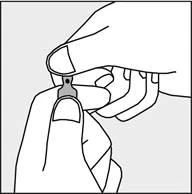
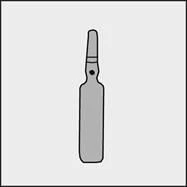
Each ampoule has a coloured dot (see Figure 1) indicating the score point located beneath it.
- To open the ampoule, hold it vertically with both hands, with the coloured dot facing towards you (see Figure 2). Grasp the upper part of the ampoule so that the thumb is positioned above the coloured dot.
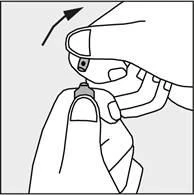
- Press as indicated by the arrow in Figure 3. Ampoules are for single use only and should be opened immediately before use. Any unused portion of the medicinal product must be discarded in accordance with applicable regulations.
Figure 1 Figure 2 Figure 3
Dosage
The maximum single dose of lidocaine with noradrenaline for a healthy adult patient without concomitant diseases is 500 mg and should not exceed 7 mg/kg body weight.
Lidocaine should be dosed individually, based on the patient's body weight and general condition. During anaesthesia, the patient must be supervised and vital functions monitored.
The intensity and duration of lidocaine's effect depend on the concentration and volume of the solution administered. Increasing the volume and concentration accelerates, prolongs, and intensifies the local anaesthetic effect. The addition of noradrenaline aims to slow the absorption of lidocaine from the injection site.
The lowest effective dose of lidocaine should always be used to minimize the risk of overdose. The product may be diluted with 0.9% sodium chloride solution.
Regional anaesthesia
| Drug concentration | Type of anesthesia | Maximum dose of lidocaine with added noradrenaline |
| 0.5 - 2% | Infiltration anesthesia | Up to 500 mg |
| 0.5 - 2% | Nerve trunk and plexus blocks | Up to 500 mg |
The solution should be used immediately after opening the ampoule. Any remaining unused portion of the solution must be discarded.
Overdose
Toxic symptoms occur after exceeding a certain serum concentration of lidocaine and depend on the administered dose, addition of vasoconstrictor drugs, injection site, tissue distribution, metabolism, and the patient's general condition.
Overdose may result from:
- relative overdose, when the drug is administered directly into a blood vessel or into a highly vascularized area;
- absolute overdose, when the maximum allowable dose has been exceeded.
Symptoms of overdose:
- central nervous system excitation phase – sensory disturbances around the lips and tongue, metallic taste in the mouth, slurred speech, dizziness, tinnitus, visual disturbances, chills, motor agitation, muscle tremors, convulsions;
- central nervous system depression phase – coma, respiratory and circulatory depression. Additionally, the following may occur: tachycardia, increased arterial pressure and vascular resistance, impaired cardiac automaticity, bradycardia, asystole, bronchodilation.
Signs of intoxication are an indication to immediately stop administering the drug. If symptoms are mild (visual disturbances, dizziness), calm the patient, administer oxygen to breathe, and secure intravenous access.
In case of a more severe toxic reaction (reduced consciousness and muscle tremors), if necessary, apply artificial lung ventilation, administer intravenous drugs to increase blood pressure (atropine, ephedrine, catecholamines), and anticonvulsant drugs (midazolam or diazepam).
If loss of consciousness with clonic-tonic convulsions occurs, immediately intubate the trachea and initiate artificial lung ventilation with 100% oxygen, administer intravenous anticonvulsants (diazepam, thiopental), correct acidosis, and provide symptomatic treatment according to intensive care principles.
Large doses of noradrenaline may cause general cardiovascular symptoms: tachycardia, increased blood pressure, cardiac arrhythmias. In such cases, symptomatic treatment should be applied.
Dialysis is ineffective in cases of acute lidocaine overdose.