Klipal
Poland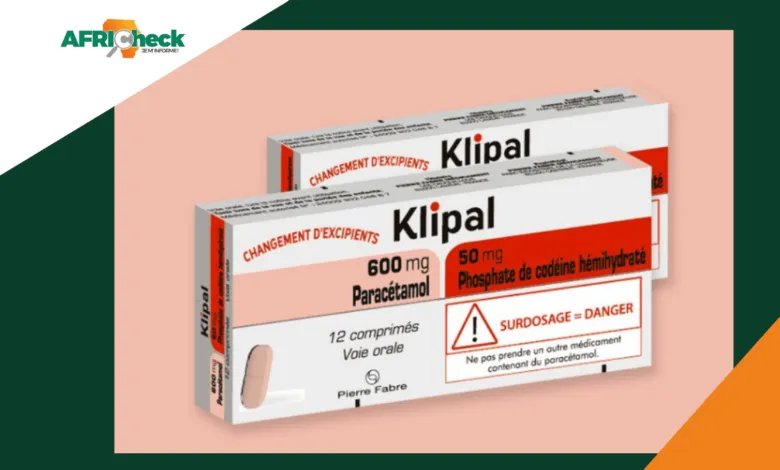
Table of Contents
Package leaflet: Information for the patient
Klipal, 600 mg + 50 mg, tablets
Paracetamolum + Codeini phosphas hemihydricus
Please read the entire leaflet carefully before using the medicine, as it contains important information for the patient.
- Keep this leaflet so that you can read it again if necessary.
- Consult your doctor or pharmacist if you have any further questions.
- This medicine has been prescribed for a specific individual. Do not pass it on to others. The medicine may harm someone else, even if their symptoms are the same.
- If you experience any adverse reactions, including any not listed in this leaflet, inform your doctor or pharmacist. See section 4.
Table of contents of the leaflet
- What Klipal is and what it is used for
- Important information before taking Klipal
- How to take Klipal
- Possible side effects
- How to store Klipal
- Contents of the pack and other information
1. What Klipal is and what it is used for
This medicine contains paracetamol and codeine.
Paracetamol has analgesic and antipyretic properties.
Codeine belongs to a group of medicines called opioid analgesics, which act by relieving pain. This medicine may be used alone or in combination with other analgesics such as paracetamol.
Klipal is indicated in patients over 15 years of age and weighing more than 50 kg for the short-term treatment of moderate pain that has not responded to other analgesics used as monotherapy, such as paracetamol or ibuprofen.
2. Important information before using Klipal
When not to use Klipal:
- in children under 15 years of age,
- in children and adolescents (from 0 to 18 years of age) after removal of palatine or pharyngeal tonsils as part of treatment for obstructive sleep apnoea syndrome,
- in case of hypersensitivity (allergy) to the active substance (codeine and/or paracetamol) or to any of the other ingredients of this medicine listed in section 6,
- in patients with severe liver disease,
- in patients with bronchial asthma,
- in patients with respiratory disorders (respiratory insufficiency),
- in patients who very rapidly metabolize codeine to morphine,
- in breastfeeding women (see the breastfeeding section),
- in combination with a medicine used to treat narcolepsy which contains sodium oxybate.
If in doubt, consult a doctor or pharmacist.
Warnings and precautions
Regular and long-term use of codeine (an active ingredient of this medicine) may lead to dependence and misuse, which in turn may result in overdose and/or death. Do not use this medicine longer than necessary. Do not use this medicine for longer than 3 days without consulting a doctor. Do not give this medicine to other people.
Before starting to use Klipal, consult a doctor or pharmacist:
- if the patient is or has ever been addicted to opioids, alcohol, prescription medicines or illicit substances,
- if the patient has liver disease (including acute viral hepatitis) or kidney disease,
- if the patient has a respiratory disorder (e.g. asthma),
- if the patient has mucus retention in the bronchi (cough with sputum production),
- if the patient has undergone gallbladder removal surgery, as codeine may cause acute abdominal pain,
- if the patient drinks large amounts of alcohol or has done so in the past,
- if the patient has nutritional problems (malnutrition),
- if the patient is dehydrated,
- if the patient has increased intracranial pressure (intracranial hypertension), as this medicine may further increase pressure,
- if the patient weighs less than 50 kg,
- if the patient has glucose-6-phosphate dehydrogenase deficiency (enzyme deficiency),
- if the patient has a severe infection; this may increase the risk of metabolic acidosis. Symptoms of metabolic acidosis include: deep, rapid breathing, difficulty breathing, nausea, vomiting, loss of appetite. Contact a doctor immediately if a combination of these symptoms occurs.
This medicine contains paracetamol and codeine.
Make sure that you are not taking other medicines containing paracetamol or codeine, including
those available without a prescription.
Do not take them simultaneously to avoid exceeding the recommended daily dose (see
section 3: How to use Klipal).
Neuropathic pain does not respond to codeine and paracetamol.
In pain treatment, especially in adolescents, administration of codeine requires close monitoring by a doctor.
Monitoring should include supervision of adolescents as follows: before administering the medicine, ensure that these patients do not have excessive or abnormal tendency to drowsiness.
Codeine is converted in the liver by an enzyme into morphine. Morphine is the substance responsible for pain relief. In some individuals, this enzyme is present in an altered form, causing the medicine to affect patients differently. In some people, morphine is not produced or is produced in very small amounts, resulting in insufficient analgesic effect. In others, serious adverse reactions may occur due to the production of very large amounts of morphine. If any of the following adverse reactions occur, discontinue use of the medicine and consult a doctor immediately: slowed or shallow breathing, disorientation, drowsiness, pinpoint pupils, constipation, loss of appetite, nausea or vomiting.
If blood uric acid or blood glucose levels are being tested, the patient or caregiver should inform the doctor about taking this medicine.
Athletes should be aware that although Klipal contains codeine (which is not a prohibited substance), codeine may be rapidly converted in some individuals into substances that may cause a positive result in anti-doping tests. Strict adherence to the recommended dosage of this medicine is essential, and use of Klipal should be declared during anti-doping controls.
Children and adolescents
This medicine should not be used in children under 15 years of age (see section 2 "When not to use
the medicine Klipal"). Seek advice from a doctor or pharmacist.
Use in children and adolescents after surgery:
Codeine should not be used to relieve pain in children and adolescents after removal of palatine or pharyngeal tonsils as part of treatment for obstructive sleep apnoea syndrome (sleep disorders caused by breathing pauses).
Use in children with respiratory disorders:
Codeine is not recommended in children with respiratory disorders, as symptoms of morphine toxicity may be more severe in these children.
Other medicines and Klipal
Inform your doctor or pharmacist about all medicines currently used, recently used, or planned to be used, including those available without a prescription.
In particular, inform your doctor or pharmacist if the patient is taking any of the following medicines before starting or during treatment with Klipal:
- paracetamol: a pain-relieving medicine; do not use other medicines containing paracetamol. Risk of overdose exists.
- codeine: a pain-relieving and antitussive medicine. Do not take other medicines containing codeine. Risk of overdose exists.
- opioids: pain-relieving, antitussive medicines or those used in substitution treatment (in case of addiction). Risk of overdose exists.
- sodium oxybate: used in the treatment of narcolepsy (see also section 2 "When not to use Klipal" above).
Simultaneous use of Klipal is not recommended with:
- anticoagulant medicines,
- medicines containing alcohol,
- certain pain-relieving medicines (buprenorphine, nalbuphine or pentazocine),
- medicines used in the treatment of alcohol or drug addiction (buprenorphine, naltrexone, nalmefene),
- anticholinergic medicines (including imipramine-like medicines, phenothiazine neuroleptics, antispasmodics, certain H1 receptor-blocking antihistamines, antiparkinsonian anticholinergic medicines, disopyramide),
- other medicines with sedative and hypnotic effects (neuroleptics, non-benzodiazepine anxiolytics, sleeping medicines, sedative antidepressants, sedative H1 receptor-blocking antihistamines, centrally acting antihypertensives, baclofen and thalidomide) (see below),
- other opioid pain-relieving medicines,
- flucloxacillin (an antibiotic), due to the serious risk of a disorder affecting blood and body fluids (metabolic acidosis with a high anion gap), which requires urgent treatment and may occur particularly in patients with severe renal impairment, sepsis (a condition where bacteria and their toxins circulate in the blood, leading to organ damage), malnutrition, chronic alcoholism, and in patients taking maximum daily doses of paracetamol.
Concomitant use of Klipal with sedative medicines such as benzodiazepines and related substances increases the risk of drowsiness, breathing difficulties (respiratory depression), coma, and may be life-threatening. For this reason, concomitant use should only be considered when other treatment options are not possible.
If a doctor prescribes Klipal together with sedative medicines, the dose and duration of concomitant use should be limited by the doctor.
Inform your doctor about all sedative medicines being taken and strictly follow medical advice. It may be helpful to inform family members and friends about the possible occurrence of the symptoms described above. If these symptoms occur, contact a doctor.
Klipal and alcohol
Consumption of alcohol, alcoholic beverages or medicinal products containing alcohol is not recommended during treatment due to the risk of sedation and respiratory depression.
In cases of chronic alcoholism, there is an increased risk of liver damage.
Pregnancy, breastfeeding and effects on fertility
If the patient is pregnant or breastfeeding, suspects she may be pregnant, or is planning to have a child, she should consult a doctor or pharmacist before using this medicine.
Pregnancy
If pain does not subside and before starting to take this medicine, consult a doctor and strictly follow the recommended dose.
If clinically necessary, a doctor may consider occasional use of this medicine at the lowest effective analgesic dose, for the shortest possible duration and with the lowest possible frequency. Prolonged use of the medicine should be avoided.
Codeine taken towards the end of pregnancy may cause toxic effects in the newborn.
Breastfeeding
Do not take this medicine while breastfeeding, as it contains codeine. Codeine and morphine (derived from codeine) pass into breast milk and may pose a risk to the infant.
Fertility
Paracetamol may cause reversible changes in fertility in women, which resolve after discontinuation of treatment.
Driving and operating machinery
Drivers and machine operators should be aware of the risk of drowsiness associated with using this medicine due to the codeine it contains.
This effect is intensified by consumption of alcoholic beverages.
Klipal also contains:
- azo dye - orange yellow, lac (E 110), which may cause allergic reactions,
- less than 1 mmol (23 mg) of sodium per tablet, meaning the product is considered "sodium-free".
3. How to take Klipal
This medicine should always be taken as directed by the physician. In case of doubt, consult
your doctor or pharmacist.
Dosage
This medicine is intended for use only in adults and adolescents above the age of 15
weighing more than 50 kg.
The dosage should be adjusted by the physician according to the intensity of pain. In general, the medicine should be used at the lowest effective dose for the shortest possible duration.
Treatment with this medicine should be limited to 3 days. If there is no relief from pain after 3 days, medical advice should be sought.
To avoid the risk of overdose, check whether other medicines being taken, including those available without a prescription, contain codeine and paracetamol.
Recommended dose:
- Adults: 1 tablet; if necessary, the dose may be repeated every 6 hours. Do not exceed a dose of 4 tablets per day.
- Children and adolescents: Children under 15 years of age: Klipal should not be used in children under 15 years of age due to the risk of severe respiratory depression. Adolescents aged 15 to 18 years: Klipal should not be used in adolescents weighing less than 50 kg. It is essential to follow the physician's instructions. The prescribed dosage based on the adolescent's body weight must be strictly observed. The physician will determine the dosage according to body weight and pain intensity. Informational guidance on dosing in adolescents over 15 years of age:
| Body weight | |
| <50 kg | Use a different strength or formulation of the medicine. Consult a doctor or pharmacist. |
| >50 kg | 1 tablet as needed every 6 hours. Do not take more than 4 tablets per day. |
To avoid the risk of overdose:
- ensure that no other medications containing paracetamol or codeine are being taken, including those available without a prescription;
- do not take doses higher than the maximum recommended doses (unless otherwise directed by a physician), taking into account other medications containing paracetamol.
- Elderly patients and patients with hepatic impairment: The initial dose should be half the usual recommended dose for adults. The physician may then increase the dose according to tolerance and need.
- Patients with renal impairment: In case of kidney disease (renal failure), there is a risk of accumulation of codeine and paracetamol. For this reason, the physician may reduce the dose. The interval between doses should not be shorter than 8 hours.
Adolescents over 15 years of age with renal impairment should be under strict medical supervision. If unusual symptoms occur (e.g. dizziness or difficulty breathing), contact a physician immediately.
- Other situations: The maximum daily dose of paracetamol should not exceed 60 mg/kg body weight/day (must not exceed 2 g paracetamol/day) in the following situations:
- if the patient weighs less than 50 kg,
- if the patient has severe kidney or liver disease,
- if the patient drinks large amounts of alcohol or has a history of alcohol consumption,
- if the patient has nutritional problems (malnutrition),
- if the patient is dehydrated.
If you feel that the effect of Klipal is too strong or too weak, inform your doctor or pharmacist.
Method and route of administration
Oral administration.
Tablets should be swallowed whole with a glass of water.
The break line is intended to facilitate swallowing and should not be used for dose adjustment.
Use of a higher than recommended dose of Klipal
Discontinue treatment immediately and contact a doctor or emergency services without delay.
Overdose can result in death. Within the first 24 hours, main symptoms of poisoning include: vomiting, abdominal pain, slowed breathing, drowsiness.
Paracetamol overdose, even if the patient feels well, may lead to delayed, serious liver damage.
Missed dose of Klipal
Do not take a double dose to make up for a missed tablet. Continue treatment as recommended.
Discontinuation of Klipal
If this medication has been taken for a prolonged period, abrupt discontinuation may cause withdrawal syndrome.
If you have any further doubts regarding the use of this medicine, consult your doctor or pharmacist.
4. Possible adverse reactions
Like all medicines, this medicine can cause adverse reactions, although not everyone experiences them.
DATA REGARDING CODEINE
Adverse reactions occurring with unknown frequency (frequency cannot be estimated from
available data):
- With long-term use:
-
- abuse, dependence
-
- withdrawal symptoms if treatment is suddenly stopped
-
- withdrawal symptoms in newborns born to mothers who regularly took the medicine during pregnancy
- Allergic skin reactions such as itching, urticaria, or skin rash. If such symptoms occur, discontinue use of this medicine immediately and inform your doctor without delay.
- Pancreatitis, acute abdominal pain, particularly in patients who have had their gallbladder removed. In such cases, consult your doctor.
- Drowsiness, somnolence, and dizziness.
- Breathing difficulties. If such symptoms occur, discontinue use of this medicine immediately and inform your doctor without delay.
- Euphoria, mood disturbances.
- Pupillary constriction.
- Difficulty in urination.
- Constipation, nausea, vomiting.
DATA REGARDING PARACETAMOL
Rare (may occur in fewer than 1 in 1,000 people):
In rare cases, skin rash or red spots may appear, or an allergic reaction characterized by rapidly progressing facial and neck swelling or sudden malaise associated with a drop in blood pressure. If any of these symptoms occur, stop taking the medicine immediately, contact your doctor without delay, and never take paracetamol-containing medicines again in the future.
Very rare (may occur in fewer than 1 in 10,000 people):
- Very rare cases of serious skin reactions have been reported. In such cases, discontinue the medicine immediately, contact your doctor without delay, and never take paracetamol-containing medicines again in the future.
- Blood morphology changes requiring blood tests have been observed: abnormally low levels of white blood cells or platelets, increasing the patient's risk of infections and causing nosebleeds or gum bleeding. In such cases, consult your doctor.
Reporting of adverse reactions
If any adverse reactions occur, including those not listed in this leaflet, inform your doctor or pharmacist. Adverse reactions can be reported directly to the Department of Monitoring Adverse Drug Reactions at the Office for Registration of Medicinal Products, Medical Devices and Biocidal Products:
Al. Jerozolimskie 181C
02-222 Warsaw, tel.: 22 49-21-301
fax: 22 49-21-309
Website: https://smz.ezdrowie.gov.pl.
Adverse reactions can also be reported to the marketing authorization holder.
Reporting adverse reactions helps to provide more information on the safety of the medicine.
5. How to store Klipal
Keep this medicine out of the sight and reach of children.
Do not use this medicine after the expiry date stated on the blister pack after EXP. The expiry date refers to the last day of the specified month.
No special storage instructions apply for this medicine.
Medicines must not be disposed of via wastewater or household waste. Ask your pharmacist how to dispose of medicines no longer required. This will help protect the environment.
6. Contents of the package and other information
What Klipal contains
- The active substances in one tablet are: Paracetamol ( Paracetamolum ) .......................................................................... 600.00 mg Codeine phosphate hemihydrate ( Codeini phosphas hemihydricus ) ......................... 50.00 mg (equivalent to 36.8 mg of codeine).
- Other ingredients are: microcrystalline cellulose, sodium croscarmellose (see section 2.), povidone (K30), orange yellow, lac (E 110) (see section 2.), talc, magnesium stearate.
What Klipal looks like and contents of the pack
This medicinal product is in the form of a light orange, elongated, biconvex tablet, 18 mm long and 7.5 mm wide, with a score line on one side to facilitate swallowing.
The pack contains 12, 100 or 120 tablets. Not all pack sizes may be marketed.
Marketing Authorisation Holder
PIERRE FABRE MEDICAMENT
Les Cauquillous
81500 – Lavaur
France
Manufacturer
PIERRE FABRE MEDICAMENT PRODUCTION
Site Progipharm
Rue du Lycée
45500 Gien
France
This medicinal product is authorised in the Member States of the European Economic Area under the following names:
Poland: KLIPAL
France: KLIPAL
Other sources of information
Detailed information on this medicinal product is available on the website of the Office for Registration of Medicinal Products, Medical Devices and Biocidal Products http://urpl.gov.pl.