Kivizidiale
Poland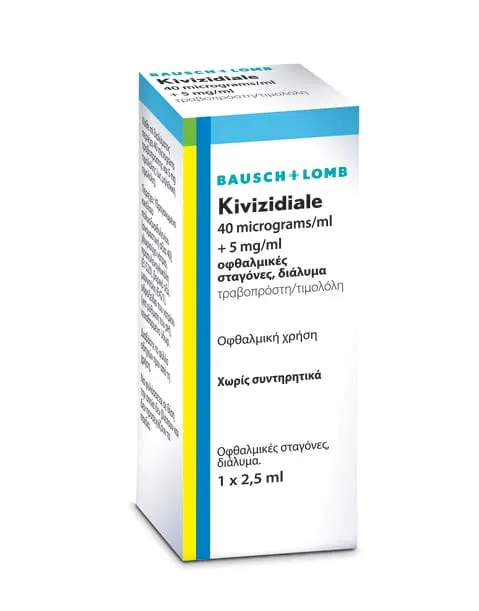
Table of Contents
Package leaflet: Information for the user
Kivizidiale,
40 micrograms/ml + 5 mg/ml, eye drops, solution
Travoprost + Timolol
Please read all of this leaflet carefully before using this medicine because it contains
important information for you.
- Keep this leaflet. You may need to read it again.
- If you have any further questions, ask your doctor or pharmacist.
- This medicine has been prescribed for a specific individual. Do not pass it on to others. It may harm them even if their symptoms are the same.
- If you experience any side effects, including any not listed in this leaflet, tell your doctor or pharmacist. See section 4.
Contents of the leaflet
- What Kivizidiale is and what it is used for
- Important information before using Kivizidiale
- How to use Kivizidiale
- Possible side effects
- How to store Kivizidiale
- Contents of the pack and other information
1. What Kivizidiale is and what it is used for
Kivizidiale eye drops, solution, is a combination of two active substances (travoprost and
timolol). Travoprost is a prostaglandin analogue that works by increasing the outflow of
aqueous fluid from the eye, thereby reducing pressure. Timolol is a beta-blocker that works by
reducing the production of fluid inside the eye. Together, these two substances help lower
intraocular pressure.
Kivizidiale eye drops are used to treat elevated intraocular pressure in adults, including elderly
patients. This pressure may lead to the development of a condition called glaucoma.
Kivizidiale eye drops are a sterile solution that does not contain preservatives.
2. Important information before using Kivizidiale
When not to use Kivizidiale eye drops, solution
- if the patient has a known allergy to travoprost, prostaglandins, timolol, beta-blockers, or any of the other ingredients of this medicine (listed in section 6).
- if the patient has or has had breathing problems such as asthma, severe chronic obstructive pulmonary disease (severe lung disease which may cause wheezing, difficulty breathing and/or long-lasting cough) or other types of respiratory disorders.
- if the patient has severe hay fever.
- if the patient has a slow heart rate, heart failure, or heart rhythm disorders (irregular heartbeat).
- if the surface of the eye is clouded.
Ask the doctor whether any of the conditions listed above apply to the patient
who has been prescribed this medicine.
Warnings and precautions
Before starting treatment with this medicine, inform the doctor about any of the
conditions listed below, if they are currently present or have occurred in the past.
- coronary heart disease (symptoms may include chest pain or tightness, difficulty breathing, shortness of breath), heart failure, low blood pressure.
- heart rhythm disorders, such as slow heartbeat.
- breathing difficulties, asthma, or chronic obstructive pulmonary disease (COPD).
- circulatory disorders (such as Raynaud's disease or Raynaud's syndrome).
- diabetes (because timolol may mask symptoms of low blood sugar).
- hyperthyroidism (because timolol may mask subjective and objective symptoms of thyroid disease).
- myasthenia gravis (chronic neuromuscular weakness).
- cataract surgery.
- eye inflammation.
If the patient is to undergo any surgical procedure, inform the doctor about the use of Kivizidiale, as timolol may affect the action of certain anaesthetic drugs.
If during treatment with Kivizidiale, the patient develops any severe allergic reaction (skin rash, eye redness and itching), regardless of the cause, treatment with adrenaline may not be sufficiently effective. It is therefore important to inform the doctor about the use of Kivizidiale if the patient is to receive any other treatment.
Kivizidiale may change the colour of the iris (the coloured part of the eye); this change may be permanent.
Kivizidiale may increase the length, thickness, colour and/or number of eyelashes and may cause abnormal hair growth on the eyelids.
Travoprost may be absorbed through the skin and therefore should not be used by pregnant women or women planning pregnancy. If any amount of the medicine comes into contact with the skin, wash it off immediately.
Children and adolescents
Kivizidiale is not intended for use in children and adolescents under 18 years of age.
Kivizidiale and other medicines
Tell your doctor or pharmacist about all medicines the patient is currently taking or has recently taken, including medicines obtained without a prescription, as well as any medicines the patient plans to take.
Kivizidiale may alter the effect of other concurrently administered medicines, or these medicines may alter the effect of Kivizidiale; this also applies to other eye drops used in the treatment of glaucoma.
Inform the doctor if the patient is taking or intends to take any of the following medicines:
- medicines that lower blood pressure,
- medicines used to treat heart conditions, including quinidine (used in the treatment of heart conditions and certain forms of malaria),
- antidiabetic medicines or antidepressants such as fluoxetine and paroxetine.
Pregnancy, breastfeeding and fertility
If the patient is pregnant or breastfeeding, suspects she may be pregnant, or is planning to have a baby, she should consult a doctor or pharmacist before using this medicine.
Do not use Kivizidiale during pregnancy unless the doctor specifically advises otherwise. If the patient could become pregnant, she should use appropriate contraceptive methods during treatment with this medicine.
Do not use Kivizidiale if the patient is breastfeeding. Kivizidiale may pass into breast milk.
Driving and using machines
Vision may be blurred for a short time after instilling Kivizidiale eye drops. Until these symptoms resolve, the patient should not drive or operate machinery.
Kivizidiale contains macrogolglycerol hydroxystearate 40
This medicine contains macrogolglycerol hydroxystearate 40, which may cause skin reactions.
3. How to use Kivizidiale
This medicine should always be used as directed by a physician. If in doubt,
consult a doctor or pharmacist.
Recommended dose:
One drop into the conjunctival sac of the affected eye or eyes, once daily: in the morning or evening.
The medicine should be used every day at the same time.
Kivizidiale may be used in both eyes only if so directed by a physician.
Kivizidiale should be used for as long as directed by a physician.
Kivizidiale should be used only as eye drops.
If other eye drops are being used, an interval of at least 5 minutes should be maintained
between instillation of Kivizidiale and application of other eye drops.
If the patient wears soft contact lenses, Kivizidiale should not be administered
while the lenses are in place. After instilling the drops, wait 15 minutes before inserting the lenses.
Instructions for use of the medicine
1a
1b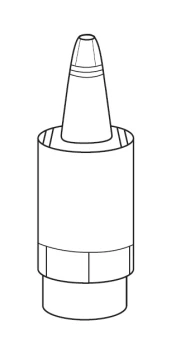 |
|
2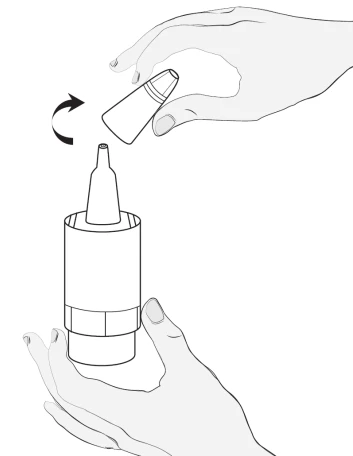 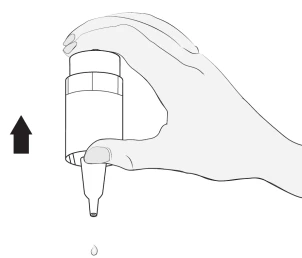 |
|
3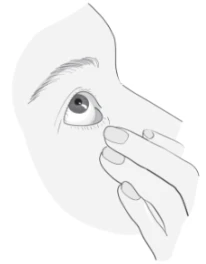 |
|
4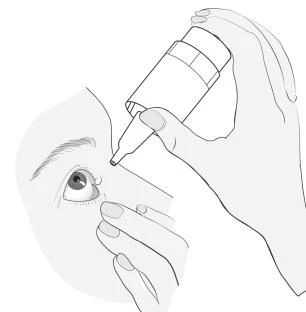 |
|
5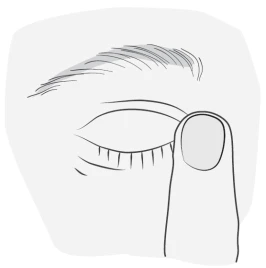 |
|
|
Use of a higher than recommended dose of Kivizidiale
If more Kivizidiale has been used than recommended, rinse the eyes by washing them with warm water. Do not instill any more drops until the next scheduled dose.
Missed dose of Kivizidiale
If a dose of Kivizidiale has been missed, continue using the medicine according to the normal dosing schedule. Do not use a double dose to make up for the missed dose. The dose administered to the affected eye(s) must not exceed one drop per day.
Stopping treatment with Kivizidiale
If treatment with Kivizidiale is stopped without consulting a doctor, intraocular pressure will not be controlled, which may lead to loss of vision.
If you have any doubts concerning the use of this medicine, consult your doctor or pharmacist.
4. Possible adverse reactions
Like all medicines, this medicine can cause adverse reactions, although not everyone experiences them.
You can usually continue using the drops unless the adverse reactions are severe.
If you have any concerns, contact your doctor or pharmacist. Do not stop using Kivizidiale without consulting your doctor.
Very common adverse reactions (may affect more than 1 in 10 people)
Eye-related symptoms
Eye redness
Common adverse reactions (may affect less than 1 in 10 people)
Eye-related symptoms
Inflammation of the eye surface with damage to the eye surface, eye pain, blurred vision, abnormal vision, dry eye, eye itching, eye discomfort, objective and subjective eye irritation symptoms (e.g. burning, stinging).
Uncommon adverse reactions (may affect less than 1 in 100 people)
Eye-related symptoms
Eye surface inflammation, eyelid inflammation, conjunctival swelling, increased eyelash growth, iris inflammation, eye inflammation, light sensitivity, restricted vision, eye fatigue, eye allergy, eye swelling, increased tear production, eyelid redness, eyelid color changes, darkening of the skin (around the eye).
General symptoms
Allergic reaction to the active substance, dizziness, headache, increased or decreased blood pressure, shortness of breath, excessive hair growth, postnasal drip, skin inflammation and itching, slowed heart rate.
Rare adverse reactions (may affect less than 1 in 1,000 people)
Eye-related symptoms
Thinning of the eye surface, inflammation of the meibomian glands, rupture of blood vessels in the eye, crusts on the eyelid margins, abnormal eyelash positioning, abnormal eyelash growth.
General symptoms
Nervousness, irregular heartbeat, hair loss, voice disturbances, breathing difficulties, cough, sore throat, chills, abnormal blood test results indicating liver function abnormalities, skin discoloration, increased thirst, fatigue, nasal discomfort, discolored urine, pain in hands and feet.
Adverse reactions with unknown frequency (frequency cannot be estimated from available data)
Eye-related symptoms
Eyelid drooping (causing a half-closed eye appearance), enophthalmos (eyes appear sunken), changes in iris color (colored part of the eye).
General symptoms
Rash, heart failure, chest pain, stroke, fainting, depression, hallucinations, asthma, increased heart rate, tingling or numbness sensation, palpitations, swelling of the lower limbs, unpleasant taste.
Additional information:
Kivizidiale is a combination of two active substances: travoprost and timolol. Travoprost and timolol (a beta-blocker), like other ophthalmic medicines, are absorbed into the bloodstream. This may lead to adverse reactions similar to those observed with oral or injectable beta-blockers. However, the frequency of adverse reactions with topical ocular administration is lower than with oral or injectable administration.
Below are adverse reactions observed with the entire class of ophthalmic beta-blockers or reactions observed with travoprost alone.
Eye-related symptoms:
Eyelid inflammation, corneal inflammation, detachment after filtration surgery of the layer beneath the retina containing blood vessels, which may cause vision disturbances, reduced corneal sensitivity, corneal ulceration (damage to the front layer of the eyeball), double vision, eye discharge, swelling around the eyes, eyelid itching, eyelid eversion with redness, eye irritation and excessive tearing, blurred vision (indicating lens opacification), swelling of eye structures (uveal membrane), eyelid rash, halo vision, reduced eye sensitivity, discoloration inside the eye, pupil dilation, change in eyelash color, change in eyelash texture, abnormal visual field.
General symptoms:
- Ear and labyrinth disorders: dizziness with spinning sensation, tinnitus.
- Heart and circulatory system: slowed heart rate, palpitations, edema (fluid retention), changes in heart rhythm or rate, congestive heart failure (heart disease causing shortness of breath and swelling of ankles and legs due to fluid accumulation), rhythm disorders, heart attack, low blood pressure, Raynaud's syndrome, cold hands and feet, reduced blood flow to the brain.
- Respiratory system: bronchospasm in the lungs (mainly in patients with pre-existing disease), nasal discharge or nasal congestion, sneezing (due to allergy), breathing difficulties, nosebleeds, dryness of the nasal mucosa.
- Nervous system and general disorders: difficulty falling asleep (insomnia), nightmares, memory loss, loss of strength and energy, anxiety (excessive emotional uneasiness).
- Gastrointestinal tract: taste disturbances, nausea, indigestion, diarrhea, dry mouth, abdominal pain, vomiting, constipation.
- Allergy: worsening of allergic symptoms, generalized allergic reactions involving skin swelling in areas such as the face and limbs, which may block airways and cause difficulty in swallowing and breathing, or localized and generalized rash, itching, severe and sudden life-threatening allergic reactions.
- Skin: silver-white rash (resembling psoriasis) or worsening of psoriasis, skin peeling, abnormal hair structure, skin inflammation with itchy rash and redness, hair color changes, eyelash loss, itching, abnormal hair growth, skin redness.
- Musculoskeletal system: worsening of objective and subjective symptoms of myasthenia gravis (muscle disease), unusual sensations such as tingling and numbness, muscle weakness/fatigue, muscle pain not caused by exercise, joint pain.
- Kidney and urinary disorders: difficulty and pain during urination, urinary incontinence.
- Reproductive system: sexual dysfunction, decreased libido.
- Metabolism: low blood sugar levels, increased prostate cancer marker levels.
Reporting of adverse reactions
If any adverse reactions occur, including those not listed in this leaflet, inform your doctor or pharmacist. Adverse reactions can be reported directly to the Department of Monitoring Adverse Drug Reactions of the Office for Registration of Medicinal Products, Medical Devices and Biocidal Products
Al. Jerozolimskie 181C
02-222 Warsaw
Tel.: +48 22 49 21 301
Fax: +48 22 49 21 309
e-mail: [email protected]
Adverse reactions can also be reported to the marketing authorization holder.
Reporting adverse reactions helps provide more information on the safety of this medicine.
5. How to store Kivizidiale
Keep out of the sight and reach of children.
Do not use Kivizidiale eye drops, solution after the expiry date (marked as "EXP") stated on the container and carton. The expiry date refers to the last day of the stated month.
Do not use this medicine if there are any signs of damage or tampering to the container before first opening.
Store below 25°C.
Discard the container 28 days after first opening and start using the medicine from a new container.
The opening date of each container should be recorded in the space provided on the container label and carton.
Medicines must not be disposed of via wastewater or household waste. Ask your pharmacist how to dispose of medicines no longer required. These measures help protect the environment.
6. Contents of the package and other information
What Kivizidiale contains
The active substances in this medicine are travoprost and timolol.
Each ml of solution contains 40 micrograms of travoprost and 5 mg of timolol (as timolol maleate).
The other ingredients are: macrogolglycerol hydroxystearate 40, sodium chloride, propylene glycol, boric acid, mannitol, sodium hydroxide (for pH adjustment), purified water.
What Kivizidiale looks like and contents of the pack
Kivizidiale eye drops solution is a clear, colourless aqueous solution, practically free from particles, with a volume of 2.5 ml.
The cardboard box contains multi-dose containers made of polypropylene (PP) with a capacity of 5 ml, equipped with a pump (made of PP, HDPE, LDPE), a pressure cylinder, and a cap made of HDPE.
Pack sizes: 1 or 3 containers containing 2.5 ml of solution, in a cardboard box.
Not all pack sizes may be marketed.
Marketing Authorisation Holder
Bausch + Lomb Ireland Limited
3013 Lake Drive
Citywest Business Campus
Dublin 24, D24PPT3
Ireland
Manufacturer
JADRAN - GALENSKI LABORATORIJ d.d.
Svilno 20
51000 Rijeka
Croatia
Pharmathen SA
Dervenakion 6
15351 Pallini Attiki
Greece
This medicinal product is authorised in the Member States of the European Economic Area under the following names:
Austria Kivizidiale 40 Microgramm/ml + 5 mg/ml Augentropfen Lösung
Belgium Kivizidiale 40 microgram/ml + 5 mg/ml oogdruppels, oplossing
Bulgaria Кивизидиал 40 микрограма/ml + 5 mg/ml капки за очи, разтвор
Germany Kivizidiale 40 Microgramm/ml + 5 mg/ml Augentropfen, Lösung
Cyprus Kivizidiale
Croatia Kivizidiale 40 mikrograma/ml + 5 mg/ml, kapi za oko, otopina
Denmark Kivizidiale
Estonia Kivizidiale
Spain Kivizidiale 40 μg/ml + 5 mg/ml colirio en solución
France Kivizidiale, 40 microgrammes / 5 mg par mL collyre en solution
Greece Kivizidiale
Hungary Kivizidiale 40 mikrogramm/ml + 5 mg/ml oldatos szemcsepp
Netherlands Kivizidiale 40 microgram/ml + 5 mg/ml oogdruppels, oplossing
Lithuania Kivizidiale 40 mikrogramų / 5 mg/ml akių lašai (tirpalas)
Luxembourg Kivizidiale 40 microgrammes/ml + 5 mg/ml collyre en solution
Poland Kivizidiale
Portugal Kivizidiale 40 μg/ml + 5 mg/ml colírio, solução
Romania Kivizidiale 40 micrograme/mL + 5 mg/mL picături oftalmice, soluţie
Slovakia Kivizidiale 40 mikrogramov/ml + 5 mg/ml